Tag: Transformation

  • Meta Kickstarts Global Layoff of 8,000 Employees: The Dawn of AI Transformation Begins with 4 AM Emails in Singapore

    Meta Kickstarts Global Layoff of 8,000 Employees: The Dawn of AI Transformation Begins with 4 AM Emails in Singapore

    Meta, the global tech powerhouse, has initiated an extensive downsizing initiative, beginning with an announcement to its Singaporean employees. The company plans a 10% reduction of its workforce across the globe, also affecting team members in the US and the UK. As the process unfolds, employees have been advised to work remotely.

    This current layoff phase is projected to have a significant impact on Meta’s product and engineering teams. Insiders suggest that additional cuts could follow later in 2026. However, this information has not yet been made public.

    New Focus on AI

    As part of its strategic restructuring, Meta has reassigned approximately 7,000 employees to newly-formed teams. These groups are centered around artificial intelligence (AI) initiatives, including the development of AI products and agents.

    Committed to its AI focus, Meta has earmarked over US$100 billion for AI capital expenditures in 2026. As of March’s end, Meta’s employee count stood just shy of 80,000, prior to the announced layoffs and reassignments.

    Janelle Gale, Meta’s Head of People, has explained that these changes allow for a streamlined, efficient organizational structure. Smaller, agile teams or “pods” can work at a quicker pace and with a greater sense of ownership. Gale expressed confidence that this approach would bolster productivity and elevate job satisfaction.

    A History of Layoffs and Backlash

    Over recent years, Meta has repeatedly downsized its workforce as part of continuous efficiency pursuits, championed by CEO Mark Zuckerberg. He has urged engineers to leverage AI agents for coding and other functions, proposed device monitoring strategies to enhance technology, and developed his own AI-assistant for handling CEO-related tasks, such as collating employee feedback. The cumulative impact of these job cuts and reassignments is expected to affect approximately 20% of the company’s workforce.

    However, this drastic change has not been quietly accepted by all. Many Meta employees have expressed their dissent, distributing protest flyers at company offices and posting criticisms on its internal communications platform, Workplace. A petition against the proposed installation of mouse-tracking software — designed to train Meta’s AI models by monitoring human-computer interaction — has already garnered over 1,000 signatures.

    The wider tech industry is also wrestling with the implications of AI advancement. Rising stock prices and the burgeoning valuation of AI startups contrast starkly with the increasing job cuts. In 2026 alone, nearly 110,000 job positions have been eliminated across 137 tech companies, trending towards a repeat of the 2023 peak. That year, over 260,000 workers were laid off in the wake of the Covid-19 pandemic’s hiring surge.

    Questions & Answers

    Why is Meta initiating these layoffs?
    Meta is restructuring to focus on AI initiatives and streamline its structure, aiming for greater efficiency and productivity.

    What roles are affected by these layoffs?
    The layoffs are expected to significantly impact Meta’s engineering and product teams.

    How has the downsizing been received by the company’s employees?
    There has been considerable backlash among Meta employees, with protests and a petition against the proposed use of mouse-tracking software to train AI models.


  • Citi Strengthens Bonds with Vietnam: A New Era of Financial Growth and Digital Transformation

    Citi Strengthens Bonds with Vietnam: A New Era of Financial Growth and Digital Transformation

    Catherine Simmons, a significant figure in the U.S.-ASEAN Business Council, shared her insights following a recent delegation visit to Hanoi. Simmons discussed the importance of the visit, the financial sector’s key messages, and Citi’s future forecasts for Vietnam.

    Assessing the Importance of the Delegation Visit

    Simmons classified the visit as both relevant and substantive. It provided the first opportunity for a public-private dialogue between the freshly appointed Vietnamese government and the U.S. business community, allowing for an early engagement to reaffirm the private sector’s commitment to Vietnam’s ongoing development.

    The visit saw the participation of 52 U.S. companies and 120 delegates, showcasing the strong and growing interest in Vietnam. Not only is Vietnam perceived as a strategic supply chain hub and a domestic market with a population over 100 million, but it’s also viewed as a key long-term growth opportunity in the region.

    As for Citi, the delegation visit provided an excellent opportunity to strengthen its relationship with policymakers and reinforce its long-standing commitment to Vietnam.

    Key Takeaways from the Dialogue with Vietnamese Government

    During the discussions, the financial services industry – represented by Citi, ClearOne, Manulife, Warburg Pincus, Mastercard, and Visa – highlighted the importance of a modern, connected, and robust financial system for economic infrastructure. They expressed their support for Vietnam’s initiatives to further digital transformation, regulatory modernization, and innovation in both public and private sectors.

    The group also urged for ongoing consultations with industry stakeholders as Vietnam formulates laws and policies that will impact the financial markets. They showed their readiness to offer technical expertise and practical solutions to issues concerning settlement infrastructure, payments interoperability, cross-border data flows, and alignment with international standards.

    These issues are crucial to Vietnam at this time as the country is at a critical development stage. As it integrates deeper into the global markets, it will need a more advanced financial infrastructure to sustain increasing investment flows, broader capital market participation, and the evolving needs of a rapidly changing digital economy.

    Questions & Answers

    What was the Vietnamese government’s reaction to the delegation’s recommendations?
    The Vietnamese Prime Minister, Le Minh Hung, assured that the government is committed to rapid and sustainable growth. He emphasized that science, technology, innovation, and digital transformation are at the core of their development strategy and called on ministries and agencies to address the issues raised by the delegation promptly.

    What does this visit signify for Citi’s future in Vietnam?
    The visit gave Citi an opportunity to strengthen its relationships with various government ministries and agencies in Vietnam. In addition to providing financial services, the bank contributes to policy dialogue, supports market development, and facilitates connections to global capital and trade flows. Citi views Vietnam as a strategically important market with significant opportunities to support the country’s growth as reforms continue.

    What is the potential impact of the delegation’s visit on the U.S.-Vietnam relations?
    The delegation’s visit signifies an important step towards strengthening U.S.-Vietnam relations. Its success has laid the groundwork for continued engagement between policymakers and the business community, reflecting Vietnam’s clear ambition to modernize and strengthen economic competitiveness.

  • Coca-Cola’s Upbeat 2025: Digital Transformation and Steady Growth Ahead

    Coca-Cola’s Upbeat 2025: Digital Transformation and Steady Growth Ahead

    Coca-Cola, a leading player in the soft drink industry, showcased continued revenue growth in 2025, setting the groundwork for its long-term success plan.

    Growth Pattern

    The company’s net revenues exhibited a 2% increase in both the fourth quarter and the entire year, while organic revenues saw a 5% growth over the same timeframe. James Quincey, chairman and CEO of Coca-Cola, expressed his satisfaction with the 2025 performance, which he believes demonstrates both the resilience and momentum inherent in the business.

    Quincey also shared insights into the company’s future plans, stating, “Our focus moving forward will be on better execution of our strategy and ensuring our system is primed for long-term success.”

    Towards a Digital Future

    Coca-Cola is set to fast-track its digital transformation with the aim of fostering closer relationships with consumers. Key initiatives include the establishment of a chief digital officer position, the launch of innovation hubs, and the inception of “commercial centres of excellence” in strategic markets.

    A spokesperson for the company explained that, “These collective actions are designed to better position the business to attract new customers, take the lead with marketing and innovation, and pilot a system that is ready for the future.”

    Sales and Revenue Highlights

    Sales figures for Coca-Cola’s zero sugar drink rose by 13% in Q4, while Diet Coke saw a 2% increase in the same period. However, the company’s operating income for the quarter fell 32% due to a US$960 million ($1.35 billion) charge related to a Bodyarmor trademark. Despite this, annual operating income showed a 38% rise.

    Future Expectations

    Looking ahead, Coca-Cola anticipates a free cash flow of approximately $17.1 billion, which includes an estimated $20.2 billion cash flow from operations.

    Questions & Answers

    What were the growth rates for Coca-Cola’s net and organic revenues in 2025?
    The company’s net revenues grew by 2% and organic revenues increased by 5% in the same year.

    What are some initiatives Coca-Cola is taking as part of its digital transformation?
    Coca-Cola is appointing a chief digital officer, setting up innovation hubs, and creating commercial centres of excellence in key markets.

    How does Coca-Cola’s operating income for 2025 compare to the previous year?
    Despite a 32% drop in the operating income for Q4 due to a trademark-related charge, the annual operating income grew by 38%.

  • Cambodia Ushers in Digital Transformation with Nationwide 5G Launch in 2026

    Cambodia Ushers in Digital Transformation with Nationwide 5G Launch in 2026

    Cambodia is preparing to introduce 5G mobile services as of January 1, 2026, as reported by the Ministry of Post and Telecommunications. The three major mobile operators in the region, Cellcard (CamGSM), Metfone (Viettel Cambodia), and Smart (Smart Axiata), have already constructed telecommunications antenna stations and equipped these locations with the necessary 5G network infrastructure.

    5G Services Rollout

    Coinciding with New Year’s Day celebrations, customers across the three mobile operators will gain access to 5G services right from 12:01 a.m. on January 1, 2026. The initial phase of the rollout will see 5G services made available in key areas including the capital city, Phnom Penh, and various regions in Siem Reap, Kandal, Svay Rieng, Kampong Speu, Takeo, Kampong Cham, Kampong Thom, Prey Veng, Kratie, Kampong Chhnang, Pursat, Preah Sihanouk, Stung Treng, and Kampot.

    There are plans for subsequent phases to extend the coverage of 5G services throughout the other provinces of the Southeast Asian country.

    The Impact of 5G Services

    The launch of 5G services is anticipated to significantly propel digital evolution across the economic and societal landscape. Key benefits include faster internet speeds compared to the existing 4G, the simultaneous connection of multiple devices, reduced latency, and augmented efficiency in delivering digital public services.

    The new 5G services represent more than just enhanced internet speed. They symbolize an essential digital infrastructure underpinning Cambodia’s digital future. This development is expected to foster innovation and spawn new opportunities.

    As per data from the Ministry of Post and Telecommunications, Cambodia has approximately 19.6 million internet subscribers and around 20.6 million mobile phone users. These figures exceed the country’s total population of 17 million, owing to some individuals subscribing to multiple internet or phone services.

    Questions & Answers

    When will 5G services be launched in Cambodia?
    5G services are set to be launched in Cambodia on January 1, 2026.

    What are some benefits of 5G services?
    Key benefits of 5G services include faster internet speeds, the ability to connect multiple devices simultaneously, low latency, and enhanced efficiency in delivering digital public services.

    What does the introduction of 5G services signify for Cambodia?
    The introduction of 5G services indicates a significant step toward a digital future for Cambodia, expected to foster innovation and create new opportunities.

  • Netcracker Boosts AIS’s Digital Transformation with Major Cloud Deployment & Revenue Management Upgrade

    Netcracker Boosts AIS’s Digital Transformation with Major Cloud Deployment & Revenue Management Upgrade

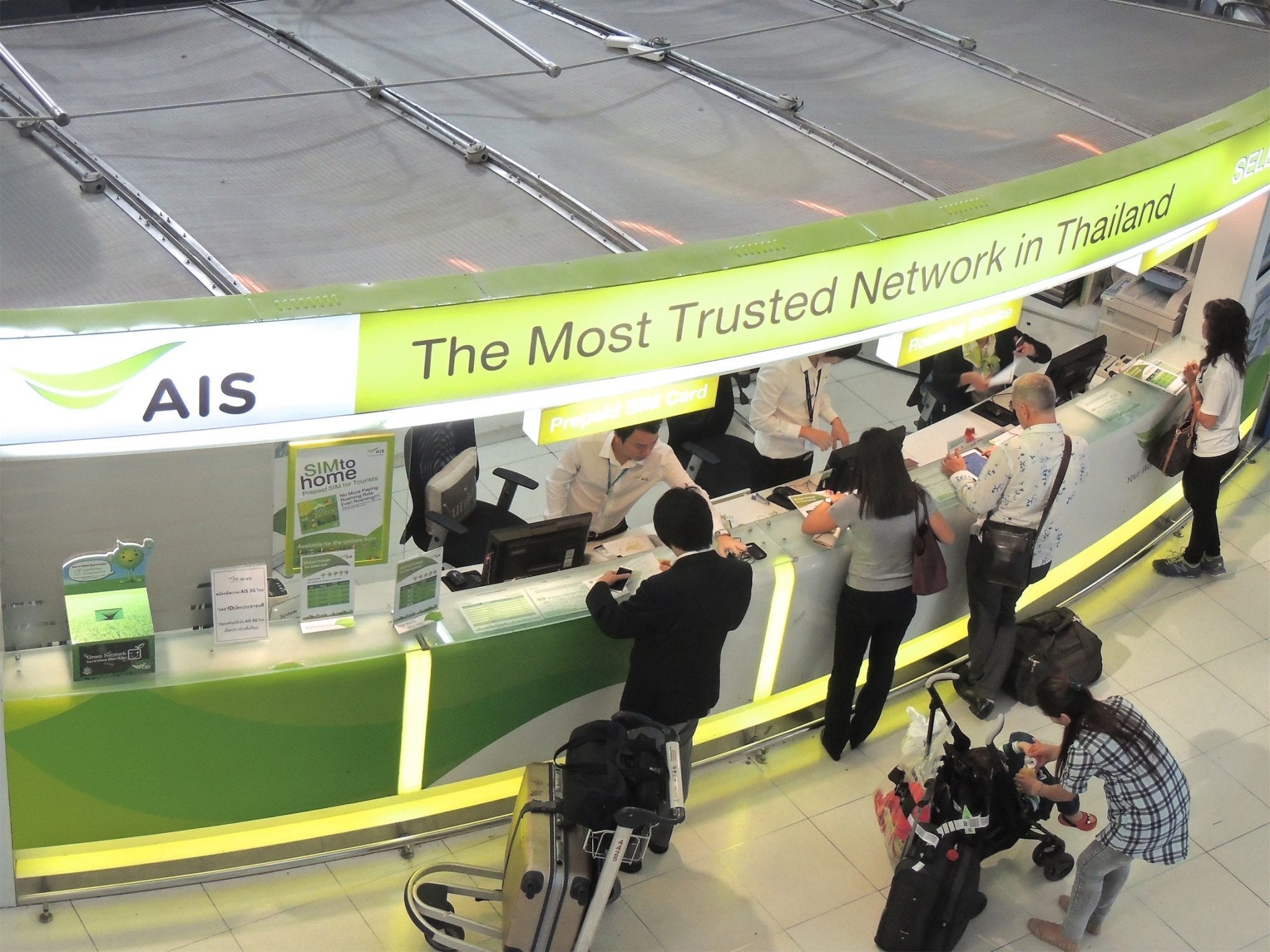
    Netcracker Technology recently completed a significant cloud-native revenue management upgrade for Advanced Info Service (AIS), establishing one of the most substantial cloud deployments in Thailand and the wider Asia-Pacific region. This update signifies a critical progression in AIS’s digital transformation strategy, as the telecom operator enhances its converged mobile and broadband services for its customer base of over 45 million.

    AIS Adopts Netcracker’s Revenue Management Platform

    AIS transitioned to Netcracker’s Cloud-Native Revenue Management platform, a component of the Netcracker Digital BSS suite, to better cater to both B2C and B2B quad-play users. The platform can facilitate flexible subscription billing on monthly, quarterly, and yearly intervals, bolstering customer preference and streamlining billing processes.

    Netcracker has indicated that the launch provides significant operational and commercial advantages, such as increased scalability, cost-effectiveness, and an expedited time-to-market for novel offerings. These features are predicted to bolster AIS’s expanding 5G aspirations, especially in the realms of enterprise 5G and IoT services, as AIS gears up for future market growth.

    Words from the Chief Information Officer and Chief Technology Officer

    AIS’s Chief Information Officer, Bharat Alva, announced that the successful full-circle delivery of the new cloud-native revenue management platform within strict timeframes has already demonstrated its stability and scalability by supporting significant launches and events, such as the most recent iPhone release, without interruption. As AIS continues to transfer customers to this new platform, it plans to capitalize on its momentum with Netcracker by introducing more features and improvements in the immediate future.

    Netcracker’s Chief Technology Officer, Bob Titus, expressed appreciation for their longstanding partnership with AIS, commending them as a genuinely advanced telecommunications operator in a region recognized for numerous innovations. He stated that this launch is the best endorsement of how their customers continue to benefit from their sustained investment in cloud and AI technologies.

    Questions & Answers

    What does the cloud-native revenue management platform do for AIS?
    The platform allows AIS to offer its customers flexible subscription billing on a monthly, quarterly, and yearly basis, enhancing customer choice and making the billing process more efficient.

    What are the benefits of this new deployment for AIS?
    The deployment offers several operational and commercial benefits, including increased scalability, cost optimization, and the ability to bring new offerings to the market at a faster pace.

    How will this upgrade support AIS’s future growth?
    The capabilities provided by this upgrade are expected to support AIS’s growing ambitions in enterprise 5G and IoT services, assisting the company in its preparations for future market expansion.

  • Unlocking the Future with 5G-A and AI: The Rise of the Mobile AI Era and Telco-Techco Transformation in the Middle East & Central Asia

    Unlocking the Future with 5G-A and AI: The Rise of the Mobile AI Era and Telco-Techco Transformation in the Middle East & Central Asia

    The partnership between 5G-Advanced (5G-A) and AI is crucial for unlocking the intelligent future of the Middle East and Central Asia. This strategic alliance transforms the network, allowing telecommunications operators to shift from selling capacity to offering differentiated, AI-managed services. This shift allows telcos to guarantee a quality that is essential for high-value services. This vital partnership pushes the development of Autonomous Networks (AN), ensures premium experience monetization, and propels the ‘AI-first, inside-out’ transformation for new economic benefits.

    Introduction: Catalyzing the Connected Future

    The Middle East and Central Asia (ME&CA) region has positioned itself as a global front-runner in digital innovation and transformation. From the implementation of 5G to ongoing and ambitious national digital transformation programs, no other region surpasses their pace of change and development. Building on this momentum, telecom operators now stand on the threshold of a significant technological milestone – the fusion of 5G-Advanced and artificial intelligence.

    This transformation goes beyond merely upgrading two separate technologies. It entails merging the ultimate connectivity infrastructure (5G-A) with the ultimate intelligence engine (AI) to herald the dawn of a supreme digital experience. This robust experience forms the foundation for initiating the new ‘Mobile AI Era,’ a paradigm shift that is redefining operational efficiency, unlocking unprecedented business value, and advancing the region’s socio-economic and digital inclusion objectives.

    Moving Towards the ‘Mobile AI Era’: The Essential Partnership of 5G-A & AI

    The integration of AI into mobile communications signals the rapid advent of the mobile AI era. Innovative services such as real-time multi-modal calling with AI assistants, autonomous robots with embodied AI, and real-time cloud rendering for AI-generated content are emerging as the game-changing applications of the 5G-A era.

    In this ‘Mobile AI Era’, networks are evolving beyond their traditional role as mobile data pipelines. They are becoming value platforms that underpin differentiated experiences for people, homes, vehicles, things, and industries. This evolution is where AI becomes indispensable. AI acts as the brain that operates the 5G-A network, infusing intelligence into 5G-A connections, and unlocking a plethora of new scenarios, applications, and business models.

    The shift from 5G to 5G-A is fundamentally about transitioning from best-effort services to delivering guaranteed quality and sticking to service level agreements (SLAs). However, the resulting massive increase in network complexity and data volume generated by these applications cannot be managed manually.

    5G-A Experience Management and Business Innovation: Supported by AI

    One significant change that 5G-A enables is fostering ‘intelligent connectivity,’ which means a transition from selling ‘generic bandwidth’ to selling ‘differentiated, scenario-based connectivity and experience’. This transition is the key to evolving from a ‘dumb-pipe’ to an ‘AI smart-pipe’ revenue model. However, successful monetization of this transition requires sophisticated, intelligent experience management.

    While AI empowers the network, 5G-A also empowers AI-based services and applications. Its high throughput, low latency, and edge computing capabilities allow real-time interaction and decision making. This combination of 5G-A and AI allows carriers to offer differentiated, guaranteed experiences for specific applications, thereby transitioning from a simple supplier to a vital technology partner that commands premium revenue.

    Building New Value with Al-to-X: The AI-First, 5G-A Driven Transformation

    For operators in the ME&CA region, the ultimate vision is to transform from traditional communication service providers into technology companies. This transformation requires an AI-first approach, which rests on the three pillars of ‘Servitization’, ‘Platformization’, and ‘Intelligentization’.

    Carriers are progressively integrating AI into their services to improve efficiency, productivity, and user experience, especially in the 5G-A era. However, to maximize these capabilities and ensure always-on services, carriers now need to implement these three strategies of ‘AI-to-X’, where this ‘X’ signifies one or more of ‘servitization’, ‘platformization’, and ‘intelligentization’.

    Questions & Answers

    What does the convergence of 5G-A and AI mean for the Middle East and Central Asia?
    This convergence represents a significant technological leap forward. It will allow for the provision of differentiated, AI-managed services and pave the way for the ‘Mobile AI Era’ in the region.

    How does the integration of AI into mobile communications contribute to the evolution of networks?
    The integration of AI into mobile communications transforms networks into value platforms that underpin differentiated experiences. AI becomes the brain that operates the 5G-A network, infusing intelligence into connections and unlocking new scenarios, applications, and business models.

    What is the ultimate vision for operators in the ME&CA region?
    The ultimate vision for operators in the region is to transform from traditional communication service providers into technology companies. This transformation requires an AI-first approach and the implementation of the three strategies of ‘AI-to-X’, representing ‘servitization’, ‘platformization’, and ‘intelligentization’.

  • Revolutionizing Thai Industries: TrueBusiness Unveils ‘True AI Hub’ for Seamless AI Integration and Accelerated Transformation

    Revolutionizing Thai Industries: TrueBusiness Unveils ‘True AI Hub’ for Seamless AI Integration and Accelerated Transformation

    TrueBusiness is pledging to serve as a dependable ally for Thai businesses navigating the complexities of digital and AI transformation. The company has unveiled True AI Hub, an exhaustive AI platform engineered to address the AI needs of businesses both big and small. The platform is scalable to accommodate the needs of small, medium, and large enterprises, aiming to amplify their capabilities, expedite results, keep costs in check, and bolster competitiveness in an increasingly AI-centric business environment.

    The Innovation of True AI Hub

    True AI Hub is a revolutionary platform that makes AI adoption more accessible by offering superior performance, precision, and adaptability. It caters to a broad spectrum of business needs by granting access to over 50 AI models sourced from more than 10 premier AI platform providers. The hub was designed with user-friendliness in mind, boasting a web interface and an intelligent recommendation system that proposes the most fitting AI model and capability in accordance with the business’s objectives. This enables users to conveniently access a variety of AI models all in one place.

    One of the key features of the platform is its commitment to data security. It incorporates Algorithm Guardrail, a top-tier security mechanism designed to offer robust data protection. In addition, it includes an enterprise management system with features such as centralized monitoring, cost control, and security governance, all managed via a dashboard. True AI Hub presents an affordable monthly subscription model, with prices starting at only THB 399 per user per month, thus eliminating the need for hefty initial investments.

    A Word from the Chief Business Officer

    According to Dr. Teeradet Dumrongbhalasitr, Chief Business Officer at True Corporation Plc., working closely with businesses of all sizes has given TrueBusiness deep insights into their needs and challenges in business transformation and hastening AI adoption. These challenges often require investment in effective technologies capable of producing the right outcomes. As he explained, a single AI model is not enough to tackle today’s multifaceted business issues as each model has its strengths and weaknesses, whether in terms of data-type accuracy, processing speed, or creative capabilities.

    For this reason, TrueBusiness launched ‘True AI Hub’, an all-in-one AI platform that consolidates top-tier AI capabilities in a single location. Dr. Dumrongbhalasitr went on to say that, in conjunction with EGG Digital, Thailand’s foremost big data analytics provider, they utilize AI-driven technologies to analyze data with a deep contextual understanding of consumer challenges. This approach enhances True AI Hub’s ability to truly comprehend the unique context of Thai businesses, offering tailored AI solutions that precisely, effectively, and realistically meet their specific needs across all industries. He expressed confidence that True AI Hub will emerge as a powerful instrument that catalyzes and expedites comprehensive, end-to-end transformation for businesses in the AI era.

    Questions & Answers

    What does the True AI Hub aim to offer?
    True AI Hub is a comprehensive and scalable AI platform designed to meet the AI needs of small, medium, and large enterprises. It provides access to over 50 AI models, offers robust data protection, and features an enterprise management system.

    What makes True AI Hub user-friendly?
    True AI Hub features a user-friendly web interface and an intelligent recommendation system that suggests the most suitable AI model and capability based on business objectives.

    How does True AI Hub ensure data security?
    True AI Hub incorporates Algorithm Guardrail, an enterprise-grade security mechanism, to offer robust data protection. The platform also includes an enterprise management system with centralized monitoring, cost control, and security governance.

  • Singapore’s 2026 Economy: Navigating Tariffs, Tech, and Transformation Amid Weakening External Demand

    Singapore’s 2026 Economy: Navigating Tariffs, Tech, and Transformation Amid Weakening External Demand

    In 2026, Singapore is slated to encounter a crucial year in which its economic resilience will be put to the test by changing geopolitical scenarios, trade fragmentation, and a moderating technology cycle, according to a recent report by DBS, the nation’s leading bank.

    Projecting Economic Trends

    DBS Group Research predicts a GDP growth of 1.8 percent, which, while proximate to potential, is down from an estimated 4.0 percent in 2025. The city-state will be managing the dual challenges of tariffs and tech, often referred to as the “two Ts” by analysts.

    It is projected that export-dependent sectors will experience a slowdown due to the ongoing impact of increased global tariffs and potential new semiconductor charges that could be imposed by the US. The World Trade Organization anticipates world merchandise trade volume to grow by a mere 0.5 percent in 2026, a sharp decrease from over 2 percent in the previous two years. This suggests a waning external demand.

    Slowing Tech Momentum

    Singapore’s electronics strength, fuelled by AI-related components, has now reached a mature phase, following an 18-month growth period. Global semiconductor sales growth is expected to slow down to 9.9 percent in 2026, from 15.4 percent in 2025. This could potentially curb manufacturing momentum if the AI boom subsides or if proposed US chip tariffs come into effect.

    In contrast, the services economy, particularly finance and insurance, information and communications, and professional services sectors, is anticipated to balance overall performance. Over the past decade, these modern services have demonstrated stronger and more consistent growth compared to manufacturing. This has been facilitated by digitisation, favourable financial conditions, and robust regional investment flows.

    Infrastructure Projects Boosting Growth

    Major infrastructure projects, such as Changi Airport Terminal 5, Tuas Port, and the North-South Corridor, are expected to stimulate the domestic construction sector. This sector is forecasted to generate an annual demand of S$39-46 billion from 2026 to 2029, indicating a structurally stronger outlook than both the post-pandemic recovery and the pre-COVID times.

    Headline and core inflation are predicted to average 1.2 percent and 1.0 percent, respectively, in 2026. This inflation rate is higher than the post-pandemic low in 2025, but still falls within the Monetary Authority of Singapore’s target range. Imported disinflation is diminishing, while domestic costs will modestly increase as productivity trails behind wage growth.

    Climate Policies and Price Pressures

    Changes in green policies, such as a planned 1.8 fold carbon tax increase and a sustainable fuel levy for aviation, are forecasted to drive up utility and travel prices. It is estimated that the carbon tax adjustment could increase electricity tariffs by approximately four percent in 2026. However, inflation of essential services is expected to be controlled by healthcare subsidies and reduced education fees.

    Policy Focus on Economic Blueprint

    With a refreshed political leadership, Singapore is preparing to launch an updated strategy to boost competitiveness and ensure long-term vibrancy. This will include technology adoption, attracting global investments, and strengthening roles in emerging sectors like low-carbon energy and data flows.

    Year of Cautious Confidence

    Singapore’s status as a trusted hub, coupled with government buffers and policy continuity, forms the foundation of what DBS refers to as “measured resilience”. This refers to a type of growth that withstands challenges while also preparing for the next stage of economic transformation.

    Questions & Answers

    What are the “two Ts” that Singapore is expected to navigate in 2026?
    The “two Ts” refer to tariffs and technology. These are the two major challenges that are anticipated to impact Singapore’s economic growth in 2026.

    How is Singapore’s services economy expected to perform in comparison to the manufacturing sector?
    The services economy, particularly sectors like finance and insurance, information and communications, and professional services, is expected to balance overall performance in 2026. These sectors have shown stronger and more stable growth than manufacturing over the past decade.

    What is the predicted impact of green policy changes on Singapore’s economy in 2026?
    Changes in green policies, including a planned increase in carbon tax and a sustainable fuel levy for aviation, are expected to drive up utility and travel prices. However, inflation of essential services should be kept in check due to healthcare subsidies and reduced education fees.

  • Fiber Broadband Boom: Dominating the APAC Market and Powering Digital Transformation Through 2030

    Fiber Broadband Boom: Dominating the APAC Market and Powering Digital Transformation Through 2030

    The fixed communications services market in the Asia Pacific (APAC) region is expected to experience steady growth through to 2030. This growth is likely to be facilitated by the ongoing expansion of fiber broadband in both emerging and developed markets.

    Growth Projections for APAC

    According to recent predictions, there will be a rise in fixed communications service revenue in APAC from $386 billion in 2025 up to $405 billion by 2030. This represents a compound annual growth rate (CAGR) of 1%. The primary driver behind the forecasted increase is the continuous expansion of broadband networks and governmental investments in fiber infrastructure. This is particularly the case in emerging markets such as India, Malaysia, and the Philippines.

    It is also anticipated that fixed broadband account penetration in the region will increase from 22.6% in 2025 to 24.6% in 2030. The rise is expected to stem from nationwide fiber rollout programs and increased consumer adoption in developing economies.

    In Malaysia, for instance, the JENDELA Phase 2 program has extended broadband coverage to 97.95% of populated areas. This has resulted in fiber connectivity being provided to over 9.48 million premises as of July 2025. In India, the government is accelerating the BharatNet Phase 3 program. Backed by an investment of $18 billion, the initiative aims to extend fiber broadband to more than 250,000 villages by 2027, thereby ensuring affordable access for millions of rural households.

    Developed APAC Markets

    In contrast, developed APAC markets such as Australia, New Zealand, and Singapore already have high broadband penetration, thanks to long-standing national broadband network initiatives. By 2030, it is predicted that fiber-optic access lines will account for approximately 87% of total fixed access lines in developed APAC markets and around 90% in emerging APAC markets.

    The rise in demand for high-speed internet and competitively priced fiber broadband plans, which often include unlimited data and access to subscription video-on-demand platforms, is expected to drive fiber adoption in APAC.

    Furthermore, China remains the largest fiber broadband market in the APAC region, with 99% of broadband subscriptions already on fiber as of 2025. Singapore is also anticipated to have almost 100% of broadband connections via fiber-to-the-home/building by 2030, largely due to continued investments by NetLink NBN Trust.

    Voice Telephony Services

    In relation to voice telephony services, it is predicted that the sector will remain stagnant, with fixed voice penetration expected to stay at around 10% between 2025 and 2030. Despite this, there is expected to be an expansion in packet-switched lines at 2.8%, driven by fiber rollouts that are encouraging consumers to transition to VoIP-based services. However, overall fixed voice revenue is anticipated to continue to decline over the forecast period due to the growing use of mobile voice and OTT voice services.

    Through to 2030, fiber broadband is expected to remain the dominant fixed access technology in the APAC region, thereby reinforcing its position as the backbone of the region’s digital infrastructure and future network innovation.

    Questions & Answers

    What is the projected growth rate for the fixed communications services market in APAC?
    The fixed communications services market in APAC is expected to grow at a compound annual growth rate of 1%, increasing from $386 billion in 2025 to $405 billion by 2030.

    What factors are driving the growth of the fixed communications services market in APAC?
    The growth of the fixed communications services market in APAC is being driven by the ongoing expansion of broadband networks, governmental investments in fiber infrastructure, and rising demand for high-speed internet.

    What is the future of voice telephony services in the APAC region?
    Despite an expected expansion in packet-switched lines, driven by fiber rollouts, overall fixed voice revenue is predicted to decline due to the increasing usage of mobile voice and OTT voice services.

  • Vanguard Identifies Significant Transformation in Switzerland’s Financial Landscape

    Vanguard Identifies Significant Transformation in Switzerland’s Financial Landscape

    The US-based asset manager Vanguard is increasingly making waves in the Swiss investment landscape, particularly as it prepares to mark an impressive milestone in 2025. The financial ecosystem is witnessing a significant shift, especially when it comes to investment strategies. Once-upon-a-time, the balanced 60/40 portfolio—where three-fifths of allocations sit in equities and two-fifths in bonds—was the undisputed king of asset allocation. Nowadays, however, that formula is seeing a dramatic makeover: welcome to the new age of 40/60.

    Staying Disciplined Amidst Market Turbulence

    In a world where market realities are anything but stable, maintaining discipline is key. Jonathan Decurtins, Senior Sales Executive for Switzerland and Liechtenstein at Vanguard, emphasizes this sentiment, stating, “As an investor, it’s wise not to be guided by emotions.” Indeed, in the financial realm, sometimes less truly does mean more.

    The Rising Importance of Fixed Income

    This disciplined approach has underpinned Vanguard’s strategy, demonstrated by its careful two-year research phase before launching three new Exchange Traded Funds (ETFs). “Market reactions have proven us right,” Decurtins notes, reflecting the firm’s foresight. With the demand for fixed income products on the rise, Vanguard finds itself in a strong position, standing tall as one of the largest active managers in this sector.

    A Celebratory Year

    Decurtins has also observed a remarkable uptick in the adoption of ETF savings plans throughout Switzerland over the past year. “ETFs have now firmly established themselves in the Swiss market. Interest from retail banks is clearly rising,” he explains. While Germany has long embraced ETFs for retirement savings, Switzerland’s traditional banking ethos has created a slower adoption curve. “Switzerland is a traditional banking market defined by high service quality. That, along with the third pillar of the pension system, slowed things down,” Decurtins elaborates. Nonetheless, Vanguard’s ongoing success is reason enough for jubilation this year as they celebrate their 50th anniversary. Who knew half a century could fly by so quickly?

    Questions & Answers

    What significant change has Vanguard acknowledged in investment strategies?
    The often-utilized 60/40 portfolio split is evolving to a more conservative 40/60 due to changing interest rates.

    How has Vanguard performed in Switzerland recently?
    Vanguard has reported strong growth, particularly in ETF savings plans, with rising interest from retail banks indicating robust market acceptance.

    What milestone is Vanguard celebrating this year?
    Vanguard is marking its 50th anniversary in 2025, a testament to its enduring presence and influence in the financial sector.

  • Cisco unveils digitalization program for South Korea’s digital transformation

    Cisco unveils digitalization program for South Korea’s digital transformation

    South Korea, Asia’s fourth-largest economy, and Cisco, a worldwide leader in technology, announced the launch of a collaborative framework under Cisco’s Country Digital Acceleration (CDA) program to accelerate digitization across the country and power an inclusive recovery from the COVID-19 pandemic.

    The framework was introduced at a virtual event attended by Fran Katsoudas, Executive Vice President and Chief People, Policy & Purpose Officer at Cisco, Guy Diedrich, Vice President and Global Innovation Officer at Cisco, and Bum-Coo Cho, President at Cisco Korea, with opening remarks from South Korea’s Prime Minister, Sye-Kyun Chung, Chairman of the National Assembly’s Science, ICT, Broadcasting, and Communications Committee, Won-Wook Lee, and the People Power Party’s floor spokesperson Hyung-Du Choi. The event was also joined by ecosystem partners Naver Cloud, Samsung Electronics, and Kwangwoon University, who outlined the scope of their collaboration on major CDA projects in South Korea.

    The CDA program in Korea is strategically aligned with the government’s Digital New Deal strategy which is designed to propel recovery measures from the pandemic and help prepare for future growth through advanced digital capacity. The program also follows the government’s I-Korea 4.0, a policy brand that aims to prepare the Fourth Industrial Revolution with intelligent technologies.

    “Cisco has helped the digital transformation in education by offering free video conferencing solutions to education institutions during these difficult times. I would like to express my sincere appreciation to Cisco for its support and commitment to making the future bright through social investment in various areas such as IT talent cultivation. I expect IT companies like Cisco to closely work with public institutions and universities, creating synergy in fostering people-centered digital infrastructure. The government will spare no effort to provide support for it,” said Prime Minister Chung.

    “Our CDA programs help power an inclusive future for all through innovative technology initiatives like our 5G and cloud infrastructure solutions. We are very pleased to introduce the program in South Korea and support the government and businesses in achieving their economic and digitization goals as we recover from the global pandemic together,” said Fran Katsoudas, EVP and Chief People, Policy & Purpose Officer at Cisco.

    The CDA program in South Korea will drive various initiatives, with specific focus on the following areas:

    • 5G B2B:Cisco will drive 5G B2B technology innovation by working closely with Kwangwoon University. Cisco will help develop and test new 5G network solutions to bring more value to enterprises and enhanced network experiences to customers.
    • Cloud:Cisco will integrate its cloud solutions with the largest Korean cloud vendor ‘Naver Cloud’ to run on the cloud market. Cisco will provide convenient and reliable services to customers and will be able to promote cloud market activation. Cisco will strengthen the hybrid-cloud enablement in Korea.
    • Smart factory: Cisco will contribute to South Korea’s social-economic development with its industry-leading security and cloud technologies. Cisco will collaborate with POSCO ICT, a global IT & OT solutions provider, to develop advanced security solutions for smart factories by integrating Cisco Stealthwatch with POSCO ICT’s Poshield solution.
    • Education: Cisco will support digital transformation in education by offering free solutions and equipment to educational institutions across the country. Cisco will continue its commitment to digitization in education by expanding its support for building connected smart campuses and offering more Cisco Networking Academy programs. As part of these efforts, Cisco will integrate its collaboration solutions with Learning Management Systems (LMSs) of universities and support students and IT workforce with next generation IT skills and knowledge.

    “The launch of CDA in Korea will be a significant step towards turning the country’s digital agenda into a reality. Cisco Korea will do its best to accelerate the digital and economic growth of the country by leading development of technologies and infrastructure, adoption and use of technologies both in the public and privates, and cultivating the next generation IT talents,” said Bum-Coo Cho, President at Cisco Korea.

    Cisco’s CDA program aims to stimulate global digitization. Currently, Cisco is working with national, state, and local governments in 40 countries around the world to accelerate their national digitization agendas, co-develop cutting-edge solutions, and deliver beneficial services to their citizens more effectively. Cisco CDA programs have supported the creation of net-new jobs, GDP growth, and helped nurture innovation ecosystems.

  • VF Corp to relocate business operations out of Hong Kong

    VF Corp to relocate business operations out of Hong Kong

    VF Corp. (VFC), a provider of branded lifestyle apparel, footwear and accessories, announced a transformation plan for its Asia Pacific operations, with relocations over the next 12 to 18 months with the first moves expected in April 2021.

    VF plans to move the center of its brand operations from Hong Kong to Shanghai where the company currently employs approximately 900 office and retail associates.

    In addition, VF also plans to relocate its Asia Product Supply Hub from Hong Kong to Singapore.

    The company also plans to establish an additional shared services center for the region in Kuala Lumpur, Malaysia.

    VF noted that Hong Kong will remain a key retail market for the company and its brands.

    “Today’s announcement reinforces our commitment to investing in our business across the Asia Pacific region, while also supporting VF’s overall transformation plan to become a more consumer-minded, retail-centric, and hyper-digital enterprise,” said Steve Rendle, VF’s Chairman, President and Chief Executive Officer.

  • Bonjour to embrace digital technologies, live streaming used to battle profits

    Bonjour to embrace digital technologies, live streaming used to battle profits

    Bonjour, the Hong Kong-headquartered beauty retailer, says it plans to reduce its reliance on brick-and-mortar stores and focus on developing e-commerce and in-store digitalization.

    It will modify some of its existing stores adding technology that it anticipates will attract and engage customers and create a better shopping experience while also improving operational efficiency.

    The plans were revealed by the chairman and executive director Chen Jianwen along with the company’s results for the half-year to June 30, which included a loss attributable to shareholders of US$17.93 million on sales down 59.7 percent to $42.93 million. The decline was due to the borders being all but closed to foreigners due to the Covid-19 pandemic, including the ranks of mainlanders who traditionally head to the territory for shopping.

    Chen said the company has responded to the absence of tourist spending by diversifying its product portfolio to appeal more to local consumers.

    But the main focus moving forward is on transforming from a traditional retail model to New Retail, he said.

    “Digitalisation of the operating system and business model will help the group to better understand customers’ needs and wants and build a long-term relationship with the customers. Starting with training our frontline staff to broadcast product information online, the group will grasp the market opportunity and further develop the e-commerce platforms.”

    Already, frontline Bonjour staff are being trained in live-streaming skills to become influencers and interact with customers online.

    “At the same time, the group has also established its foothold at major online platforms spanning across 16 countries, including ShopShops, Tmall Global, Kaola.com, JD, Facebook, Youtube, Instagram, and Haitao.com, as well as establishing a WeChat store to connect with VIP users,” said Chen.

    In stores, the company is embracing digital transformation, backed by a new retail innovation center with a broadcast studio and testing self-service equipment, planned for launch into physical stores soon.

    In the future, customers will be able to scan the QR code of a product to learn information before they make a purchase and self-service kiosks will be installed at physical stores so that customers can check out by themselves.

    “With the rise of augmented reality and virtual reality, the group will keep an open mind to embrace new technology that helps customers to virtually try the products on which to help them to explore the most suitable products,” said Chen.

    Meanwhile, Bonjour will continue to review its store network, closing underperforming outlets and negotiating rent discounts with landlords.

  • C.H. Robinson announces alliance with Microsoft to digitally transform the supply chain of the future

    C.H. Robinson announces alliance with Microsoft to digitally transform the supply chain of the future

    C.H. Robinson and Microsoft Corp. announced they are joining forces to digitally transform supply chains of the future by combining the power of C.H. Robinson’s Navisphere, Microsoft Azure and Azure IoT to meet the changing demands of evolving global supply chains. Through this alliance, the companies aim to enable real-time visibility for C.H. Robinson customers.

    “The partnership is welcoming news for C.H. Robinson’s customers as we set out to foster stronger global supply chains through infrastructure and technology,” said John Chen, vice president Asia at C.H. Robinson. “Given the complexity of supply chains connecting Asia and the world, shippers are increasingly looking for greater efficiency and real time visibility while digitally transforming their logistics networks. We want to accelerate the pace of transformation across the sector, tapping into the benefits of advanced cloud technologies and our Navisphere platform.”

    “The pace of change we’re seeing in the supply-chain industry today is unparalleled. Being able to quickly scale and adapt our technology is what helps give our customers a competitive advantage,” said Chris O’Brien, chief commercial officer, C.H. Robinson. “As we continue to invest and enhance our technology built by and for supply-chain experts, we look to partner with other best-in-class companies that bring the most value to our customers. Through Microsoft’s Azure cloud platform, we gain more scalability, premier data security and increased application speed, which benefit our customers and carriers around the world.”

    Through this collaboration, Navisphere — C.H. Robinson’s global multimodal transportation management platform — will now leverage Azure IoT Central to integrate IoT device monitoring that measures factors such as temperature, shock, tilt, humidity, light and pressure in shipments to give customers an even more detailed level of intelligence about goods as they move through the supply chain. Together, C.H. Robinson and Microsoft work with many of the Fortune 250 companies, which means this alliance makes it even easier to scale and develop new solutions to provide the world’s largest shippers with greater supply-chain efficiency, real-time insights and visibility.

    “We are committed to providing customers with a trusted, easy-to-use platform so they can build seamless, smart and secure solutions regardless of where they are on their IoT journey,” said Sam George, corporate vice president, Azure IoT, Microsoft. “We’re thrilled to collaborate with C.H. Robinson as it transforms the supply-chain industry by leveraging our Microsoft Azure and Azure IoT solutions.”

    The new collaboration builds on C.H. Robinson and Microsoft’s already rich history of working together. Navisphere is currently used across Microsoft’s global supply chain, giving the company real-time visibility into inventory, at rest or in motion anywhere in the world. In addition, in collaboration with Microsoft, C.H. Robinson built Navisphere Vision, a global real-time visibility product that leverages Azure IoT solutions, machine learning and predictive analytics to assess potential disruptions across supply chains.

    Through C.H. Robinson’s TMC division and Navisphere Vision, Microsoft is driving innovations in its own supply chain to provide more predictability and proactive decision-making to its various business groups.

    “The supply chain of the future is smarter, less volatile and can be navigated with a new level of visibility thanks to the power of this relationship. Through this collaboration, our customers receive a greater competitive edge, as well as industry-leading insights and expertise,” said Jordan Kass, president of Managed Services at C.H. Robinson.

    In addition to C.H. Robinson’s innovation on Azure, the company is also leveraging  Dynamics 365 and Power BI to streamline its customer relationship management (CRM) platform, supporting C.H. Robinson’s commitment to customer-centricity from small business to the world’s largest shippers. As part of its relationship with Microsoft, C.H. Robinson will integrate its real-time pricing, execution and transportation management tools into Dynamics 365, making these digitally-driven logistics capabilities available to Microsoft customers.

  • Four barriers to digital transformation

    Four barriers to digital transformation

    Consumers are increasingly using digital channels for part, if not all, of the path to purchase. As a result, retailers are shifting from a product-driven approach to a more customer-centric model, allowing them to deliver a personalised experienced regardless of which channel is used.

    Investment in digital transformation is required to successfully make this transition. Think for instance of the data capture capabilities that are required to deliver a personalised experience in stores. However, innovation is easier said than done and many retailers have experienced difficulties on their digital transformation journeys.

    Here are four major barriers that retailers often encounter in their digital transformation projects are as follows:

    Overcoming resistance to change

    Digital transformation often leads to significant changes within organisations and that can provoke strong reactions. It is only human nature to resist change after all. This can manifest itself through issues such as difficulties in pushing through budgets, unsettled staff and a lack of consensus. If change is not managed carefully and communicated clearly to all staff, projects can easily derail.

    Understanding the connected customer

    Before embarking on digital transformation, it is crucial for organisations to truly understand the challenges they face. Why do customers choose to buy online and what expectations do they have when they visit a store? Technology on its own is not the answer and retailers need to be very careful to ensure digital initiatives meet their customers’ needs.

    Achieving departmental cooperation

    Digital transformation can and should touch all facets of the organisation. However, too often digital initiatives are driven by one department and key internal stakeholders are not consulted throughout the process. For changes that may disrupt the entire business model of a retailer, it is critical to get buy-in across the entire organisation, from the executive board to store staff.

    Attracting the right talent

    Digital transformation requires forward-thinking pioneers and getting the right talent on board can accelerate a retailer’s digital strategy and even provide a competitive edge. With the entire sector facing disruption, highly skilled professionals are in demand and retailers are increasingly having to look outside the sector to find the expertise they need.

    • Philip Wiggenraad is head of research with Tofugear and will be a speaker at next month’s Millennial Masterclass.

    What barriers does your organisation face when it comes to developing a digital strategy and driving organisational change? Inside Retail and Tofugear have kicked off the 2018 Asia Digital Transformation Survey and are inviting retail executives and managers in Asia to participate in the survey. Respondents will also be given exclusive access to the findings as well as a free hard copy of the final report.