Tag: transforms

  • Unlocking Retail Growth: How Payment Data Transforms Customer Engagement Strategy

    Unlocking Retail Growth: How Payment Data Transforms Customer Engagement Strategy

    In the evolving retail environment, merchants are faced with an abundance of platforms and technologies to engage with customers. This, according to Mastercard’s SVP of consumer acquisition and engagement, Johann Suchon, has given rise to a new challenge: discerning where to allocate resources for tangible growth.

    The Changing Retail Ecosystem

    With an increasingly fragmented and competitive retail landscape, brands have numerous opportunities to connect with customers through both digital and physical channels. Navigating the optimal combination of platforms, technologies, and marketing tools, however, has become a complex task. The modern retail ecosystem is far more intricate than in the past, and retailers now face the challenge of identifying the most effective tools, along with those that best facilitate the management of their offers.

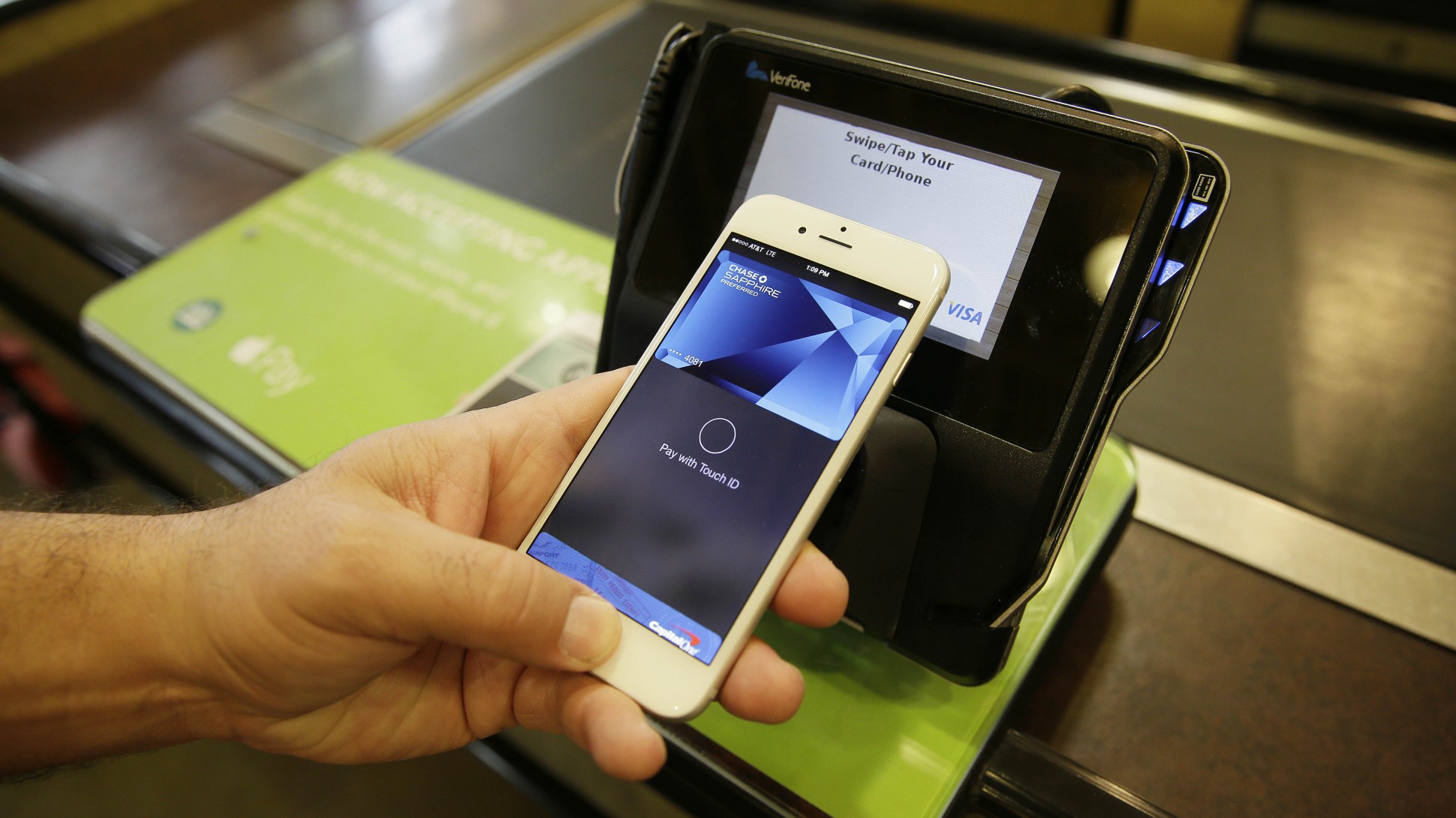
    Suchon asserts that retailers must begin influencing customer purchasing decisions early in the buying journey. Payments are evolving beyond a simple transactional function, morphing into a strategic engagement channel. Through payment data, brands can significantly influence customer behavior – a capacity that far exceeds what could be achieved by leveraging solely their first-party data.

    The Transformation of Loyalty Programs

    According to Suchon, loyalty programs are currently undergoing one of their most significant transformations. The key competitive edge lies not just in acquiring customers, but also in reaching the appropriate consumers with meaningful offers. Traditional loyalty programs, which typically offer uniform benefits to members, are becoming less effective as customers increasingly demand personalized experiences.

    By enriching their data with payment information, retailers can target offers much more accurately. Retailers who have previously invested in loyalty programs are in a strong position to transition, as their first-party data can be used to tailor communications and offers more effectively than brands without loyalty programs.

    The use of payment data also presents a broader view of customer behavior, allowing retailers to gain insights into spending patterns across various industries, thus identifying opportunities that may have otherwise been missed.

    Emerging retail trends also suggest a significant shift in cross-border spending in Asia-Pacific, with approximately 70% of transactions originating from local consumers. For retailers targeting inbound tourism, this offers a substantial opportunity to connect travelers with relevant offers before and during their visit.

    Questions & Answers

    What is the current challenge for retailers in term of customer engagement?
    The current challenge for retailers is discerning where to allocate resources for tangible growth amidst an abundance of platforms and technologies.

    How can payment data be utilized in the retail sector?
    Payment data can significantly influence customer behavior and offers a broader view of customer behavior, allowing retailers to gain insights into spending patterns across various industries, thus identifying opportunities that may have otherwise been missed.

    What is the future trend in loyalty programs in the retail sector?
    Loyalty programs are currently undergoing significant transformations, with a shift towards personalized experiences. By enriching their data with payment information, retailers can target offers much more accurately. This trend is likely to continue and evolve in the future.
  • Revolutionizing Beauty: Amorepacific Transforms Seoul Flagship Store into High-Tech, AI-Powered Personalized Cosmetics Lab

    Revolutionizing Beauty: Amorepacific Transforms Seoul Flagship Store into High-Tech, AI-Powered Personalized Cosmetics Lab

    Asia’s leading beauty brand, Amorepacific, has unveiled its rejuvenated flagship retail hub, Amore Yongsan. With a new approach focused on artificial intelligence-powered diagnostics, personalized cosmetic products, and a unique shopping experience, this flagship makeover reflects the current trends in the beauty industry.

    Navigating the New Age of Beauty

    Situated at the company’s headquarters, the refurbished retail space is an innovative blend of shopping, beauty services, and customer-centric research. It is designed to provide a holistic beauty experience to the patrons, right from product discovery to purchase.

    Amore Yongsan, as explained by an Amorepacific representative, is now an interactive platform where customers are invited to partake in a ‘Create New Beauty’ vision. This vision promises an invigorating beauty journey that extends beyond simple purchases to include personalized cosmetology, in-depth skin diagnostics, as well as active participation in the development of new products.

    Innovation at the Heart of the Concept

    Two revolutionary features steal the limelight in this revamp. The first is the ‘Amore Bespoke’ service, a first-of-its-kind on-demand beauty offering. It allows customers to design custom-made products in the makeup, lip, and haircare categories, catering to their individual needs and preferences.

    The second is ‘City Lab’, an AI-assisted skin and scalp diagnostic platform. Utilizing Amorepacific’s historical skin research data, this platform uses predictive technology to forecast potential skin alterations based on various lifestyle factors.

    The decision to relaunch was driven by the increasing demand for personalized, tech-powered beauty experiences. This move also signals Amorepacific’s competitive positioning against other K-beauty brands, as it seeks to attract a younger consumer base and international clientele who crave immersive retail experiences.

    Questions & Answers

    What is the ‘Create New Beauty’ vision?
    It is Amorepacfic’s innovative approach to provide a comprehensive beauty journey to its customers. It includes personalized cosmetics, advanced skin analysis, and active customer participation in product development.

    What is the Amore Bespoke service?
    Amore Bespoke is an on-demand beauty service that allows customers to create custom-made products in makeup, lip, and haircare categories based on their individual needs and preferences.

    What is the function of the ‘City Lab’?
    The City Lab is an AI-powered skin and scalp analysis platform. It uses Amorepacific’s historical skin research data and predictive technology to forecast potential skin changes due to various lifestyle factors.

  • Bonia Transforms Shopping Experience with Innovative Store Design in Kuala Lumpur

    Bonia Transforms Shopping Experience with Innovative Store Design in Kuala Lumpur

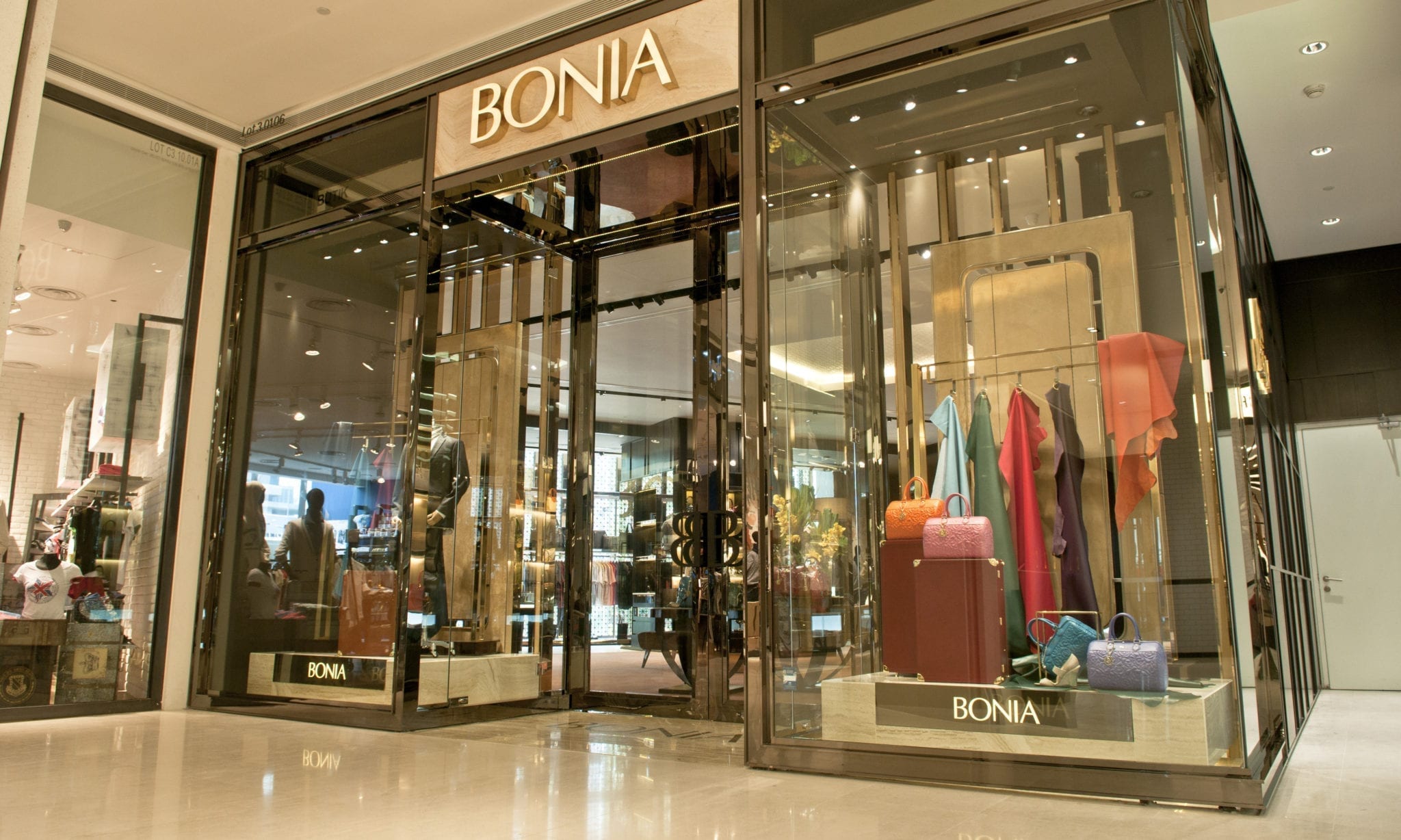
    Malaysia’s lifestyle brand Bonia has launched a flagship store in Kuala Lumpur, revealing a unique retail concept that combines customer engagement and innovative spatial design.

    Exterior and Interior Design

    The new store boasts a colonnade-style exterior adorned with red brick tiles, reminiscent of traditional street architecture. Inside, the space showcases a layout composed of four interconnected rooms, each revolving around a major display area. This design offers a more immersive and easily navigable shopping experience to the customers.

    Distinct Functional Spaces

    Each room within the store is assigned a unique function. Some of the areas draw inspiration from different environments, such as a library, dressing room, and lounge. The transition between these distinct spaces is marked by varying color schemes, including hues of red, orange, and terracotta.

    A New Retail Concept

    Bonia’s concept aims to make the retail environment more interactive. This is achieved by merging product presentations with flexible design elements. The brand’s focus on creating a dynamic and engaging retail experience is clearly reflected in this innovative approach.

    The opening of the Kuala Lumpur store comes in the wake of Bonia’s international expansions, notably in Vietnam. However, the company had to withdraw a joint venture in the country earlier, following a provision for losses amounting to US$1.3 million.

    Questions & Answers

    What is the unique concept of Bonia’s new store in Kuala Lumpur?
    The store integrates customer engagement with innovative spatial design, creating a dynamic and immersive shopping experience.

    How is the interior of the Bonia store structured?
    The store’s interior comprises four interconnected rooms, each assigned a unique function and theme. The rooms are designed to resemble a library, dressing room, and lounge, among others.

    What led to Bonia’s earlier withdrawal from a joint venture in Vietnam?
    Bonia had to exit a joint venture in Vietnam due to a provision for losses which amounted to US$1.3 million.

  • End of an Era: Lotteria Transforms into Zetteria, Marking a New Chapter in Japan’s Fast-Food Industry

    End of an Era: Lotteria Transforms into Zetteria, Marking a New Chapter in Japan’s Fast-Food Industry

    After 54 years in operation, the popular Japanese burger chain Lotteria is set to be rebranded as Zetteria, beginning in March. The Lotteria brand first entered the market in 1972, establishing its inaugural outlet in Tokyo. The decision to retire the brand was recently taken by its operating company, Zensho Holdings.

    Zensho Holdings, a leading food service operator in Japan, took ownership of Lotteria Japan in 2023. The first Zetteria branch opened its doors in Tokyo in September of the same year. Since then, Zensho Holdings has been systematically converting Lotteria stores into Zetteria outlets. By December 2025, Japan had 106 Lotteria outlets and 172 Zetteria stores, totaling 278 locations. This places Zensho Holdings as the fourth-largest burger chain operator in the country, following McDonald’s (3,025 outlets), Mos Burger (1,309), and Burger King (337).

    The number of Lotteria outlets has seen a significant decrease in recent years, plummeting from 358 in January 2023 to 222 by June 2025, a near 40% drop in just over two years. This drop reflects not only store closures, but also Zensho Holdings’ strategic approach to transform existing outlets and alter business models.

    The Zetteria brand aims to bridge the gap between fast food and cafe dining. Expansion has been expedited by repurposing existing Lotteria locations and modifying store signage and concepts. Through the integration of the two brands, Zensho Holdings hopes to reduce costs by refining raw material procurement and logistics, while also improving operational efficiency.

    Despite the shared naming of menu items like the Zeppin Cheeseburger between Lotteria and Zetteria, the two brands previously operated separate procurement, production, and distribution systems, leading to differences in buns, patties, and sauces.

    Zetteria locations have been described as spaces that offer a dining experience beyond the typical fast food ambiance. The outlets feature spacious layouts, ample seating, understated lighting, and interiors that are reminiscent of cafes. Certain locations provide charging points for laptops and many have transitioned to table tablet ordering instead of traditional counter service.

    The menu has also seen adjustments. While basic burgers start at JPY250 (US$1.58), the signature Zeppin Beef Burger is priced at JPY540, making it more expensive than the previous offerings of Lotteria. The brand has also introduced premium, limited-time items such as roast beef burgers.

    Industry experts view the rise of Zetteria as indicative of broader changes within Japan’s fast food sector, as more operators seek to offer more than just quick, inexpensive meals. Zetteria is seen as an experimental brand aiming to occupy a new position as both a fast food restaurant and a cafe.

    Questions & Answers

    What is the reason for Lotteria’s rebranding as Zetteria?
    The change was part of Zensho Holdings’ strategy to transform existing outlets, improve operational efficiency, and cut costs by streamlining raw material procurement and logistics.

    What makes Zetteria different from Lotteria?
    Zetteria aims to bridge the gap between fast food and cafe dining. Outlets offer spacious layouts, ample seating, understated lighting, and interiors that are reminiscent of cafes. The menu also includes premium items, with the signature Zeppin Beef Burger priced higher than Lotteria’s previous offerings.

    How has the fast food sector in Japan been evolving?
    The rise of brands like Zetteria represents a shift in Japan’s fast food sector, with more operators seeking to offer experiences beyond just quick, inexpensive meals. Zetteria is seen as an experimental brand aiming to occupy a new position as both a fast food restaurant and a cafe.

  • Zara Embraces AI Revolution: Transforms Fashion Photography with Real-Life Model Imagery

    Zara Embraces AI Revolution: Transforms Fashion Photography with Real-Life Model Imagery

    Fast-fashion powerhouse Zara has ventured into the realm of artificial intelligence (AI), employing this sophisticated technology to hasten and streamline the process of creating new images featuring real models in a range of outfits. This venture is part of an emerging trend in the fashion industry that promises to transform the landscape of fashion photography.

    AI Adoption: A New Chapter for Fast Fashion

    Following in the footsteps of its Swedish competitor H&M and the European online retailer Zalando, Zara has begun to harness the power of AI in its marketing strategy. This shift towards AI integration may pave the way for quicker and more efficient creation of visual content.

    A representative of Zara’s parent company, Inditex, stated that the company is currently utilizing AI technology not as a replacement for traditional methods but as a supplement to existing processes. The company continues to collaborate with its models, obtaining their consent for the use of AI in manipulating their images, and offering compensation in line with industry standards.

    It was revealed that Zara approached models to request their permission to edit their images using AI technology, promising to pay them the same remuneration they would receive for participating in another photoshoot.

    AI as a Complement, Not a Replacement

    Similarly, H&M and Zalando, like Inditex, have emphasized that AI serves as a tool to enhance the efficiency of their creative teams’ processes and not as a substitute for their roles. This position mitigates the potential threat to photographers and production teams who are integral to fashion shoots.

    Inditex chair Marta Ortega, who is also the daughter of founder Amancio Ortega, is known for her passion for fashion photography. Through her Marta Ortega Perez Foundation gallery in A Coruna, where Zara was founded, she has hosted exhibitions featuring the works of renowned photographers. The gallery currently hosts an exhibition of Annie Leibovitz’s fashion photography and has previously exhibited works by esteemed photographers Steven Meisel and Helmut Newton.

    Ortega has been steering Zara towards a more upscale market image by consolidating its stores and focusing on larger, more stylish flagship outlets.

    The Impact of AI on Fashion Photography

    Isabelle Doran, the CEO of the Association of Photographers in London, weighed in on the implications of AI adoption in fashion photography. She indicated that the use of AI could potentially decrease the frequency at which photographers, models, and production teams are hired. This shift could affect not only established professionals but also emerging fashion photographers struggling to make their mark in the industry.

    Questions & Answers

    What impact does the use of AI have on the fashion industry?
    The adoption of AI in the fashion industry can streamline production processes, increase efficiency, and potentially alter the dynamics of fashion photography.

    How is Zara utilizing AI technology?
    Zara is using AI to create new images of real models in various outfits quickly and efficiently. This technology is used to complement and enhance existing processes, not to replace them.

    What could be potential implications of AI adoption for fashion photographers and models?
    The widespread use of AI could impact the frequency of commissions for photographers, models, and production teams, potentially affecting the opportunities and income of professionals in the industry.