Retail News CRM

Tag: travelers

  • Singapore to Implement Up to $32 Sustainable Fuel Levy on Flights from 2026: What Travelers Need to Know

    Singapore to Implement Up to $32 Sustainable Fuel Levy on Flights from 2026: What Travelers Need to Know

    Air travellers departing from Singapore will be subject to a sustainable aviation fuel levy starting October 2026. The levy, whose rates will vary between S$1 to S$41.60 (US$0.77 to US$31.92), applies to tickets sold from April 1, 2026, onwards for flights departing on or after October 1, 2026, as stated by the Civil Aviation Authority of Singapore.

    Detailed Breakdown of the Levy

    The exact levy amount is contingent on the travel class and destination. The destinations are divided into four geographical bands, with the levies increasing progressively.

    Passengers travelling to destinations in Band 1, which encompasses Southeast Asia, will incur an additional charge of S$1 for economy or premium economy tickets and S$4 for business or first class tickets.

    For Band 2, which includes Northeast Asia, South Asia, Australia, and Papua New Guinea, travellers will face an added fee of S$2.80 for economy class and S$11.20 for business class.

    Travellers to destinations in Band 3 – Africa, Central and West Asia, Europe, the Middle East, Pacific Islands, and New Zealand – will incur additional levies of S$6.40 and S$25.60 respectively.

    Lastly, passengers flying to the Americas, falling under Band 4, will be charged an extra S$10.40 for economy class and S$41.60 for business class.

    Exceptions and Special Cases

    Passengers merely transiting through Singapore will not be subjected to the above levies. For multi-stop flights, the fee will be determined by the next destination after departing Singapore.

    Moreover, the levy will also extend to cargo, with rates ranging from S$0.01 to S$0.15 per kilogram. This calculation will follow the same geographical bands as those used for passenger flights.

    The levy will also be applicable to general aviation, which includes private, non-commercial flights, and business aviation, such as private jets and chartered flights.

    Origins and Impact of the Levy

    The levy was first introduced in 2024 as a component of the Singapore Sustainable Air Hub Blueprint, which aimed to achieve net-zero aviation emissions by 2050.

    Han Kok Juan, the director-general of the aviation authority, emphasized the commitment of Singapore, as a global air hub and an International Civil Aviation Organisation council member, to its environmental responsibilities. He reiterated that the country would take necessary steps to contribute to the cause while maintaining the competitiveness of the Singapore air hub.

    Unlike green fuel mandates or incentive programs prevalent in other countries, this levy operates on a “fixed cost envelope.” This means that regardless of fluctuations in sustainable aviation fuel prices in 2026, the levy will remain unchanged.

    Questions & Answers

    When will the aviation fuel levy take effect?
    The aviation fuel levy will take effect from October 2026.

    Will passengers transiting through Singapore be charged with the levy?
    No, passengers only transiting through Singapore will not be charged the levy.

    What is the goal of the Singapore Sustainable Air Hub Blueprint?
    The Singapore Sustainable Air Hub Blueprint aims to achieve net-zero aviation emissions by 2050.
  • Thousands Stranded at Major Airport, Impacting Singapore-Bound Travelers Amidst Ongoing Travel Disruptions

    Thousands Stranded at Major Airport, Impacting Singapore-Bound Travelers Amidst Ongoing Travel Disruptions

    Travelers heading to Singapore faced an unexpected ordeal at Hamad International Airport in Doha, Qatar, where many reported a lack of communication and support from airline representatives following their flight cancellations. Among the stranded passengers was Melodie Yip, who was transiting through Doha before her scheduled Qatar Airways flight was abruptly canceled.

    After enduring nearly eight hours queuing to rebook her flight, Yip learned that her newly assigned departure for Tuesday afternoon had also been scrapped. “When I heard the second flight was cancelled, I was very, very anxious because I didn’t want to go through that … eight-hour queue again,” she admitted, sharing that the camaraderie among fellow Singaporeans waiting in line provided a sliver of comfort. With hopes pinned on a potential Wednesday exit, she remains wary of potential further disruptions, questioning how a “world-class, award-winning airline and airport” could be so ill-prepared for the crisis.

    Chaos in the Skies: The Ripple Effect

    The turmoil wasn’t confined to Doha; Dubai International Airport, the world’s busiest airport, also felt the impact, with around 145 flights canceled and over 450 delays reported by FlightRadar24. The operational slowdowns at both airports followed a sudden closure of airspace in Qatar, Bahrain, and Kuwait as tensions escalated after an attack on a U.S. military base in Doha.

    This unprecedented shutdown prompted airlines to cancel or divert hundreds of flights, leaving a severe backlog of passengers stranded across airports in the region. Amanda Tate, a nurse from Adelaide returning home from a conference in Italy, described her surreal experience at Hamad International Airport. With uncertainty filling the air, she recounted, “We started looking on the internet and seeing there had been some missiles launched. At that time, we didn’t know what had happened.” It’s a reminder that the skies are not as calm as they might seem.

    Airlines in Crisis Mode

    In the aftermath of the chaos, Qatar Airways announced efforts to restore its flight schedule, but also cautioned travelers about potential disruptions extending through Thursday. Meanwhile, Dubai International confirmed it had resumed operations after a brief pause but advised travelers to anticipate further delays and cancellations as the effects of the crisis continue to ripple through the region.

    Airports in the Middle East frequently serve as critical hubs for global travel, particularly between Europe and Asia. In 2024, Dubai alone processed a staggering 92.3 million travelers, averaging over 250,000 passengers daily. As airlines scramble to manage the aftermath of this incident, the ongoing situation serves as a stark reminder of the vulnerabilities in modern air travel.

    Questions & Answers

    What caused the disruptions at Hamad International and Dubai International airports?
    The disruptions were triggered by the abrupt closure of airspace in Qatar, Bahrain, and Kuwait following a strike on a U.S. military base in Doha, leading to numerous flight cancellations and delays.

    What was the experience of passengers like during this crisis?
    Passengers reported long waits with little information or support. Melodie Yip, for instance, faced an eight-hour line to rebook her canceled flight, only to find her new departure also canceled.

    How are airlines responding to the ongoing flight cancellations?
    Qatar Airways is working to restore its flight schedule, warning passengers of possible disruptions through Thursday, while Dubai International has resumed operations, albeit with continued delays and cancellations expected.

  • Vietnam Airlines Launches New Routes, Connecting Travelers to India’s Thriving Tech Hubs

    Vietnam Airlines Launches New Routes, Connecting Travelers to India’s Thriving Tech Hubs

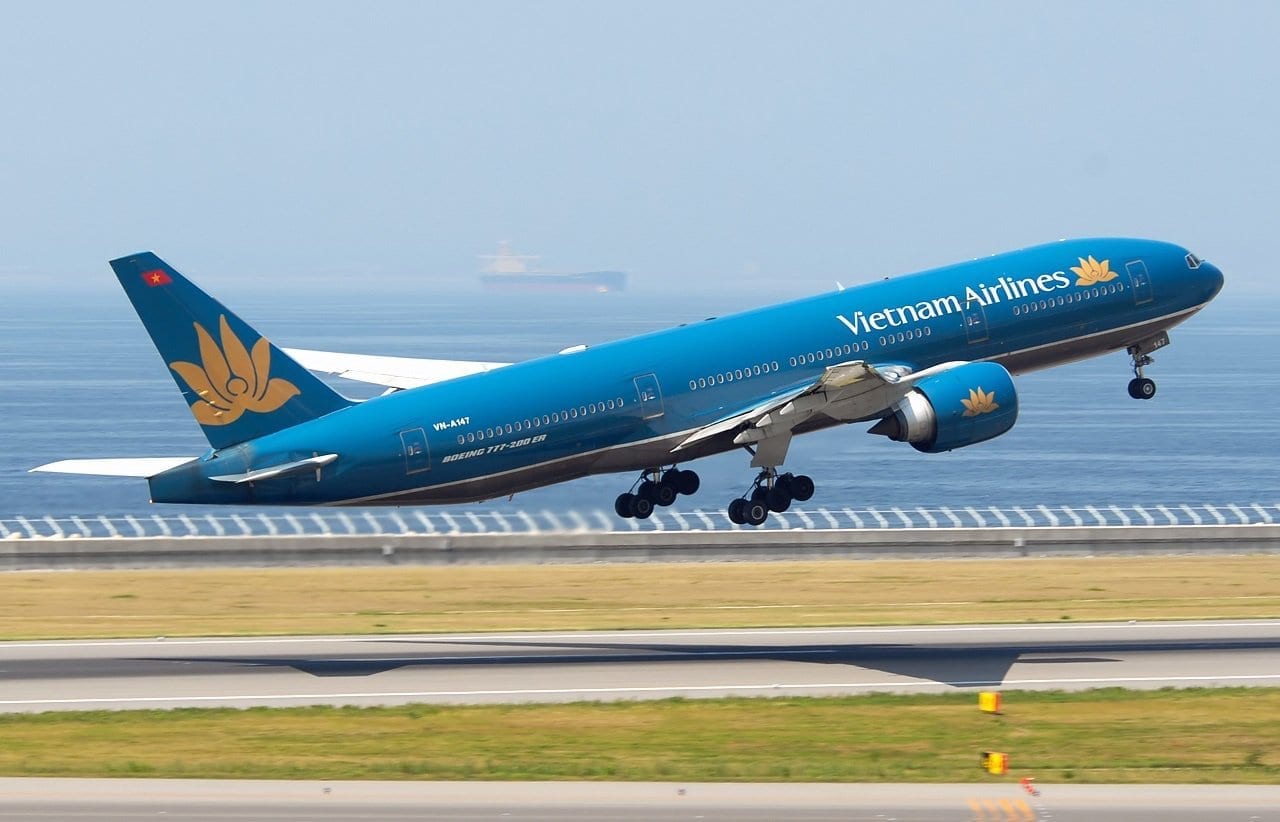
    National flag carrier Vietnam Airlines is soaring to new heights with the launch of a direct flight route connecting Hanoi to Bengaluru, India’s bustling tech hub. This new service will operate four times weekly, starting May 7, and is designed to accommodate the increasing demand driven by robust trade, tourism, and cooperation between the two nations.

    New Connections on the Horizon

    But that’s not all! On May 7, Vietnam Airlines will also initiate direct flights from Hanoi to Hyderabad, another pivotal tech center in India, with three weekly round-trips utilizing state-of-the-art Airbus A321 aircraft. The inaugural flight, VN983, took off from Hanoi on May 1, successfully transporting over 130 passengers to Bengaluru the same day. VN982, the return flight, departed Bengaluru that evening with over 160 travelers aboard, landing in Hanoi at 5:25 a.m. on May 2. Talk about a long night in the skies!

    Expanding Footprints in India

    With these latest additions, Vietnam Airlines now boasts services to four major Indian cities: New Delhi, Mumbai, Bengaluru, and Hyderabad, totaling six direct routes. This strategic expansion highlights Vietnam Airlines’ commitment to being a key connector between Vietnam and South Asia, as noted by Deputy General Director Dang Anh Tuan.

    India, with its rapidly growing aviation market and a population exceeding 1.4 billion, represents a significant opportunity for airlines like Vietnam Airlines. The increasing affluence of the Indian middle class further strengthens this connection, making travel between nations more accessible than ever. In the past few years, Vietnam Airlines has successfully operated over 3,200 flights and welcomed more than 511,700 passengers from India. Notably, Vietnam attracted over 500,000 Indian visitors in 2024, earning India a spot among its top 10 tourism markets.

    As Vietnam Airlines ventures into these tech-savvy territories, one can’t help but wonder: Are they also preparing for the next wave of IT moguls seeking sunshine and pho?

    Questions & Answers

    What cities are now connected by Vietnam Airlines in India?
    The carrier connects four major cities: New Delhi, Mumbai, Bengaluru, and Hyderabad.

    How often will flights operate on the new routes?
    The Bengaluru route will operate four times a week, while the Hyderabad route will have three weekly round-trips.

    What type of aircraft will be used for these new routes?
    Vietnam Airlines will utilize Airbus A321 aircraft for both newly launched routes.

  • AirAsia Updates Rebooking Policy

    AirAsia Updates Rebooking Policy

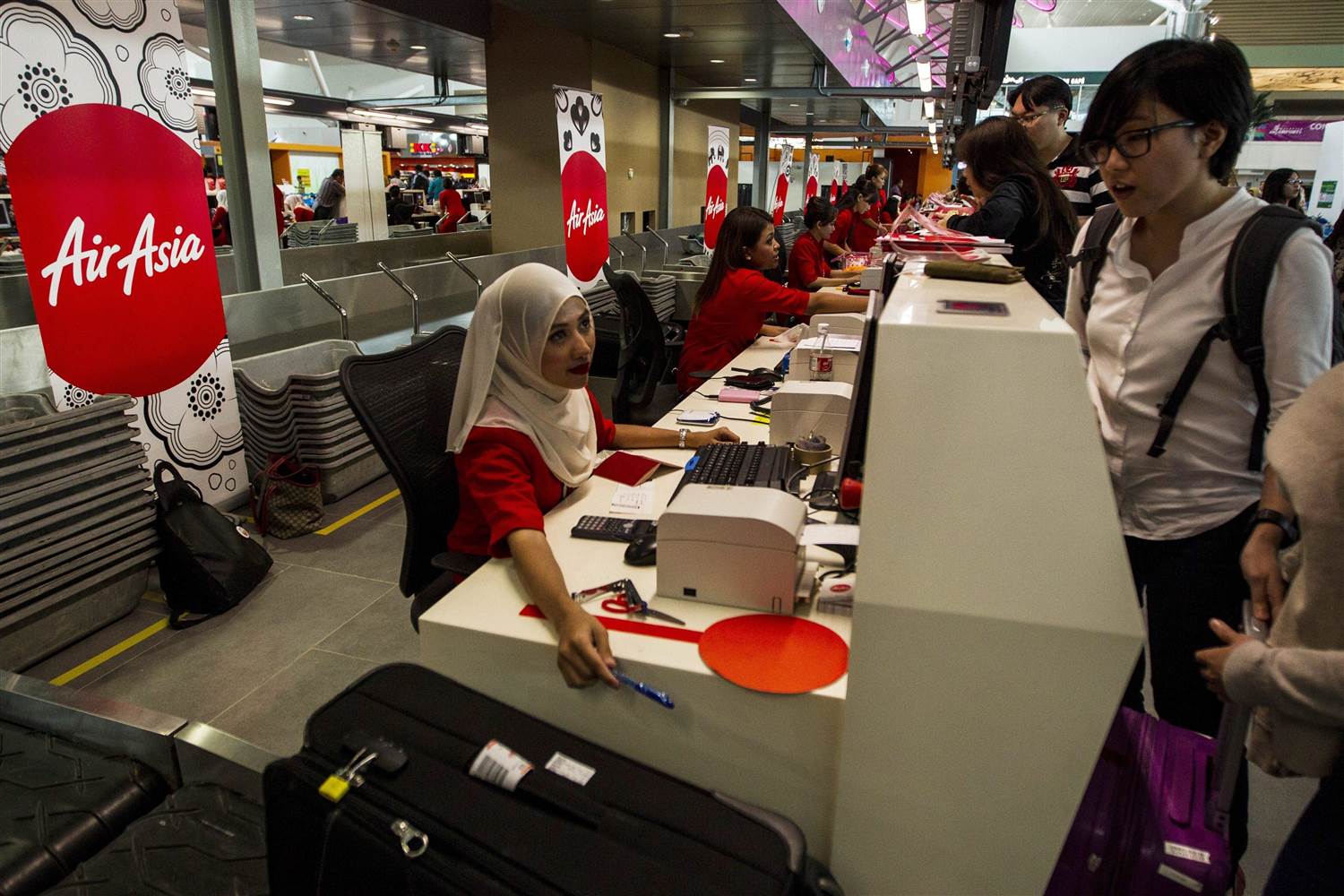
    AirAsia has updated its rebooking policy so that customers with tickets issued on or before 22 March 2020, with a departure date between 23 March and 31 May 2020, can select from the following two options:

    Unlimited Flight Change: Customers can change their ticket to any travel date before 31 October 2020 on the same route for an unlimited number of times without any additional cost subject to seat availability; OR

    Credit Account: Retain the value of the flight booking in the customer’s AirAsia BIG Member account for future travel with AirAsia to be redeemed within 365 calendar days from the issuance date. The travel date of the new booking can fall on any date within the published flight schedule on airasia.com.

    The above information is only applicable for direct online bookings made via airasia.com. For group bookings or those made with travel agents, the traveler must contact their booking agent directly for further assistance.

    As this is a rapidly changing situation, travelers should make sure that their airline has their correct contact information and should carefully monitor their airline’s website and social media accounts for any new updates.

  • Hong Kong airport Retail revamp Finalised

    Hong Kong airport Retail revamp Finalised

    A major Hong Kong airport revamp is planned spanning passenger facilities and retail spaces.

    Architectural firm Lead8 has been appointed lead designer for the planned Hong Kong International Airport (HKIA) Terminal 1 renovation.

    Working with Airport Authority Hong Kong, Lead8 will spearhead a collaboration of international consultants to deliver a “transformative upgrade” to the passenger halls of the 21-year-old aviation hub.

    The Boarding Gate Transformation project is expected to be completed in 2021. Lead8’s design scope includes a total overhaul and upgrade of the 49 boarding gates and adjacent areas of the Level 6 departure concourses.

    The renovation work will include upgraded technologies at all boarding gates, along with new and refreshed beam seating across all departure waiting areas. Retail and service cabins will be upgraded with more convenience for passenger access, all aimed at delivering “a more fluid experience for travelers”.

    “The refreshed look of the terminal will bring an inviting ambiance that combines new technological features to convey convenience and comfort to the terminal’s local and international travelers when transiting to and from Hong Kong,” said Lead8’s co-founder & executive director Chris Lohan.

    Contemporary seating designs with upgraded charging facilities will provide passengers with convenient and comfortable waiting experiences. The retail and service cabin facilities will also be upgraded to offer a rejuvenating environment for waiting passengers.

    Lead8 have also curated a number of entirely new experiential zones that will provide places of entertainment, relaxation, on-the-go work and general down-time spaces for passengers awaiting flights.

    “The combined enhancements of the transformed facilities at Hong Kong International Airport’s signature Terminal 1 building will further solidify our city’s status as a key international and regional aviation hub,” added Lohan.

  • Korea Grand Sale promises deals for travelers

    Korea Grand Sale promises deals for travelers

    Starting Friday, the Visit Korea Committee is holding another round of the “Korea Grand Sale,” one of the major sale events in Korea. The event is set to encourage those with foreign passports in Korea to get more discounts so that they can have a chance to buy more within their budget. The sale will last until Feb. 28, so those who haven’t planned a trip to Korea can hurry and book a ticket.

    Asiana Airlines will give an up to 60 percent discount on flights flying from and to cities in China and Europe, and Jeju Air will provide an up to 91 percent discount on flights to Korea from cities overseas.

    Lodging will be more affordable as hotels also offer discounts. Shilla Stay is giving out an up to 50 percent discount on its rooms and some of the first ones to make a reservation will get a free upgrade.

    Many retail companies, especially cosmetic brands, give out discounts on items that have been popular among foreigners. Lotte Mart, where foreigners often buy Korean snacks, will have a buy one get one free promotion.

    To entertain visitors even after all the shops are closed, many ski resorts in Korea will provide discounts on tickets for lifts and rental fees for necessary gear. For more detailed information about the discounts across Korea, go to www.koreagrandsale.co.kr/en/. Information on the website is available in English, Japanese, Chinese and Korean.

    Korean nationals looking to get some benefits during this foreigner-targeted sales event can recommend their favorite shopping items online and win a variety of gifts including a hotel voucher. Locals can go to www.vkc.or.kr and post items with the reasons why those are their favorites and must-buy items for visiting travelers until Friday. Non-Koreans can also participate by posting items on the website as well. The website will announce winners on Jan. 24.

  • Avid Myanmar Travelers Can Now Pay with Mastercard and CB Bank Credit

    Avid Myanmar Travelers Can Now Pay with Mastercard and CB Bank Credit

    As Myanmar continues to see positive economic growth projections[1], its people are increasingly seeking overseas destinations. The latest Mastercard research revealed that Myanmar is the fastest growing outbound travel market in Asia Pacific with a growth projection of 10.6% for the next five years.

    In light of this, Mastercard has once again partnered Co-operative Bank Ltd (CB Bank) to launch Classic, Gold and Platinum Mastercard cards, which will be made available to Myanmar residents and citizens when traveling abroad. 

    Mr. Kyaw Lynn, Executive Vice Chairman and CEO of CB Bank said: “As more Myanmar residents and citizens travel abroad, it is crucial to have convenient and secure access to their funds wherever they are. A cashless society is an important goal for CB Bank. Although still a work in progress, we are working hard with like-minded partners such as Mastercard to achieve that goal by expanding the payment options, increasing usage of ATMs, POS terminals and enhancing e-commerce capabilities. For starters, we are already seeing a great shift from cash to electronic payments. And on average, there are 9,000 transactions being made monthly via electronic payment at the point-of-sale.”

    Mr. Antonio Corro, country manager, Thailand and Myanmar, Mastercard, said: “For a country that had only opened its doors not too long ago, Myanmar’s economic and outbound travel projections are very encouraging. To meet the increasing demands for travel, we have deepened our partnership with CB Bank to launch our first credit card in the country. This signifies a big step towards the greater development of the electronic payments infrastructure and it also means that consumers are able to make more secure and convenient payments for their purchases when travelling abroad.” 

    Supporting Myanmar in Its Journey to Greater Inclusion

    Since entering the market in 2012, Mastercard has strived to assist Myanmar in its nascent journey towards financial inclusion. In October 2013, Mastercard and CB Bank had launched Myanmar’s first ever payment product, a prepaid travel card for locals called the CB Bank EASI Travel Prepaid Mastercard card, which has seen a healthy take-up rate. Approximately seventy new card applications on average are received every day, according to Mr. Kyaw Lynn. The latest of their efforts include the launch of Mastercard’s first contactless card in Myanmar. 

    With less than 10% of the population holding bank accounts, there is still so much that needs to be done to bring more citizens into the financial system and it is widely acknowledged that the journey to financial inclusion in Myanmar will not be a smooth one.

    In a report by The Fletcher School, Tufts University – conducted with the support of Mastercard and the Myanmar Development Resource Institute’s Center for Economic and Social Development (MDRI-CESD) – one of six key findings point to trust playing a key role in increasing adoption of financial services.

    This means there a stronger impetus and opportunity for Mastercard to assist in rebuilding the financial sector and bringing greater financial access to the population. 

    “Building consumer trust in electronic payments is crucial. In line with our financial inclusion strategy in Myanmar, we will continue to provide support in educating locals on the benefits of electronic payments and increasing access and acceptance to financial services and infrastructure,” Mr. Corro added. 

    The number of ATMs in Myanmar which accept Mastercard has been growing at an astounding rate, from over 140 ATMs in 2013 to almost 1,800 ATMs in just three years, marking a near 13-fold increase. The number of point-of-sale (POS) acceptance terminals grew from 72 to over 3,800 in the same period, which signify a strong adoption of cashless payments. At present, more than 3,200 restaurants, retail outlets and hotels in Myanmar accept payment cards.

  • BRI Launches JCB Platinum Credit Card for Travelers

    BRI Launches JCB Platinum Credit Card for Travelers

    PT Bank Rakyat Indonesia (Persero) Tbk. (BRI) and PT JCB International Indonesia, a subsidiary of JCB International Co., Ltd., the international operations subsidiary of JCB Co., Ltd. (collectively “JCB”), today announced the launch of the BRI JCB Platinum Credit Card in the BRI JCB Indonesia Open 2016. The card will be ready in the market in the next spring 2017.

    Bank BRI is a leading bank in Indonesia with an extended network of more than 10,000 outlets and more than 100,000 e-Channel outlets. JCB brand cards are currently issued in 21 countries and territories with 95 million cardmembers around the globe. BRI has cooperated with JCB for JCB card acceptance at BRI merchants with BRI EDC machines since April 2016. The launch of this new product is the next step of the partnership.

    BRI JCB Platinum Credit Card is a strategic complement to the BRI product line for the consumer segment, especially as a credit card product to tap the traveler segment.

    BRI JCB Platinum Cardmembers can enjoy special features such as:

    1. Double BRI points at all merchants such as restaurants, airlines, golf courses and car rental.

    2. Triple BRI points for transactions overseas.

    3. 0% installment conversion for all transactions overseas for the first 12 months.

    BRI points earned by BRI JCB Platinum Cardmembers can be converted into airline miles, exemptions of card annual fees and a variety of other exciting promos.

    “We are optimistic about issuing 50,000 cards from early Q1 2017 until Q4 2017,” said Sis Apik, Managing Director of BRI.

    “BRI believes that this JCB brand credit card will grab the travel segment, increase the BRI number of cards and card usage for travel, for both domestic and overseas destinations,” he added.

    To give extra convenience to BRI JCB Platinum Cardmembers who travel abroad, JCB provides a variety of features that support travel needs such as free access to 28 airport lounges in Japan, 26 lounges in China, 2 lounges in Korea, and 1 lounge each in Singapore, Thailand, and Hong Kong.

    Besides that JCB provides JCB Plaza Lounge in several world-class business and travel destinations: Tokyo, Paris, Honolulu, Hong Kong, Guam, and Singapore. Last but not the least JCB also provides free wifi hotspot access and discounts at many selected merchants in Japan.

    “JCB is very excited and proud to have a partnership with BRI for the issuance of BRI JCB Platinum Credit Card that means JCB market share expansion in the premium credit card segment in Indonesia. Our strategy to tap the premium segment has resulted in 60% growth in the number of JCB cards in the market since 2014,” said Koichiro Wada, Director PT. JCB International Indonesia.

    “As you may know traveling overseas is increasing year on year especially to Asian countries, therefore we are confident that the BRI JCB Platinum Credit Card with special features for travelers will be very interesting for Indonesians who love to travel, and increase the cashless society in Indonesia,” he added.

    The uniqueness of the BRI JCB Platinum Credit Card is not only the card features, there is also the card design of the Nuri Irian bird which is an exotic bird from the jungle of Papua, East of Indonesia. It expertly mimics diverse sounds and has charming feathers, ranging from blue, red, and green that dominate the whole body as well as black on the head, back and neck.

    In addition to beauty, the Nuri Irian bird also illustrates openness and freedom as the species loves being outdoors and singing beautifully. This is in line with the purpose of the BRI JCB Platinum Credit Card issuance for the traveler as well as the spirit of BRI and JCB to always develop and present new products and give the best service to their customers.