Tag: travellers

  • Bangkok Bank Launches Paybooc QR Payments: A New Era for Cashless Transactions in Thailand

    Bangkok Bank Launches Paybooc QR Payments: A New Era for Cashless Transactions in Thailand

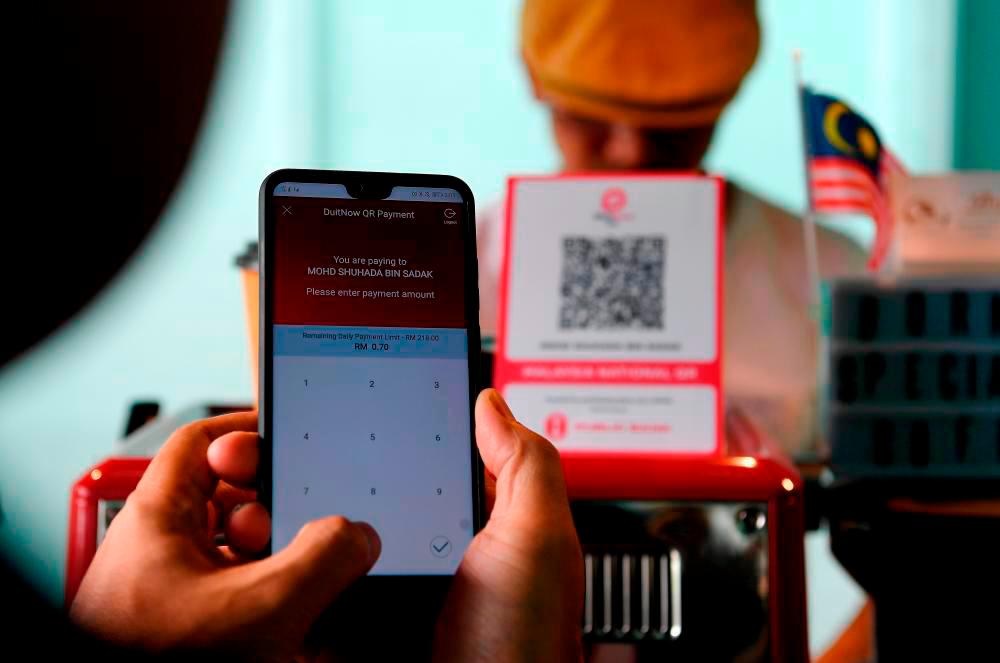
    Korean travelers are set to revolutionize their payment experiences in Thailand, thanks to an innovative collaboration between Bangkok Bank and BC Card, a prominent South Korean payment service provider. The launch of cross-border QR payments through the Paybooc app allows South Koreans to shop and pay with ease while exploring all that Thailand has to offer, utilizing real-time exchange rates for transactions.

    A Gateway for Seamless Travel Peering into 2025

    This partnership does not just stop at providing convenience for travelers from South Korea; it also aims to create a reciprocal system. Soon, Thai customers will be able to scan QR codes in South Korea, making cross-border transactions as effortless as a stroll down a busy street. “It’s like carrying a magic wallet that opens doors in another country,” said one industry insider, capturing the essence of this technology.

    Tourism Expectations and Economic Impact

    Looking ahead, the tourism landscape is set to flourish, with projections estimating around 2 million South Korean tourists will visit Thailand in 2025, according to Chaiyarit, the senior executive vice president at Bangkok Bank. Thai tourists, known for their high spending patterns—averaging THB59,000 per trip—will greatly benefit from the Cross-Border QR Payment service, further boosting the economies of both nations.

    Expanding Horizons—Bangkok Bank’s Wide Reach

    Bangkok Bank is not just focusing on these two markets; it currently operates QR payment services across eight markets, including Vietnam, Indonesia, Malaysia, Singapore, Laos, Hong Kong, South Korea, and Cambodia (inbound service only). This extensive network positions the bank to facilitate seamless transactions and enhance the travel experience for its customers.

    Bridging Borders with Technology

    The integration of QR payment technology not only streamlines financial transactions for tourists but also represents a significant step toward fostering stronger economic ties between South Korea and Thailand. As digital payment options continue to evolve, the two nations are positioning themselves at the forefront of a new era for global travel, where currency exchange headaches may soon become a relic of the past.

    Questions & Answers

    How does the new QR payment system work for South Korean travelers?
    Travelers utilizing the Paybooc app can instantly make QR payments in Thailand at real-time exchange rates.

    What future plans do Bangkok Bank and BC Card have for the QR payment system?
    They plan to allow Thai customers to scan and pay in South Korea, enhancing cross-border financial interactions.

    Why is the influx of South Korean tourists significant for Thailand’s economy?
    With projections of 2 million South Korean visitors by 2025 and their high average expenditure, these tourists are poised to significantly boost Thailand’s tourism revenue.
  • Vietnam budget airline VietJet to launch online business

    Vietnam budget airline VietJet to launch online business

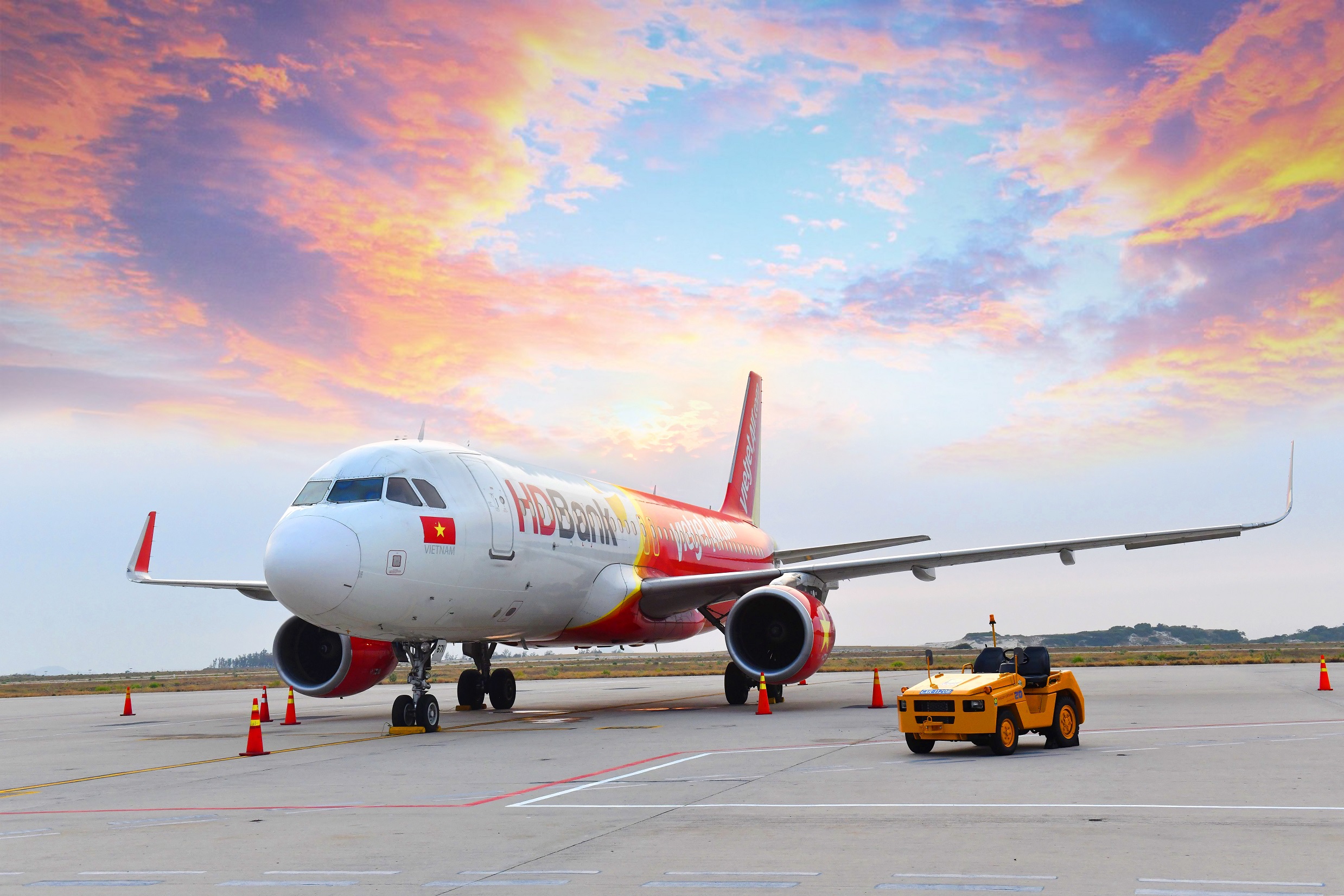
    Vietnamese budget airline Vietjet is set to enter the e-commerce business. The firm is currently forging alliances with industry partners to enable it to offer a range of goods and services online as it seeks to build on and profit from its existing customer data. The new platform, which will be based on blockchain technology to facilitate transactions among partners, is expected to launch within the next two years.

    “Following our concept of ‘Consumer Airline’, we will have an e-commerce platform to serve not only air tickets but whatever they need,” said Vietjet’s VP Nguyen Thi Thuy Binh in Tokyo in an interview with the Nikkei Asian Review. “All the suppliers and partners will join our platform to serve the products to not only our 30 million passengers but also hundreds of millions of customers in Vietnam and other parts of the world.”

    The service will offer banking, insurance, hotel bookings and consumer goods, among other planned features. It will initially target passengers on the airline before expanding to the general public.

    Vietjet is expected to fly 30 million passengers this year, an increase of 30 per cent over last year’s total. While its revenues have been increasing over the period, rising fuel costs and intensifying competition have increased pressure on the firm’s core business. Vietjet has already formed a partnership with finance firm HD Saison Finance to allow customers to purchase air tickets ‘on loan’ in hope of attracting sales even from travellers who cannot immediately afford to buy.

    Vietjet currently flies 119 domestic and international routes, with a fleet of almost 80 aircraft.

  • Hong Kong airport Retail revamp Finalised

    Hong Kong airport Retail revamp Finalised

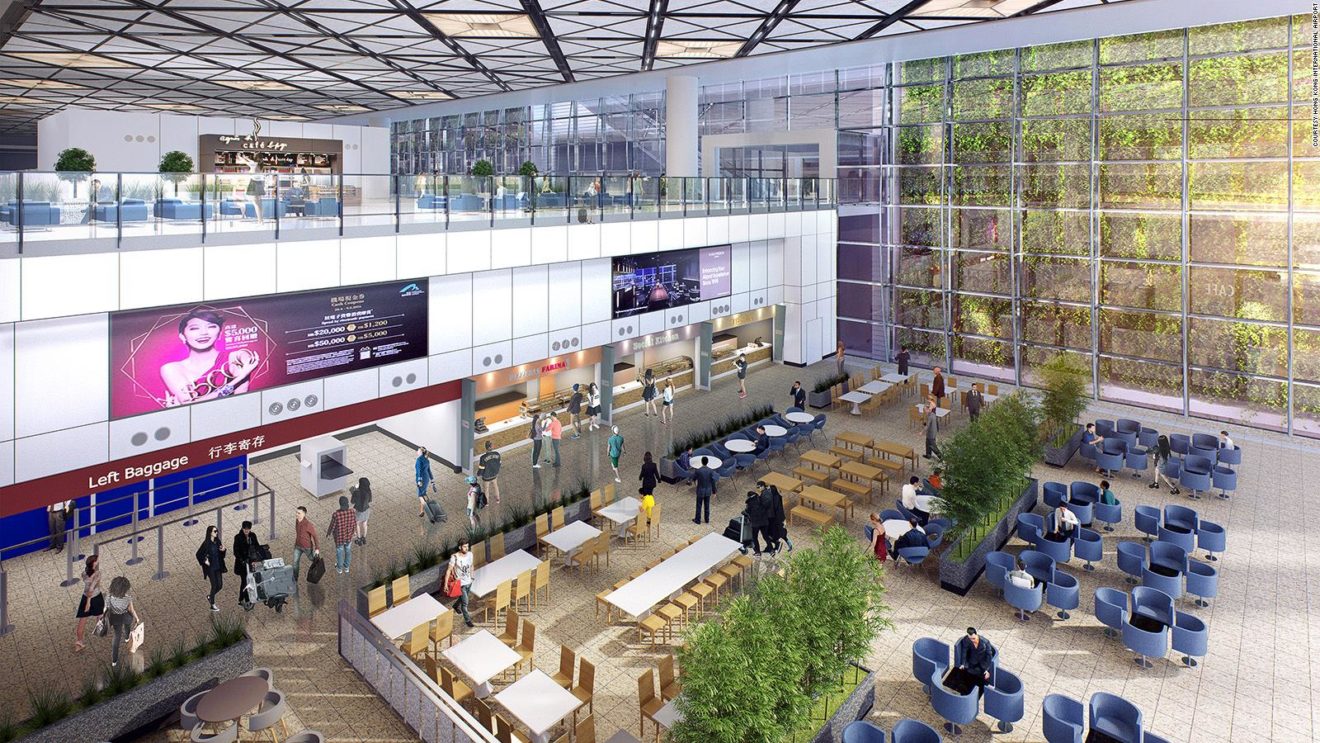
    A major Hong Kong airport revamp is planned spanning passenger facilities and retail spaces.

    Architectural firm Lead8 has been appointed lead designer for the planned Hong Kong International Airport (HKIA) Terminal 1 renovation.

    Working with Airport Authority Hong Kong, Lead8 will spearhead a collaboration of international consultants to deliver a “transformative upgrade” to the passenger halls of the 21-year-old aviation hub.

    The Boarding Gate Transformation project is expected to be completed in 2021. Lead8’s design scope includes a total overhaul and upgrade of the 49 boarding gates and adjacent areas of the Level 6 departure concourses.

    The renovation work will include upgraded technologies at all boarding gates, along with new and refreshed beam seating across all departure waiting areas. Retail and service cabins will be upgraded with more convenience for passenger access, all aimed at delivering “a more fluid experience for travelers”.

    “The refreshed look of the terminal will bring an inviting ambiance that combines new technological features to convey convenience and comfort to the terminal’s local and international travelers when transiting to and from Hong Kong,” said Lead8’s co-founder & executive director Chris Lohan.

    Contemporary seating designs with upgraded charging facilities will provide passengers with convenient and comfortable waiting experiences. The retail and service cabin facilities will also be upgraded to offer a rejuvenating environment for waiting passengers.

    Lead8 have also curated a number of entirely new experiential zones that will provide places of entertainment, relaxation, on-the-go work and general down-time spaces for passengers awaiting flights.

    “The combined enhancements of the transformed facilities at Hong Kong International Airport’s signature Terminal 1 building will further solidify our city’s status as a key international and regional aviation hub,” added Lohan.

  • Bose pop-up store opens at Changi Airport, Singapore

    Bose pop-up store opens at Changi Airport, Singapore

    A Bose pop-up store has opened at Changi Airport’s Terminal 3 Transit Departure Hall.

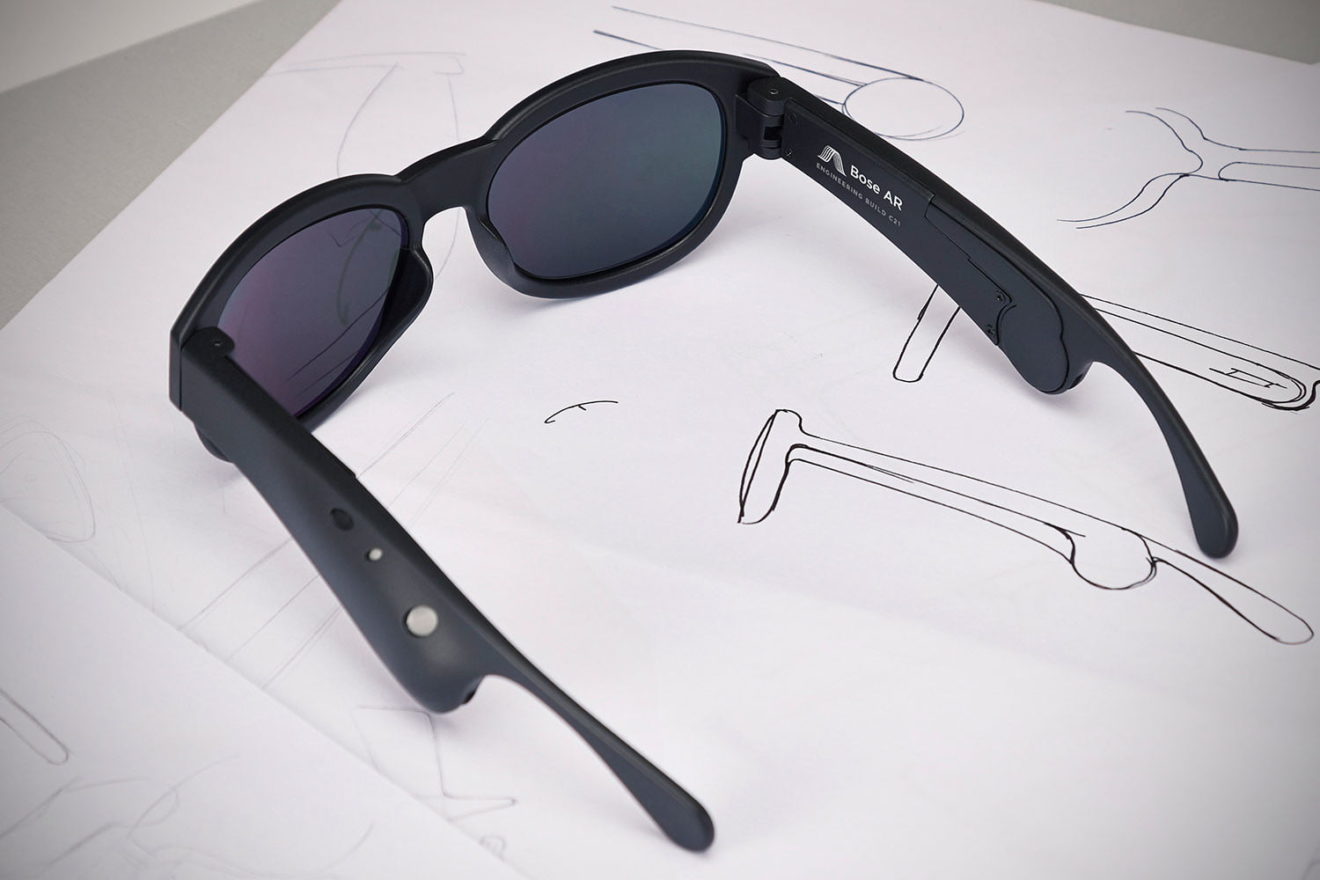
    Trading until June 30, the store will give travellers the chance to experience and own Bose’s first audio sunglasses equipped with Bose AR capability, and to try out its latest noise-cancellation headphones.

    The Bose pop-up store features two zones that let travellers experience Bose products. In one, travellers get to try Bose Frames – the first audio sunglasses from Bose – and go on virtual adventures across different scenes while a soundtrack plays from the device.

    In the other zone, travellers can try out Bose’s latest headphones in sound domes.

    The pop-up store also has a photo booth where visitors can snap and upload pictures of themselves with the Bose Frames for a chance to win a pair of Bose Frames.

    “This technologically savvy pop-up store is an exciting collaboration between Bose and Changi,” said Teo Chew Hoon, group senior VP of airside concessions at Changi Airport Group.

    “As an international hub for travellers, Changi Airport, and by extension Singapore, is the perfect location for the Asia-Pacific launch of our latest product, the Bose Frames,” said Christian Rojas, market development leader, focus market development at Bose.

    “Through engaging travel retail concepts like this, we are confident that the authentic Bose experience will be showcased and look forward to bringing high-quality sound to transit travellers at Changi Airport.”

  • Watsons loyalty program Expanding for Travellers

    Watsons loyalty program Expanding for Travellers

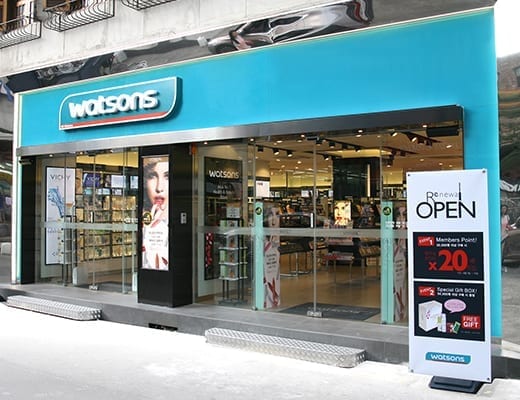
    Watsons is about to expand its loyalty program cross-border with 8 million members in 11 cities in the Greater Bay Area the first to benefit.

    “Watsons operates in many popular travel destinations worldwide, and our customers also tell us that they would like to shop in Watsons overseas,” said group COO Malina Ngai. “Therefore, in order to bring more excitement to our members, it is logical our loyalty program goes international.”

    Members of the Watsons loyalty program in Watsons Hong Kong and Watsons China (in particular Greater Bay Area members) will be able to upgrade their membership to the One Pass-level program to enjoy benefits when they shop in any of the 660 Watsons stores in the 11 cities: Hong Kong, Macau, Guangzhou, Shenzhen, Zhuhai, Foshan, Zhongshan, Dongguan, Huizhou, Jiangmen and Zhaoqing.

    The cross-border program will be launched in other Asian markets including Singapore, Malaysia, Thailand, Taiwan and Indonesia in July.

    “Watsons has been the No.1 Pharmacy/ Drugstore brand in Asia for 10 consecutive years with more than 90 million loyalty club members, and the majority of them are frequent travellers,” said Ngai.

    Indeed, recent research of 14,000 consumers in seven Asian regions showed the average frequency of cross-border Asian travelling is 1.7 per year. Hong Kong people travel 2.2 times yearly, ranking second across Asia, preceded only by Singaporeans, who travel 2.7 times per year.

  • SK-II brings Future X Smart Store to Singapore

    SK-II brings Future X Smart Store to Singapore

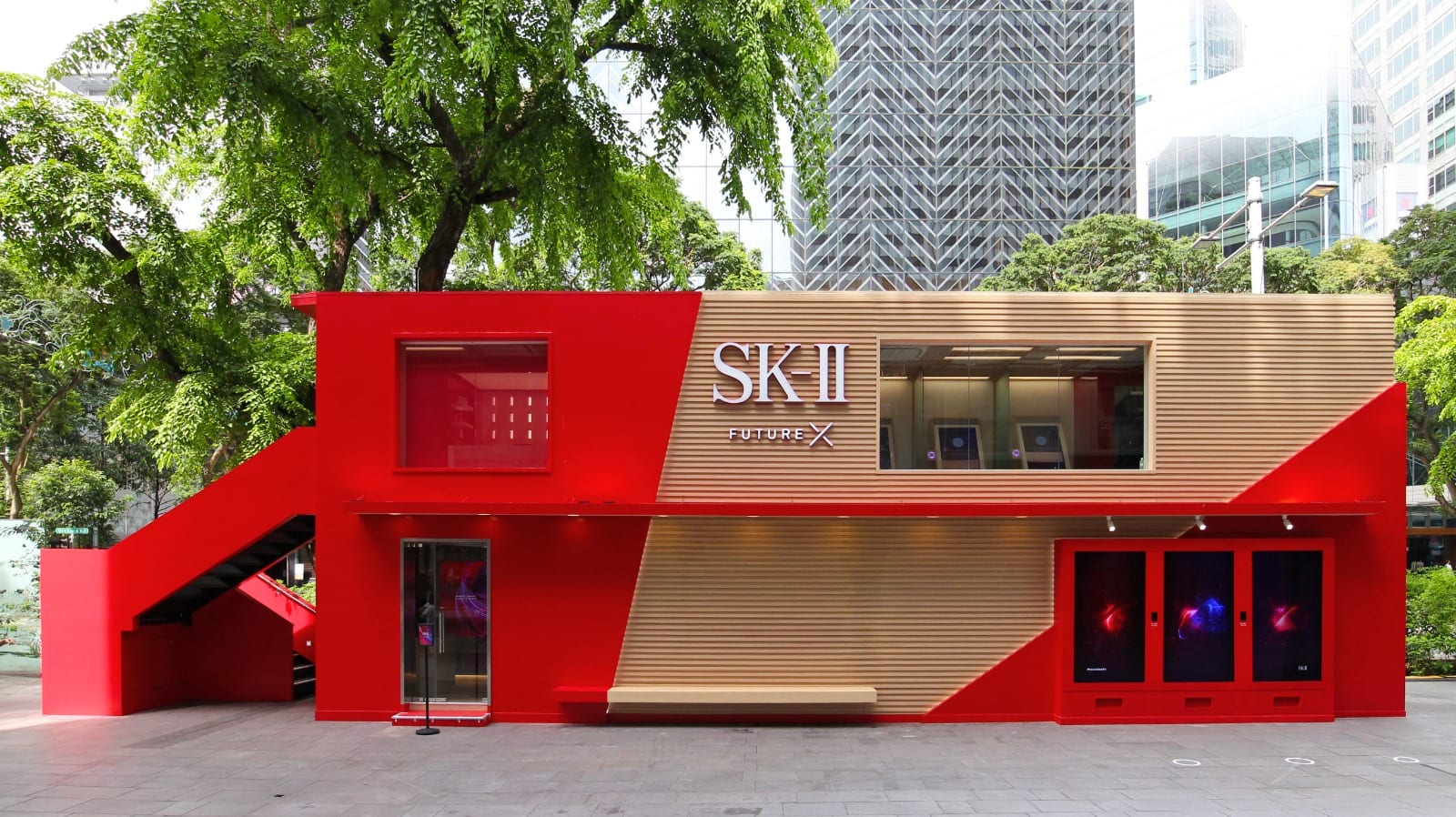
    Japanese beauty brand SK-II has partnered with The Shilla Duty-Free to bring Future X Smart Store to Changi airport. According to SK-II, the smart store merges the latest digital technology with in-store experience to deliver “a convenient and pressure-free shopping experience”.

    “Travellers from all over the world now have the chance to experience the brand’s unique physical retail concept, merging the latest digital technologies with in-store elements to provide travelers with a convenient and pressure-free way to shop for skincare,” the brand said in a statement.

    The store consists of physical features such as the Discovery Bar, smart product scan and ‘Skincare GPS’ that help time-conscious travelers locate, learn about and buy SK-II products in the shortest time possible.

    At the Discovery Bar, consumers will learn more about SK-II’s range of skincare products at the touch of a button.

    The smart product scan tool uses advanced image-recognition technology to help customers locate products quickly. By scanning the SK-II product images they download to their mobile devices, travelers will be directed to the location of their desired product.

    The Skincare GPS facility lights up the location of the product on the store shelf to make it quicker and easier for shoppers to find items.

    The smart store is a part of SK-II’s foray into retail innovation “and the start of a global transformation to connect with a new generation of consumers who are yearning for more meaningful experiences with the brands”, the company said.

    SK-II has launched Future X Smart Stores in Tokyo, Shanghai, and Singapore.

  • Flight Centre Looking at Corporate Travellers

    Flight Centre Looking at Corporate Travellers

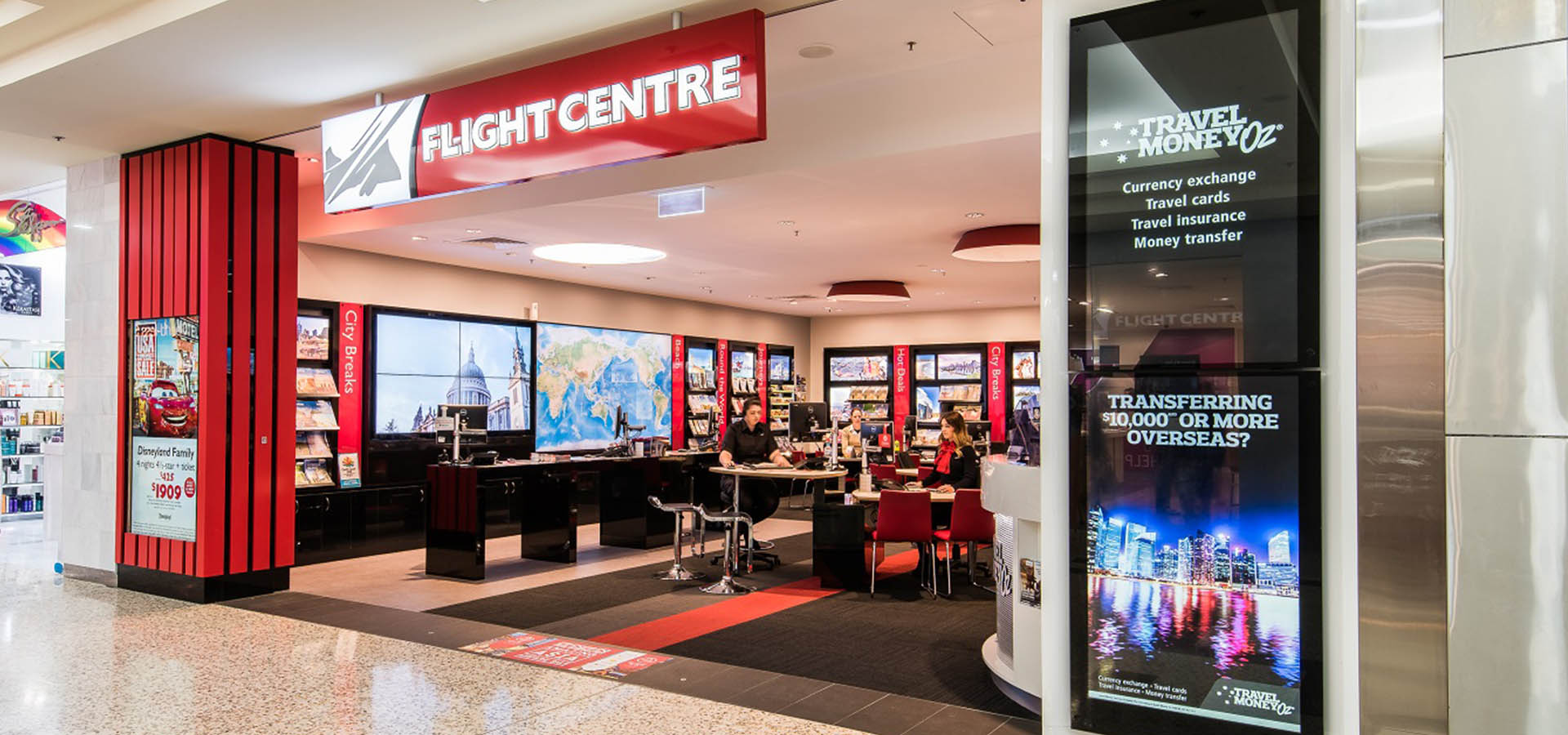
    Travel retailer Flight Centre has made a 25 per cent investment in The Upside Travel Company, strengthening its presence in the global corporate travel sector.

    Flight Centre, which is now the business’s largest shareholder, will gain access to its technology platform and software development resources, enabling it to fast track growth in the small-to-medium sized corporate sector.

    “Upside is an emerging corporate travel business with an innovative customer offering that has the potential to disrupt traditional offerings in the SME sector in the future,” Graham Turner, Flight Centre’s managing director, said.

    Turner said the business is taking steps to future proof its SME offerings, which it predominantly provides through its Corporate Traveller brand, while also creating a blended on and offline offering for customers.

    Dean Smith, president of Flight Centre’s operations in the Americas, said the company planned to utilise Upside’s technology platform to grow Corporate Traveller’s digital offering.

    “We’ve been impressed by the capability and flexibility of Upside’s technology and team to improve the business traveller experience,” Smith said.

    For Upside, the deal will significant improve the business’s reach by giving it access to Flight Centre’s supplier relationships and global business.

    “Flight Centre is the perfect partner for Upside as we get aggressive in serving small corporate clients,” Jay Walker, CEO of Upside, said.

    “Not only does Flight Centre’s global scale, content and experience immediately make our product more complete and more credible, but its people and expertise also make us smarter, which is key as we accelerate into the future.”

    The investment is the latest in a string of such moves by Flight Centre, which recently invested in Bangkok-based 30SecondsToFly, and the acquisition of travel companion app Sam.

    The enhanced Corporate Traveller option will initially only be available in the Americas, but will be pushed to the United Kingdom in the “medium-term”.

  • Tourism Malaysia Collaborates with ShopBack to Incentivise Travellers to Cuti-Cuti Malaysia

    Tourism Malaysia Collaborates with ShopBack to Incentivise Travellers to Cuti-Cuti Malaysia

    Recognising the growth of online travel bookings in Malaysia, Tourism Malaysia recently confirms its support towards the largest Online Travel Fair organised by ShopBack Malaysia from 11th to 17th March 2019, and applauds the company’s efforts in enticing travellers to go around Malaysia with attractive travel bonus and cashback.

    Dato’ Dr. Ammar Abd Ghapar, Senior Director, Domestic & Events Division, Tourism Malaysia says, “This is the third year that Tourism Malaysia is supporting ShopBack Malaysia’s efforts in promoting domestic travels. In the past two years, it has been rolling out a Chief Travel Officer video series to showcase the immense beauty of our land to the public, and this year we are expanding our support towards ShopBack’s Online Travel Fair, the largest e-travel fair in Malaysia which is held in collaboration with its partner merchants including Agoda, Booking.com, Expedia, Malaysia Airlines, BusOnlineTicket, KLOOK, Traveloka, Trip.com, and many more.”

    “The past ShopBack Online Travel Fair achieved 100% year-on-year growth. This is definitely encouraging and together with the continuous efforts from the public sector as well as private e-commerce players, we are confident in growing the industry performance towards the Visit Malaysia 2020 goal,” Dato’ Dr. Ammar says.

    Alvin Gill, Country General Manager of ShopBack Malaysia, expressed that every year, hundreds of thousands of travellers use ShopBack to make travel bookings with Agoda, Booking.com, Expedia, Malaysia Airlines etc. because it saves them more money. “Through a special partnership with all the online travel sites, travellers can get up to 8% cashback on each travel booking. That means if a hotel room cost RM500, a traveller just needs to open the ShopBack web/app, click to our merchant site to make the booking and he/she will get RM40 cashback from us. The booking price is the same, but you will get cashback in your ShopBack account if you use us.”

    “In conjunction with our first Online Travel Fair in 2019, we are also giving away an extra up to RM25 bonus cashback to all travellers who purchase flight, accommodation, and trip packages to any Malaysia destination via our platforms from 11th to 17th March 2019. We are truly honoured to have Tourism Malaysia’s support for this campaign – together we can empower more people to rediscover the food, art, nature and culture in the country and create fond memories with their family and friends here,” Alvin adds.

    The leading cashback site works with a full range of travel sites that covers airlines, bus, rides, accommodations and tour services to offer cashback on top of discounts provided by merchants. Signing up to ShopBack is free. Over 1 million Malaysians are using ShopBack at the moment, and over RM30 million of cashback has been given to local users since 2015.

  • Laox lets Chinese tourists Flying to Japan pre-order duty-free

    Laox lets Chinese tourists Flying to Japan pre-order duty-free

    Tokyo-based duty-free operator Laox is allowing Chinese tourists to Japan to do their tax-free shopping online in advance of their visit.

    The duty-free goods will be listed on an Alibaba-hosted website, allowing consumers to purchase their goods online and pick them up at Laox locations of their choice within Japan up to a month following the transaction. Travellers will need to show purchase records on their phone and present their passports to be eligible for tax exemption.

    The number of goods available for purchase on the website is expected to grow to about 5000 items from the roughly 100 currently available already.

    The service is launching during a period of stagnation in the Chinese tourist market, as Japanese retailers face intensifying competition.

    Laox’s strategy is intended to spare shoppers the inconvenience of hunting for the products they want within physical stores. It is the first such scheme hosted on an Alibaba site.

  • Inflight Wi-Fi essential for 2 in 3 APAC travelers

    Inflight Wi-Fi essential for 2 in 3 APAC travelers

    Two thirds of airline passengers in Asia-Pacific feel that inflight Wi-Fi is not merely a luxury but a necessity, according to Inmarsat-commissioned research.

    A survey of travelers in the region, conducted by market research company GfK, found that 79% are willing to pay for inflight connectivity even on short leisure flights. In addition, 61% believe quality inflight Wi-Fi is more important than onboard entertainment.

    The survey found that inflight broadband is changing the airline industry and transforming travelers’ expectations of the onboard experience.

    Inflight Wi-Fi is becoming so important that over half (52%) of passengers in the region say they will stop using their preferred airline within the next year if it does not introduce the technology.

    Passengers who have experienced high-quality in-flight Wi-Fi also rate it as the third most important consideration when choosing an airline, behind ticket price and flight slots.

    Passengers in China are more likely to be conscious of the quality of Wi-Fi (55%) than those from other countries in the region. Notably, the top three airlines that passengers expect to offer in-flight Wi-Fi and eventually lead the inflight connectivity market in APAC are airlines from China – Air China (46%), China Eastern Airlines (22%) and China Southern Airlines (21%).

    “Good quality Wi-Fi in the air is changing the way people think about flying. Whether using the time to work, to connect with friends and family, or to pass time shopping or viewing entertainment, the availability of inflight broadband has become a major factor when choosing an airline,” Inmarsat Aviation vice president for APAC Otto Gergye said.

    “It’s clear the opportunity that connectivity presents to airlines cannot be underestimated. Airlines in Asia Pacific are recognising this, and can now take advantage of having a high quality onboard Wi-Fi option available in the region.”

  • Garuda to operate large aircraft to serve Lebaran travelers

    Garuda to operate large aircraft to serve Lebaran travelers

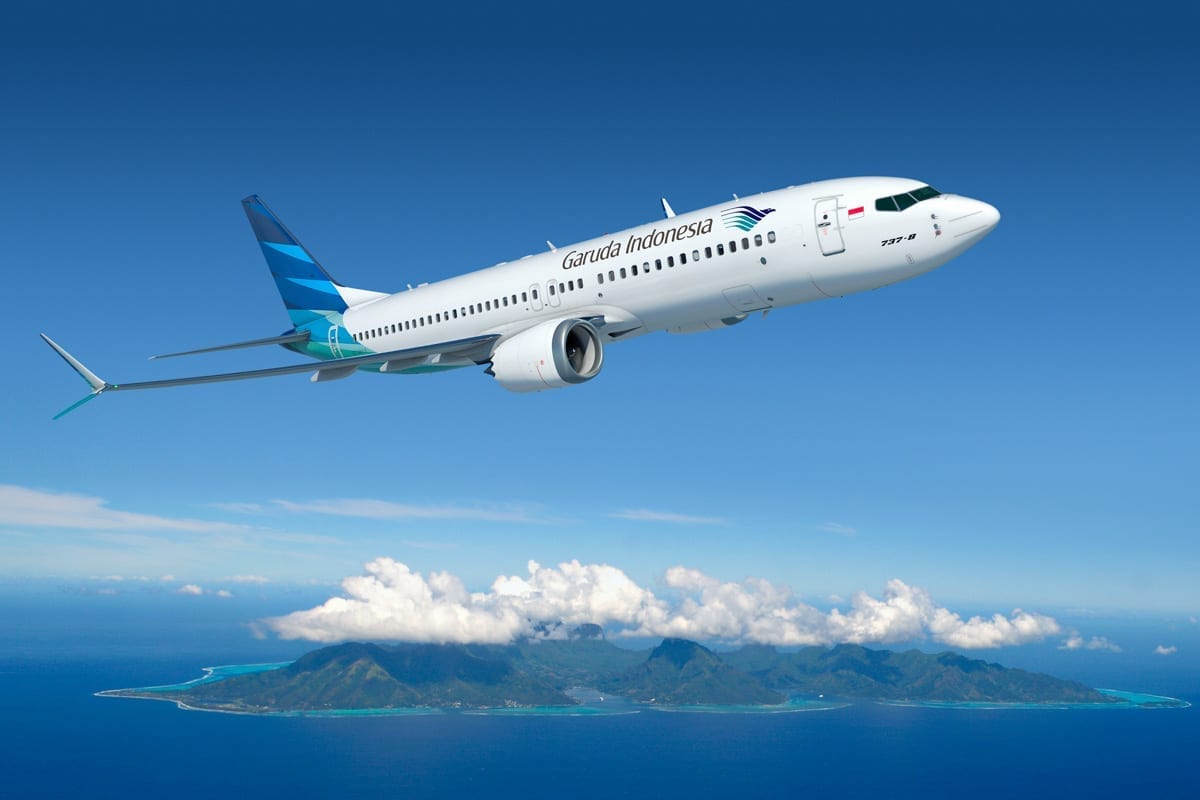
    Flag carrier Garuda Indonesia is preparing 61,324 flight seats through the operation of large aircraft for an extra flight in anticipation of an increase in passengers during the post-fasting Eid ul-Fitr or Lebaran 2017.

    President Director of PT Garuda Indonesia Pahala N. Mansury said the Lebaran is a period when flight operations peak, mainly coinciding with school holidays, so that seat capacity this year increased to 87.24 percent.

    “During the increase this year, there are additional seats of around 60 thousand for the Lebaran peak season. One-third of it is from the large aircraft, while the remaining two-thirds include additional frequencies for both domestic and international flights,” Pahala noted here on Saturday (May 27).

    There is also the use of wide-bodied aircraft (bigger aircraft) and extra flights consisting of 50,210 seats to 11,114 seats on domestic routes and international routes.

    Meanwhile, the type of aircraft to be operated are B737-800 (162 passengers), A330-200 (222 passengers), A330-300 (287 passengers), and entire economy class A330-300 (360 passengers).

    Previously, VP Corporate Communications Garuda Indonesia Benny S. Butarbutar remarked at the Lebaran peak season this year that Garuda Indonesia operates a total of 348 additional flights comprising 188 extra flights and 160 flights using large aircraft.

    “The addition of low-capacity Lebaran peak season this year increased by 87.24 percent of the total capacity of extra flights in the same period last year,” Benny stated.

    Homecoming of passengers are expected to take place from June 16 to July 9, 2017, for both domestic and international routes.

    Garuda Indonesia appealed to all service users to plan a trip as early as possible and use the city check-in facility at the sales offices of Garuda Indonesia or in the web check-in and phone check-in to avoid long queues at the check-in booths in the airport.

  • Samsonite eyes global traveler in China

    Samsonite eyes global traveler in China

    One of the world’s largest luggage makers Samsonite International SA is banking on e-commerce to fuel its China business, which is set to record 12 to 14 percent growth in the coming years.

    The company hopes to have one-third of its sales generated online by 2022 against 20 percent in 2016, said chief executive officer Ramesh Tainwala.

    With the explosion of online shopping and a wealthier population eager to travel, China may overtake the United States as its largest market in the short run, with sales likely to double in three to five years, Tainwala said at a media briefing in Shanghai.

    He said: “At the beginning of the e-commerce, the Chinese were buying online because it was cheaper. But now consumers are maturing, it’s all about convenience.”

    China is the world’s largest online retail market, with 36 percent of the population shopping online at least once a week, far outstripping peer buyers, according to a study by the International Post Corporation, a Brussels-based group that provides business-critical intelligence to its members who are part of the postal industry.

    To harness that growth, Samsonite has launched a “three-pillar” strategy for digital retail. One is to team up with Chinese business-to-customer sites like Tmall and JD. According to Tainwala, the two platforms combined claim 60 percent of Samsonite’s online sales. Another channel is the digital stores of shopping malls and department stores.

    The third step Samsonite is taking this year is to open its indigenous direct online shopping portal, attracting sophisticated buyers who wish to purchase bigger-ticket items via the brand rather than a third party.

    It has also utilized social media to guide traffic to brick-and-mortar stores. For instance, followers of Samsonite’s official WeChat account can sign up for a promotion event in a shopping center and get a discount coupon. Online marketing has helped woo customers and add another 5 percent of their offline sales, according to Frank Ma, a senior Samsonite executive.

    Seven of Samsonite’s nine brands have been introduced to China, ranging from entry-level American Tourister, namesake and contemporary luxury Samsonite, to the newly acquired Tumi, which targets up-market business travelers.

    The multi-brand approach has made online a critical battlefield to win buyers, especially those in lower-tier cities who have fewer opportunities to access physical stores and are taking outbound trips for the first time.

    Ma said: “Globalization has made travelling a lot easier. With simplified visa procedures, we see more first-time travelers from China going beyond borders. To this end, we have designed products tailored to their needs.”

    For instance, American Tourister and Kamiliant are the two affordable brands for these first-time travelers. A typical 20-inch Kamiliant case sells from 199 yuan ($28.9) on Tmall.

    Meanwhile, it has added new features to its most iconic business assortment, including a new hero backpack with three volumes, two check-in-sized spinners, and a brand-new spinner rolling tote.