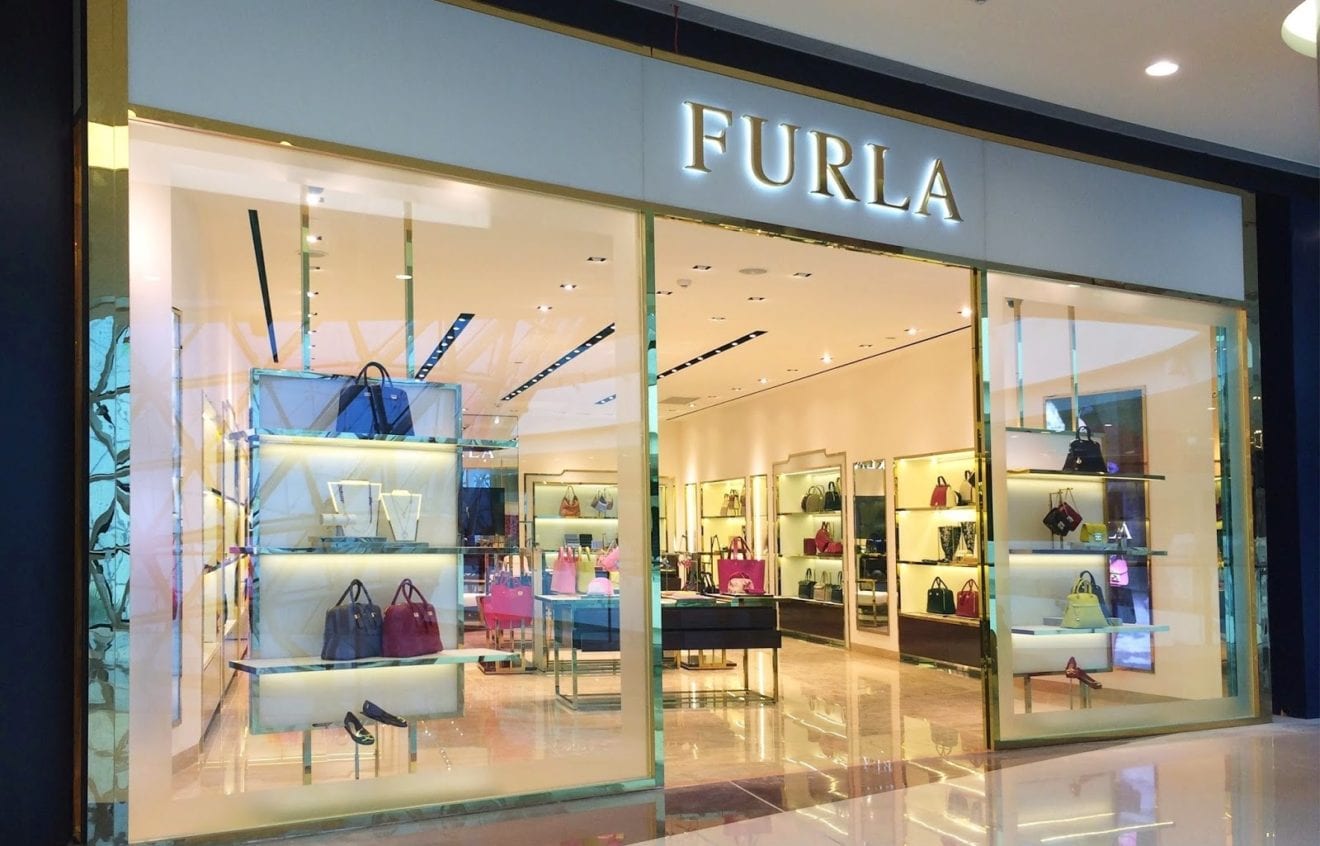
Italian luxury leathergoods brand Furla has reported a 38% travel-retail sales increase in H1 2016.
Furla currently has 223 travel-retail points of sales in 52 countries, the most recent openings in Bucharest Henri Coandă International airport and Singapore Changi airport terminal two with Lagardère Travel Retail.
Following record results in 2015 in terms of sales and profitability, the Furla Group overall has continued growth in the first half of 2016 registering €194m ($217m) in sales versus €151m in H1 2015, an increase of 28%.
This increase is equal to +27% at constant exchange rates and proves Furla Group’s growth is well distributed worldwide thanks to increases in sales ranging between +22% and +34% in all geographical areas where the brand is present.
The Furla Group now counts 425 mono-brand stores, up from the 415 units registered at the end of 2015. Around 50% of these mono-brand stores are composed of property and franchising points of sale.
Counting multi-brands and department stores, the Furla Group is present in more than 1,200 other locations worldwide. It is directly present in more than 100 countries with its products.
Furla Group, recently opened new mono-brand stores in locations such as Citic Mall in Shanghai, Mira Mall in Hong Kong, GUM in Moscow and in Nice. In the second semester of 2016, the Furla Group plans to open new stores in London (Brompton Road) and in Paris (Rue du Faubourg Saint Honoré).
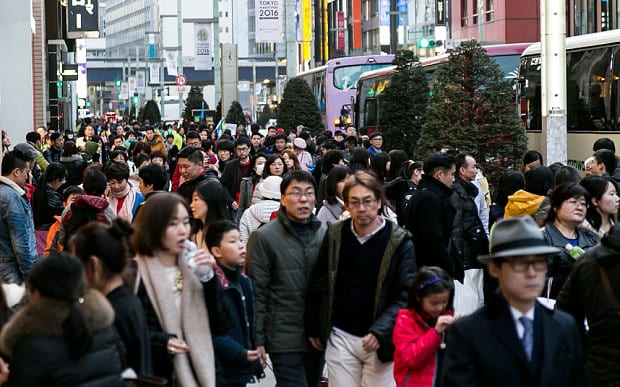
Japan remains its strongest market, representing 26% of total sales in the semester with a 30% increase just like the US. In Europe, sales excluding Italy—that alone is responsible for a 34% sales increase—have increased by 26%. Asia/Pacific sales have risen 22%, equal to almost 20% of the total sales for the Group. Like-for-like sales have also surged significantly with well-balanced results across all regions.
In 2016, Furla Group, which boasts a 1,500-strong workforce, intends to increase investments in areas that already appreciate the brand and where the Group sees even more potential: marketing, communications, digital and e-commerce markets.
Furla Group general manager Alberto Camerlengo said: “We’re extremely proud of our results for the first half of the year. The Furla Group continues to grow exponentially both geographically and across the different product categories, continuing to assert itself on a global level as one of the leading Brands in all markets.
“The quality, freshness and innovative aspects of our products are recognised all over the world and we have been able to achieve these results thanks to the commitment and dedication of our team. We will continue to work towards new growth goals, opening new distribution channels, reinforcing existing relationships and focusing on new projects for the future.”