Tag: trees

  • Malaysia’s Anti-Corruption Agency Launches Investigation into Land Dispute Over 1,000 Felled Durian Trees

    Malaysia’s Anti-Corruption Agency Launches Investigation into Land Dispute Over 1,000 Felled Durian Trees

    The Malaysian Anti-Corruption Commission (MACC) is intensifying its investigation into a significant land dispute in Pahang’s Raub district, aiming to collect vital documents and witness accounts. The agency confirmed last Friday that several individuals involved in the cultivation of the disputed lands have already been identified.

    Government’s Bold Move Against Illegal Farms

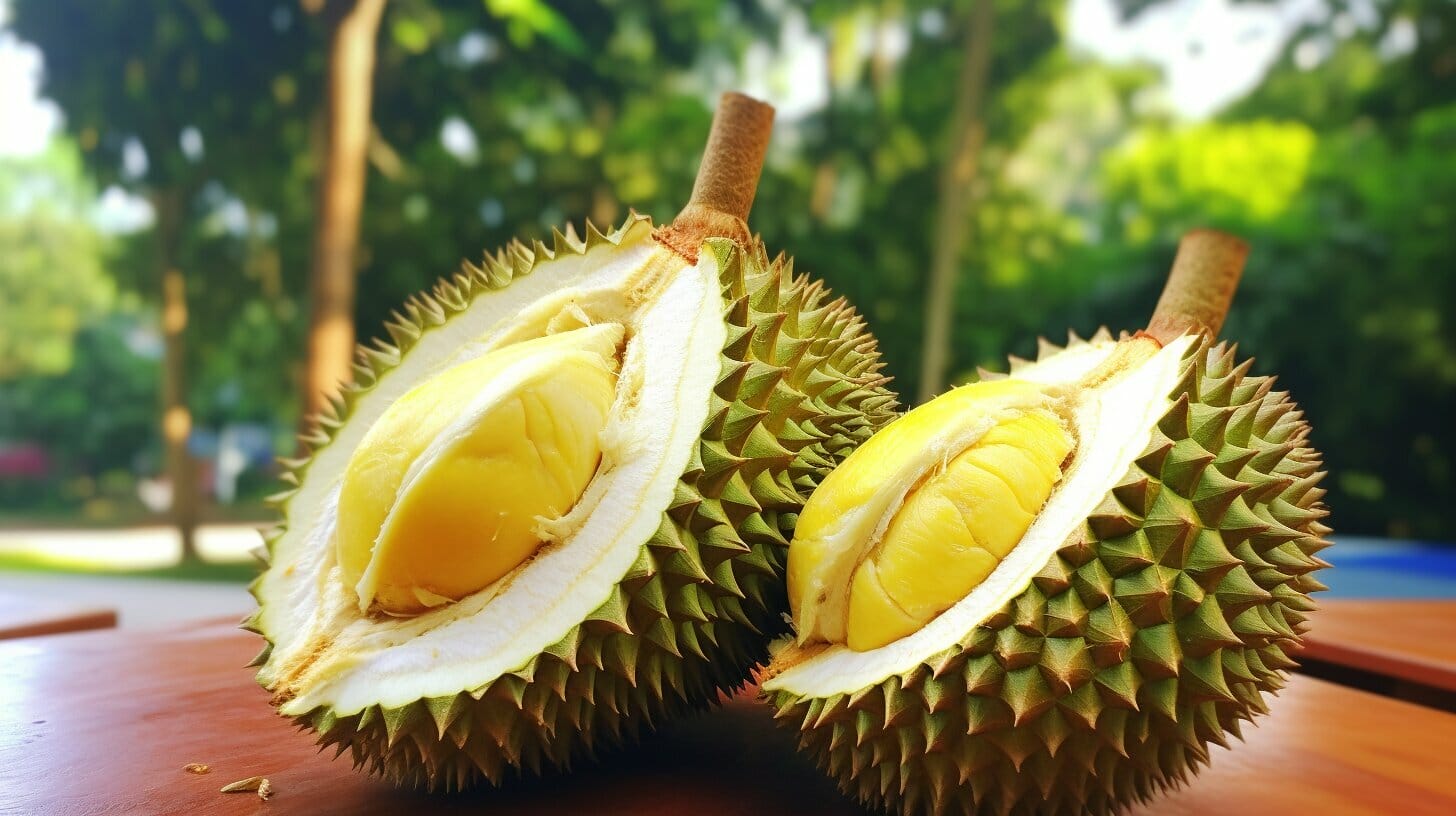
    The clash over land rights erupted on April 8, when government authorities took decisive action by cutting down approximately 200 durian trees, claiming they were planted on illegally occupied land. This action was part of “Op Sekat 3.0,” a state-led initiative that ran from April 8 to May 3, targeting unauthorized durian farms. Following this operation, more than 1,000 trees—many of them the highly prized Musang King variety—met the same fate, sparking a wave of controversy, as reported by local media.

    The timing of the MACC’s press release couldn’t have been more poignant. It followed a visit by the Sultan of Pahang, Al-Sultan Abdullah Ri’ayatuddin Al-Mustafa Billah Shah, to one of the former illegal orchards last Thursday, a moment captured in a Facebook video. During this visit, the Sultan met with officials from the Raub Land and District Office to discuss the chronic issue of land encroachment. His reaction to discovering that a staggering 10,521 hectares—about the size of 14,700 football fields—had been unlawfully occupied was one of sheer astonishment, according to national news agency Bernama.

    Farmers Fight Back Amid Growing Discontent

    The government’s actions have ignited protests from farmers, who expressed their dissent by blocking access routes and displaying banners lamenting the loss of their established crops, as reported by Free Malaysia Today. The Save Musang King Alliance, which advocates for the farmers, has pointed to a court ruling from May that allegedly prohibited the government from destroying these farms. In a tit-for-tat, authorities have maintained that no court order was breached and confirmed their legal right to clear the land.

    Interestingly, this crackdown has found support among local NGOs and residents who argue that the issue of illegal land use has persisted for far too long and necessitates immediate attention. Tengku Zulpuri, a former Raub member of parliament, noted that the existence of these illegal farms has been an “open secret” for over three decades, adding a layer of intrigue to the ongoing situation.

    Tan Sri Azam Baki, the chief commissioner of MACC, shared that the ongoing investigation is delving deep, not only into governance issues but also into how these land-clearing activities occurred without proper oversight from relevant authorities. Last month, the agency compiled a list of individuals linked to the Pahang land dispute, including several former officials. “Given that the case dates back around ten years or more, some of the officials involved have since retired,” Azam added, hinting at the complexity of accountability in this long-standing issue.

    As the saga unfolds, it leaves us pondering just how deep the roots of corruption may run in this verdant landscape.

    Questions & Answers

    What sparked the land dispute in Pahang’s Raub district?
    The dispute began on April 8, when the government cut down around 200 durian trees believed to be planted on illegally occupied land, as part of a state-led operation targeting unauthorized farms.

    How have farmers reacted to the government’s actions?
    Farmers have reacted strongly, protesting by blocking access routes and voicing their grievances about the destruction of their crops. Their representation, the Save Musang King Alliance, argues that a court ruling prohibited such demolitions.

    What is MACC looking into during the investigation?
    The MACC is investigating governance issues related to the land dispute and examining how land-clearing activities could proceed without proper intervention from the relevant authorities.

  • Vietnam rubber exports go almost exclusively to China

    Vietnam rubber exports go almost exclusively to China

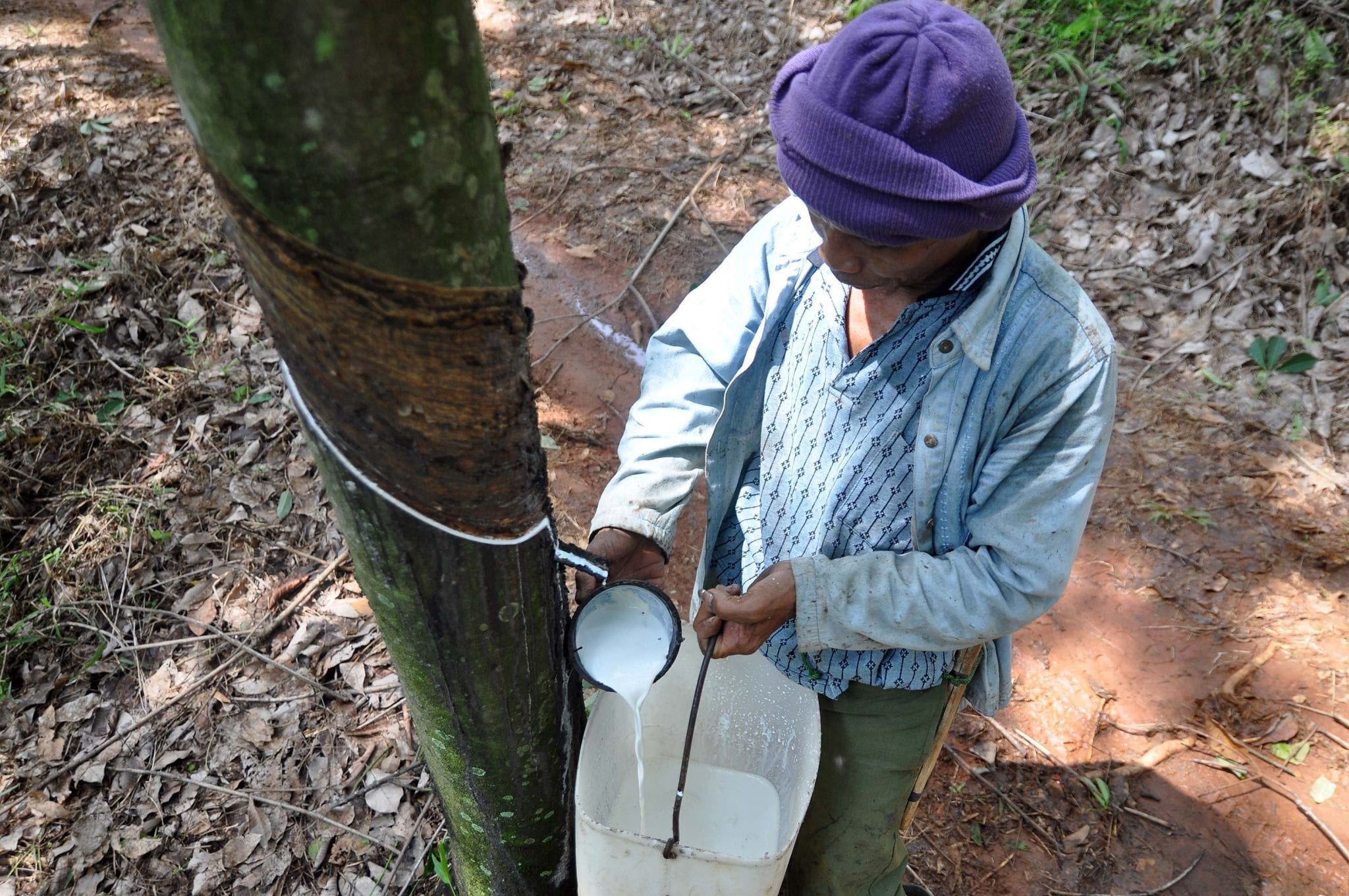
    Vietnam exported 757,600 tons of rubber for over US$1 billion to China in the first seven months of this year, accounting for 99.8% of its total rubber exports.

    Vietnam is China’s second largest rubber supplier after Thailand.

    Its shipments to China were up 12% in volume but down 10% in value year-on-year. The price in July was $1,291 per ton, down 17.9%.

    The Ministry of Industry and Trade’s import-export department forecast rubber exports to China to keep rising in the next few months due to a steady increase in demand.

    The Chinese government has rolled out a series of policies to support the economy after post-pandemic recovery slowed down.

    Vietnam exported over 2.1 million tons of rubber worth $3.3 billion last year, up 9.7% in volume and 1% in value from 2021.

  • Timberland to plant 50 million trees in the next five years

    Timberland to plant 50 million trees in the next five years

    Global outdoor lifestyle brand Timberland has committed to planting 50 million trees around the world by 2025.

    The move builds on Timberland’s previous tree planting efforts; since 2001, the brand has planted more than 10 million trees worldwide.

    “At Timberland, we’re conscious of the impact our modern way of life has on the planet. And we believe as a global lifestyle brand, and as individuals, we have a responsibility to make it better,” said Timberland global brand president Jim Pisani. “Trees and green spaces help improve the quality of our planet as well as individual wellbeing. Our commitment to plant trees is a real, measurable way to act upon our belief that a greener future is a better future. We encourage people everywhere to join the movement by taking their own actions – small or large – to be heroes for nature.”

    To kick off its pledge, Timberland has launched its largest-ever global campaign, “Nature Needs Heroes,” calling on consumers around the world to join the movement by taking simple, small actions for a healthier planet. The campaign celebrates 12 eco-heroes who are making lasting, positive change for the environment and their communities. Each hero dons new styles from the fall 2019 collection, with city greenscapes as the backdrop.

    The campaign will come to life through media activations across print, digital, out of home, social media and PR. The brand will also engage the global community to be heroes for nature through a series of tree planting and greening events.

    To help realize its 50 million tree commitment, Timberland will partner with a range of organizations that support the environment through large-scale regreening and tree planting efforts. These organizations include the Smallholder Farmers Alliance, GreenNetwork, Tree Aid, the UN Convention to Combat Desertification, Connect4Climate – World Bank Group, Justdiggit, Las Lagunas Ecological Park, Trees for the Future, American Forests and Treedom.

    Projects in year one will focus on Haiti, China, the Dominican Republic, the US, Tanzania and Mali – including support of the Great Green Wall, an African-led movement to grow an 8000km line of trees across the entire width of Africa to fight climate change, drought, famine, conflict, and migration.

    “We are thrilled to have Timberland join the Great Green Wall movement – an emerging new world wonder that promises to grow hope for millions of people in the face of the 21st century’s most urgent challenges,” said Ibrahim Thiaw, executive secretary of the United Nations Convention to Combat Desertification.