Retail News CRM

Tag: Triumph

  • Hong Kong’s Luxury Hotels Triumph in Recovery, Surpassing Pre-Pandemic Levels

    Hong Kong’s Luxury Hotels Triumph in Recovery, Surpassing Pre-Pandemic Levels

    The luxury hotel sector in Hong Kong has shown remarkable resilience, bouncing back stronger than the broader hospitality industry in the city. According to the property consultancy JLL, room rates have even surpassed those of 2018, indicating a significant rebound in demand.

    A Robust Recovery for Luxury Hotels

    JLL reports that luxury properties were the only hotel segment to return to their 2018 average daily rates by 2025, reaching HKD2,169 (US$277). This figure represents a 1% increase over rates recorded before 2019 and during the Covid-19 pandemic.

    Meanwhile, the general hotel market in Hong Kong recorded average daily rates of HKD1,263, an 8% decrease from the 2018 level. In the first quarter of this year, luxury hotels maintained their strong performance, with average daily rates rising 12.3% year-on-year to HKD2,452. In contrast, non-luxury segments posted increases between 7% to 8.7%.

    Cleavon Tan, Senior Vice-President of JLL’s Hotels and Hospitality Group in Hong Kong, notes that the luxury hotel segment’s recovery in 2025 was more robust than that of the broader hotel market. He attributes this to the combination of improved demand in conjunction with a constrained supply environment, which allowed luxury hotels to rebuild occupancy while maintaining pricing power.

    Tan suggests that Hong Kong’s hotel recovery and long-term growth prospects will depend on specific segments and assets. Luxury hotels may experience slower physical-supply growth but potentially stronger pricing power, whereas selected mid-market hotels may capture broader visitor growth if their location, product, and cost structure remain competitive.

    Demand Drives Transaction Volumes Across Asia-Pacific

    The demand for luxury hotels across the Asia-Pacific region has also significantly increased. JLL’s report noted that this surge in demand has driven transaction volumes, including sales and acquisitions, up 77% between 2017 and 2025, totalling about US$2.1 billion.

    Luxury hotel transactions accounted for almost 20% of all hotel deals in the region in 2025, a sharp increase from 8% in 2017 and surpassing the previous pre-pandemic peak of 16%.

    In Hong Kong, prime luxury hotel assets are primarily held by local conglomerates, family offices, strategic long-term owners, and high-net-worth investors, resulting in a limited supply. Recent market activity has predominantly focused on refurbishments, repositioning projects, and reopenings rather than adding new supply.

    Noteworthy developments include the 2023 return of The Regent in Hong Kong, the launch of Mondrian Hong Kong, the upcoming Andaz Hong Kong Central, and the recent reopening of The Landmark Mandarin Oriental.

    Questions & Answers

    Why are luxury hotels in Hong Kong experiencing a stronger recovery than the broader hotel market?
    The stronger recovery in the luxury hotel sector is attributed to increased demand in tandem with a constrained supply environment, enabling these establishments to increase occupancy rates while retaining their pricing power.

    What does the future look like for Hong Kong’s hotel industry?
    The long-term outlook for Hong Kong’s hotel industry will vary depending on specific segments and assets. Luxury hotels may see slower growth in physical supply but potentially stronger pricing power. In contrast, selected mid-market hotels could capture more extensive visitor growth if their location, product, and cost structure remain competitive.

    What are some notable developments in Hong Kong’s luxury hotel market?
    Significant developments in Hong Kong’s luxury hotel sector include the 2023 return of The Regent, the launch of Mondrian Hong Kong, the upcoming Andaz Hong Kong Central, and the recent reopening of The Landmark Mandarin Oriental.

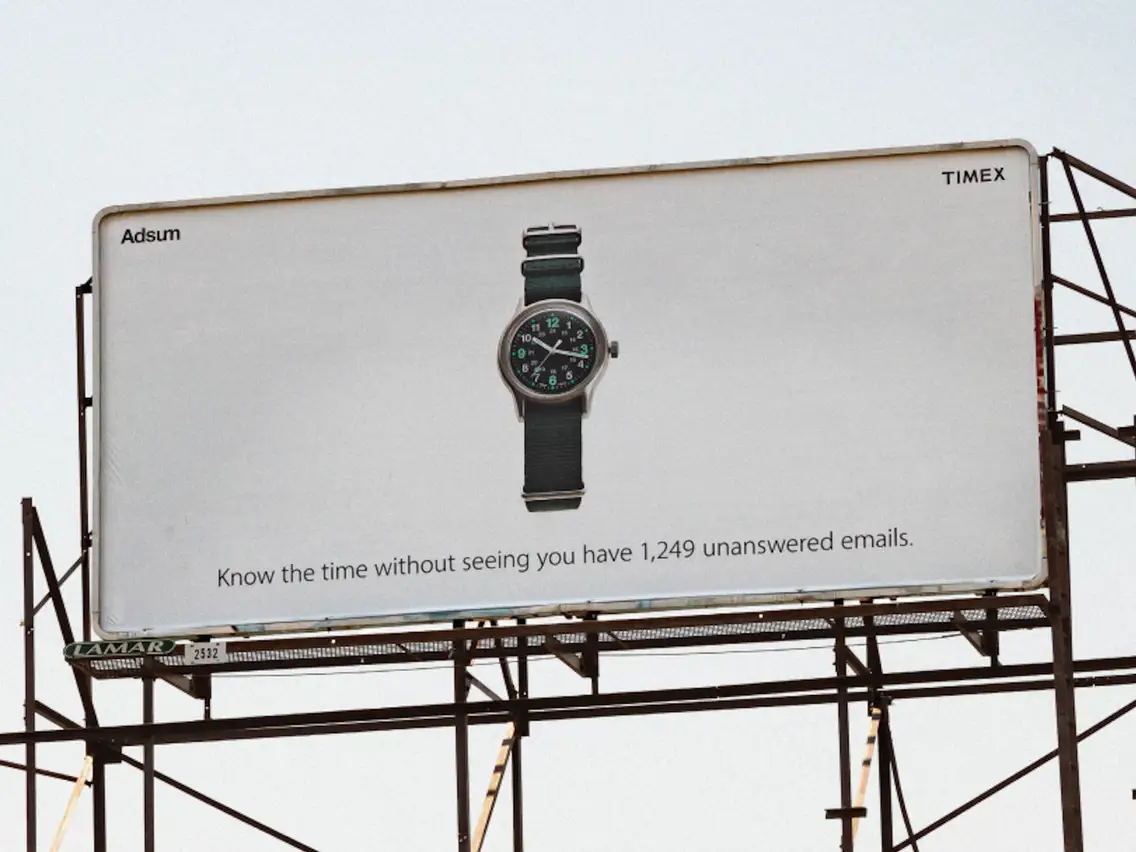
  • Timex Takes Time to Triumph: Full Acquisition of Daniel Wellington Finalized

    Timex Takes Time to Triumph: Full Acquisition of Daniel Wellington Finalized

    Timex Group has successfully finalized the acquisition of Daniel Wellington, a distinguished Swedish watch and jewellery brand. This follows an initial 25% investment made by Timex three years prior. Throughout this time, the two entities have collaborated extensively in various areas including product development, sourcing, brand storytelling, and commercial operations.

    As Timex takes over complete ownership, they intend to propel Daniel Wellington’s forthcoming growth phase. The expansion will be achieved through various strategies such as product innovation, brand building, and increased global capabilities.

    Daniel Wellington: A Unique Brand Identity

    Despite the acquisition, Daniel Wellington will maintain its individuality as a unique brand. It will continue to embody its Scandinavian minimalistic design heritage, distinctive style, and a direct connection with its consumer base. The brand is expected to leverage Timex’s expertise in design, product development, sourcing, manufacturing, distribution, and digital engagement to its advantage.

    The acquisition has further solidified Timex’s standing in the realm of design-oriented watches and jewellery. It also aligns with Timex’s strategic plan to build and expand a distinctive global brand portfolio.

    Tobias Reiss-Schmidt, Timex Group’s President and CEO, opined on the acquisition. “Our association with Daniel Wellington over the past three years, and our increasing involvement with the team, has bolstered our belief in the brand’s potential,” he said. He lauded the team’s efforts and the progress they’ve made in reviving Daniel Wellington’s growth.

    Daniel Wellington’s founder, Filip Tysander, acknowledged Timex Group’s respect for the brand’s identity. “They’ve provided the experience and scale needed to facilitate our brand’s continued growth,” he stated. Tysander is proud of his team’s accomplishments and is confident in the brand’s success in the future.

    The financial particulars of the transaction were kept private.

    Questions & Answers

    What does Timex Group’s acquisition of Daniel Wellington signify?
    It indicates Timex’s commitment to building and growing a portfolio of distinctive global brands. It also strengthens its position in the field of design-led watches and jewellery.

    Will Daniel Wellington maintain its brand identity post-acquisition?
    Yes, Daniel Wellington will continue to operate as a distinct brand preserving its Scandinavian minimalistic design heritage, unique style, and direct connection with consumers.

    How is Daniel Wellington expected to benefit from this acquisition?
    The brand is expected to benefit from Timex’s expertise in design, product development, sourcing, manufacturing, distribution, and digital engagement, thereby propelling its growth.

  • Triumph Bids Farewell to China: Decades-Long Journey of Lingerie Giant Ends

    Triumph Bids Farewell to China: Decades-Long Journey of Lingerie Giant Ends

    The international lingerie brand, Triumph, has announced plans to exit Mainland China, one of the world’s largest retail markets, by the end of this year. This decision marks the end of a long-standing presence in the region, spanning over several decades.

    Gratitude for Loyal Customers

    In a recent statement, Triumph expressed its appreciation towards its Chinese consumers, acknowledging their support over the past three decades. The company expressed gratitude to all customers and members who trusted and supported the Triumph brand over the years.

    They further emphasized how fortunate they have been to grow alongside their customers in China. Ever since their initial venture into the Chinese market, Triumph states that it has been a privilege to work closely with their consumers, witnessing the brand’s growth and transformation in the country.

    Phased Withdrawal Strategy

    The brand has decided to employ a phased approach to its withdrawal, initially focusing on its digital ecosystem. Triumph’s WeChat mini-program, which offers after-sales services, will cease operation as of midnight, December 10.

    Other digital platforms that offer after-sales support, including Taobao, Tmall, Tmall Outlet, JD, Pinduoduo, Douyin, and VIPshop, will end their association with Triumph no later than midnight, December 5.

    Following the digital shutdown, Triumph’s physical presence will also be phased out. All offline locations are slated for closure by December 31.

    The decision was issued by Hainan Youmei Underwear and Yancheng International Women’s Fashion, the entities that manage Triumph’s operations in China.

    Questions & Answers

    When will Triumph’s WeChat mini-program cease operation?
    Triumph’s WeChat mini-program will stop offering after-sales services at midnight on December 10.

    What is Triumph’s strategy for exiting the Chinese market?
    Triumph is employing a phased approach to its withdrawal, first focusing on its digital ecosystem and then moving to its physical locations.

    When are all of Triumph’s offline stores set to close?
    All of Triumph’s physical stores in China are set to close by December 31.

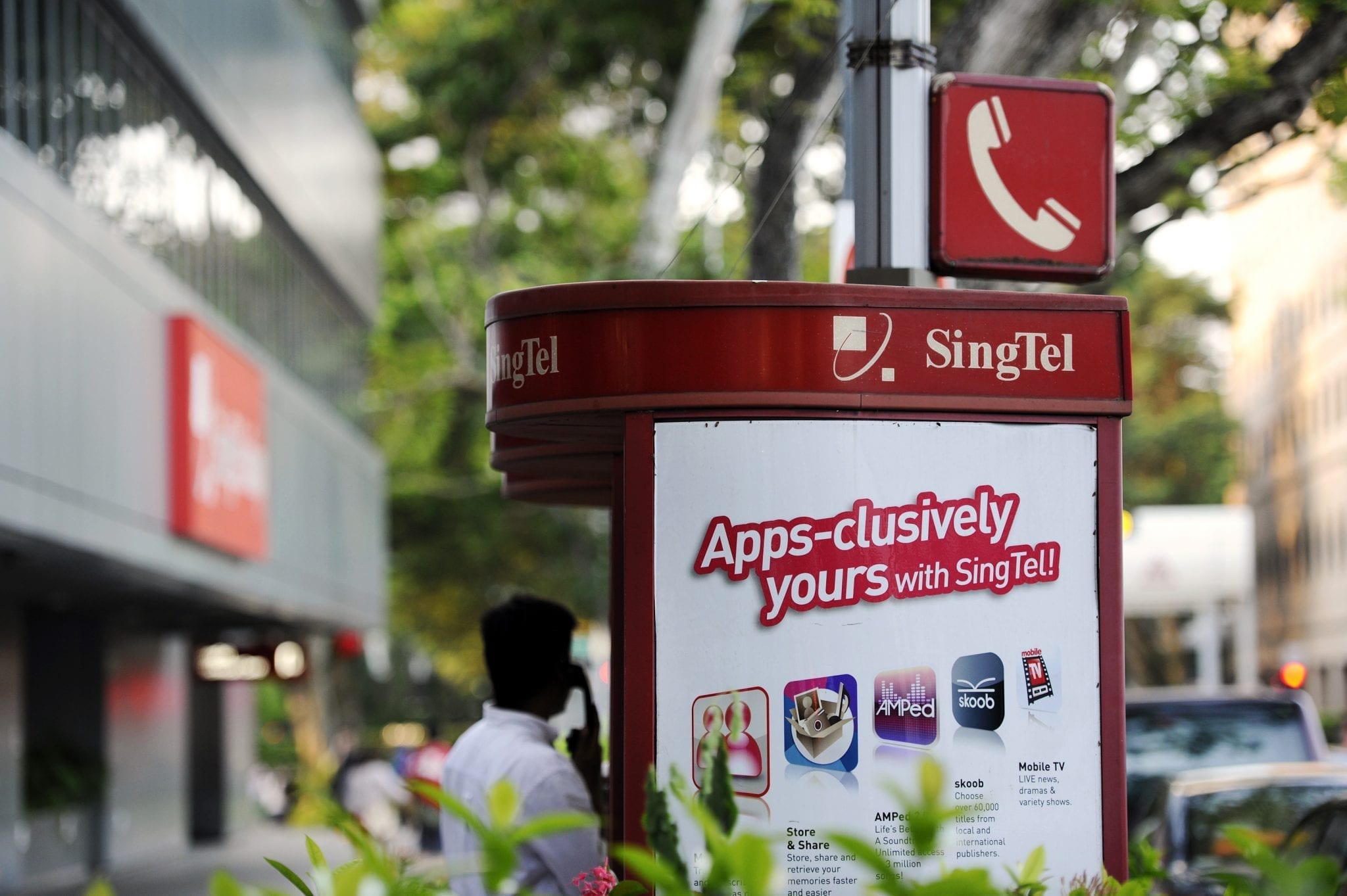
  • Singtel Celebrates 14% Profit Leap: A Triumph of Regional Growth and Strategic Investments

    Singtel Celebrates 14% Profit Leap: A Triumph of Regional Growth and Strategic Investments

    The Singtel Group has reported a 14% increase in underlying net profit, reaching SGD 1.35 billion in the first half of the year. This growth has been mainly driven by regional associates Airtel and AIS, as well as operating companies NCS and Optus.

    Profit Increase Despite Economic Challenges

    Neglecting the impact of foreign currency fluctuations and contributions from Intouch, which concluded after its merger with Gulf, the underlying net profit would have increased by 22%. The net profit rose to SGD 3.40 billion, largely as a result of a net exceptional gain of SGD 2.05 billion from the partial sale of a stake in Airtel in May and the Intouch-Gulf merger.

    Operating revenue declined by 1.2% to SGD 6.91 billion, which was affected by the strong Singapore dollar. However, in constant currency terms, the Group’s operating revenue, EBITDA, and operating company EBIT would have increased by 1.9%, 4.9%, and 14%, respectively.

    CEO Insights

    Yuen Kuan Moon, Singtel Group CEO, stated that the group’s H1 results reflect the positive momentum across their diversified portfolio of businesses across the region. They have continued to drive growth in connectivity, digital services, and digital infrastructure and also unlocked value from their asset recycling efforts as they executed their Singtel28 plan.

    Despite the challenging macroeconomic outlook, and uncertainty surrounding the Optus business, Yuen believes their business and geographical diversity is providing stability to the Group’s performance. He expects their growth engines to change the business’s complexion in the mid term as they continue to scale.

    Plan Execution and Active Capital Management

    Since launching the Singtel28 plan, the Group’s active capital management has generated SGD 5.6 billion in proceeds, including SGD 1.5 billion from the recent divestment of a 0.8% stake in Airtel. The Group has achieved more than half of its new SGD 9 billion mid-term asset recycling target, which will be used to fund growth opportunities and provide returns to shareholders.

    The Group’s balance sheet remains strong, with a cash balance of SGD 3.4 billion as of September 2025, helping reduce net debt to SGD 8.7 billion and improve gearing ratios.

    Regional Associates’ Contributions

    The profit contributions from regional associates post-tax increased by 12% to SGD 0.92 billion. Excluding Intouch and considering constant currency terms, these contributions would have risen by 25%.

    Airtel Group saw solid earnings growth in both India and Africa due to effective execution and higher mobile tariffs, while AIS reported stronger profits due to revenue growth and effective cost management. However, Telkomsel’s performance was impacted by weaker mobile performance, a capital gain from the sale and leaseback of indoor infrastructure in the previous period, and higher interest expenses. Globe’s earnings also declined due to weak consumer spending.

    Questions & Answers

    What is the overall financial status of Singtel Group?
    Singtel Group has reported a 14% increase in underlying net profit, reaching SGD 1.35 billion in the first half of the year.

    What were the main contributors to Singtel Group’s growth?
    The growth was mainly driven by regional associates Airtel and AIS, as well as operating companies NCS and Optus.

    What does the Group’s CEO, Yuen Kuan Moon, attribute the positive results to?
    Yuen attributes the positive results to the group’s diversified portfolio of businesses across the region and active capital management as part of the Singtel28 plan. The plan has generated SGD 5.6 billion in proceeds, contributing to the reduction of net debt and improvement of gearing ratios.

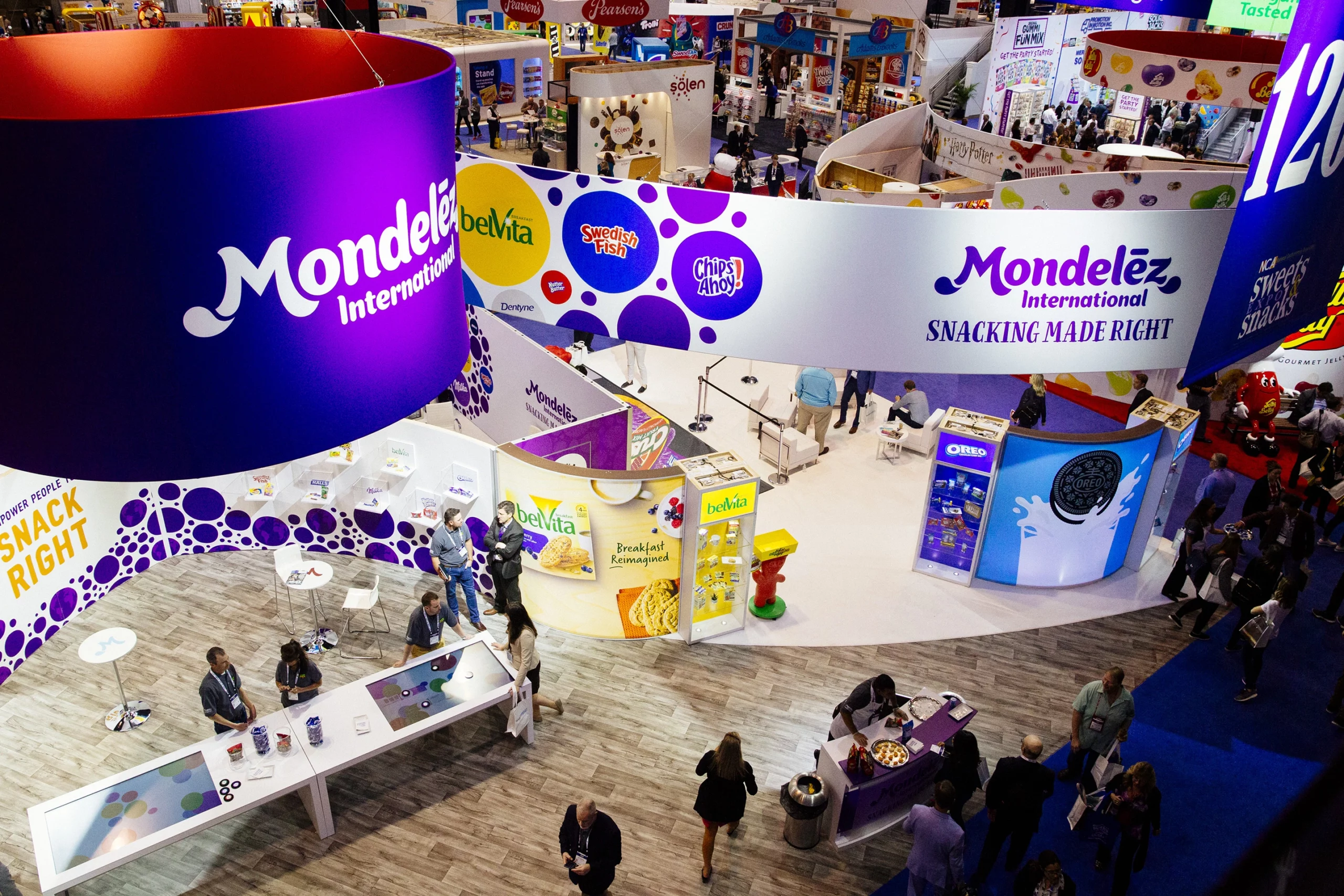
  • GrapeCo and Mondelēz Triumph at Woolworths New Zealand’s Annual Supplier Awards: Celebrating Innovation and Sustainability

    GrapeCo and Mondelēz Triumph at Woolworths New Zealand’s Annual Supplier Awards: Celebrating Innovation and Sustainability

    Woolworths New Zealand recently honoured its partners and innovators in the food and grocery industry, handing out 20 awards at its annual Supplier Awards event at the Auckland War Memorial Museum. GrapeCo and Mondelēz were the illustrious recipients of the ‘Supplier of the Year’ titles.

    Supplier Excellence and Innovation

    The awards, which included 54 finalists, celebrated the ingenuity and collaborative efforts within the industry.

    GrapeCo, a grape supplier for Woolworths NZ, was awarded the ‘Fresh Supreme Supplier’ title for its novel grape varieties and its commitment to sustainability.

    Pieter De Wet, commercial director for Woolworths New Zealand, commended GrapeCo’s environmentally-friendly practice of testing reusable crates which could potentially eliminate more than 60 tonnes of packaging from the Woolworths supply chain.

    “GrapeCo’s dedication extends beyond the norm. Their impactful strategic partnership and their innovation makes them the worthy recipients of our ‘Fresh Supreme Supplier of the Year’ award,” De Wet stated.

    Mondelēz: Packaged Food Supreme Supplier of the Year

    Snack manufacturer Mondelēz was named the ‘Packaged Food Supreme Supplier of the Year’. This accolade represents Mondelēz’s resilience, innovation, and their significant contribution to growth in the industry.

    “Mondelēz has truly distinguished itself this year with exceptional performance and strategic ingenuity,” De Wet said. “Their consistent high performance over the past three years, along with their long-term leadership, makes them the rightful winners of the Supreme Award.”

    Other award recipients included Breadcraft Wairarapa, MaxFoods, Fonterra, Darren Lobb – Hellers, Vitaco, Hancocks, Simplot, Mondelez New Zealand, Amanda Collier (Suntory Oceania), Taryn Aspeling (Heinz Watties), Essity Australasia, Body Science (BSc), and Harriet Butler (Scalzo).

    Questions & Answers

    Who were the ‘Supplier of the Year’ winners at the Woolworths New Zealand Supplier Awards?
    The winners of the ‘Supplier of the Year’ titles were grape supplier GrapeCo and snack manufacturer Mondelēz.

    Why was GrapeCo awarded the ‘Fresh Supreme Supplier’ title?
    GrapeCo was awarded for its introduction of new grape varieties and its commitment to sustainability, specifically for testing reusable crates which could potentially reduce packaging by over 60 tonnes.

    What contributed to Mondelēz being named the ‘Packaged Food Supreme Supplier of the Year’?
    Mondelēz was recognized for its resilience, innovation, and significant contribution to growth within the food and grocery industry.

  • Revolutionizing Radio Networks: SoftBank and NVIDIA’s Triumph in AI-Driven Massive MIMO

    Revolutionizing Radio Networks: SoftBank and NVIDIA’s Triumph in AI-Driven Massive MIMO

    A successful demonstration recently utilized an AI-RAN (Artificial Intelligence Radio Access Network) that performed radio signal processing entirely on NVIDIA’s graphics processing unit (GPU). This is a major shift from traditional systems that heavily relied on dedicated hardware, specifically field-programmable gate arrays (FPGAs) or application-specific integrated circuits (ASICs), for processing at the Physical Layer (PHY).

    Performance Under Real-World Conditions

    In the outdoor trial, SoftBank exhibited top-tier performance under real-world circumstances. They used a cutting-edge, virtualized RAN (vRAN) structure that performs this processing by using large-scale CUDA-accelerated parallel computation on NVIDIA’s GPU. This architecture also incorporates AI processing.

    Throughout the trial, AITRAS exploited the GPU’s efficient parallel processing skills to carry out extensive matrix computations crucial for Massive MIMO and PHY-layer signal processing. This was achieved entirely in software within the Distributed Unit (DU). Consequently, SoftBank affirmed the stable function of a 16-layer MU-MIMO downlink in outdoor settings. In comparison to the standard four-layer setup, both spectral efficiency and throughput improved by about three times.

    Significant Validation

    This success serves as a substantial validation of the PHY-layer execution on a GPU. It enables stable Massive MIMO operations within the specified processing time of the RAN. This is an important technical milestone that leads the commercialization of AI-RAN.

    In the AITRAS model, the connection between the DU and O-RAN-compliant Radio Unit adheres to O-RAN Split Option 7.2x. While some Massive MIMO implementations transfer parts of the uplink channel estimation and equalization processing from the DU to the O-RU, AITRAS uses a fully software-based approach within the DU. This uses the GPU computing power and aids in creating a Massive MIMO ecosystem using general-purpose O-RUs without needing extra functions.

    Uplink Radio Signals and AI Processing

    By combining uplink radio signals from various O-RUs into a single DU, equipped with an integrated AI processing unit, AI-based coordinated control for radio signal quality can be effectively executed across multiple O-RUs. This improves radio signal quality through uplink channel interpolation and boosts capacity through advanced beamforming techniques.

    The aim with the development of AITRAS is to speed up the practical implementation of AI-RAN, contributing to a more sustainable and flexible next-generation network infrastructure. The plan is to continue field trials and introduce AITRAS into commercial networks by 2026.

    Questions & Answers

    What is the significance of the recent demonstration by SoftBank?
    The demonstration is significant as it showed that radio signal processing can be performed entirely on NVIDIA’s GPU using AI-RAN, shifting away from the traditional reliance on dedicated hardware.

    What is the anticipated impact of AI-RAN in real-world conditions?
    AI-RAN demonstrated high performance under real-world conditions, improving both spectral efficiency and throughput by about three times. This could significantly enhance communication quality and overall capacity of base stations.

    What is the long-term goal for the development of AITRAS?
    The goal is to accelerate the practical implementation of AI-RAN, thereby contributing to the creation of a more sustainable and flexible next-generation network infrastructure. SoftBank plans to introduce AITRAS into its commercial network by 2026.

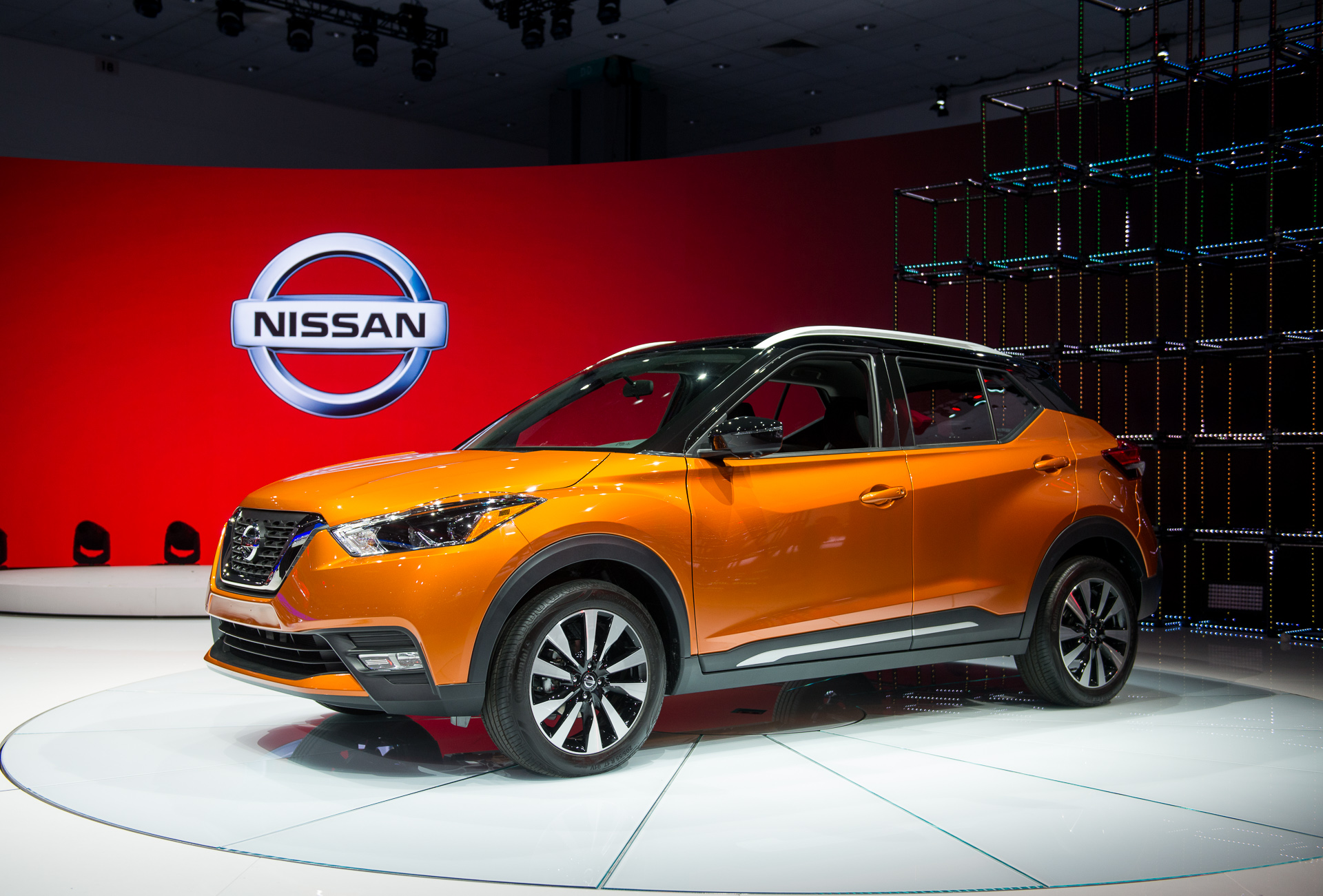
  • Nissan India Celebrates Export of 1.2 Million Vehicles: Triumph for Made-in-India Cars Globally

    Nissan India Celebrates Export of 1.2 Million Vehicles: Triumph for Made-in-India Cars Globally

    Nissan India Reaches Export Milestone

    Nissan India has marked a significant achievement with the announcement of its 1.2 millionth vehicle export. The Japanese automotive company has primarily centred its focus on the Magnite model, with occasional offerings of fully imported models such as the X-Trail. Nissan India exports vehicles to the AMIEO region, comprising Africa, Middle East, India, Europe, and Other markets.

    The milestone vehicle, a Magnite, is destined for the Gulf Cooperation Council (GCC) region. It was officially unveiled by Saurabh Vatsa, the Managing Director of Nissan Motor India, at Kamarajar Port in Ennore, Tamil Nadu. While the Magnite has been the mainstay, Nissan India has a history of exporting various models. These include the Sunny, Kicks, and Micra, which have been shipped to regions such as Africa, the Middle East, Latin America, and Southeast Asia.

    Changes in Model Exports Over Time

    Over time, however, these models were phased out due to lacklustre sales performance following the introduction of BS6 emission standards. At present, the Magnite is exported to 65 countries and is available in both left-hand (LHD) and right-hand (RHD) drive versions.

    Saurabh Vatsa, Managing Director, Nissan Motor India, commended this achievement, attributing it to the collective efforts of their teams and the global trust in their Made-in-India cars. He stated, “The Nissan Magnite continues to be a global success story, representing our focus on design, quality, and innovation that transcends borders.”

    Updates to the Magnite Model

    In December of the previous year, Nissan introduced a minor facelift to the Magnite, including subtle cosmetic changes and additional features. However, the mechanical aspects of the vehicle remain the same. The Magnite is offered with two petrol engine options: a 1.0-litre naturally aspirated engine and a 1.0-litre turbocharged engine. The former delivers 72 bhp and 96 Nm of peak torque, while the latter offers 99 bhp and 160 Nm (or 152 Nm with automatic transmission) of torque.

    Questions & Answers

    What milestone has Nissan India recently achieved?
    Nissan India has recently announced the export of its 1.2 millionth vehicle.

    Which regions does Nissan India export its vehicles to?
    Nissan India exports its vehicles to the AMIEO region, which includes Africa, the Middle East, India, Europe, and other markets.

    What changes were made to the Nissan Magnite in its latest update?
    In its latest update, the Nissan Magnite received a mild facelift with subtle cosmetic enhancements and additional features. The mechanical aspects of the vehicle, however, remain unchanged.

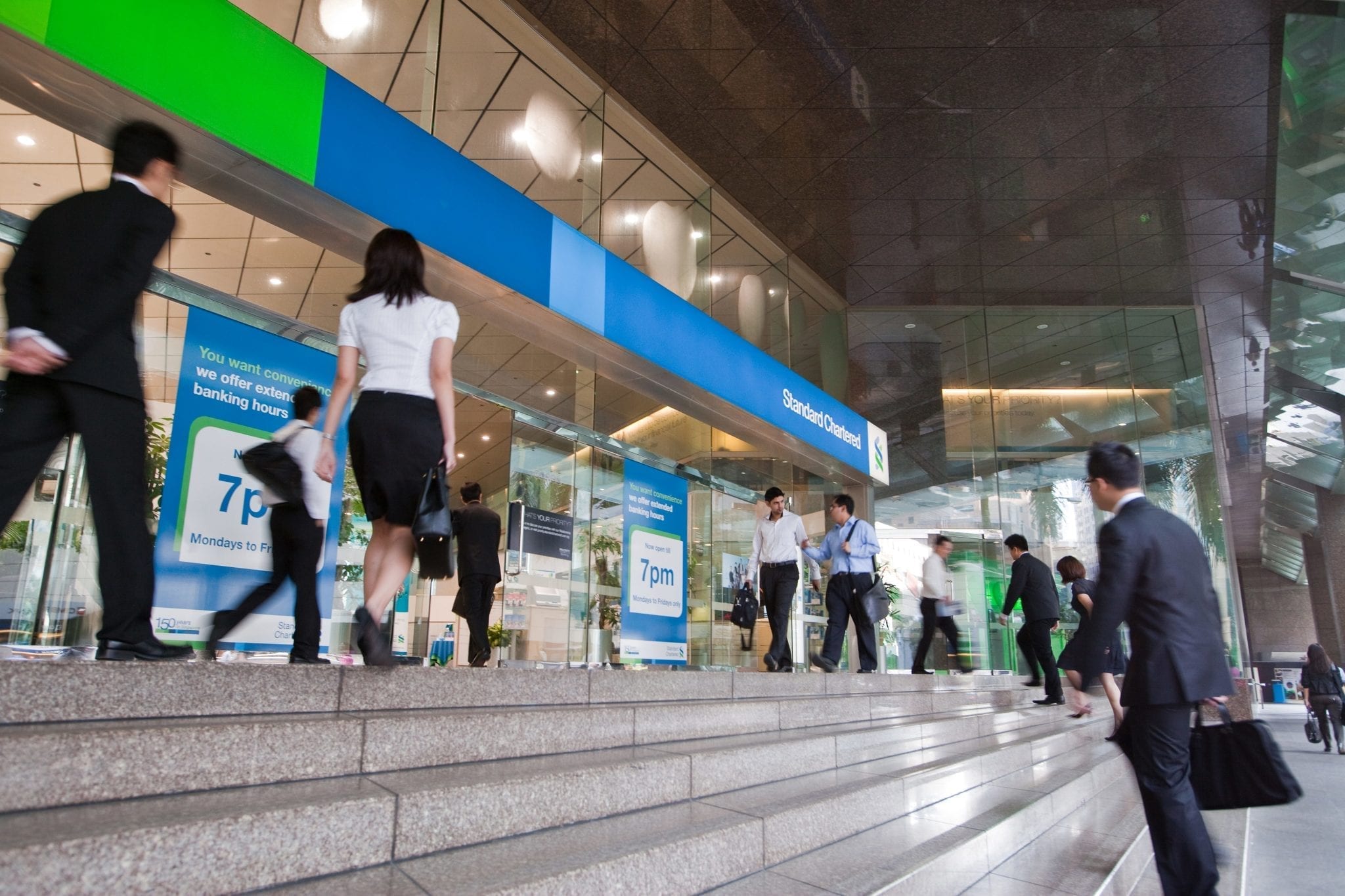
  • Standard Chartered Gears Up for Early RoTE Target Triumph Amid Q3 Profit Surge

    Standard Chartered Gears Up for Early RoTE Target Triumph Amid Q3 Profit Surge

    Following a prosperous third quarter, Standard Chartered Bank, noted for its focus on emerging markets, has reported a rise in profits. The bank now anticipates meeting its return on tangible equity (RoTE) goal ahead of its original schedule by one year.

    Financial Success in Q3

    Standard Chartered’s pre-tax profit for the third quarter of 2025 saw a 10% increase from the previous year, growing to just shy of $2 billion. This is according to the bank’s own recently released financial results.

    An increase of 5% was also noted in operating income, reaching $5.1 billion. Simultaneously, net interest income fell by 1% to $2.7 billion. However, non-interest income demonstrated a significant climb of 12% to $2.4 billion. The majority of this remarkable growth can be attributed to a record-breaking quarter experienced by wealth solutions, in conjunction with global banking. These sectors witnessed respective income growth of 27% and 23%. Meanwhile, operating expenses rose by 4% to $3 billion as a result of strategic investments intended to stimulate business development. Efficiency-related savings helped to partially offset this increase.

    The bank’s year-to-date pre-tax profit similarly displayed a promising trend, increasing by 16% to approximately $6.7 billion.

    Upward Revision of Projections

    Given these promising outcomes, Standard Chartered has revised its projections upwards. The bank now expects its operating income to demonstrate a compound annual growth rate of 5-7% from 2023 to 2026. Notably, the year 2025 is predicted to reach the upper end of this bracket, barring any remarkable items. This represents a shift from the bank’s previous forecast, which placed expectations towards the lower end of the range.

    In addition to these adjustments, the bank has also forecasted that its return on tangible equity (RoTE) will stand at roughly 13% in 2025. This indicates that the bank is on track to achieve its target one year sooner than initially planned.

    Strategic Focus Leads to Growth

    Standard Chartered’s CEO, Bill Winters, commented on the financial results, stating that the progress seen was widely distributed. However, he attributed a significant proportion of the bank’s success to a refined strategic focus on meeting the cross-border and affluent banking requirements of their clients. This stance has shown fruitful results, with substantial double-digit growth being observed in Wealth Solutions and Global Banking. There is also positive momentum in the bank’s Global Markets flow business.

    Questions & Answers

    What has led to Standard Chartered’s increase in profits in Q3?
    Standard Chartered saw a rise in profits due largely to a record-breaking quarter in wealth solutions and global banking, leading to a 10% increase in pre-tax profit for Q3.

    How has the bank revised its future projections?
    Standard Chartered now expects its operating income to demonstrate a compound annual growth rate of 5-7% from 2023 to 2026, with its return on tangible equity (RoTE) estimated to be approximately 13% in 2025.

    What strategic focus does CEO Bill Winters believe is paying off?
    Winters attributes the bank’s recent success to a strategic focus on meeting the cross-border and affluent banking needs of their clients. This has led to substantial growth in the Wealth Solutions and Global Banking sectors.

  • Underwear label Triumph refreshes brand vision to ‘remain relevant’

    Underwear label Triumph refreshes brand vision to ‘remain relevant’

    German, family-owned lingerie brand Triumph has diversified its product offer and refreshed its brand vision. Alana Jones, head of marketing at Triumph Australia, described the transformation as “only natural” for a historical brand to remain relevant.

    “Women’s lives, attitudes, wants and needs are forever developing, and as such, brands need to move and adapt alongside them,” she said.

    The brand says it aims to “contemporise” the fits of its products to suit the “ever-evolving underwear landscape better”.

    Triumph surveyed 20,000 females worldwide to understand a “monumental shift” taking place in their lives. The brand says women no longer wish to engage with brands promoting toxic or unrealistic body stereotypes.

    The survey concluded that consumers are “seeking out” brands that understand them as individuals taking all their complexities and nuances into consideration.

    “From the products they purchase, the images they see, through to their purchase experience, both online and in-store, we want to create a consistently memorable consumer journey by being distinctive, inspirational and relevant,” said Jones.

    Coinciding with this renewal, the brand’s new Spring/Summer 22 season includes new products and sizings celebrating women’s individuality. The season is led by a variety of Shape Smart Syles which includes an adaptable underwear concept called Triumph Flex Smart – which follows the unique movements of a woman’s body and supports them.

    Likewise, Triumph’s Fit Smart collection also features material that physically adapts to the body and adjusts to meet individual needs. A new wire-free Shape Smart bra has been designed to enhance and accentuate women’s natural curves, available in 35 size variations.

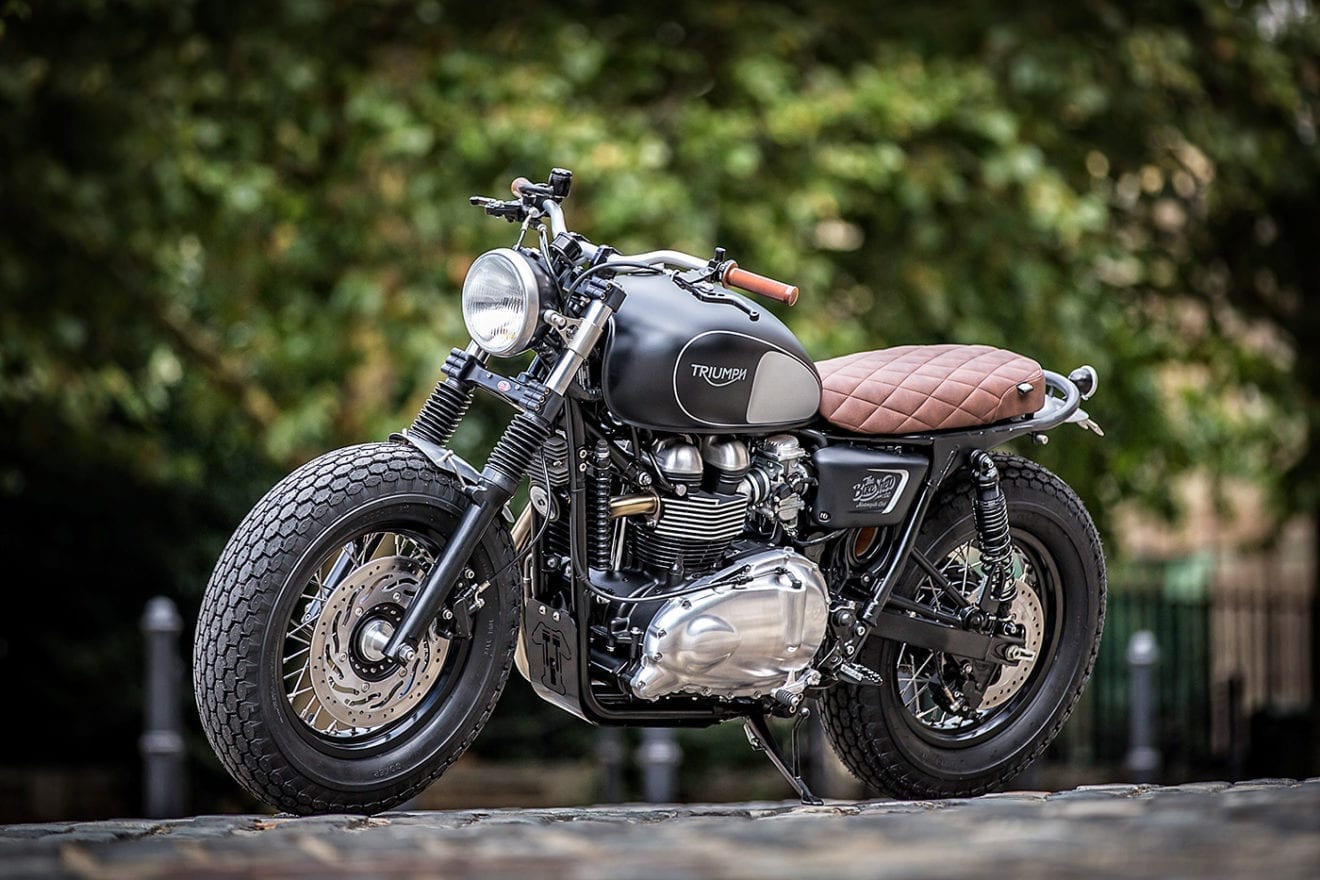
  • Triumph Trident 660 recalled over weak kickstand

    Triumph Trident 660 recalled over weak kickstand

    Some 83 Triumph Trident 660 sportbikes were recalled in Vietnam since their kickstands may be prone to bending.

    The units were made in Thailand between Feb. 7 and May 15 last year, according to Vietnam Register.

    A representative of Triumph Vietnam said the kickstand of affected bikes had been manufactured with the use of an incorrect specification of raw material that causes it to bend over time.

    This could result in the bike falling over if parked for extended periods.

    Dealerships in Vietnam will replace the faulty component without any charge between May 30, 2022 and May 25, 2024.

    Triumph Trident 660 was launched in Vietnam in early April, with a price tag of VND270 million ($11,640).

  • Triumph Motorcycles Unearths 1901 Prototype

    Triumph Motorcycles Unearths 1901 Prototype

    A vintage Triumph collector has found the very first prototype motorcycle built by Triumph in 1901, just before Triumph started official sales in 1902. Dick Shepherd, the vintage Triumph collector came across the motorcycle and restored it to its former glory. Unveiled at the Motorcycle Live event in Birmingham this year, the 1901 Prototype machine will be showcased at a dedicated 120-year anniversary display at the Triumph Factory Visitor Experience. The 1901 Prototype will be started up and ridden in public for the first time in over 100 years on December 14, 2021.

    Speaking on the discovery and unique history behind the prototype, Dick Shepherd said, “Having been approached by a friend of a collector, who had sadly recently passed away, to evaluate an old Triumph I was incredibly excited to discover that the bike they had featured unique details that were not present on the first production Triumphs. Along with the bike, the collector had also received a letter from Triumph, dated in 1937, that outlined the bike’s unique origins and provided key details.”

    “With an engine number that is consistent with references in Minerva’s engine records of a 1901 first Triumph engagement, the historic significance of this motorcycle became incredibly clear.”

    “As a lifelong passionate fan of the history and achievements of this incredible British brand, to have discovered this amazing survivor and restored it to the glorious condition it would have been in when it first went on display in 1901, has given me an immense amount of satisfaction.”

    The 1901 Prototype was long rumoured to exist and referenced within advertising and reviews that appeared in 1901. It was developed from a standard Triumph bicycle, with an engine from Belgian manufacturer Minerva, in order to generate interest and gauge the public’s demand for a Triumph motorcycle.

  • Triumph Extends Partnership With Distinguished Gentleman’s Ride

    Triumph Extends Partnership With Distinguished Gentleman’s Ride

    Triumph Motorcycles will continue as the main partner and supporter of the Distinguished Gentleman’s Ride for five more years, having supported the charity motorcycle fundraiser since 2014. The Distinguished Gentleman’s Ride, or DGR, as it’s also known, was initially founded to raise both funds and awareness for prostate cancer research and men’s mental health. The DGR has gone on to become an iconic and stylish global event on the motorcycle charity calendar each year, uniting classic and vintage bike riders the world over on a single-day event every year.

    In 2014, the DGR raised a total of $1.5 million, taking place in 58 countries with around 20,000 riders dressing up to participate in the event. In 2019, the event grew to raise a record-breaking $6 million, with 1,16,000 riders participating across 104 countries. As the DGR’s major sponsor since 2014, Triumph Motorcycles has supported DGR founder Mike Hawwa and his team in helping develop the DGR into the global event that it is today.

    “In 2014 when we first partnered with Triumph Motorcycles, I was incredibly excited. They are the only motorcycle manufacturer that I felt perfectly fit with The Distinguished Gentleman’s Ride. We’ve done some wonderful things since then; together we have been able to reward some of our top and most dedicated fundraisers with brand new bikes from the modern classic range and built the custom one-of-one 2021 Triumph Thruxton ₹ Today, 8 years later as we announce the 5-year continuation of this partnership, I am even more excited than I was in 2014 because, with the next 5 years, I know that we can do even more together with the goal of raising funds and awareness of men’s health,” said Mike Hawwa, Founder/Director of The Distinguished Gentleman’s Ride.

    The 2020 COVID-19 pandemic presented a challenge to organize the group ride event that the DGR is. Despite the difficulties and challenges, the DGR developed a new format that made it possible for riders to show their support and passion safely, with the Ride Solo Together event. The DGR community achieved its most global event ever in 2021, with 171 countries and 2,531 locations riding solo together, all connected together through social media.

  • Triumph Motorcycles India Increases Prices Of Select Models

    Triumph Motorcycles India Increases Prices Of Select Models

    Triumph Motorcycles India has increased the prices of the Street Triple R and the Rocket 3 range in India by up to ₹ 1.05 lakh. The Street Triple R is now priced at ₹ 9.15 lakh, the Rocket 3 R is now priced at ₹ 19.35 lakh and the Rocket 3 GT is priced at ₹ 19.95 lakh. All prices are ex-showroom. In the last few months, Triumph has had multiple launches in India such as the Trident 660, Triumph Tiger 850 Sport, the updated Bonneville range and the updated Street Twin. Additionally, the company’s upcoming launches are the 2021 Street Scrambler and the Scrambler 1200 range

    The Triumph Street Triple R gets a price hike of ₹ 31,000 while the Rocket 3 R gets a significant price hike of ₹ 85,000. The Rocket 3 GT gets the biggest price hike of ₹ 1.05 lakh, on its previous ex-showroom, price. The Triumph Tiger 900 range is likely to get a price increment as well. The Street Triple R gets the same 765 cc in-line 3-cylinder engine as the Street Triple RS, but the power and torque outputs are slightly different. The R makes 116 bhp at 12,000 rpm and 77 Nm of peak torque at 9,400 rpm while the RS makes 121 bhp and 79 Nm of peak torque. The steering geometry is slightly different of the Street Triple R, which gets a different rake and trail.

    The Rocket 3 and the Rocket 3 R get the 2,500 cc in-line triple-cylinder, liquid-cooled engine, which is actually the biggest two-wheeler production engine in the world. It makes a massive 165 bhp at 6,000 rpm and 221 Nm of peak torque at 4,000 rpm. The torque output is also the highest of any production motorcycle in the world.

  • Triumph Mumbai Dealer Demo Bikes On Sale With Hefty Discounts

    Triumph Mumbai Dealer Demo Bikes On Sale With Hefty Discounts

    Triumph Motorcycle India’s Mumbai dealer is offering its demo bike line-up to potential customers at heavy discounts. The bikes range from the Triumph Bonneville T100, Street Twin, Street Triple, Tiger XCx, and more. The catch though is the manufacturing year for these bikes that were produced in 2017 or 2018, and have a few kilometres on the odometer. The Mumbai dealer is the latest of the Triumph outlets to retail its demo bikes. The Delhi and Jaipur showrooms announced similar discounts on their demo motorcycles few weeks ago. In addition, the Pune dealership has a few demo motorcycles on sale including the Speedmaster, Bonneville T120 and the Street Twin from MY2018.

    The Mumbai dealership is selling the 2018 Triumph Tiger XCX for ₹ 12.5 lakh, while the Tiger XRx is priced at ₹ 12 lakh. Both the bikes have clocked 11,500 km and 7500 km respectively on the odometer.  The 2018 Bonneville T120 has 2266 km on the odometer and is being sold at an on-road price of ₹ 9.5 lakhs. The Triumph Bonneville Speed Master with 2800 km has been priced at ₹ 10.50 lakh, while the 2018 Street Twin with 1401 km can be yours for ₹ 8.4 lakh. The 2017 Triumph Bonneville T100 is being sold at price of ₹ 7.5 lakh.

    There’s a completely new 2018 Triumph Street Scrambler as well with 0 km on the odometer available for ₹ 10.5 lakh. Lastly, the 2018 Street Triple RS is available for ₹ 11.25 lakh, while the Street Triple S with 2540 km can be yours for ₹ 8.5 lakh (all prices, on-road Mumbai). There are limited units of these motorcycles on sale with one or two examples of each at best. The discounts range anything between ₹ 1.5 to ₹ 4 lakh depending on the model, and makes for a good bargain.

    The pricing, dealerships say, has been depreciated taking into account the usage and the present condition. The demo bikes though are unregistered and customers will be the first owners of the motorcycles on paper. The motorcycles also get the two-year standard Triumph warranty as standard that covers unlimited kilometres, which can be extended to an additional two years. The warranty is applicable at all of the brand’s global dealerships and is transferrable as well.

    That said, the condition of the bikes including cosmetic and mechanical damage and the subsequent repairs, if need be, still remain a concern. Demo bikes are usually ridden by prospective customers and can be subjected to use and abuse by multiple riders. Then, there are also concerns of the market value of these bikes that is likely to affect customers that paid full price for their respective motorcycles. A number of Triumph customers that carandbike spoke to remained unaffected though. The customers said that since the demo bikes have likely seen more wear and tear then all-new motorcycles, the pricing in the used market will remain different.

    With the overall market slowdown in the auto sector, the sale of demo bikes could be to liquidate assets that will help dealers stay afloat. The auto industry is collectively witnessing a slowdown in sales across all segments, and dealers have been affected by the slow moving inventory. The second half of the year though is expected to see a growth in volumes across all segments.

  • Bajaj Triumph Alliance To Be Finalised In A Few Months

    Bajaj Triumph Alliance To Be Finalised In A Few Months

    Bajaj Auto Limited and British motorcycle brand Triumph Motorcycles are close to finalising the alliance that will see small displacement Triumph motorcycles to be manufactured by Bajaj and sold in India, and other markets. The alliance between the two motorcycle brands was announced almost two years ago, in August 2017, but now a senior official of Bajaj Auto has confirmed that the discussions between the two brands are at an advanced stage and will be finalised in a matter of months. However, the first Triumph motorcycle to be fully manufactured by Bajaj in India is still some time away, although sources have revealed that the development has been ongoing, and in fact, at an advanced stage, with the designs coming from Triumph’s headquarters in Hinckley and the engine and chassis development handled by Bajaj.

    Bajaj Auto’s Executive Director Rakesh Sharma has now said in an interview that the talks with Triumph are at an advanced stage, and a final agreement is expected to be reached very soon, maybe even before the year is over. So, that could mean we may well see some sort of a concept at one of the motorcycle shows later this year, with possibly a production model sometime by late 2020, or early 2021.

    What remains to be seen is what type of motorcycle the new Bajaj-Triumph alliance will develop. From all indications, and Triumph’s expertise and legacy of modern classic motorcycles, the first model from the alliance could well be a small displacement modern classic – something like a Triumph Bonneville with a 300-500 cc engine. While using Bajaj Auto’s manufacturing facility and supporting supply chain infrastructure, this new model could well be priced very competitively to take on established players like Royal Enfield, the global leader in the mid-size motorcycle space.

    In any case, Triumph has dabbled in building some small displacement prototypes in the past, targeted specifically at markets like India, which were shelved. These include a small Daytona-like sportbike, as well as a small displacement naked roadster, which never saw production. But we can’t rule such models out as well from the Bajaj-Triumph alliance, once manufacturing begins after the first product is launched.