Tag: Trucks

  • IKEA Revolutionizes Green Logistics with Autonomous Electric Trucks in China

    IKEA Revolutionizes Green Logistics with Autonomous Electric Trucks in China

    Ikea China has recently introduced electric autonomous trucks into its Shanghai logistics network, following the successful completion of a preliminary 35,000-kilometer trial program. The trial program, initiated in April of 2024, has since evolved into daily utilization for customer deliveries, creating a connection between the Ikea Xuhui store and the Shanghai distribution center.

    Autonomous Trucks in Action

    The electric autonomous trucks are tasked with the transportation of goods along a 40-kilometer course. The pilot phase of this initiative spanned a ten-month period, throughout which the vehicles were responsible for the successful delivery of over a thousand shipments. Now, having transitioned to full-scale operations, the primary objectives are to enhance logistics efficiency and minimize carbon emissions within the supply chain.

    Impact of Autonomous Software

    The implementation of autonomous software has had a profound impact on the optimization of routing and timing, thereby reducing the strain on Shanghai’s congested road networks caused by retail logistics. The transition to a fully electric, autonomous fleet aligns directly with Ikea’s ongoing global objective to become a climate-positive entity by the year 2030. This is achieved by curtailing energy consumption and reducing tailpipe emissions.

    Logistics Network Integration

    Fredrik Axén, a representative from Ikea China, stated the successful trial affirms the feasibility of integrating autonomous technology into their pre-existing logistics network. He emphasized that this progress enables Ikea to enhance its delivery capacity while simultaneously aligning their transport operations with their broader objectives to lower emissions.

    Questions & Answers

    What was the purpose of integrating electric autonomous trucks into Ikea China’s logistics network?
    The primary aim was to increase logistics efficiency and decrease carbon emissions within the supply chain.

    What was the outcome of the 35,000-kilometer trial program?
    The pilot program was successful, leading to the daily use of these electric autonomous trucks for customer deliveries between the Ikea Xuhui store and the Shanghai distribution center.

    How does this integration align with Ikea’s global goals?
    The successful integration of autonomous technology into their logistics network supports Ikea’s global goal to become climate-positive by 2030, by reducing energy consumption and tailpipe emissions.

  • CEO Mary Barra Bets General Motors Can Grow Beyond Cars And Trucks

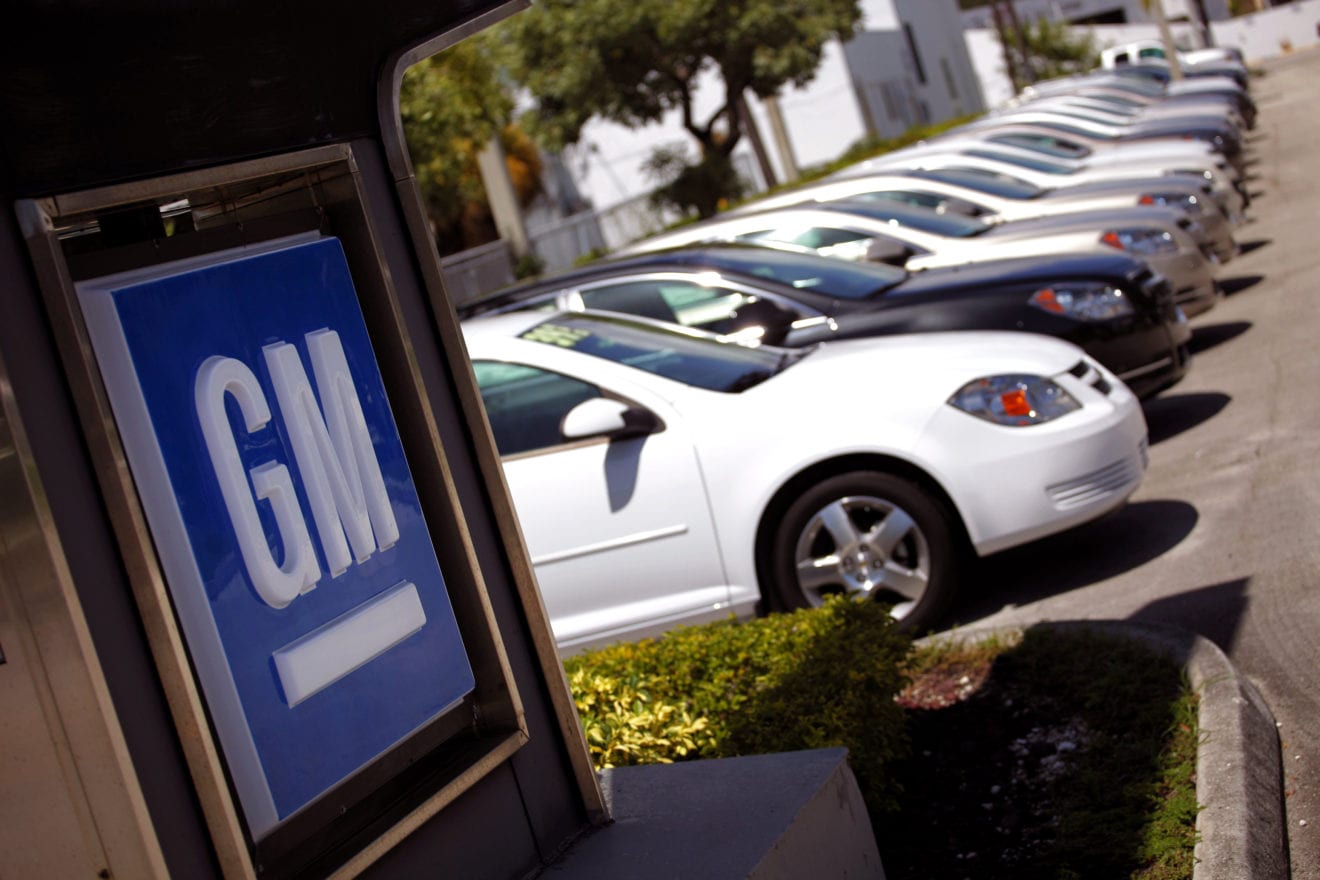
    CEO Mary Barra Bets General Motors Can Grow Beyond Cars And Trucks

    Pam Fletcher wants to change the way General Motors Co makes money. The veteran GM engineer’s Global Innovation team is looking for new enterprises to expand the automaker’s sources of revenue well beyond vehicle sales and is incubating ventures from commercial delivery services to vehicle insurance, to address future markets worth an estimated $1.3 trillion. That doesn’t include flying cars, a market sector that alone could be worth $1.3 trillion, Fletcher told Reuters.

    On a recent video chat, Fletcher counted silently before answering how many ventures her team is shepherding. “Just under 20,” she said.

    The fact that GM is now incubating its own startups – with its corporate venture arm investing in dozens more- underscores Chief Executive Mary Barra’s sweeping effort to remake the largest U.S. carmaker. The goal is to become a diversified purveyor of mobility services – the automotive equivalent of Apple, with revenue that rolls in monthly or quarterly from software and services long after the initial product is sold.

    For legacy automakers such as GM, Volkswagen and others attempting to overhaul and transform their businesses, that task is daunting, according to Evangelos Simoudis, author and adviser on corporate innovation strategy.

    “The technologies incorporated in the software-defined vehicle will require areas of expertise that one routinely finds in technology companies rather than in automakers,” he said.

    Barra’s push to transform GM’s century-old business model is already having a significant impact – even though the first of a new generation of electric vehicles she has promised is still months from launch. GM returned $24 billion to shareholders in dividends and stock buybacks between 2014, when Barra took over, and early 2020. But those buybacks were suspended indefinitely when the pandemic hit last spring. Now, Barra told Reuters, the company has more productive uses for its money: Investing in electric vehicles and expansion of business lines that promise recurring revenue streams.

    GM’s new ventures could add tens of billions to the future revenue, Barra said, and push operating profit margins above the current 8% it achieved in 2020, and the 10% it has targeted long term. “We have very significant growth opportunities and different margin opportunity initiatives to invest in,” she said in a video interview. Barra’s shift from stock buybacks to investing in recurring revenue services, coupled with a drive to make GM an all-EV company by 2035, has achieved in one year what a decade of cost cuts and cash returns to shareholders could not.

    GM’s share price over the past six months has broken out of the range it was stuck in since the company’s post-bankruptcy IPO in 2010. GM shares hit a post-2010 high of $62.23 on March 18 and are up nearly 50% for the year. Still, GM’s $90 billion market cap lags Tesla Inc’s $600 billion valuation by a wide margin, reflecting doubts among investors that a 113-year-old Detroit manufacturer can keep up with an 18-year-old Silicon Valley company that has no technology or workforce legacy burdens to slog through.

    “I understand why people may be skeptical (of GM) because this is a company where we have seen revolutions being announced over the last half century and for some reasons it wasn’t authentic,” says Jeffrey Sonnenfeld, a dean of leadership programs at the Yale School of Management.

    Barra, he said, “has the authenticity and legitimacy to pull it off in a way that a lot of other people wouldn’t.”

    Barra’s effort to remake GM’s business relies on an executive corps that mixes long-time GM managers like herself – Barra has worked at the company for 40 years – and recent recruits from outside the auto industry.

    “We’re marrying people who really understand the auto business with people who understand these other businesses that we think are growth opportunities,” Barra said.

    A new venture that combines several aspects of GM’s approach is BrightDrop, a unit that will provide electric vans and related hardware to commercial delivery firms, starting with FedEx, along with support services from fleet management to predictive analytics.

    GM rival Ford Motor Co is introducing its own electric delivery van and expanding support services to defend its leading share of the U.S. commercial vehicle market of more than 40%.

    BrightDrop, one of the first “graduates” of Fletcher’s innovation incubator, started life less than two years ago as an idea initially dubbed Smart Cargo.

    Fletcher’s team started incubating Smart Cargo in September 2019, about the same time another GM group was working on the company’s future electric vehicle portfolio. The “big idea” – marrying an electric van with the software- and data-driven delivery services business – was hatched in February 2020.

    The enterprise gained additional traction in late 2020, when GM recruited longtime tech entrepreneur Travis Katz to become BrightDrop’s president and CEO.

    Ultimately, GM’s leadership wants BrightDrop to operate independently and cultivate “outside ideas and new ways of thinking,” Katz told Reuters.

    “We expect BrightDrop to be a very big and very profitable business,” he added. Eventually, “there will be a lot of learnings from the BrightDrop experience that will flow back into GM.”

    Barra also is building GM’s long-standing OnStar telematics business into a platform for selling insurance and other services that can be delivered over the air.

    Santiago Chamorro, head of global connected services, has expanded OnStar’s safety and security portfolio with new products and services incubated in-house, including OnStar Insurance, mobile safety app Guardian and Vehicle Insights, a data analytics platform for commercial fleet managers.

    Insurance, a new arena for GM, is led by outside hire Andrew Rose, who previously worked for auto insurance powers Progressive and Britain’s Admiral Group.

    Rose says GM dealers could offer policies to owners when they buy or lease a vehicle. OnStar could offer discounts to better drivers, as well as quicker claims service after an accident, and eventually could offer home insurance as part of the package.

    GM has never broken out OnStar’s financial results, and Barra won’t say if or when the company will do so.

    “OnStar is already a very significant business,” she said. “We think there are opportunities to grow it even out beyond our vehicles.”

  • Waymo And Daimler Are Partnering For Self Driving Trucks

    Waymo And Daimler Are Partnering For Self Driving Trucks

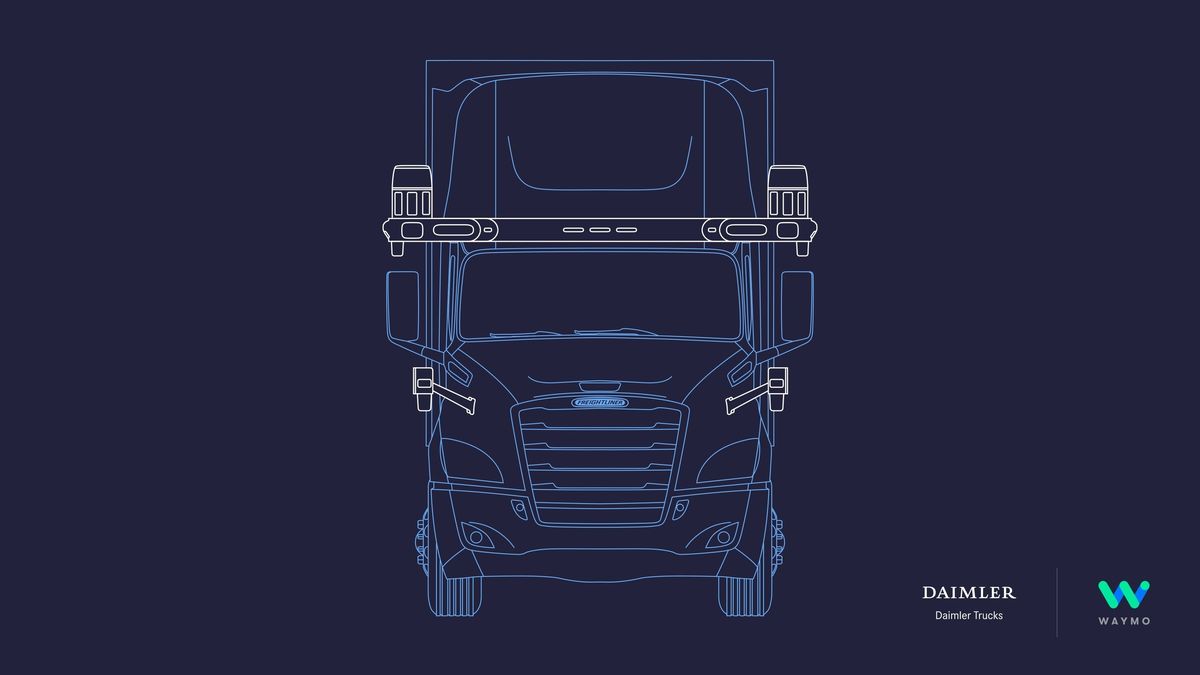
    Recently few reports emerged which said that Mercedes was scaling back from developing autonomous driving technology which was quickly buried by the company’s head of digital transformation. Now Alphabet-owned Waymo and Daimler have officially announced a partnership in which the German company will be teaming up with the pioneering self-driving company to sell autonomous trucks in the US. This partnership will see the Waymo One technology make its way to Daimler’s trucks – it is the same technology that Alphabet has deployed in Phoenix, Arizona which forms the world’s first self-driving ride-hailing service.

    “The autonomous Freightliner Cascadia truck, equipped with the Waymo Driver, will be available to customers in the U.S. in the coming years,” the two companies said in a statement. “Waymo and Daimler Trucks will investigate expansion to other markets and brands in the near future,” the statement added without outlining an actual timeline.

    The deal is particularly with Daimler North America ties in soundly with Waymo’s vision of graduating to larger vehicles like trucks. Daimler also has tested its own self-driving trucks in the past. Mercedes recently also introduced autonomous driving technology to the S-class and has also partnered with the airport in Stuttgart to provide a self droving car valet service in partnership with Bosch.

    “We have the highest regard for Daimler’s engineering skills and broad global truck product portfolio, and so we look forward to scaling the Waymo Driver, together with our new partner, to improve road safety and logistics efficiency on the worlds’ roadways,” said John Krafcik, Waymo’s CEO.

    Adding to this Martin Daum, chairman of the board of management of Daimler Truck AG and Member of the Board of Management of Daimler AG said, “As the leader of our industry, Daimler Trucks is the pioneer of automated trucking. In recent years, we have achieved significant progress on our global roadmap to bringing series-produced highly automated trucks to the road. With our strategic partnership with Waymo as the leader in autonomous driving, we are taking another important step towards that goal. This partnership complements Daimler Trucks’ dual strategy approach, of working with two strong partners to deliver autonomous L4 solutions that are seamlessly integrated with our best-in-class trucks, to our customers.”

    The Freightliner Cascadia truck will be the primary focus of this deal. It will be outfitted with the Waymo driver platform. It is a class 8 vehicle and comes with a hefty safety suite called the Detroit assurance 5.0 which includes active safety technology including active brake assistance, adaptive cruise control, lane departure warning and lane-keeping systems as options.

    The Waymo Driver platform will elevate the ADAS capability of this truck beyond level 4. They will be able to handle most driving conditions including heavy inclement weather. This comes with the credence of the Waymo driverless platform being able to handle alternative climates something Waymo has tested for more than half a decade as the pioneer of driverless technology ever since it graduated out of Google Skunkworks R&D unit called Google X and then was spun off into a separate company called Waymo.

  • Nvidia Boosts Self-Driving AI Business With Volvo Trucks Deal

    Nvidia Boosts Self-Driving AI Business With Volvo Trucks Deal

    Sweden’s AB Volvo is joining forces with Nvidia to develop artificial intelligence used in self-driving trucks, in a boost for the U.S. chipmaker that was ditched by Tesla last year. The agreement announced on Tuesday by Nvidia and Volvo, the world’s second-biggest truckmaker after Daimler, is a long-term partnership spanning several years. Work will begin immediately in Gothenburg, Sweden and Santa Clara, California. Volvo, which demonstrated its first autonomous truck last year, said the partnership would develop a flexible, scalable self-driving system, which is planned to be used first in pilot schemes before commercial deployment.

    “The resulting system is designed to safely handle fully autonomous driving on public roads and highways,” Volvo said in a statement. Nvidia, known for its powerful gaming graphics chips, has been aggressively expanding into the automotive sphere, where trucks – with their regular routes that are easier to automate than cars navigating traffic – may lead the way in self-driving.

    Potential demand is strong in the United States in particular, where a shortage of truck drivers has been pushing up freight costs. Together with Intel, Nvidia dominates the fast-growing AI chip market.Nvidia, which has previously announced technology partnerships with automakers including Volkswagen, Mercedez-Benz and Toyota, said it was thrilled to team up with Volvo.

    “The latest breakthroughs in AI and robotics bring a new level of intelligence and automation to address the transportation challenges we face,” said Nvidia Chief Executive Jensen Huang.

    Volvo said last week its self-driving truck, “Vera”, would begin transporting goods from a logistics center to a port terminal in Gothenburg in collaboration with logistics firm DFDS, in a first step toward operations on public roads here.Nvidia’s so-called Drive Constellation chips often power the machine learning used to refine self-driving car software algorithms inside data centers, and the company has also been working to build its Drive chips into cars. Automotive chips accounted for $641 million of Nvidia’s $11.7 billion in revenue in its most recent fiscal year.

  • Imports of commercial vehicles fell last month in Korea

    Imports of commercial vehicles fell last month in Korea

    Sales of imported commercial vehicles plunged 38 percent last month from a year earlier amid slower economic growth, a local automobile association said Tuesday. The number of newly-registered imported commercial vehicles fell to 283 units in December from 390 a year ago, the Korea Automobile Importers and Distributors Association (KAIDA) said in a statement.

    “The construction industry faces a slowdown as the government pushes for regeneration projects in residential areas instead of building new apartments or homes. This is driving down demand for commercial vehicles,” a spokeswoman for Volvo Trucks Korea said.

    Imported commercial vehicles are widely viewed as being more upmarket than domestically produced rivals and offer more choices for users.

    For the whole of 2018, the number of imported commercial vehicles sold in Korea declined 1.6 percent to 4,394 units from 4,464 a year earlier, the statement said.

    Major imported commercial vehicle brands are MAN, Mercedes-Benz, Volvo Trucks, Scania and Iveco.

    There are three kinds of trucks. Two of them are regarded as commercial vehicles, but the third, referred to as a dump truck, is classified as construction equipment.

    KAIDA began to compile sales data for imported commercial vehicles in January 2017.

  • DHL looks to pilot driverless trucks

    DHL looks to pilot driverless trucks

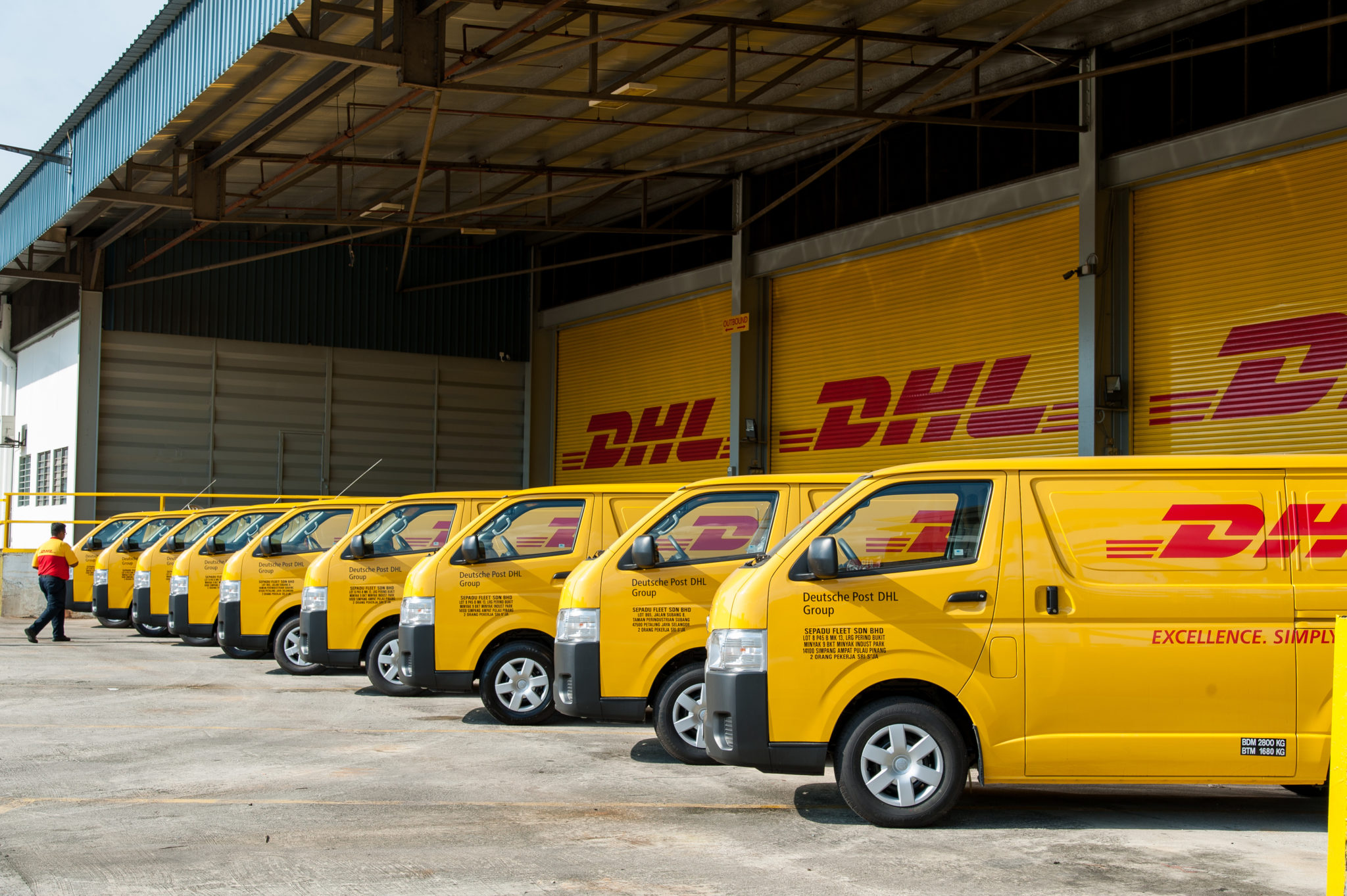
    A driverless car on Indian roads may still be a distant dream, but companies are actively looking at ways to use other autonomous vehicles like tractors, buses, trucks, and even choppers. German logistics giant DHL, for instance, feels driverless trucks can halve logistics costs and improve customer service.

    “In the last mile, on the line haul itself, the driverless technologies that are being piloted in Germany, we believe, have the potential to reduce line haul costs by 50 per cent,” Malcolm Monteiro, CEO, DHL eCommerce India told.

    About 65 per cent of logistics movements in India happen by road and about 85 per cent of these are in the unorganised sector; typically, a driver takes a truck for a long distance, and has to make stops for rest and food, which reduces the efficiency of truck use.

    “There’s a tremendous shortage of skilled drivers. We’re looking to see whether these vehicles can ply driverless in line haul on the last mile. If that happens, it brings in a lot of reliability into the system, besides reducing cost. Then we’ll probably not have to work on a hub-and-spoke model; we can even work point to point. So the entire business models could be looked at afresh with these technologies,” Monteiro said.

    Govt ‘favourable’ to idea

    Monteiro said the initial discussions with the Indian government over driverless technologies have been positive. “The government is favourable in terms of looking into it because it does realise there is a tremendous shortage of skilled drivers. So it will look at any technology to make sure the demand side is addressed. But we don’t have a concrete timeline. The intent is there, there’s ongoing discussion,” he added.

    Safety aspects

    But Moteiro said the company will test the safety aspects of driverless technologies in Germany before beginning pilots in India to ensure there is no scepticism about the technology here.

    “If we get this to work, it might look at it, pilot it. The intent is there, there’s ongoing discussion,” said Monteiro.

    DHL, however, is taking it one step at a time. “For a vehicle to be autonomous, driven fully, one of the first things that needs to happen is the electrification; we have a concrete target for electrification. And for autonomy to happen, we need everything electric. So, we are really focussing more of our efforts to electrify all our vehicles as a first step,” said Pang Mei Yee, Vice-President, Head of Innovation, Asia Pacific, Customer Solutions & Innovation, DHL.

    Yee feels these technologies can make the existing trucks a lot safer and more efficient even as the company prepares itself for a fully autonomous future.

    “Our smart trucks are a fantastic example where we are introducing a lot of optimisation efforts, notification to drivers for their behaviours. There are sensors that allow drivers to get reminded when they are eating while driving or when they are dozing off. So, progressively you’ll see intelligence built into the truck. Full autonomous vehicles are still some time off,” Yee said.

  • DHL leverages IoT to slash trucking time across India by up to 50%

    DHL leverages IoT to slash trucking time across India by up to 50%

    Deutsche Post DHLGroup (DPDHL),  the world’s leading mail and logistics company, today announced the launch of DHL SmarTrucking to provide an innovative trucking solution across an extensive line-haul express road network in India.

    DHL SmarTrucking is the company’s first official move to accelerate the development of technology-enabled logistics solutions around the world, under the newly formed board department, corporate incubations, which was launched in April this year. The company has also appointed Neeraj Bansal as CEO of DHL SmarTrucking, who will be responsible for leading the company’s growth in India.

    “India is an incredibly important market for Deutsche Post DHL Group. Presently, road freight comprises the majority of the total freight movement and is the largest transportation segment in India,” said Juergen Gerdes, Board member for corporate incubations, Deutsche Post DHL Group. “With greater efficiency from DHL SmarTrucking, we expect to transport 100,000 tonnes of cargo and cover a distance of approximately 4 million kilometres across India daily.”

    TechLog cuts transit time, reduces driver workload

    DHL SmarTrucking’s ‘TechLog’ is logistics made smarter through the use of new and emerging technologies. Following a successful, three-month pilot that covered over 2,770,000 kilometres, DHL SmarTrucking leverages Internet of Things (IoT) technology and data-driven insights for route customisation.

    This reduces transit times by up to 50 percent compared to the traditional trucking industry and provides over 95 percent reliability with ease of use, end-to-end consignment visibility, temperature-controlled capabilities and real-time tracking.

    IoT-enabled sensors, monitored through the company’s centralized control tower, provide real-time temperature and consignment tracking. Information starts and status updates are also sent to customers and DHL SmarTrucking’s operations teams through the customer portal and external  and internal mobile applications.

    Utilising an innovative and agile model, drivers are rotated at predetermined stops located across the country, with the original driver returning to the point of origin with another truckload

    “This transportation model not only helps optimise efficiency but also reduces fatigue among drivers who spend less time on the road, enabling them to go home to their families every two or three days,” said Malcolm Monteiro, CEO, DHL eCommerce India. “Additionally, with the demand for temperature-controlled transportation estimated to grow at 15 percent per annum from 2016 to 2020, DHL SmarTrucking allows our customers in India to scale up and streamline their business operations to meet consumers’ needs.”

    “DHL SmarTrucking’s emphasis on TechLog will change the game for customers in India,” said Neeraj Bansal, CEO, DHL SmarTrucking. “Leveraging the potential of the infrastructural transformation in India’s logistics ecosystem and our innovations through DHL SmarTrucking, we can help Indian businesses reach customers and markets in a faster and more secure manner.”

  • Daimler Trucks on track to record sales of 465,000 units in 2017

    Daimler Trucks on track to record sales of 465,000 units in 2017

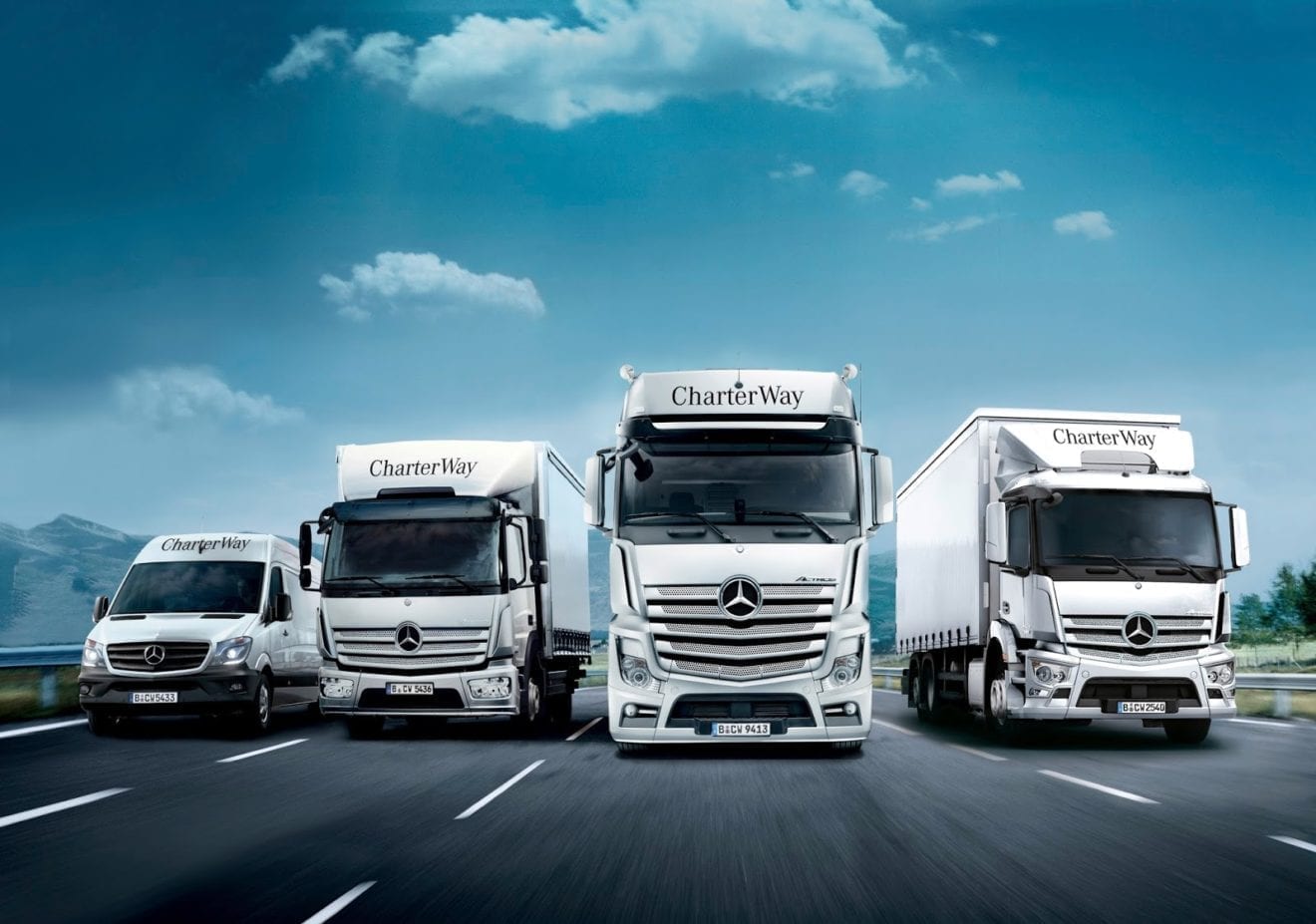
    Daimler Trucks has increased its worldwide deliveries in the first 11 months of 2017 by 12 percent year on year to 422,500 units, despite the continuation of disparate market conditions. Until the end of November, more trucks were delivered than in the whole of last year. In full-year 2016, the Daimler truck division sold approximately 415,100 vehicles of the Mercedes-Benz, Fuso, Freightliner, Western Star, Thomas Built Buses and BharatBenz brands worldwide.

    On the basis of initial December data, Daimler Trucks assumes that it will end the full year with unit sales in the magnitude of 465,000 vehicles (2016: 415,100). The final sales figures will be available at Daimler’s annual press conference on February 1, 2018.

    “For full-year 2017, we at Daimler Trucks anticipate unit sales in the magnitude of 465,000 trucks – significantly more than in the previous year and significantly more than we expected at the beginning of the year. This is only possible with leading products and an excellent international team – especially with an ongoing situation of weak tailwinds from our markets. I thank all our employees for their outstanding efforts,” stated Martin Daum, Member of the Board of Management of Daimler AG, responsible for Trucks & Buses. “In everything that we do, our focus is on our customers. In order to offer them the best products and solutions, we work continuously on innovations. We used the year 2017 to work hard on efficient, electric, automated and connected trucks.”

    North America key growth driver
    The significant growth in unit sales achieved by Daimler Trucks was driven by the positive sales development in the NAFTA region, especially in the second half of the year. Sales rose by 12 percent to 150,600 units (2016: 134,200).

    With a market share of 39.2 percent in weight classes 6 to 8 (2016: 40.0 percent), Daimler Trucks says it continued to be the undisputed market leader for medium- and heavy-duty trucks in North America by a clear margin. A key growth driver in the North American market is the new Freightliner Cascadia, which has been produced since early 2017 with an integrated Detroit powertrain and sets standards in terms of fuel efficiency, safety and connectivity. Also in the fourth quarter, Daimler Trucks recorded a significantly higher number of orders received in the NAFTA region than in the prior-year period.

    Uptick in Europe and Latin America – growth in Brazil again
    Daimler Trucks increased its sales also in the EU30 region (European Union, Switzerland and Norway) by three percent to 73,600 units in the months of January through November (2016: 71,100). Mercedes-Benz maintained its market leadership in the segment of medium- and heavy-duty trucks with 21.0 percent (2016: 20.7 percent). Mercedes-Benz is the best-selling brand also in Germany, with a market share of 36.6 percent (2016: 37.2 percent) and deliveries of 28,000 vehicles (2016: 27,600).

    Since March 2017, Mercedes-Benz trucks feature the new Truck Data Center. This standardised connectivity module is fitted across the Daimler Trucks brands: in the Mercedes-Benz Actros, Arocs, Antos and Atego as well as in the new Freightliner Cascadia and the new Fuso SuperGreat. The Truck Data Center forms the basis for existing connectivity solutions from Daimler Trucks such as the telematics systems of Fleetboard, Truckonnect and Detroit Connect. However, it also allows new digital services such as the Mercedes-Benz Uptime service product. This intelligent linking up of trucks, Mercedes-Benz Service and customers can reduce off-road times.


  • Tata Aims to Build on Recent Truck Gains in Thailand

    Tata Aims to Build on Recent Truck Gains in Thailand

    Indian automaker Tata is moving production in Thailand as part of a company reset that aims to increase its Thai sales 83% this fiscal year to roughly 3,000 units.

    With a 10-year contract up at the Thonburi Automotive Assembly Plant in the south of Bangkok, Tata has signed a renewable 5-year pact with the Bangchan General Assembly plant, 20 miles (34 km) west of central Bangkok.

    Since its opening in 1970, Bangchan has been the home to assembly operations for 14 brands.

    Production will begin at Bangchan after the installation of assembly equipment at a cost the Bangkok Post puts at TB500 million ($14.5 million). The facility will have a capacity of 8,000 Tata Xenon pickups and 2,500 Tata Super Mint pickup trucks in a 1-shift operation.

    Tata says Xenon production will launch in September.

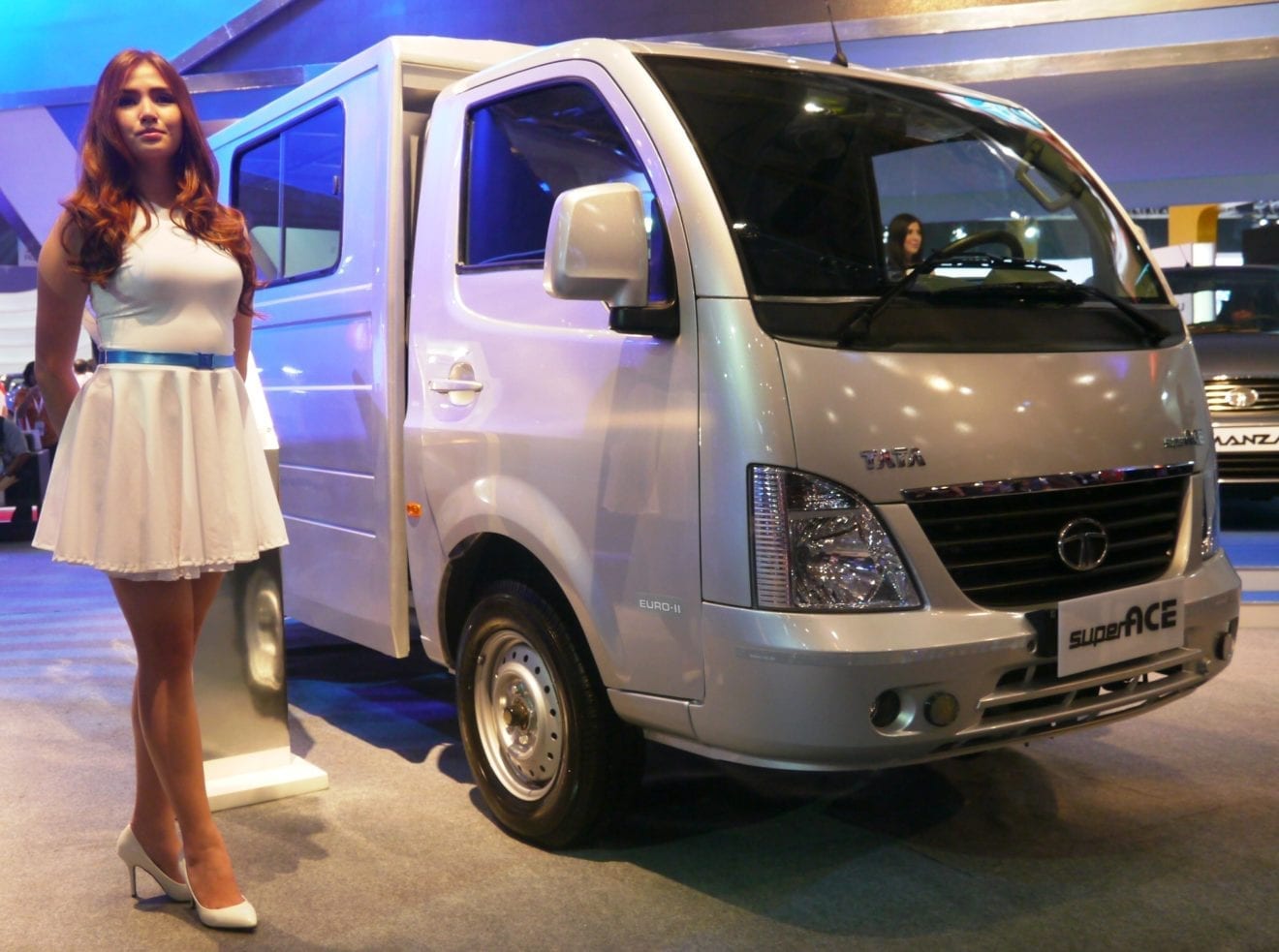
    The automaker says its Tata Super Ace line will be assembled in both right-hand and left-hand drive versions.

    To help reach its local sales target, Tata says it also will introduce more models to local showrooms.

    Tata Thailand CEO Sanjay Mishra says sales grew 19% year-on-year in the 2016 fiscal year ending March 31. “Fiscal year 2016 marked Tata’s best retail performance in Thailand ever,” he says in a statement.

    “Fiscal-year 2017 is a big step for the company’s future – we are making announcements for exciting new models as well as assembly upgrades and initiatives, new investment for the Super Ace Mint small truck and emerging opportunities that will deliver profitable and sustainable growth in Thailand.”

    Sales of Xenon pickups, the automaker’s core product in the Thai market, rose 38% to 1,398 units last year, The Nation newspaper reports.

    “With the major-change Xenon pickup to be launched in Q4 of this year, we expect to deliver 2,100 units of the new model – 1,800 domestic and 300 export – 500 units of the Super Ace Mint truck for a market share of about 10% for this type of car, 300 units of the Ultra and 100 units of heavy trucks this year,” Mishra says.

    “Our goal is being a full-range trucking solution provider, and we will be the only player in the entire commercial-vehicle segment.”

  • Made-in-China truck sales lose ground in Vietnam

    Made-in-China truck sales lose ground in Vietnam

    Made-in-China trucks which had once dominated the Vietnamese market are facing the slow sales since early 2016. According to the General Department of Customs, import of made-in-China trucks into Vietnam reached a record high of 26,700 units in 2015 worth a total USD1 billion compared to 13,700 units worth USD530 million in 2014.

    However, since early 2016, the sales of Chinese trucks have considerably fallen in Vietnam. The General Department of Customs reported that only 10,900 Chinese trucks had been imported into Vietnam in 2016 and this figure reached just 94 units in January of 2017 compared to 1,700 units in January 2015.

    Explaining about the surge in Chinese trucks imported during the 2014-2015 period, owner of an auto-agent in Hung Yen Province, said that it was low prices which attracted customers. Meanwhile, Vietnamese auto agents could owe payments for buying Chinese trucks for between 6 months and one year.

    In early 2014, the Ministry of Transport issued a regulation to tighten control over overloaded vehicles also helped to fuelled the import of large-sized Chinese trucks.

    Earlier, trucks were allowed to transport larger quantities, 2-3 times over their load capacity. But they will be fined heavily if they carried that much now with the new policy. So as to carry the same amount of goods as before, local transport firms had to increase the number of trucks.

    The slow sales of Chinese trucks in Vietnam are also attributed to the stronger competition from rivals. More trucks produced by South Korea’s Hyundai, Japan’s Hino, Russia’s Kamaz and German’s Shacman are all being sold in Vietnam with more affordable prices.

    Many showrooms of made-in-China trucks have been set up along National Highway 5A, however, over the past year, they have sold only a few units.

    Representatives of a showroom in Hai Duong Province said despite low prices, the company sales of Chinese trucks have been on the sharp fall, which is partially due to quality which is not good as those made by South Korean, Japanese or European firms.

    After being imported into Vietnam, many Chinese trucks have their bodies extended for the higher loading capacity, which is aimed to meet the Ministry of Transport’s regulations and this also seriously affects the trucks’ life-span.

  • Myanmar’s Trunk Roads in Poor Condition

    Myanmar’s Trunk Roads in Poor Condition

    The Asian Development Bank (ADB) is urging Myanmar to make big investments in its infrastructure and significant policy changes to help it tap its full economic potential. The ADB recommendations were made in a recent Transport Sector Policy Note.

    Decades of underinvestment and isolation have ensured the Southeast Asian country’s roads, rails, ports and airports lag well behind the infrastructure in other countries in the region, the note said.

    “Myanmar has not been investing enough in transport,” the note says baldly, before going on to describe just how debilitating the lack of investment has been.

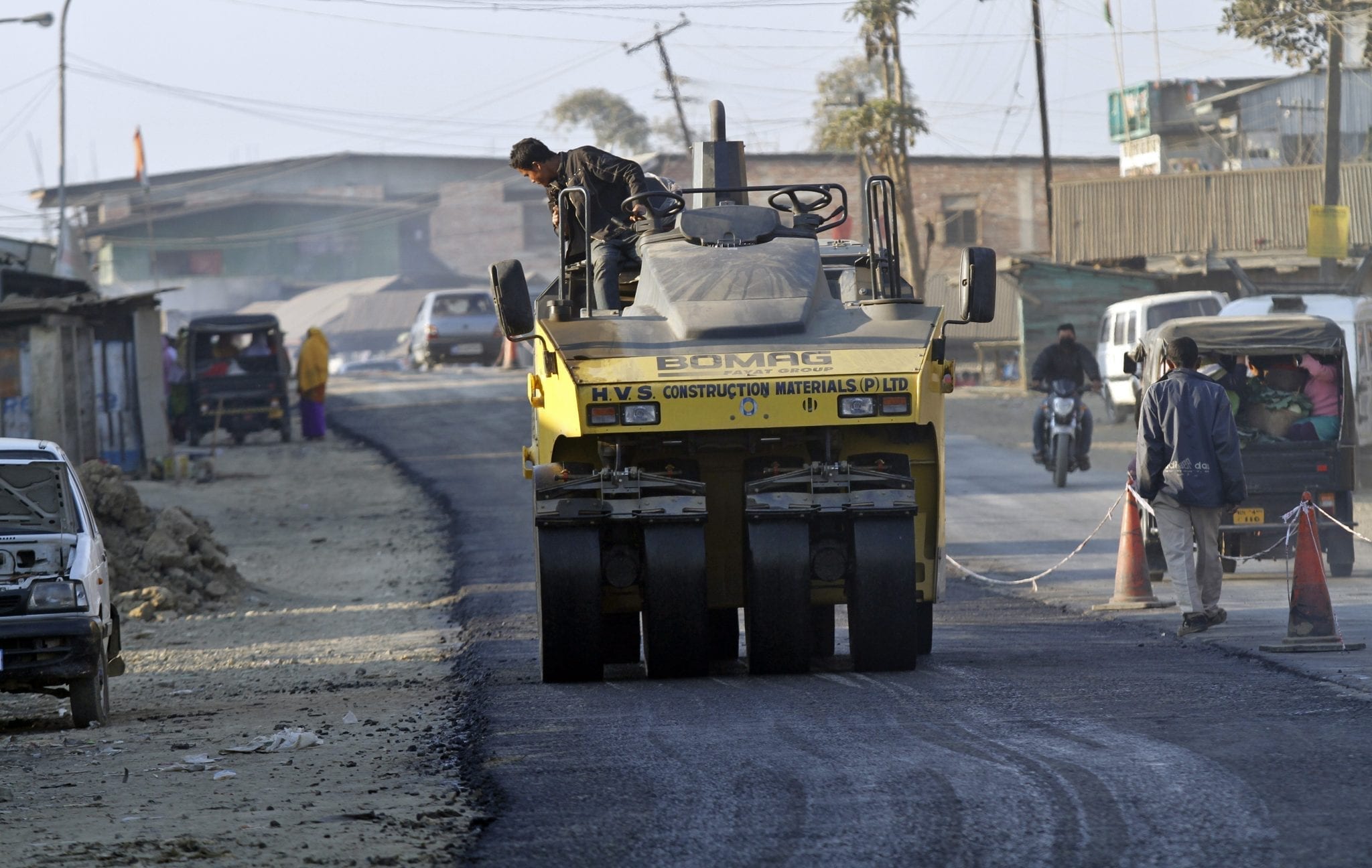
    Sixty percent of the trunk road network is in poor or bad condition, requiring urgent maintenance or rehabilitation. On top of this, poor track conditions means Myanma Railways is forced to operate at 50% of its potential speed.

    “Myanmar’s road network needs better trunk highways and more rural roads. The network is three times less dense than neighboring Thailand’s. It is also of lower quality – only 20% of the roads are paved, against 53% in Thailand – and the roads are narrower,” the note said in elaboration.

    The note offers a more muted but no less critical view of the rail network.

    “Myanmar’s trunk rail lines need modernization, but the tertiary network should be scaled down. The country’s rail network is by far the longest in Southeast Asia, but part of it is unproductive. Neither the current design standards nor the potential demand for over half the network suffices to make commercial operation viable,” the note said.

    While the ADB is critical of the quality of Myanmar’s existing infrastructure, what is really run up the flag pole is the other big problem – that of what is not there at all.

    Roads figure prominently in Myanmar. Twenty million people, including half of the rural population and a key consumer market, lack access to basic roads. More tellingly still in a country which is essentially a delta, the main waterways cannot be used for transport for three months a year because they are too shallow, the note added.

    The ADB, which worked with the Myanmar government to write the note, makes clear what it thinks the lead response should be: investment, and large amounts of it, although it also outlines some significant policy changes to go with the suggested investment.

    Indeed, one of the problems with the ADB’s scheme is not so much the money needed for infrastructure investment but in persuading a national bureaucracy to adopt both lots of restructuring work, such as the corporatization of some services, and what the organization refers to as “deep cultural change.”

    Between 2005 and 2015, Myanmar has spent just 1.0% to 1.5% of GDP on infrastructure, the ADB said. Making this low figure even less productive was a spate of badly-targeted projects: “Few investments have been effective and efficient,” the note said. Compared to other nearby countries, which typically invest 3% to 5% of their GDPs in transport infrastructure, Myanmar’s meagre investment is simply inadequate. (Those other countries include regional peers China, Thailand and Vietnam.)

    Here, the ADB does not pull its punches, and acknowledges a need for some US$60 billion to be spent over the next 15 years. Funding, it says, should come from “from new sources, including development partner loans, bond finance, private sector investment, and investment by state-owned enterprises (once they become financially self-sustainable).” The ADB also urges a broad application of the user-pays principle with levies on fuel and tolls on roads.

    Money spent needs to focus on key national corridors, Yangon and infrastructure maintenance, the bank added, with short-term priorities, besides public transport in Yangon, being highways and railways.

    For the former, the ADB suggests allowing trucks on the Yangon-Mandalay Expressway and upgrading to Class II Asian Highway Standards the international highways to Muse and Myawaddy, which carry most of Myanmar’s border trade but are substandard and in poor condition.

    “A systematic Program of Highway Pavement Maintenance and Improvements could, within five years, bring all major highways to good condition,” the note said, adding the Department of Highways could consider increasing the legal axle load of trucks on main corridors.

    For the railways, the ADB urges a change of priorities for the national railway away from passengers and to goods, which would signal a significant reversal of priorities.

    “Myanma Railways should reallocate assets, staff, and resources to developing long-distance rail freight. Myanma Railways has prioritized passenger transport. However, freight trains are much more profitable. With limited investments and some market development, Myanma Railways could double its share of a growing market,” the note said.

    In a nod to Myanmar’s rivers as potential cargo carriers, the ADB urges development of the Irrawaddy River with the implementation of low-cost navigation aids, channel works, and ports up to Mandalay. It also advocates dredging to ensure a minimum depth of between 1.5 metres and 2.0 metres, as well as developing a more comprehensive network of river ports.

  • Daimler Trucks to increase its sales activities in core market Indonesia

    Daimler Trucks to increase its sales activities in core market Indonesia

    Daimler Trucks, the world’s leading truck manufacturer with a strong foothold in Asia, is enhancing its position in commercial vehicles in its core market Indonesia. The Daimler Trucks subsidiary FUSO (Mitsubishi Fuso Truck and Bus Corporation, MFTBC), Mitsubishi Corporation (MC), Mitsubishi Motors Corporation (MMC), and the Indonesian company PT Krama Yudha (KY) have signed a respective framework agreement. As part of this agreement, the Indonesian trade and sales partner PT Krama Yudha Tiga Berlian Motors (KTB) will focus exclusively on selling FUSO brand commercial vehicles. KTB’s passenger car business will be transferred to an independent legal entity. At the same time, FUSO will increase its stake in the newly structured company KTB from 18 to 30 percent.

    Dr. Wolfgang Bernhard, Member of the Board of Management of Daimler AG for Daimler Trucks & Buses: “By increasing our stake in our partner KTB, we are underlining the importance of the Indonesian market and can be even more active locally. Concentrating our sales activities completely on the commercial vehicle market fits perfectly into our Daimler Trucks strategy of consistently focusing on the needs of our customers. With this shift, we as market leader are positioning ourselves in order to continue to tap market potential in Indonesia in the best way possible.”

    Marc Llistosella, President and CEO of Mitsubishi Fuso Truck and Bus Corporation and Head of Daimler Trucks Asia: “With our FUSO brand we have been the clear market leader in Indonesia for over 40 years. By increasing our stake in KTB, we can expand on our position even further.”

    With a current market share of about 47 percent, FUSO has been leading the Indonesian market for 46 years in a row since 1970. The country is the largest export market for the FUSO brand. The light duty truck Fuso Canter, which is sold under the name FUSO Colt Diesel, is the absolute top-seller in Indonesia.

    The current restructuring of KTB results in the following shareholder composition: FUSO (MFTBC) holds 30 percent, Krama Yudha (KY) 40 percent and Mitsubishi Corporation (MC) 30 percent. The overall transaction is subject to customary conditions precedent including merger control clearances.

    KTB will serve as dedicated wholesaler and distributor of FUSO vehicles in the Indonesian market and will continue to hold its stake in the related production business, which is responsible for vehicle assembly in Indonesia.

    For Daimler Trucks, this transaction is another important step forward in implementing its strategy of global and consistent orientation towards the requirements of commercial vehicle customers. To this end, Daimler Trucks is partially repositioning its sales and service organizations around the world with a clear focus on the commercial vehicle business. Daimler Trucks is thereby putting regional and national customer orientation at the center of its operations.

    Indonesia has a population of about 250 million people, of which 70 percent are under the age of 40. In 2016, the annual GDP growth rate is at 5.1 percent. The middle class is forecasted to expand to more than 140 million people by the year 2020. Indonesia is the world’s fourth most populous country with growth prospects, which are expected to be supported by a large number of infrastructure projects in the near future. It can be assumed that the infrastructure sector will expand further and result in an increasing demand for commercial vehicles.