Retail News CRM

Tag: tsim sha tsui

  • Louis Vuitton Set to Unveil Stunning Megastore in Luxurious Global Retail Hub

    Louis Vuitton Set to Unveil Stunning Megastore in Luxurious Global Retail Hub

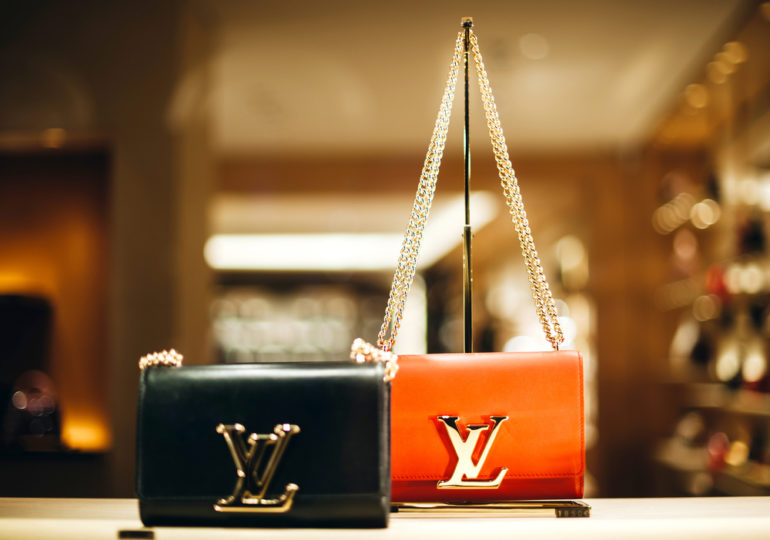
    Scaffolding has emerged around the latest project from Louis Vuitton, poised at K11 Musea and overlooking the Avenue of Stars—a scenic promenade that showcases breathtaking views of Victoria Harbour and the vibrant Hong Kong skyline. As the luxury brand prepares for its next chapter in this prime location, whispers of its plans have started to circulate, although official confirmation remains elusive.

    Reports suggest that the new outlet will encompass approximately 40,000 square feet, mostly dedicated to non-retail features. The anticipated offerings include a museum, a café, and a luxurious lounge reserved for VIP clientele. This flagship store is expected to be one of the largest in Asia, with a projected opening by the end of 2026, as indicated by Bloomberg during the initial agreement announcement.

    A Blueprint for Immersive Shopping

    Industry experts, speaking to the South China Morning Post, hint that the store’s design will mirror that of the recent three-level, ship-shaped retailer unveiled in Shanghai. This indicates a strategic approach aimed at creating a multi-experience hub rather than simply a retail outlet, aligning with a trend toward immersive shopping environments.

    Luxury Amid Record High Rents

    Louis Vuitton’s bold move into this space comes as Tsim Sha Tsui claims the title of the most expensive retail market globally. As of the fourth quarter of 2024, prime rents soared to an astonishing 17,132 euros (roughly US$20,177) per square meter annually, outpacing renowned shopping streets like Madison Avenue in New York and Bond Street in London, according to property consultancy Savills. The developer, New World Development, helmed by the billionaire Cheng family, is reportedly setting rental terms partly based on the store’s turnover—talk about a high-stakes game of luxury leasing!

    Navigating Shifting Consumer Habits

    This new endeavor arrives at a time when global luxury brands are recalibrating their strategies in China, a market grappling with economic uncertainty that has nudged consumers toward a more careful approach to spending. Despite challenges, the appetite for high-end experiences—think five-star hotels, extravagant dining, and fine travel—is undimmed among affluent individuals. In response, brands like Louis Vuitton are capitalizing on the opportunity to create physical spaces that deliver personalized experiences, luring customers who crave more than just products.

    Strategically located near popular tourist destinations, K11 Musea has quickly become a favorite among both locals and visitors alike. Adding to its allure, Louis Vuitton recently hosted a fashion show at the mall in late 2023, showcasing its menswear pre-fall 2024 collection, further solidifying its presence in this bustling cultural hub.

    Questions & Answers

    What unique features will the new Louis Vuitton store at K11 Musea offer?
    The store will include a museum, a café, and an exclusive lounge for VIP customers, aiming to provide an immersive shopping experience rather than just retail space.

    Why has Louis Vuitton chosen Tsim Sha Tsui for its new flagship store?
    Tsim Sha Tsui is recognized as the world’s priciest retail market, making it an appealing location for luxury brands seeking high visibility and foot traffic.

    How are luxury brands adapting their strategies in China amid economic fluctuations?
    Brands are focusing on creating brick-and-mortar experiences that emphasize personalization and unique offerings in response to consumers becoming more selective with their spending.
  • Big C expands in Hong Kong with Tsim Sha Tsui flagship store

    Big C expands in Hong Kong with Tsim Sha Tsui flagship store

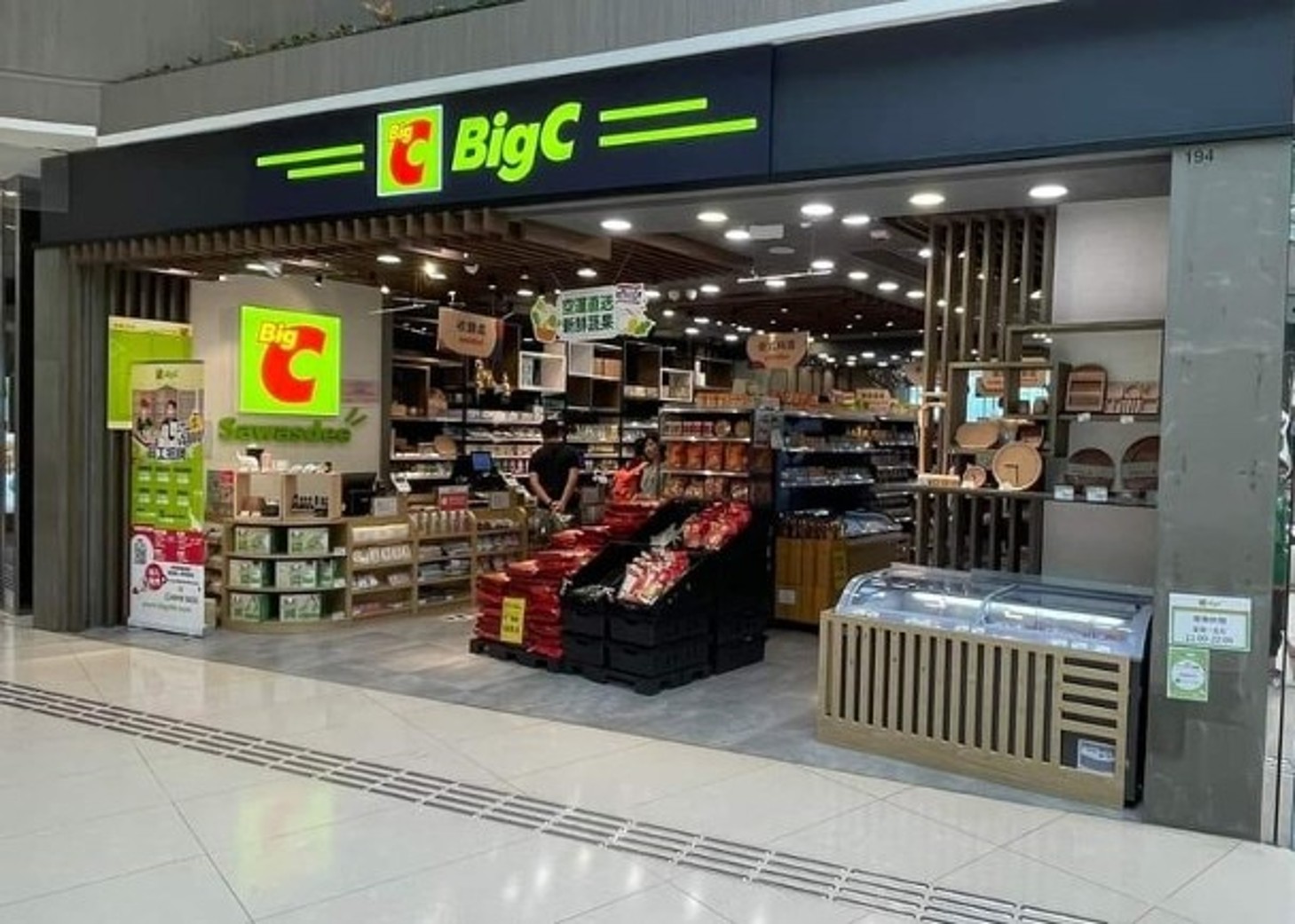
    Thai-based supermarket chain, Big C, is expanding its footprint within Hong Kong through the opening of a new flagship store situated in the bustling district of Tsim Sha Tsui.

    Expanding in Hong Kong

    Marking its entrance into the Hong Kong marketplace in 2023, Big C brought with it a diverse range of Thai products targeted at local consumers. The latest store represents an evolution of Big C’s retail approach, leveraging an immersive retail format reflective of a “Five-Sense” concept. This concept incorporates the elements of hearing, sight, smell, taste, and touch, creating a unique shopping experience.

    Immersive Retail Experience

    A unique, aromatic blend of frangipani wafts through the entrance of the store, a tribute to the Thai heritage of the brand. This scent has been carefully crafted by Thai wellness brand Bhawa, using the finest natural essential oils. A signature Tuk-Tuk, a common mode of transportation in Thailand, is prominently displayed at the storefront, along with large LED screens showcasing product videos, immersing shoppers in a sensory experience upon their arrival.

    Upon entering the store, shoppers are greeted by a spacious layout filled with interactive displays along with tasting and demonstration areas. These zones are specifically designed to highlight Big C’s “Ready to Eat” line of products, freshly prepared in local kitchens on a daily basis.

    A Multi-sensory Environment

    Beyond visual and tactile elements, the store pays tribute to its Thai roots through the auditory sense as well. Thai pop music is played throughout the store, creating a brand recall for regular customers. Additionally, it hosts a range of in-store events such as aromatherapy workshops, cooking demonstrations, and Thai massage sessions, further enhancing the shopping experience.

    With its roots tracing back to 1993 in Bangkok, Big C now operates in several countries including Thailand, Hong Kong, Vietnam, Laos, and Cambodia.

    Questions & Answers

    When did Big C enter the Hong Kong market?
    Big C entered the Hong Kong market in 2023.

    What is unique about the new Big C flagship store in Hong Kong?
    The new Big C flagship store in Hong Kong is designed around a “Five-Sense” concept, creating a unique sensory shopping experience for consumers.

    What range of activities does the store offer to enhance the shopping experience?
    The store offers a range of activities including aromatherapy workshops, cooking demonstrations, and Thai massage sessions, to further enrich the shopping experience.

  • Place to reate your own watch

    Place to reate your own watch

    The Mills officially opened at the end of 2018, becoming a new landmark that combines historical and cultural retailing, attracting a number of local brands in Hong Kong. The Mills is a revitalization project from Nan Fung Group scheduled for completion and actually completed in 2018. A destination consisting of a business incubator, experiential retail, and a non-profit cultural institution may be relatively unfamiliar to Hong Kong people; yet The Mills’ vision and history is a purely Hong Kong story.

    It witnessed the manufacturing heyday in the 1960s, and now it carries the legacy towards a future of applied creativity and innovation. Visitors can explore the continuity of an authentic Hong Kong story, where themes of textile and industry are woven into experiences of innovation, culture, and learning.

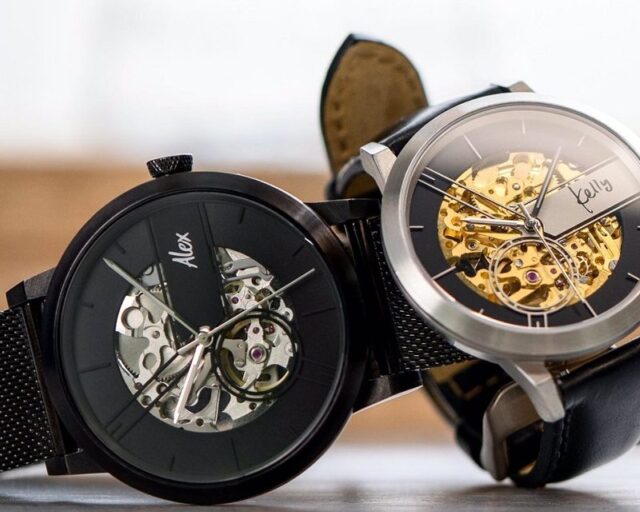
    Eoniq successfully raised funds for launching a project a few years ago on the Indiegogo crowdfunding network, which is for customers to make their own personalized unique watches at The Mills. Through engaging in different workshops such as designing automatic tourbillon, printing dial and burning blue steel pointer, customers may experience the watchmaking process.

    In recent years, Swiss watchmaking brands have opened shops all over Hong Kong, however, the Hong Kong local watch industry has also had a glorious history during the 1950 – 1980.

    Although local watchmaking has already faded out, Li Junguo (Quinn), one of Eoniq’s founders, decided to set up his own brand with two partners in 2014.

    “I started building up the brand after I left my work at McKinsey since 2011. It is because I am interested in watchmaking, so I find some fine caliber factory online, and  contact the French freelancer to help me ordering from France as the people from Swiss watch factory usually only speak in French,” he said.

    After buying the caliber from the factory, the brand will assemble the watch according to the custom design of the guests.

    In fact, Eoniq had opened stores in Sheung Wan and Tsim Sha Tsui K11 before, but the shop could hardly afford a monthly rental fee of 1 million HKD in Tsim Sha Tsui.

    In terms of online sales, Eoniq’s customer profile is diversified and located in different regions, namely, Taiwan, Malaysia, Australia, the United States, and Europe.

    “The Mills was interested in Eoniq, knowing that we were assembling the watchmaking on our own, and asked if we could make the watchmaking process transparent so that the visitors could see the process of watchmaking. Thus, we have been given a space on the ground floor at The Mills, which became our current flagship store.”

    For the Automatic Tourbillon design workshop, customers can engrave their name, special phrase, signature or pattern on the watch. With the assistance of a watchmaker, guests can assemble the watch by themselves.

    Guests can also add personal elements to the dial, such as handwritten words or patterns, and there is a traditional printing machine to allow customers experiencing the traditional printing method on the surface of the watches.

    “Our brand is getting bigger, so I hired more masters in watches, including a watchmaker who had previously worked in Omega. In addition to allowing our guests to design their own watches, we want to let more people understand the value of watchmaking.”

  • Hong Kong retail start recovering

    Hong Kong retail start recovering

    A “steady if cautious” Hong Kong retail recovery is clearly underway, according to a report from Savills released today.

    “The retail sector is slowly coming to life after four years of painful adjustment which has seen the emergence of a ‘tenant’s market’, a rare occurrence in Hong Kong’s landlord-dominated retail scene,” observed Simon Smith, head of research and consultancy with Savills.

    Over recent months, he said, retailers have been taking the opportunity to upgrade for little or no extra cost and examples include Pandora which moved within IFC Mall and Hourglass, which runs Patek Philippe, relocating within Tsim Sha Tsui from the Imperial Hotel to a better site in the Holiday Inn.

    In further evidence of upgrade demand, Harry Winston has taken the space previously occupied by Ferragamo in the Mandarin Hotel and will open in early 2018. Alternatively, retailers are cutting overheads as they find that renewal negotiations are yielding significant savings as landlords discover a new pragmatism.As reported, Topshop has renewed the lease on its Queen’s Road Central store at a discount of about 50 per cent.

    While landlords of high street shops remain on the back foot, larger shopping centres, such as  Harbour City, IFC Mall and New Town Plaza, are proving relatively immune to the downtown, says Smith.

    In IFC Mall, Italian menswear brand Boggi opened recently while Brunello Cucinelli has launched a new flagship in the same mall.

    “As street-shop rents have fallen heavily while centre rents have only seen a minor adjustment, the gap between the two has narrowed considerably and tenants are now finding that a prime street front pitch can be a viable alternative to taking space in a nearby mall. This is the narrowest the gap has been since 2009 and represents a return to the norm after seven years of major gains in street shop rents.”

    Strength in regions

    Savills also notes that regional and district malls such as Popcorn in Tseung Kwan O and Tuen Mun Town Plaza are doing relatively well.

    “Hong Kong’s tight geography, excellent transport infrastructure and dense retail environment has helped this type of mall defend against the threat from online. The appeal of air conditioned spaces in the summer months and the lure of enhanced F&B offerings have also helped boost the appeal of local malls. We have also seen landlords putting more effort into marketing campaigns with better events, more pop-up stores and creative TV and online advertising,” said Smith.

    “Most malls now have a very well-established cyber-presence via websites and apps. Click-and-collect is making some limited headway locally, with brands such as Zara, Burberry, L’Occitane, Watson’s Wine, Chow Sang Sang and Starbucks all offering the service.

    “In a mixed market some trade categories are performing well and pharmacies in particular are expanding aggressively at the moment. Not every landlord wants them but they are often prepared to pay above-market rents. F&B is also out-performing, driven in part by a richly valued stock market and rising wages.”

    Nick Bradstreet, head of retail with Savills, said luxury fashion is turning around in Hong Kong even though brands have been closing stores in Macau and Mainland China over the past year or so. Luxury sales in China have actually surged over the past six to nine months.

    “Cosmetics retailers are reporting fairly stable business, but after a period of rapid expansion, many brands are still culling store numbers. Electrical goods retailers are consolidating in what is a very competitive marketplace,” he said.

    Savills prime street shop rental indices remained flat over the third quarter while rents in prime malls continued to drift off marginally. The latest September retail sales figures from government recorded a seventh consecutive month of rises attributable in part to a strong inbound tourist numbers. Jewellery, watches, clocks and valuable gift sales outperformed, rising by 14.7 per cent year-on-year, with strong growth also noted for medicines, cosmetics and Chinese drugs.

  • ZhangMen Brewing opens Tsim Sha Tsui flagship

    ZhangMen Brewing opens Tsim Sha Tsui flagship

    Taiwan’s ZhangMen Brewing Company has chosen Hong Kong to set up its first international flagship pub.

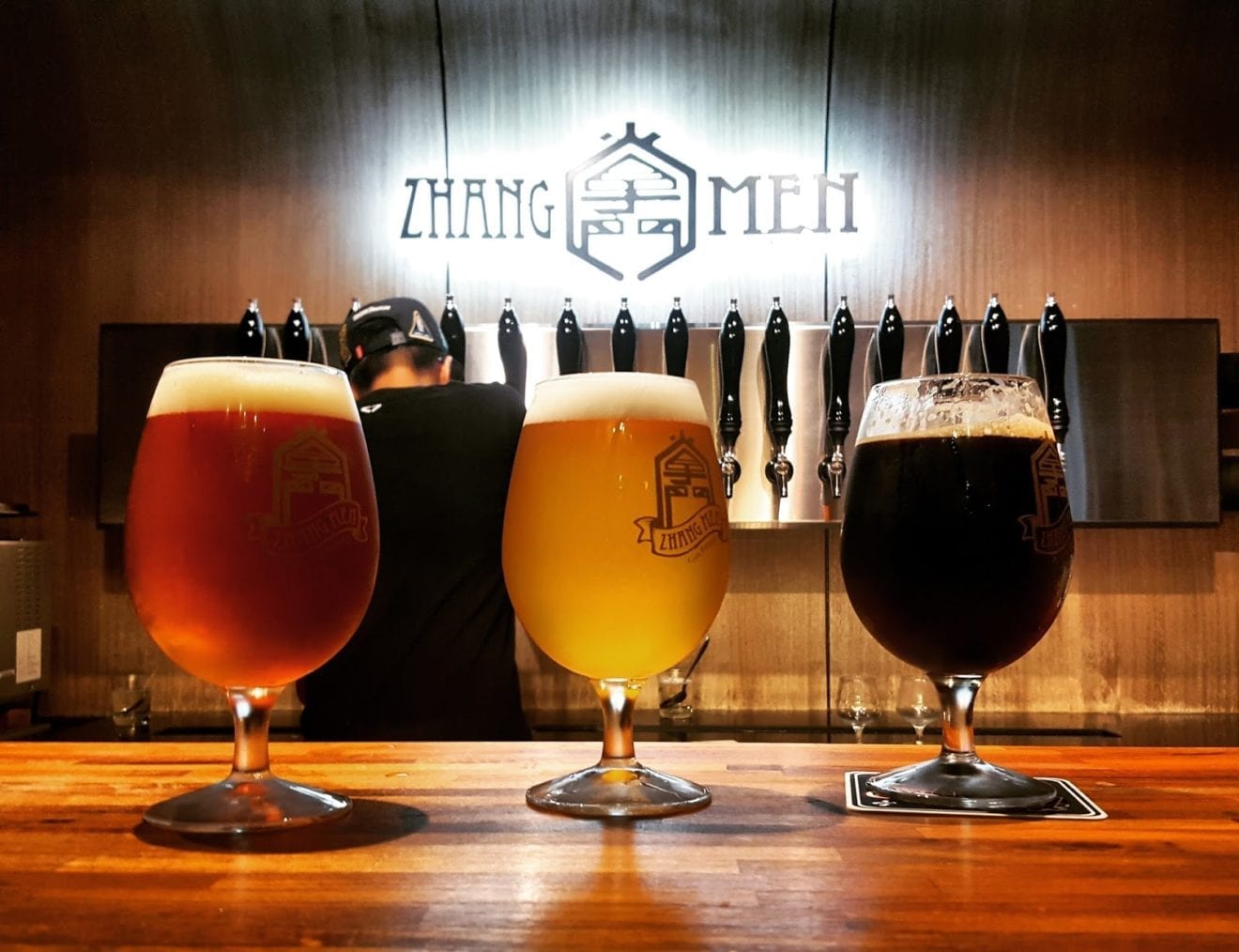
    On Kimberley Road in Tsim Sha Tsui, the outlet offers 24 varieties of craft beer, shipped directly from its brewery, as well as providing Taiwanese snacks.

    ZhangMen Brewing - Tsim Sha Tsui HK 1

    ZhangMen Brewing Hong Kong GM Ajax Lo says Hong Kong has had a thriving craft-beer scene for years and is relatively close to Taiwan. “Hong Kong is also the region’s economic hub, which will help us promote our brand to other Asian markets more easily.”

    Invest Hong Kong helped the Taiwan company set up in Hong Kong, with its associate director-general of investment promotion Dr Jimmy Chiang saying it has helped several craft-beer brands settle in the city.

    As well as its own brewery, ZhangMen Brewing Company has a brewery farm and laboratory, and runs six outlets across Taiwan. The brand has won many accolades including champion and second runner-up in the Australian International Beer Awards plus second runner-up in the China Beer Awards last year.

  • Causeway Bay and Tsim Sha Tsui retain allure for retailers in spite of sluggish times

    Causeway Bay and Tsim Sha Tsui retain allure for retailers in spite of sluggish times

    The prime shopping hubs of Causeway Bay and Tsim Sha Tsui, among the most expensive in Hong Kong in terms of rental costs, remain attractive for retailers amid overall sluggishness in the sector.

    Retail rents in Causeway Bay fell 8 per cent in the rental index in the third quarter and 10 per cent in Tsim Sha Tsui, and they are expected to decline further next year, according to a Colliers International report.

    These declines came amid a 19-month drop in retail spending in the city, with overall sales dropping 9.6 per cent year on year in the first nine months of the year.

    Spending in Hong Kong has been depressed by an 8.7 per cent fall in mainland tourist arrivals during the period.

    The retail industry in the city as a whole is undergoing a consolidation as tourist traffic from the mainland continues to thin, pushing down shop rents in the near term, according to David Ji, the head of research for greater China at Knight Frank.

    In Hong Kong, the four major retail districts of Causeway Bay, Central, Tsim Sha Tsui and Mong Kok had all seen rental corrections, said Terence Chan, the head of Hong Kong retail at JLL.

    While Mong Kok has experienced less pressure from the flight of luxury brands, the property consultancy sees a 15 per cent correction for retail rents in the city as a whole this year.

    The decline was likely to bottom out next year with a correction of about 5 to 10 per cent, Chan added.

    He said that among the four major shopping districts, Tsim Sha Tsui would command the highest average rents in terms of gross floor area, at HK$2,000 per square foot per month. It was followed by Central, with an average monthly rent of HK$1,400 per square foot.

    Causeway Bay ranked third with an average of HK$1,200 per square foot.

    Chan said that while overseas brands would continue to focus on these four districts, established ones might seek to diversify their footprint with outlets in secondary areas such as Yuen Long.

    According to Ji, retailers will continue to favour Causeway Bay and Tsim Sha Tsui, but the trend of high-end luxury brands being ­replaced by sports, lifestyle and food and beverage outlets will continue.

    With Adidas leasing the space formerly occupied by a Coach store in Central and footwear outlet Joy & Mario replacing jewellery store Folli Follie in Causeway Bay, rents will inevitably continue to come under downward pressure.

    “We are now facing a ‘new normal’ trend,” Ji said. “It’s safe to say we are not going to see a drastic improvement. If retailers can hold their ground for the better part of next year, then it’s already a good situation.”

  • Mid-priced brands cash in on falling Hong Kong rents at expense of luxury retailers

    Mid-priced brands cash in on falling Hong Kong rents at expense of luxury retailers

    Hong Kong may no longer be the darling of European luxury brands after the combined effect of a slower local economy and fewer mainland shoppers as a result of Beijing’s anti-corruption crack down, but the city is still magnet for less expensive luxury brands and mid-priced retailers.

    Retail sales have seen an 18 month-long nosedive, with August figures (the latest available) down 10.5 per cent year on year to HK$33.9 billion.

    The decline, largely due to a drop in the number of mainland Chinese tourists, has forced landlords to reduce retail rents to avoid vacancies.

    “This has created a lot of opportunities for retail players to emerge and innovate,” Joanne Lee, associate director of research and advisory of Colliers International said.

    Some less expensive luxury brands and mid-priced retailers still have confidence in the Hong Kong retail market, taking the opportunity to move in on prime locations as high end luxury brands close up shop, according to property consultants.

    French brand Sandro is an example. It finds Hong Kong is still a highly lucrative market compared with the rest of the world – even in bad economic times.

    In August the Paris-based fashion chain opened its largest Asia flagship store in the heart of Causeway Bay, considered one of the world’s most prime shopping districts. It also plans to double the size of its store in Tsim Sha Tsui’s Harbour City, one of the most prestigious malls for mainland visitors.

    Branding its products as “accessible luxuries”, Sandro’s chief executive Jean-Philippe Hecquet said the segment became “very powerful” when people started to look inside their wallets.

    The luxury retail industry veteran, who previously worked for world’s biggest luxury group LVMH for over a decade, said that upper-middle class consumers still want to enjoy their life even with less money. “They still want to buy luxury products for sure.”

    Sandro, along with sister brand Maje and Claudie Pierlot, recorded a 51 per cent year on year growth in Asia Pacific in the first six months of the year.

    Encouraged by the strong performance, Sandro opened three new stores in prime shopping districts in Hong Kong, and plans to add two or three more by the end of next year. It currently operates eight outlets in Hong Kong.

    The Harbour City store, which opened a year ago, quickly become the most lucrative store among its 410 retail outlets worldwide in terms of sales per square metre.

    In contrast, total tenant sales at Harbour City fell 14.7 per cent to HK$13.3 billion in the first half, according to financial filings by its parent company Wharf Holding.

    “The economy is about cycles. Everything happen for a reason. You just need to hang in there,” Hecquet said.

    Unlike traditional luxury brands such as Gucci, Louis Vuitton and Burberry, which had previously aggressively expanded in the city to cater for the huge influx of mainland shoppers, Sandro has only recently ramped up its pace in terms of adding stores. Its first store in Hong Kong was not opened until 2012.

    Hecquet admits Sandro may have missed the “golden age” when rich mainland shoppers queued up outside Chanel, Gucci and Louis Vuitton outlets, snapping up expensive leather bags emblazoned with big logos.

    “For [traditional luxury brands], the traffic is going down, but for us, we still see very decent traffic,” he said.

    But he noted that the emerging young upper-middle class in Asia would be the future powerhouse for luxury goods, and the right time to expand is now. The current retail downturn in Hong Kong has also freed up more prime retail locations and rents were going down. “We have been waiting for a long time to be able to open a flagship,” he said.

    Hecquet said the average age of its customers in Hong Kong was from 25 to 30 years old, and mainland visitors contributed to a significant portion of sales.

    Property consultants said the impact of mainland tourists will continue to diminish as retailers focus their efforts on locals and millennial shoppers.

    “[Retailers will be] very much focusing on the local spending power, instead of relying on tourists,” said Daniel Shih, director of research and advisory at Colliers International.

  • Luxury gifts retailer opens in Sheung Wan

    Luxury gifts retailer opens in Sheung Wan

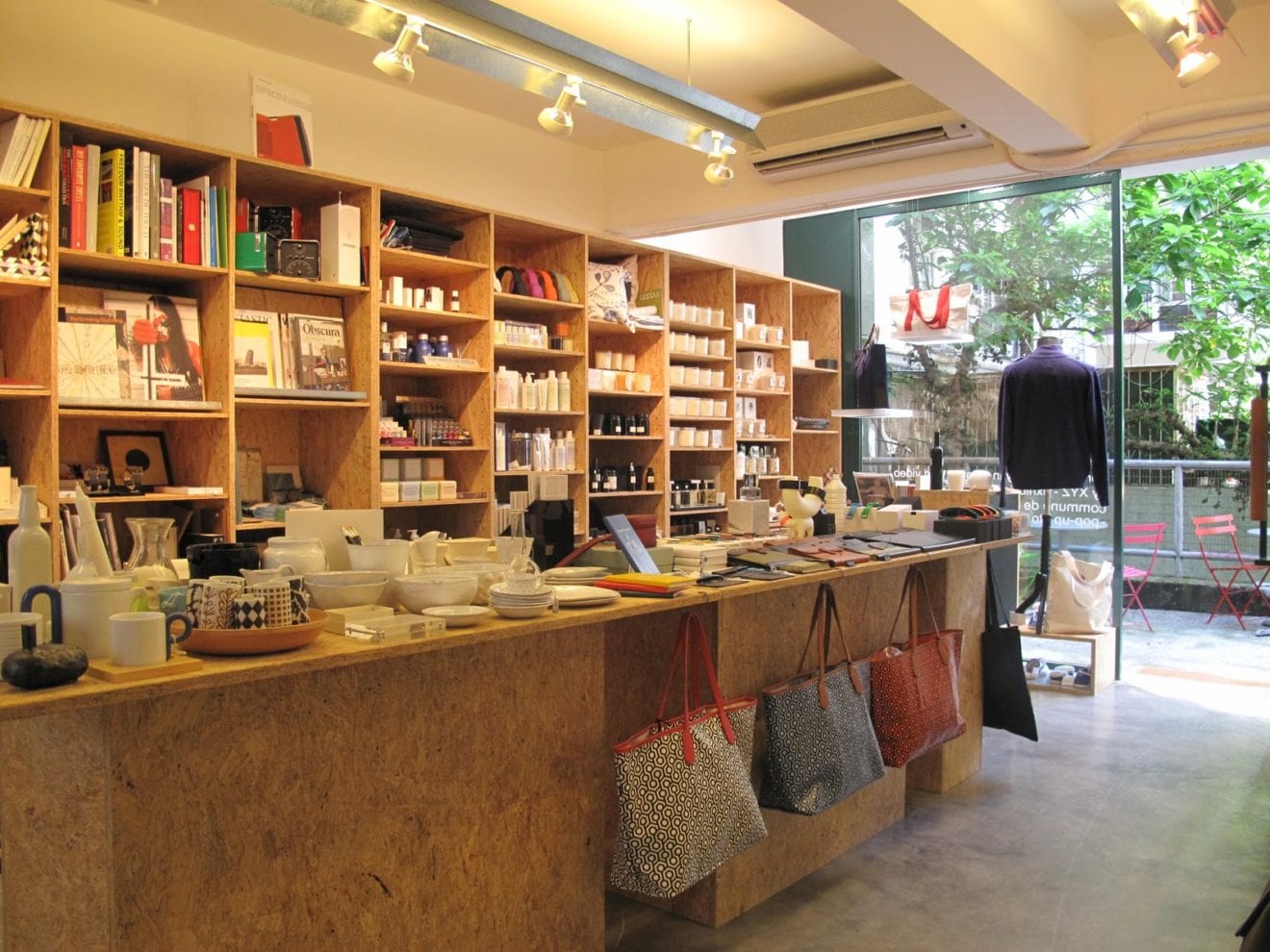
    Luxury tableware and gifts retailer Town House is opening another retail store location at Wing On department store in Sheung Wan.

    The expansion of Town House into a fully-fledged retail shop in Wing On is part of a strategy to open new retail locations to take advantage of consumer demands for affordable, high quality home accessories, the retailer said.
    In November 2015, Town House opened its most recent shop at the K11 Mall in Tsim Sha Tsui.

    Suresh Kanji, general manager of Town House said: “We look forward to welcoming customers to all our locations, but take great pride in the expansion of our relationship with Wing On, a great company with a history of over 100 years of serving Hong Kong.”

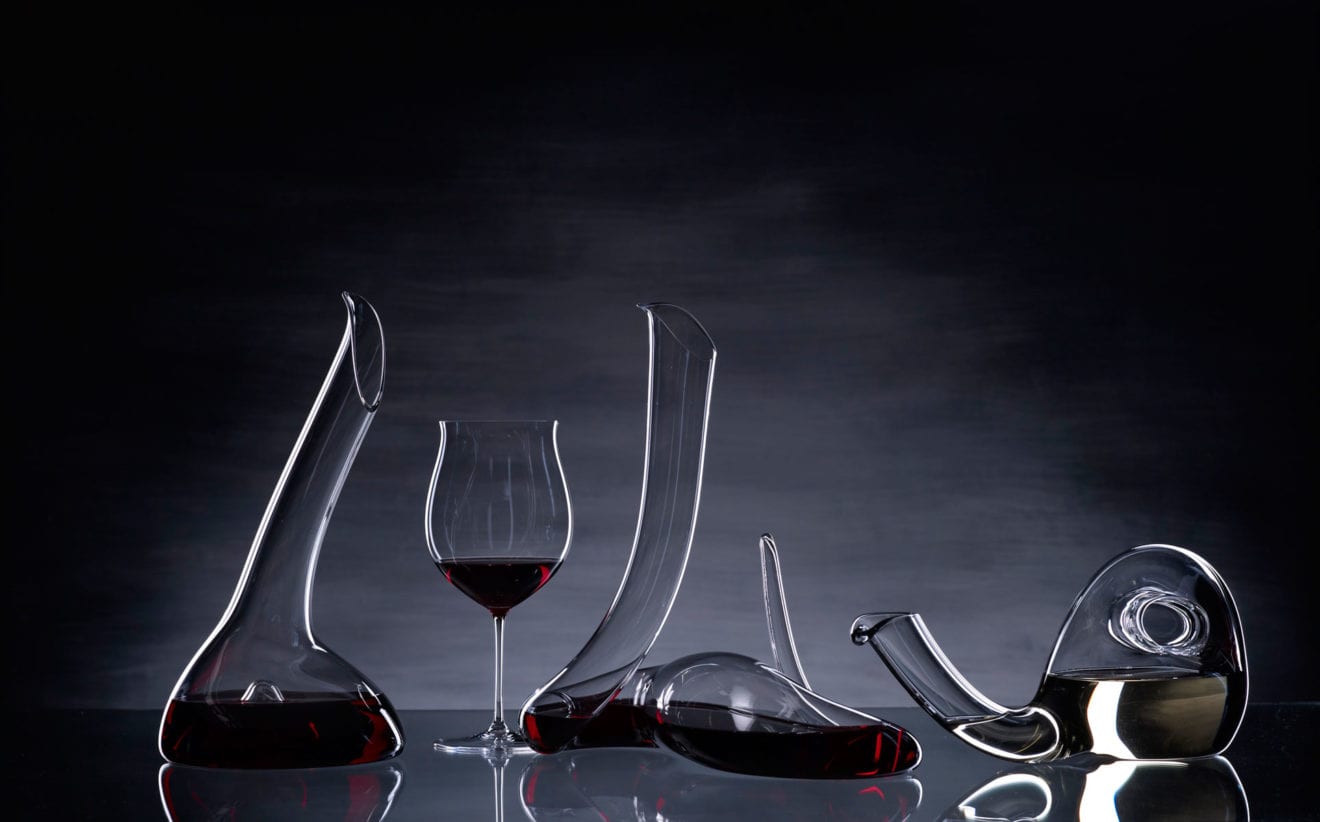
    The new store offers gifts and tableware from renowned brands such as Riedel, Nachtmann Crystal, Bohemia Crystal Glass, Maxwell & Williams, Britto, Laguiole, Duccio di Segna, and A. Anglada.

  • Chinese Estates shares falls as much as 11 per cent despite rise in core profit

    Chinese Estates shares falls as much as 11 per cent despite rise in core profit

    Shares of Chinese Estates dropped as much as 11 per cent on Tuesday despite its core profit jumping 3.4 times last year to HK$16.78 billion, mainly driven by asset disposals.

    The company’s shares end the day 8.65 per cent or HK$1.80 lower at HK$19 after hitting an intraday low of HK$18.50.

    The hefty increase in core earnings, excluding revaluation gains on investment properties, folllowed the sale of investment properties including a Tsim Sha Tsui commercial building, The One, and buildings in Chengdu, Chongqing and Shanghai.

    In a filing to the Hong Kong stock exchange, Chinese Estates said a final dividend of 1 HK cent would be paid, down 98 per cent from 50 HK cents a year ago.

    Shareholders received a conditional interim dividend of HK$2 in January. The group will continue to closely monitor the changes in local consumption patterns – Lau Ming-wai, Chinese Estates

    Net profit, including revaluation gains on investment properties, fell 11.67 per cent to HK$7.72 billion last year due to lower rental income after its disposal of Silvercord and The One in Tsim Sha Tsui.

    Turnover tumbled 41.22 per cent to HK$1.54 billion.

    “The group remains cautiously optimistic in the rental income growth from its retail investment properties,” said chairman Lau Ming-wai, who is the son of Joseph Lau Luen-hung, the firm’s controlling shareholder.

    The group’s overall gross rental income from Hong Kong tumbled 35.23 per cent to HK$1.09 billion last year. Rental income from retail properties fell 50.8 per cent, while rental income from non-retail properties rose 7.09 per cent.

    Lau said some retail business sectors had shown indications of reaching their peaks, especially tourist-related business.

    “Although the group’s well-located retail investment properties in Hong Kong leased well during the year, the group will continue to closely monitor the changes in local consumption patterns, refine its tenant mix, boost customer flow and spending for its retail investment properties by organising various marketing and promotional activities,” he said.

    Lau said the disposal of MassMutual Tower in Wan Chai in January would mean the rental income contribution from office buildings would be significantly lower this year.

    Chinese Estates sold the MassMutual Tower to Evergrande Real Estate for HK$12.5 billion.

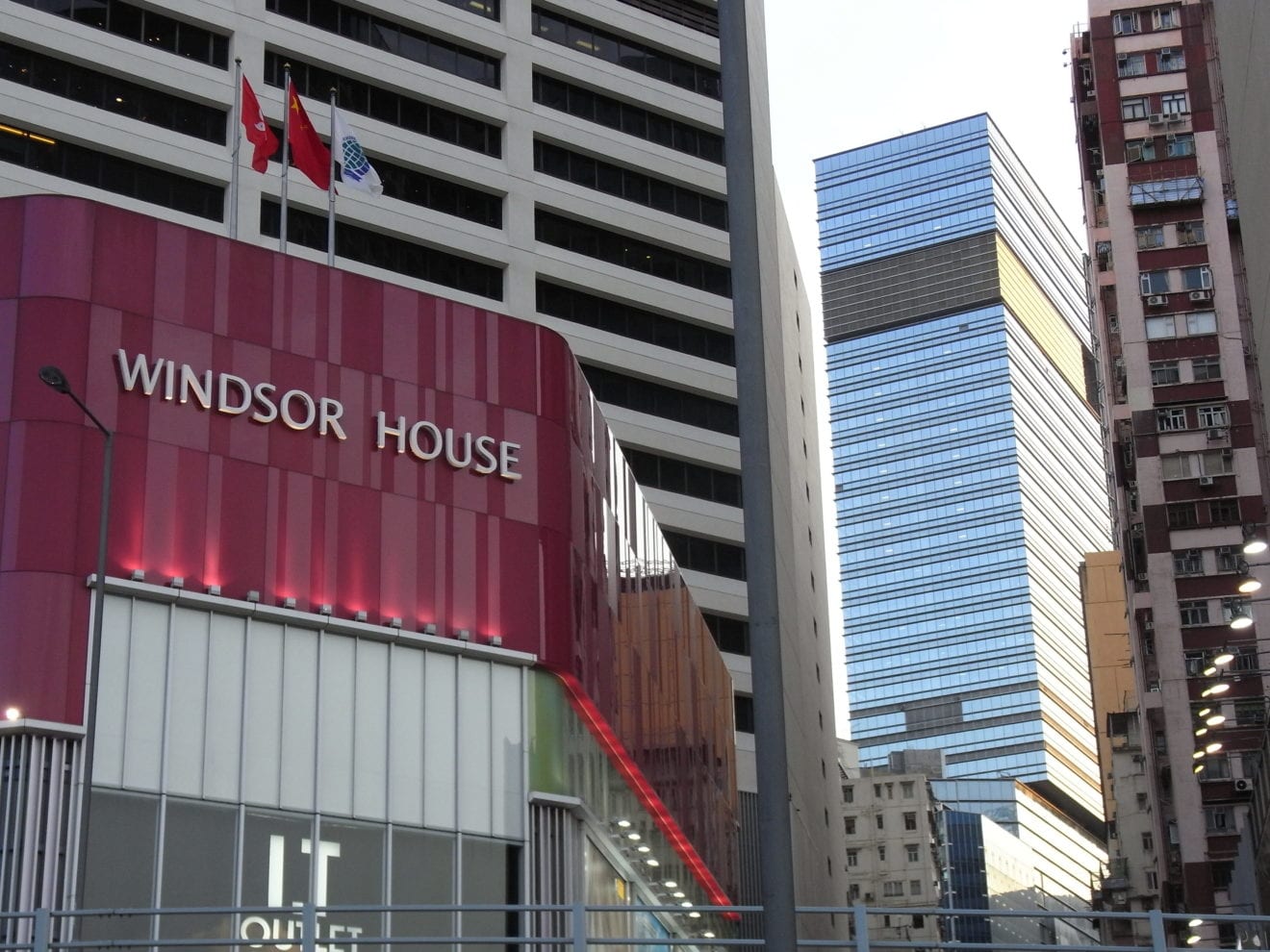
    In December , the firm sold the Windsor House in Causeway Bay for HK$12 billion to a company wholly owned by Joseph Lau. The deal will be completed this year.

    It said the majority of the sale proceeds from the sale of Windsor House would be declared as a dividend.

    This month, it said it had entered into a sale and purchase agreement with an independent party to acquire a London freehold property at St George Street, Mayfair, for £121.7 million (HK$2.33 billion).

  • Nature Republic shutters TST flagship

    Nature Republic shutters TST flagship

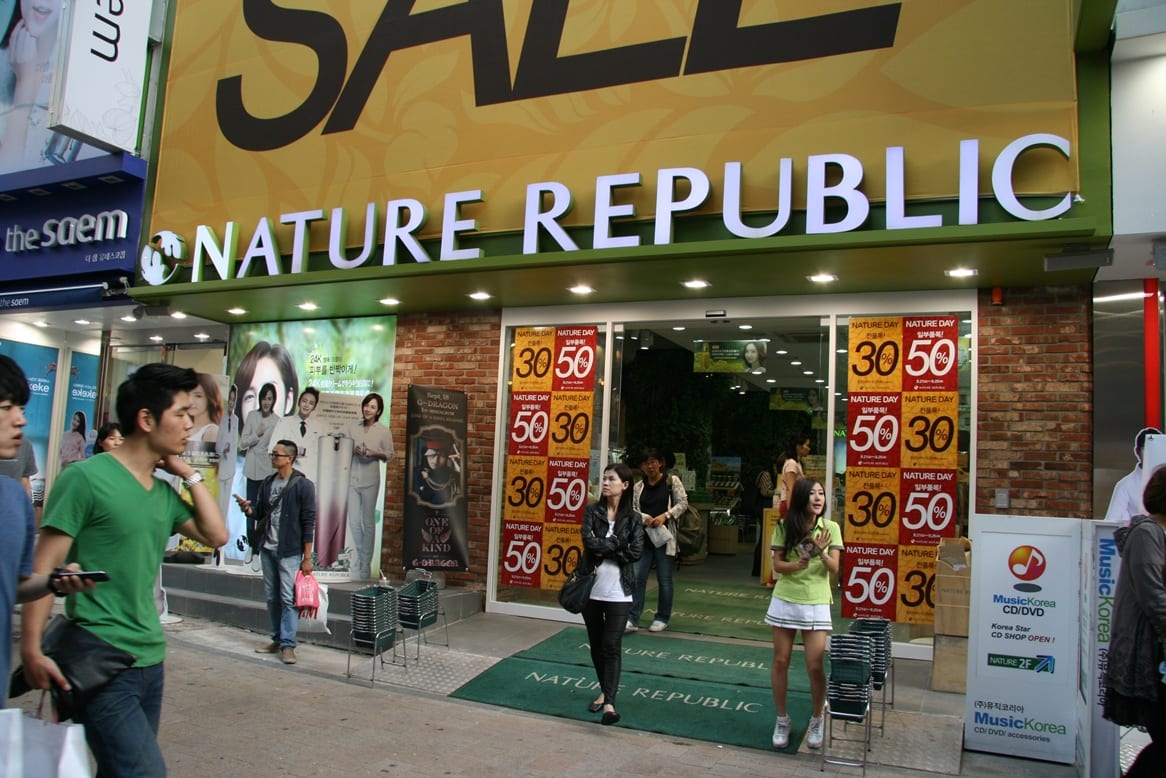
    Korean cosmetics retailer Nature Republic has shuttered its Tsim Sha Tsui flagship store – seven months before the end of its lease.

    According to a report in the Hong Kong Economic Journal, Nature Republic was paying a monthly rent of $950,000 for the 1640 sqm store which spanned three units in front of The One shopping mall on Granville Rd.

    While property industry sources are blaming declining spending by affluent Mainland Chinese tourists for the downturn in retail sales generally, Nature Republic’s move is more likely the result of over ambitious sales targets in Hong Kong, given the store has only been trading since last summer.

    While Korean brands are commanding fast growth in Greater China, it is difficult to see how a store of this size with such high rent could be commercially viable in a retail category which is hugely competitive, and dominated by listed chains Sa Sa and Bonjour.

    The space is now being offered at a 5.3 per cent discount on the previous rent, according to the HKEJ report.

    Centaline Commercial COO Stanley Poon said other retailers had ended leases prematurely after lacklustre Christmas sales – but they’d been paying monthly rentals of up to $300,000, for smaller footprints.

    Nature Republic is not the first Korean cosmetics retailer to strike trouble in Hong Kong. Exactly a year ago the local partner of Missha closed all of its 20 stores overnight before the brand returned to the territory in June with a new partner.

  • Eslite Hong Kong adds second store

    Eslite Hong Kong adds second store

    The ranks of English language bookshops in Hong Kong may be dwindling, but someone forgot to tell Taiwanese retailer Eslite.

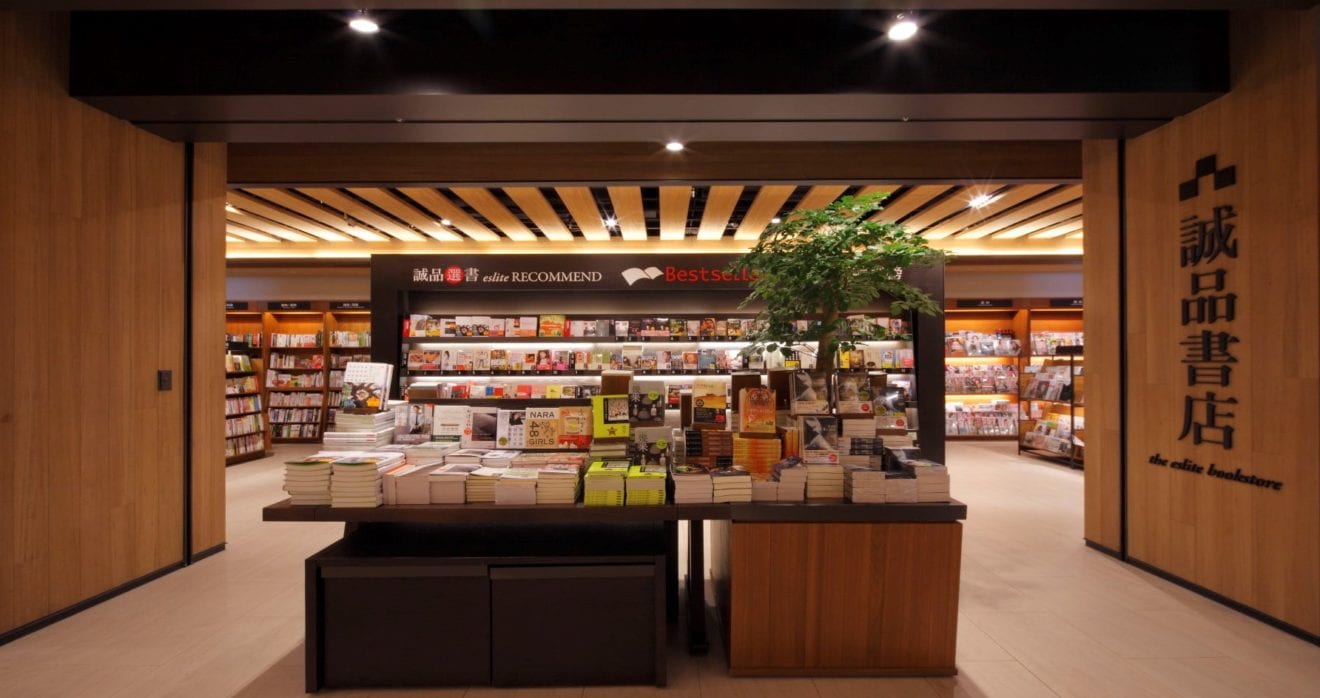
    The second store will be themed ‘Travellers, Taiwan, Diversity and Culture’, spread over two floors of Star City at 3 Salisbury Rd. It will feature more than 25,000 titles in Chinese and English and trade 12 hours a day, from 10am to 10pm.

    The doors will open on October 1 with an official launch planned for October 9.

    Eslite has enjoyed huge success with its Hysan Place store, a multi-storey venue which is as much a place to dwell as to buy books. While it cut back its trading hours from 24-seven to a late night closing, its customer numbers and sales turnover have clearly proven there remains a place for the megastore format. Reports suggest the store sold 706,000 books last year and on average its customers buy three books per visit.

    Smaller rivals like Australian chain Dymocks have closed the doors of at least three stores since 2014 and the iconic design and arts-focused Page One closed its Times Square branch last February after 18 years.

    Eslite, which has 48 stores in Taiwan, has a strategy in overseas markets of building a small number of large format stores with broad selection in major cities. It opened in Causeway Bay in August 2012. Besides books, it sells stationery and gift wares created by Taiwanese artists, and includes a cafe.

  • Hong Kong retail ‘moves to the middle’

    Hong Kong retail ‘moves to the middle’

    Hong Kong retail is moving from its traditional luxury focus to the mid market and the demographics of shoppers change, according to a report from CBRE.

    Mid-market retail brands are set to overtake luxury brands  as the main driver of retail demand in the territory, according to the report, The Changing Retail Landscape: How to Survive the  Slowdown in Hong Kong?.

    The Hong Kong retail sector outperformed over the last decade with strong sales growth for high-end products. This generated an increase of 213 per cent in average rents from 2003 to 2014 for core street shops in Causeway Bay, Tsim Sha Tsui, Mong Kok and Central.

    “But the tailwind for luxury retailers has slowed since 2014 hindered by a range of factors including Chinese government’s anti-corruption measures, milder GDP growth in China, weakening Asian currencies and the loosening of policies on travel for mainland Chinese,.” says CBRE in a summary of the report.

    These are all unfavorable factors for Hong Kong’s tourism and retail sales. The total retail sales in Hong Kong from January to July 2015 edged down by 1.8 per cent year on year, while sales of watches and jewellery plunged 15 per cent in the first seven months of this year.

    “Despite the gloomy outlook  for the retail sector, opportunities are emerging for mid-market retailers.”

    “The retail sector is experiencing a structural change,” said Joe Lin, executive director, retail services, CBRE Hong Kong.

    “Over the past decade, high-street shop landlords have reaped the benefits of strong demand from luxury retailers and massive rental growth. Landlords must now be more realistic on rental negotiations, as luxury retailers are adjusting their leasing strategies to save costs, and more mid-range brands are looking to tap into prime locations at relatively affordable rental levels. This opens the door for mid-market brands to expand. In the last quarter, we saw prime street shops leased to mid-market brands following the lease expiry of the previous luxury goods retailers.”

    To cope with the slowdown, luxury retailers are consolidating their second-tier shops, which will increase space availability in the market. Some high-end fashion, cosmetics and watch and  jewellery retailers have either stopped renewing leases or surrendered spaces well ahead of  expiry. However, they will still strive to secure flagship premises in strategic locations with  prominent addresses and good visibility, which means a higher marketing value. They may also introduce secondary lines at accessible prices, targeting young consumers with a growing  demand for mid-market products.

    Consolidation by luxury retailers in Hong Kong implies that the tenant composition in some prominent retail locations will gradually change. Meanwhile, mid-range retailers previously not able to afford to lease a space in prime locations are now looking to take up vacant space  surrendered by luxury brands. Landlords are more willing to negotiate with tenants for more  affordable terms. While rents are generally falling, shops in the most strategic locations with  good footfall and visibility are not expected to run into high vacancy risks as long as landlords are prepared to be flexible in leasing terms.

    “The sales performance of luxury products is heavily reliant on the external factors mentioned,” said Marcos Chan, head of research, CBRE Hong Kong, Macau and Taiwan.

    “In contrast, the demand for mid-market goods from both tourists and local consumers is relatively steady.”

    CBRE foresees three trends in the next five years:

    • The main driver of demand for retail space are shifting from high-end consumer goods to mid-market brands;
    • Local demand will gradually regain a bigger share in total retail sales compared with tourist spending; and
    • Decentralised areas will provide a significant proportion of new retail space, offering more leasing options.

    “These trends suggest that retail market stakeholders, including  luxury and mid-market brands, and street shop and shopping mall landlords, will have to reconsider their business strategies,” said Chan.

    “Structural changes in the retail landscape will ultimately result in a more balanced and sustainable retail market in Hong Kong,” added Lin.

    “The tenant mix of both core areas and sub-markets will become more diverse, enabling both high-end and mid-market brands to offer a broader range of products to consumers. Domestic spending will get retailers’ attention and the mid-market sector will see healthy growth potential.

    “We would recommend mid-market retailers to continue to explore opportunities in emerging districts. This will ensure they obtain first-mover advantage. Meanwhile, street shop landlords should lower their rental expectations and consider leasing to mass-market brands to avoid long-term vacancy.”

    The lack of supply in the market is another reason for pushing retail rents to a high in past years. CBRE believes that supply in the next five years will ease some pressure on retailers on rental expense but new options in the core shopping districts will continue to remain limited.  The development of several new towns in more remote districts will result in substantial growth  in residential and working populations that will need to be served with by shopping facilities.

    CBRE estimates that in the next five years, 70 per cent of the new supply will be in non-core districts and 5.6 million sqft of retail space will be shopping arcades for residential estates.

    “This will provide opportunities for mid-range retailers to expand their store networks targeting the mid-to-high income households. Government statistics suggest that the catchment areas of these regional malls usually have an above-median household income.”

  • Hong Kong police seize 30,000 fake bags

    Hong Kong police seize 30,000 fake bags

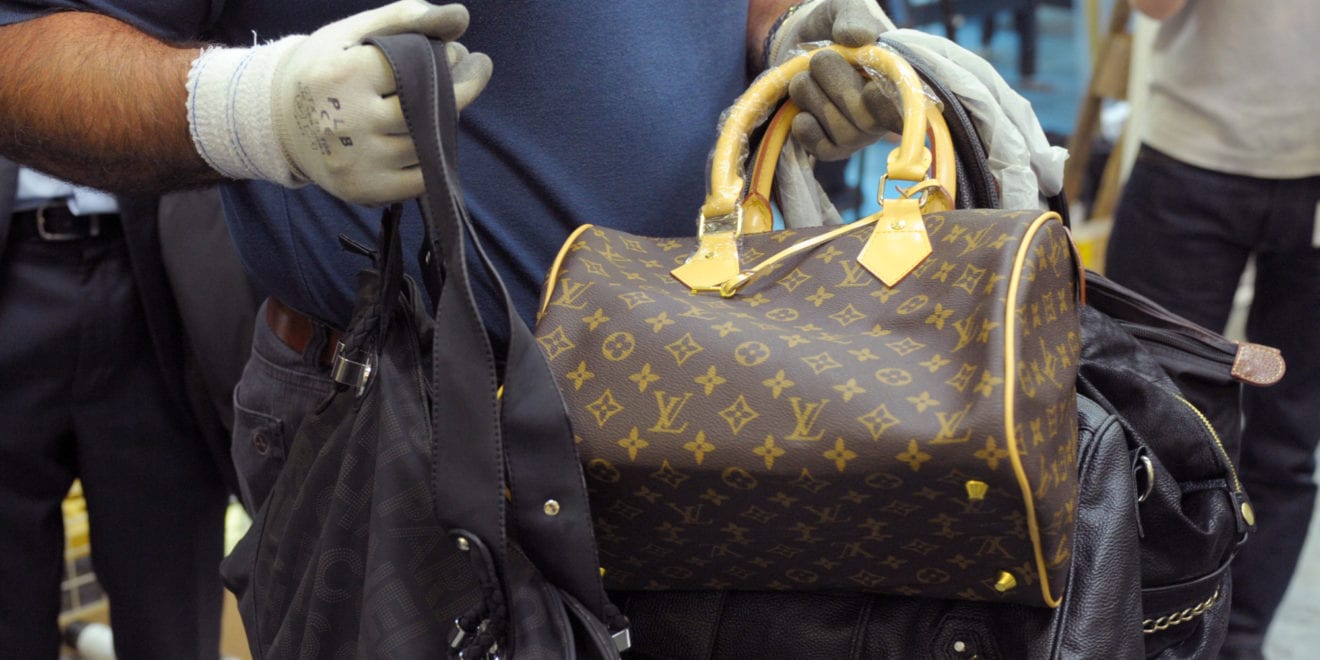
    Hong Kong police and customs officers have made the biggest seizure of counterfeit bags and accessories in a decade.

    The authorities say they netted 30,000 bags in a two day operation on July 28 and 29, details of which have only just been revealed.

    Customs and police say they successfully smashed a syndicate suspected of selling counterfeit goods by operating two upstairs showrooms and a storehouse in Tsim Sha Tsui and Tsuen Wan.

    The operation involved a record seizure in terms of quantity among similar cases in the past decade. The more than 30,000 suspected counterfeit products have an estimated street value of about $3 million, including leather goods, watches, apparel products, footwear, sunglasses and perfume, were seized.

    The syndicate was suspected of establishing a sales network with a membership scheme.

    A man thought to be the mastermind of the syndicate and two women, aged between 32 and 37, were arrested and released on bail pending further investigation.

    The Divisional Commander (Intellectual Property Transnational Investigation) of the Intellectual Property Investigation Bureau of Customs, Cheuk Tak-wai, and the Police assistant divisional commander (operations) of Tsim Sha Tsui Division, Ho Siu-tung, said at a press conference that Customs and the Police would continue to combat counterfeit activities with stringent joint enforcement actions. Customs also appealed to members of the public to shop at retail stores with a good reputation or at official brand stores.

    Under the Trade Descriptions Ordinance, any person who sells or possesses for sale any goods with any forged trademark commits an offence. Upon conviction, offenders are liable to a maximum fine of $500,000 and imprisonment of five years.

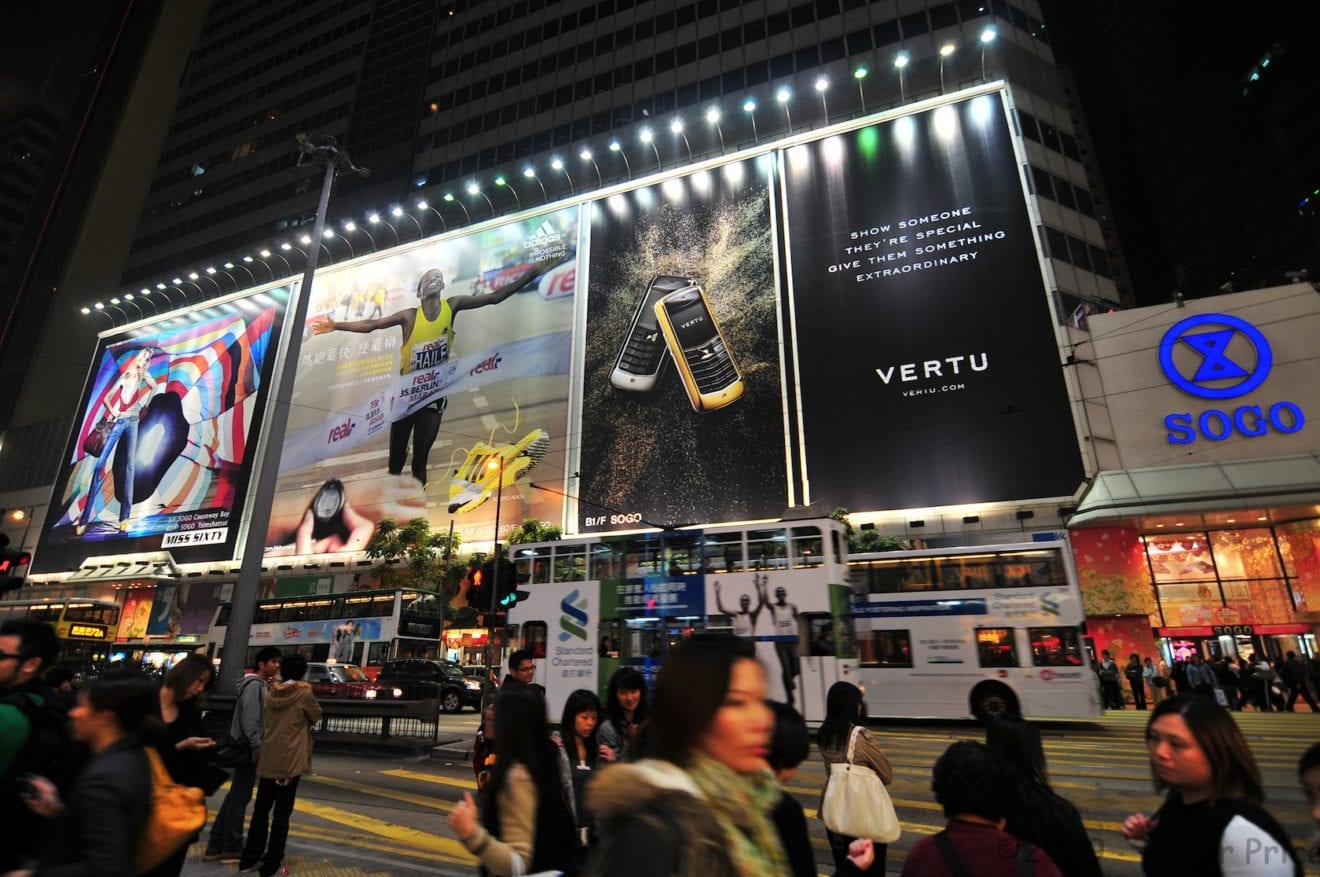
  • Sogo ‘resilient’ in tough market

    Sogo ‘resilient’ in tough market

    Department store operator Lifestyle International says its Sogo department stores in Causeway Bay and Tsim Sha Tsui helped it achieve a 15.1 per cent boost in first half year profit.

    In the six months to June 30, group turnover increased 6.6 per cent to HK$3.07 billion and profit attributable to owners of the company to $1.17 billion “The Sogo Causeway Bay store proved resilient,” the company said in its half year report.

    “It put in a steady and solid performance during the review period and delivered a healthy set of business results. The store generated HK$4.493 billion in total sales revenue, representing a slight decrease of 1.4 per cent from the same period last year, largely in line with the market as a whole. As with previous years, the store remained the biggest contributor to the group’s revenue, accounting for 64.4 per cent.”

    That trading result was achieved despite a renovation program and during a period of “relatively weak market sentiment”, which caused a decline in traffic footfall.

    “Notwithstanding the drop in traffic footfall, the store saw an increase in the stay-and-buy ratio that went up by 2.3 percentage points from the same period last year, which reflected customer loyalty for the store.”

    Across the harbour, the Sogo Tsim Sha Tsui store, which moved to a new location in November, has quickly attracted a significant amount of old and new customers, thus enabling it to grow steadily and deliver a better-than-expected performance, the company said.

    “The stay-and-buy ratio, average ticket size and the traffic footfall all performed well above the expectation of the management. During the period, continuous efforts had been made to adjust and refine the brand portfolio and merchandise of the boutique-style store, in reference to customers’ reception and the group’s market research. To enrich the product selection, SOGO TST opened in May the Freshmart in the previously unfilled area of the store, which houses a wine cellar and offers a vast array of food and confectionery items.”

    In Mainland China, Lifestyle’s operations delivered “encouraging results” in spite of the prevailing weak sentiment in the retail market.

    “The performance of operations in bigger cities was relatively more positive, as the decline in consumer confidence showed signs of bottoming out. The larger middle-class population with stronger spending power also enhanced the resilience of operations in big cities. Nonetheless, intensifying market competition remained a challenge. On balance, the generally healthy results of the mainland operations attest the Group’s core competency and its ability to drive operational efficiencies in good or bad times.”

    Shanghai Jiuguang performed strongly throughout the review period, with sales revenue up 9.7 per cent from the same period last year. The group said it had made an extensive effort to adjust the store’s brand and merchandise portfolio over the past years, which was now starting to pay off, and the store is now believed to own the strongest portfolio of cosmetic brands in its locality.

    “While Shanghai Jiuguang’s total traffic footfall fell 10 per cent during the period, the average ticket size was up 5.7 per cent and the stay-and-buy ratio improved by 6.2 percentage points, which again points to strong customer loyalty. In May, the store kicked off its renovation program, which is to be carried out in phases and is scheduled for completion in 2016.

    “Suzhou Jiuguang, which has established itself as a sought-after shopping destination in Suzhou, stayed firmly on a growth trajectory. It turned profitable in 2013 and has remained so since then. For the first half of the year, it reported a 5.1 per cent growth in sales revenue. The traffic footfall and ticket size was up 10.5 per cent and 1.7 per cent respectively, while the stay-and-buy ratio was largely stable at 38 per cent,” Lifestyle reported.

    “Of late, competition in the local department store sector has grown increasingly fierce. Being one of the first department stores to have secured a solid market position in the city, Suzhou Jiuguang enjoys first-mover advantage and has developed a loyal clientele that is still growing. Nevertheless, the group will continue to monitor closely the market situation in order to devise sound and sensible marketing and business strategies to respond promptly to new development in the market.”

    However, Dalian Jiuguang in Northeast China performed “largely in line with the local market situation”, recording a 13.2 per cent negative growth in sales revenue.

    “The results were within expectation of the management, in light of the fragile business environment and weak consumer sentiment of the city over the past few years. However, the group has been realigning the product range and tenant mix to widen the appeal of the store.”

    Shenyang Jiuguang, which opened in October 2013 as the Group’s fourth Jiuguang establishment in mainland China, continued to face a sluggish retail environment, with weak consumer sentiment and restrained economic activity.

    “With persistent efforts to enhance its product mix and to promote a wide range of local and imported products catering to a broad customer base, Shenyang Jiuguang managed to keep its business on a stable footing. For the first half of the year, sales revenue was stable when compared with the corresponding period in 2014. The traffic footfall showed signs of improvement, indicating the group’s marketing strategy is in the right direction. The management is aware that under the current economic climate, it would take notably more time for a young department store like Shenyang Jiuguang to turn profitable.”

    And Beiren Group, an established Shijiazhuang-based retailer in which the Group has strategic investment, continued to deliver “stable performance despite slack demand” in the highly competitive local market. For the first six months of the year, the investment contributed about HK$179.7 million in profit (including profit attributable to non-controlling interest) to Lifestyle International, compared with HK$142.7 million in the same period last year. The significant improvement in share of results was mainly due to the fact that its results in the previous year were negatively impacted by an audit adjustment.

    Beiren Group operates approximately 1.2 million sqm of retail space encompassing 17 department stores, 37 supermarkets and various outlets specialising in electrical appliances, consumer electronics and gold and jewellery. Most of the operations are located in Shijiazhuang.

    Nearly two years since its opening in July 2013, the group’s standalone “Freshmart” store in

    Changning, Shanghai, continued to deliver consistently and satisfactory results. Sales revenue for the first six months of the year saw a year-on-year growth of 11.6 per cent.

  • Missha Hong Kong makes return

    Missha Hong Kong makes return

    Korean cosmetics retailer Missha is returning to Hong Kong.

    Some 20 Missha Hong Kong stores were shuttered around New Year’s Eve this year when the previous local retail partner collapsed.

    Now Missha has a new partner – DKSH (DiethelmKellerSiberHegner) – which will apparently help it build a new network.

    Missha entered Hong Kong in 2004, four years after its launch in Korea. But during the last two years it has faced tough competition from new rival brands, including Etude House and Nature Republic.

    Missha’s parent Able C&C said on Tuesday it had signed a contract with Swiss based DKSH Hong Kong giving it exclusive rights to promote Missha in the territory.

    The first two stores quietly opened on June 30 ahead of the formal announcement – counters in DKSH duty free stores in Causeway Bay and Tsim Sha Tsui.

    The following day a standalone store opened inside Yuen Long Plaza.

    DKSH has reached an agreement with Mannings to sell the products through 200 stores by the end of July and in 300 by the end of next year.