Retail News CRM

Tag: tumbles

  • US Dollar Tumbles Against Vietnamese Dong Amid Global Currency Shuffles

    US Dollar Tumbles Against Vietnamese Dong Amid Global Currency Shuffles

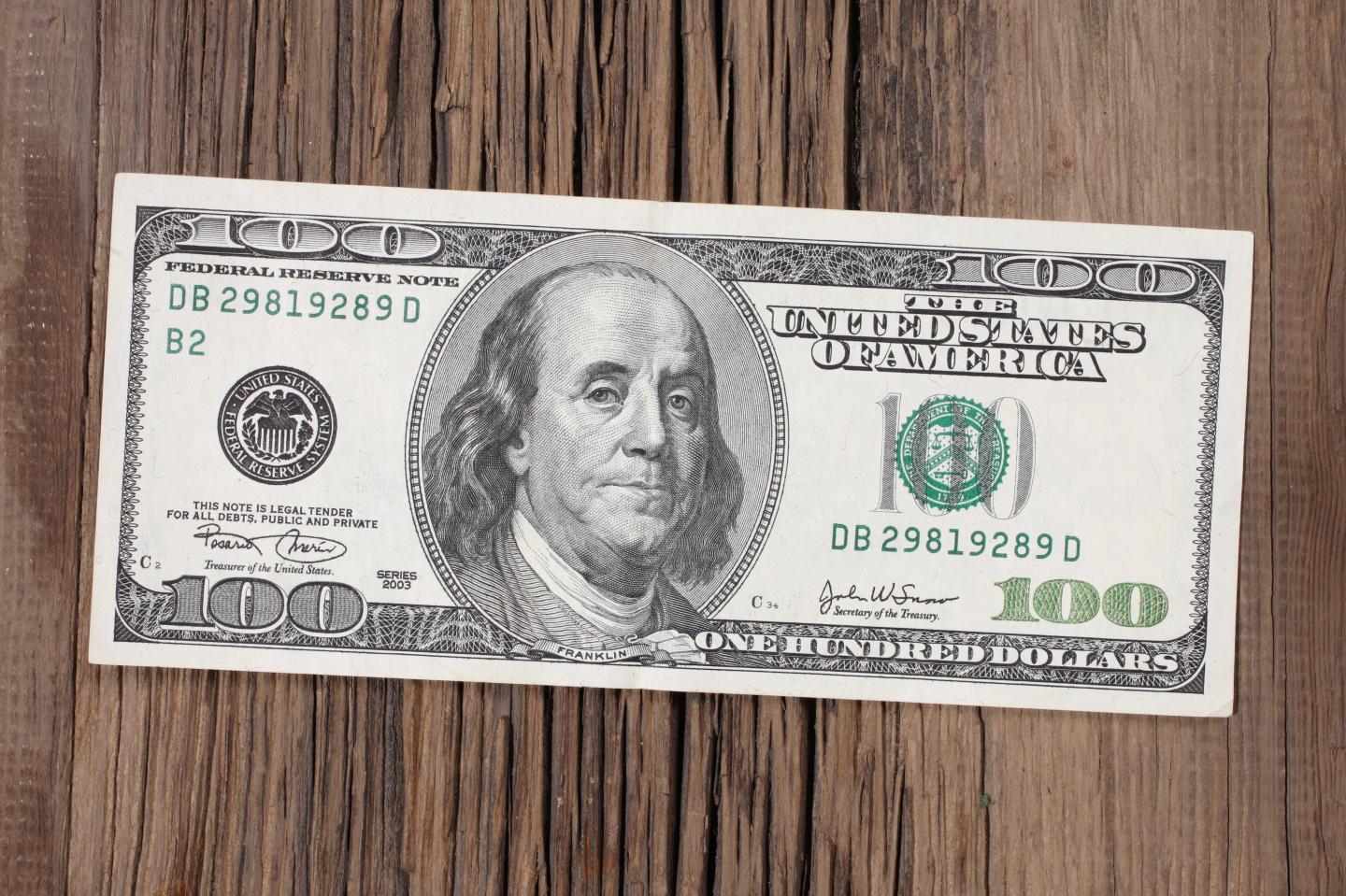
    On Wednesday morning, the U.S. dollar experienced a decrease in value against the Vietnamese dong, while also falling against other major currencies. The greenback was sold by Vietcombank at VND26,393, marking a minimal decrease of 0.004% from its value on Tuesday. However, on the black market, the currency experienced a slight increase of 0.12%, reaching a rate of around VND26,502.

    Global Currency Fluctuations

    Worldwide, the U.S. dollar managed to maintain the gains it accrued on Tuesday. This followed Iran’s announcement that the U.S. had breached a ceasefire agreement. The dollar index, a measurement of the dollar’s value against six other currencies including the yen, remained relatively stable on Wednesday at 99.11. This comes after the index saw an increase of 0.15% in the previous trading session.

    In terms of other currencies, the Euro saw a slight increase in its value against the U.S. dollar to $1.1637. The Australian dollar, however, saw a decrease of 0.09% to $0.7160, reversing earlier gains. Additionally, New Zealand’s dollar saw a substantial increase of 0.6%, taking its value to $0.5873 against the U.S. dollar.

    The Japanese yen saw a minor increase in its value to 159.28 per U.S. dollar. However, it remained near the 160 level, a threshold that many market participants consider to be a warning sign for intervention in order to support it.

    Questions & Answers

    What has been the recent trend in the value of the U.S. dollar against the Vietnamese dong?
    On Wednesday, the U.S. dollar experienced a marginal decrease in value against the Vietnamese dong, with Vietcombank selling the greenback at VND26,393, a 0.004% dip from Tuesday.

    What happened to the U.S. dollar’s value on a global scale?
    Globally, the U.S. dollar was able to maintain its gains from Tuesday following Iran’s announcement of a U.S. ceasefire violation.

    How did other major currencies perform against the U.S. dollar?
    While the Euro and New Zealand’s dollar saw increases in their value against the U.S. dollar, the Australian dollar experienced a decrease. The Japanese yen saw a slight increase but stayed near a level that causes concern for many market participants.

  • Global Oil Market Fluctuates: Opec+ Decision, Demand Drop, And Ukraine-russia Conflict Factors

    Global Oil Market Fluctuates: Opec+ Decision, Demand Drop, And Ukraine-russia Conflict Factors

    Over the last week, various elements have shaped the worldwide oil and gasoline market. Among these factors are a smaller-than-predicted rise in oil production for November as stated by OPEC+, a deteriorating trend in global oil demand, as well as ongoing assaults on Russia’s energy base by Ukraine.

    Shifts in Fuel Prices

    There has been a noticeable decline in the prices of RON95 and diesel. RON95 experienced a 2.9% decrease, bringing its price down to $78.3. In parallel, diesel’s cost also fell by 2.6%, reducing its price to $87.66.

    Impacts and Implications

    These shifts in costs indicate a powerful interplay among various factors. The OPEC+ decision to curb the expected rise in production, the fall in global oil demand, and the continued infrastructural attacks in Russia by Ukraine are all working in concert, directly impacting the global oil and gasoline market.

    Questions & Answers

    What factors affected the global oil and gasoline market over the past week?
    Several elements have influenced the worldwide oil and gasoline market in the last week. These include a less-anticipated increase in oil production from OPEC+, a declining global oil demand trend, and ongoing assaults on Russia’s energy infrastructure by Ukraine.

    How have fuel prices changed recently?
    Prices for both RON95 and diesel have seen a significant drop. RON95 decreased by 2.9%, bringing it to $78.3, while diesel fell by 2.6%, reducing its price to $87.66.

    How do these factors interplay to affect the market?
    The various influences such as the unexpected OPEC+ production decision, falling global oil demand, and the continuous attacks on Russia’s infrastructure by Ukraine have a combined effect on the global oil and gasoline market. They work together to cause price fluctuations and shifts in the market.

  • Chanel profit tumbles as global sales slow down

    Chanel profit tumbles as global sales slow down

    Despite witnessing a 4.3% slide in sales last year, French luxury conglomerate Chanel has committed to maintaining its heightened capital expenditure this year. The persistence of market instability, especially in Asia and the U.S., has not deterred the company from supporting its worldwide expansion plans.

    Investments and Expansions

    Chanel announced that it would continue its capital investment at the $1.8 billion mark, representing a 43% increase from the previous year, to facilitate global growth. The expansion includes 48 new store launches scheduled for this year. About half of these planned openings will occur in China and the U.S., while additional locations are set for India, Mexico, and Canada. Out of these new stores, only six will be dedicated to fashion. The remaining stores will focus on beauty, jewelry, and other categories.

    Financial Performance

    The fiscal year ending in December saw Chanel reporting revenues of $18.7 billion. However, there was a 30% decrease in operating profit. The Asia-Pacific region was notably impacted, registering a 9.3% drop in sales. North and South America also experienced a decline of 4.3%, while Europe had a modest increase of 1.2%.

    The group’s net profit decreased by 28.2% to $3.4 billion last year. This decline was attributed to difficult market conditions in certain regions.

    Market Uncertainties

    Philippe Blondiaux, the group’s Chief Financial Officer, recognized uncertainties in the market outlook, particularly concerning China and U.S. tariff policies. He noted that while there were “positive signs of stabilization” in China and Hong Kong, it was premature to determine whether these regions were on the road to recovery. He further described the ongoing tariff discussions in the U.S. as “extremely volatile”.

    Chanel increased its prices by approximately 3% last year to counter inflation. Blondiaux stated that further adjustments might be required, especially in the jewelry sector where gold prices continue to escalate.

    Looking Forward

    Despite the challenging macroeconomic and geopolitical climate, Chanel’s global CEO Leena Nair remains optimistic. She stated that while these conditions have impacted sales in some markets, the company continues to focus on long-term investments.

    Last year, Chanel appointed Matthieu Blazy as its creative director. Although there have been rumors regarding an expansion into menswear, the company clarified that there are presently no plans to venture into that category.

    Questions & Answers

    What is Chanel’s strategy in terms of capital investment?
    Chanel plans to maintain its $1.8 billion capital investment to support its global expansion.

    How did Chanel’s financial performance fare in the previous fiscal year?
    For the fiscal year ending in December, Chanel reported a revenue of $18.7 billion. However, both operating profit and net profit saw significant declines, by 30% and 28.2% respectively.

    What are Chanel’s expansion plans for the current year?
    Chanel intends to open 48 new stores across various countries, including China, the U.S., India, Mexico, and Canada. The majority of these stores will be dedicated to beauty, jewelry, and other categories.