
Retail News CRM

Tag: Turbulence

  • US Dollar Stumbles Against Vietnamese Dong Amid Market Turbulence

    US Dollar Stumbles Against Vietnamese Dong Amid Market Turbulence

    In the unofficial trading market on Saturday morning, the U.S. dollar experienced a decline against the Vietnamese dong. The greenback was sold 0.04% lower at VND26,410 at these non-official trading spots. Meanwhile, Vietcombank, a significant financial player in the region, maintained its rate at VND26,490.

    A Global Perspective on the Dollar’s Performance

    Worldwide, the performance of the dollar on Friday was relatively stable, but it concluded the week on a lower note. This downtrend was attributable to the moderate U.S. inflation data which resulted in traders reducing their expectations of immediate rate hikes from the Federal Reserve.

    Mounting tension between Iran and the U.S. became a crucial factor impacting the global economy. The recent week-long escalation has significantly undermined the peace agreement established last month. This development has incited investors to seek sanctuary in the dollar and has also contributed to the surge in oil prices to nearly one-month highs.

    The plummeting of the tech-dominated global equity market and the ongoing disturbance to the traffic in the Strait of Hormuz have incited a rush to safety. Elias Haddad, the global head of markets strategy at Brown Brothers Harriman, mentioned this. He also noted the U.S. dollar had recouped some of its losses from this week and that global bond yields had marginally decreased.

    Questions & Answers

    What was the impact of the U.S. inflation data on the dollar?
    The moderate U.S. inflation data led traders to reduce their bets on impending rate hikes from the Federal Reserve, which resulted in the dollar ending the week on a lower note.

    What are the effects of the escalating tension between Iran and the U.S.?
    The escalating tension between Iran and the U.S. has encouraged investors to seek refuge in the dollar and has also pushed oil prices to near one-month highs.

    How did the tech-led global equity market’s performance affect the U.S. dollar?
    The decline in the tech-led global equity market has triggered a flight to safety, helping the U.S. dollar to recover some of its losses from the week.

  • Xiaomi Eyes Global Market Expansion Amidst Local Turbulence and Rising Component Costs

    Xiaomi Eyes Global Market Expansion Amidst Local Turbulence and Rising Component Costs

    Xiaomi Corp., a leading Chinese tech firm known for smartphones and electric vehicles, announced a 43% decrease in net profit in the first quarter of 2022. A variety of factors such as increased memory and other component costs, domestic competition, and investment in new ventures have resulted in a decline in the company’s smartphone segment.

    Expansion Plans Amidst Challenges

    For the first quarter, Xiaomi reported an adjusted net profit of 6.1 billion yuan (around US$899 million), slightly less than the average analyst prediction of 6.4 billion yuan. In order to counterbalance the increased costs of components and heightened competition, Xiaomi plans to extend its reach further into foreign markets.

    According to Xiaomi’s president, William Lu, the industry is adjusting to the “new normal,” comprised of higher memory costs. However, the surge in memory costs is forecasted to decrease starting in the third quarter.

    Xiaomi has been channeling resources into electric vehicles and artificial intelligence, in an effort to diversify its revenue streams outside its main smartphone business. Although the electric vehicle segment continues to grow and contribute to the company’s income, it is impacting earnings due to high investment and lower margins.

    Financial Performance and Future Outlook

    In the first quarter, the company’s electric vehicle business generated revenue of 19 billion yuan, a 5.1% increase from the previous year. However, operations related to electric vehicles, artificial intelligence, and other new initiatives resulted in losses amounting to 3.1 billion yuan.

    During this period, Xiaomi distributed 80,856 electric vehicles, a significant drop from the 145,115 units delivered in the fourth quarter. However, this still represents a 6.6% rise from the previous year.

    The first-quarter revenue was reported to be 99.1 billion yuan, slightly below the average analyst estimate of 103.4 billion yuan. Recently, the company launched a new, more affordable version of its flagship YU7 SUV series, priced around 8% lower than its predecessor, intensifying the competition with Tesla in China’s car market. The company has further plans to expand into European markets by 2027.

    Xiaomi, currently the world’s third-largest smartphone manufacturer, saw a 19% decrease in smartphone units shipped in the quarterly period. Revenue from the smartphone division fell by 12.5% to 44.3 billion yuan, mainly due to elevated component prices and increased domestic competition.

    Questions & Answers

    What are Xiaomi’s plans to cope with the slump in net profit?
    To offset higher component costs and tougher competition, Xiaomi aims to expand further into overseas markets.

    What is Xiaomi’s “new normal”?
    The “new normal” refers to the industry’s adaptation to higher memory costs, as stated by Xiaomi’s president, William Lu.

    What is Xiaomi’s future outlook in the smartphone market?
    The outlook remains weak due to the ongoing memory chip shortage, which is expected to last until late 2027, and geopolitical tensions in the Middle East impacting consumer sentiment.

  • Hong Kong Airlines passengers flown by Garuda Indonesia

    Hong Kong Airlines passengers flown by Garuda Indonesia

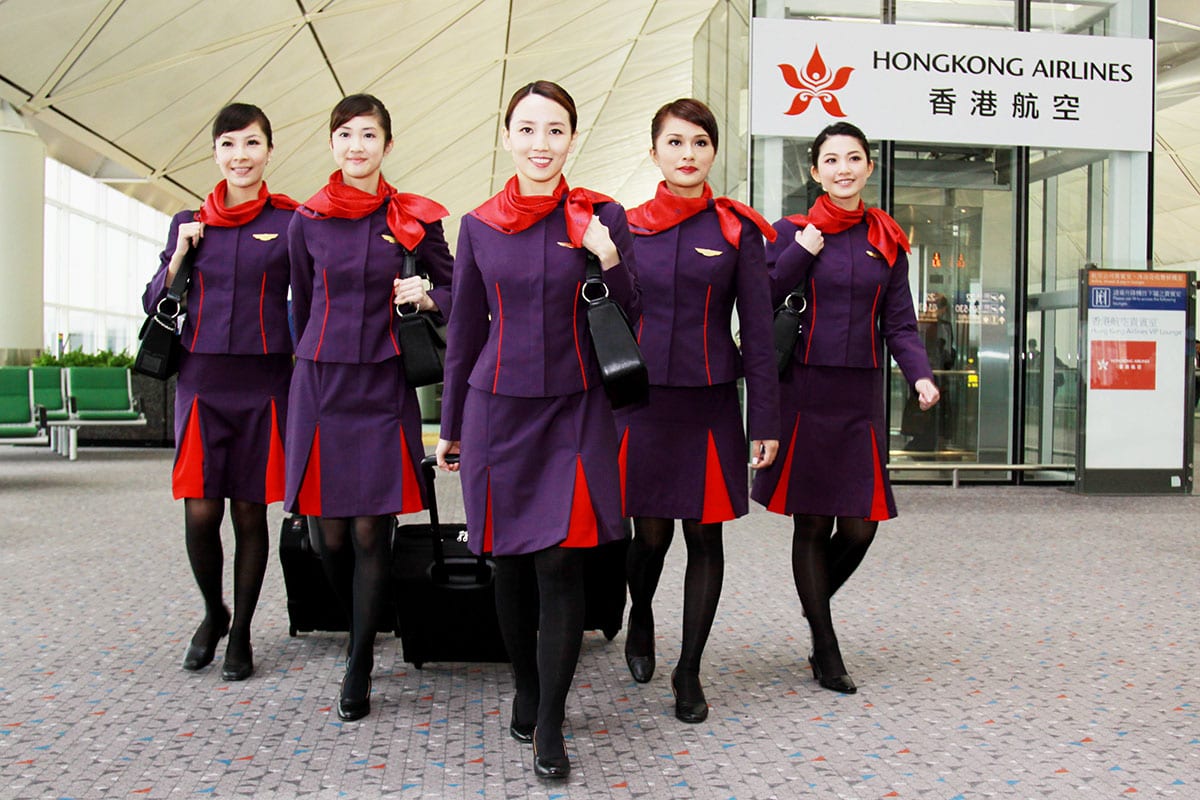
    Some 95 passengers of Hong Kong Airlines flight HX-6704 which encountered severe turbulence have been flown to Hong Kong from Denpasar by a Garuda Indonesia plane later on Saturday.

    “At least 95 passengers of the Hong Kong Airlines plane who survived the turbulence incident have been flown to Hong Kong at 9.35 am Central Indonesia Standard Time (Wita), but the rest have still been given the facility to stay at a hotel to wait for the next scheduled departure,”Ngurah Rai Airport management company PT Angkasa Pura I spokesperson Sherly Yuanita remarked Saturday.

    The severe turbulence on the Hong Kong Airlines flight to Hong Kong over the sky of Kalimantan Island left 17 passengers injured early Saturday morning.

    The ill-fated Hong Kong Airlines plane with 204 passengers and 12 crew members on board took off from Ngurah Rai airport at 1.05 am Wita and was expected to arrive in Hong Kong at 7.05 am local time but the severe turbulence forced it to “return to base.”

    Trikora Harjo, the general manager of PT Angkasa Pura-I remarked that the pilot, Tinios Peter decided to return to Denpasar and landed safely at the airport at 4.28 am Wita.

    “The 12 injured passengers were sent to a hospital in Denpasar soon after the plane landed safely at the Ngurah Rai airport,” he said.

    Turbulence, the most common cause of injury to air passengers, is what nervous fliers fear the most when they board an aircraft.

    Pilots will always keep their seat-belts fastened while seated on an aircraft and will usually advise the passengers to do the same.

    Many different things may cause turbulence, but each and every one of them is known and understood by pilots.

    Turbulence is uncomfortable but not dangerous. It is part of flying, and is not to be feared as different aspects of the weather cause different types of turbulence.