Turkish Airlines drew roughly 5,000 runners to Dhaka’s Hatirjheel circuit on Saturday. The race marked 15 years of the carrier’s commercial flights in Bangladesh.
The event, organised alongside sports management outfit ActivePulse, brought international and local participants to the capital’s central water-ring corridor. It showed a transport link that grew alongside trade between Ankara and Dhaka.
Fifteen Years of Capital Flights
Islam Gure, Turkish Airlines general manager in Dhaka, led the delegation with airport officials and Turkish diplomats. Hazrat Shahjalal International Airport executive director Group Captain Ragib Samad met airline station heads and commercial partners at the finish line.
Route planners mapped the Hatirjheel course for elite runners and community fitness groups across several distance categories. ActivePulse founders Tanvir Ahmed and Morsaline Ahmmed managed logistics and course setup across the lakeside venue.
For the past 15 years, we have been connecting Bangladesh with Türkiye and the rest of the world. But for us, it has never been only about flying from one destination to another. It is about connecting people, bringing cultures closer together, building friendships and creating new opportunities.
Corporate Footprint and Cargo Links
Saturday’s run put Turkish corporate ties across Bangladeshi manufacturing and retail on display. Executives from home-appliance maker Singer Beko Bangladesh and energy supplier United Aygaz LPG joined airline leaders at the event.
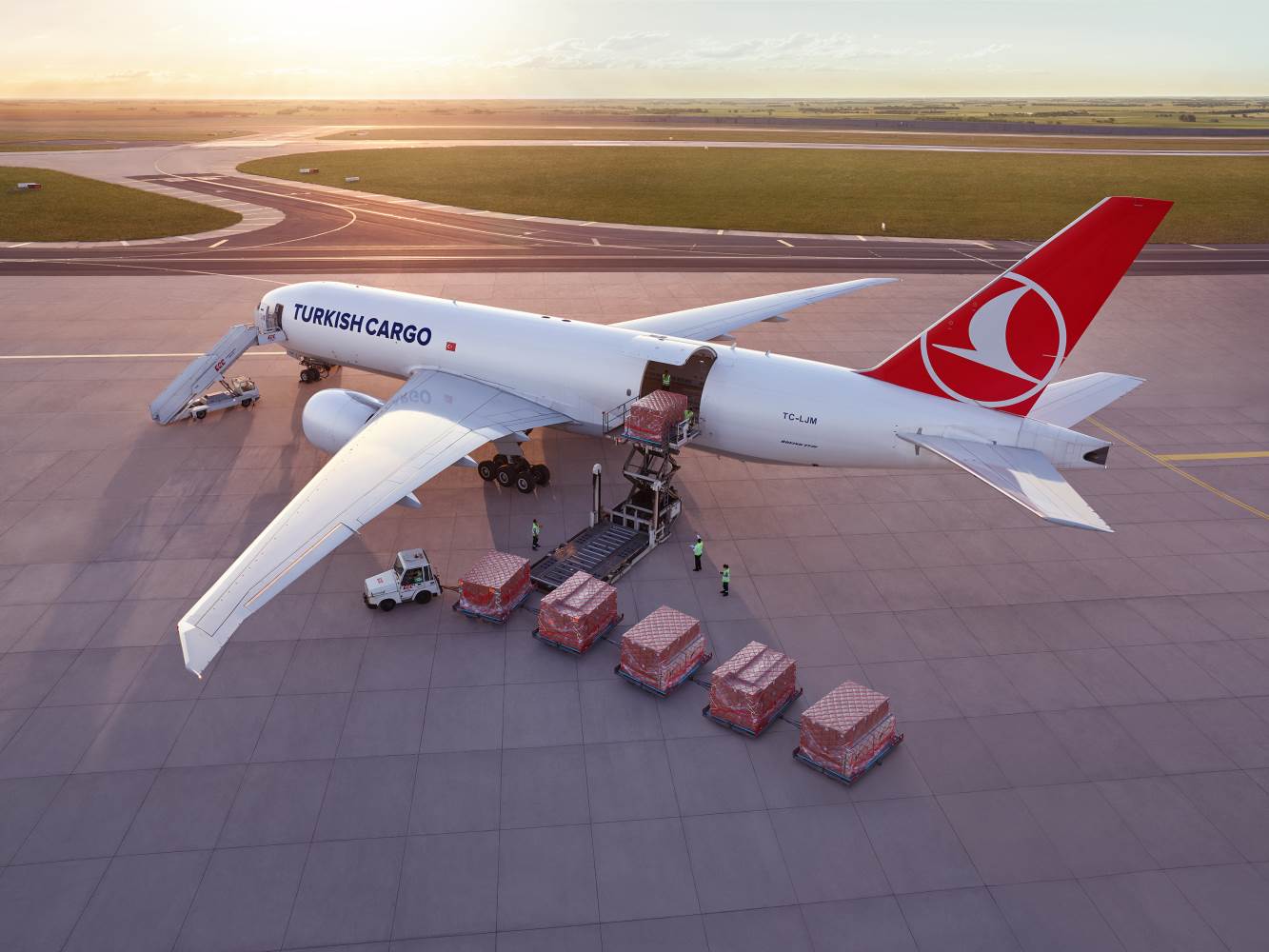
Passenger traffic between Dhaka and Istanbul supports an air freight corridor into Europe. Turkish Cargo station manager Mohammad Arif Hossain Khan and airline accounting manager Semih Kulcu attended the race. Their division continues to move Bangladeshi garment exports to European retailers via belly-hold and dedicated freighter space.
Bilateral Trade Flow
Long-haul carriers out of Dhaka face fierce competition from Gulf rivals like Emirates, Qatar Airways and Saudia. Turkish Airlines defends its market share by selling single-hop connections through Istanbul into secondary European cities. That routing bypasses Middle Eastern hubs for time-sensitive apparel and textile cargo.
Direct scheduled flights to Dhaka began 15 years ago. The carrier steadily added frequencies for business travellers, migrant workers and cargo volume. Over the same span, Turkish brands stepped up direct investments in Bangladeshi assembly plants and appliance retail networks.
Hazrat Shahjalal International Airport is now completing its third terminal. That expansion will set future flight slot allocations and cargo handling capacity for every long-haul carrier operating in Dhaka.
