Tag: turnaround

  • GoTo Celebrates First-Ever Quarterly Profit, Signaling Turnaround After Gojek-Tokopedia Merger

    GoTo Celebrates First-Ever Quarterly Profit, Signaling Turnaround After Gojek-Tokopedia Merger

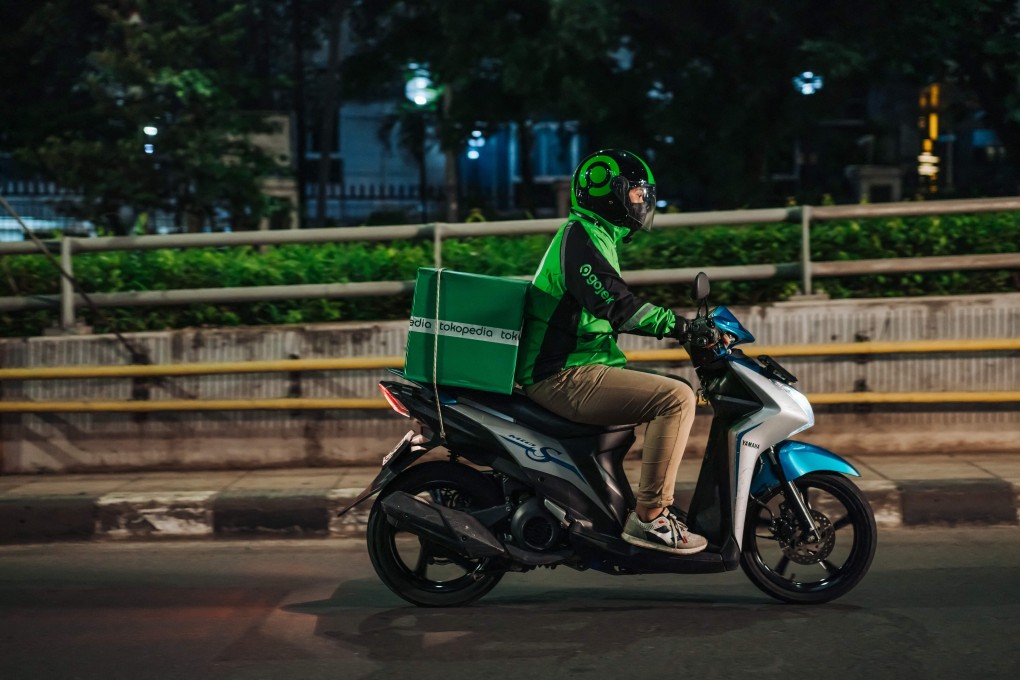
    GoTo, a prominent Indonesian ride-hailing firm, recently announced its first-ever quarterly net profit. This is a significant milestone for the company, which has seen strong revenue growth and increased cost control measures begin to pay dividends.

    The Turnaround

    GoTo was established in 2021 as a result of the merger between Gojek and Tokopedia. Despite its combined strengths, the company has faced difficulties in generating profits due to intense market competition and high operating expenses.

    However, the tides have turned for GoTo, with the company recording a net profit of 171 billion rupiah (US$9.94 million) for the quarter ending March 31. This is a stark contrast to the loss of 367 billion rupiah it incurred during the same period the previous year.

    GoTo’s diverse service offering, which includes ride-hailing, food delivery, logistics, and financial services, has contributed to its improved financial performance. The company announced a 26% year-on-year increase in net revenue for the first quarter, bringing it to 5.3 trillion rupiah.

    Outpacing Costs

    GoTo’s Chief Financial Officer, Simon Ho, explains that the company’s revenue growth has significantly overshadowed its rising costs across both fintech and on-demand services. There has also been a decrease in the cost to serve, as the company’s tech and AI strategies begin to take effect.

    Additionally, GoTo reported an attributable profit of 257.94 billion rupiah for the quarter, a considerable improvement from last year’s loss of 283.33 billion rupiah.

    Looking Forward

    Despite the current global macroeconomic uncertainty, GoTo has maintained its full-year adjusted EBITDA forecast of between 3.2 trillion rupiah and 3.4 trillion rupiah. The company, which enjoys support from Japan’s SoftBank Group and Singapore’s sovereign wealth fund GIC, has previously been the subject of merger rumors with Singapore-based competitor Grab, though no agreement has been formalized.

    Questions & Answers

    What was GoTo’s net profit for the quarter ending March 31?

    GoTo’s net profit for the quarter ending on March 31 was 171 billion rupiah (US$9.94 million).

    What services does GoTo offer?

    GoTo offers a variety of services including ride-hailing, food delivery, logistics, and financial services.

    What is GoTo’s full-year adjusted EBITDA forecast?

    Despite the current global macroeconomic uncertainty, GoTo has maintained its full-year adjusted EBITDA forecast of between 3.2 trillion rupiah and 3.4 trillion rupiah.


  • Starbucks Strikes Success: Turnaround Strategy Brews Positive Sales Growth After Two Years

    Starbucks Strikes Success: Turnaround Strategy Brews Positive Sales Growth After Two Years

    Starbucks has finally shown a surge in comparable sales growth, marking the first increase in nearly two years. This promising development suggests the early success of the renowned coffee company’s turnaround strategy.

    Turnaround Indicators

    The fourth quarter, which ended on September 28, witnessed a 1 per cent increase in global comparable store sales. This significant growth, the first in seven quarters, was mainly due to an increase in comparable transactions.

    In North America, and particularly in the US, comparable store sales remained steady. There was a 1 per cent rise in the average ticket, which was counterbalanced by a 1 per cent drop in comparable transactions. This is a notable improvement from a 2 per cent dip in the third quarter, a change credited to the positive momentum generated by the ‘Back to Starbucks’ initiative. Moreover, the company pointed out that comparable sales in the market began to show positive growth as of September.

    International Growth

    International comparable store sales saw a 3 per cent increase, with China’s comparable store sales experiencing a 2 per cent hike.

    The consolidated net revenues for the quarter grew by 5 per cent, amounting to US$9.6 billion, thus extending the 4 per cent rise witnessed in Q3.

    Brian Niccol, the chairman and CEO, expressed his optimism regarding the progress of the ‘Back to Starbucks’ strategy. He stated, “It’s clear that our turnaround is taking hold. Our return to global comp growth and the momentum we are building give me confidence that we are on the right path to deliver the very best of Starbucks for our customers, partners and shareholders.”

    However, for the entire year, comparable store sales witnessed a 2 per cent fall, with a 2 per cent decline in North America and the US, a flat growth in international markets, and a 1 per cent decrease in China.

    Financial Summary

    On the financial front, net earnings plummeted by 85 per cent to $133 million in the fourth quarter and fell by 50 per cent to $1.8 billion for the entire year.

    Starbucks closed 107 net stores in Q4, including 627 stores, with a majority (90 per cent) being in North America. This aligns with the restructuring plan announced earlier, where Starbucks unveiled its plans to cut its North American store network by approximately 1 per cent and eliminate around 900 non-retail partner roles.

    At the quarter’s end, Starbucks’ global portfolio consisted of 61 per cent of stores located in the US and China, including 16,864 stores in the US and 8,011 outlets in China.

    Questions & Answers

    What is the ‘Back to Starbucks’ strategy?
    The ‘Back to Starbucks’ strategy is a turnaround plan designed to boost the company’s sales growth and profitability.

    How has this strategy impacted Starbucks’ performance?
    The ‘Back to Starbucks’ strategy has positively impacted the company, resulting in a 1 per cent increase in global comparable store sales and a 5 per cent rise in consolidated net revenues in Q4.

    What is the future plan of Starbucks in light of the recent restructuring?
    Starbucks plans to focus more on the US and Chinese markets, which currently comprise 61 per cent of the company’s global portfolio. The company also intends to reduce its North American store network by about 1 per cent and cut 900 non-retail partner roles as a part of its restructuring plan.

  • Pandora Eyes Strategic Overhaul Amid Falling Sales In China: A Turnaround In Sight?

    Pandora Eyes Strategic Overhaul Amid Falling Sales In China: A Turnaround In Sight?

    Pandora, the Denmark-based jewellery manufacturer known for its charm bracelets, is considering a strategic overhaul of its operations in China due to a sustained downturn in sales, according to insider sources. These measures may include licensing its brand and assets, including its current inventory, to China-based funds and e-commerce partners for a five-year period.

    Pandora, like many other multinational consumer-focused companies operating in the world’s second-largest economy behind the United States, has been negatively impacted by the aftermath of the global pandemic and a property crisis that has sent shockwaves through the economy. The company has struggled to compete with local, tech-savvy brands in the crowded e-commerce sector and has also been affected by a consumer trend towards gold and high-value jewellery.

    Addressing Challenges

    In a statement, Pandora acknowledged its need to reposition its brand in the increasingly challenging Chinese market and confirmed its commitment to implementing a turnaround strategy. “While this process will undoubtedly take time, China represents the world’s largest jewellery market and we remain completely dedicated to our business operations there,” commented Pandora.

    Over the past five years, Pandora’s revenue in China has plummeted nearly 80%, dropping to 416 million Danish crowns (approximately US$65.10 million) in 2024, down from 1.97 billion crowns in 2019. The company’s contribution from its China operations has also significantly reduced, falling from 11% to around 1% during the same period.

    Leadership Changes and Future Plans

    There have been several leadership changes within Pandora’s China operations since 2022, with the current Managing Director, Thomas Knudsen, joining the company at the beginning of this year. Shortly after his appointment, Pandora announced plans to shut down 50 stores in China later this year.

    There may be challenges in finding an investor or a licensing partner given the downward trends in performance and broader consumer challenges, according to Jonathan Yan, a principal at a leading consultancy firm in Shanghai. Yan stated that financial investors may not be interested in the asset, while e-commerce partners interested in owning higher-margin brands may be potential candidates.

    Speculations and Expectations

    Pandora’s e-commerce division has faced a steeper decline in sales than its physical stores, an insider revealed. Therefore, a takeover by an operator with the know-how to compete in the Chinese e-commerce market could be a positive development, although the cost of any turnaround would be significant to whoever assumes responsibility for the company’s operations.

    Yan commented, “Any successful turnaround will necessitate significant investment and the introduction of highly innovative strategies, and even then, success is far from guaranteed.”

    Questions & Answers

    What potential measures is Pandora considering for its Chinese operations?
    Pandora is reportedly contemplating licensing its brand and assets to China-based funds and e-commerce partners for a five-year period.

    How has Pandora’s revenue in China changed over the past five years?
    From 2019 to 2024, Pandora’s revenue in China has fallen nearly 80%, from 1.97 billion Danish crowns to 416 million Danish crowns.

    What challenges does Pandora face in turning around its operations in China?
    Pandora faces competition from local, tech-savvy brands, a shift in consumer preferences toward gold and high-value jewellery, and the broader economic impact of the global pandemic and property crisis.

  • Nissan’s New CEO Says Willing To Be Fired If No Turnaround

    Nissan’s New CEO Says Willing To Be Fired If No Turnaround

    Nissan’s worsening performance has heaped pressure on Uchida, formerly Nissan’s China chief who became its third CEO since September, to come up with aggressive steps to revive the company. On Tuesday, Uchida, who was repeatedly heckled by shareholders, said he was ready to face dismissal if he failed to improve profitability at the company, which is on course to post its worst annual operating profit in 11 years.

    “We will make sure that we steer the company in an effective way so that it is visible in the eyes of viewers. I will commit to this: if the circumstances remain uncertain you can fire me immediately,” he said.

    Uchida, 53, did not give a timeframe for improving Nissan’s performance. The new boss must prove to the board he can accelerate cost-cutting and rebuild profits at the 86-year-old Japanese giant, and that he has the right strategy to repair its partnership with France’s Renault, sources have told Reuters.

    Uchida pleaded with shareholders to be patient while he comes up with a plan by May to recover from crumbling profits and a corporate shake-up following Ghosn’s arrest in Japan in late 2018 over financial misconduct charges.

    “If you can be patient a little bit longer, on a day-to-day basis you will be able to sense we are changing,” he said.

    Ahead of the meeting, some shareholders demanded more clarity about Uchida’s plan.

    “I just want to know what the plan for recovery is. At the moment, the share price has dropped again, and the value of the company has plummeted,” said a 70-year-old former employee who owns shares in the company.

    “If this is the situation, part of me thinks that we would be better off with Ghosn … If we don’t get a clearer vision of the path the company is taking, it will be a worry.”

    Nissan’s shares are trading around their lowest level in more than a decade following its latest earnings.

    Last week, Nissan cut its dividend outlook to its lowest since the 2011 financial year, after dwindling car sales drove the company to post its first quarterly net loss in nearly a decade.

    Shareholders gathered at the extraordinary meeting in Yokohama to vote in new directors including Uchida and Chief Operating Officer Ashwani Gupta.

    Their appointments highlight a changing of the guard at Nissan, as shareholders were also voting on motions for former company stalwarts, CEO Hiroto Saikawa and COO Yashuhiro Yamauchi, to leave their board director positions.

  • Nok Air gets serious about turnaround

    Nok Air gets serious about turnaround

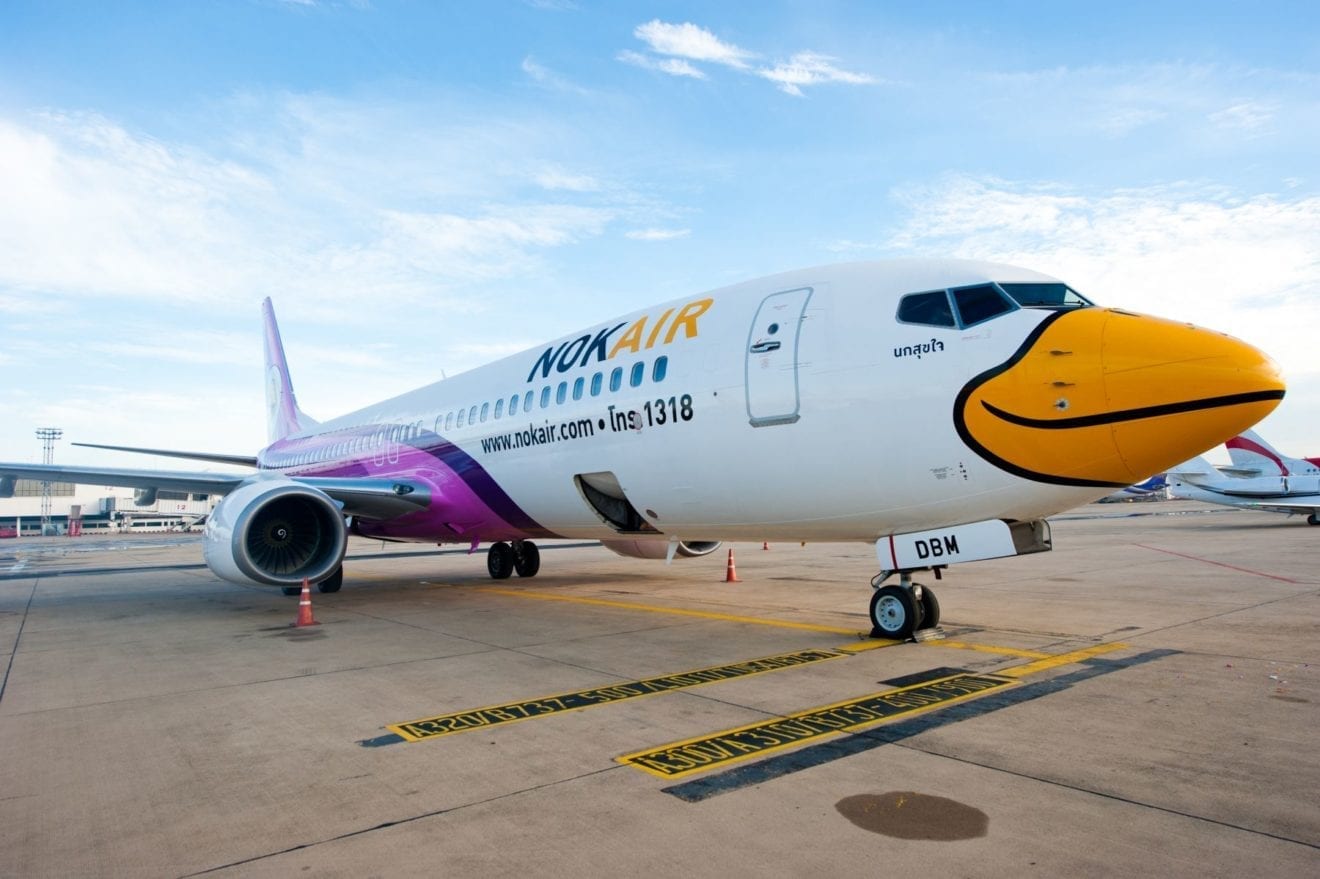
    Nok Air, a loss-ridden budget airline, has pledged to implement plans to revive its business, increasing income and overhauling flights to prevent delays that have damaged the carrier’s image.

    The turnaround is set to start in the final quarter this year, said chief executive Wutthiphum Jurangkool.

    He said apart from airfare, the airline plans to create additional revenue from value-added services by partnering with tourism operators such as hotels, car rental companies, department stores and tour agencies on domestic routes.

    To prevent flight delays, Mr Wutthiphum said the airline has invested in a home-based stock worth 100 million baht at Don Mueang airport to install spare parts for immediate use if needed. Spare parts from abroad take around three days to reach Thailand, which is the main reason for the delays, he said.

    “Nok Air’s home-based stock will not only speed up maintenance work, but also reduce maintenance expenses by 30% in the latter half of this year,” said Mr Wutthiphum.

    Rearranging flight schedules and adding spare aircraft to stand by in the morning or busy times should also help avoid delays, he said.

    “Even though the airline will reduce flight numbers and income by operating with only 22 aircraft, we must fix this urgent problem,” said Mr Wutthiphum.

    He said the airline is set to increase aircraft utilisation from red-eye flights to international destinations, aiming to use them for 12 hours of operation in the fourth quarter, up from 10-11 hours.

    In November, the carrier plans to launch a Bangkok-Hiroshima route. On Sept 21 it added a flight from Bangkok to Guwahati in Assam state, India. Other second-tier cities in China will be added to the airline’s expansion plans, said Mr Wutthiphum.

    He said Nok Air will not open new international routes to popular destinations to avoid price wars with other airlines.

    The Jurangkool family is the major shareholder of SET-listed Nok Airlines, holding about a 52% stake, while Thai Airways International holds 15.94%.

    Nok Air’s cabin factor stood at 88% in the first half this year, down from 91% year-on-year because of a lower number of aircraft, from 28 to 22. The reduced fleet saw lower volumes of flights and passengers in the second quarter by 10.3% and 8.18%, respectively.

    Mr Wutthiphum said Nok Air expects to expand its fleet with two new aircraft this year and at least two more in 2020.

    Nok Air reported a loss of 470 million baht in the second quarter, down from a loss of 742 million in the same period last year, and a net loss of 751 million for the first six months, down from a loss of 774 million year-on-year.

    On Thursday, the budget airline announced a partnership with Bangpakok 9 International Hospital, the Social Development and Human Security Ministry and Ruamkatanyu Foundation to support rescue operations in the flooded areas of Ubon Ratchathani province, while other affected provinces will be considered later.

  • China Unicom aims to turnaround despite record slump in 1H profit

    China Unicom aims to turnaround despite record slump in 1H profit

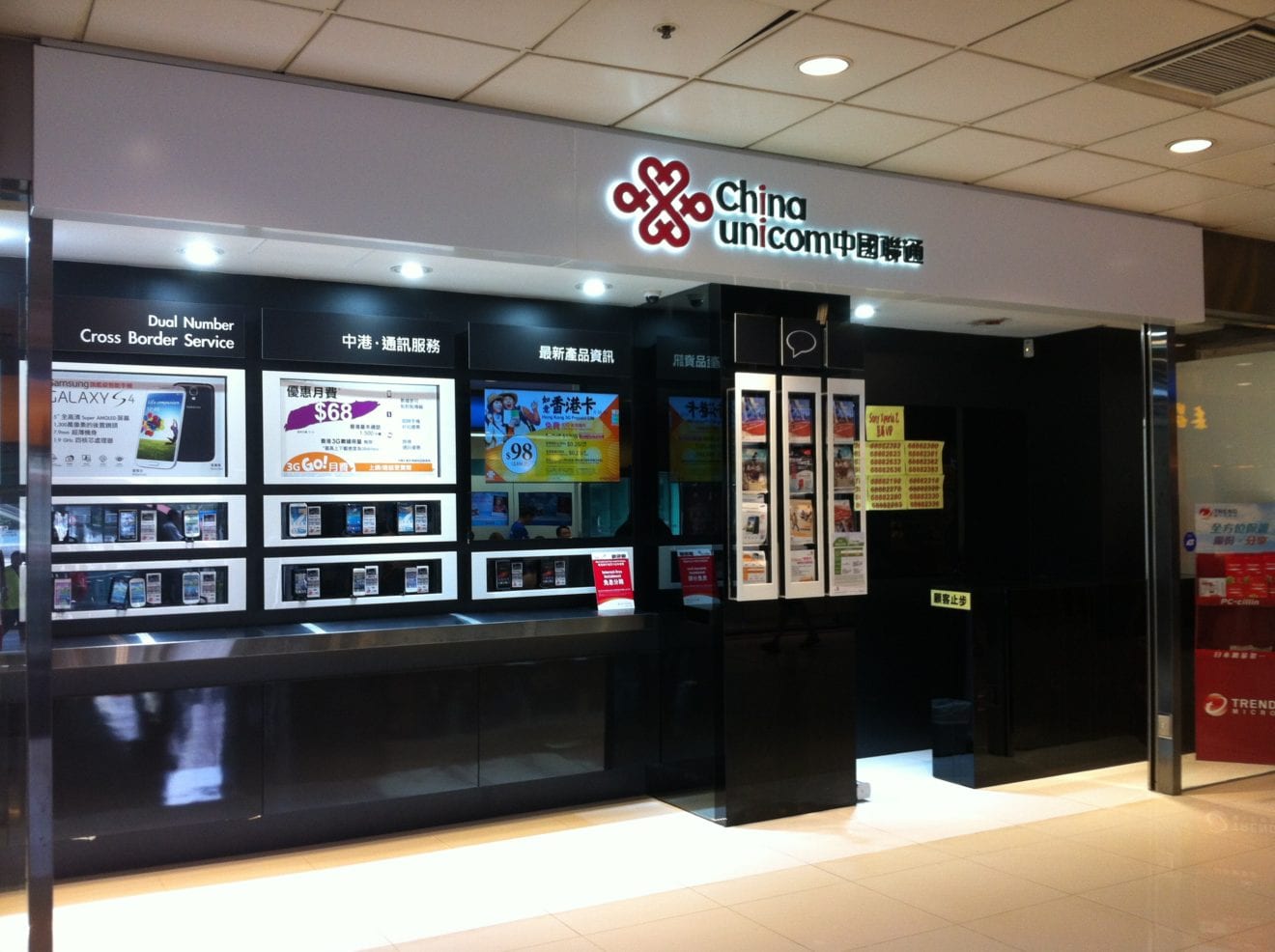
    China Unicom, the country’s second largest mobile carrier by subscribers, is expecting a gradual turnaround as soon as next year after the company reported its largest slump in first-half net profit since 2000.

    Unicom chairman and CEO Wang Xiaochu said “a more solid foundation has been built for healthy development in the future with stronger growth momentum.”

    “The company’s most difficult time was over,” Wang told a media briefing in Hong Kong on Wednesday. “We expect a sales turnaround in November and December, and a profit turnaround next year.”

    Unicom announced on Wednesday that its January-June net profit reached 1.43 billion yuan ($216 million), down 79.6% from a year earlier, in line with apreliminary estimate in July. EBITDA fell 18.2% to 41.28 billion yuan while revenue dipped 3.1% to 140.26 billion yuan.

    But the results nonetheless marked a significant improvement of the 3.36 billion yuan loss – excluding the gain from the tower asset disposals – recorded during the second half of last year.

    Unicom blamed the poor interim results on hefty costs resulting from increased tower costs and heavy expenses to market its 4G network and services.

    According to Unicom, the company saw up to 15% fee increase for using China Tower, as well as electricity tariffs and property rental hikes during the first half of this year.

    Meanwhile the delays in building the LTE network for 4G services also led to substantial increase in marketing costs, with sales and marketing expenses in the first half racking up 17.1% on the year to 17.1 billion yuan, while handset subsidies jumped 43.5% to 1.756 billion yuan.

    “Our biggest problem is having missed almost two years to become well-geared for the 4G era,” Wang said.

    Biggest rival China Mobile has been offering 4G service using TD-LTE technology since December 2013. China Unicom and China Telecom, however, were only granted a license to conduct hybrid FDD and TDD LTE network trial in June 2014.

    Despite that, Wang said the company achieved initial success in turning around the unfavorable conditions in business development, by mitigating the underlying shortcomings in areas such as network, terminals, channels, services, IT, systems and mechanisms. This includes focusing its mobile business on 4G and driving availability of 4G handsets and accelerating 4G network rollout through partnership with China Telecom.

    As a result the company achieved a net addition of 8.39 million mobile subscribers during the period. This compares favorably to the operator’s performance last year, when the company recorded net losses of customers for consecutive months.

    Unicom also saw its 4G base grow to reach 72.42 million as of June, thanks to “improvement in 4G network quality, terminal market share and competitiveness.” Yet this number still far behind China Mobile’s 430 million 4G subscribers.

    Unicom and China Telecom signed an agreement in January to push through a five-pronged collaboration, which embraces costs sharing on 4G network build-outs in rural areas and promotion of the so-called “six-mode” smartphones that are compatible with all networks.

    Wang said the collaboration is necessary as Unicom’s network could now support 63% of the mobile handsets in the market, up from 40% at the end of last year. The partnership with China Telecom on 4G infrastructure sharing also helped Unicom achieved 3 billion yuan savings in capex, he added.

    Unicom will continue to push forward comprehensive and strategic cooperation with China Telecom on areas including mobile and fixed infrastructure sharing, Wang added.

    To recoup the lost ground in 4G from China Mobile and China Telecom, Unicom has earmarked 30 billion yuan for 4G network deployment in the second half of the year, with plans to increase the number of its 4G base stations to 680,000 by year-end, up from 280,000 last year.

    China Mobile last week posted a 5.6% increase in net profit to 60.6 billion yuan in the first six month of this year.

    Smaller rival China Telecom will announce its 2016 interim results on August 26.

  • AirAsia on track with turnaround plans

    AirAsia on track with turnaround plans

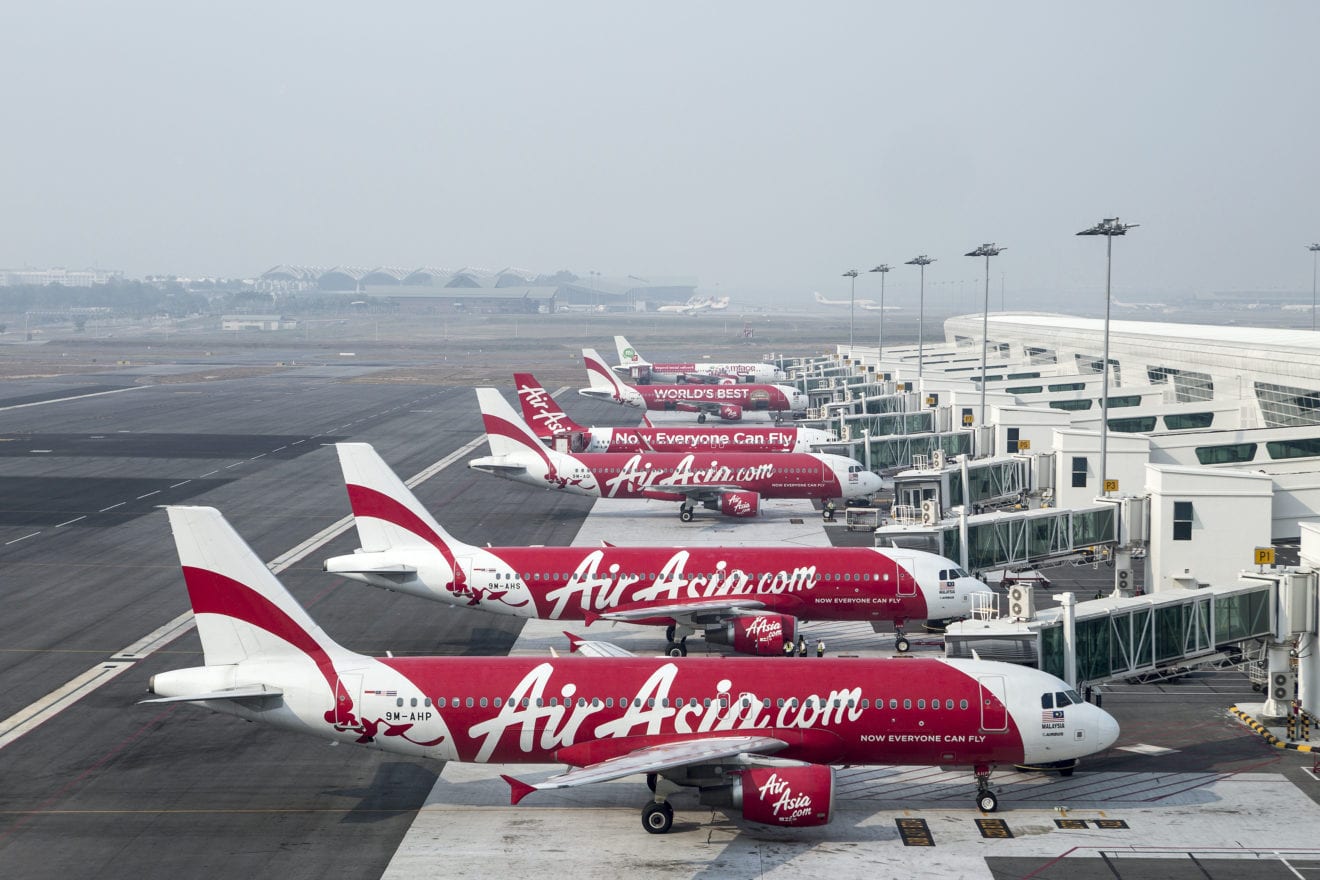
    AirAsia group is on track with its turnaround plans and fund raising exercise for both Indonesia and Philippines units, according to Public Invest Research.

    It said on Friday yield is expected to improve towards the end of the year and the low-cost carrier is positive on 2H performance due to seasonally stronger quarters and capacity reduction by Malaysia Airlines.

    “We reiterate our Outperform recommendation and price-to-earnings based target price of RM1.88, pegged to 10 times FY16F EPS (20%-discount).

    “Our target price implies 98.1% potential upside from current level,” it said.

    At current share price, AirAsia is trading at 2016F price-to-book value of 0.46 times and at a compelling PE ratio of 4.0 times, which is at its lowest four-year historical PER.

    “We believe in AirAsia’s future performance based on positive fare trend, strong growth in ancillary income, lower fuel prices and strong brand name within Southeast Asian market,” said the research house.

    To recap, Public Invest Research met the investor relations team of AirAsia for updates on its operation and outlook in 2HFY15.

    Indonesia AirAsia (IAA) is considering the option of issuing non-voting reedemable and convertible preference shares (RCPS) to deal with its negative equity position with the conversion of part of its receivables.

    “Nevertheless, the discussions with the existing shareholders is still ongoing, and expected to complete by end of this month.

    “Meanwhile, its initial plan to issue new convertible bond of US$150mil is on track and expected to complete by end of FY15,” it said.

    Public Invest Research also  said  Philippines AirAsia’s (PAA) board on July has approved for a new equity injection of 5bil pesos (US$110mil) and also agreed on the plans on issuing new convertible bonds, which the term sheets is currently being drafted.

    Indonesia will be removing at least four to five aircraft from Jakarta, Bandung, Denpasar and Medan starting August to improve its aircraft utilisation.

    To deal with Indonesia’s floor price ruling, IAA targeted to shift c.65% of its capacity to international routes, which have a higher margin than domestic routes.

    It will also terminate its unprofitable routes such as Jakarta-Medan and Denpasar Bali-Solo, to minimise its losses.

    Philippines will be selling two of its older aircraft in Zest and in discussion for an early return of at least two older lease aircraft to third party lessors by the end-2015.

    To further improve its profitability, PAA is expected to reduce its capacity primarily from Cebu hub and redeploy it to China routes, which have a higher yield market.