Tag: TWG

  • TWG holding V3 Group to launch Hong Kong IPO

    TWG holding V3 Group to launch Hong Kong IPO

    V3 Group, which owns brands such as Osim and TWG Tea, has filed for an initial public offering (IPO) on the main board of Hong Kong’s stock exchange.

    V3 Brands Asia, an investment holding company wholly owned by V3 Group – made an application to the Hong Kong Exchange for a global offering on Monday (Feb 28).

    The application proof redacted pricing details, the size of the offering, and the number of shares up for grabs.

    Osim listed on the Singapore Exchange in 2000, but delisted in 2016 when its founder, Mr Ron Sim, took the company private.

    Mr Sim lamented then that the stock had not been fairly valued due to a lack of financial depth and liquidity in the Singapore market.

    In 2018, he shelved plans for V3’s Hong Kong listing, letting its application lapse, amid intense volatility and weakness in the global stock market.

    Monday’s application to the Hong Kong bourse comes after the lifestyle products group posted a surge in profit for the nine months ended Sept 30 last year. Profit after tax for the period stood at $72.7 million, 2.5 times the $28.7 million recorded in the year-ago period. Revenue rose 32.8 percent to $332.8 million, from $250.6 million previously.

    For the full year ended Dec 31, 2020, revenue was 15.6 percent higher year on year at $377.8 million, from $326.9 million in the financial year 2019. Profit after tax stood at $43.4 million, 58.9 percent higher than $27.3 million in the year-ago period.

    V3’s higher revenue during the two years ended Dec 31, 2020, and nine months ended Sept 30, 2021, was attributed to higher sales due to increased consumer demand for lifestyle and wellness products, targeted marketing and sales activities, and the success of blockbuster products.

    V3 owns the Osim brand, known for its massage chairs and relaxation products, luxury tea brand TWG Tea, nutritional supplement retailer ONI Global and Futuristic – a Singapore-headquartered manufacturer of store fixtures.

    Mr Sim opened his first store in Singapore in 1983 and later in Hong Kong in 1986. The company also expanded to Taiwan and Malaysia before officially launching the Osim brand name in 1993 and entering China.
  • TWG Tea plans opening 20 online stores this year

    TWG Tea plans opening 20 online stores this year

    TWG Tea is expanding its digital footprint with more than 20 new online stores scheduled to open this year.

    TWG Tea’s online stores will be rolled out across Asia Pacific, North America, and Europe on third-party marketplaces, including Amazon, Zalora, and Lazada. The company said more products will be exclusively launched online, including its Autumn Haute Couture Tea blends, New World Tea and Destiny Tea.

    “We know that even during this pandemic, demand for TWG Tea is high,” said Maranda Barnes, co-founder of TWG Tea. “With this in mind, we went the extra mile to reach out to consumers through some of their preferred third-party online platforms in each of our markets.”

    “Rather than solely concentrating on expansion through brick-and-mortar locations, these new digital shopfronts are now quickly becoming an integral part of our global expansion strategy and are allowing us to provide an integrated luxury e-retail experience to customers around the world,” she said.

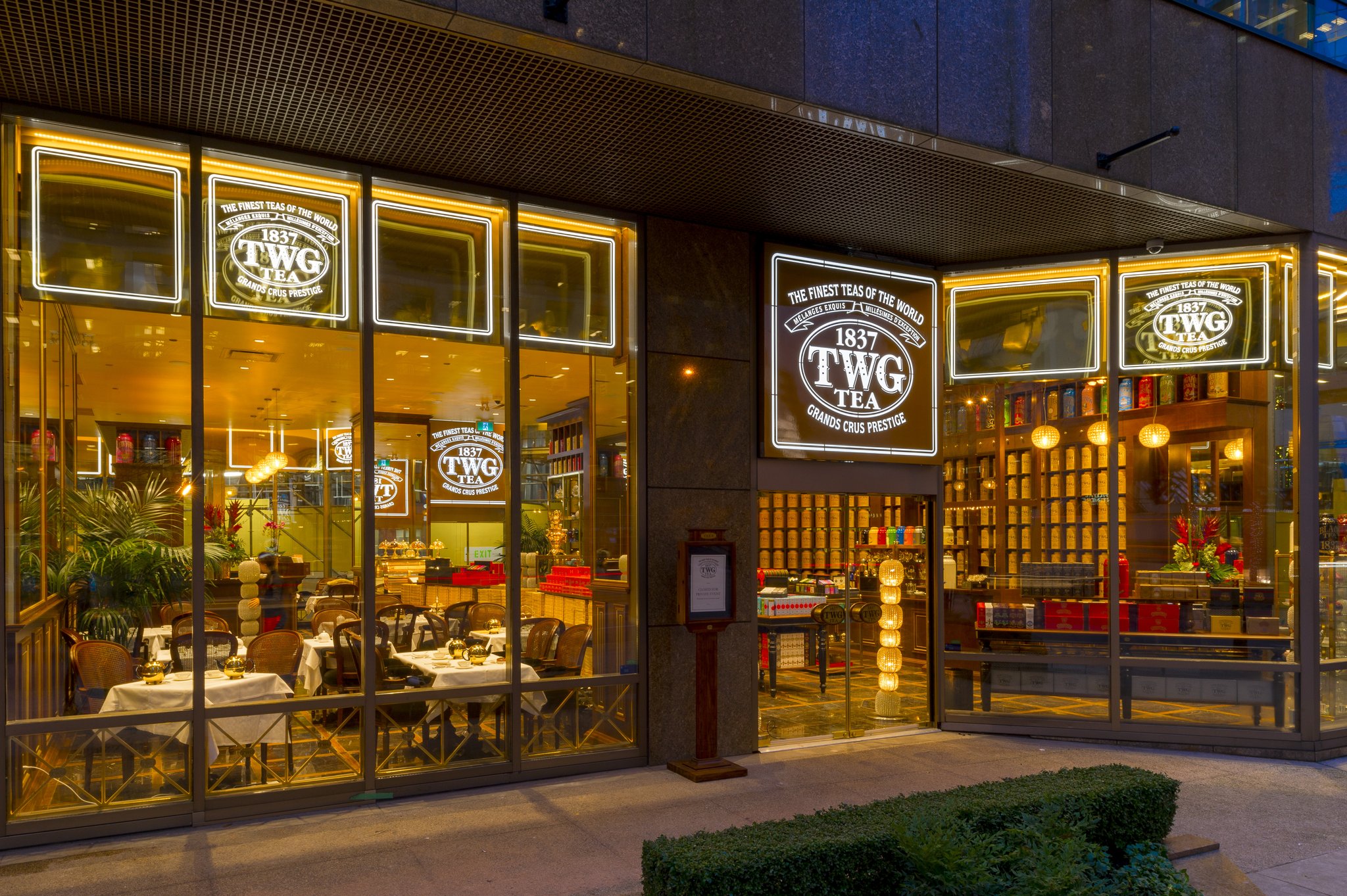
    TWG Tea operates 68 ‘Tea Salons’ and boutiques in 19 countries and has nine online ‘flagship stores’.

  • TWG celebrates 10th anniversary by store opening

    TWG celebrates 10th anniversary by store opening

    Tea WG has announced its launch in Europe in conjunction with its 10th anniversary.

    The luxury tea brand will open two Tea WG Salons & Boutiques in London at Knightsbridge and Leicester Square, achieving the distinction of being the first luxury tea brand to emerge from Asia in the UK market.

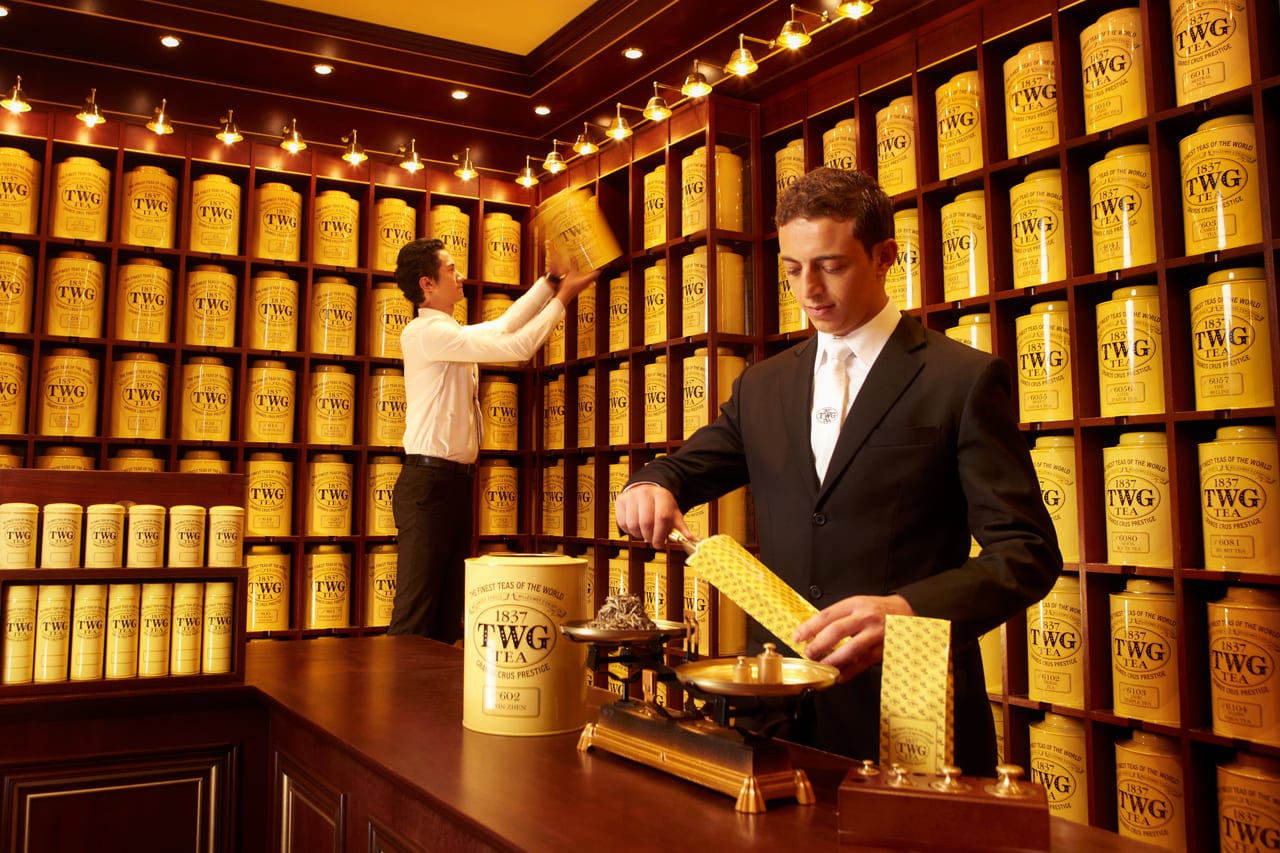
    Both new venues are opening in heritage buildings and include retail boutiques, patisserie counters and tea salons with refined, luxurious interiors designed and conceived by Taha Bouqdib. The concept salons showcase more than 800 of Tea WG’s signature harvests and tea blends, as well as its tea gastronomy, tea accessories and tea-infused foods.

    The brand was originally established in Singapore in 2008 as a luxury concept that incorporates unique and original retail outlets, exquisite tea rooms and an international distribution network to professionals.

  • Twinings enters Myanmar

    Twinings enters Myanmar

    Stephen Twining, a member of the 10th generation of the family that has churned out the premium tea for 310 years, was at the official launch in Myanmar on August 5. He said Myanmar offered a opportunity for high growth, with a large tea-drinking population.

    “Tea is well-loved in Myanmar, so it makes absolute sense for Twinings to be here. I am delighted to experience Myanmar’s unique culture and our shared passion for tea,” he said.

    “Twinings never accepts anything less than perfect. Today, Twinings tea is enjoyed by millions in 116 countries worldwide, including Myanmar.”

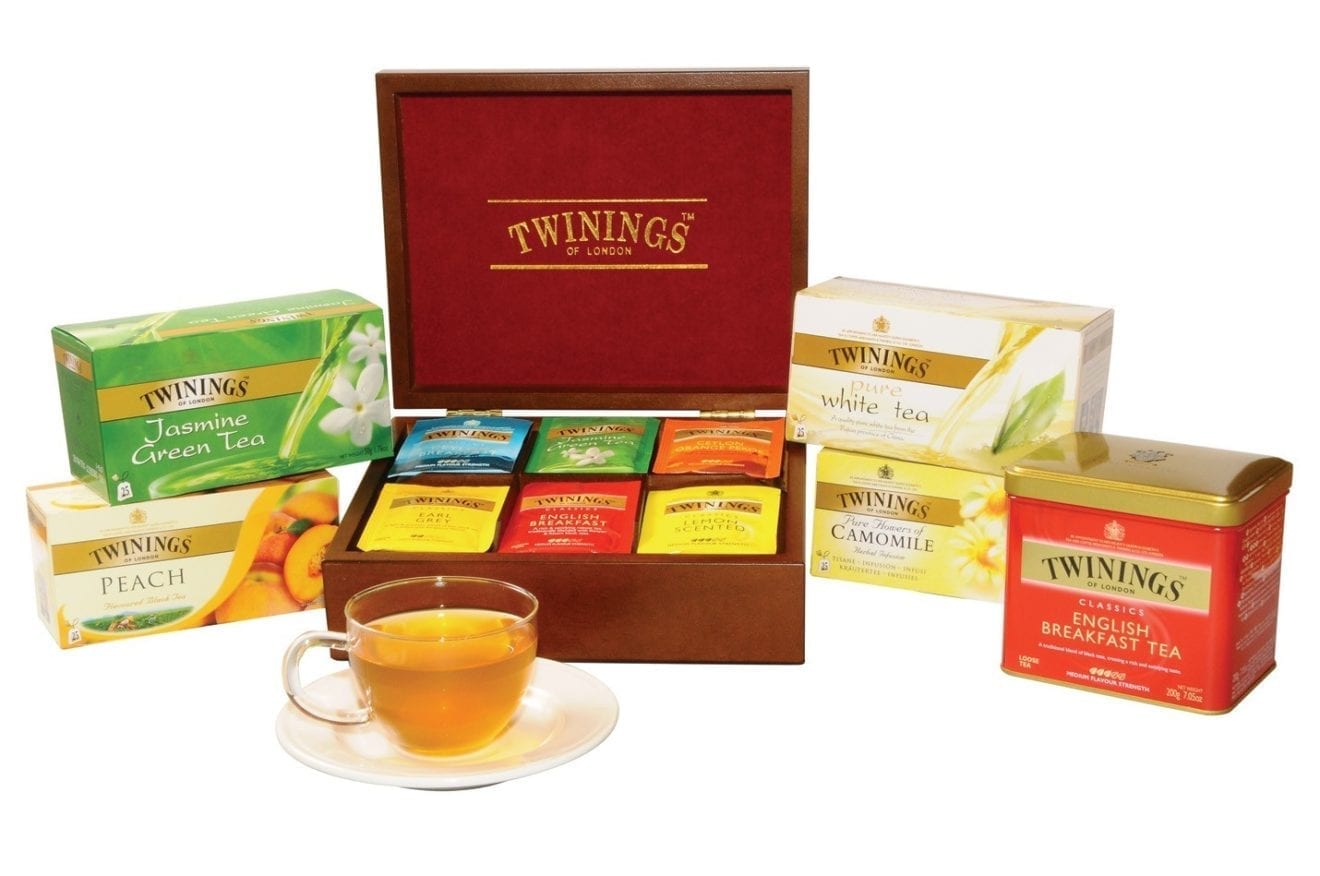
    Five labels will be available in the market – Earl Grey, English breakfast, jasmine green tea, pure camomile and pure peppermint.

    Market research was conducted before the official launch and the company decided to award the distribution rights to AB Food |& Beverages and Premium Distribution. The products are now available in supermarkets and gourmet stores in major cities and destinations including Yangon, Mandalay, Nay Pyi Taw, Bagan, Taunggyi, Inle, Ngapali and Mawlamyaing – major destinations for both local and foreign tourists.

    Twining believes that the demand for high-quality tea will rise as the country opens up.

    “We certainly see good prospects here in Myanmar. We will be targeting top hotels. I know Myanmar received nearly 5 million tourists last year. That is also expected to grow a great deal in the coming years. And we will also be looking to partner with supermarkets,” he said.

    Twining said the company would focus on maintaining quality rather than thinking about competition. He believes in taking early-bird advantages.

    “I think we are the first premium fine-quality tea company here. And we will continue to actively promote ourselves. We are working with our retail partners to reach everywhere” in Myanmar, he said.

    Twinings will open a tea parlour in Myanmar in the years to come, as it did in Bangkok.

  • Takashimaya Vietnam opens doors

    Takashimaya Vietnam opens doors

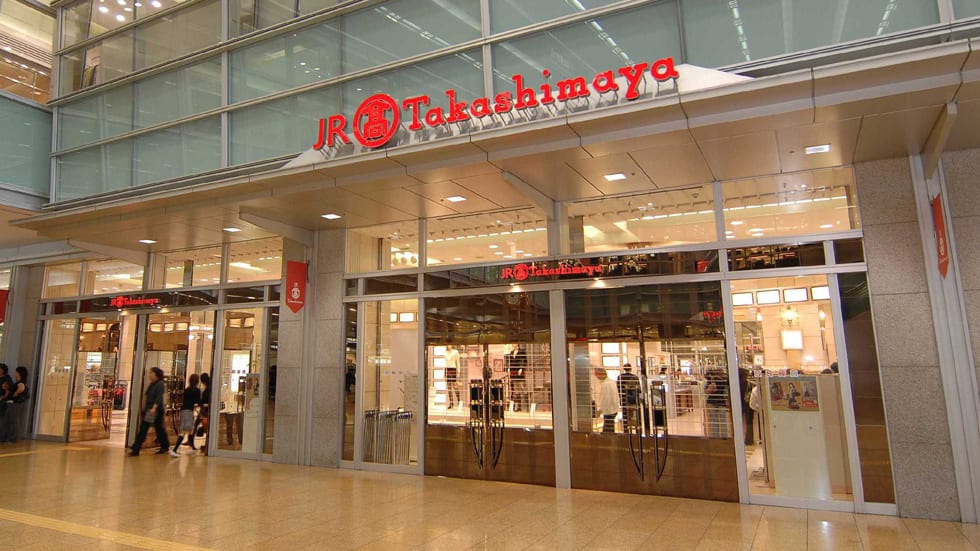
    Three years after the Japanese luxury department store chain announced plans to enter Saigon, Takashimaya Vietnam opened its doors at the weekend.

    As the anchor tenant of  downtown Ho Chi Minh City’s Saigon Center, Takashimaya takes up a whole five floors making it by far the nation’s largest department store – and likely its most expensive.

    The first impression that the department store makes is its spacious interior. Concessions to brands have been arranged to leave unusually wide aisles – ensuring the store was comfortable even on its crowded grand opening day.

    Takashimaya Vietnam - interior

     The central atrium of the expanded Saigon Center featuring Takashimaya’s first Vietnam store.

    The first floor of Takashimaya houses the food maison, most of which is filled by Japanese F&B brands such as Minamoto Kitchoan, Gyumaru, Azabu Sabo, Yamazaki and Suizan. Some tea brands make their way into that space, including Vietnam’s own Phuc Long, Singapore’s TWG tea, and B Tea.

    Targeting the high class consumers in Saigon and Vietnam, Takashimaya has chosen carefully the brands to appear in their stores, including luxury brands coming to Vietnam the first time, complemented by the high level of customer service Takashimaya offers elsewhere in the world.

    Takashimaya Vietnam

    The second floor is exclusively for ladies with international fashion names such as Banana Republic, Bebe, Bonia, Braun Buffel; footwear from Clarks, Geox, Cole Haan; bags from Carlo Rino, Cromia; and Furla with its first flagship in Vietnam after years being distributed by Ha Vang company.

    The rest space is occupied by cosmetics brands, including Korean labels Skinfood, which marked the store’s opening with a special event ‘Makeup Style for Your Summer’.

    Takashimaya Vietnam - Skinfood

    “We offer free makeup and manicure for our customers for two days. Besides, when they buy our products, they will receive a gift set,” said Kieu Oanh, senior PR & marketing executive of Skinfood Vietnam.

    For women, the excitement continues on the next level of Takashimaya: a heaven of luxury cosmetics, jewelleries and fragrances. Christian Dior is prominently located at the front, with rival Lancome opposite. Lancome also opened its own ‘Lancome Cafe’ – a style boutique, where women can take free makeup lessons and receive gifts for the best ‘artwork’.

    Takashimaya Vietnam - Lancome

    Other brands include Bobbi Brown, Shiseido, Estee Lauder, Swarovski, and Mac.

    Takashimaya Vietnam - Yves Rocher

    The next floor features international fashion and cosmetics brands including Diane von Furstenberg, Hugo, Versace and Paul & Shark, along with restaurants and cafes. This level has a rest space with some chairs for visitors arranged around a huge grey pillar.

    Takashimaya Vietnam - Diane von Furstenberg

    Local luxury multibrand retailer Runway comes back after closing its store in Vincom Center in March. As usual, it has a large space in the center, gathering all women’s favourite brands with modern and elegant designs.

    Takashimaya Vietnam - Runway

     The new Runway store replaces the local multi-label luxury brand’s previous space at Vincom. 

    Another highlight is the ready-to-launch space of women handbags Kate Spade New York. That outlet is expected to open soon.

    Takashimaya Vietnam - Kate Spade

    Coming soon: Kate Spade.

    The last level of Takashimaya is filled with men’s fashion and casual wear and children’s clothing and toys. Tommy Hilfiger has the largest outlet here, opposite the first authentic Fred Perry store.


    With more than 180 years of experience and US$290 million investment, it is expected that Takashimaya will not only take Vietnamese shopping to a higher level but also mark a turning point for economic development and quality retail in Vietnam.

  • Osim struggles in ‘soft market’

    Osim struggles in ‘soft market’

    Health appliance retailer Osim says its core business is helping it maintain stable gross margins in a retail market it described as “soft” throughout the region.

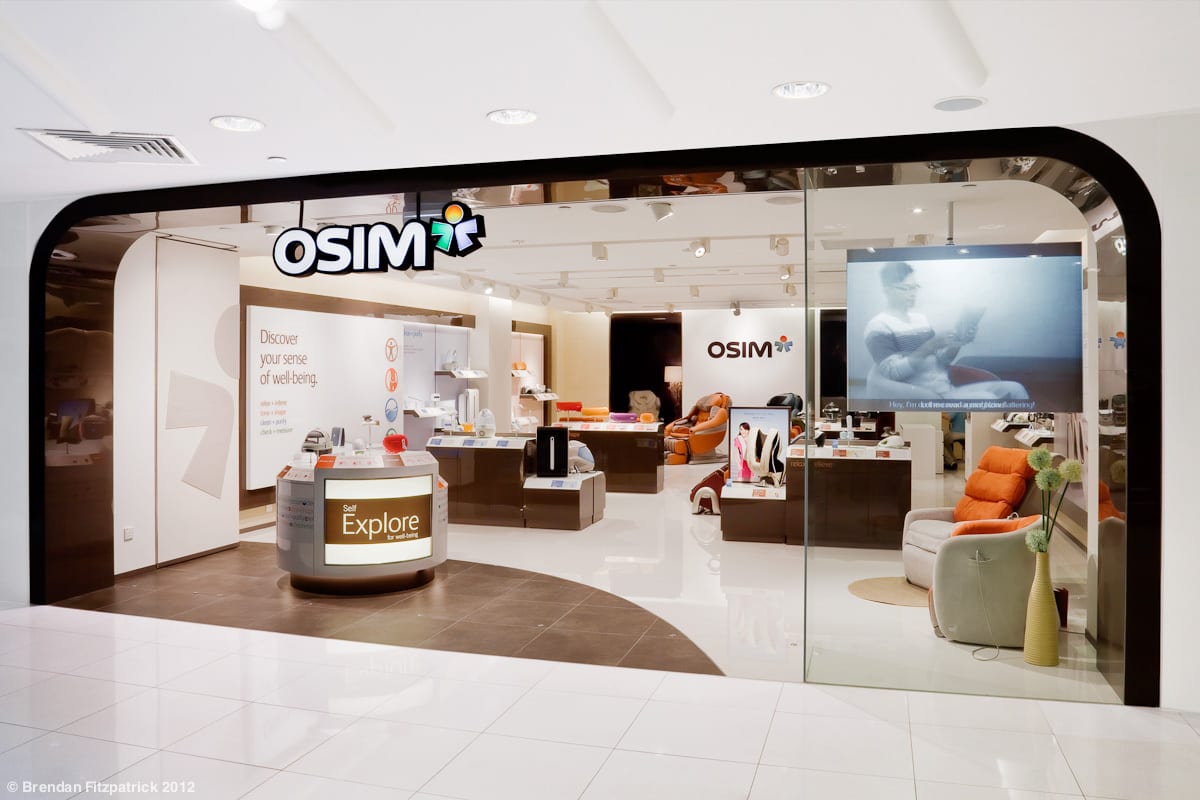
    Osim’s core is its 546-strong chain of Osim branded stores in 23 countries, which sell therapeutic devices including massage aids. Nearly half of those stores are in Mainland China.

    The company also operates 214 GNC/RichLife stores and 49 TWG Tea cafes with three more planned to open by the year’s end.

    Osim said last week its third quarter sales were S$142 million and profit before tax $10 million. But during the last nine months it has incurred legal fees of $7 million relating to its TWG Tea operation.

    “This has been another challenging quarter where retail sales across the core countries have been soft. This quarter has seen further challenges from gyrating markets and currency turmoil in the region,” the company said in last week’s filing.

    “Despite these challenges, our dominant brand has enabled us to maintain a stable gross margin and cash generative business with cash and cash equivalents growing again in the quarter. We are using our strong balance sheet to invest in new products and continuing our marketing activities.”

    The company expects trading conditions to remain challenging in the short term but says it is cautiously optimistic about its prospects for the remainder of the financial year following the launch of uMagic in key markets and other upcoming planned product launches.

  • Osim mulls ‘challenging’ quarter

    Osim mulls ‘challenging’ quarter

    Singapore based lifestyle products retailer Osim says trade across all its core markets were soft in the last three months.

    “This has been another challenging quarter,” the company said, declaring sales of SG$159 million and a profit of $29 million.

    “Despite these challenges, our dominant brand has enabled us to maintain a stable gross margin and cash generative business. We are continuing to invest for growth supported by a strong balance sheet.”

    Osim has 560 retail stores in 23 countries, with China maintaining its place as its largest market, where it has 251 stores in 45 cities.

    New products including uMagic, uInfinity Luxe, uDiva, uHip, uSqueez Air, uTrek and uShape Music helped sustain Osim’s dominant position in the category.

    “Our GNC outlets are doing well. We have a total of 220 GNC/RichLife outlets in ONI Global

    and we are growing our sales through new product launches,” the company said.

    Osim also operates 47 TWG Tea outlets, having opened four new ones in the quarter and with plans to open a further 11 in the second half of the year.

    “We remain optimistic on the prospects for the remainder of the year following launch of uMagic in key markets and upcoming planned product launches,” the company said in its stock exchange filing.

  • TWG success: like selling ice to Eskimos

    TWG success: like selling ice to Eskimos

    In just seven years, Singapore tea house chain TWG has expanded from a single cafe to a network of 44 spanning 15 countries. From three employees to 3000.

    In an interview with Channel NewsAsia for its Women at the Top series, TWG co-founder Maranda Barnes described her success as akin to selling ice to Eskimos: last year the company opened its first store in China, the world’s most populous nation of tea drinkers.

    Barnes had a background in luxury retailing prior to founding TWG, experience working with fragrances and high-end fashion brands preparing her well for marketing upmarket teas.

    “I knew about luxury packaging,” she told ChannelNews Asia. “I knew how you are supposed to talk about luxury products, how important the ceremony was and these small little details.”

    But she says it was still a challenge tackling Asian markets.

    “In the beginning, it was a bit of a scary challenge because it was like selling ice to the Eskimos. Here we are, coming from overseas to sell a product to Asia and the Asians are the connoisseurs of tea. But at the same time, I sometimes feel like it takes a foreigner to see the value and the beauty in a product that has become very mundane.”