Tag: UberEats

  • Deliveroo heads to India

    Deliveroo heads to India

    UK food-delivery startup Deliveroo is preparing to launch in India.

    Valued at US$2 billion, the company is hiring a country head along with a full team, insiders say, according to The Times of India. It will go head to head with local players like Swiggy and Zomato as well as comparatively new entrant UberEats. Ola has also re-entered the category by acquiring Foodpanda from Delivery Hero.

    Founded in 2013 by former investment banker Will Shu, Deliveroo works in 140 cities across 13 countries, including Hong Kong and Singapore.

  • Fast food outpaced in new delivery boom

    Fast food outpaced in new delivery boom

    Restaurants are cashing in on the food delivery boom driven by the likes of Deliveroo and UberEATS, as the fast food industry proves slow to adapt.

    Financial researcher IBISWorld forecasts revenue growth of two per cent for the restaurant industry in 2017/18, with the combined takings of 28,252 businesses to reach $21 billion.

    IBISWorld expects that growth to reach 5.8 per cent in 2018/19, and revenue to surpass $30 billion in 2021/22.

    Revenue for fast food establishments is forecast to rise by only 1.2 per cent in 2017/18, to $19.5 billion, while growth for cafes is forecast to be 0.8 per cent, to $8.1 billion.

    Senior IBISWorld analyst Bao Vuong says food delivery apps including UberEATS, Deliveroo, Menulog and Foodora have changed the way time-poor customers dine, and how restaurants are run.

    They allow customers to search beyond cuisine, price or rating, filtering options based on how quickly the food can be delivered, how close a restaurant is to their location, or whether delivery is free.

    Vuong said some businesses have created delivery-only menus, pop-up shops without tables and seating, or separate pick-up counters for delivery drivers to cater to the growing trend.

    The researchers found only a quarter of fast food restaurants have integrated new ordering and delivery platforms, and low revenue growth is a result of their lukewarm response to the innovative business methods.

    McDonalds and KFC secured partnerships with UberEATS and Foodora respectively in June, Vuong said, despite both delivery applications launching in Australia in early 2016.

    Red Rooster also recently appeared on Menulog, moving out of its suburban stronghold to feed customers in inner-city Sydney and Melbourne for the first time.

    The new platforms have also prompted fine dining businesses – 39 per cent of Australia’s restaurants – to lift.

    “Small tweaks such as improved customer service and enhanced ambience through lighting and increased customer interaction with chefs can go a long way towards combating these apps,” Vuong said.

    In addition, hatted eateries including Sake (Sydney, Brisbane, Melbourne), Three Blue Ducks (Sydney) and Esquire (Brisbane) have all launched on UberEATS with scaled-down menus.

    “The outlook for fine dining restaurants is strong because they place a premium on taste, while new ordering and delivery platforms mainly focus on convenience and price,” added Vuong.

  • UberEATS finds big potential in South Korea food delivery market

    UberEATS finds big potential in South Korea food delivery market

    UberEATS, a food delivery service app run by ride-sharing pioneer Uber Technologies Inc., finds big growth potential in South Korea’s food delivery market due to its advanced wireless networks and growing orders on mobile phones, a senior company executive said.

    The U.S.-based business launched its UberEATS service in Seoul in August 2017,. The service is already available in 112 cities across 28 countries, where it has 60,000 restaurant partners.

    “Seoul is a perfect place for UberEATS. We find South Korea’s fastest internet speed really helpful for our business here. We are looking to expand our business in a few more regions in Seoul at least within this year,” Jaycee Lam, general manager of UberEATS North Asia, said.

    The executive did not elaborate on the names of the additional regions in Seoul. UberEATS service is now available in Itaewon and Gangnam, two downtown districts in the capital city.

    As for other possible cities, he only said there are growing requests from local customers to launch the UberEATS service in cities such as Busan, a southern port city, and the scenic Jeju Island.

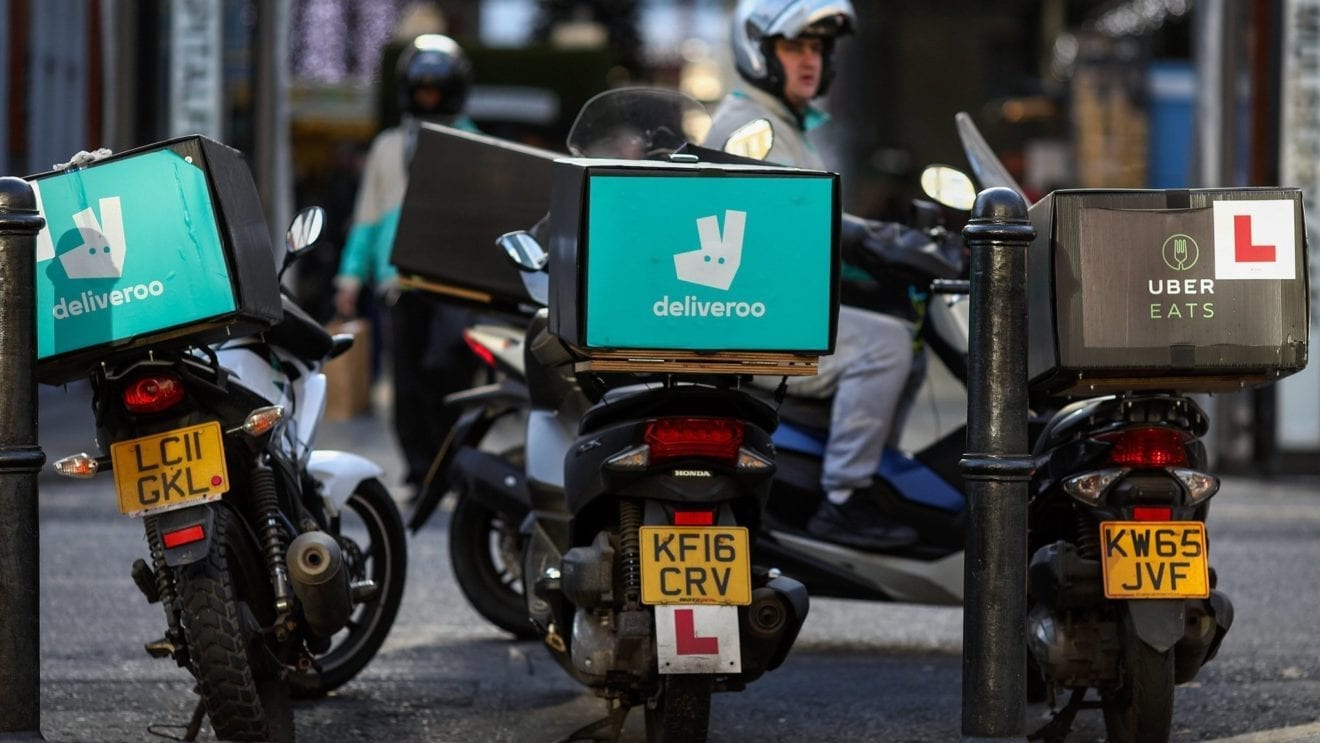
    In the past four weeks, more than 200 restaurants have signed up to UberEATS, with more expected to jump on board. Partners deliver food using their own bicycles, scooters or cars and receive a fee from Uber.

    The majority of the food is delivered within 35 minutes to customers and free of charge for the time being as part of a promotion. But the company plans to receive a flat 3,500 won (US$3.00) delivery fee per order from customers, the general manager said, without giving any a specific time frame.

    To differentiate itself from local rivals such as Baedal Minjok and Yogiyo, UberEATS will focus on selecting the best restaurants and providing its customers with an insightful analysis of their businesses and industry outlook in a win-win strategy, he said.

    The UberEATS service was first launched in Toronto, Canada, in 2015 to deliver restaurant meals on-demand to homes and offices.

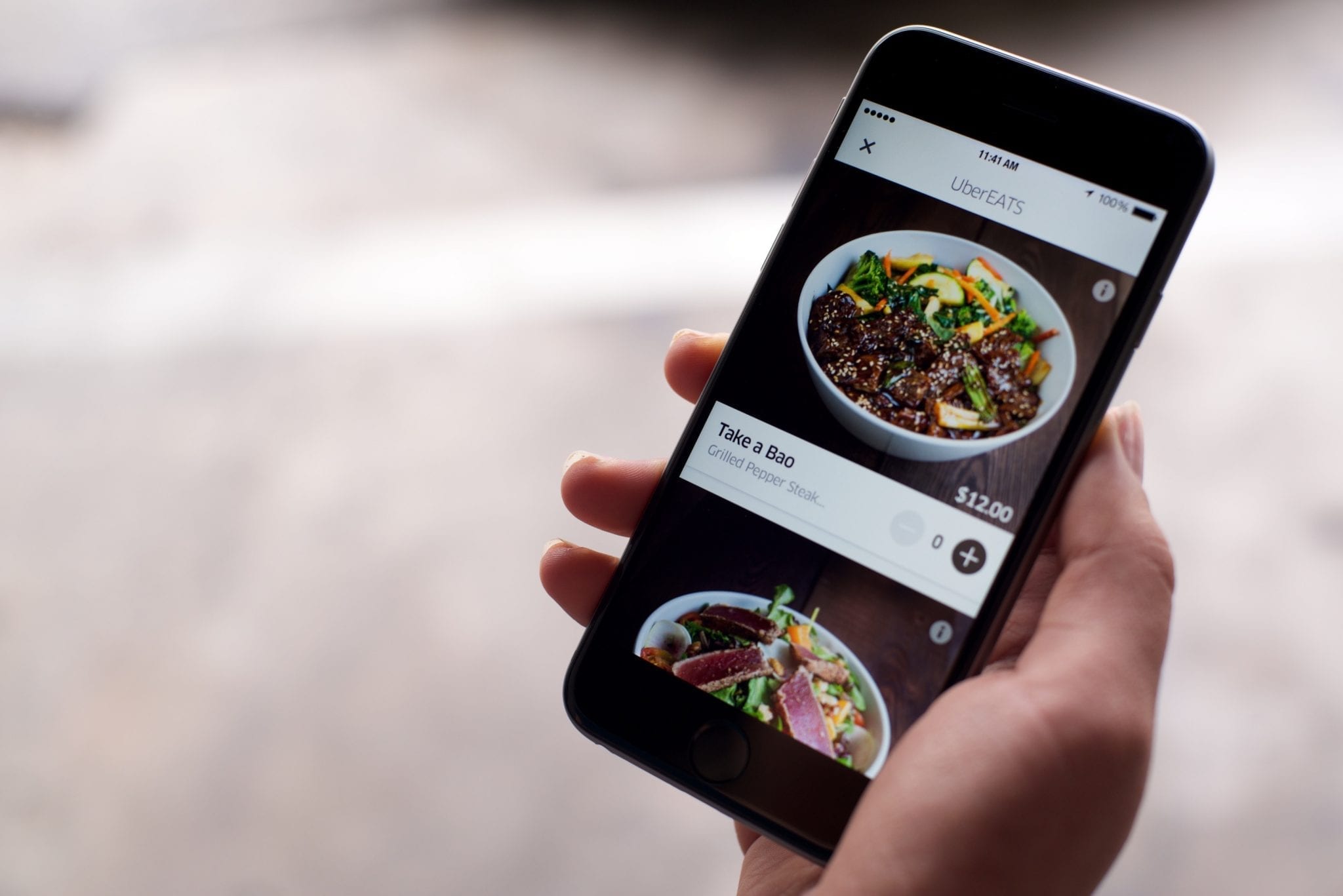
    The app-based service works like its ride-sharing sister app Uber. When an UberEATS app user orders food from a restaurant on his mobile phone, the restaurant calls a nearby delivery partner and asks him to collect the food when ready and deliver it right to the door of the user.

    UberEATS’ launch here is part of Uber’s commitment to South Korea’s US$14 billion food delivery market, the general manager said, expecting UberEATS to make the pie a lot bigger.

    “Since we have launched our transportation (or ride-sharing) business in Korea, we always think about what is the best way for Uber to keep being involved in the market deeper and then contribute here. UberEATS is one of the options that we can run in the ‘promising and fast-growing’ market,” the executive said.

    Still, a lack of awareness of the UberEATS service is the one area that can be improved in South Korea, he said.
  • UberEats Korea launch imminent

    UberEats Korea launch imminent

    App-based ride service provider Uber Technologies says it is planning to launch its on-demand restaurant delivery service UberEats in South Korea.

    UberEats Korea will partner with restaurants, with ordering conducted on the company’s web site or with a smartphone app.

    “The company is preparing the local launch of UberEats,” said a spokesman for Uber Korea, the local unit of Uber, on the condition of anonymity. “But at the moment, we have not decided on the exact launch date.”

    Industry sources expect the UberEats Korea delivery service to be introduced within the year.

    UberEats Korea is expected to join other local delivery apps such as Yogiyo, FoodFly and Baedal Minjok. Baedal Minjok is the market leader with more than 50 per cent market share, followed by Yogiyo and Baedaltong, which are both owned by Germany-based Delivery Hero.

    Ordering food by phone is commonplace in South Korea. However, delivery apps have become increasingly popular and now take up nearly 15 per cent of the total food delivery market which is estimated at around 12 trillion won (US$10.5 billion) annually.

    UberEats was launched as a delivery pilot in Los Angeles in 2014. Since then, it has expanded to 58 cities. The service also exists in other major Asian cities including Bangkok, Tokyo and Taipei.

  • UberEats Asia expands to Bangkok

    UberEats Asia expands to Bangkok

    UberEats Asia has introduced its stand-alone food-delivery app UberEats to Bangkok.

    It initially covers 100 restaurants and 24 cuisines, and users can track their orders from the moment they are placed until they arrive at their doors.

    “This app offers a window into what the future competition in the food-delivery industry could look like,” says UberEats Asia-Pacific GM Allen Penn. UberEats Asia is a business unit of US-based Uber Technologies.

    Already delivering food in Thailand are Berlin-based Foodpanda, Singapore-based GrabEat and Tokyo-based Line Man.

    After downloading the app, UberEats customers can order a meal and have it delivered in 30 to 45 minutes. The limited initial service areas include Asok, Chinatown, Ekamai, Nana, Pathumwan, Ploenchit, Phrom Phong, Sathorn, Silom and Thong Lor.

    The service will be available 10am to 10pm daily with no minimum price per order.

    “Bangkok has fantastic cuisine and the city has a large population with a strong base of smartphone users,” says Penn. “Most importantly, Thai people love to eat.”

    Bangkok is one of 57 cities in 20 countries where UberEats is available. It is the fifth city in Asia where Uber has launched its food delivery service, following Singapore, Tokyo, Hong Kong and Taipei.

    In other countries, UberEats restaurant partners have increased revenue by up to 50 per cent, says Penn.

  • Uber Japan about to launch UberEats

    Uber Japan about to launch UberEats

    Uber Japan is about to launch UberEats, with advertisements for bicycle and motorcycle delivery positions appearing on its Japan Facebook page last week, as well as a related video.

    An UberEats Japan website is already up, but only with a link for Tokyo restaurants to register.
    Launched in March, UberEats is available in 28 cities internationally.

    Generally, Uber has struggled in Japan, reports Tech in Asia. As regulations prevent drivers from accepting money from passengers in a private vehicle, Uber works more like a taxi. Its trial program in Fukuoka last year was shut down for paying drivers, and protests from taxi companies have prevented similar trials in other regions. There was also backlash from the taxi industry when Toyota invested in Uber this year.

    However, non-professional drivers can accept payments in areas where public transport is not available. Uber took advantage of this by launching a service with a non-profit organisation in Kyotango city.