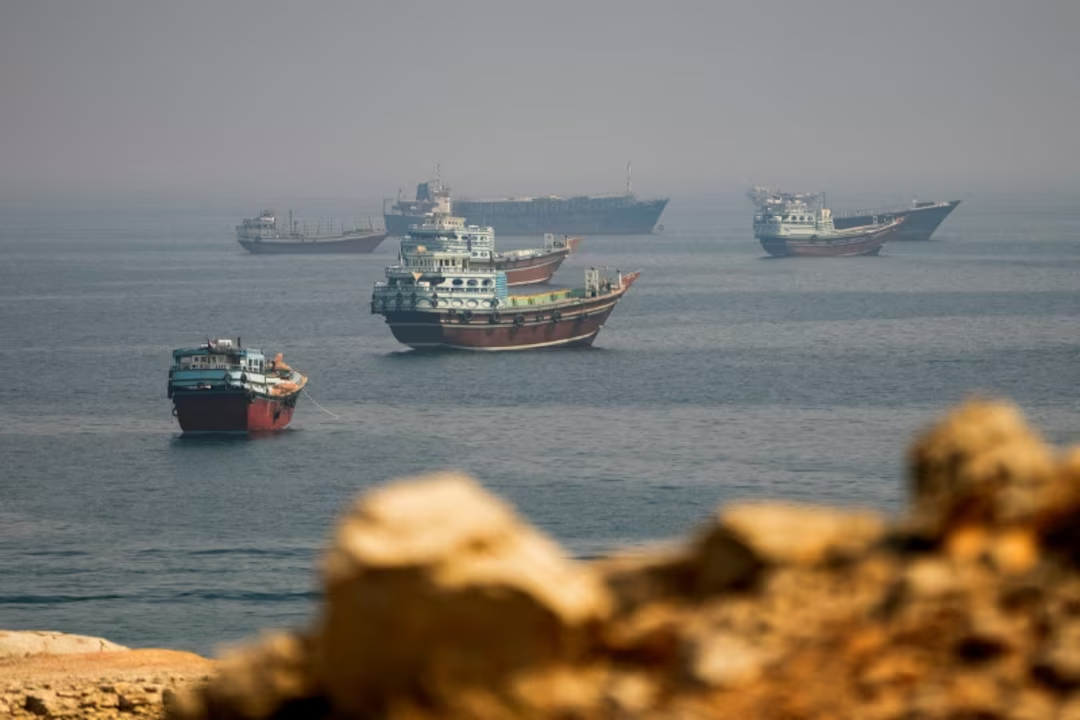
Pakistan is among the worst-hit nations by liquefied natural gas disruptions following the closure of the Strait of Hormuz, with the fuel accounting for about 30 percent of the country’s total gas supply.
Qatar and the UAE supply about 99 percent of Pakistan’s LNG, primarily for power generation, fertiliser production, and industrial use, according to a report released by Gastech Conferences at its 54th annual event.
Severe Exposure to Middle East Chokepoints
The supply shock, triggered by Middle East conflict involving Israel, the United States, and Iran that began in February, has led Universal Gas Distribution Company Chief Executive Officer Ghiyas Abdullah Paracha to pursue gas storage and supply talks with international firms.
To plug the immediate deficit, policymakers are reviewing plans to accelerate utility-scale solar installations, wind projects, and commercial rooftop panels paired with battery storage. Islamabad is also weighing domestic coal, hydropower, and nuclear facilities to keep base-load electricity running.
Industrial Disruption and Grid Agility
Higher fuel import costs mean immediate surges in operating overheads for factory operators and supply chains across South Asia. Power tariffs will climb as utilities scramble to buy alternative liquid fuels or burn costlier feedstocks. That pressure falls directly on industrial users, textile mills, and fertiliser producers that depend on stable pipeline pressure to maintain export schedules.
Regional planners are now assessing measures to expand strategic fuel reserves for power plants and road transport networks. The crisis has also accelerated talks on regional power-sharing frameworks and cross-border electricity trading to cushion against sudden transit halts.
“We have got understanding with some companies that have shown interest in building gas storage facilities in Pakistan. Some companies have shown keen interest in long-term LNG contracts with UGDC,” Paracha said.
Private Sector Storage and Market Reforms
Universal Gas Distribution Company Chief Executive Officer Ghiyas Abdullah Paracha met global infrastructure developers at the Bangkok summit to negotiate foreign-backed storage terminals. Pakistan lacks commercial gas storage capacity. That absence leaves the network vulnerable to day-to-day shipping schedules and vessel arrival delays.
This push coincides with Islamabad’s broader deregulation, which opened the state-dominated transmission network to private gas distributors and direct terminal access. Private participation unbundles procurement from sovereign balance-sheet constraints. It allows industrial consortiums to contract their own import quotas directly.
Shifting the Long-Term Generation Mix
Military tensions involving Israel, the United States, and Iran disrupted Persian Gulf transit lanes starting in February. Pakistan had previously restructured sovereign purchase deals with Gulf suppliers to lower payment defaults. Physical route closures bypassed those commercial contracts entirely.
Attention turns to whether Islamabad can secure formal financing commitments for planned LNG storage terminals and finalize supply arrangements before the winter peak-demand window opens.