Tag: ulta beauty

  • China’s Proya Cosmetics Enters US Market with Ulta Partnership

    China’s Proya Cosmetics Enters US Market with Ulta Partnership

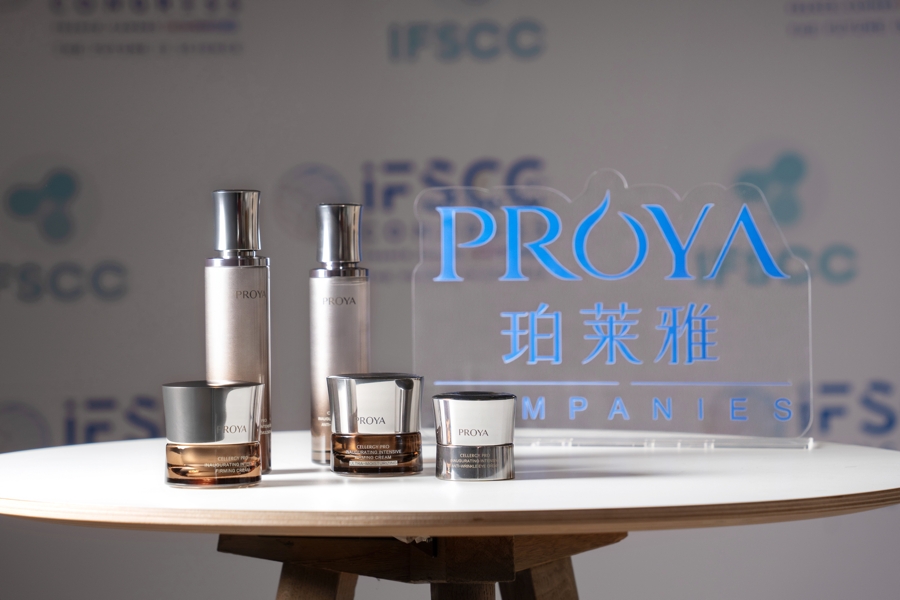
    China’s largest cosmetics firm, Proya Cosmetics, is preparing to enter the United States market through a partnership with Ulta Beauty. The collaboration will see two of Proya’s product lines distributed across 400 Ulta retail locations and its online platform, marking a significant step in the company’s international expansion strategy.

    This initiative comes as Proya faces intense competition within its domestic Chinese market, prompting the company to seek growth opportunities abroad. While Chinese beauty brands rarely achieve mass distribution in Western markets, this partnership with Ulta represents a notable effort to penetrate a major retail channel.

    Strategic International Expansion

    The move into the US follows Proya’s successful test of a similar business model in Southeast Asia. In April, the Hangzhou-based company signed an agreement with Guardian, Malaysia’s leading beauty and personal care chain. This deal has made Proya’s flagship products gradually available in more than 200 Guardian brick-and-mortar stores across Malaysia, demonstrating a phased approach to international market entry.

    Proya’s focus on international and multi-brand expansion is evident in its recent acquisitions, including a 51% majority stake in the popular brand Flower Knows for approximately €45 million. Despite these strategic moves, Proya Cosmetics reported operating revenue of 10,597 million yuan (about $1.5 billion) in fiscal year 2025, a slight year-over-year decline of 1.68%. This dip highlights the pressures within China’s beauty sector and the need for new growth avenues.

    Implications for Asian Beauty Brands

    The partnership between Proya and Ulta is unusual. Historically, Chinese beauty brands like Florasis and Flower Knows have found success in Western e-commerce channels but have struggled to secure significant market share against established players such as L’Oréal or Estée Lauder in physical retail. Proya’s direct entry into mass distribution via Ulta could set a new precedent for how Asian beauty brands approach Western markets.

    For Asian retailers and investors, this development signals the increasing maturity and ambition of Chinese consumer brands. It also underscores a broader trend where companies from the Asia-Pacific region are actively pursuing global expansion to diversify revenue streams and build brand recognition beyond their home territories. Such collaborations demonstrate a growing receptiveness in Western retail to products and brands originating from Asia, potentially paving the way for more partnerships of this nature.

  • C-Beauty Brands Accelerate Global Expansion with State Support, as K-Beauty Shifts Focus

    C-Beauty Brands Accelerate Global Expansion with State Support, as K-Beauty Shifts Focus

    Chinese cosmetics companies are significantly accelerating their global expansion, backed by a thriving domestic market and increasing institutional support from Beijing. This surge sees major C-beauty players establishing a strong presence in international markets, shifting the competitive market for beauty brands in Asia and beyond. This aggressive push comes as South Korean beauty brands, or K-beauty, are experiencing a decline in their long-standing dominance within the Chinese market, prompting them to explore new growth regions.

    Chinese Beauty’s Global Offensive

    Proya, China’s largest cosmetics firm, is making a significant move into the US brick-and-mortar retail sector. Following its initial online sales success, Proya is partnering with Ulta Beauty to introduce two of its skincare lines across approximately 400 stores and Ulta’s online platform starting in November. This expansion is part of Proya’s ambitious “Double-Ten” plan, aiming to become one of the world’s top ten cosmetics companies within the next decade. The company has also bolstered its offline network in Southeast Asia, including a major campaign with Guardian in Kuala Lumpur, and acquired a 51% stake in color cosmetics brand Flower Knows, which already operates in markets such as the US, Japan, South Korea, and Southeast Asia.

    Other Chinese brands are also aggressively pursuing international growth. Florasis is using traditional Chinese aesthetics to enter premium markets in Japan and Europe, initially through online channels like Amazon, Shopee, and Lazada, before moving into upscale physical retail. Judydoll built its international customer base via Shopee and TikTok Shop, then accelerated its offline presence, including entry into about 12,000 FamilyMart stores in Japan, becoming the first Chinese color cosmetics brand in that country’s convenience-store channel. Perfect Diary, under Yatsen Holding, quickly became a leading online cosmetics brand across Southeast Asia via Shopee and has expanded its global platform through acquisitions of European brands Galénic and Eve Lom, with plans for further supply-chain integration and overseas market expansion.

    Domestic Strength and Government Backing

    The robust performance of the Chinese domestic cosmetics market is a key enabler for this international expansion. Chinese companies have developed economies of scale, brand recognition, and product expertise at home, providing a strong foundation for global ventures. Despite a broader economic slowdown, China’s cosmetics retail market showed significant growth, with sales reaching approximately $4.20 billion in July, a 6.8% year-on-year increase. Cumulative sales from January to July rose 6.3% to about $40.16 billion, significantly outpacing overall retail sales growth. This strong momentum has been highlighted by the Ministry of Commerce and the China National Commercial Information Center, classifying cosmetics as a consumption-upgrade product with strong demand.

    The Chinese government is actively supporting the domestic cosmetics industry. The National Medical Products Administration (NMPA) recently issued new regulations aimed at promoting innovation and high-quality development. These changes simplify licensing and registration processes for new products, including exemptions from certain toxicity tests and reduced requirements for submitting product documentation. Companies can now reuse existing test data when shifting production locations and choose their own efficacy assessment methods for certain claims, reducing regulatory hurdles and fostering a more agile environment for product development and market entry.

    K-Beauty’s Strategic Re-evaluation

    As Chinese beauty brands gain momentum, the long-standing influence of K-beauty in China is diminishing. South Korean cosmetics giants like Amorepacific (Sulwhasoo, Laneige, Innisfree) and LG Household & Health Care (The History of Whoo) once thrived on the Korean Wave and demand from Chinese tourists and daigou resellers, with China accounting for 53% of South Korea’s cosmetics exports in 2021. However, boycotts, reduced exposure to Korean pop culture, and the impact of the COVID-19 pandemic on duty-free sales have significantly weakened K-beauty’s position. Chinese domestic brands, bolstered by social media marketing and patriotic consumption, have effectively filled this void.

    This shift has prompted a strategic recalibration for South Korean firms. Amorepacific’s sales in Greater China fell 27% year-on-year in 2024, with its Americas sales surpassing China for the first time. Similarly, LG Household & Health Care’s North American sales surged 47.3% to approximately $147 million in the second quarter, exceeding its China revenue of about $126 million. Both companies are now focusing on profitability in their Chinese operations while diversifying their growth strategies across markets like the United States, Europe, and Japan. RetailNews Asia has observed similar moves by other regional players, as companies seek to de-risk their reliance on single markets and build more resilient global portfolios.

  • Ulta Beauty on expansion fast track

    Ulta Beauty on expansion fast track

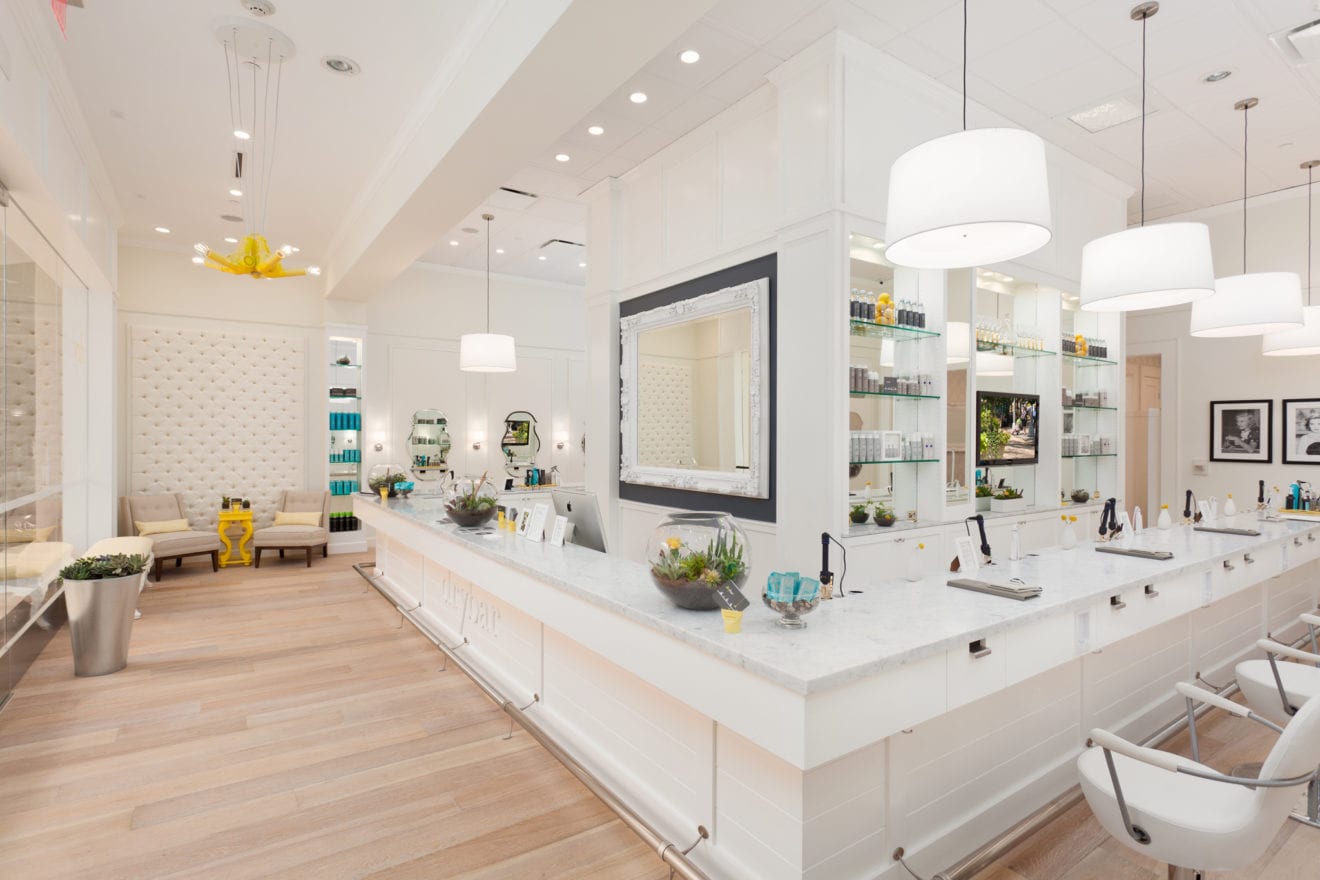
    US retail chain Ulta Beauty is on a rapid expansion program, buoyed by soaring demand for cosmetics.

    In the words of US retail publication Chain Store Age, “no [US] retailer has more momentum right now than Ulta Beauty”.

    In the last financial quarter – to January 31 – the company opened 103 new stores, taking its total network to 874. It has already confirmed another 100 for this year as part of a US$390 million capital expenditure program.

    And it is achieving growth not just by network expansion: same store sales rose 12.5 per cent in the last quarter and it is expect to post double digit growth throughout 2016.

    “We continue to benefit from the powerful combination of strong demand in the beauty category and Ulta Beauty’s highly differentiated offering that propels our business to transcend prevailing trends across the retail landscape,” said Ulta Beauty CEO Mary Dillon.

    Fourth quarter sales reached $1.3 billion and net income increased 23.6 per cent to $107.8 million.

    Full year sales increased 21.1 per cent to $3.9 billion and same store sales increased 11.8 per cent compared to a 9.9 per cent the prior year. Full year profit increased 24.5 per cent to $320 million.

    As well as its swelling store ranks, Ulta Beauty is thriving online: fourth quarter eCommerce sales increased 44.2 per cent to $94.8 million and full year eCommerce sales by 47.5 per cent to $221.1 million.