Retail News CRM

Tag: UN

  • UN calls for “new deal” on mobile broadband

    UN calls for “new deal” on mobile broadband

    The UN Broadband Commission has called for a “New Deal” involving fresh industry collaboration and public-private partnerships to help connect the 5 billion people who lack mobile broadband access.

    At the Broadband Commission for Sustainable Development’s 2017 Spring Meeting in Hong Kong yesterday, participants debated the need for a new deal between all broadband stakeholders to work towards full global connectivity and digital transformation.

    Discussions had a particular emphasis on remote and rural areas – especially in the UN’s list of Least Developed Countries – which represent the biggest challenge for the industry.

    The Commission underlined the need to build an ecosystem with government, with all ministries and the private sector working together for more efficient investment and taxation, as well as issues associated with the cost of spectrum auctions in markets with the widest digital divides.

    “Our central conviction is that broadband and ICTs are critical if we are to achieve the Sustainable Development Goals,” ITU secretary general and Broadband Commission co-vice chair Houlin Zhao said.

    “ICTs underpin vital achievements and modern services in many sectors, and governments and industry must increasingly work together to create the conditions so badly needed to facilitate the growth of broadband for sustainable development.”
  • H&M joins Better Than Cash Alliance

    H&M joins Better Than Cash Alliance

    Sweden’s H&M has become the first global fashion brand to join the United Nations’ Better Than Cash Alliance.

    The retailer says it will encourage its suppliers to pay their workers through mobile money or other digital forms to improve the livelihoods of its workforce, enhance transparency and cut factory costs.

    The Better Than Cash Alliance is a partnership of governments, companies and international organisations aiming to accelerate the transition from cash to digital payments.

    “Digital payments are an efficient and scalable way to improve the lives of the employees of our suppliers,” says H&M social sustainability manager Gustav Loven. “They offer a faster, safer and more transparent way for people to receive their salary, increase financial inclusion and support women’s economic independence.

    “Also, for our suppliers, paying wages digitally can generate savings, increase security and provide more accurate data on wages.”

    Of the 1.6 million people employed along H&M’s supply chain, 65 per cent are women, many with limited access to the financial services they need to create a better life for themselves and their families. Many factory workers worldwide are paid entirely in cash, which entails cumbersome, expensive and dangerous processes for both factories and workers.

    Encouraging suppliers to pay wages through digital channels, such as bank accounts, cards or mobile money, will build on H&M’s sustainability commitment to work with its business partners to promote good working conditions, fair living wages and sustainable economic growth.

    “H&M’s leadership will help inspire other companies in the industry, and beyond, to make the shift to digital payments,” says Better Than Cash Alliance MD Dr Ruth Goodwin-Groen.

    Expanding digital payments to the world’s cotton supply chain could potentially reach 250 million people, including smallholder farmers who have limited access to digital payment systems and financial services in general.

  • DHL, UN hold airport disaster preparedness workshops in Indonesia

    DHL, UN hold airport disaster preparedness workshops in Indonesia

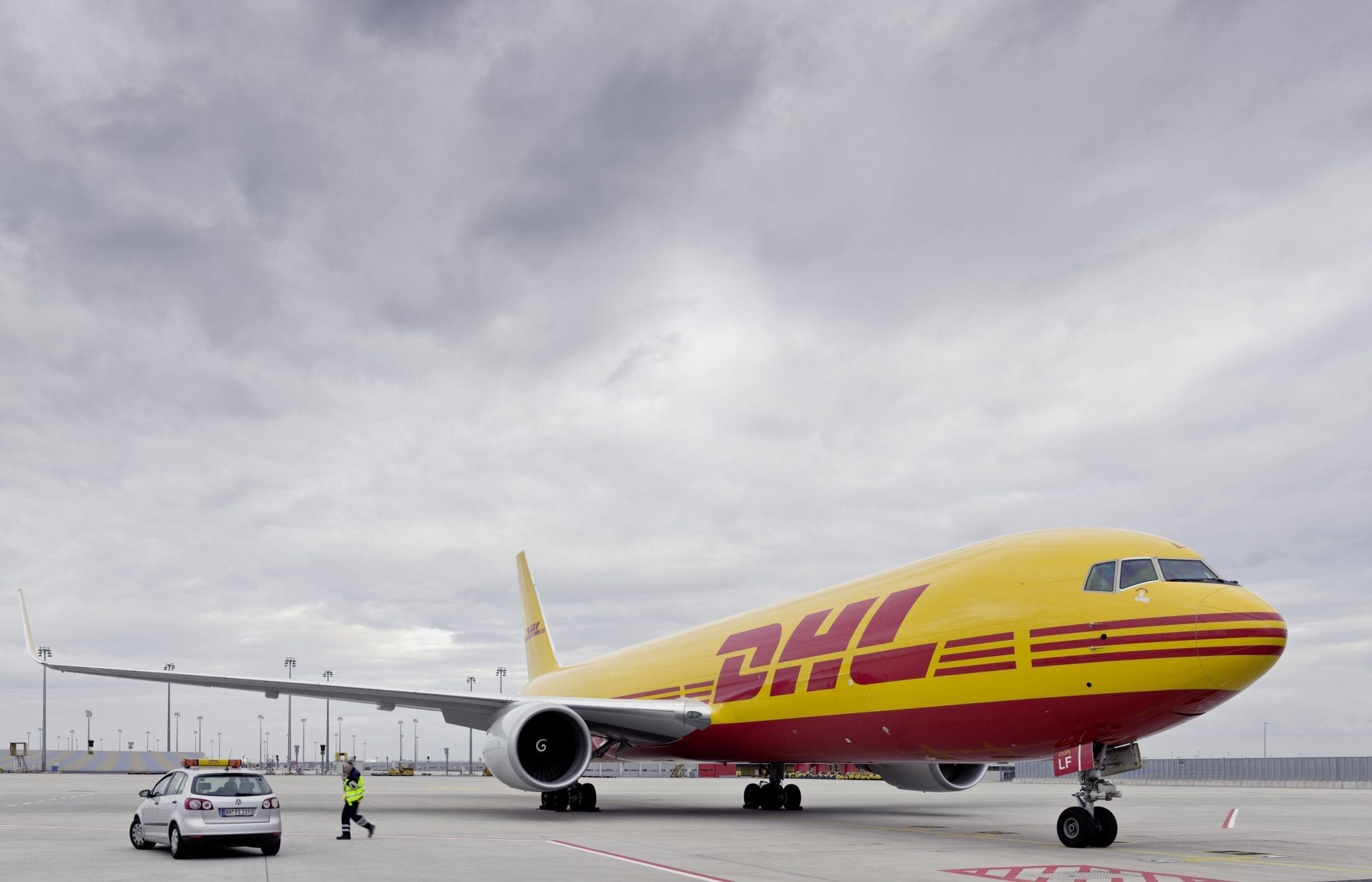
    Germany’s Deutsche Post DHL Group and the United Nations Development Programme (UNDP) are once again conducting their joint preventative training, known as Get Airports Ready for Disaster (GARD), at Bali’s Ngurah Rai International Airport, Lombok International Airport and Selaparang Airport in Lombok.  Indonesia was the pilot country when the program was implemented globally in 2009 — in Makassar and Palu.

    Deutsche Post DHL Group and United Nations Development Programme Hold Airport Disaster Preparedness Workshops in Bali and Lombok. L-R: Teguh Pratomo (MoT); Medi Herlianto (BNPB); Christian Usfinit (UNDP); Welani Widjaja, Managing Director, DHL Global Forwarding Indonesia; Chris Weeks, Director of Humanitarian Affairs, Deutsche Post DHL Group.

    Indonesia is located on the Pacific Ring of Fire where several continental plates collide. As a result, the chain of islands is at frequent risk of earthquakes, tsunamis and active volcanoes. Additionally, Bali and Lombok are categorized as high risk areas in the Indonesian Disaster Risk Index (2013). Airports in both provinces experienced operations shutdown due to volcanic eruptions from nearby Mount Rinjani.

    The multi-day workshop involves over 50 participants — including representatives from the airport operating company, aviation safety experts, national and regional Disaster Management Planning Agencies, Indonesian Red Cross, immigration authorities, the military and the police force — who will be trained to handle the high volume of incoming relief goods and increasing number of passengers during the aftermath of natural disasters.

    “Following natural disasters, airports become vital hubs for the processing of incoming relief supplies,” says Christof Ehrhart, Head of Corporate Communications and Responsibility at Deutsche Post DHL Group. “With sound processes in place at the airport and with the relevant agencies, relief goods and aid can be channeled through airports to reach the affected communities quickly and efficiently. This program continues to help improve disaster management in this geologically high-risk region.”

    “Often airports are unprepared to manage large disasters or humanitarian crisis and as a result, assistance gets slower in getting to those most affected. GARD is working specifically with all partners on the ground to solve any potential bottlenecks that could impede fast response to save lives. I praise the Indonesian government for its commitment to preparedness and the airport authorities for their risk informed management,” says United Nations Resident Coordinator in Indonesia, Douglas Broderick.

    The training includes evaluation of the airports’ capacities for processing high volumes of passengers and cargo and warehousing relief supplies. Location-specific disaster plans are drawn up as well.

    Since 2009, GARD trainings have been held in eight airports in Indonesia, namely Sultan Hassanuddin Airport in Makassar (2009), Mutiara Airport in Palu (2009), Ngurah Rai Airport (old airport) in Denpasar (2011), El Tari Airport in Kupang (2011), Polonia Airport in Medan (2012), Sultan Iskandarsyah Airport inBanda Aceh (2012), Fatmawati Airport in Bengkulu (2012) and Minangkabau Airport in Padang (2013).

  • GSMA details industry’s impact on UN SDGs

    GSMA details industry’s impact on UN SDGs

    The GSMA has published the first research into the global mobile industry’s contribution towards helping the UN achieve its sustainable development goals (SDGs).

    Prepared by Deloitte, the report also details several industry commitments and explores ways the industry can strengthen its impact on the goals.

    According to GSMA director general Mats Grannyd, the report will establish a benchmark for the industry’s progress in contributing to the goals and can serve as a blueprint for other industries to follow.

    The UN last year established a set of 17 goals for countries to achieve by 2030. These include eliminating poverty and hunger, achieving gender equality, building sustainable cities and communities and transitioning to affordable and clean energy.

    The report finds that the mobile industry impacts all 17 goals to varying degrees, with the greatest effects being felt in the goals covering industry, innovation and infrastructure, as well as no poverty, quality education and climate action.

    For example, the mobile industry has given more than 400 million people access to financial services through their phones in 90 countries. The industry has committed to developing new mobile money products for unbanked consumers in developing markets.

    On gender equality, 18 operators with a combined 90 million customers have so far joined the Connected Women Commitment Initiative, which aims to close the gender gap in the use of mobile internet and mobile money services.

    Another UN SDG involves promoting decent work and economic growth. The GSMA noted that the mobile industry added $3.1 trillion in economic value to the global economy last year, representing 4.2% of global GDP, and directly or indirectly supported 32 million jobs.

    New industry commitments include elevating the mobile industry’s focus on humanitarian assistance, partnering with the UN Secretary-Gernal’s Special Adviser to create a roadmap for ongoing engagement with the goals and advocating sustainability principles linked to the goals.

    “As an industry, we are focused on connecting everyone and everything to a better future,” Grannyd said.

    “In February, the mobile industry was the first to unite in supporting the UN Sustainable Development Goals, and this report reiterates our commitment to ensuring that connectivity plays a key role in helping achieve the 17 goals by 2030.”

  • DHL and UN Development Programme Hold Airport Disaster Workshops

    DHL and UN Development Programme Hold Airport Disaster Workshops

    Germany’s Deutsche Post DHL Group and the United Nations Development Programme (UNDP) are once again conducting their joint preventative training, known as Get Airports Ready for Disaster (GARD), from September 5 to 9 at Bali’s Ngurah Rai International Airport, Lombok International Airport and Selaparang Airport in Lombok. Indonesia was the pilot country when the program was implemented globally in 2009 – in Makassar and Palu.

    Indonesia is located on the Pacific Ring of Fire where several continental plates collide. As a result, the chain of islands is at frequent risk of earthquakes, tsunamis and active volcanoes. Additionally, Bali and Lombok are categorized as high risk areas in the Indonesian Disaster Risk Index (2013). Airports in both provinces experienced operations shutdown due to volcanic eruptions from nearby Mount Rinjani.

    The multi-day workshop involves over 50 participants – including representatives from the airport operating company, aviation safety experts, national and regional Disaster Management Planning Agencies, Indonesian Red Cross, immigration authorities, the military and the police force – who will be trained to handle the high volume of incoming relief goods and increasing number of passengers during the aftermath of natural disasters.

    “Following natural disasters, airports become vital hubs for the processing of incoming relief supplies,” says Christof Ehrhart, Head of Corporate Communications and Responsibility at Deutsche Post DHL Group. “With sound processes in place at the airport and with the relevant agencies, relief goods and aid can be channeled through airports to reach the affected communities quickly and efficiently. This program continues to help improve disaster management in this geologically high-risk region.”

    “Often airports are unprepared to manage large disasters or humanitarian crisis and as a result, assistance gets slower in getting to those most affected. GARD is working specifically with all partners on the ground to solve any potential bottlenecks that could impede fast response to save lives. I praise the Indonesian government for its commitment to preparedness and the airport authorities for their risk informed management.” says United Nations Resident Coordinator in Indonesia, Douglas Broderick.

    The training includes evaluation of the airports’ capacities for processing high volumes of passengers and cargo and warehousing relief supplies. Location-specific disaster plans are drawn up as well.

    Since 2009, GARD trainings have been held in eight airports in Indonesia, namely Sultan Hassanuddin Airport in Makassar (2009), Mutiara Airport in Palu (2009), Ngurah Rai Airport (old airport) in Denpasar (2011), El Tari Airport in Kupang (2011), Polonia Airport in Medan (2012), Sultan Iskandarsyah Airport in Banda Aceh (2012), Fatmawati Airport in Bengkulu (2012) and Minangkabau Airport in Padang (2013).

  • Compensation fund for Bangladesh manufacturing unit victims reaches US$30 million goal

    Compensation fund for Bangladesh manufacturing unit victims reaches US$30 million goal

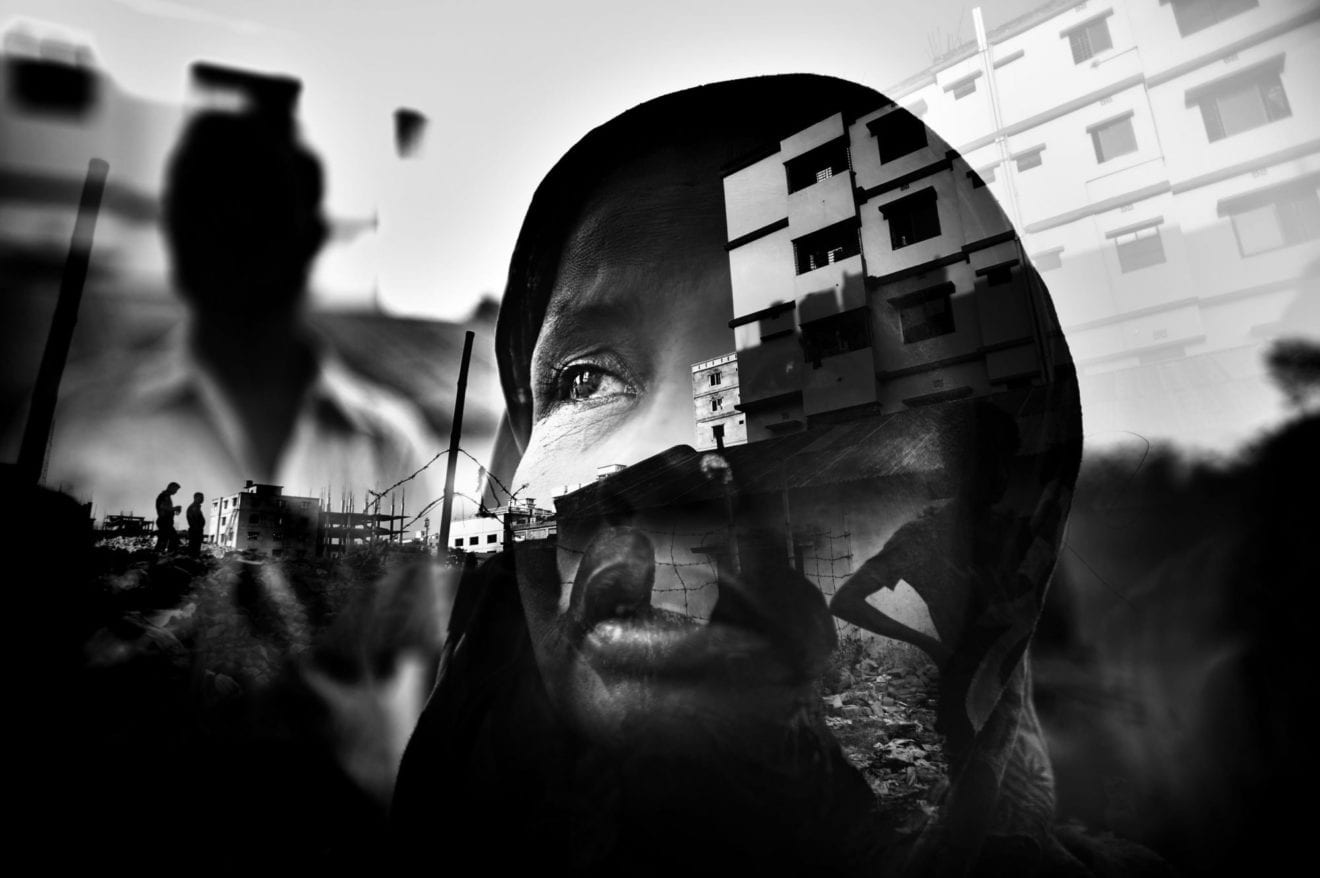
    A fund set as much as compensate the victims of Bangladesh’s Rana Plaza manufacturing unit collapse has lastly reached its US$30-million (RM112 million) goal, the UN’s Worldwide Labour Group stated Monday, greater than two years after the catastrophe left over 1,100 garment staff lifeless.

    With all of the funding now secured, the final households nonetheless awaiting a payout will obtain their cash “within the coming weeks”, stated the ILO, which chairs the Rana Plaza Coordination Committee.

    The committee, which was established in 2013 and represents all business stakeholders, had estimated it might want US$30 million to completely and pretty compensate the households of the over 1,100 garment staff who died and a few 1,500 others who have been injured within the nation’s worst-ever industrial accident.

    By April 24, on the second anniversary of the catastrophe, the committee had raised US$27 million and was capable of pay compensation to 70% of the greater than 2,800 claimants, the ILO stated in a press release.

    “Additional donations, together with one vital sum pledged late final week imply that US$30 million has now been reached and all ultimate funds might be made,” it added.

    The event was welcomed by ILO director-general Man Ryder.

    “This can be a milestone however we nonetheless have essential enterprise to cope with,” he was quoted as saying within the assertion.

    “We should now work collectively to make sure that accidents could be prevented sooner or later, and that a strong nationwide employment damage insurance coverage scheme is established in order that victims of any future accidents can be swiftly and justly compensated and cared for.”

    Bangladeshi police final week charged 41 individuals together with the proprietor of the Rana Plaza manufacturing unit complicated, Sohel Rana, with homicide.

    He was arrested on the western border with India as he tried to flee the nation within the days after the April 24, 2013 catastrophe.

    Rana turned Bangladesh’s public enemy primary after survivors recounted how hundreds of them have been pressured to enter the compound initially of the working day regardless of complaints about cracks showing within the partitions.

    The catastrophe highlighted appalling security issues in Bangladesh’s US$25 billion garment business, the world’s second largest after China’s.

    A number of Western retailers had clothes made at Rana Plaza, together with Italy’s Benetton, Spain’s Mango and the British low-cost chain Primark. All three have been amongst a variety of worldwide manufacturers that contributed to the compensation fund.