Tag: uncertainties

  • US Dollar Climbs Against Vietnamese Dong in Black Market Amid Global Uncertainties

    US Dollar Climbs Against Vietnamese Dong in Black Market Amid Global Uncertainties

    The U.S. dollar saw an incremental increase against the Vietnamese dong in the unofficial market on Thursday morning. Independent exchange centers traded the U.S. dollar 0.19% higher, at VND26,380, while Vietcombank maintained its rate at VND26,500.

    Global Currency Trends

    Globally, the U.S. dollar stabilized largely on Thursday. The escalating U.S.-Iran tensions fostered a sense of uncertainty among investors, bolstering the demand for the U.S. dollar, a widely recognized safe-haven currency. Concurrently, the Japanese yen hovered around a 40-year low, with no imminent signs of recovery.

    The dollar index, a metric that juxtaposes the U.S. dollar against a selection of currencies including the yen and the euro, slightly declined by 0.06%, settling at 101.05. The increasing geopolitical tensions between Washington and Tehran have triggered a rise in oil prices, intensifying inflation fears. This in turn has facilitated an appreciable gain for the greenback.

    Meanwhile, the euro experienced a minor increase of 0.07%, closing at $1.1418. The European Central Bank (ECB) is scheduled for a meeting later on Thursday. It is expected that the ECB will maintain its interest rates, but will leave room for a potential rate hike in September. This anticipated move is in response to the recent surge in energy prices, which threatens to exert additional inflationary pressure.

    Questions & Answers

    What impact did the U.S.-Iran tensions have on the U.S. dollar?
    The escalating tensions between the U.S. and Iran fostered investor uncertainty. This led to increased demand for the U.S. dollar, a well-known safe-haven currency.

    What changes were observed in the euro and the Japanese yen?
    The euro saw a slight increase of 0.07%, while the Japanese yen remained around a 40-year low with no clear signs of improvement.

    What is the expected move of the European Central Bank in response to the recent surge in energy prices?
    The European Central Bank is anticipated to maintain its current interest rates but may consider a rate hike in September to counter the potential inflationary pressure stemming from the recent surge in energy prices.

  • US Dollar Takes a Dip against Vietnamese Dong Amid Global Uncertainties

    US Dollar Takes a Dip against Vietnamese Dong Amid Global Uncertainties

    The performance of the United States dollar presented a mixed picture on Tuesday, as it dipped slightly against the Vietnamese dong while maintaining its position against other key currencies. The state-owned Vietcombank recorded a 0.04% reduction in the greenback’s value, with an exchange rate set at VND26,450. However, in contrast, the black market saw the US dollar appreciate by 0.11%, pegged at the same exchange rate.

    Global Performance of the Dollar

    In the wider international scene, the dollar remained relatively stable as markets anticipated the release of U.S. inflation data. Rising tensions in the Middle East provided a boost to oil prices which, in turn, had a knock-on effect on currency exchange rates. The Japanese yen traded in a cautious manner, due in part to potential interventions and recent comments made by policymakers regarding the allocation of state pension funds.

    The dollar index, a tool used to compare the value of the greenback against a selection of international currencies such as the yen and euro, also recorded a slight decrease of 0.04%, resulting in a figure of 101.23.

    Meanwhile, the euro showed a strengthening trend against the dollar, trading at a rate of $1.1388. The British pound also saw a minor gain of 0.07%, resulting in an exchange rate of $1.3355.

    Questions & Answers

    What was the exchange rate of the US dollar against the Vietnamese dong?
    The state-owned Vietcombank listed an exchange rate of VND26,450 for the US dollar, showing a minor drop of 0.04%.

    What influenced the performance of the Japanese yen?
    The Japanese yen was affected by several factors, including potential interventions and recent policy-related comments on state pension fund allocations.

    How did the euro and the British pound perform against the US dollar?
    Both the euro and the British pound displayed a strengthening trend against the dollar. The euro traded at a rate of $1.1388, while the British pound gained 0.07%, resulting in an exchange rate of $1.3355.

  • Global Uncertainties Trigger Gasoline Price Tumble in Vietnam: Implications for U.S.- Iran Peace Talks

    Global Uncertainties Trigger Gasoline Price Tumble in Vietnam: Implications for U.S.- Iran Peace Talks

    In Vietnam, gasoline prices experienced a minor decrease on Thursday amidst the ongoing global price instability due to the uncertainties surrounding the peace talks between the U.S. and Iran. E10 RON95, a commonly used fuel, saw a 3.73% drop, bringing its price down to VND20,410, or $0.78, per liter.

    The biofuel E5 RON92 also recorded a decline of 5.05%, reducing its cost to VND19,730 per liter. Diesel, another widely used fuel, fell by 3.16% to VND21,170 per liter.

    Global Fuel Price Fluctuations

    Over the past week, global fuel prices have demonstrated mixed trends when compared to the previous week. These fluctuations are, in part, due to the ongoing negotiations between the U.S. and Iran, as stated by the Ministry of Industry and Trade and the Ministry of Finance.

    In an effort to minimize the impact of the escalating conflict in the Middle East on its economy, Vietnam has made a decision to continue its zero-tax policy on petroleum products until the end of September. However, the special consumption tax on gasoline will remain in place.

    Following the introduction of E10 gasoline for mass sale, approximately 980 million liters of biofuel have been consumed across the country in the first month. Out of this total, E10 accounted for a whopping 924 million liters, or 96%, while E5 consumption amounted to about 56 million liters.

    Steps to Ensure Continuous Fuel Supply

    In light of the persistent uncertainty in global energy markets, the Domestic Market Management and Development Agency under the Ministry of Industry and Trade has directed fuel importers and distributors to formulate supply plans. The goal is to ensure a steady availability of fuel across all distribution networks.

    There has also been an instruction for businesses to avoid hoarding fuel in anticipation of price hikes or supply disruption. The businesses are required to guarantee adequate deliveries to retail gas stations, particularly in remote and rural areas.

    Questions & Answers

    What caused the decrease in fuel prices in Vietnam?
    The decrease in fuel prices in Vietnam is due to the ongoing global price instability caused by uncertainties in the U.S.-Iran peace talks.

    How is Vietnam dealing with the impact of the conflict in the Middle East?
    To mitigate the impact of the conflict in the Middle East, Vietnam is continuing its policy of zero tax on petroleum products until the end of September, with the exception of the special consumption tax on gasoline.

    What measures are being taken to ensure continuous fuel supply in Vietnam?
    The Domestic Market Management and Development Agency has instructed fuel importers and distributors to develop supply plans to ensure uninterrupted fuel availability across their networks. They have also been instructed not to hoard fuel in anticipation of price increases or disrupt supply and to ensure adequate deliveries to retail gas stations, especially in remote and rural areas.

  • Fonterras Positive Momentum Continues with $1.5B Q3 Operating Profits Despite Global Uncertainties

    Fonterras Positive Momentum Continues with $1.5B Q3 Operating Profits Despite Global Uncertainties

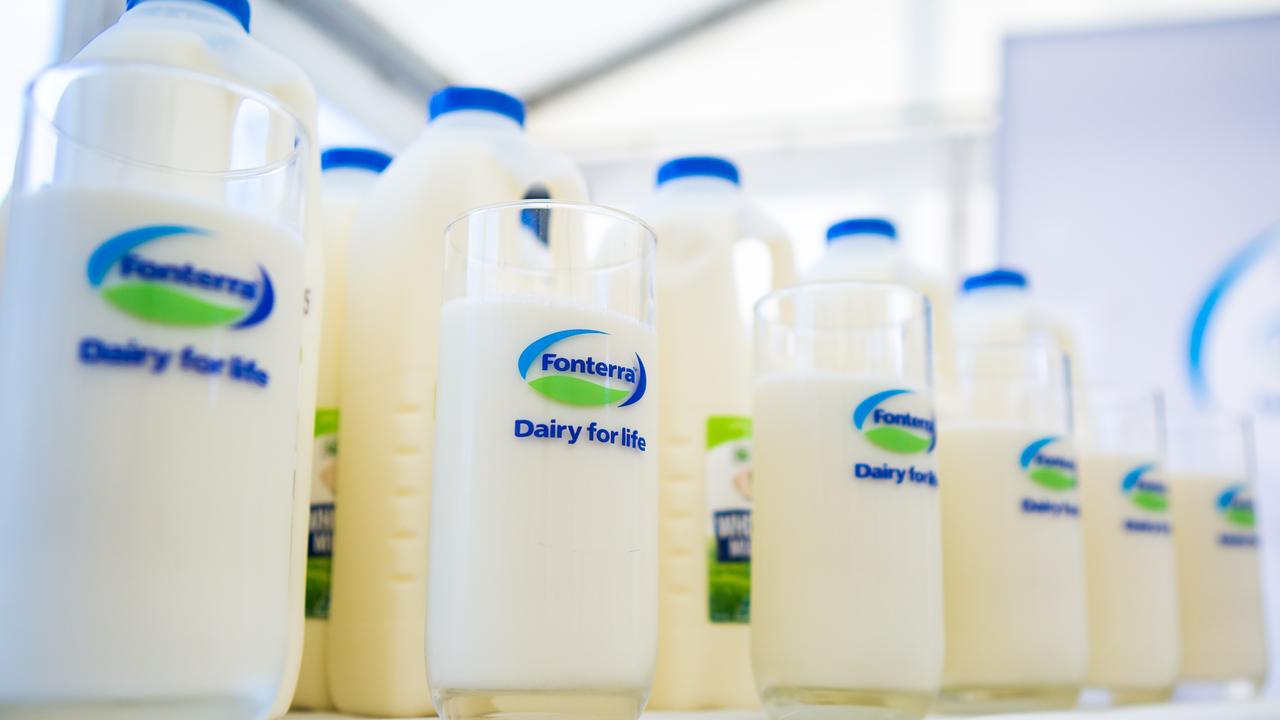
    New Zealand-based dairy cooperative, Fonterra, is exuding optimism about its future performance amid global uncertainties. The company’s third quarter results showed a promising $1.5 billion in operating profits, marking an impressive year-on-year increase of $85 million.

    Fonterra’s Stellar Performance

    Richard Allen, Fonterra’s CEO, proudly announced this significant achievement, describing the results as another demonstration of their strength. Despite the disruption of global supply chains, the company has seen a substantial rise in milk production this season. The organization’s sales book is well contracted, and its shipping volumes have been robust, recording the highest third-quarter shipment volumes in the past decade.

    Allen became the CEO succeeding a 25-year veteran, Miles Hurrell, who declared his retirement in December. Looking forward, Allen expects the company’s high milk collections to persist, much like the current season.

    “Our in-market sales teams foresee robust demand from across all regions amid possible fluctuations. This expectation is mirrored in our opening forecast range,” Allen stated.

    Resilience Amid Challenges

    Despite the approaching final quarter of the financial year, Allen expresses confidence in the company’s ability to maintain its momentum. He acknowledges the uncertainty prompted by the ongoing conflict in the Middle East and other global challenges, such as cost inflation and shipping disruptions.

    “Like our farmers and many others worldwide, we are navigating these challenges. However, we are confident that our deep relationships with customers and logistics partners will continue to assist us in overcoming these obstacles,” he commented.

    Questions & Answers

    What is Fonterra’s latest operating profit?
    Fonterra reported a $1.5 billion operating profit for its third fiscal quarter, growing its profits by $85 million year-on-year.

    What challenges is Fonterra facing?
    Fonterra is dealing with global challenges such as cost inflation, shipping disruptions, and uncertainties caused by the ongoing conflict in the Middle East.

    Despite the challenges, how does Fonterra view its future performance?
    Fonterra is optimistic about its future performance. The company expects to maintain its strong momentum, anchored by high milk collections and robust demand from all regions. They also express confidence in their deep relationships with customers and logistics partners that will help them navigate the current global challenges.

  • Hermès Soars with Robust Q1 Sales Amid Global Economic Uncertainties: A Revealing Peek into Luxury Fashion Resilience

    Hermès Soars with Robust Q1 Sales Amid Global Economic Uncertainties: A Revealing Peek into Luxury Fashion Resilience

    Despite geopolitical tensions affecting the Middle East, Hermès, the renowned French luxury fashion brand, has reported a strong performance in its Q1 sales. The company’s consolidated revenue stood at €4.1 billion (US$4.8 billion) for the quarter ending March 31, marking a 6% increase at constant exchange rates. However, on a reported basis, revenue dipped by 1% due to the adverse effects of currency fluctuations.

    Regional Performance

    The company attributed much of its growth to impressive gains in Japan, the Americas, and Europe, excluding France. Japan saw a 10% increase in sales, while the Americas and Europe, excluding France, each reported a 17% and 10% sales increase, respectively.

    Sales in Asia, excluding Japan, also rose slightly by 2%, with Greater China maintaining its marginal growth. However, France’s revenue decreased by 3%, a decline influenced by a reduced tourist flow, particularly in March. This downturn is mainly linked to the unfolding situation in the Middle East.

    The Middle East, classified under the ‘Other’ region in the company’s report, experienced a 6% decline in sales. The geopolitical developments in countries such as the UAE, Kuwait, Qatar, and Bahrain have had a significant impact on the region’s performance.

    Sales Channels

    Despite these challenging conditions, sales in the group’s stores increased by 7%. In contrast, wholesale activity was significantly affected, recording lower sales to concession stores, especially in the Middle East and airports.

    According to Axel Dumas, Executive Chairman of Hermès, the brand remains steadfast in its long-term strategy, even amidst a tense geopolitical environment. The company’s abundant creativity, unwavering quality standards, and loyal customer base enable Hermès to continue its profitable growth trajectory into 2026 with confidence. He further emphasized that the fundamentals of the Hermès model are a distinguishing strength more than ever.

    In the medium term, the group has confirmed its goal to achieve revenue growth at constant exchange rates. This is notwithstanding the persistent economic, geopolitical, and monetary uncertainties that pervade the global landscape.

    Questions & Answers

    What were Hermès’ consolidated revenue figures for Q1?
    The consolidated revenue for Hermès in Q1 stood at €4.1 billion (US$4.8 billion), marking a 6% increase at constant exchange rates.

    Which regions reported the most growth for Hermès?
    The regions that reported the most growth for Hermès were Japan, the Americas, and Europe (excluding France), with sales increases of 10%, 17%, and 10% respectively.

    How did the geopolitical situation affect Hermès’ sales in the Middle East?
    The geopolitical situation in the Middle East led to a 6% decline in Hermès’ sales in the region. This was particularly notable in countries such as the UAE, Kuwait, Qatar, and Bahrain.

  • VN-Index Opens Week on a Downturn Amid Market Uncertainties

    VN-Index Opens Week on a Downturn Amid Market Uncertainties

    Vietnam’s stock market kicked off the week on a down note, as the benchmark VN-Index dipped by 0.39%, closing at 1,296.29 points. This drop translates to a loss of 5.1 points, following a previous session where the index slipped 11.81 points.

    Trading Activity Picks Up

    Despite the decline in the index, trading on the Ho Chi Minh Stock Exchange surged by 8.16%, reaching a robust VND 22.39 trillion (approximately US$863.2 million). The VN-30 basket, which includes the 30 largest shares by market cap, presented a mixed bag—22 stocks experienced declines.

    Notably, shares of Fortune Vietnam Bank (LPB) fell by 3.8%, while FPT Corporation saw its stock price slip by 2.3%. Budget airline Vietjet (VJC) wasn’t spared either, closing down by 2.2%. On a brighter note, seven blue-chip stocks made gains, with Vingroup’s VIC reaching its ceiling price with a remarkable 7% increase. Other gainers included Vinhomes (VHM), which rose by 1.38%, and Vincom Retail (VRE), which inched up by 1.02%.

    Foreign Investor Trends

    In the realm of foreign investments, a net selling trend emerged, with foreign investors offloading shares worth VND 562 billion, primarily targeting VHM and Gelex Group’s GEX.

    Meanwhile, the Hanoi Stock Exchange’s HNX-Index, which covers mid and small-cap stocks, fell by 0.84%. In contrast, the UPCoM-Index, catering to Unlisted Public Companies, managed a slight uptick of 0.22%.

    As the market oscillates like a seesaw, it’s clear that volatility remains the name of the game!

    Questions & Answers

    What caused the VN-Index to decline on Monday?

    The VN-Index fell primarily due to losses in most of the large-cap stocks in the VN-30 basket, with significant declines from Fortune Vietnam Bank and FPT Corporation.

    How did trading volume change from the previous session?
    Trading activity ramped up by 8.16%, reaching VND 22.39 trillion, despite the overall decline in the VN-Index.

    What has been the trend among foreign investors?
    Foreign investors were net sellers, offloading VND 562 billion, mainly targeting the shares of VHM and GEX.