Retail News CRM

Tag: undersea

  • Taiwan Boosts Communications Security with Five New Undersea Cables: A Step Towards Network Resilience

    Taiwan Boosts Communications Security with Five New Undersea Cables: A Step Towards Network Resilience

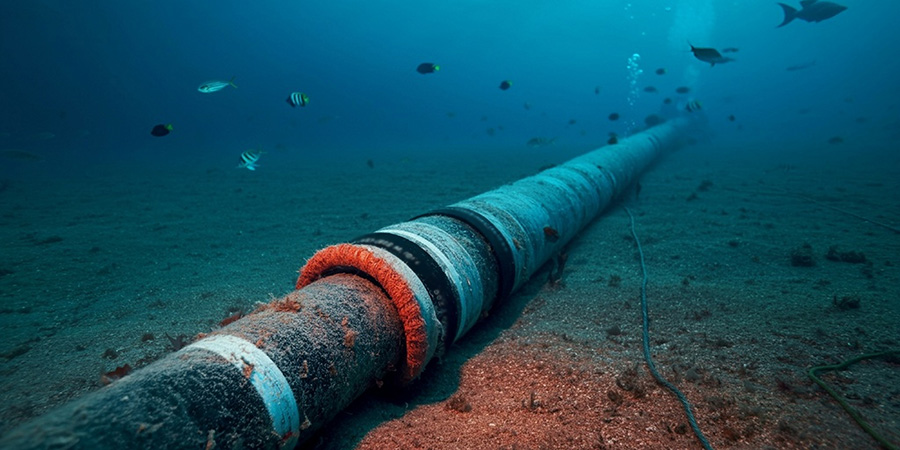
    Taiwan is set to elevate its national communications infrastructure’s robustness by building five new undersea communications cables. This ambitious step is part of a comprehensive strategy aimed at reinforcing the resilience and reliability of the nation’s communications systems.

    Strengthening Communications Infrastructure

    The Minister of Digital Affairs, Lin Yi-jing, revealed the plans at the sixth meeting of the Presidential Office’s Whole-of-Society Defense Resilience Committee. Two of the proposed cables will be international, while the remaining three will facilitate domestic communication.

    The planned cables will incorporate an armor-like protective layer designed to minimize potential damage arising from natural disasters or external interferences. Lin emphasized the necessity of maintaining smooth connectivity, particularly during emergencies such as typhoons and earthquakes, when uninterrupted communication is of paramount importance. However, the minister has not yet revealed a construction timeline for these new undersea cables.

    Addressing Challenges

    In recent years, Taiwan has experienced several instances of damages to its undersea communications cables, with suspicion falling on interference from foreign civilian vessels. To counter this, the legislature passed amendments earlier this month, introducing stronger penalties for acts of cable sabotage. These penalties include prison sentences and the seizure of vessels and equipment involved in such acts.

    Three-Dimensional Defensive Communications Network

    The proposed undersea cables expansion aligns with the ministry’s vision of a “three-dimensional defensive communications network,” an initiative designed to strengthen connectivity via land, sea, and air.

    In addition to the undersea cables, the nation plans to incorporate low-Earth-orbit (LEO) satellite capacity through Amazon’s satellite constellation and initiate a high-orbit geosynchronous satellite built by US manufacturer Astranis. These satellite systems are set to offer backup connectivity in case of disruptions to terrestrial or subsea networks.

    On land, the ministry plans to build disaster-resilient base stations, increase its fleet of vehicles equipped with satellite communication capabilities, and procure numerous mobile diesel generators. Lin identified that during recent typhoons, power outages at base stations, rather than network failures, were the primary cause of most mobile service disruptions. Mobile generators, he added, have served as an effective solution to this issue.

    Moving Forward

    Through strategic investments in subsea cables, satellite systems, and terrestrial infrastructure, Taiwan aims to significantly bolster its communications network’s resilience against both natural and man-made disruptions.

    Questions & Answers

    What is the purpose of the proposed undersea cables?
    The proposed undersea cables aim to strengthen the resilience of Taiwan’s national communications infrastructure, particularly during emergencies such as typhoons and earthquakes.

    What will the new cables feature to enhance their durability?
    The new cables will incorporate an armor-like protective layer designed to minimize potential damage from natural disasters or external interference.

    What other measures are included in Taiwan’s strategy to strengthen its communications infrastructure?
    In addition to the undersea cables, Taiwan plans to incorporate low-Earth-orbit (LEO) satellite capacity, initiate a high-orbit geosynchronous satellite, build disaster-resilient base stations, increase its fleet of vehicles equipped with satellite communications, and procure numerous mobile diesel generators.

  • China Strikes Gold: Largest Undersea Gold Deposit in Asia Discovered

    China Strikes Gold: Largest Undersea Gold Deposit in Asia Discovered

    China recently announced the discovery of an undersea gold deposit, touted as the largest in Asia. This remarkable find further augments the existing troves of the precious metal, following other significant discoveries earlier this year.

    New Gold Reserves Discovered

    The newly discovered gold deposit is situated off the coast of Laizhou in Yantai, Shandong Province. This addition has notably increased Laizhou’s confirmed gold reserves to over 3,900 tonnes (137.57 million ounces), making up approximately 26% of China’s total reserves. However, the exact size of this undersea deposit has not been disclosed by officials.

    Recent Discoveries

    In the past month, the nation revealed the discovery of its first super-large, low-grade gold deposit in Liaoning province. The confirmed reserves of this find amount to 1,444.49 tonnes (50.95 million ounces). The Ministry of Natural Resources has stated that this is the largest single gold deposit found since the establishment of the People’s Republic of China in 1949.

    Adding to this, officials also announced the discovery of a gold deposit in the Kunlun Mountains, near the western border of the Xinjiang Uygur autonomous region in November. This deposit is estimated to have reserves of more than 1,000 tonnes (35.27 million ounces).

    In 2023, Shandong Province reported identifying approximately a quarter of the nation’s gold reserves, including over 3,500 tonnes (123.46 million ounces) on the Jiaodong Peninsula, which is recognized as the world’s third-largest gold mining belt.

    China’s Gold Production Status

    Despite being the world’s largest producer of gold ore, producing 377 tonnes (13.3 million ounces) last year according to the China Gold Association, China trails behind South Africa, Australia, and Russia in terms of proven reserves.

    China invested CNY115.99 billion (US$16.47 billion) in geological exploration last year. Since the initiation of its current five-year plan in 2021, the total investment in mineral exploration is nearing CNY450 billion. This has led to the discovery of 150 mineral deposits, as reported by the Ministry of Natural Resources.

    Impact on Gold Prices

    These discoveries are expected to influence global gold prices which continue to rise, driven by currency fluctuations, geopolitical tensions, and hefty purchases by central banks, particularly in emerging markets looking to diversify their reserves.

    Spot gold was trading at US$4,407 per ounce at the time of reporting, marking a 68% increase since the start of the year.

    Questions & Answers

    Where is the newly discovered undersea gold deposit located?
    The undersea gold deposit has been discovered off the coast of Laizhou in Yantai, Shandong Province, China.

    What is the significance of the recent gold discoveries in China?
    These discoveries have considerably increased China’s total gold reserves and position it as one of the leading global producers of the precious metal.

    How are these gold discoveries expected to influence global gold prices?
    The recent discoveries are likely to impact global gold prices, which are already rising due to factors like currency volatility, geopolitical tensions, and heavy purchases by central banks.

  • Undersea Superhighways: The Future of Digital Connectivity in Asia

    Undersea Superhighways: The Future of Digital Connectivity in Asia

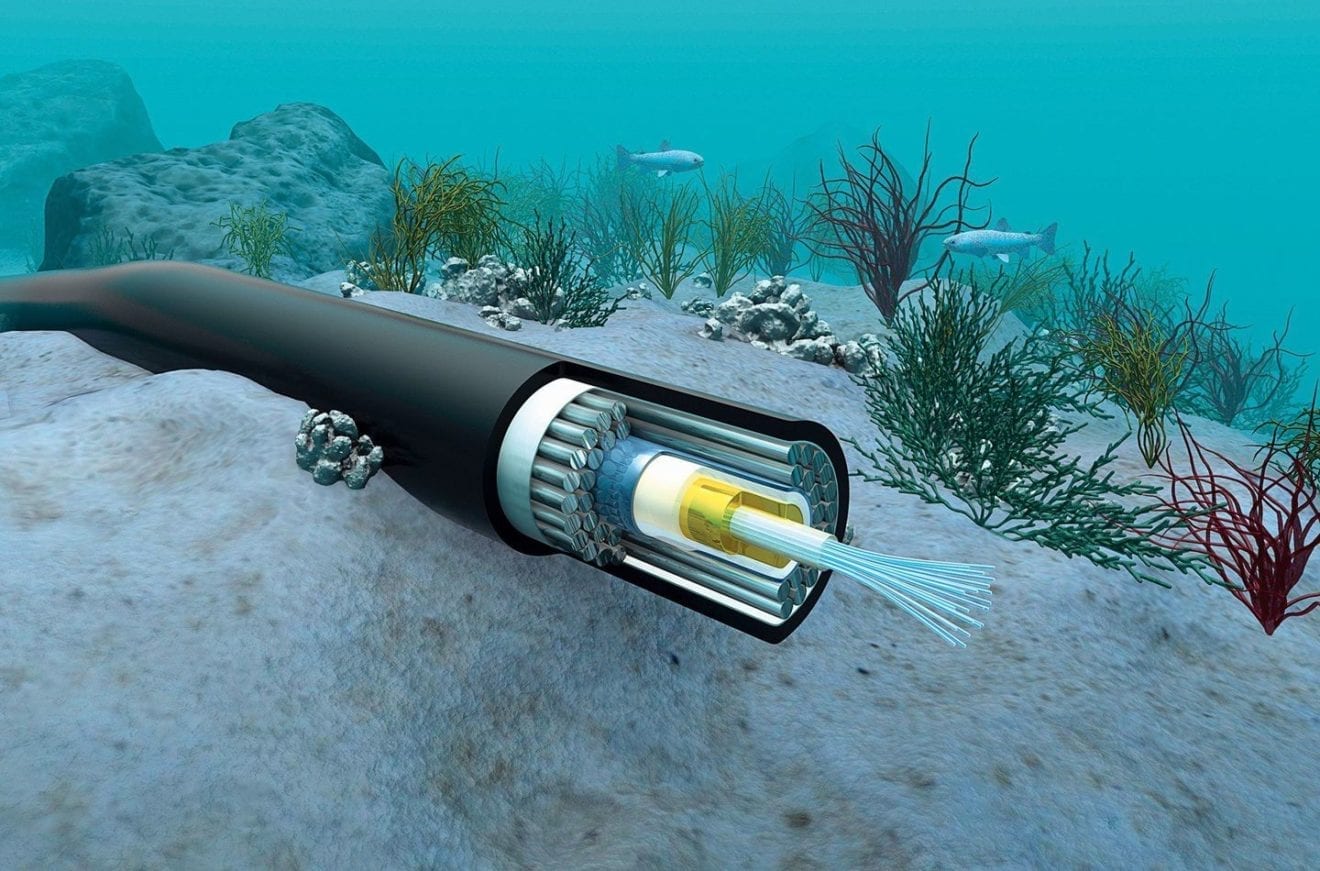
    The majority of today’s internet traffic is transmitted via undersea fiber-optic cables, rather than through satellites or overland networks. The National Bureau of Asian Research reports that over 97% of transoceanic telecommunications—including financial, voice, and internet data—are facilitated by these underwater cable systems. This is especially true in Asia, where many countries are separated by bodies of water, making these cables crucial for digital connectivity.

    The Evolution of Submarine Cables

    Undersea cables have come a long way from their origins as colonial-era telegraph lines. They have developed into high-capacity systems capable of transmitting terabits of data per second. Modern technologies, such as optical amplification and dense wavelength division multiplexing (DWDM), allow these cables to stretch thousands of kilometers across oceans.

    Asia’s Digital “Bridges”

    These undersea cables, often referred to as digital “bridges,” are now jointly funded and operated by consortia of telecom firms, governments, and major tech companies. In managing these cables, these entities must balance commercial interests, abide by various regulations, and mitigate geopolitical risks.

    Asia’s most significant subsea cables include the Asia-Africa-Europe 1 (AAE-1), Asia-America Gateway (AAG), Asia Pacific Gateway (APG), Asia Submarine-Cable Express (ASE), South-East Asia-Japan Cable 2 (SJC2), SEA-ME-WE 6, and the PEACE Cable. These cables link various Asian countries with each other and the rest of the world, providing high-capacity connectivity across continents.

    The Importance of Undersea Cables in Asia

    Undersea cables are particularly crucial in Asia. Island nations, such as the Philippines and Indonesia, depend on these cables to connect to continental networks. Conversely, landlocked or peninsular states like Laos and Myanmar rely on terrestrial links that connect to undersea systems.

    The expansion of undersea cable capacity and routes promotes digital inclusion, reduces latency, and improves connectivity for remote and rural communities. Research indicates that doubling the capacity of these cables can decrease internet prices in a country by 30-50%, enabling wider online access.

    Fostering Connectivity and Cultural Exchange

    Submarine cables serve as the backbone of Asia’s digital regionalism. They facilitate the exchange of culture and knowledge across borders, enabling various professionals and creators to connect, learn, and collaborate with ease.

    Moreover, these undersea cables highlight Asia’s growing digital interdependence. No country can thrive alone; data, trade, and communication freely cross borders, uniting societies. Much like physical bridges, submarine cables connect Asia beneath the ocean, enabling the free flow of ideas and opportunities.

    Challenges and Considerations

    While undersea cables significantly enhance connectivity, they also come with their own set of challenges. If landing stations are monopolized or interconnection is gated, it may lead to the exclusion of certain actors such as small businesses or rural communities. Additionally, like physical bridges, submarine cables are vulnerable to sabotage, which could lead to significant disruptions in connectivity. Therefore, it is crucial to establish protective measures and governance to manage these risks.

    Questions & Answers

    What is the role of submarine cables in digital connectivity?
    Submarine cables facilitate the majority of transoceanic telecommunications, including financial transactions, voice calls, and internet data. They play a crucial role in connecting different countries and enabling the exchange of information across continents.

    How do submarine cables impact internet accessibility and costs?
    Expanding undersea cable capacity can significantly reduce internet prices in a country, thereby enabling wider online access. However, monopolization can undermine these benefits.

    What are the potential risks associated with submarine cables?
    Potential risks include monopolization of landing stations, sabotage of cables, and the possibility of cables being used as political tools in disputed sea regions. Therefore, protective measures and governance are vital to manage these risks.

  • Undersea internet cable out of action for another three weeks in Vietnam

    Undersea internet cable out of action for another three weeks in Vietnam

    Repair work on the broken international cable won’t start until July 3 and will take at least 10 days to complete. International internet connections in Vietnam are likely to remain slow for another three weeks with repair work to a major internet cable which broke off central Vietnam last week expected to take until July 14, a service provider said.

    The source told us that repair work on the Asia Pacific Gateway won’t start until July 3 and is expected to take 10 days. The cable should be fully reconnected by July 14, depending on the extent of the problem, said the representative.

    The cable snapped on Tuesday afternoon about 125 kilometers off the coast of Da Nang.

    Service providers such as Viettel and VNPT said they have prepared contingency routes to minimize downtime.

    No announcement on the cause of the problem has been made.

    The cable was officially launched on January 3, but was quickly hit by a technical problem that took two weeks to fix.

    The cable cost $450 million and has a capacity of more than 54 Tbps, promising to double internet speeds in Vietnam and ease reliance on the notorious Asia America Gateway, which has ruptured or been shut down for maintenance on numerous occasions since 2011.

    The new system took four years to build, and links Japan with Hong Kong, mainland China, Malaysia, Singapore, South Korea, Taiwan, Thailand and Vietnam.

    Nearly 49 million people in Vietnam, or more than half of the country’s population, are online.