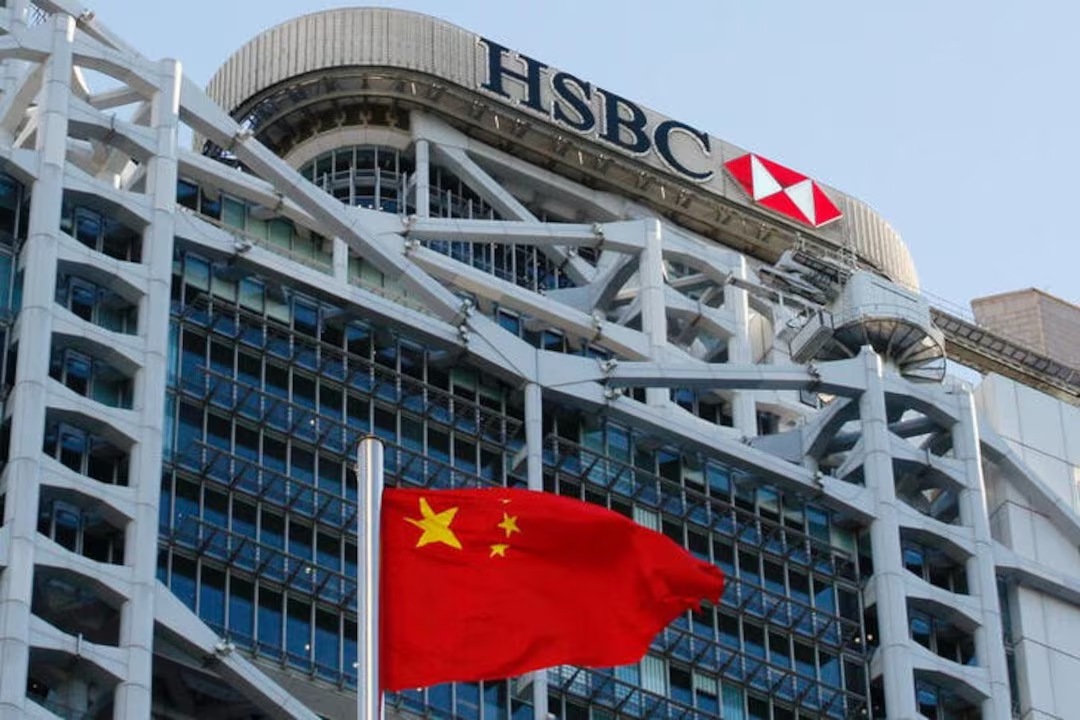
The recent downturn in Asian semiconductor stocks is not indicative of a decline in the artificial intelligence (AI) investment cycle, but rather reflects investors re-evaluating high earnings expectations. This is according to Patrick Ho, Chief Investment Officer for North Asia at HSBC Private Bank and Premier Wealth.
Currently, there is a shift in semiconductor and memory stocks rather than a complete surrender. Despite the sharp profit growth for manufacturers driven by skyrocketing memory prices, investors are growing more skeptical of whether future earnings will continue to substantiate high valuations. South Korean equities, in particular, have seen increased volatility, with domestic retail investors purchasing and foreign investors reducing their exposure. Meanwhile, regulators have toughened leverage rules to control speculative trading.
Asia: The Future Hub of AI Expansion
Despite the current market instability, HSBC holds that the long-term investment case for AI remains solid. Predictions from the bank suggest that global AI capital expenditure will rise from under USD 400 billion in 2025 to over USD 1 trillion by 2028, bolstering demand across the entire AI ecosystem.
Asia is predicted to become the nucleus of the global data centre expansion, with regional capacity expected to more than double by 2030, eventually making up approximately 40 percent of worldwide capacity. This growth is anticipated to positively impact a variety of industries, including semiconductor manufacturers, semiconductor equipment suppliers, server producers, cooling technology providers, power generation companies, energy storage firms, and commodity suppliers. Thus, HSBC continues to favour companies positioned across the broader AI infrastructure value chain.
China’s Resurgence in AI Competition
HSBC also spotlighted the rapidly evolving AI landscape in China, positing that the country’s large language model ecosystem could represent a market valued at over USD 150 billion by 2030. Chinese AI developers are becoming increasingly competitive, with foundation models closing the performance gap with top international systems while offering significantly lower costs. In tandem, providers are progressively shifting from subsidised AI services towards commercial business models, such as Model-as-a-Service (MaaS).
Apart from AI, HSBC also recognizes promising opportunities in China’s advanced manufacturing sector, especially in areas such as electric vehicles, autonomous driving technologies, energy storage, and biotechnology. According to Ho, these sectors showcase China’s scale advantages and endorse the bank’s ongoing preference for the country’s technology and manufacturing leaders.
Questions & Answers
What does the recent downturn in Asian semiconductor stocks indicate?
The recent downturn suggests investors are re-evaluating high earnings expectations, rather than signaling an end to the AI investment cycle.
What is predicted for the AI investment landscape in the future?
HSBC predicts that global AI capital expenditure will rise from less than USD 400 billion in 2025 to more than USD 1 trillion by 2028.
What are some potential growth areas in China’s technology sector?
HSBC sees potential growth in areas such as AI, electric vehicles, autonomous driving technologies, energy storage, and biotechnology.