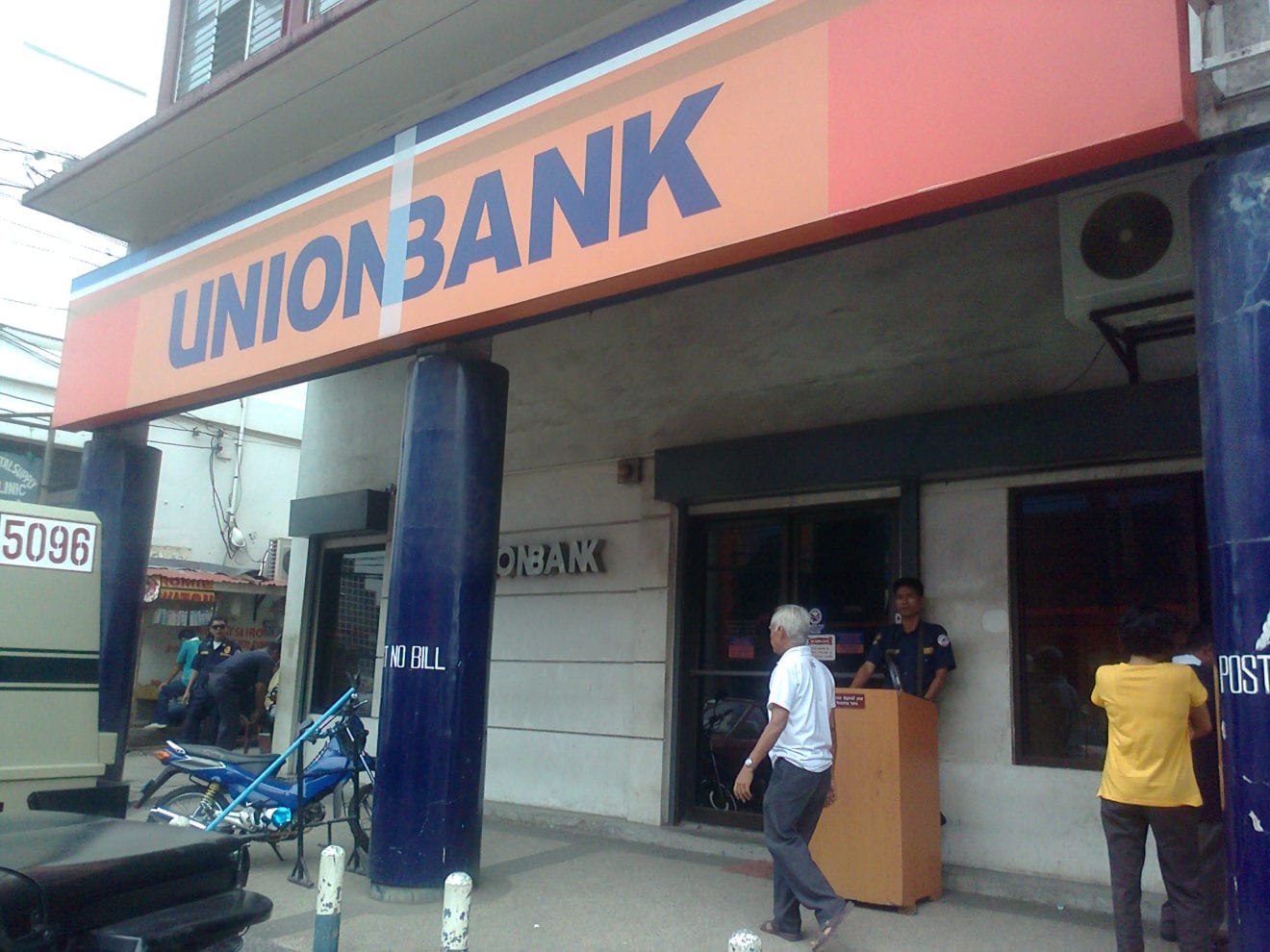
Tag: UnionBank

  • UnionBank Completes Citibank IT Integration in Just Nine Months: A Remarkable Achievement for the Philippines’ Banking Sector

    UnionBank Completes Citibank IT Integration in Just Nine Months: A Remarkable Achievement for the Philippines’ Banking Sector

    UnionBank of the Philippines is making waves in the banking sector after its strategic acquisition of Citibank’s consumer banking operations in the country. In just nine months, the bank has successfully integrated Citibank’s IT systems and unveiled a new Credit Decision Engine (CDE) that is reshaping its customer onboarding and credit approval process.

    This sophisticated new system has automated over 80 percent of applications for credit cards and personal loans, slashing the onboarding time to under 15 minutes per customer. At its peak, UnionBank has been able to book an impressive 50,000 new credit card and loan accounts each month. The seamless blending of systems is a testament to UnionBank’s commitment to enhancing customer experience while maintaining service continuity.

    Since completing the acquisition in 2022 for over SGD 900 million (US$700 million), the bank has absorbed nearly one million new customers. Manoj Varma, UnionBank’s head of consumer banking, acknowledged the pivotal role of the FICO Platform in this transition, noting that it has not only improved operational efficiency but also fostered financial inclusion across the Philippines.

    Credit Decision Engine: A Game Changer for Lifestyle Banking

    The new CDE is a groundbreaking tool designed to evaluate applicants through a combination of bureau data and alternative sources. This advanced system allows UnionBank to extend credit to previously underserved demographics, including gig economy workers and customers with limited credit histories. By implementing risk-based verification, the CDE expedites approvals for low-risk applicants while applying stricter checks for higher-risk segments. The result? Nearly 40 percent of the credit decision-making process has been automated, leading to fewer manual interventions and errors.

    This shift towards automation not only boosts accuracy and speed but is also in lockstep with UnionBank’s mission to promote financial inclusion. “UnionBank has shown how technology isn’t just about algorithms and efficiency, it’s about empowering people,” remarked Nikhil Behl, FICO’s head of software. He further commended UnionBank for building a scalable, inclusive onboarding experience that is both efficient and customer-centric.

    Last year marked another significant expansion for UnionBank, as it extended its use of the FICO Platform to manage credit card limit decisions and real-time authorizations. This strategic move has enhanced its customer management capabilities and fortified its standing as a forward-thinking player in the retail banking landscape.

    Questions & Answers

    What innovations has UnionBank introduced following its acquisition of Citibank’s consumer banking business?
    UnionBank has integrated Citibank’s IT systems and launched a new Credit Decision Engine that automates over 80 percent of credit card and loan applications, significantly reducing onboarding time.

    How does the Credit Decision Engine support financial inclusion in the Philippines?
    The CDE allows UnionBank to evaluate applicants using both bureau data and alternative sources, making it possible to extend credit to underserved populations, like gig workers, and those with limited credit histories.

    What impact has the automation of credit decisions had on UnionBank’s operations?
    The automation has reduced manual interventions and errors by nearly 40 percent, improving accuracy and speed while aligning with UnionBank’s strategy to enhance customer experience and financial accessibility.
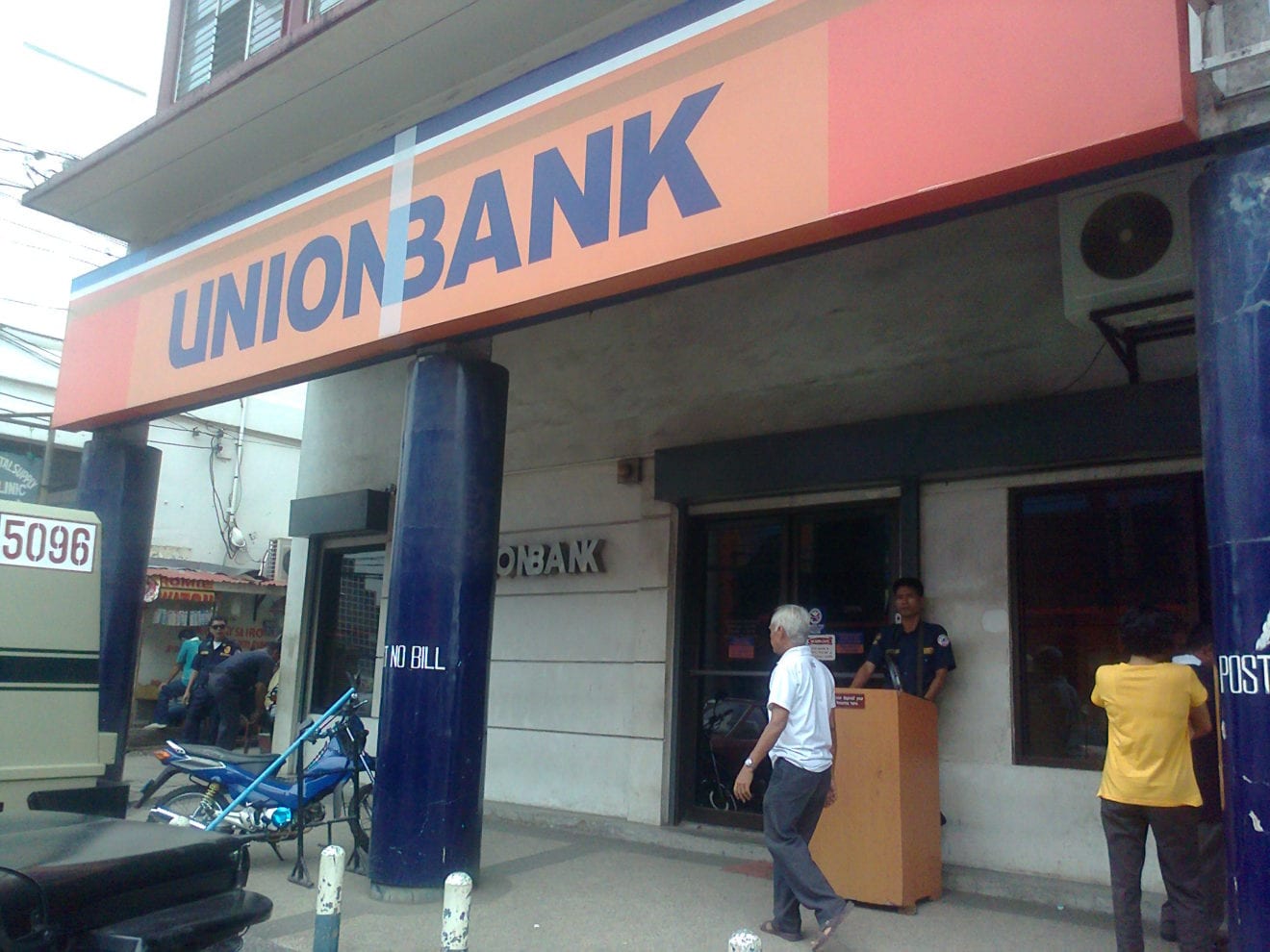
  • Union Bank of the Philippines Welcomes Five New Senior Officers to Strengthen Leadership Team

    Union Bank of the Philippines Welcomes Five New Senior Officers to Strengthen Leadership Team

    The retail landscape in Asia is witnessing a transformative shift as brands increasingly adopt hybrid shopping models in response to changing consumer preferences. As physical and digital shopping environments converge, retailers are finding innovative ways to enhance customer engagement and streamline their operations.

    Navigating the Hybrid Shopping Wave

    With the pandemic forcing a rethink of traditional shopping habits, many retailers are now enhancing their omnichannel strategies. This trend is particularly evident in Southeast Asia, where the integration of e-commerce and brick-and-mortar shopping experiences has taken center stage. Retailers are employing an assortment of tactics, from click-and-collect services to interactive in-store technologies that provide a seamless transition between online and offline shopping.

    Embracing Technology for Enhanced Customer Experience

    Technology has become a cornerstone in this hybrid shopping revolution, with a growing number of retailers leveraging data analytics and artificial intelligence to personalize the shopping journey. Stores are not merely spaces for transactions anymore; they’re evolving into experience centers where customers can immerse themselves in brands. Picture this: a mall filled with interactive kiosks and virtual reality displays, transforming mundane shopping trips into mini-adventures.

    Changing Consumer Behaviors and Expectations

    As consumer behaviors evolve, so do expectations. Shoppers now seek instant gratification and convenience, a demand that has prompted retailers to rethink their supply chains and operational processes. This includes offering faster delivery options and more flexible return policies. Additionally, as sustainability rises to the forefront of consumer consciousness, retailers are increasingly focusing on eco-friendly practices, from sourcing sustainable materials to reducing waste in their operations.

    Challenges Ahead: Striking the Right Balance

    While the hybrid model offers numerous benefits, it also presents challenges. Retailers must find the right balance between online and offline experiences to ensure they meet consumer expectations without straining resources. The challenge is akin to juggling flaming torches while riding a unicycle—challenging yet thrilling for those who dare to embrace it.

    Innovative Collaborations Driving Growth

    Innovative partnerships are becoming increasingly essential in this evolving landscape. Collaborations between technology companies and retailers are paving the way for enhanced shopping experiences, whether through advanced payment solutions, logistics support, or customer insights. As retail transforms into a more interconnected ecosystem, brands that forge strategic alliances are likely to enjoy a competitive edge.

    A Bright Future for Asian Retail

    As we move forward, the hybrid shopping model is expected to define the future of retail across Asia. With brands making strides towards integrating technology and prioritizing sustainability, the next chapter in retail promises not just growth but a reimagining of what shopping can be.

    This new era invites not only retailers to adapt but also inspires consumers to engage with brands in more meaningful ways than ever before.

    Questions & Answers

    What is driving the hybrid shopping model in Asia?
    Changing consumer preferences, combined with the impact of the pandemic, are compelling retailers to create seamless experiences that meld online and offline shopping.

    How are retailers leveraging technology to enhance customer experiences?
    Many retailers are incorporating data analytics and AI to personalize shopping journeys, while also creating immersive in-store environments through interactive technologies.

    What challenges do retailers face in implementing a hybrid model?
    Retailers must carefully balance their resources to deliver satisfying online and offline experiences while navigating the complexities of modern consumer expectations.

  • UnionBank taps Lendr to boost retail loans

    UnionBank taps Lendr to boost retail loans

    UnionBank of the Philippines (UnionBank) has tapped a multi-channel, telco- and bank-agnostic platform to boost retail loan growth.

    Salary, personal, automotive, housing, and other customer loan availments will soon be within reach through mobile devices as UnionBank and Voyager Innovations, Inc. (Voyager) collaborated to offer the bank’s retail loans portfolio through Lendr.

    Lendr is a fully digital, multi-channel, telco- and bank-agnostic platform that financial institutions and credit providers can use to reach consumers planning to avail themselves of loans through a single online “marketplace.”

    “In the fast-growing digital economy, innovation is the name of the game, and we are glad that UnionBank is seeing the vast opportunity for growth through digital lending with the help of Lendr,” Manuel V. Pangilinan, Voyager chairman, said.

    Voyager is the digital innovations arm of Philippines Long Distance Telephone Co. (PLDT) and Smart Telecom.

    “We are excited to work hand in hand to bring the best of Voyager’s FinTech innovations and UnionBank’s robust lending portfolio together for the benefit of Filipino consumers nationwide,” Pangilinan added.

    Through Lendr, UnionBank  expects to boost its retail loans portfolio and further extend its margins in consumer lending.

    “Technology, innovation and partnering have always been at the heart of UnionBank’s DNA,” Justo A. Ortiz, UnionBank chairman and chief executive said.

    “Banks need to compete with FinTechs but also need to collaborate with FinTechs, think and act like a FinTech and even transform into a FinTech in order to make a difference for our customers and other stakeholders,” he added.

    Considered a “blue ocean” opportunity for the banking sector, digital lending through online loans marketplaces like Lendr is fast becoming a priority as banks look for new opportunities.

    In an increasingly digital and mobile-driven banking landscape, partnership with financial technology or “FinTech” innovations is the key to successfully transitioning to digital banking.

    Through Lendr, UnionBank will be able to reach untapped markets without having to set aside huge capital outlays or undergo mergers and acquisitions.

    Customers will now be able to see and sign up for the bank’s various loan offerings  via SMS, the mobile app, and online with the help ofLendr.

    “We are excited to be working with Voyager, one of the best FinTechs in town. Collaborating with FinTechs is a key pillar of Unionbank’s digital transformation strategy,”said Unionbank President and COO Edwin R. Bautista.

    Lendr is expected to change the landscape for consumer loan lending not only in the Philippines but also in key growth and emerging markets through this marketplace approach.

    According to the Bangko Sentral ng Pilipinas, consumer lending has grown 20 percent year-on-year to reach P959.2 billion in the second quarter of 2015.

    “We expect more bank and financial institution partners to come on board for Lendr as we get ready to offer the service to consumers this year. Lendr is making consumer lending ‘always-on’ and ‘always-connected,” concluded Villanueva.

  • UnionBank bets on retail boost

    UnionBank bets on retail boost

    UNION BANK of the Philippines, Inc. (UnionBank) expects its retail business to boost its growth this year as an industry-wide slump in trading gains is seen continuing on the back of persisting market volatilities.
    The Aboitiz-led bank’s total loan portfolio is already bigger “in general” compared to its income from securities, UnionBank Senior Executive Vice-President Edwin R. Bautista said.“There’s a big growth in our loan book. It’s something that in the past we’ve said that we’ll do but the growth has always been just modest… but since last year, most of our growth is coming from retail,” Mr. Bautista told reporters in the sidelines of an Aboitiz party last Thursday.

    Currently, consumer lending — auto loan, mortgage, salary loans — makes up “more than half” of UnionBank’s P150-billion lending portfolio, while the rest are commercial loans, he added.

    “I think most of the banks know that the trading income would not be as much this year. We’re all trying to recover it through net interest income, fees, so growth, it will have to come from expansion of loan book because your source of income would be loans, fees, trading income. Since the opportunity to gain from trading income is not there, you have to make up through the other lines,” Mr. Bautista said.

    The bank official, who is set to take over the post of current UnionBank President and Chief Operating Officer Victor B. Valdepeñas by yearend, noted that there is a push to foray into retail banking since the “margin is very good.”

    Aboitiz Equity Ventures, Inc. (AEV) President and Chief Executive Officer (CEO) Erramon I. Aboitiz said in his speech during the same event that for UnionBank, AEV — the listed holding firm of the Aboitiz family’s businesses — “remains focused on its 2020 strategic objectives: double market share to 9%, 15% CAGR (compounded annual growth rate) volumes, balance revenues and becoming a great retail bank.”

    Last May, Mr. Valdepeñas told reporters that the Aboitiz-led bank targets up to 30% growth in its loan portfolio in 2015 compared to its P139-billion loan book as of end-2014.

    Moving forward, UnionBank sees its loan portfolio rising a little over its current level by yearend.

    This, however, will not be enough to lift the lender’s growth this year over its 2014 record.

    “Right now, we are I think more than 50%. In this market, once you hit 50% that’s already a big thing since the consumer market is small compared to the corporate loan market. So if you want to be big in terms of balance sheet, you have to be big in the corporate lending… [but] everyone wants to go into retail since the margin is very good,” Mr. Bautista said.

    “I think we will end the year near where we are right now or pretty much a little bit more, 5-10% from where we are today. Before, if you look at our balance sheet, securities made up bulk of that, but now loans in general take up bigger share compared to securities,” he further said referring to the bank’s loan portfolio growth.

    A STRETCH
    Mr. Bautista added: “It will be difficult to surpass last year’s growth.

    I think for all the banks, it will be a stretch. I think it will already be a big achievement if we match our level last year.”

    The bank earlier targeted a 5% growth in net income this year to P8.7 billion on the back of the continued expansion of its lending business, with at least a quarter of the earnings guidance to come from City Savings Bank, Inc. (CSB), a Cebu-based thrift lender it took over in 2013. The move consolidated the Aboitizes’ banking ventures under one company. UnionBank, a universal bank, is majority-owned by Aboitiz Equity Ventures, Inc., while CSB is also majority-owned by AEV and its food unit, Pilmico Foods.

    Meanwhile, UnionBank is open to possible acquisitions, Mr. Bautista said, “if the right opportunity presents itself” although the listed lender’s main focus “to strengthen” its current base.

    The bank is also currently maximizing its growth “to the extent that our capital allows without raising more capital right now” but UnionBank may tap the debt market should there be a need to do so.

    “We don’t see a need yet to raise the capital. We are in a sustainable growth trajectory that our income is enough to provide capital for the growth. But if we see an opportunity … then I think we will consider raising more capital. But we also don’t want to raise capital prematurely because it will reduce our RoE (return on equity),” he said.

    UnionBank saw its net income for the first six months of 2015 plunge to P3 billion compared to the P4.467 billion it posted in the same period a year ago.

    UnionBank shares closed at P53.80 apiece last Friday, gaining P1.80 or 3.46% from its previous close of P52 each.