Tag: united arab emirates

  • BYD Demonstrates 1,000 kW Robotic EV Charging Arm in the UAE

    BYD Demonstrates 1,000 kW Robotic EV Charging Arm in the UAE

    BYD demonstrated an automated robotic charging arm in the United Arab Emirates capable of plugging into electric vehicles and delivering up to 1,000 kilowatts of power without driver intervention.

    Chinese media reports published on November 9 showed the installation, which pairs the high-speed arm with on-site solar generation and battery storage cabinets to buffer electricity demand and prevent heavy spikes on the local municipal grid.

    The robotic arm manages the full replenishment sequence once an electric car enters the designated stall. Sensors run visual recognition and force-feedback controls to pinpoint the vehicle charging port, unlatch the protective exterior flap, and insert the heavy cable directly into the socket.

    How the Hands-Free System Operates

    After pumping power, the arm uncouples the connector and secures the port flap. The hardware accommodates multiple local connector standards rather than relying solely on domestic Chinese charging pin configurations, an essential step for foreign market adoption.

    Chinese technical reports say the 1,000-kilowatt terminal recharges vehicles fitted with BYD’s second-generation Blade Battery to full capacity within nine minutes, while providing a partial top-up in five minutes. The demonstration data omitted baseline state-of-charge figures, testing temperatures, and the specific car model used.

    Automated Parking and Desert Climate Demands

    The carmaker also exhibited an integrated park-and-charge function. A vehicle directs itself autonomously into the bay before signaling the mechanical arm to begin charging, linking autonomous maneuvering with hands-off replenishment.

    That setup targets extreme heat environments across the Middle East. Automated coupling prevents motorists from stepping outside into summer desert heat to wrestle stiff high-voltage cables.

    Commercial real estate owners and fleet managers face steep infrastructure challenges when deploying high-power charging at scale. Megawatt-level installations threaten to overwhelm local substations unless backed by local power reservoirs. By integrating solar arrays and stationary storage into the UAE station footprint, BYD demonstrates a standalone microgrid blueprint that commercial operators can place near retail hubs without triggering costly grid upgrades.

    Competition across export markets is forcing Chinese electric vehicle manufacturers to export complete ecosystems rather than standalone passenger cars. Delivering bespoke robotic infrastructure lets vehicle brands protect premium retail pricing against rival imports while tailoring hardware to harsh Gulf operating conditions.

    Development History and Next Rollout Steps

    BYD spent several years developing automated charging systems, initially engineering robotic dollies to replenish automated guided transport vehicles inside industrial facilities. The firm later shifted that research toward public passenger vehicle hubs.

    Earlier corporate patent filings detailed secondary automated capabilities, including sensor-based reads of tire pressure and automated valve inflation along with non-invasive vehicle interfaces. Those diagnostic functions were absent from the UAE demonstration site.

    BYD has not disclosed commercial pricing, manufacturing schedules, total installation targets, or export plans for markets outside the UAE.
  • KFC Opens First Muse Flagship in Dubai Ahead of Seoul Rollout

    KFC Opens First Muse Flagship in Dubai Ahead of Seoul Rollout

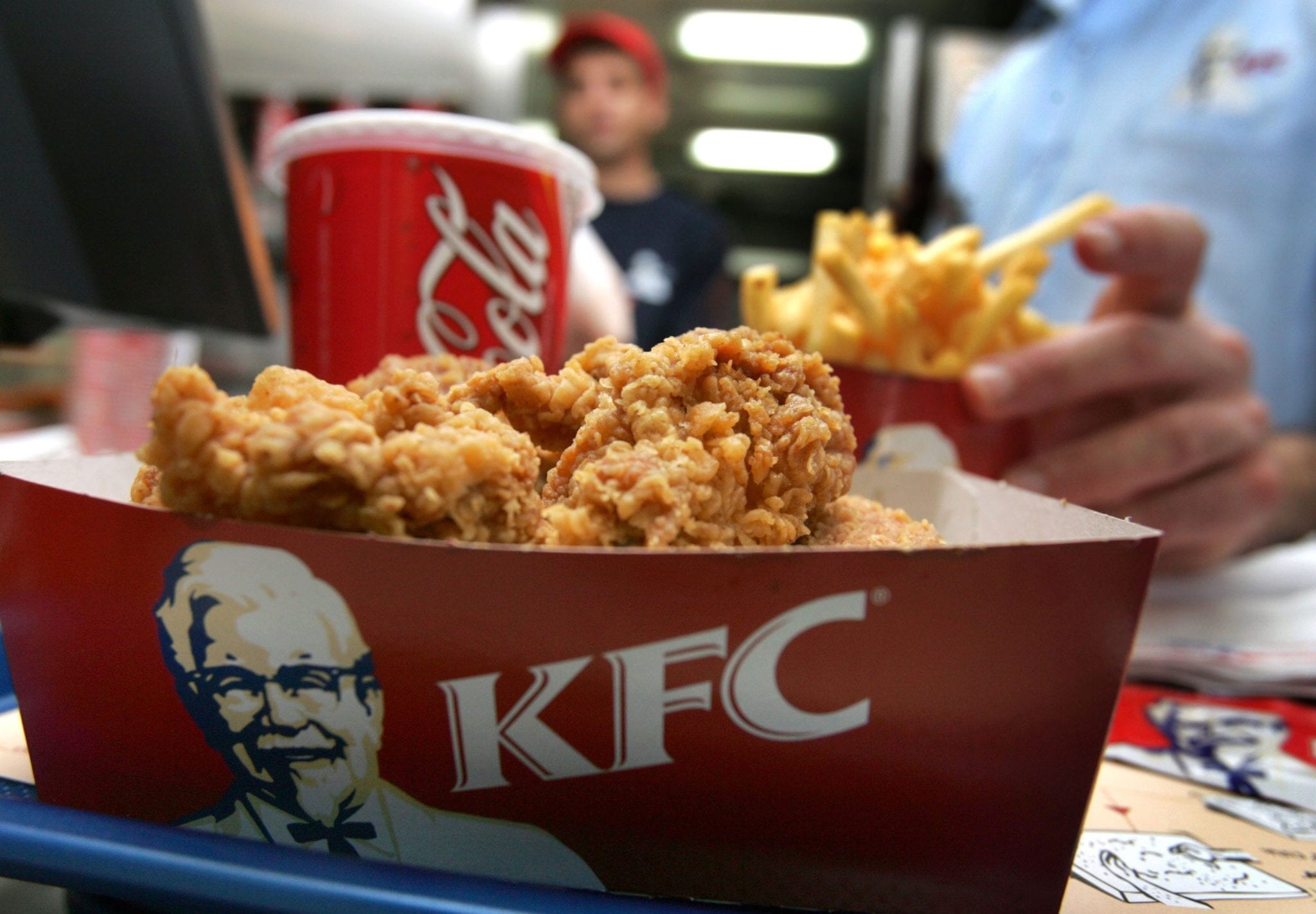
    KFC opened its first flagship under a new design concept called KFC Muse at Jumeirah Beach Residence in Dubai on October 31, 2026. The two-story restaurant serves as the testing ground for a planned global refit across the chain’s network of more than 34,000 outlets in over 150 countries.

    Americana Restaurants, the Middle East and North Africa franchisee run by chairman Mohamed Alabbar, developed the site in partnership with KFC parent Yum Brands. The property drops the standard fast-food format in favour of longer visits, larger floor plates and separate product stations designed to lift customer ticket sizes.

    Beverage lines and chicken customization

    Inside the JBR location, the operator built out an international beverage counter branded as KWENCH by KFC. The dedicated station sells hand-crafted specialty drinks outside regular lunch and dinner rush hours, including Boba Refreshers, Krunch Shakes, sparkling lemonades and iced coffees.

    Beside the drink counter, the outlet debuts KFC MIX’D, a service line where diners pick chicken cuts, add sauces and choose seasoning sprinkles before mixing them in a container. The floor plan organizes customer flows around what the company calls a Kinetic Bucket, a central media installation using synchronized lighting, sound and screens that shift throughout the day.

    The shift to quality experience formats

    Yum Brands is repositioning its chicken network toward what executive management describes as quality experience restaurants. Standard fast-food economics rely on tight margins, kitchen speed and high patron turnover. That operational model faces margin pressure across major markets as ingredient and labour expenses mount, pushing fast-food chains to fight coffee shops, bubble tea chains and casual dining spaces for afternoon traffic.

    Directing foot traffic into specialized beverage counters gives quick-service operators a higher-grossing product category that requires minimal kitchen equipment compared to frying lines. Specialty drinks also shield operators from raw poultry price swings while generating higher margins per transaction.

    Franchisee returns and regional risks

    For franchise partners like Americana, heavy capital expenditures on experimental interior builds bring clear financial exposure. Flagship locations in prime beachfront shopping districts like JBR carry elevated occupancy overheads that neighborhood drive-thru stores avoid. Replicating multi-level digital fit-outs across suburban restaurant estates will prove far harder to finance unless beverage sales show sustained double-digit gross margin gains.

    Rival chicken chains and local brands across Asia and the Middle East already compete heavily in the customizable chicken segment. South Korean operators in particular have dominated flavored, shaken and glazed fried chicken for years, meaning the concept will face immediate local competition when it lands in East Asia.

    “As we set the standard for the modern chicken QSR, we’re disrupting conventions, moving from QSR, quick service restaurant, to QXR: quality experience restaurant,” said Scott Mezvinky, Global CEO of KFC.

    Expansion plans set for Seoul

    The Dubai opening serves as the initial trial ahead of an immediate rollout into East Asia. Yum Brands confirmed that a second KFC Muse location will open its doors in Seoul before the end of the year.

    Both the Dubai and Seoul outlets will determine whether KFC scales the experiential layout, the KWENCH beverage counters and the MIX’D preparation tables into ongoing remodels across its broader 34,000-unit estate worldwide.

  • Li Auto Launches Li L9 in UAE Starting at $87,100

    Li Auto Launches Li L9 in UAE Starting at $87,100

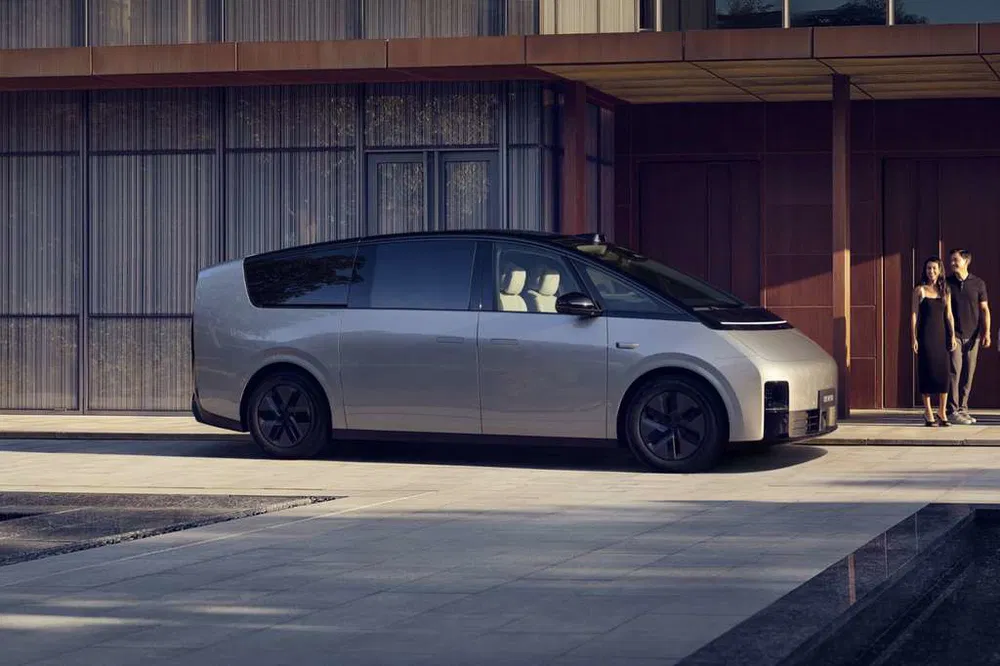
    Li Auto introduced its flagship L9 sport utility vehicle in the United Arab Emirates on Thursday, pricing the extended-range model from AED 319,900 ($87,100).

    The rollout gives the Chinese electric vehicle maker its first commercial sales operation in the Gulf, where it sells the SUV at a 28 percent premium over domestic retail prices.

    Local buyers can choose between two trims: the base Ultra and the AED 359,900 Livis edition. Both variants use a third-generation extended-range powertrain pairing a battery pack with a petrol generator, delivering 420 kilometres of battery-only range and 1,650 kilometres combined under China Light-Duty Test Cycle standards. The vehicles feature Qualcomm Snapdragon 8797 cockpit processors, steer-by-wire systems, and rear-wheel steering. On the higher-spec Livis, Li Auto includes an 800-volt active suspension alongside electromechanical brake-by-wire hardware.

    Dealership network and regional adaptation

    Engineers modified cabin thermal management and dust sealing to handle Gulf summer temperatures and desert driving. Digital interfaces include Arabic text support and localized navigation, with Arabic voice control scheduled for release by December. English voice interaction functions from launch.

    Sales run exclusively through Abu Dhabi-based conglomerate Al Fahim Group under an agreement signed in April. The partnership plans more than two showrooms and service centers across the country, starting with a downtown Dubai retail location opening in September. Buyers receive factory warranty coverage, certified servicing, and over-the-air software updates.

    Middle East expansion and production targets

    Chinese electric carmakers are pushing into the Middle East to broaden export revenue outside domestic price wars. Li Auto previously entered Kazakhstan and Uzbekistan, securing a local assembly contract with Kazakh group Allur. The company also signed a distribution agreement with Mohamed Yousuf Naghi Motors in Saudi Arabia in April, though sales dates for that market remain unannounced.

    Deliveries in China recovered in August to 37,679 units, up 32.07 percent year-on-year, but total volume for the first eight months fell 0.6 percent to 261,619 vehicles. The Beijing-based carmaker posted a second-quarter net loss of 1.7 billion yuan ($250.8 million) as revenue declined 15.1 percent to 25.7 billion yuan.

    Next on the company’s overseas calendar is an appearance at the 2026 Paris Motor Show, where it plans to display vehicles to European buyers for the first time.