Tag: united kingdom

  • DragonSea Deploys 37 Farizon Electric Vans to Expand UK Removals Fleet

    DragonSea Deploys 37 Farizon Electric Vans to Expand UK Removals Fleet

    Chinese logistics specialist DragonSea took delivery of 37 Farizon SV electric vans to handle door-to-door residential moves across the United Kingdom.

    The two-year lease deal equips the operator with battery-powered commercial vehicles tailored for cargo arriving from China. Broker Driveway Vehicle Solutions structured the transaction, with Pentagon Farizon Derby supplying the vehicles directly.

    Payload specs and route range

    Each SV L1H1 van runs on a 93 kWh battery pack delivering an operating range of up to 234 miles (377 kilometres) under WLTP testing. Cargo capacity reaches 6.95 cubic metres alongside a maximum payload rating of 1,265 kilograms and a 550-millimetre loading height.

    Those specifications allowed DragonSea to switch heavy household freight to electric traction without sacrificing daily operating radius on domestic transfer routes. Farizon Auto UK head of sales Zoe Tonks noted the model combines cargo volume with driver assist functions suited for dense urban removals.

    Chinese commercial EVs target European fleets

    Chinese commercial vehicle manufacturers are pushing rapidly into western European fleet networks, using competitive battery capacities and pricing to displace legacy diesel models. For cross-border logistics providers managing Asian trade flows, deploying Chinese-built electric vans in overseas destination markets creates fleet consistency across both ends of the supply chain.

    Farizon expanded its British lineup earlier this year by introducing the V7E medium electric van in Birmingham, alongside refreshed Core trim packages for the SV platform. Fleet operators will watch real-world battery degradation and second-hand residual values as these two-year lease terms approach renewal in 2028.
  • China’s Chery Automobile to Open UK Research and Development Centre This Year

    China’s Chery Automobile to Open UK Research and Development Centre This Year

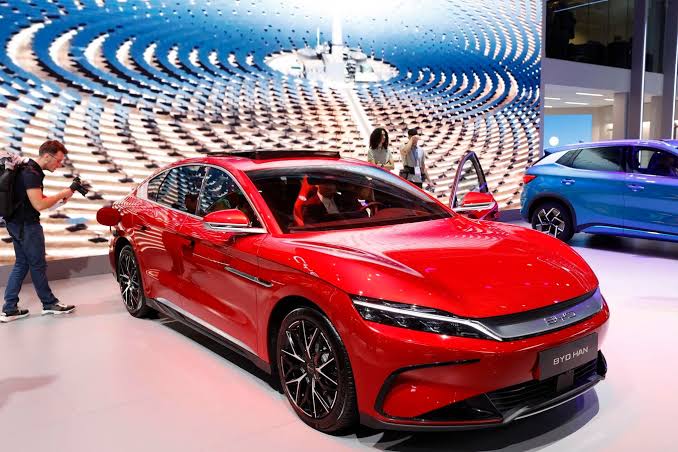
    Chery Automobile, a prominent Chinese car manufacturer, plans to open a new research and development centre in the United Kingdom later this year. The facility, situated at the UTAC Millbrook vehicle development and testing site in Bedfordshire, is scheduled for a late autumn 2026 launch.

    This strategic move comes as Chinese car brands see increasing demand in the UK market, with their share of new car registrations rising to approximately 15% in the first half of this year, up from 10% for all of last year. This growth is largely attributed to competitive pricing.

    Tailoring To British Drivers

    The initial focus of Chery’s new Bedfordshire centre will be on developing vehicle chassis and advanced driver-assistance systems specifically tailored for British drivers. Future plans include expanding into autonomous driving technologies and artificial intelligence. Gary Lan, CEO of Chery International UK, highlighted that UTAC Millbrook will enable the company to translate UK customer insights into product development, covering aspects from ride and steering to active safety systems.

    This R&D investment follows Chery’s recent agreement with Japanese carmaker Nissan to explore manufacturing its UK passenger vehicles at Nissan’s Sunderland facility in Britain. The establishment of local R&D capabilities suggests a deeper commitment to the market beyond just sales. Chinese brands such as SAIC Motor’s MG, BYD, and Chery’s own JAECOO and OMODA are currently among the leading Chinese marques in the UK.

    Regional Context And Future Growth

    The expansion into the UK market with both manufacturing considerations and a dedicated R&D hub reflects a growing trend among Asian automotive players to localize key functions beyond their home markets. This approach allows companies to better understand and adapt to regional consumer preferences and regulatory environments, fostering stronger brand loyalty and market penetration. For RetailNews Asia readers, this signifies the increasing global ambition and technical sophistication of Chinese automakers, potentially setting new benchmarks for competition and innovation in Western markets, and impacting how Asian brands are perceived globally. This strategic investment in R&D indicates a long-term engineering commitment, as noted by Kirsty Andrew, vice president, UTAC UK.

  • Waterstones faith finally changes

    Waterstones faith finally changes

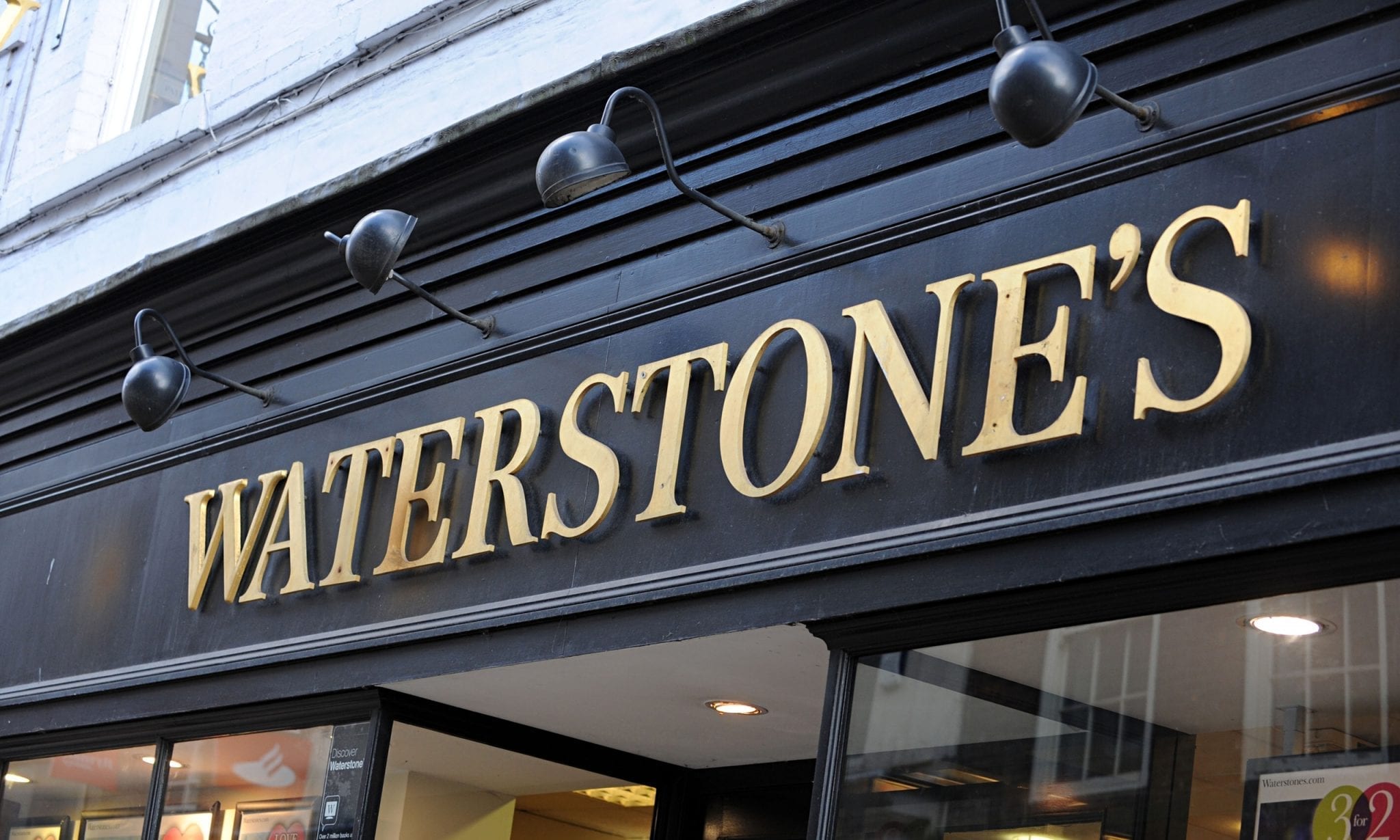
    UK bookstore chain Waterstones has posted its first profit in seven years.

    The return from the red comes after the company reviewed its network, closing six stores and opening seven. It has invested £9 million over the last year (on top of £8.3 million in 2015) to refurbish stores, including opening cafes in 46 of them.

    Mostafa Abd El Haleem, an analyst with GlobalData, says the cafes allowed the retailer to differentiate itself from its competitors.

    The return to profit also reflects a recovery in the book market after a period when it struggled to compete with online retailers and the growth in eBooks.

    “Waterstones has widened its product offering, benefiting from the growth of children’s books, seeing a 25 per cent rise in sales since 2010, with titles from Patrick Ness and Katherine Rundell performing particularly well,” says El Haleem.

    “The future for Waterstones looks brighter than it has for some time. E-books no longer pose the sort of digital threat that continues to devastate physical music and video sales, as consumers spend less time on e-readers in favour of mobile phones.”

    He said physical book sales continued to grow in the UK in 2016, “and we expect Waterstones to have been a key beneficiary of this”.

  • Lush ends ‘exceptional’ year

    Lush ends ‘exceptional’ year

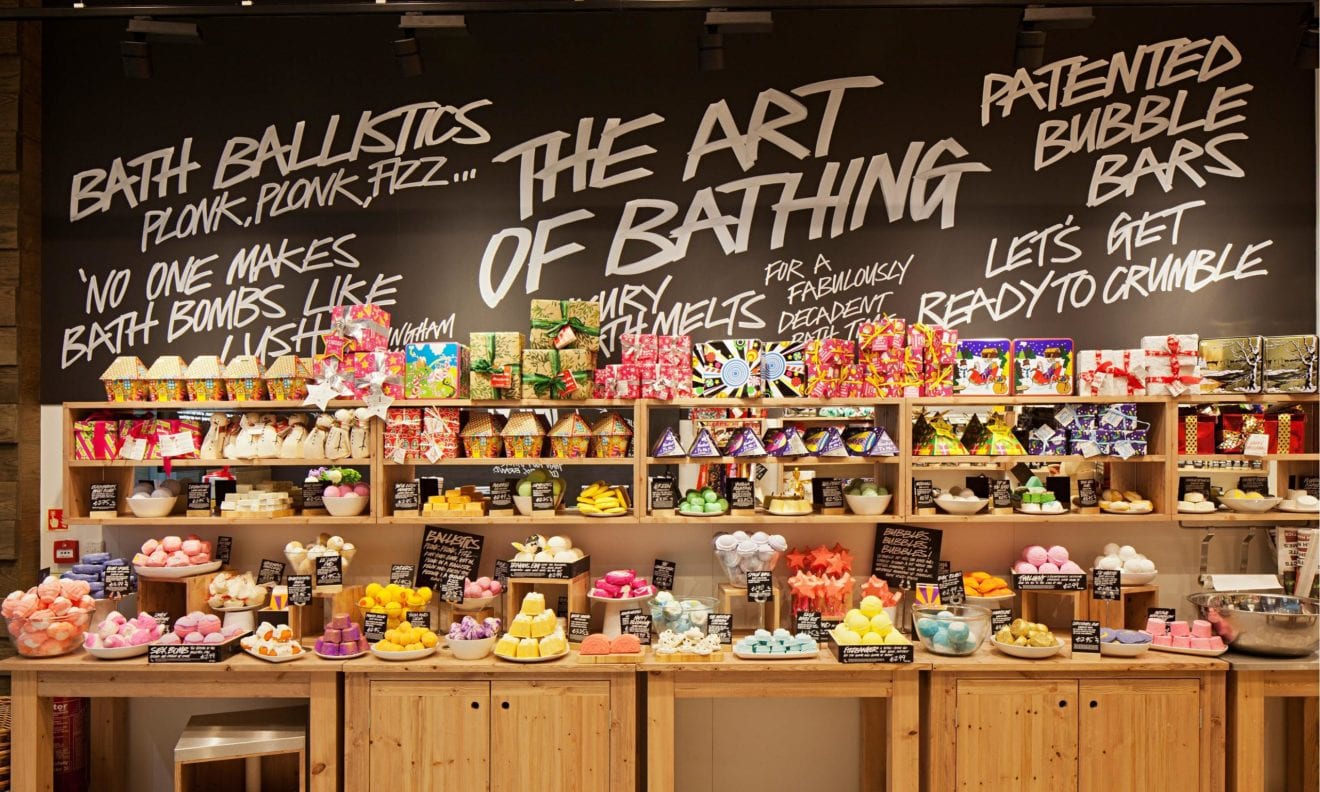
    Ethical cosmetic brand Lush has reported exceptional results for their 2014-15 financial year, with brand sales accelerating 26 per cent to £574 million.

    Strong like-for-like growth of 22 per cent has been achieved via the combination of its store estate and digital outlet, driving sales growth of 21.4 per cent and 27.8 per cent respectively. Despite Lush’s sales growth, profit figures were negatively influenced by currency volatility, particularly in Brazil – profit before tax dropped £900,000 on last year. Further dampening profits, exceptional costs in Japan heavily impacted group operating profit, plummeting by £9.2 million on last year.

    Store portfolio management remains a key focus of its strategic initiative, focusing on prime sites with larger selling space. The brand increased its store numbers to 933 in the financial year, having opened 93 shops and closed 58 throughout the year – UK current store numbers stand at 106, including its 9500 sqft flagship on Oxford St which opened in April 2015. Striving for higher turnover and basket sizes, 115 of its stores now have the ability to generate annual sales of over £1m, a 46 per cent increase in two years.

    Lush’s triumph stems from the growing number of consumers requiring cruelty-free and sustainably sourced cosmetics and skincare, which is in-turn enhanced by Lush’s capability in ensuring its staff can offer a high level of product knowledge and customer service in store.

    Lush has a way to go before reaching its 25 per cent online penetration rate, having increased marginally by 0.1 per cent to 8 per cent in its full year 2015-16, marginally outperforming the UK health & beauty market in 2015 estimated at 7 per cent. Online growth is far more challenging compared to sectors such as clothing, with lower prices and the essential nature of products driving traffic to stores, while consumers also like the instore experience and customer service element – especially in skincare items.

    While its two largest markets, US and UK, experienced resilient like-for-like growth of 37.2 per cent and 38.8 per cent respectively, its performance in Japan continued to disappoint at -11.2 per cent for the full year, with its turnaround remaining Lush’s greatest challenge. However, group sales for Q1 2015-16 have continued with an outstanding performance in both physical and digital outlets, up 21.7 per cent and 26.5 per cent, demonstrating the brand’s growing appeal among its loyal shoppers and strength in acquiring new customers.

  • Sportsdirect.com Malaysia expands

    Sportsdirect.com Malaysia expands

    Sportsdirect.com, the leading UK sporting goods retailer, opened its 13th Malaysian store this week.

    The new outlet is in the Oceanus Waterfront Mall in Kota Kinabalu.

    Sportsdirect.com Malaysia plans a further four new stores by November. The foray marks UK-headquartered Sportsdirect.com’s first direct retail investment in Asia, a partnership with Malaysian-owned MST Golf Group of companies, an established regional golf retailer.

    “We are delighted to be opening our next superstore at the Oceanus and to bring a variety of authentic sports brands and categories to Sabah consumers at unbeatable value,” said Sportsdirect.com Malaysia MD Paul Gibbons in a statement.

    At 10,000 sqft, the new store is the largest sports store in Sabah. Sportsdirect.com is a well-known sports shopping destination in UK and Europe with over 900 stores and annual sales revenue of RM15 billion.

    Sportsdirect.com offers a wide selection of global brands in sportswear, footwear and sports equipment, including leading brands such as Nike, Adidas, Puma, Yonex, Li-Ning, Speedo and Arena, alongside its exclusive portfolio of 28 internationally recognised sport, fashion and lifestyle brands including Dunlop, Slazenger, Everlast, Lonsdale and Karrimor.

    Malaysia customers experience the same look, feel and flow of the most modern UK stores, providing the widest and most in-depth range of equipment by brand, technical innovation and value.

    The stores are zoned by key sports categories: the Boot Room for football; Sheruns Heruns for running; Fitness Zone for fitness, cross training, gym equipment, weights, boxing, martial arts and yoga; Racket Centre for badminton, squash and tennis; Swim Shop for pool, beach, water sports and activities; Field & Trek for outdoor and winter, hiking, tracking and camping; the Games Room for table games, darts, table tennis; Big Action for bikes and skates; Men Sports Lifestyle; Women Sports Lifestyle and Kids Sports Lifestyle.

  • Sanpower named in Hamleys bid

    Sanpower named in Hamleys bid

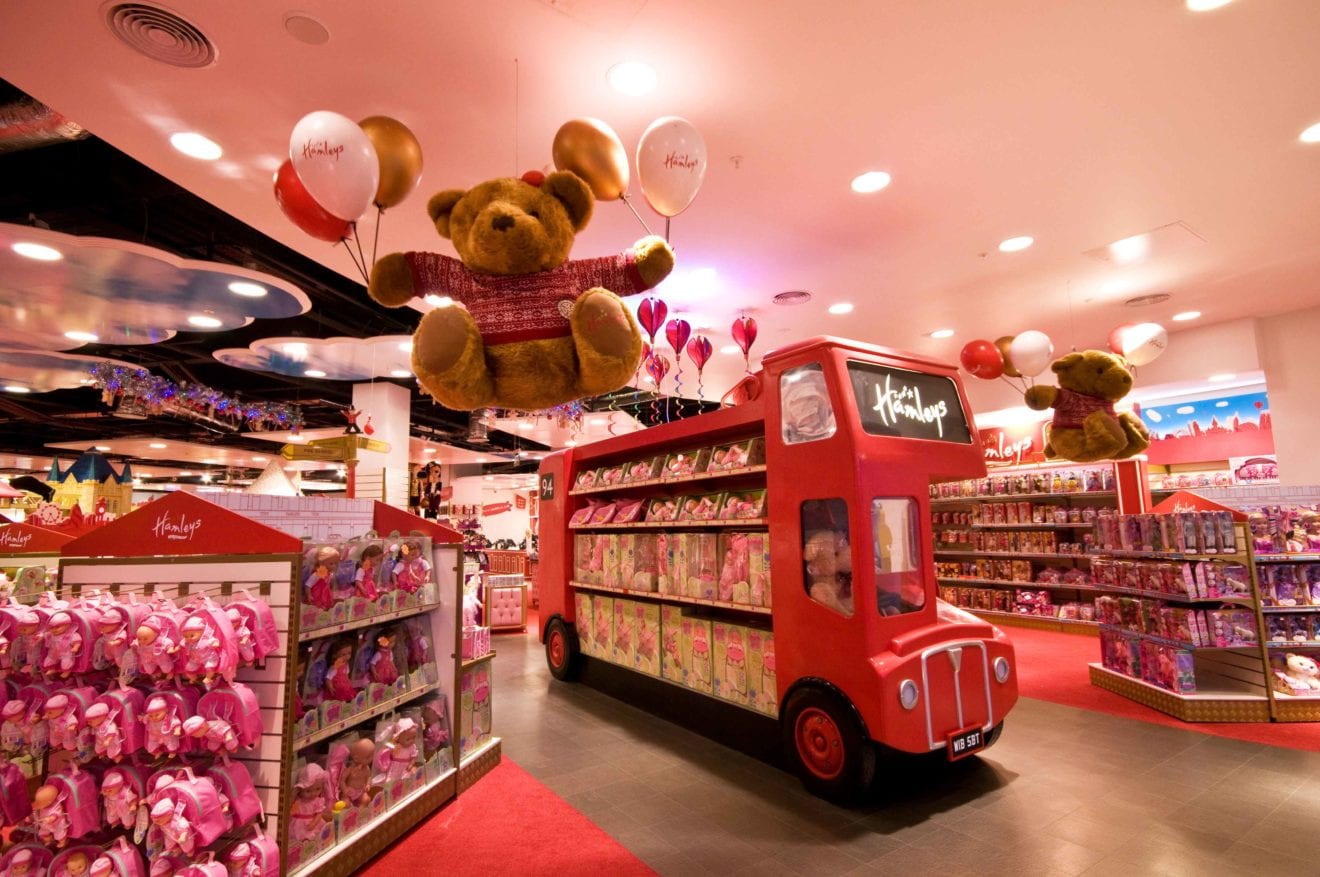
    Chinese language investor Sanpower is reported to be getting ready a bid for worldwide toy retailer Hamleys.

    Sanpower is the corporate which purchased 79 per cent of UK division retailer chain Home of Fraser final yr with the intention of increasing the enterprise into China, paying £480 million ($790.three million).

    UK newspaper The Sunday Occasions studies Sanpower is in discussions with France’s Groupe Ludendo, Hamleys father or mother, in what can be the primary of a number of deliberate investments in European retailing.

    Sanpower is concentrating on retailers with robust manufacturers and lengthy historical past – and with robust cashflow and worldwide presence – to increase the manufacturers into China the place a rising center class clamours for overseas branded items.

    Home of Fraser will open three malls in China’s mainland – in Nanjing, Chongqing and Xuzhou – between subsequent yr and 2017.

    Hamleys, which just lately opened an enormous flagship in Moscow and has this month introduced plans for its Vietnam debut, was based in 1760, initially branded Noah’s Ark.

    It’s London flagship on Regent St opened in 1881. Groupe Ludendo purchased Hamleys from collapsed Icelandic financial institution Landsbanki three years in the past for £60 million.