Tag: unmanned cashier

  • Shell Malaysia Launches 24-Hour Unmanned Petrol Mart

    Shell Malaysia Launches 24-Hour Unmanned Petrol Mart

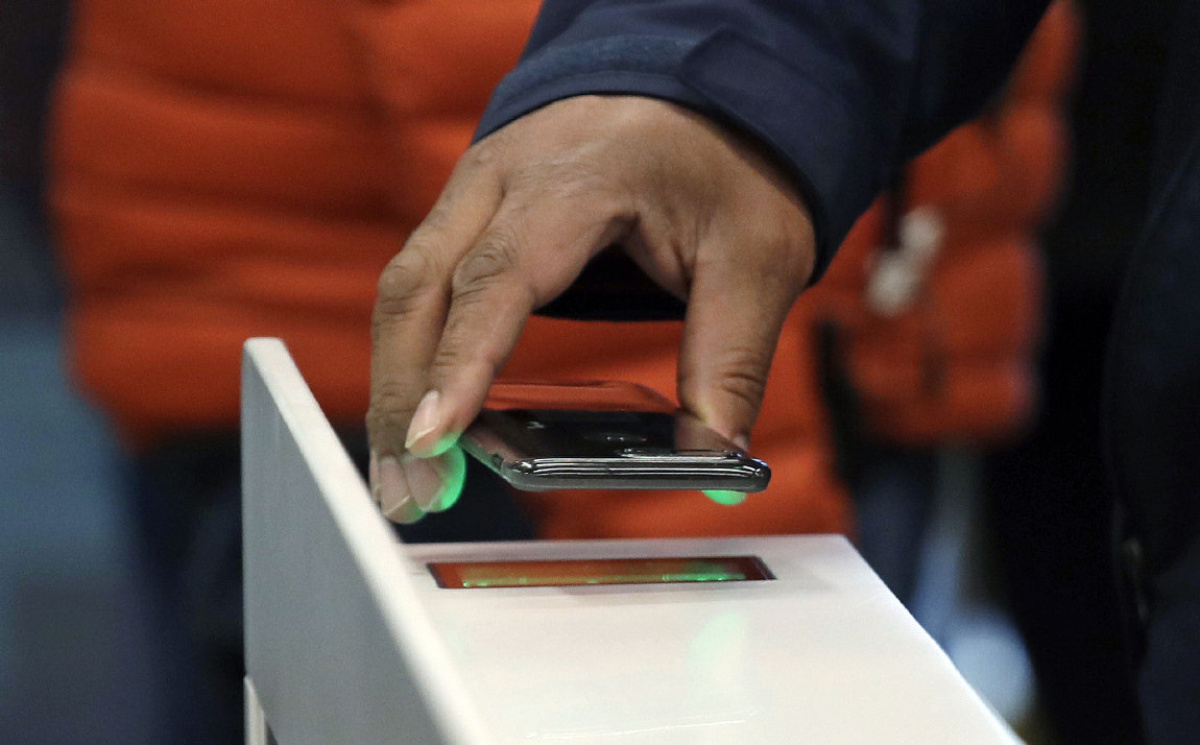
    Shell Malaysia has opened its first unmanned Select convenience store. Located at Shell Tezz Enterprise on Jalan Tun Razak, the store trades 24-seven and is powered by technology from BingoBox. Customers can select goods from the shelves and place them on the store counter which automatically calculates the price. Payments can be made by debit or credit cards, or by BingoBox’s mobile app.

    BingoBox is based in China and has launched in Malaysia through a joint venture with local company Scientific Retail.

    “Using BingoBox Retail Technology, we can provide customers with a seamless shopping experience when they are at Shell at any time of the day,” said CEO of Scientific Retail, Ng Seong Ping.

    Shell Malaysia MD Shairan Huzani Husain said the technology will improve customer service.

    “Our Shell site employees now have more time to attend to customers’ needs, thus ensuring they are able to leave our station a little happier,” he said.

  • Unstaffed shop to open in Tokyo on trial basis

    Unstaffed shop to open in Tokyo on trial basis

    A Japanese railway network operator is testing an unmanned store in a Tokyo railway station. The store will use artificial intelligence in place of cashiers to transact with customers in a trial expected to last about two months. The venture was opened by East Japan Railway, otherwise known as JR East, this week at the Akabane Station in Tokyo’s north.

    It has some 80 cameras mounted in the ceiling and on shelves recording customer behaviour before the AI software detects which items customers select.

    Customers pay using stored value cards issue by railway companies for transit.

    If the concept proves a success, JR East says it will begin rolling the technology out in stations across the city.

    The store is loosely modelled on unmanned stores opened in Mainland China, along with the Amazon Go concept in the US.

  • Are automated stores the future of retail in China?

    Are automated stores the future of retail in China?

    The world seems to now follow a path aiming at the removal of the human error factor through technology and automatization. From pilot-free aircraft to captain-less ships and self driving cars, this phenomenon is rapidly spreading.

    China in particular seems to be very keen on the technology.

    The online retailer JD.com has now opened over 20 JD.ID X-mart, an unmanned convenience store, in the country and plans on continuing its expansion both nationwide and internationally as it recently opened its first store in Indonesia. The store allows clients to shop without having to wait in line or pay in person as their credit card is automatically being charged for what they have chosen as they exit the location.

    Shanghai has also lately seen the opening of an automated store called X-24h. Visitors are asked to step on circular panels in front of capsule-style cases filled with bakery goods such as croissants and doughnuts. They can observe robots as they are freshly baking and packing the products. This brings a whole new experience to customers. Shanghai Geant Investment, the company behind the project, aims at bringing visual entertainment to its clients in the form of robots.

    Using artificial intelligence and mobile payments technology, visitors must scan a bar code for the case to open and leave as their phones are being automatically charged.

    China is the ideal region for these automated stores to thrive due to domestic labor force conditions. As the population in China is aging and people are fighting to escape low-end jobs, unmanned stores seem to be the solution. Moreover, Chinese consumers are open to new experiences and very fond of all technological solutions. They are more flexible and embrace new innovative options. Indeed, as of mid-2017, over 35% of all Chinese mobile phone users had often made mobile payments.

    However, the human touch lacks in those stores and technical glitches can quickly happen and hold them back.

    Some challenges still need to be overcome before technology fully takes over.