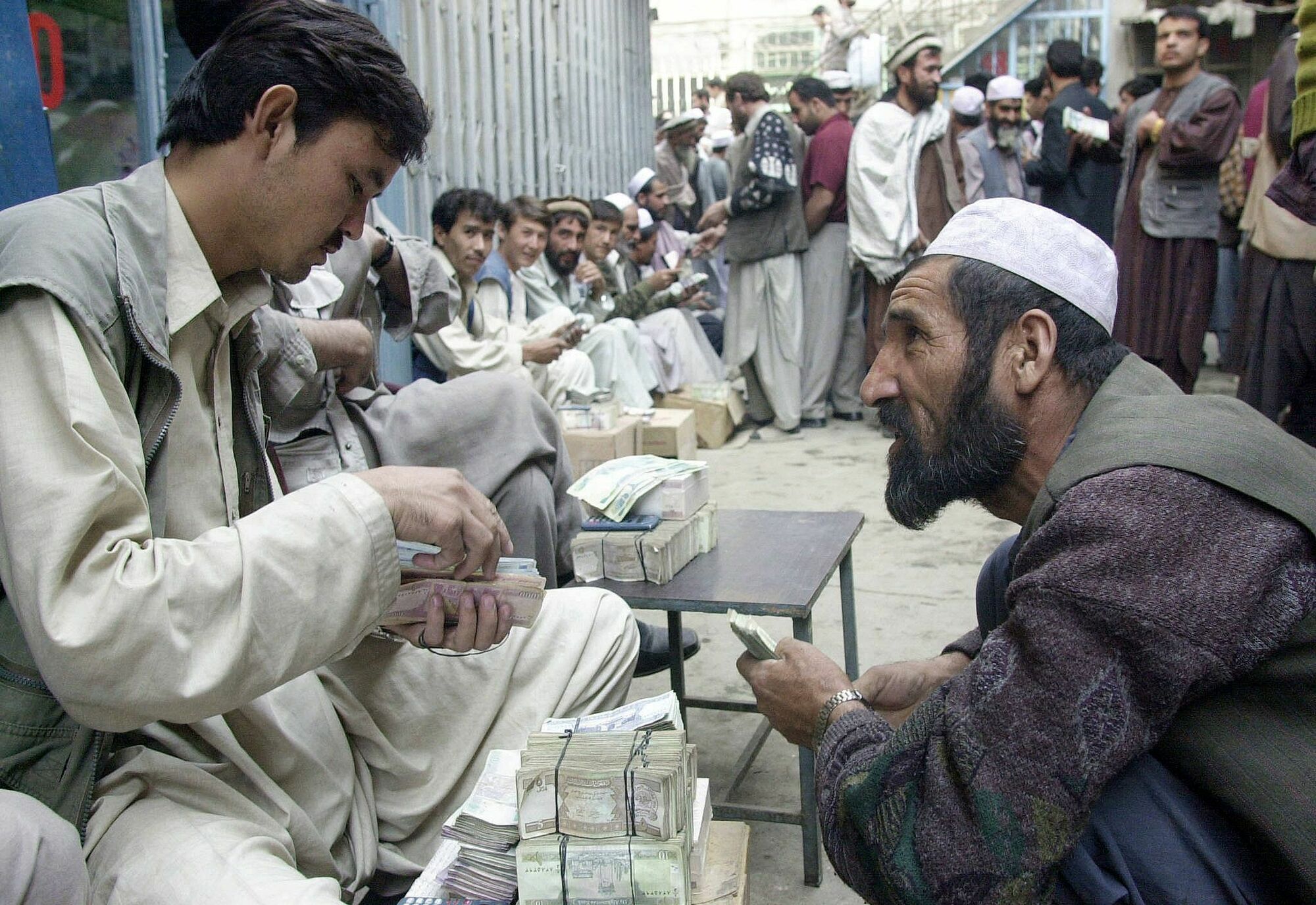
Underground hawala networks are tapping instant payment rails, digital wallets and crypto assets to launder funds across Asia, a joint FATF and OECD study shows. More than 80 per cent of surveyed jurisdictions identified these unlicensed services as primary conduits for professional money laundering, with single operations clearing upwards of €500 million within months.
The study, compiled with data from 45 jurisdictions including India and Pakistan, details how informal value transfer systems have shifted into commercial, scalable operations. Operators increasingly rely on encrypted messaging apps, digital banking logins and stablecoins to settle balances across borders without physical cash.
Digital Wallets and Cross-Border Corridors
Nearly 70 per cent of responding jurisdictions reported a sharp transition toward digital hawala. Hawaladars advertise currency exchange and transfer services in private groups on WhatsApp, Telegram and Signal, offering lower transaction fees than regulated money transfer operators.
In one case cited by the Central Bank of Oman, an unlicensed ring moved money to Pakistan by having expatriates transfer funds via cash or mobile services. The operators then used payment apps and domestic instant payment systems such as Raast in Pakistan to settle the recipient side, capturing profits through currency differentials while running $72,293 in tracked flows over 12 months.
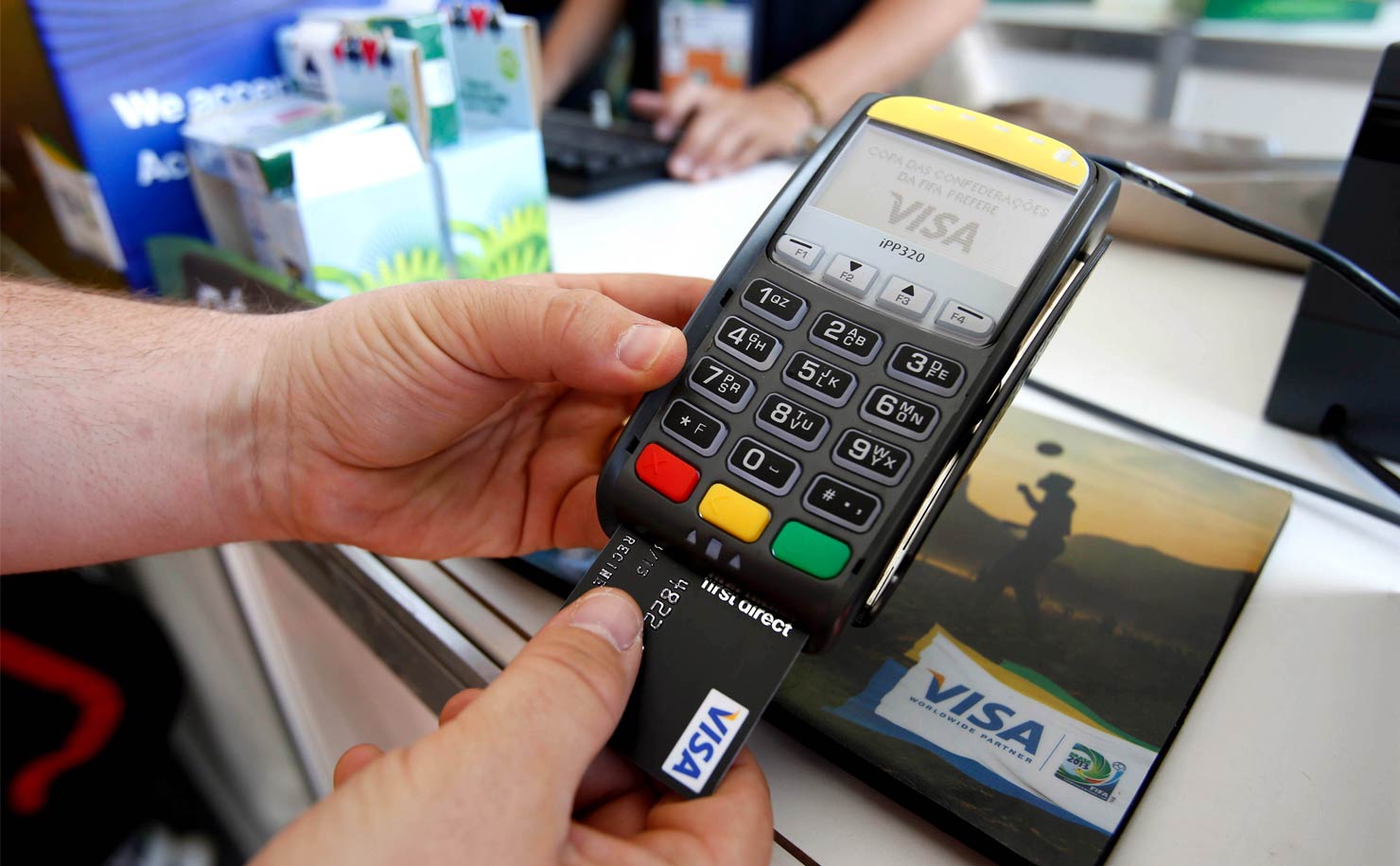
Operators also deploy purpose-built mobile applications, virtual international bank account numbers (IBANs) and artificial intelligence tools to coordinate complex payment flows across multiple countries.
Gambling Rings and Shadow Rails
In India, investigators identified an illegal online wagering ring that used an extensive network of panel operators to process player deposits and withdrawals. The scheme routed transactions through the Unified Payments Interface (UPI), online bank accounts and digital wallets opened with stolen identities or run by money mules.
Organisers converted portions of the proceeds into cash and routed them through underground hawala channels to the United Arab Emirates. The money was subsequently funneled back into India disguised as legitimate foreign investment.
For legitimate fintech operators and digital banks across Asia, the findings signal heightened regulatory pressure to monitor micro-transactions and peer-to-peer flows on retail payment rails. National regulators and standard-setters are preparing stricter registration requirements and oversight rules for digital wallet providers and payment service intermediaries.