Retail News CRM

Tag: Urban Outfitters

  • ViSenze AI technology helps people shop on Samsung phones

    ViSenze AI technology helps people shop on Samsung phones

    Visual commerce AI firm ViSenze has partnered with Samsung to help users easily discover and purchase products using the Shopping by Bixby Vision app on the electronics firm’s mobile devices. The partnership employs ViSenze’s automated visual-commerce technology and visual-search capabilities customised to consumers’ personalised shopping demands.

    “Consumers are exposed to countless products in their everyday lives that inspire and empower them to explore new trends,” said ViSenze CEO Oliver Tan. “Samsung is one of the first major companies to capitalise on this, recognising how essential it is to ensure the path from discovery to purchase is effortless.

    “At ViSenze, we work globally with some of the largest brands and retailers. Coupling this knowledge with our market-leading visual commerce technology, we are able to provide our partners with the insights and capabilities they need to find success with visual search and the commerce it’s driving each day.”

    According to material released by the brand, “Visual commerce solutions enable mobile shoppers to seize inspirational moments instantaneously by enabling them to find the same or visually similar products directly on their devices from top retailers such as Rakuten, Urban Outfitters and Zalora.”

    “Thanks to ViSenze, customers in this region can now take mobile shopping to new heights via Shopping by Bixby Vision, which makes shopping easier than ever, via your camera,” said head of mobile services & partnerships for Samsung Southeast Asia & Oceania Christopher Tarr.

    “From inspiration to instant gratification – it is that simple.”
  • Urban Outfitters China plans to expand

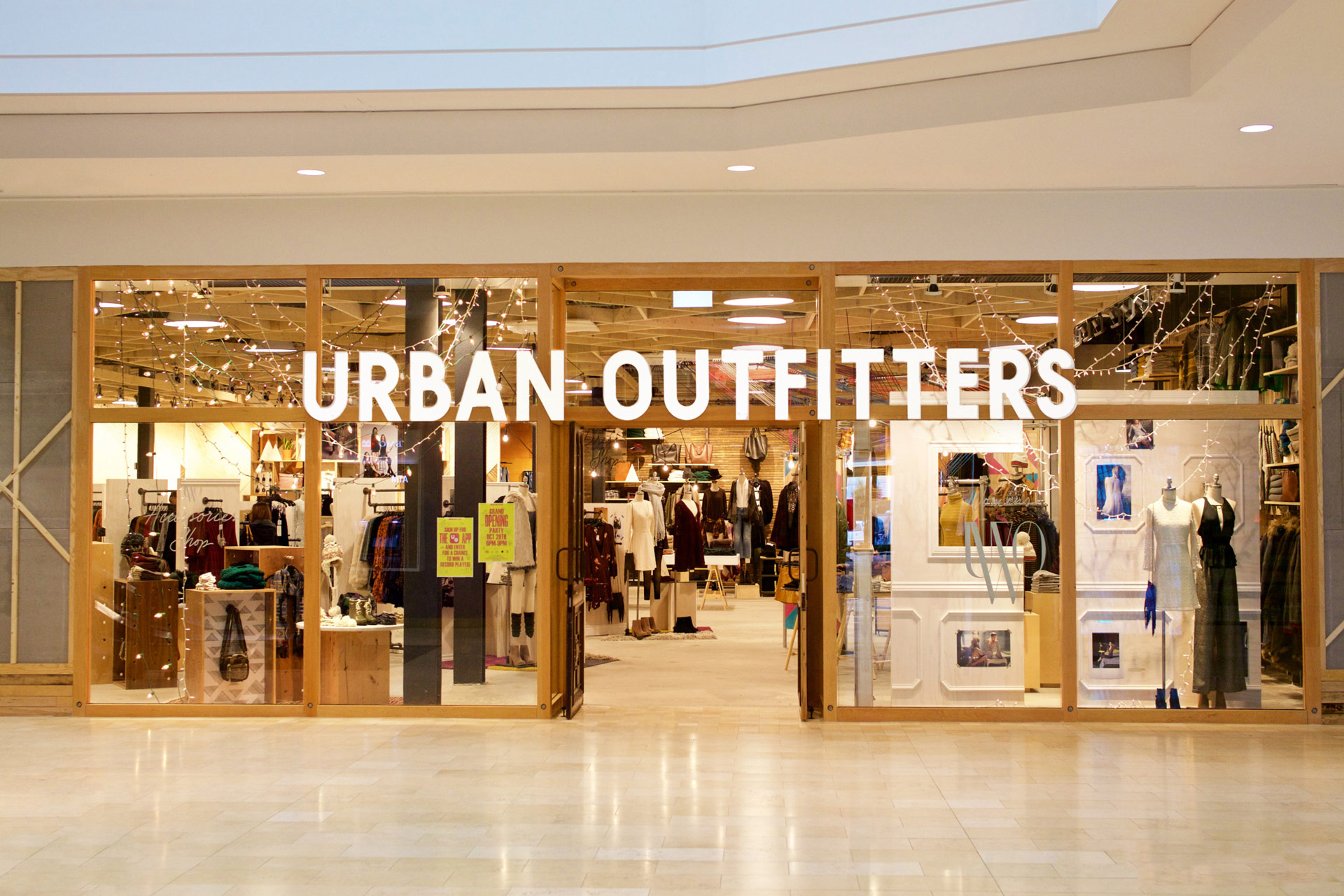
    Urban Outfitters China plans to expand

    US retailer Urban Outfitters has announced global expansion plans which involve a broadened commitment to China. According to a statement from the brand’s CEO Richard Hayne, Urban Outfitters China will be housing inventory while the company opens new locations in Europe and the Middle East, as well as taking on new distribution partners.

    The brand’s parent firm Urbn recently posted third quarter net sales of US$973.5 million, a 9 per cent increase over the same period last year.

    Urban Outfitters enjoyed strong sales while participating in the singles day shopping spree on e-tail platform Tmall.

    “We plan to establish a larger presence [in China] by mid-next year. To do this we will switch to the much larger Tmall Classic platform, hold inventory in-country and fulfill orders through a third-party service provider in China. In addition, we plan to sign leases for several stores to open in calendar year 2020,” said Hayne.

    Urbn will be expanding its network of 61 stores in Europe to 100 within three years, and will operate more than 10 stores in the Middle East by 2020.

  • Urban Outfitters sales more by online

    Urban Outfitters sales more by online

    The latest Urban Outfitters sales figures make for happier reading, coming after a string of poor results.

    A 3.5 per cent uplift in total sales in the third quarter is welcome, but it is the return of all brands to positive comparable sales that is most agreeable. This rise came despite the negative impact of the hurricanes on some stores: without this, comparable Urban Outfitters sales would have risen by 2 per cent rather than the reported 1 per cent.

    As good as the numbers are, there are still some weaknesses in Urban Outfitters’ performance. Foremost among these is the growing disparity between stores and the online operation. The latter continues to grow strongly, while the former is still in decline. Although the two trends balance each other out in sales terms, the impact on profit is negative because of the higher costs associated with fulfillment. This is not a new dynamic, but it is one that Urban Outfitters is still largely failing to address.

    The impact of online joined with a couple of other trends in depleting gross margin by 142 basis points over the period. One of these was the higher proportion of lower-margin furniture products in the sales mix. The other was a higher percentage of lower-profit international sales. Taken together, these things contributed to the 4.8 per cent decline in net income over the prior year. While this is a lot better than the 31 per cent decline posted over the nine months to-date, it is still one that leaves Urban Outfitters in the red when it comes to profit growth.

    Putting these issues to one side, the better performance was also delivered against a more positive backdrop for apparel where demand was stronger than it has been for most of the year. This is not to take away from some of the progress made by Urban Outfitters, but it does suggest that when put in context, the company still has some work to do to lift its performance.

    While Urban Outfitters and Anthropologie stores are not unpleasant places to shop, they do not make the process of buying easy. The customer has to do a lot of work to find the right product, which is one of the reasons increasing numbers are opting to buy online where sorting and filtering options make it easier to identify items of interest.

    Furthermore, while the fall and winter apparel ranges appear to have a little more cohesion, the overall clothing offer is too eclectic. That’s the reason Urban Outfitters, and to a lesser extent Anthropologie, are still dropping off the radar of some consumers. To remedy this, both brands need to develop a much clearer and more compelling handwriting that resonates with the core customer.

    Free People does a much better job at creating a unique and interesting offer, which is one of the reasons its performance has been so much better. However, the Urban Outfitters’ over-reliance on this brand – where comparable sales rose by 5 per cent – is problematic. If it is to sustainably boost performance, the company needs to be firing on all cylinders, not just one.

  • Urban Outfitters sales up – at last

    Urban Outfitters sales up – at last

    Anthropologie parent Urban Outfitters sales have finally turned around after a series of declining quarters.

    In the three months to January, same store sales rose six per cent – the first quarterly increase of 2014. It was a significant turnaround from a 10 per cent slump in the third quarter.

    Overall revenue increased by 11.6 per cent, to US$1.01 billion.

    Urban Outfitters operates retail chains under the brands Anthropologie, Free People and its own name. The company says demand rose most strongly in Urban Outfitters and Free People stores.

    CEO Richard Haye said the company was pleased to report what was its first billion dollar quarter, fuelled by positive retail segment ‘comps’ across all its brands.

    “It is encouraging to see this sales trend continue into Q1.”