Tag: urban retail

  • Sydney Commits 20 Million Dollars to Make 150 On-Street Dining Spaces Permanent

    Sydney Commits 20 Million Dollars to Make 150 On-Street Dining Spaces Permanent

    The City of Sydney will convert 150 temporary on-street dining sites into permanent footpath extensions. The work falls under a 20 million Australian dollar capital program running across the next eight years.

    Crews will replace temporary concrete barriers with paved street infrastructure across major hospitality strips. This secures outdoor trading space for more than 1,000 food and beverage operators.

    Five-year permits and streamlined rules

    Under revised guidelines taking effect on October 1, operators can secure five-year approvals for footpath extensions instead of relying on rolling temporary permits. The council has eliminated duplicate application filings. It also removed separate council requirements for outdoor food service, customer toilets and heating equipment.

    Venues gain the option to trade on both sides of a footpath where width permits. They can also expand seating in front of neighbouring commercial properties with consent, and install fixed planter boxes. Council compliance officers will focus on communication and business guidance until February 1. Punitive enforcement remains reserved for direct public safety hazards.

    Footpath upgrades across three key precincts

    Civil construction starts early next year along Darlinghurst Road, Erskineville Road and Stanley Street. These physical works will embed permanent dining terraces into planned streetscapes. Permanent kerb realignments and accessible pavements will replace the modular barriers installed during emergency trading periods.

    Both community and business have expressed strong support for our recent proposals which will make outdoor dining easier and boost the vibrancy of neighbourhoods and high streets. These latest changes will further enhance outdoor dining experiences while making the city more accessible for those passing through our streets.

    Operational shifts for venue operators

    The policy shift turns emergency kerbside space into bankable floor area for inner-city restaurateurs and bar owners. Fixed multi-year approvals allow operators to invest in higher-quality outdoor fitouts and equipment. Seating capacity cannot be revoked on short notice.

    For commercial landlords, permanent outdoor seating increases trading capacity without requiring building alterations or higher internal floor space ratios. Venue managers face the main day-to-day challenge. They must maintain clear accessibility corridors along active pedestrian footpaths while managing higher table turns outside.

    Building on pandemic-era street dining

    Sydney introduced free outdoor dining permits in 2020 to help food venues survive indoor density caps during pandemic disruptions. Since that initial rollout, the city has approved more than 2,600 applications. This created roughly 16,000 square metres of outdoor trading area across high streets and suburban commercial villages.

    More than 150 submissions from local residents, business owners and industry associations during public consultations earlier this year helped shape the final regulatory framework. Progressive construction across the first batch of permanent street locations begins early next year following formal council sign-off.


  • Starbucks Expands in East Asia as Walmart Unwinds Suburban Hypermarkets

    Starbucks Expands in East Asia as Walmart Unwinds Suburban Hypermarkets

    Starbucks continues to scale its store footprint across East Asian metros while Western big-box operators like Walmart have spent years unwinding their suburban hypermarket networks.

    The divergence reveals how high-density Asian urban layouts reward high-frequency beverage retail while penalizing large-format car-dependent grocery models.

    Western retail expansion into East Asia split along structural lines over the past two decades. Big-box hypermarkets required expansive floor plates, suburban road infrastructure, and weekly bulk purchasing routines that never fully aligned with daily fresh food shopping habits in cities across China, Japan, and South Korea. Coffee chains, by contrast, secured small-footprint real estate embedded directly into transit nodes, office towers, and dense residential clusters.

    Urban Density And Real Estate Economics

    Hypermarket operators faced escalating commercial rents on massive suburban plots that could not generate the sales density required to offset real estate overhead. Local convenience store chains and neighborhood wet markets retained daily foot traffic, while domestic e-commerce platforms quickly captured non-perishable consumer goods.

    Starbucks structured its expansion around rapid footfall and premium beverage margins. Store units occupy high-traffic ground-floor positions in office complexes and transit hubs, turning compact footprints into reliable daily transactions. The company positioned its locations as functional meeting spaces for urban workers living and working in tight quarters.

    Localization Of The Consumer Experience

    Walmart relied heavily on centralized global procurement systems and standard supply chains designed to lower unit costs through sheer volume. That formula failed to dislodge regional grocery competitors who maintained direct, daily ties with domestic produce distributors and localized supply channels.

    Beverage operators adapted their product menus and store concepts far more quickly. Seasonal product launches, integration with regional digital payment apps, and localized delivery partnerships allowed coffee chains to embed themselves into daily consumer routines across tier-one and tier-two cities.

    Supply Chains And Digital Delivery Channels

    The rise of on-demand quick-commerce platforms in East Asia further eroded the traditional hypermarket advantage of wide product selections under one roof. When consumers can order household staples on mobile apps for delivery within thirty minutes, the incentive to drive to an out-of-town warehouse store disappears.

    Coffee retail adapted directly to this shift by integrating order-and-pay apps and motorcycle courier fleets into store operations. Compact urban kitchens double as mini-fulfillment nodes for instant delivery without adding significant real estate overhead.

    Western multi-brand retailers entering East Asia now structure their market entries around small-format, experience-driven spaces rather than sprawling suburban warehouses. The next operational test centers on maintaining beverage gross margins as domestic discount coffee brands add thousands of low-cost kiosks across the region.

  • Uniqlo Plans 20 Urban Flagship Stores Across Japan over Next Decade

    Uniqlo Plans 20 Urban Flagship Stores Across Japan over Next Decade

    Fast Retailing plans to expand Uniqlo’s flagship store network in Japan to around 20 locations over the next decade. The apparel group is shifting capital away from standardised suburban shopping centres to focus on multi-storey urban showpieces in prime metropolitan districts.

    The strategy alters the retail footprint that built Uniqlo into Japan’s dominant clothing chain. For decades, the brand expanded by opening uniform formats along roadside corridors and inside suburban shopping complexes across provincial prefectures. Future capital expenditure will prioritise high-traffic urban centres designed to deliver higher sales density and elevated brand visibility.

    Shifting capital from roadside formats

    Standard suburban outlets offer limited scope to show the brand’s full product range or create distinctive customer experiences. Flagship formats allow the group to display complete seasonal collections, test specialty service concepts, and handle heavier transaction volumes per square metre.

    Across Asian retail markets, apparel groups face maturing domestic suburban populations and rising store operating overheads. Flagship locations in transit hubs capture both regular daily commuters and high-spending international tourists, delivering better returns on lease costs than distributed suburban networks.

    New locations and tourist hubs

    Uniqlo currently runs global flagship stores in Tokyo’s Ginza district and Osaka’s Umeda commercial hub. Future openings under the revised 10-year plan will target prime retail corridors in Nagoya and Sapporo, along with additional high-footfall central Tokyo districts such as Shibuya.

    The urban rollout begins in western Japan, with Uniqlo scheduled to open its first global flagship store in Kyoto in November.

  • Robinsons Malls Adds Accessibility Upgrades Across Philippine Network

    Robinsons Malls Adds Accessibility Upgrades Across Philippine Network

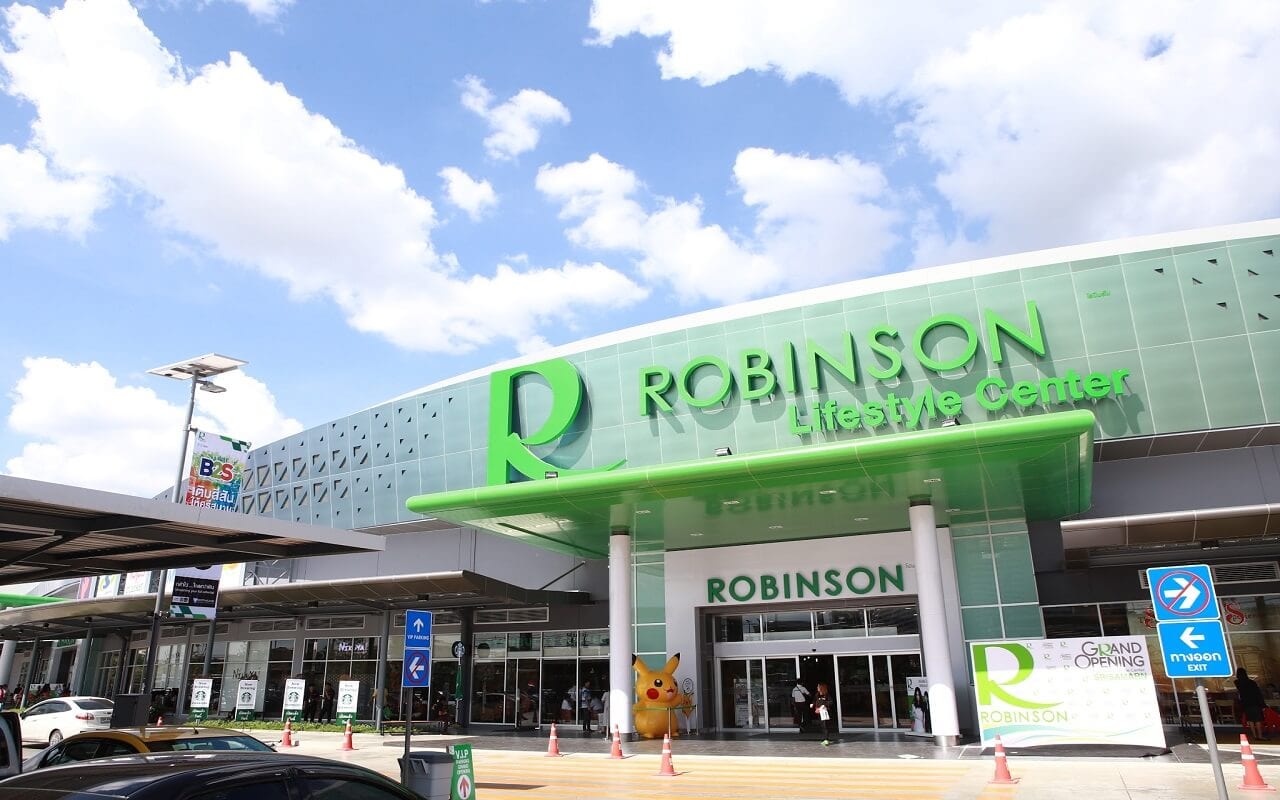
    Robinsons Land Corp. Is rolling out accessibility retrofits across its retail portfolio after Robinsons Las Pinas won a bronze award at the 31st Apolinario Mabini Awards. The recognition evaluated commercial premises on physical design adjustments and day-to-day facilities tailored for persons with disabilities.

    Organised by the Philippine Foundation for the Rehabilitation of the Disabled, the Mabini awards evaluate physical infrastructure, barrier-free pathways, operational assistance, and staff readiness across commercial properties. Robinsons Las Pinas took the Bronze Award in the Disability-Friendly Establishment category.

    Portfolio Retrofits and Building Standards

    Design teams at Robinsons Land Corp. Are adapting architectural layouts across existing properties to align with updated accessibility targets. The program covers ramps, accessible rest areas, dedicated parking bays, transit access points, and service counters designed for wheelchair users and visitors with mobility limits.

    Operational protocols also involve coordination with local community organizations and government agencies to ensure frontline mall personnel handle customer assistance requests correctly. Two other portfolio properties, Robinsons Magnolia in Quezon City and Robinsons Galleria South in San Pedro, Laguna, previously earned Mabini awards under similar operational audits.

    Commercial Footprint in Greater Manila

    Philippine mall developers face rising pressure to modernize older suburban assets as shopping centres evolve into community service centres handling government agencies, clinics, and everyday retail. Metro Manila shopping complexes compete intensely on basic convenience and universal access to retain family foot traffic.

    Property owners that neglect universal design risk losing footfall from multi-generational shopping groups, particularly as suburban transit links bring older shoppers and mobility-impaired visitors directly into retail corridors. Robinsons Malls plans to maintain these design standards as baseline criteria for upcoming renovations and new mall openings across regional provinces.