Tag: urban transport

  • Grab Cuts Maximum Take on Vietnam Rides to 32% from 40%

    Grab Cuts Maximum Take on Vietnam Rides to 32% from 40%

    Singapore-based ride-hailing operator Grab will reduce its maximum take from rides in Vietnam to 32 per cent from roughly 40 per cent, according to the country’s antimonopoly regulator.

    The ceiling reduction follows an official review prompted by driver complaints, which culminated in a two-day boycott in Ho Chi Minh City during September.

    Regulatory Pressure Drives Platform Changes

    Vietnam’s antimonopoly authority intervened after drivers lodged formal complaints regarding platform deductions from passenger fares. Across the broader region, fee adjustments and driver support measures are set to cost the Singapore-headquartered mobility group $115 million.

    The policy overhaul follows a similar intervention in Indonesia, where regulators capped ride-hailing commissions to shield gig workers from escalating platform fees. Southeast Asian antitrust authorities are increasingly targeting take rates that platforms expanded during their push toward profitability.

    The Cost of Driver Retention

    Aggressive fee reductions compress margins across Grab’s core mobility arm, altering unit economics in one of its key growth markets. For fleet operators and individual drivers, an eight percentage point cut in maximum platform deductions provides immediate relief against rising vehicle operating costs.

    Competitors across Southeast Asia face identical pressures. Platforms that extracted higher commissions to satisfy public market investors must now calculate whether absorbing the $115 million cost hit will insulate them from deeper statutory fee limits in neighbouring jurisdictions.

    Labor Friction Preceded Intervention

    Driver dissatisfaction boiled over into operational disruption in Ho Chi Minh City during September, when drivers staged a two-day boycott protesting excessive fees. That strike accelerated regulatory scrutiny, pushing authorities to review how the company structures driver compensation.

    Southeast Asian transport authorities are tracking whether the 32 per cent ceiling stabilizes driver supply before deciding on formal nationwide statutory caps.
  • Grab Cuts Maximum Take on Vietnam Rides to 32% from 40%

    Singapore-based ride-hailing operator Grab will reduce its maximum take from rides in Vietnam to 32 per cent from roughly 40 per cent, according to the country’s antimonopoly regulator.

    The ceiling reduction follows an official review prompted by driver complaints, which culminated in a two-day boycott in Ho Chi Minh City during September.

    Regulatory Pressure Drives Platform Changes

    Vietnam’s antimonopoly authority intervened after drivers lodged formal complaints regarding platform deductions from passenger fares. Across the broader region, fee adjustments and driver support measures are set to cost the Singapore-headquartered mobility group $115 million.

    The policy overhaul follows a similar intervention in Indonesia, where regulators capped ride-hailing commissions to shield gig workers from escalating platform fees. Southeast Asian antitrust authorities are increasingly targeting take rates that platforms expanded during their push toward profitability.

    The Cost of Driver Retention

    Aggressive fee reductions compress margins across Grab’s core mobility arm, altering unit economics in one of its key growth markets. For fleet operators and individual drivers, an eight percentage point cut in maximum platform deductions provides immediate relief against rising vehicle operating costs.

    Competitors across Southeast Asia face identical pressures. Platforms that extracted higher commissions to satisfy public market investors must now calculate whether absorbing the $115 million cost hit will insulate them from deeper statutory fee limits in neighbouring jurisdictions.

    Labor Friction Preceded Intervention

    Driver dissatisfaction boiled over into operational disruption in Ho Chi Minh City during September, when drivers staged a two-day boycott protesting excessive fees. That strike accelerated regulatory scrutiny, pushing authorities to review how the company structures driver compensation.

    Southeast Asian transport authorities are tracking whether the 32 per cent ceiling stabilizes driver supply before deciding on formal nationwide statutory caps.
  • Tada Enters Singapore Driverless Minibus Trial Starting in Early 2027

    Tada Enters Singapore Driverless Minibus Trial Starting in Early 2027

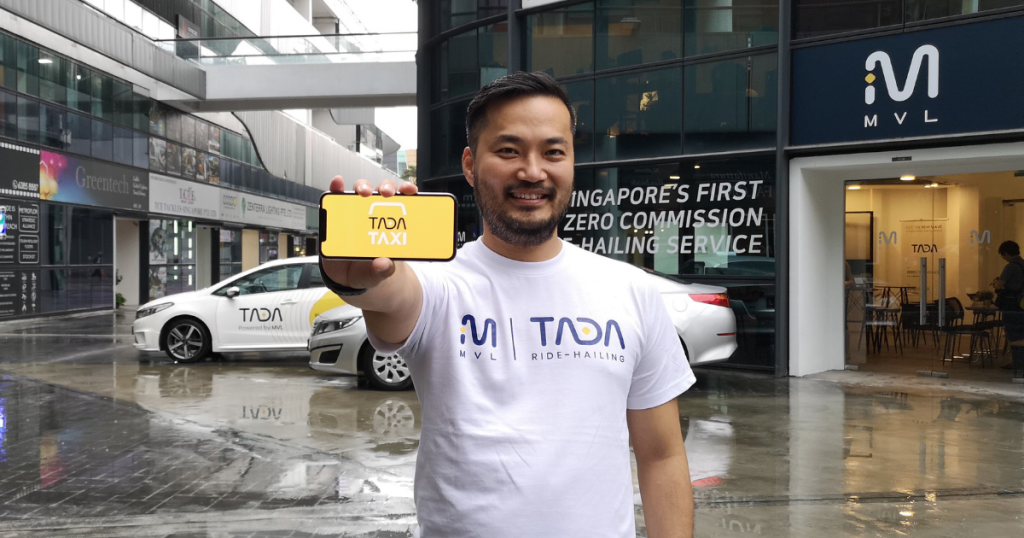
    Singapore ride-hailing company Tada Mobility has joined an autonomous minibus pilot scheduled to launch in early 2027 across the resort island of Sentosa. The initiative deploys driverless vehicles engineered by Chinese developer WeRide, matching moves by regional rival Grab into commercial autonomous services.

    An autonomous minibus destined for the Sentosa route was displayed during a media preview in the city-state on Oct. 29. Singaporean authorities continue to lean on self-contained tourism destinations to evaluate passenger safety, booking uptake and fleet management platforms before expanding trials into busier residential estates.

    The upcoming pilot brings autonomous public transport directly into Tada’s app ecosystem as leisure passengers navigate the island’s attractions. By introducing driverless shuttles to one of the country’s most frequented leisure corridors, the partnership tests whether holidaymakers will embrace automated mass transit for their daily transfers.

    Hardware and Route Rollout

    Vehicles built by China-based WeRide will operate on designated routes across the island resort, where tourist footfall provides dense, predictable transport demand. The platform previewed its autonomous minibus in Singapore on Oct. 29 ahead of route mapping and system certification.

    Tada plans to integrate booking options into its mobility ecosystem to study how leisure travellers interact with driverless public transport. Sentosa already acts as a test ground for private shuttle lines, monorail links and cable cars, giving operators a closed network to run trials without mixing directly into dense urban city traffic.

    The Race Against Regional Competitors

    Grab has pursued its own autonomous vehicle partnerships across Southeast Asia, testing self-driving technology alongside transport research institutes and automotive suppliers. By adding WeRide hardware, Tada avoids the heavy capital expenditure of building proprietary self-driving stacks, relying instead on proven Chinese vehicle platforms.

    For operators, the risk sits in fleet unit economics and battery charging logistics in tropical weather conditions. Driverless shuttles eliminate driver commissions, which form the primary cost line in private-hire operations, but they substitute labour costs with upfront vehicle financing, sensor maintenance and remote tele-operation safety staff.

    Regulatory Steps Across Singapore

    Singapore has tested autonomous buses and road-sweepers over the past decade under regulatory sandbox frameworks. Authorities require physical safety drivers or certified remote monitoring systems during all public demonstration phases.

    WeRide secured Singapore road-testing permits after testing its robotaxi and mini-bus variants on Chinese city streets. The Sentosa pilot represents its most visible commercial show for consumer-facing transport in the city-state.

    Next Steps for the Pilot

    Project engineers are completing route surveys and sensor calibration across Sentosa’s arterial roads ahead of the launch window. The passenger trial will measure route turnaround times, booking frequency and operational uptime across early 2027.

  • Vingroup and Alstom Agree on Deal for 200 Hanoi Metro Trainsets

    Vingroup and Alstom Agree on Deal for 200 Hanoi Metro Trainsets

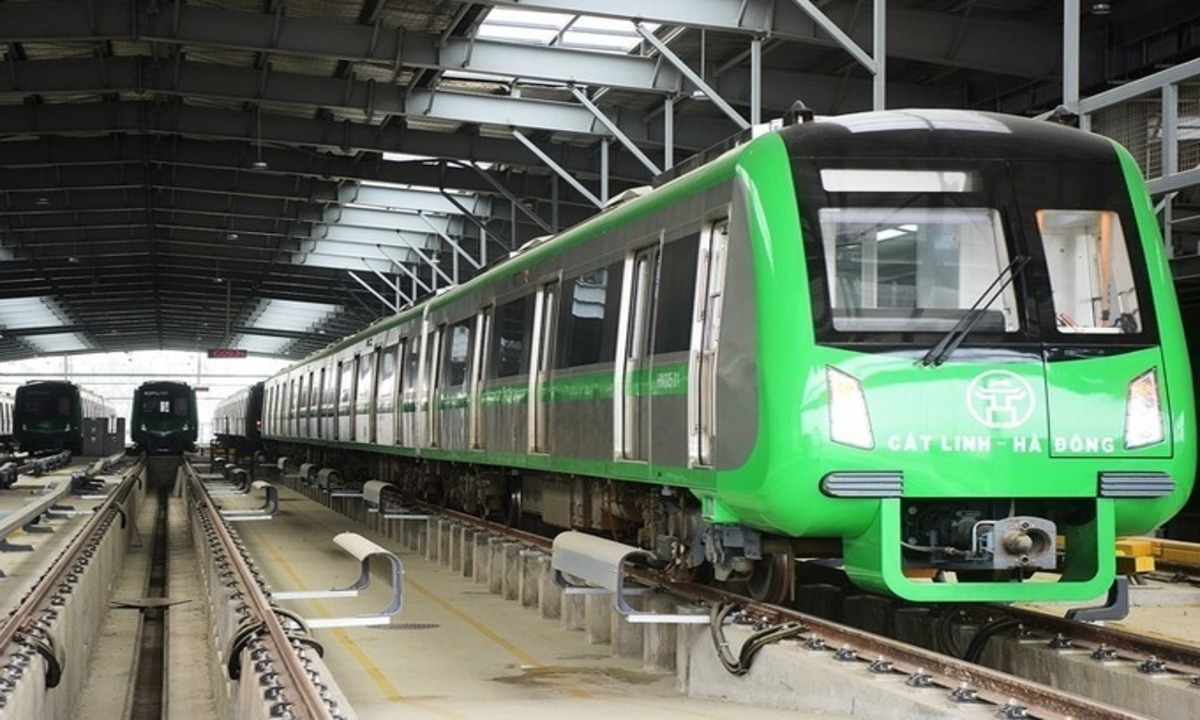
    Vietnam’s Vingroup and France’s Alstom announced a deal on Tuesday for 200 metro trainsets and an associated technology transfer to support Hanoi’s urban rail network. The partnership covers fully automated, driverless rolling stock for the capital city’s planned transit lines.

    Alstom will design and construct the initial batch of 83 five-car trainsets at its manufacturing plant in France. Vingroup will assemble the remaining 117 trainsets at its facilities in Vietnam. Alstom will supply engineering expertise, tooling systems, and critical components for the domestic build.

    Splitting production between France and Vietnam

    Work will shift industrial capacity to Vietnam in two phases. Alstom handles early engineering and fabrication in Europe to set technical baselines for the automated systems. Vingroup then assumes direct assembly operations to build out domestic rail manufacturing capability.

    Neither company disclosed delivery timelines or the total financial value of the contract. Alstom will stay tied to local assembly lines across the build program, providing specialized parts and technical supervision throughout.

    Industrial shift for Vietnam’s transit pipeline

    Securing domestic rolling-stock assembly alters the economics of future transit tenders. It reduces long-term dependence on fully imported fleet orders. However, Vingroup takes on the execution risk of mastering precision rail manufacturing alongside its existing industrial operations.

    Rail development is one of Vietnam’s most active transport sectors. Planners in Hanoi and Ho Chi Minh City have mapped out approximately a dozen lines between them. That pipeline creates continuous demand for standardized rolling stock and signalling hardware across both hubs.

    Scaling the capital city network

    Vietnam has accelerated procurement to relieve road congestion and support high-density commercial corridors. In the capital, Hanoi has outlined a blueprint to expand its urban rail footprint to 979 route kilometres across 18 separate lines by 2045.

    Fleet procurement will scale up as line construction advances toward those milestones. The next operational metric to watch will be the formal announcement of delivery schedules and line allocations for the first French-built trainsets.

  • Chinese Automakers Launch Five-Minute EV Fast Charging

    Chinese Automakers Launch Five-Minute EV Fast Charging

    Chinese electric vehicle makers have introduced ultrafast charging systems this week that replenish passenger car batteries in five minutes, cutting charging times to rival standard petrol pump stops.

    The engineering milestone targets range anxiety directly as automakers deploy high-voltage platforms across new production models to secure domestic market dominance.

    High Voltage Platforms Hit Dealerships

    Domestic manufacturers showed the updated charging architecture across production models, including the Geely Galaxy E8, at the Auto China exhibition in Beijing. The vehicle architecture relies on high-voltage electrical systems that handle higher current loads without overheating battery cells.

    Accelerated charging speeds require dedicated station hardware capable of delivering high power outputs safely. Automakers are pairing vehicle releases with dedicated charging infrastructure investments across tier-one cities in China to guarantee headline charging speeds for retail buyers.

    Infrastructure Demands and Grid Integration

    Deploying five-minute charging shifts operational pressure from vehicle powertrains to urban electrical distribution networks. Fleet operators, commercial landlords, and charging networks must install industrial-grade battery energy storage systems at stations to buffer the grid against sudden spikes in electrical demand.

    For retail and property operators hosting charging points, five-minute turnaround times dramatically increase station throughput and customer turnover. Shorter dwell times change how commercial landlords monetize driver visits, shifting retail strategy from long-stay amenities to high-frequency grab-and-go formats.

    Regional Competitive Pressure

    Legacy foreign automakers face renewed margin pressure across Asian markets as Chinese brands commercialize battery breakthroughs faster. European and Japanese competitors selling into China continue to rely on longer 15-to-30-minute fast-charging cycles on mainstream consumer lines.

    The technology gap threatens foreign brand equity in Southeast Asia and Latin America, where Chinese original equipment manufacturers are expanding retail dealership footprints. Buyers in export markets increasingly treat charging speed as a primary purchasing criterion alongside upfront sticker price.

    Manufacturing Milestones

    Chinese battery suppliers spent recent development cycles optimizing cell chemistry and thermal management systems to handle continuous high-current inputs. The commercialization of five-minute charging marks the transition of advanced silicon-carbon anodes and liquid-cooling designs from laboratory test benches to high-volume assembly lines.

    Vehicle brands are integrating these platforms across entry-level and premium product lines rather than restricting ultrafast charging to low-volume halo vehicles. The broader rollout lowers component unit costs across suppliers in the domestic supply chain.

    Commercial focus now turns to highway network operators as charging infrastructure providers work to deploy compatible multi-megawatt public dispensers along national transit corridors.

  • VinFast Affiliate GSM Launches First Overseas Motorbike Service in Jakarta

    VinFast Affiliate GSM Launches First Overseas Motorbike Service in Jakarta

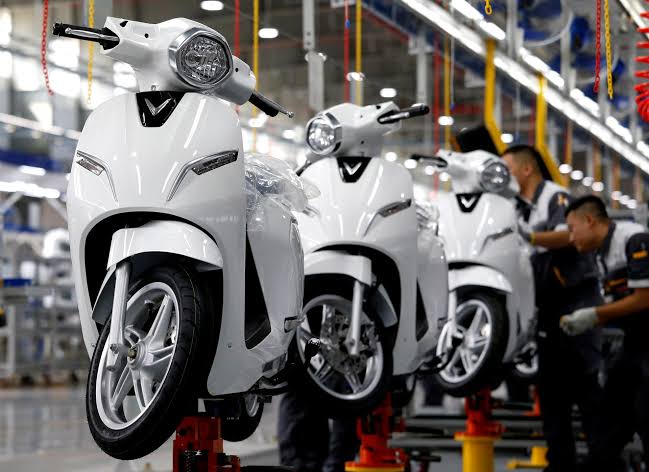
    Vietnam’s electric taxi operator Green and Smart Mobility (GSM) launched VinFast electric motorbike taxis in Jakarta in September 2026. The rollout is its first two-wheeler passenger service outside Vietnam.

    This expansion deepens the Vingroup affiliate’s presence in Southeast Asia’s largest economy, potentially creating another sales channel for the loss-making EV producer. GSM previously launched electric car services in the Indonesian capital.

    Fleet deployment across Jakarta

    Operating locally as PT XANHSM Green and Smart Mobility Indonesia, the company integrated two-wheeler bookings into its consumer app alongside its Green Car and Green Premium tiers. Local operating centres recruit drivers directly, using VinFast electric scooters built for commercial urban transit.

    Jakarta is the first overseas market for GSM’s two-wheeler taxi model. In Vietnam, the company already runs extensive fleets of electric cars and scooters across major cities, including Ho Chi Minh City and Hanoi.

    Captive demand for VinFast

    Commercial volume from the expansion flows directly to VinFast. The Vietnamese automaker remains loss-making as it scales production. Internal fleet sales through GSM absorb factory output and build brand visibility in new export territories.

    Deploying fleets creates instant street-level exposure in congested Southeast Asian capitals. For vehicle manufacturers entering price-sensitive markets without established dealer networks, a proprietary ride-hailing platform serves as both a test fleet and a live showroom.

    Competition in Indonesian ride-hailing

    Entering Jakarta puts GSM into direct competition with dominant incumbents Grab and GoTo’s Gojek. Both operate massive two-wheeler networks across Indonesia. Established players rely primarily on gig drivers who own their vehicles. GSM instead operates a dedicated fleet structure, controlling vehicle standardisation and battery charging infrastructure.

    High capital costs for vehicle procurement, fleet maintenance and charging support present clear financial risks in a market with strictly regulated motorcycle fares and severe price competition. GSM bets that lower operating and maintenance costs per kilometre will offset the capital outlay of deploying new electric two-wheelers.

    Regional footprint and next steps

    Parent conglomerate Vingroup is pushing to build an international footprint for its transport ecosystem. GSM has expanded rapidly across Southeast Asia and Central Asia, entering Laos and Kazakhstan with fleet operations running exclusively on VinFast hardware.

    Regulatory approvals for broader route operations and expanded driver recruitment across greater Jakarta will determine how quickly GSM scales beyond initial central deployment zones.

  • UK Plans $2.5 Billion Financing for Ho Chi Minh City Metro Extension

    UK Plans $2.5 Billion Financing for Ho Chi Minh City Metro Extension

    UK Export Finance, Britain’s export credit agency, is preparing up to $2.5 billion in financing to help Ho Chi Minh City extend its metro line to Long Thanh International Airport, according to reports in September 2026.

    The planned facility from UK Export Finance represents one of the largest single Western financial packages proposed for Vietnam’s urban rail network, targeting the transit corridor between the country’s main commercial centre and its upcoming aviation hub.

    Financing the Airport Corridor

    UK Export Finance structured the proposed package to back engineering, rolling stock and systems procurement as municipal planners push to connect the city center with Long Thanh. The greenfield airport in neighboring Dong Nai province needs mass transit links before opening commercial terminals to relieve congested Tan Son Nhat International Airport.

    Vietnam relies heavily on bilateral export credit agencies and official development assistance to build out urban rail. Ho Chi Minh City’s initial metro infrastructure experienced extended delays and budget adjustments, prompting authorities to look for structured export credit packages that tie financing directly to equipment delivery and construction milestones.

    Shifting Transit Real Estate Dynamics

    Securing rail access between central Ho Chi Minh City and Long Thanh changes commercial land economics across the southern economic corridor. Retail developers, logistics operators and hospitality groups have acquired land parcels around planned transit nodes, anticipating commuter volume shifts once the airport becomes operational.

    For international contractors and rail operators, the British financing framework opens direct procurement channels in a market historically dominated by Japanese, South Korean and European consortiums. The risk centers on local site clearance and rights-of-way handovers across provincial borders, which previously slowed rail integration projects across the metropolitan area.

    Broader National Transport Timelines

    The financing proposal emerges alongside an accelerated national infrastructure schedule. Vietnam set a target date of December 2027 to start construction on its multi-billion dollar north-south high-speed rail line, while provincial authorities fast-track supplementary feeder roads and freight connectors across southern industrial zones.

    Final credit terms and municipal approvals will determine when procurement tenders open for the Long Thanh airport rail route.

  • Singapore Quota Prices Cross S$105,000 Ahead of 2025 Diesel Registration Ban

    Singapore Quota Prices Cross S$105,000 Ahead of 2025 Diesel Registration Ban

    Singapore car buyers face quota premiums topping S$105,689 for large vehicles as the city prepares to halt new diesel car registrations in 2025. The policy mechanism keeps private passenger cars to 509,302 units across the island while public transport systems carry the bulk of daily commuter trips.

    Under the Vehicle Quota System managed by the Land Transport Authority, prospective owners must secure a 10-year Certificate of Entitlement before putting a car on the road. Auction prices in May 2024 stood above S$92,700 for Category A cars with engine output under 97 kilowatts and S$105,689 for larger Category B models. Commercial vehicle quotas cleared at S$72,001, while motorcycle permits reached S$9,311.

    Vehicle Quotas and Tax Structure

    Taxes push local retail prices far above global benchmarks. Buyers pay an Additional Registration Fee tiered between 100 per cent and 320 per cent of a vehicle’s open market value, driving total on-the-road costs to roughly five times the level seen in Western markets. The total motor vehicle population stood at 957,006 units in 2018, restrained by administrative caps in place since 1990.

    Fleet operators also face tight structural rules across ride-hailing and point-to-point services. Singapore counted 83,037 taxis and private hire vehicles as of March 2019, with flag-down taxi fares starting between S$3.20 and S$3.90 outside the Central Business District. Private hire vehicles operate exclusively through digital booking platforms.

    Transit Network and Fleet Targets

    Public transport carries the remainder of passenger volume across the territory. Four contracted operators, SBS Transit, SMRT Buses, Tower Transit Singapore and Go-Ahead Singapore, run more than 5,800 buses across 365 scheduled routes under a competitive tendering model that logged over 4.0 million daily trips in 2019.

    Across Southeast Asia, auto brands rely on high-volume passenger car growth in developing markets like Indonesia and Thailand, but Singapore functions purely as a high-margin proving ground for electrification and automated systems. Retailers and fleet managers now navigate a regulatory schedule that bars new diesel registrations starting in 2025, before a binding mandate requires all newly registered cars to run on cleaner energy models, including electric, hybrid or hydrogen fuel cells, by 2030.