Tag: us market

  • Bubs Australia Revenue Reaches $111.9 Million as US Distribution Expands

    Bubs Australia Revenue Reaches $111.9 Million as US Distribution Expands

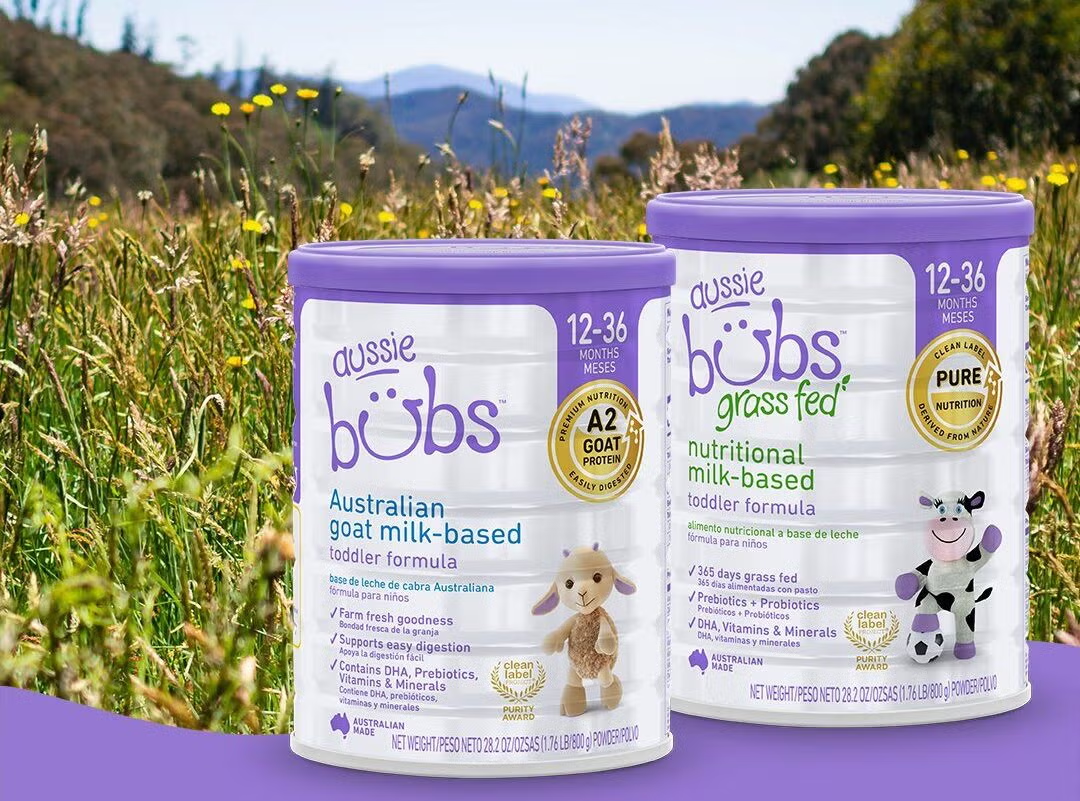
    Bubs Australia lifted group revenue 9.2 per cent to $111.9 million for the twelve months ended June 30, driven by rapid retail expansion in North America.

    Underlying earnings before interest, tax, depreciation and amortisation climbed 338 per cent to $5.3 million. The top-line gain masked tightening margins at the Australian infant formula maker, where gross profit dropped 9 per cent over the period.

    Expansion in the American market

    Sales growth centered on the United States, where revenue rose 24 per cent across the fiscal year. The company widened its physical retail presence to more than 10,000 American stores, turning the market into its primary growth engine outside Australasia.

    Higher distribution scale helped absorb overheads, but rising costs and shifting regional demand checked profitability across secondary territories.

    Margin pressures and regional divergence

    Results across regional markets outside the United States delivered mixed performances. While volume moved through larger overseas retail networks, gross margins contracted under higher cost pressures across the supply chain.

    For dairy and infant nutrition exporters across the Asia-Pacific region, rapid volume growth in Western supermarket aisles continues to balance uneven purchasing patterns across legacy Asian cross-border channels. Maintaining profitability now depends on turning trial into repeat shelf velocity.

    Attention turns to whether the brand can defend shelf space across its expanded 10,000-store US footprint while repairing gross margins in the next reporting cycle.
  • China’s Proya Cosmetics Enters US Market with Ulta Partnership

    China’s Proya Cosmetics Enters US Market with Ulta Partnership

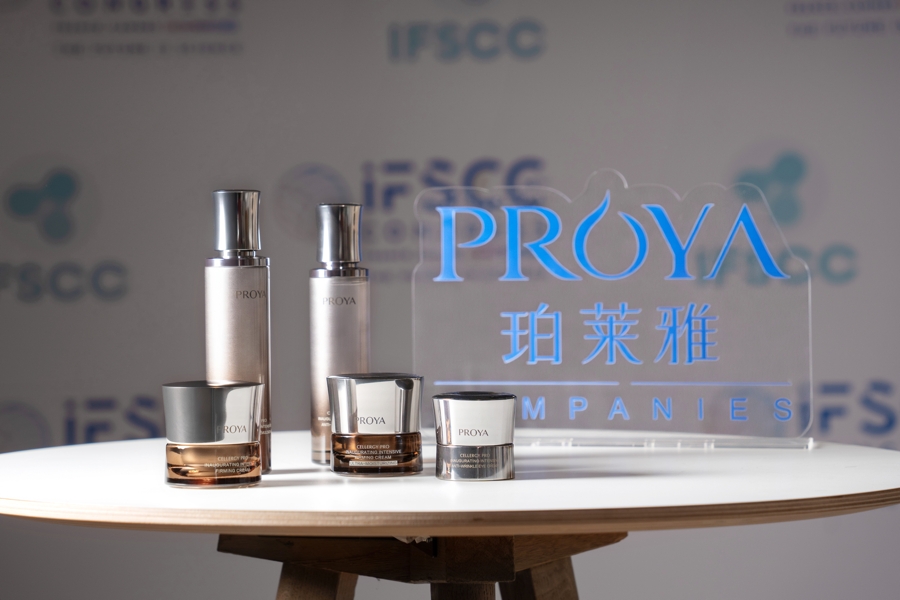
    China’s largest cosmetics firm, Proya Cosmetics, is preparing to enter the United States market through a partnership with Ulta Beauty. The collaboration will see two of Proya’s product lines distributed across 400 Ulta retail locations and its online platform, marking a significant step in the company’s international expansion strategy.

    This initiative comes as Proya faces intense competition within its domestic Chinese market, prompting the company to seek growth opportunities abroad. While Chinese beauty brands rarely achieve mass distribution in Western markets, this partnership with Ulta represents a notable effort to penetrate a major retail channel.

    Strategic International Expansion

    The move into the US follows Proya’s successful test of a similar business model in Southeast Asia. In April, the Hangzhou-based company signed an agreement with Guardian, Malaysia’s leading beauty and personal care chain. This deal has made Proya’s flagship products gradually available in more than 200 Guardian brick-and-mortar stores across Malaysia, demonstrating a phased approach to international market entry.

    Proya’s focus on international and multi-brand expansion is evident in its recent acquisitions, including a 51% majority stake in the popular brand Flower Knows for approximately €45 million. Despite these strategic moves, Proya Cosmetics reported operating revenue of 10,597 million yuan (about $1.5 billion) in fiscal year 2025, a slight year-over-year decline of 1.68%. This dip highlights the pressures within China’s beauty sector and the need for new growth avenues.

    Implications for Asian Beauty Brands

    The partnership between Proya and Ulta is unusual. Historically, Chinese beauty brands like Florasis and Flower Knows have found success in Western e-commerce channels but have struggled to secure significant market share against established players such as L’Oréal or Estée Lauder in physical retail. Proya’s direct entry into mass distribution via Ulta could set a new precedent for how Asian beauty brands approach Western markets.

    For Asian retailers and investors, this development signals the increasing maturity and ambition of Chinese consumer brands. It also underscores a broader trend where companies from the Asia-Pacific region are actively pursuing global expansion to diversify revenue streams and build brand recognition beyond their home territories. Such collaborations demonstrate a growing receptiveness in Western retail to products and brands originating from Asia, potentially paving the way for more partnerships of this nature.