Tag: us treasury

  • Trump Signals US Dollar Bans on Chinese Banks over Iran Trade

    Trump Signals US Dollar Bans on Chinese Banks over Iran Trade

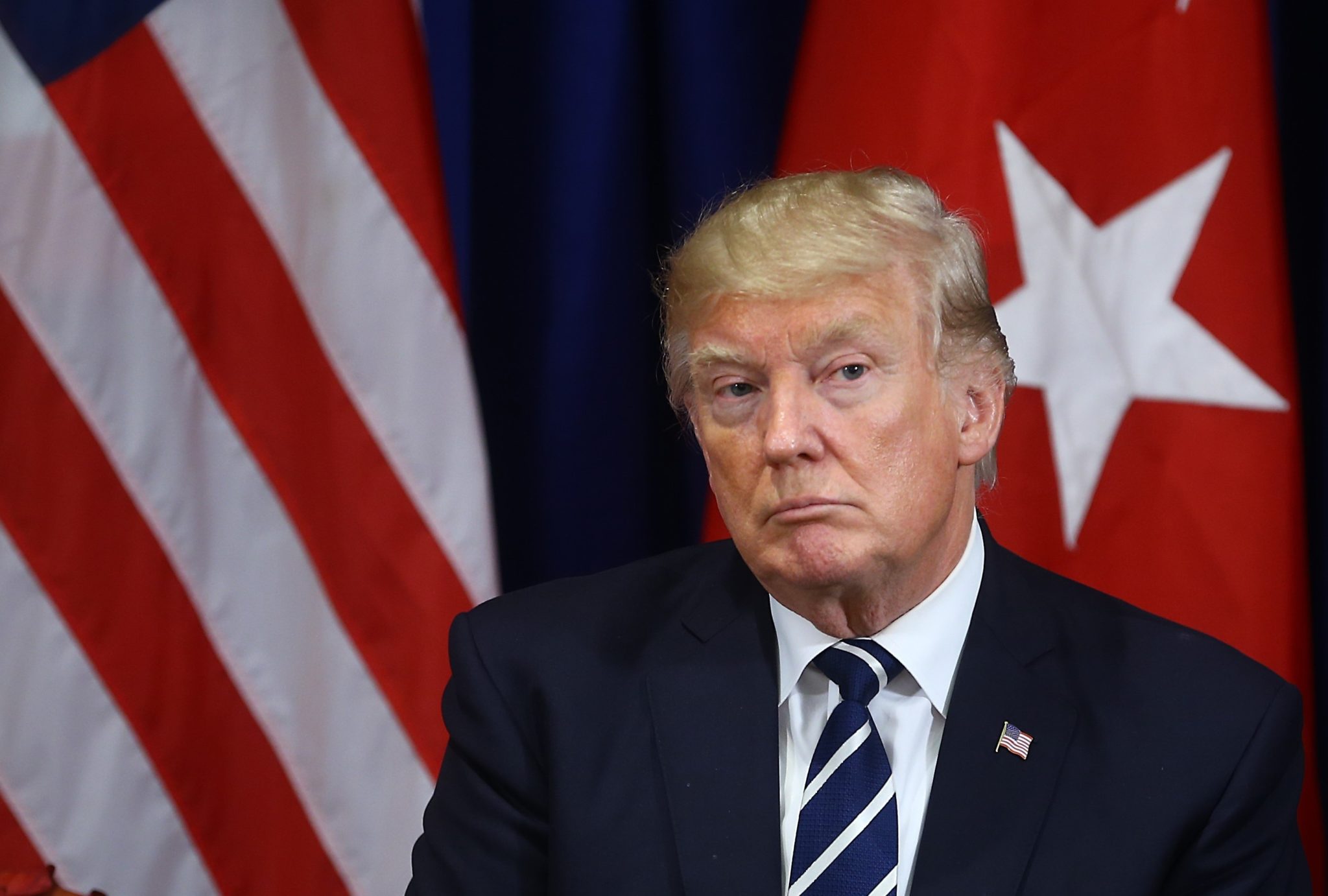
    US President Donald Trump signaled plans to bar Chinese banks from the US dollar system over their commercial transactions with Iran. The warning follows the blacklisting of 60 international entities, including firms in mainland China and Hong Kong, under an enforcement push labeled Economic D-Day.

    Treasury Secretary Scott Bessent announced the initial sanctions package earlier in the week, demanding an immediate halt to commercial dealings with Tehran. The measures aim to intensify economic pressure after six months of regional conflict and disruptions in the Strait of Hormuz failed to resolve through military action or negotiations.

    Dollar clearing and secondary sanctions

    Bessent stated that any institution facilitating transactions on behalf of Iranian entities faces removal from the US dollar network. The mechanism targets secondary intermediaries, putting Chinese state-owned and commercial lenders at direct risk of losing correspondent banking access in New York.

    For corporate treasuries and supply chain operators across Asia, exclusion from greenback settlement creates immediate operational friction. Trade finance across the region relies heavily on dollar-denominated letters of credit, even when settlement involves third-party energy and commodity flows originating in the Middle East.

    Pre-summit pressure on Beijing

    Commercial lenders in Beijing and Hong Kong have maintained trade settlement channels with trading partners across the Gulf. Cutting those conduits would force corporate clients to route settlement through alternative clearing channels or drop counterparties entirely to protect broader international banking books.

    The next test arrives with the scheduled bilateral summit between Trump and Chinese President Xi Jinping in Washington, where trade enforcement and financial sector access sit at the center of negotiations.
  • Asian Stocks Soar as US Treasury Intervention Calms Bond Market Fears

    Asian Stocks Soar as US Treasury Intervention Calms Bond Market Fears

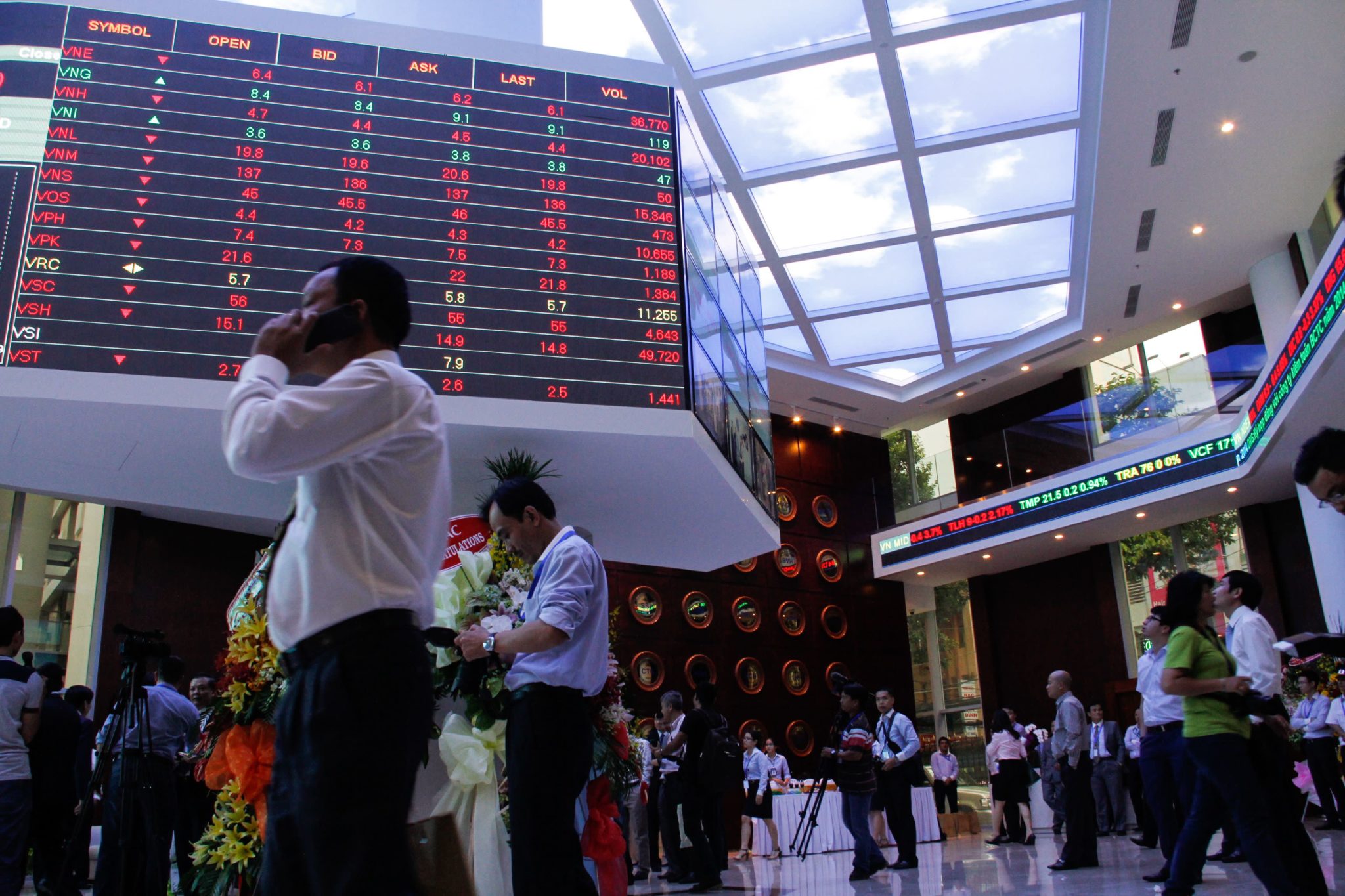
    Asian stock markets rallied strongly on Thursday after the US Treasury intervened to calm fears over rising bond yields. The announcement that the Treasury would significantly increase its long-term bond issuance provided a much-needed boost to investor confidence, leading to a rebound in equities across the region.

    This intervention comes after weeks of heightened concern over US bond yields, which had climbed to near two-decade highs. The prospect of sustained high inflation, increased government borrowing, and potential further interest rate hikes by the Federal Reserve had pushed yields on 10- and 30-year US Treasuries to unsustainable levels, sparking a sell-off in riskier assets, including Asian stocks.

    Yield Concerns Eased By Treasury Move

    The US Treasury’s unexpected decision to “at least double” the amount of long-term bonds it issues is a clear signal to the market that authorities are uncomfortable with the recent spike in borrowing costs. This move is intended to inject liquidity and bring down yields, which had seen the 30-year US Treasury yield reach its highest point since June 2007 earlier in the week. The immediate effect was a reversal of losses in US equities and a decline in the dollar against other major currencies.

    For Asian markets, the impact was immediate and positive. Technology firms, which often rely on significant debt for capital expenditure, particularly in areas like artificial intelligence, had been hit hard by rising yield concerns. Seoul’s Kospi index led the charge, jumping over six percent at one point. South Korean chipmaker SK hynix saw its shares rocket more than 12 percent, partly bolstered by its recent US$29 billion share buyback announcement, with Samsung also climbing almost nine percent. Elsewhere, Tokyo, Hong Kong, Shanghai, Sydney, Wellington, and Manila also reported strong gains. RetailNews Asia has observed that stability in financial markets is crucial for regional consumer brands planning expansions or significant capital investments, as it directly influences their cost of funding and investor sentiment.

    Future Outlook For Rates And Oil

    Despite the current relief, market observers question how long the fall in yields will last. Key factors that could reignite pressure on the long end of the Treasury curve include persistently high oil prices and ongoing concerns about US government borrowing. Crude prices have been on an upward trend for the past two weeks, fueled by fading hopes for a US-Iran deal regarding the Strait of Hormuz, with tensions in the region remaining high.

    Investors are also closely watching the US Federal Reserve’s stance on interest rates. Minutes from the Fed’s July meeting indicated that many policymakers believe further rate hikes might be necessary if inflation does not sufficiently decline. Three of the twelve voting members of the Federal Open Market Committee advocated for an immediate rate increase, noting robust economic activity driven largely by the AI industry. Attention now turns to the upcoming annual meeting of central bankers in Jackson Hole, Wyoming, next week, where Fed boss Kevin Warsh is expected to provide further clarity on the central bank’s rate strategy.