Tag: utilities

  • Thailand Imposes First Environmental Rules on Large Data Centers

    Thailand Imposes First Environmental Rules on Large Data Centers

    Thailand will require large data centers to meet stricter environmental standards under the country’s first industry-specific regulation, moving to protect power grids and water supplies from rapidly expanding digital infrastructure.

    The policy follows months of suspended construction across the sector while the Thai government formulated the environmental mandate.

    Reported on November 10, 2026, the regulatory intervention reflects mounting official concern over resource-intensive computing facilities as regional digital investment accelerates.

    The Cost of the Capital Freeze

    Those 49 stalled construction sites represent an estimated $8 billion in committed capital. The freeze forced international cloud providers and domestic data center firms to stop structural work and redesign engineering plans.

    Thailand’s energy ministry pointed to transmission vulnerabilities and falling water reservoirs when it halted operations. The Chao Phraya River basin, the municipal water source for metropolitan Bangkok and neighboring industrial estates, registered below-average water levels for three straight years through 2026.

    Cooling systems for dense artificial intelligence hardware consume millions of liters of water daily. Operators must now prove that their mechanical systems do not deplete municipal networks or overload substations during periods of climate strain.

    Grid Constraints Across Southeast Asia

    Electricity consumption from data centers across Thailand, Vietnam, Malaysia, and Singapore surged 340 percent from early 2024 through late 2026. The increase stems directly from model training clusters and enterprise inference workloads.

    National power authorities face a seasonal shortfall during the annual monsoon cycle, when hydroelectric generation drops just as ambient temperatures force cooling equipment to run at peak capacity. Adding utility-scale baseload power generation requires five to seven years, creating a structural gap with rapid AI infrastructure deployment timelines.

    Regional governments have reacted with comparable controls. Vietnam postponed decisions on six utility-scale data facilities in August 2026 to evaluate transmission limits, while Singapore established strict energy efficiency baselines for new builds in July 2026.

    Shifting Infrastructure Strategies

    For enterprise retailers, consumer platforms, and cloud tenants, tighter municipal limits eliminate the prospect of cheap, unconstrained server capacity in central Thailand. Developers can no longer rely on conventional chilled-water plants connected directly to public utility lines without local mitigation plans.

    Operators are adjusting capital deployment by financing on-site renewable generation and closed-loop liquid cooling. Companies operating in the Bangkok corridor have started pairing commercial solar installations and industrial battery systems with their computing halls to avoid drawing peak power from the state grid.

    Other regional hubs are shifting their engineering demands as well. Regulators in Malaysia and Indonesia are assessing minimum water-recycling thresholds and encouraging coastal facilities to install direct seawater cooling rather than drawing municipal tap water.

    Earlier Bottlenecks Behind the Decree

    Thailand’s sudden policy enforcement resolves an impasse that left developers in administrative limbo through late 2026. The September moratorium caught operators off guard after two years of aggressive state campaigns to attract foreign technology investment.

    The administrative pause revealed the scale of speculative building across the country. With 117 applications frozen at once, state agencies had accumulated a project queue that the state utility could not support without risking suburban blackouts.

    Developers must now submit revised environmental engineering documentation to clear the regulatory backlog extending into 2027. The critical metric to watch is whether the Thai energy ministry clears the 4.8 gigawatts of pending grid connection requests under the new compliance standards.
  • Semirara Slashes Coal Target to 12 Million Tons as Pit Floods

    Semirara Slashes Coal Target to 12 Million Tons as Pit Floods

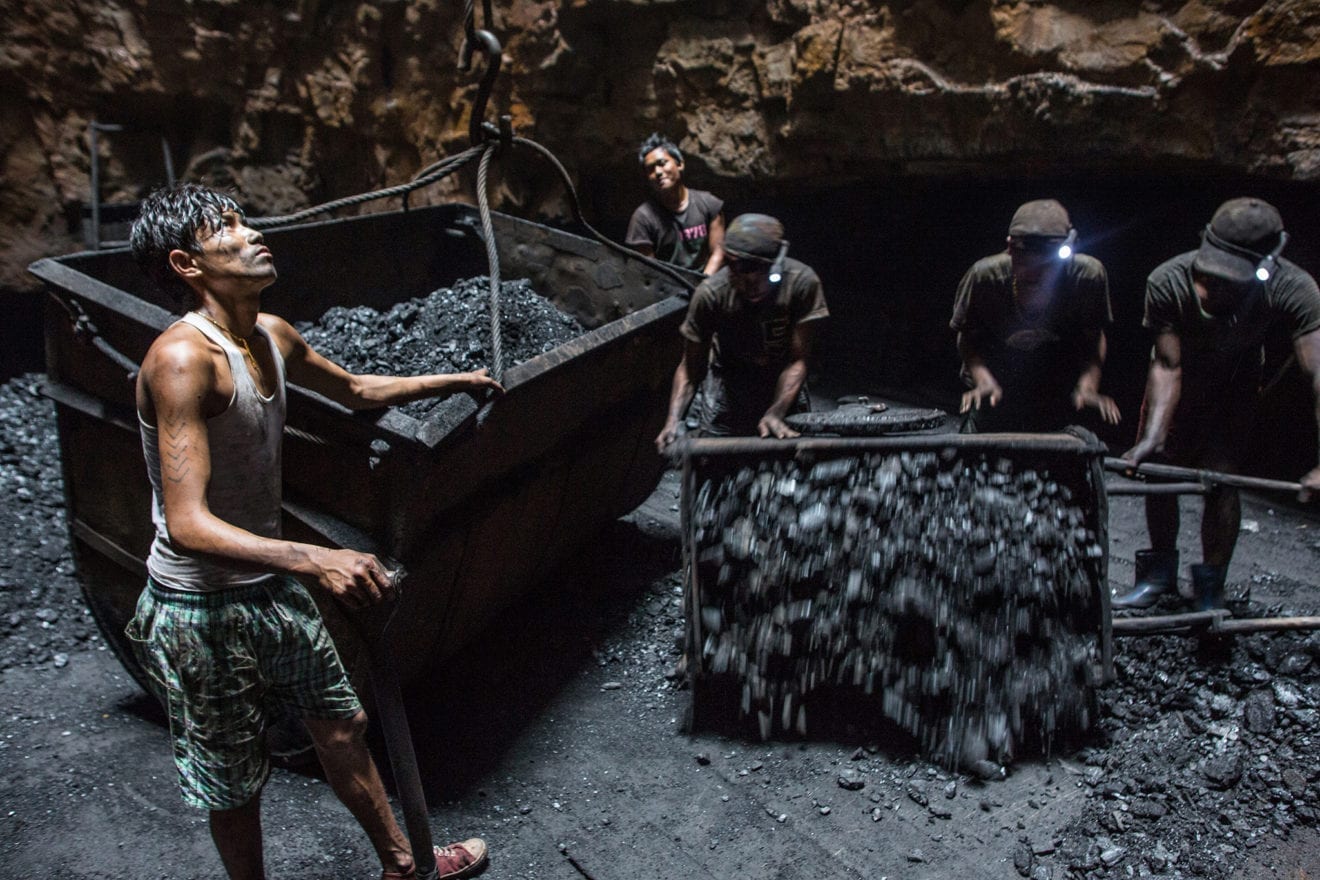
    Semirara Mining and Power Corp. Slashed its 2026 coal output target to 12 million metric tons after uncontrollable seawater flooded its core Acacia pit in the Philippines. Stripping operations are halted indefinitely. The revised target is a drop of nearly 40 percent from the record 19.9 million tons produced in 2025.

    Seawater is surging into the active pit at roughly 30,000 cubic meters an hour. That far exceeds on-site pumping capacity. The structural failure accelerated on September 20 when material from North Block 1 Dam 2 collapsed, sending surface runoff straight into the mining area.

    Crews are attempting to erect another cut-off wall. Meanwhile, the operational breakdown forced SMPC to lay off 1,458 mine-site workers. The company cut an initial tranche of 462 staff before letting go an additional 996 personnel.

    Contract Expiry and Asset Disputes

    Timing could not be worse for the operator or the power grid. Coal Operating Contract No. 5 expires on July 14, 2027. That leaves the Department of Energy scrambling to auction operating rights to the highest financial bidder.

    Energy officials terminated a previous bidding round in September following legal disputes, engineering problems, and operator objections. They now plan to restart the auction between November and December. That gives the winning contractor barely seven months to take over before the current license lapses.

    A legal fight is also playing out in court over more than 55 billion pesos in infrastructure and machinery on Semirara Island. SMPC filed a petition for declaratory relief after the energy department demanded a full inventory of the operator’s property and plant to share with rival bidders.

    State Revenue Versus Engineering Capacity

    Regulators argue that equipment with costs recovered under the operating contract can vest in state hands and pass to the next operator. SMPC counters that cost recovery serves only as reimbursement under Presidential Decree 972. Title and removal rights remain strictly with the company.

    Higher revenue shares and consumer concessions remain the government’s priority, grounded in the state’s ultimate ownership of mineral resources. SMPC notes it contributed 43.4 billion pesos in government share alongside 3.7 billion pesos in taxes between 2021 and the middle of 2026.

    Commercial power users and industrial operators face the threat of electricity cost inflation. Acacia was projected to deliver the bulk of domestic coal supply in 2027. Any prolonged disruption will force power producers to import expensive replacement thermal coal from Indonesia and Australia.

    Spillover to the Local Island Economy

    Fallout has already spread across Semirara Island as payroll cuts hit retail and service trade. Small island businesses report falling daily revenue and customer defaults as families lose their primary income.

    Island social programs face immediate risk as well. SMPC has historically funded about 90 million pesos annually for free tuition at the Divine Word School of Semirara Island. More than 1,500 students depend on that mine-supported schooling.

    The Department of Energy has not issued bid bulletins, prequalification screens, or a model contract clarifying minimum technical requirements for the flooded pit. Restarting the bidding process in late 2026 will test whether the state can secure an operator capable of draining the Acacia pit before the July 2027 handover deadline.

  • Taiwan Weighs $4.4 Billion Stake in Alaska LNG Project

    Taiwan Weighs $4.4 Billion Stake in Alaska LNG Project

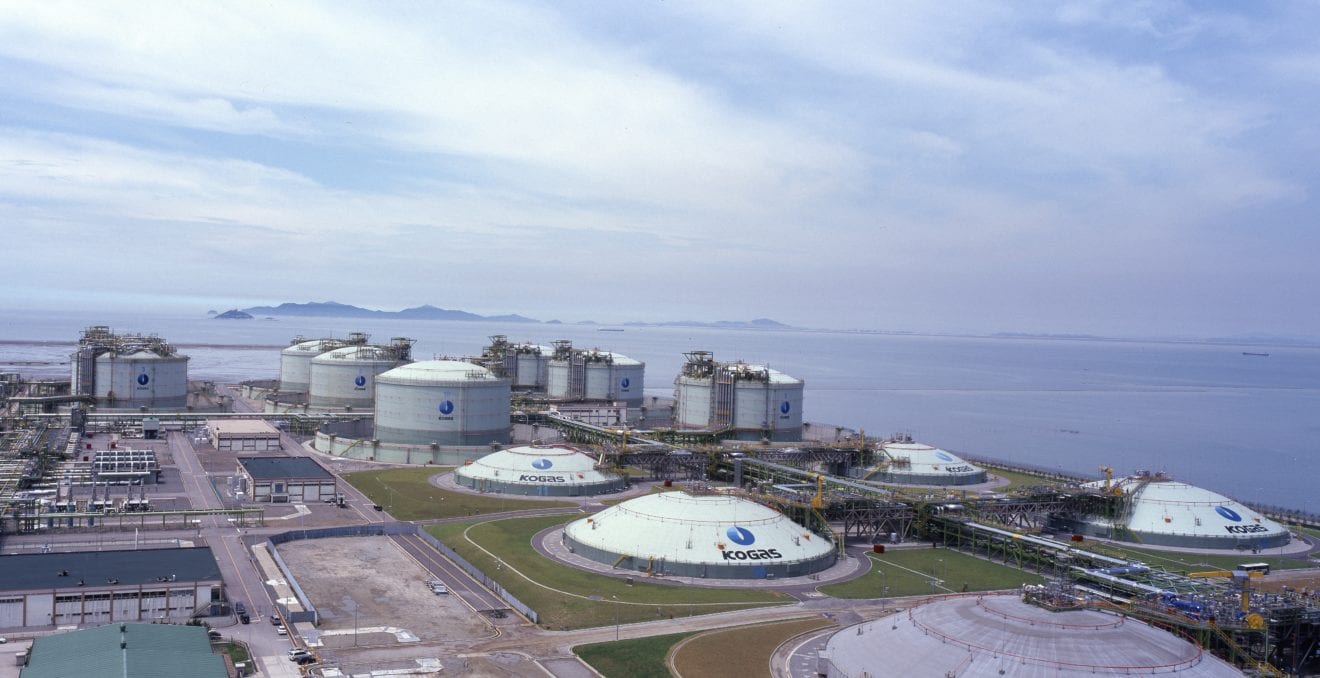
    Taiwan is reviewing an investment of up to $4.4 billion in the Alaska LNG project to buy 6 million tonnes of liquefied natural gas annually once production starts.

    The volume accounts for 30 percent of the planned 20 million tonne yearly output from the proposed $54 billion development on the US northern coast.

    State-owned CPC Corp, Taiwan would take an equity stake in the project, which includes a 1,299-kilometer pipeline running from Alaska’s North Slope to an export terminal in the state’s south. Deliveries could reach Taiwanese terminals as early as 2032 if construction proceeds on schedule. The Ministry of Economic Affairs confirmed that negotiations are advancing following a preliminary letter of intent signed in March last year, though neither side has executed a binding sale and purchase agreement.

    Pipeline Structure and Shipping Logistics

    Alaska LNG gives Asian buyers direct access to North American gas without traversing maritime chokepoints. Tankers sailing from southern Alaska cross the open Pacific directly to East Asian ports, avoiding both the Panama Canal bottlenecks and lengthy diversions around the Cape of Good Hope.

    Shorter transit times reduce voyage expenses and insulate energy shipments from canal draught restrictions or geopolitical conflicts in traditional shipping lanes. For Taiwan, which relies on maritime imports for almost all of its natural gas consumption, a direct northern Pacific corridor provides supply stability for power generation and domestic industrial users.

    Commercial Viability and Financing Hurdles

    Securing long-term off-take commitments remains the main hurdle before project sponsors can lock down commercial debt. Alaska LNG has accumulated agreements covering 13 million tonnes per year from Asian utilities and French multinational TotalEnergies.

    Developers must secure commitments for another 3 million tonnes and convert provisional deals into binding contracts to reach financial close. The developers intend to take a final investment decision on the pipeline by late 2026, followed by a decision on the liquefaction and export plant in 2027.

    Engineering complexities in Arctic conditions and total capital costs of $54 billion continue to draw scrutiny from energy analysts. Taiwan’s willingness to commit capital signals how heavily island economies must weigh physical supply redundancy against cost overruns.

    Taiwan Energy Diversification Strategy

    The Alaska negotiations follow CPC’s broader policy shift toward North American suppliers. CPC chairman Fang Jeng-zen outlined plans in February to raise the share of US-sourced LNG to roughly one-third of the company’s total import portfolio.

    Presidential Office Secretary-General Pan Men-an inspected the Alaska facility site last year to assess progress firsthand. Government officials in Taipei have faced rising domestic pressure to ensure reliable base-load fuel as thermal power units replace retired nuclear generators.

    Regional peers are evaluating similar exposure. While US political leaders recently claimed South Korea had committed funds to the Alaska terminal, authorities in Seoul maintained that their participation has not been finalized.

    Contract Milestones Ahead

    Contract terms, equity allocation, and pricing formulas remain subject to ongoing commercial talks between CPC and the US development team. The project requires binding off-take contracts across 16 million tonnes of capacity before project financiers release construction capital, setting the next major benchmark at the pending pipeline investment decision.

  • Philippines Plans 3,840 Megawatt Gas Auction Amid Grid Cost Debate

    Philippines Plans 3,840 Megawatt Gas Auction Amid Grid Cost Debate

    The Philippine Department of Energy is launching a centralized auction to procure 3,840 megawatts of mid-merit natural gas capacity across the Luzon and Visayas grids.

    Department Circular DC2026-06-0013 establishes a binding framework for the purchases. Distribution utilities and electric cooperatives must now source designated flexible capacity exclusively from natural gas facilities.

    Staggered Capacity Timetable

    Auction schedules divide the 3,840-megawatt target into immediate supply and greenfield construction across the two island grids. Existing plants in Luzon must deliver 1,400 megawatts of capacity in 2026, followed by 500 megawatts in 2027.

    New construction begins commercial operations in 2028. That phase starts with 440 megawatts of liquefied natural gas mid-merit plants across Cebu and Panay in the Visayas. By 2031, newly built facilities must supply an additional 1,000 megawatts to Luzon and 500 megawatts to Cebu.

    Auction Rules and Fuel Pass-Through

    Power generation companies will bid solely on their capital and operating charges under the Gas Auction Price system. Fuel costs remain an uncapped pass-through expense. The underlying price of imported liquefied natural gas will be calculated through an Energy Regulatory Commission benchmarking formula.

    Consumers must cover revenue shortfalls whenever spot power prices drop below the auction guarantee. If a contracted plant runs while the Wholesale Electricity Spot Market clears at lower rates from coal or renewables, the grid operator recovers the difference through retail power bills. Distributors cannot withdraw their contracted capacity shares once awarded.

    Regional Supply Disparities

    Grid conditions differ sharply between the two regions. Luzon expanded its supply margin by 632 megawatts during the August 2026 billing period, according to Independent Electricity Market Operator of the Philippines data. Spot prices there fell from 7.30 pesos to 4.80 pesos per kilowatt-hour.

    Generation deficits hit the Visayas grid during the same month. The region recorded 86 hours of Yellow Alerts and 53 hours of Red Alerts. Regional spot prices reached 18.59 pesos per kilowatt-hour before the regulator imposed a secondary price cap. Transmission lines between Luzon and Visayas stayed congested for 86 percent of the billing cycle.

    Fuel Price and Currency Exposure

    Imported gas dependencies present direct cost risks for commercial operators and industrial manufacturers. Energy Regulatory Commission figures show landed liquefied natural gas prices climbed from 14.90 dollars per million British thermal units in early 2024 to 17.30 dollars in early 2025.

    Asian spot LNG prices spiked to 26.00 dollars per million British thermal units in September 2026 following Middle Eastern supply disruptions. Paired with a foreign exchange rate of 62.67 pesos per US dollar, fuel costs alone reach 11.40 to 13.00 pesos per kilowatt-hour for a standard combined-cycle generator. Capital recovery and operating fees are not included in that calculation.

    Fuel pass-through terms shift international commodity price swings directly onto Philippine commercial power bills. Past price shocks showed the danger. In March 2026, emergency interventions took place when spot prices jumped from below 5.00 pesos to more than 9.00 pesos per kilowatt-hour across the central grid.

    Next, the Department of Energy will finalize bidder eligibility rules and auction dates for the initial 1,400-megawatt Luzon delivery tranche.

  • Albay Mayors Issue Ultimatum to ALECO over Blackouts and 5 Billion Peso Debt

    Albay Mayors Issue Ultimatum to ALECO over Blackouts and 5 Billion Peso Debt

    Mayors across Albay gave electricity distributor ALECO until the end of October 2026 to resolve weekly blackouts affecting businesses and households across the province.

    The ultimatum follows more than 867 million pesos in state funds poured into the utility since 2025 without halting chronic power disruptions.

    ALECO operations head Mark Lucilo stated that Phase 1 construction of the substation network, budgeted at 367 million pesos, will finish before the end of 2026. Recent outages stemmed from installing a 1×20 MegaVolt-Amperes transformer at the Cullat substation and expanding the Ligao City substation from 20MVA to 40MVA capacity. Management confirmed that these installations required de-energizing lines across distribution corridors to allow technical crews to work safely.

    Substation Upgrades and Scheduled Cuts

    Distribution upgrades across Albay require line shutdowns that hit local merchants, cold chain operators, and municipal offices during standard trading hours. ALECO board president Eddie Gumba stated earlier that new substations in Ligao City and Daraga town aim to stabilize voltage and meet growing industrial demand. Municipal leaders maintain that prolonged downtime without reliable schedules leaves commercial operations exposed to equipment damage and revenue loss.

    League of Municipalities of the Philippines Albay chapter president and Camalig Mayor Caloy Baldo stated that local executives will report the cooperative to national regulators if service fails to stabilize after October. Mayors also requested that ALECO general management and primary contractors attend future provincial coordination hearings in person to address technical delays.

    State Subsidies and Balance Sheet Pressure

    Capital injections from national agencies have yet to translate into reliable power delivery. The cooperative secured 367 million pesos in national rehabilitation funding in 2025, alongside a 500 million peso subsidy through the National Electrification Administration and the Ako Bicol Party-list. Despite that liquidity, the cooperative carries accumulated debts estimated between 5 billion and 6 billion pesos.

    High debt levels limit the cooperative’s ability to procure emergency power capacity during peak usage cycles. For commercial tenants and regional retail chains expanding into Bicol, infrastructure bottlenecks raise private operating costs through mandatory spending on diesel generator backup and maintenance. That structural overhead dampens provincial investment appetite compared to Luzon grids operated by private concessionaires.

    Commercial Exposure and Alternative Providers

    Rising utility rates compound the issue for local commerce. Power bills have climbed sharply alongside service disruptions, forcing small enterprises to absorb higher operating expenses during periods of frequent downtime.

    “Our bill nearly doubled despite persistent power interruptions. It’s deeply frustrating because, on top of disrupting our daily household routines and business transactions, we are paying significantly more for electricity while Albay’s power services remain completely unreliable,” Azores said.

    Provincial leaders have begun evaluating structural alternatives to the cooperative model. Albay Governor Noel Rosal demanded in July 2026 that ALECO deliver a verified debt servicing strategy, warning that the provincial government could back a replacement distributor if current operators fail to restore stable supply.

    Governance Deadlines and Fiscal Scrutiny

    Rosal called on ALECO to present an audited financial and operational report before a Special Annual General Membership Assembly to clarify how it handles outstanding liabilities. The provincial government will review those filings to determine whether the utility can maintain its franchise mandate independently.

    Technical teams face an immediate benchmark on October 31, 2026, when ALECO committed to ending weekly distribution interruptions across all municipal circuits.

  • Japan Offshore Wind Stalls at 253 Megawatts as Developers Turn to AI

    Japan Offshore Wind Stalls at 253 Megawatts as Developers Turn to AI

    Japan has deployed only 253.4 megawatts of offshore wind capacity across seven projects. That falls far short of its 10-gigawatt target for 2030.

    Soaring construction costs doubled project budgets and forced Mitsubishi Corp to abandon three developments in mid-2025.

    Supply chain bottlenecks and high raw material prices have choked development since the initial 2021 government auctions, according to Japan Wind Power Association data. Mitsubishi’s exit dealt a heavy blow to national clean energy planning. Utilities must now find ways to reduce project risk.

    Rising Costs and Cancelled Projects

    Financing pressures are only half the problem for developers along the Sea of Japan coast, Tohoku and Hokkaido. Projects have run into stiff resistance from commercial fisheries and local conservation groups over threats to rare marine wildlife and bird habitats.

    Regulatory disputes and community objections have already suspended or delayed wind projects across Fukui, Shiga and Hokkaido prefectures. Similar pushback is stalling planned developments in Fukuoka and Shizuoka, where developers face strict environmental review standards.

    For industrial power users and data centre operators across Japan, these delays threaten future supplies of zero-emission electricity. Without a working offshore wind pipeline, corporate buyers must rely on imported fossil fuels or pay higher grid tariffs from conventional thermal generation.

    Developers who miscalculate environmental risks face severe financial penalties once turbines are built. Projects that disrupt local ecosystems can be ordered to curtail generation during peak hours or suspend operations entirely. That destroys forecast equity returns.

    Bird Strikes Force Operational Cuts

    Utility operator Eurus Energy had to curtail power output at its Hamasato Offshore Wind Farm in Hokkaido after multiple bird strikes. During seasonal migrations, the facility could run only for a few hours at night, sharply reducing revenue and power delivery.

    A similar conflict halted a planned wind development along the Shiga and Fukui prefectural border in 2023. An environmental assessment failed to account for nesting sites of golden eagles and mountain hawk-eagles. Developers were left with a stranded, suspended asset.

    Onshore sites suitable for large utility-scale turbines are scarce in Japan. That makes coastal waters essential for long-term power supply. Coastal wind corridors overlap directly with migratory pathways for white-tailed eagles, Steller’s sea eagles and red-throated loons.

    Testing AI and Thermal Monitoring

    Operators are deploying automated sensor suites to prevent collisions and keep turbines spinning. At two wind farms in Hokkaido, operators installed Nvbird, an AI system developed by Greek firm Nvisionist. The system uses thermal imaging to spot approaching raptors and throttles blades automatically.

    Leadedge Technology and the Japan Weather Association built a domestic alternative called AI Bird. The platform merges high-resolution cameras, infrared feeds and radar sensors. It achieved a 94 per cent identification accuracy rate in controlled field trials.

    “AI Bird is a proactive step to balance clean energy goals with environmental conservation,” said Ho.

    Environmental Data Gaps

    Tokyo originally framed offshore wind as the pillar of its 2050 net-zero roadmap, targeting 10 gigawatts by 2030 and between 30 and 45 gigawatts by 2040. The earliest auctions in 2021 attracted global players including Norway’s Orsted alongside domestic trading houses, before inflation and local opposition disrupted the pipeline.

    Commercial trials are now underway for the Japan Weather Association’s AI Bird system. At the same time, the Wild Bird Society of Japan is assembling marine sensitivity maps to overhaul future site selections before the next round of government auctions.

  • Pakistan Power Regulator Reviews Rs1.73 Electricity Tariff Hike for August

    Pakistan Power Regulator Reviews Rs1.73 Electricity Tariff Hike for August

    Pakistan’s power regulator is considering an electricity tariff increase of Rs1.73 per unit. The hike covers higher generation expenses incurred in August.

    The Central Power Purchasing Agency submitted the adjustment petition to the National Electric Power Regulatory Authority. It seeks to recover fuel expenses across state distribution companies and Karachi-based utility K-Electric.

    A public hearing is scheduled for September 29 to review the submission. If approved, the surcharge will apply to all standard consumer categories nationwide on upcoming billing cycles.

    Generation mix and fuel cost breakdown

    Data filed with the authority shows power producers supplied 14.464 billion units of electricity to distribution companies during August. Generation costs averaged Rs8.82 per unit across all energy sources.

    Hydropower remained the primary source, generating 37.84 per cent of total electricity. Coal also carried a heavy load. Imported coal accounted for 15.59 per cent of total output, while domestic coal delivered 10.88 per cent.

    Costly thermal generation pushed up the overall fuel basket despite low volumes. Imported liquefied natural gas supplied 8.48 per cent of power at Rs45.92 per unit. Furnace oil accounted for 2.15 per cent of supply at Rs45.25 per unit. Domestic natural gas provided 7.04 per cent of output.

    Operating margin pressures on commercial operators

    Continuous fuel cost adjustments push up utility overheads for store operators, cold-chain logistics providers, and shopping centre managers. Power is one of the largest non-payroll operating costs for commercial occupiers in urban retail hubs.

    Commercial tenants cannot absorb recurring adjustments without passing increases along supply chains or cutting floor energy use. Higher baseline tariffs squeeze margins. The pressure falls hardest on grocers running continuous refrigeration networks and department stores maintaining heavy air conditioning loads.

    Consumer purchasing power faces fresh headwinds

    Household budgets contract as higher utility bills reduce discretionary retail spending across major metropolitan centres. Rising power bills immediately drain middle-income disposable wages.

    Shoppers respond by delaying purchases of discretionary goods, apparel, and major home appliances. For mass-market brands in Pakistan, this pull-back reduces foot traffic and shrinks basket sizes during off-peak periods.

    Previous regulatory adjustments

    This petition follows a separate adjustment approved last month, which added Rs0.7503 per unit to August consumer bills for power consumed in June. That adjustment carried an aggregate financial impact of Rs9.8 billion nationwide.

    Regulators applied the June charges to K-Electric consumers and all distribution companies under the former Water and Power Development Authority framework. Lifeline customers, electric vehicle charging stations, and pre-paid meter accounts were excluded.

    Final surcharge rates for upcoming commercial and residential bills will be decided at the September 29 determination hearing.

  • Taiwan Freezes Electricity Rates at NT$3.78 per Kilowatt-Hour Until December Review

    Taiwan Freezes Electricity Rates at NT$3.78 per Kilowatt-Hour Until December Review

    Taiwan has frozen average electricity tariffs at NT$3.78 per kilowatt-hour through December. The decision rejects a proposed 12.83 percent increase by state utility Taiwan Power Co to curb broader consumer price inflation.

    This is the second consecutive freeze by the Ministry of Economic Affairs electricity price review committee. Any potential rate adjustment now shifts to January at the earliest.

    Taipower requested an increase to NT$4.2675 per kilowatt-hour after absorbing higher generation costs from volatile global energy markets. The government will instead seek a NT$71.1 billion (US$2.24 billion) Cabinet-backed supplementary budget. That funding will cover fuel deficits the utility incurred between March and August.

    Subsidy Request Replaces Proposed Double-Digit Hike

    International crude oil prices swung between $68 and $132 per barrel during recent Middle East escalations, forcing state power suppliers across Asia to absorb steep fuel cost swings. Deputy Minister of Economic Affairs Lai Chien-hsin confirmed the tariff committee chose direct fiscal support over passing generation expenses to commercial users and households.

    The ministry expects Taipower to post a full-year loss of NT$71.1 billion without state intervention. Lawmakers in the Legislative Yuan must still approve the funding. That sign-off is needed to restore balance-sheet working capital and avert sharper tariff hikes in early 2027.

    Split Rates Debated for Advanced Manufacturing

    Committee discussions included proposals to introduce differential pricing for high-load artificial intelligence data centers and advanced semiconductor fabrication facilities. General Chamber of Commerce of the Republic of China chairman Paul Hsu argued against blanket relief. He advocated targeted adjustments on high-tech consumers while protecting small commercial enterprises.

    We hope electricity rates can be frozen for households and small and medium-sized traditional industries, while high-tech industries should see moderate price adjustment.

    Regulators declined to implement split rates during the session, citing the risk to export competitiveness without comprehensive usage data. A specialized working group will now study industry consumption patterns, economic output, and consumer price transmission channels before the December meeting.

    Mounting Deficits at the State Utility

    Taipower accumulated losses exceeding NT$400 billion over recent operating cycles while absorbing global crude oil spikes to protect domestic retail price stability. The utility lost another NT$21.4 billion during the first seven months of the year. That brought cumulative balance-sheet losses to NT$372.2 billion.

    A net profit of NT$76.1 billion in the prior financial year gave the company narrow financial leeway to withstand the immediate freeze, according to Taipower president Kuo Tien-ho.

    What Operators Face Heading into 2027

    For commercial store networks, logistics hubs, and physical retailers across Taiwan, the decision provides short-term visibility on utility overheads during peak fourth-quarter shopping periods. Keeping tariffs below generation costs shifts the strain onto legislative fiscal approvals. If lawmakers trim the requested allocation, operators face a sharp cost cliff.

    Commercial landlords and chain operators must now model utility expense increases into their preliminary 2027 budgets. The ministry will publish full meeting minutes and Taipower cost datasets on October 2. Regulators will then finalize transmission, distribution, and base tariff rates for next year at the third review meeting in December.

  • Pakistan Launches 400MW Wheeling Auction to Open Power Market

    Pakistan Launches 400MW Wheeling Auction to Open Power Market

    Pakistan opened bidding for a 400-megawatt electricity wheeling auction in Islamabad. It begins the country’s exit from direct state power procurement for large industrial buyers.

    This auction is the first phase of an 800-megawatt allocation plan spread across five years. The program runs under the Competitive Trading Bilateral Contracts Market model.

    The Independent System and Market Operator, a state-owned unit under the Power Division, issued the Request for Proposals on Sunday. Commercial and industrial users consuming over one megawatt can now contract power directly with independent generation companies. They will no longer buy exclusively from regional state distributors.

    Rules and Capacity Ceilings for Bidders

    New auction rules prevent individual participants from dominating the deregulated capacity. Regulators placed a 20 per cent ceiling on single entities. That caps any participant at a cumulative 160 megawatts over the five-year auction schedule.

    Bidders can meet their quota through a single generation plant of up to 160 megawatts. Alternatively, they can combine multiple smaller plants across successive annual bidding rounds. Every generation asset must still satisfy grid capacity obligations and operational benchmarks set by grid authorities.

    Power Minister Awais Ahmad Khan Leghari confirmed the state plans to halt centralized capacity purchases entirely. The government will stop fixing power rates through single-buyer contracts. It will also step back from acting as the middleman between generators and industrial off-takers.

    Impact on Manufacturing and Exporters

    Manufacturers have long blamed centralized tariffs and fixed capacity payments for hurting regional export competitiveness. Under direct power purchase agreements, factory operators can negotiate long-term supply deals straight with private generators.

    Regional manufacturing hubs such as Vietnam and India saw similar deregulations push industrial parks toward bilateral renewable contracts. In Pakistan, textile mills, chemical producers, and large logistics hubs will be first to secure market-clearing wholesale rates.

    Credit risk shifts from sovereign payment guarantees to direct bilateral contracts between buyers and sellers. Generators must now evaluate corporate balance sheets directly instead of relying on state circular debt payouts.

    Ten-Year Grid Expansion Figures

    Regulators recently cleared Pakistan’s Indicative Generation Capacity Expansion Plan for 2025 through 2035. That roadmap targets 26,045 megawatts in new capacity alongside 2,577 megawatts of plant retirements. Total national capacity will rise to 62,657 megawatts.

    Generation additions will require 47.08 billion dollars in capital spending, according to the power regulator. This total includes 8,120 megawatts of rooftop net metering. Grid reliability will need another 10.65 billion dollars in transmission investments, divided into 4.6 billion dollars for committed projects and 6.05 billion dollars for proposed network expansions.

    Next, the Independent System and Market Operator will review initial bids before releasing the remaining 400 megawatts in subsequent annual tranches.

  • Hormuz Closure Threatens 99 Percent of Pakistan’s LNG Supply

    Hormuz Closure Threatens 99 Percent of Pakistan’s LNG Supply

    Pakistan is among the worst-hit nations by liquefied natural gas disruptions following the closure of the Strait of Hormuz, with the fuel accounting for about 30 percent of the country’s total gas supply.

    Qatar and the UAE supply about 99 percent of Pakistan’s LNG, primarily for power generation, fertiliser production, and industrial use, according to a report released by Gastech Conferences at its 54th annual event.

    Severe Exposure to Middle East Chokepoints

    The supply shock, triggered by Middle East conflict involving Israel, the United States, and Iran that began in February, has led Universal Gas Distribution Company Chief Executive Officer Ghiyas Abdullah Paracha to pursue gas storage and supply talks with international firms.

    To plug the immediate deficit, policymakers are reviewing plans to accelerate utility-scale solar installations, wind projects, and commercial rooftop panels paired with battery storage. Islamabad is also weighing domestic coal, hydropower, and nuclear facilities to keep base-load electricity running.

    Industrial Disruption and Grid Agility

    Higher fuel import costs mean immediate surges in operating overheads for factory operators and supply chains across South Asia. Power tariffs will climb as utilities scramble to buy alternative liquid fuels or burn costlier feedstocks. That pressure falls directly on industrial users, textile mills, and fertiliser producers that depend on stable pipeline pressure to maintain export schedules.

    Regional planners are now assessing measures to expand strategic fuel reserves for power plants and road transport networks. The crisis has also accelerated talks on regional power-sharing frameworks and cross-border electricity trading to cushion against sudden transit halts.

    “We have got understanding with some companies that have shown interest in building gas storage facilities in Pakistan. Some companies have shown keen interest in long-term LNG contracts with UGDC,” Paracha said.

    Private Sector Storage and Market Reforms

    Universal Gas Distribution Company Chief Executive Officer Ghiyas Abdullah Paracha met global infrastructure developers at the Bangkok summit to negotiate foreign-backed storage terminals. Pakistan lacks commercial gas storage capacity. That absence leaves the network vulnerable to day-to-day shipping schedules and vessel arrival delays.

    This push coincides with Islamabad’s broader deregulation, which opened the state-dominated transmission network to private gas distributors and direct terminal access. Private participation unbundles procurement from sovereign balance-sheet constraints. It allows industrial consortiums to contract their own import quotas directly.

    Shifting the Long-Term Generation Mix

    Military tensions involving Israel, the United States, and Iran disrupted Persian Gulf transit lanes starting in February. Pakistan had previously restructured sovereign purchase deals with Gulf suppliers to lower payment defaults. Physical route closures bypassed those commercial contracts entirely.

    Attention turns to whether Islamabad can secure formal financing commitments for planned LNG storage terminals and finalize supply arrangements before the winter peak-demand window opens.

  • Bidgely Shows Energy AI for 50 Million Homes at Enlit Asia 2026

    Bidgely Shows Energy AI for 50 Million Homes at Enlit Asia 2026

    Bidgely will present its energy artificial intelligence solutions alongside regional energy leaders at Enlit Asia 2026, scheduled for 22 to 24 September in BSD City, Jakarta.

    Headquartered in Los Altos, California, the company serves over 50 million homes globally and holds more than 19 foundational patents powering its UtilityAI platform.

    Bidgely and its vice president for EMEA and APAC, Nipun Jain, will demonstrate how smart meter data analytics can be deployed directly or across cloud ecosystems such as AWS, Microsoft Azure, Snowflake, and Databricks.

    Targeting Southeast Asian Power Loss

    Power distributors across Southeast Asia face heavy revenue leakage from non-technical losses, primarily unmetered taps, meter tampering, and unrecorded commercial consumption. Traditional auditing relies on manual inspections across sprawling municipal feeder lines. It is a slow, expensive field process that leaves billions in lost revenue on distribution balances. Algorithmic anomaly detection cuts those inspections down to verified problem sites. That gives state-backed utilities in Indonesia, Malaysia, and the Philippines a faster return on their smart meter outlays.

    Commercial property owners and industrial operators across the region will feel this operational shift directly. As utilities adopt granular meter-level intelligence, billing discrepancies become faster to audit and harder to contest. For enterprise consumers, appliance-level breakdown data clarifies peak-demand surcharges. Regional distributors also gain direct data to use when negotiating tariff structures and demand-response targets.

    Cloud Platforms and Grid Strains

    Growth across ASEAN follows Bidgely’s addition of regional executive teams in July 2026 and technical roadshows across North America and Europe earlier in the year. Rapid deployment of advanced metering systems across key ASEAN markets has generated vast troves of interval data. Local power authorities rarely process this information beyond standard monthly invoicing.

    At Enlit Asia, we are showing how energy leaders are extracting value from this AMI data with AI/ML based big-data analytics, which turn interval data into concrete outcomes that remove bill shock, eliminate non-technical losses and build a resilient grid for the future.

    Technical Sessions in Jakarta

    Nipun Jain, vice president for EMEA and APAC at Bidgely, leads the regional delegation. Technical sessions scheduled for 22 and 23 September focus on feeder-level forecasting, battery asset visibility, and active grid layer management for distribution networks facing new consumer demand spikes.

  • Philippines to Drop VAT on Power System Loss Charges by November

    Philippines to Drop VAT on Power System Loss Charges by November

    Philippine authorities plan to eliminate the 12 percent value-added tax on electricity system loss charges from consumer and commercial utility bills as early as November 2026.

    The Energy Regulatory Commission issued Resolution No. 26, which reclassifies transmission and distribution losses as pass-through costs rather than taxable revenue for power generators, grid operators and distribution utilities.

    Energy Regulatory Commission Chairperson Francis Saturnino Juan confirmed during a Department of Energy budget hearing that the Bureau of Internal Revenue is drafting the required revenue memorandum circular. The tax agency plans to release the circular following a mandatory 15-day publication window, clearing distributors to update their billing systems.

    Bureau of Internal Revenue Commissioner Charlito Martin Mendoza stated that the adjustment ensures consumers no longer pay taxes on electricity that never reaches homes or businesses.

    The Seven Billion Peso Cleanup

    Lifting the tax does not remove the underlying system loss charges, which continue to appear on Philippine power bills. Energy Secretary Sharon Garin told lawmakers that eliminating the actual loss charges requires a phased program and significant capital expenditure across regional grids.

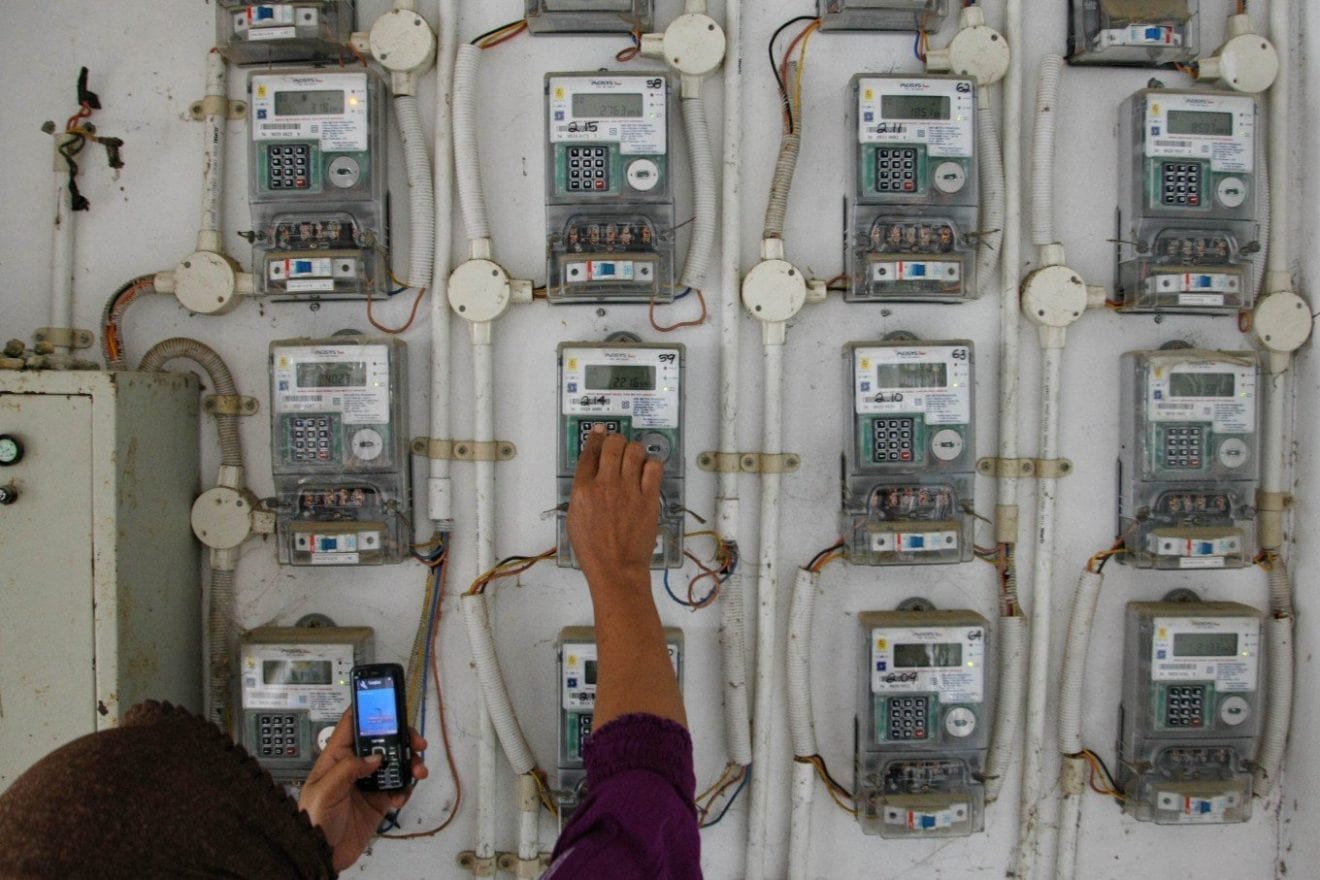
    System losses divide into technical and non-technical categories. Non-technical losses cover meter tampering, power theft, defective metering equipment and administrative billing errors. Department of Energy estimates indicate that eliminating non-technical loss allowances will require approximately 7 billion pesos in enforcement, meter replacements, database cleanups and cooperative management overhauls.

    Technical losses occur naturally across cables and transformers during transmission. Fixing them requires electric cooperatives and private utilities to replace ageing lines, upgrade substations and redesign local grid architecture.

    Legislative Limits and Network Audits

    Philippine commercial operators face some of the highest electricity tariffs in Southeast Asia, where utility line items consistently eat into store operating margins and household discretionary spending. While cutting the 12 percent tax offers immediate margin relief, dismantling the base charge faces statutory limits under the Electric Power Industry Reform Act, which permits distribution utilities to recover system losses up to regulatory caps.

    Electric cooperatives will take roughly six months to complete physical grid assessments before regulators can adjust allowable technical loss caps. Garin said the government expects to deliver its formal progress report on technical losses in the first half of 2027.

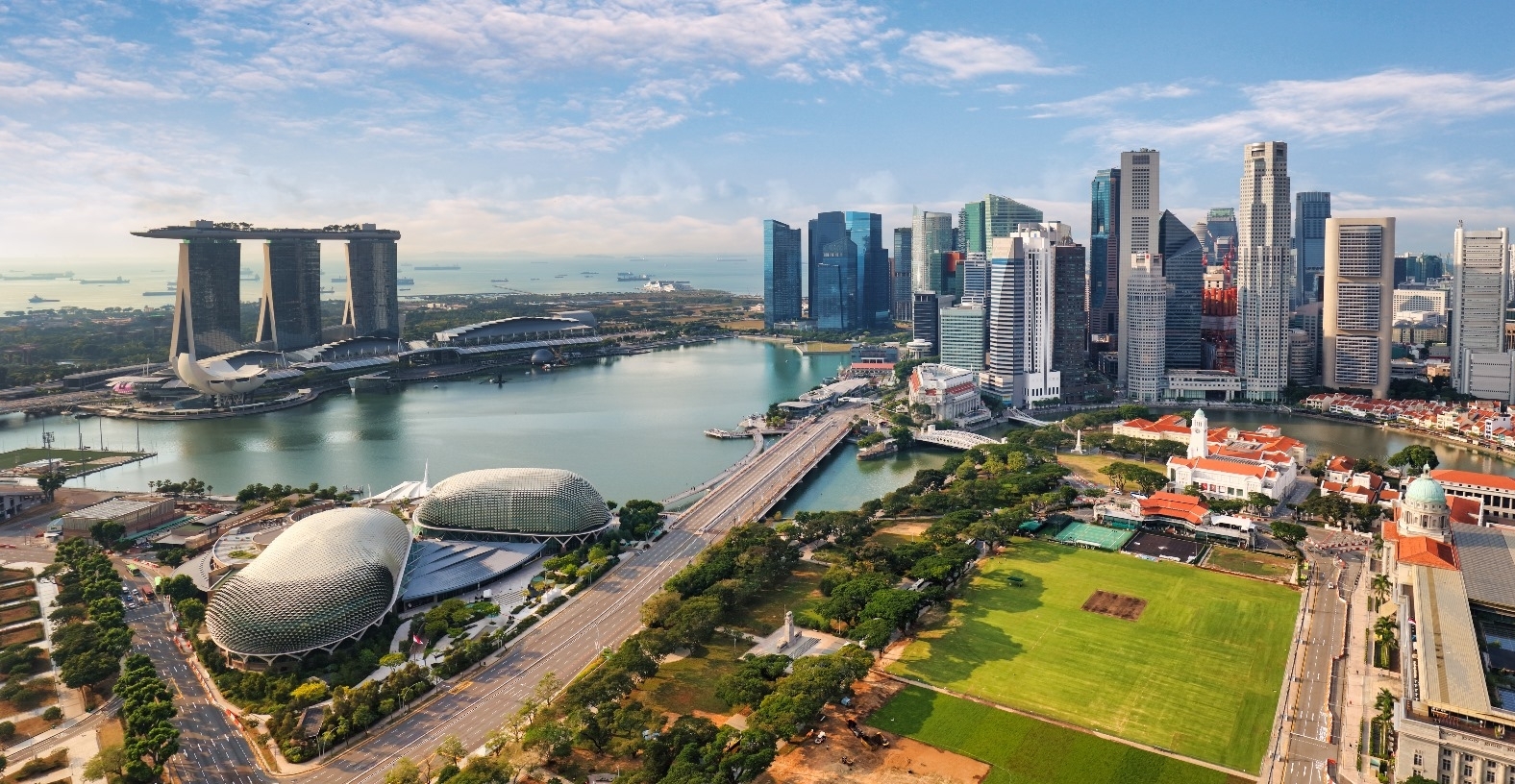
  • Singapore Core Inflation Accelerates to 2% in July on Rising Utilities

    Singapore Core Inflation Accelerates to 2% in July on Rising Utilities

    Singapore core consumer inflation accelerated to 2 per cent in July, driven by higher utility bills alongside rising food and service costs.

    The figure climbed from 1.6 per cent in June, logging the highest reading since October 2024, according to figures released by the Department of Statistics. Even with the pickup, the print remained below the 2.2 per cent median estimate projected in a Bloomberg survey of economists.

    Surging energy and food expenses

    Utility bills served as the primary catalyst for the monthly increase. Electricity and gas costs surged 8.7 per cent year on year in July, reversing a 2.9 per cent contraction recorded previously.

    Headline inflation, which includes accommodation and private transport alongside underlying consumer goods, climbed to 2.2 per cent from 1.9 per cent in June. Rising housing expenditures contributed to that broader increase alongside the pickup in core categories.

    Margin pressures for local operators

    For retail tenants, food outlets, and service providers across the island, sharper utility swings immediately feed into commercial overheads. Higher operating power expenses arrive just as consumer baskets adjust to persistent service inflation, testing pricing flexibility across dining and discretionary retail.

    Market attention now turns to upcoming third-quarter monetary policy reviews, with operators watching whether central bank settings adjust to keep import costs and service inflation anchored.

  • Pakistan Plans Uniform Gas Tariff to End Cross Subsidies

    Pakistan Plans Uniform Gas Tariff to End Cross Subsidies

    Pakistan is replacing its tiered gas pricing system with a single uniform tariff across all consumer categories. Petroleum Minister Ali Pervaiz Malik outlined the plan to utility executives in Islamabad.

    The Oil and Gas Regulatory Authority sets the benchmark prescribed price near Rs1,700 per million British thermal units. Even so, end-users currently pay anywhere between Rs500 and Rs4,300 per mmBtu depending on consumption brackets.

    Aligning Rates with IMF Targets

    International lenders and domestic regulators have pressed Islamabad to dismantle cross-subsidies and recover actual distribution costs. Under the new model, vulnerable households will receive targeted welfare payouts instead of discounted bills. Businesses and heavy users will pay a standardized rate.

    Malik directed state-run distributor Sui Southern Gas Company to redesign its operational model around the single-rate baseline. The utility cut unaccounted-for gas losses by roughly 57 per cent in volumetric terms over the past year. Islamabad also held headline tariffs flat, trimming roughly Rs55 billion from the sector’s circular debt balance.

    Reforming Industrial Utility Models

    For commercial operators and factories across Pakistan, ending tiered subsidies removes pricing distortions that pushed manufacturers toward alternative fuels. The shift mirrors utility overhauls in Bangladesh and India. Both nations curtailed industrial discounts to secure multilateral loan tranches and stabilize sovereign balances.

    Technical advisers from the World Bank are helping Islamabad prepare the broader restructuring plan. The cabinet must review the pricing mechanism next, clearing the regulatory authority to calculate baseline consumer rates for the upcoming fiscal cycle.