Tag: value retail

  • Dollarama Australia Sales Reach $185.7M as Conversion Losses Widen

    Dollarama Australia Sales Reach $185.7M as Conversion Losses Widen

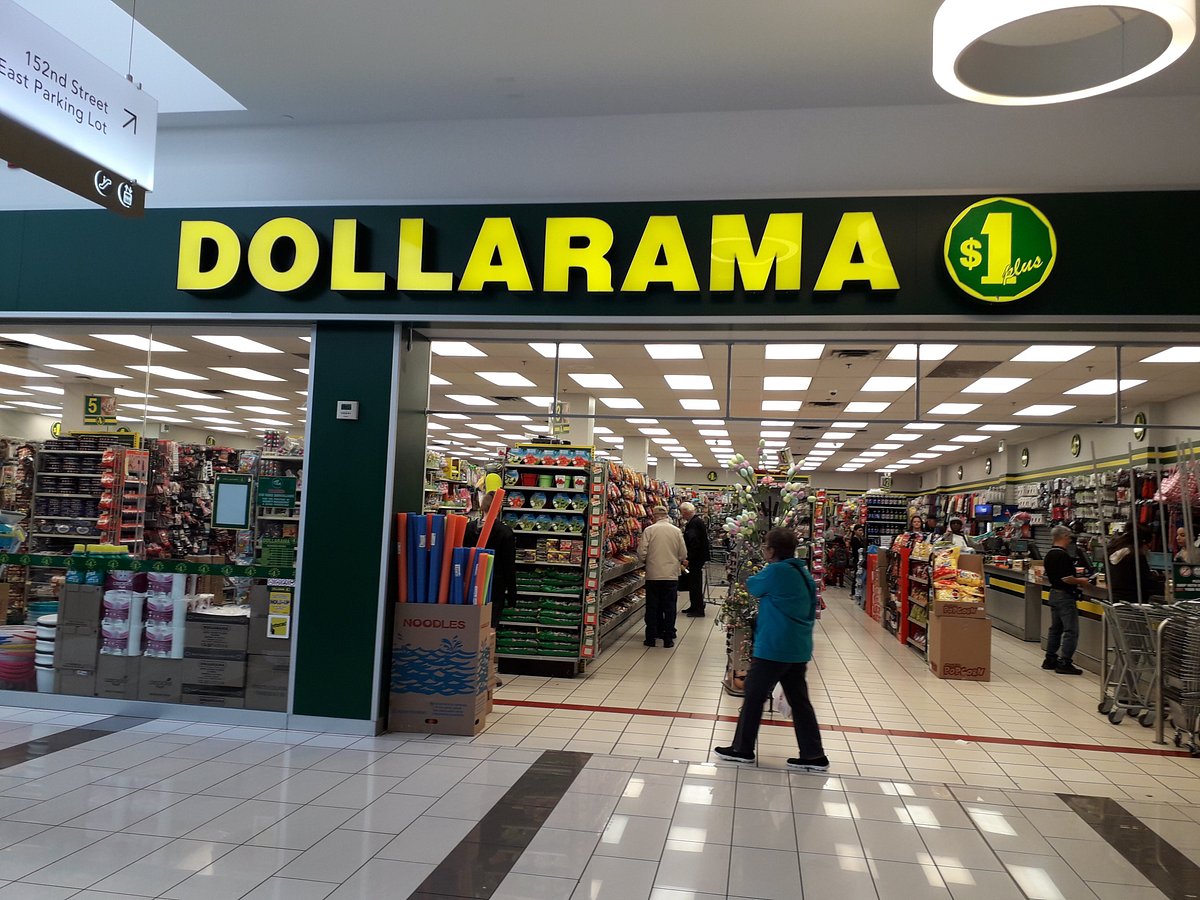
    Dollarama Australia posted a second-quarter net loss of $13.7 million for the period ended August 2 as costs from overhauling its local retail network accelerated.

    Sales rose to $185.7 million across 414 locations, up from $262,400 in net loss and a fraction of revenue a year earlier when accounts reflected only 13 days of ownership.

    Refitting The Reject Shop Network

    The Montreal-based value retailer took full control of The Reject Shop last July to establish a direct operating bridgehead in the Asia-Pacific region. Integrating those assets requires extensive capital work inside existing retail footprints.

    During the quarter, the company renovated 25 stores and opened four net new sites across the country. That pushed the total number of Australian locations operating with Dollarama standard layouts and fixtures to 60.

    Discount Margins Face Upfront Outlays

    Refurbishing discount outlets at speed exposes margins to immediate friction. Fit-out costs, supply chain realignment and temporary store disruption hit operating profit before new merchandising yields higher basket sizes.

    Rival value generalists in Australia operate lean supply chains and defend established suburban leases aggressively. Dollarama is betting that higher product density and proprietary sourcing can offset the conversion drag across its remaining 354 legacy stores.

    Full Year Loss Forecast

    The company acquired The Reject Shop in July 2025 to secure an instant national retail footprint rather than building real estate step by step. That transaction gave the Canadian group 414 operating sites across suburban centres and strip malls.

    Dollarama confirmed it expects the Australian business to remain loss-making for the entire fiscal year as refits continue across the balance of the 414-store fleet.
  • Miniso First-Half Revenue Rises 22% to $1.7 Billion on China and US Gains

    Miniso First-Half Revenue Rises 22% to $1.7 Billion on China and US Gains

    Miniso lifted its first-half revenue 22.4 per cent to RMB11.5 billion (US$1.69 billion) as Chinese domestic demand rebounded and foreign store openings accelerated. Second-quarter revenue rose 17 per cent to RMB5.81 billion (US$856.4 million) in the three months to June 30.

    Domestic sales supplied the momentum. Mainland China revenue climbed 26.2 per cent during the six months, marking the company’s fastest first-half expansion rate in three years. North American operations posted a 37 per cent top-line increase over the same period, while the Top Toy pop-culture unit grew revenue 32.7 per cent.

    Global Store Count Nears 8,700

    Network growth continued across offshore territories. Miniso finished June with 8,674 stores worldwide, adding 769 doors in 12 months. International locations accounted for almost half of all net-new store openings during the year.

    New market entries pushed the retailer’s footprint to 113 countries and territories after opening its first store in Switzerland. Top Toy also moved past mainland borders, adding storefronts in Taiwan and the US. Domestic registered members reached 130 million, up 31 per cent year on year, while US loyalty members doubled to roughly 5.8 million.

    IP Formats and Capital Allocation

    Value retailers across East Asia face margin pressure from discount e-commerce platforms, pushing operators to rely on licensed intellectual property and larger destination shops to protect transaction values. Miniso has shifted toward branded character goods and blind-box toys to lift average basket spend rather than relying solely on cheap household consumables.

    Founder and chief executive Guofu Ye said the group will keep directing capital toward proprietary IP lines and large-format retail sites while pursuing regional localisation.

    Capital management plans remain active following the June rollout of a HK$2 billion (US$255 million) share buyback program, which runs alongside Ye’s personal commitment to increase his equity stake in the business.