Retail News CRM

Tag: van

  • DHL to build electric vans in Japan

    DHL to build electric vans in Japan

    Deutsche Post/ DHL’s EV building outlet StreetScooter is to sign a contract with Yamato, a major Japanese logistics company worth around 32 million euros. The two companies will develop a small electric van together and will bring the first 500 units into the greater Tokyo area by autumn.

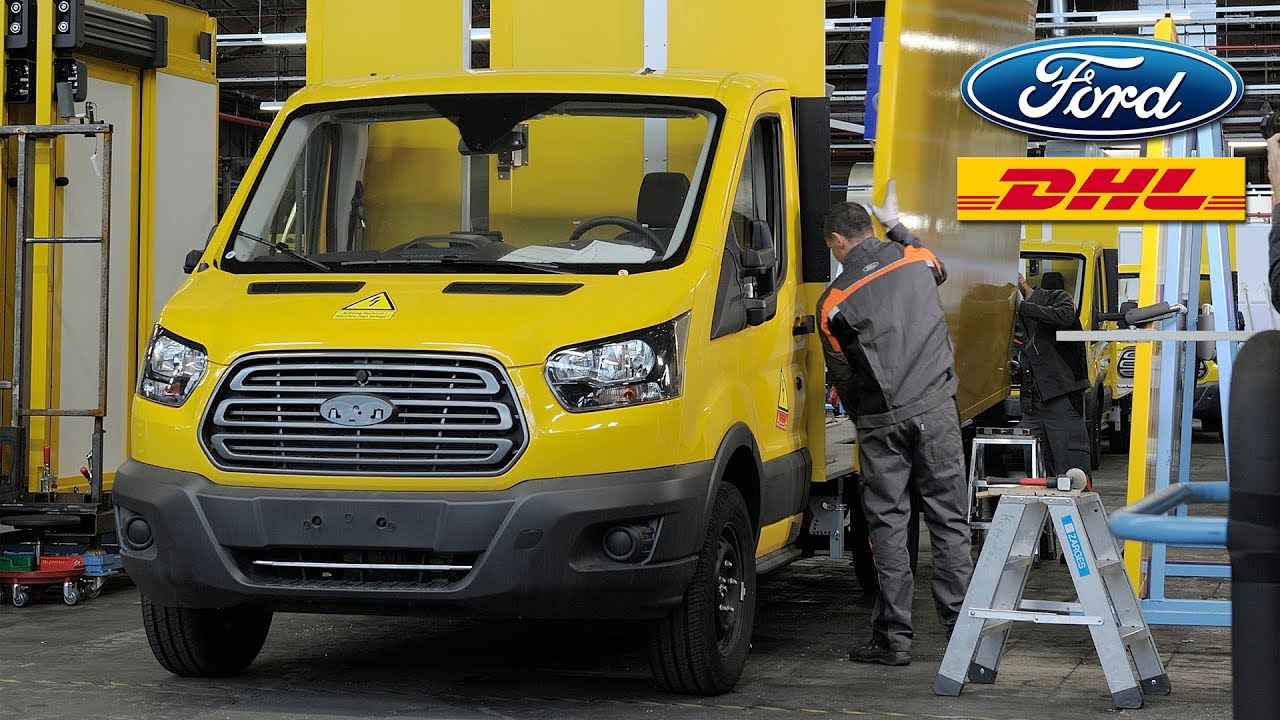
    Progressed negotiations that have now been concluded. StreetScooter is responsible for the production of the electric van while Yamato will be responsible for the refrigerated transport box. However, the truck bed will be waist high so that workers can load and unload cargo without having to enter the refrigerator-freezer compartment. 100 charge points are planned as well, as is further expansion.

    So the 500 vehicles are by no means the end of the story. The cooperation could be further expanded in the future as Yamato plans to aggressively convert its fleet of around 40,000 vehicles to electric drives. According to the Japanese business paper, Yamato would be the first large logistics company in Japan to rely on electric drives on a large scale.

  • Ninja Van expands network in Vietnam

    Ninja Van expands network in Vietnam

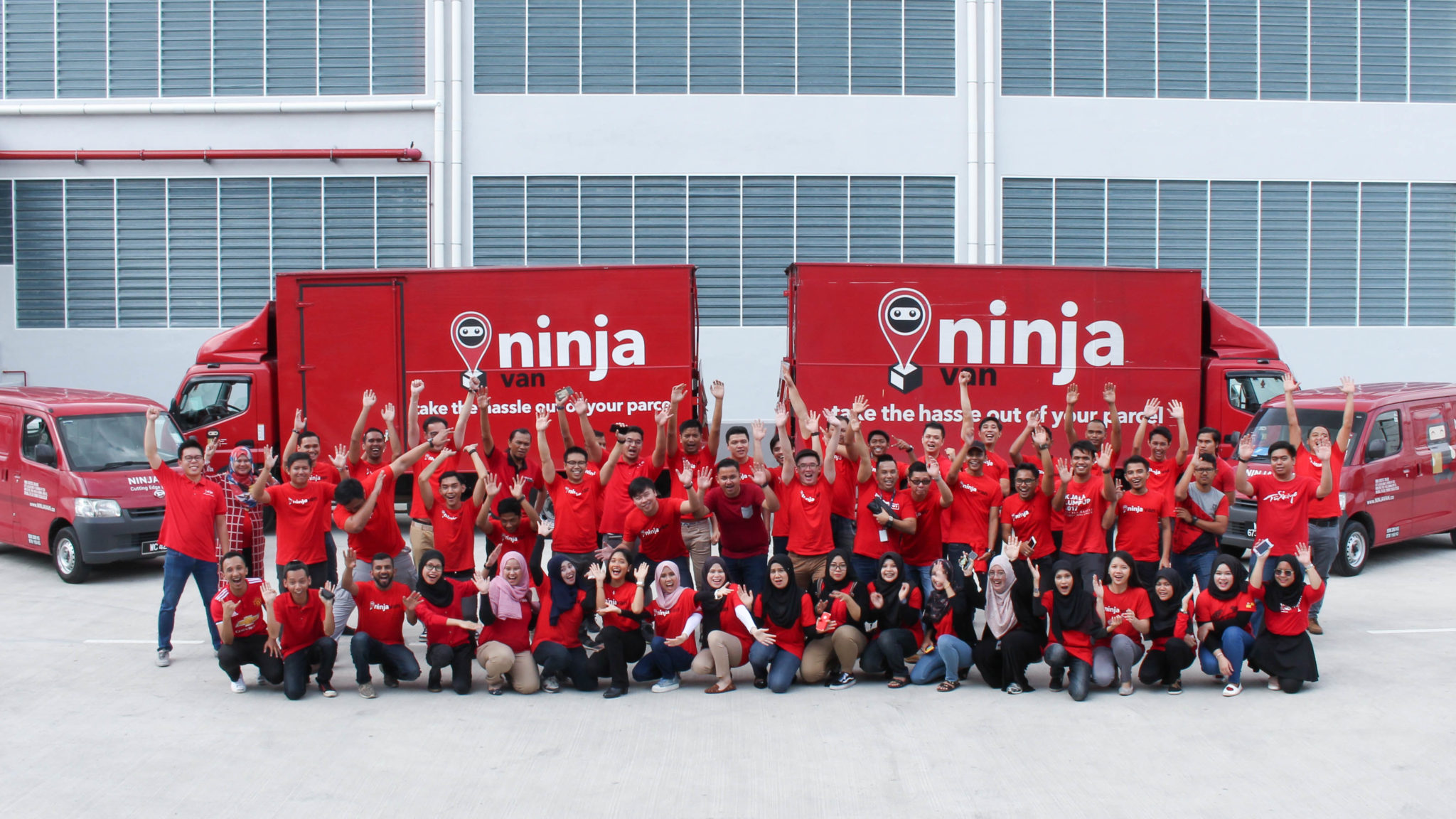
    Ninja Van has introduced PUDO (Pick-up Drop-off) franchising into Vietnam, providing local small-cap entrepreneurs a profitable opportunity.

    Ninja Van’s Agency Sales Network, the official name for Ninja Van Retail’s revolutionary PUDO business, is now expanding, with over 200 agents entering the network.

    To keep up with the changing pace of the e-commerce market, Ninja Van Vietnam, a fast-growing and leading e-logistics company in the market, is steadily becoming a favorite courier brand. Thanks to its well-built ecosystem, Ninja Van’s agency sales network with PUDO points is expanding its presence across the country, promoting quick and precise delivery to end-users and boosting the revenue of business partners.

    The company has been offering new businesses its agency sales network – PUDO point franchising – to reduce risks in the logistics market. Ninja Van’s agency sales network is an initiative to assist inexperienced partners in launching their first firm, maximizing their profits in the e-logistics market with minimum investment. With more than 200 PUDO points deployed by agents since 2020, the network has grown faster than expected thanks to its appealing policy and high return on investment rate.

    Partners with a small amount of capital for a new business can open a well-prepared branded agent for as little as VND25 million.

    Ninja Van Retail’s team will take all the responsibility for store renovation and support partners from all provinces despite geographical barriers to innovate logistics improvements.Ninja Van Retail provides new partners with important assistance in deploying their first business in e-logistics with standardized operation, relevant to PUDO management and profitable services. One of the most significant features of Ninja Van’s agency sales network is that the PUDO partners will be one of the important links in Ninja Van Retail’s complex technical network and excellent customer services nationwide.

    The team will provide operation training to agency sales network partners, and the PUDO agent will be looked after by Ninja Van’s personnel directly to ensure quality services across the network are synchronized. On the other hand, the team assists PUDO agents in evaluating operation quality on a quarterly basis in order to maximize business effectiveness. Ninja Van’s agency retail network promotes manual threading, reducing agent labor while providing a stable income for partners.

    The investment in Ninja Van franchising is refundable. Ninja Retail’s partners can decrease their financial risk because the franchiser will not impose fines or business pressure on its agents.

    Compared to the previous period in 2021, the scale of e-commerce in Vietnam has increased by 53 percent despite Covid-19, and nearly 60 percent of Vietnamese consumers continue to shop online since social distancing.

    According to VECOM, e-commerce business in Vietnam might be worth $52 billion in 2025. The results confirm the potential of e-commerce in the near future, and PUDO points are expected to be its spine to continue the momentum by 2025.

    One can become a Ninja Van Retail partner by registering here. The joining fee is refundable. Ninja Van Retail will reward agents for expanding with more profitable costs and discounts; agents who refer others will receive VND5 million in cash and a 5 percent commission on income in two months.

  • Malaysia Faces Surge: Online Shopping Scams Reach 3,500 in Q1, Reports Ninja Van

    Malaysia Faces Surge: Online Shopping Scams Reach 3,500 in Q1, Reports Ninja Van

    Scams are on the rise in Malaysia, with Ninja Van reporting over 17,000 parcel scam incidents last year alone. The most common of these scams involved cash-on-delivery schemes, where unsuspecting consumers paid for items they never ordered, as detailed by the Malaysian tech news outlet Zen The Geek.

    Ghost Scams and Phishing Woes

    But the woes don’t stop there. A sinister variety called “ghost scams” has gained traction, tricking victims into buying non-existent products or services advertised online. Adding to this digital quagmire are phishing attempts, where fraudsters employ text messages to impersonate Ninja Van, luring victims into their traps.

    Elderly Victims and Unrealistic Offers

    Fariz Maswan, Ninja Van’s chief sales officer, shared that many victims are from the older generation, easily lured into purchasing dubious items—think herbal products and amulets—pitched on social media. Often, these victims either receive nothing at all or are delivered items that strayed far from what was initially advertised. “It’s always a case of items being offered at a price that is just too good to be true,” Maswan noted, revealing that while losses can reach up to MYR1,000, most victims lose about MYR200.

    Raymon Ram, a fraud risk management expert, underscored the widespread fallout from these scams. “They erode public trust—not just in businesses, but also in the institutions that are supposed to protect us,” he declared, pointing out that scammers exploit weak governance and consumer ignorance. In phishing scenarios, victims receive messages claiming that a Ninja Van package was undelivered, only to be directed to fraudulent websites designed to pilfer their banking information.

    For cash-on-delivery scams, Fariz elaborated on the deceptive tactics. Scammers masquerade as delivery personnel, convincing targets to pay for a package supposedly ordered by a spouse or family member. “Scammers exploit the sense of familiarity that victims have for the person they think the parcel is for,” he explained.

    Combating the Rise of Scams

    In response to this alarming trend, Ninja Van has initiated the ScamMinar Panel Discussion, a proactive measure to combat fraud. They’ve also teamed up with the Royal Malaysia Police to bolster anti-scam efforts.

    Last year, Malaysia saw over 35,300 reported scams, leading to staggering financial losses of MYR1.6 billion (US$378 million), according to the Commercial Crime Investigation Department. This marks a 29% increase compared to 2023—a surge deemed “alarming” by the department’s director. The types of scams varied from fraudulent phone calls to enticing investment schemes promising astonishing returns. Who knew scammers could be so diverse?

    Questions & Answers

    What are the most common types of scams reported by Ninja Van?
    The most prevalent scams involve cash-on-delivery fraud, ghost scams for non-existent products, and phishing attempts disguised as undelivered parcel notifications.

    Who is primarily affected by these scams?
    Many victims belong to the older generation, often targeted through social media promotions that feature enticing offers on dubious products.

    What measures is Ninja Van taking to combat these scams?
    Ninja Van has launched the ScamMinar Panel Discussion and partnered with the Royal Malaysia Police to implement effective strategies to prevent fraud.

  • DHL Express expands electric van fleet in Indonesia

    DHL Express expands electric van fleet in Indonesia

    Leading international express service provider DHL Express has geared up to electrify its last-mile delivery fleet with the deployment of 24 electric vans in Jakarta and Bandung.

    The introduction of the new e-vans, which are expected to cut 177 tonnes of annual carbon emissions, underscores the company’s commitment to more sustainable operations and contributing to climate protection.

    The new electric vehicles will join the existing fleet which includes four electric vans and six electric bikes serving areas in Jakarta and Surabaya.

    Ahmad Mohamad, Senior Technical Advisor, DHL Express Indonesia, said the plan is to transition the company fleet to electric vehicles and make them available in other Indonesian cities. The company will also invest in other low-carbon solutions, such as e-trucks and solar panels for facilities in Indonesia.

    As announced in its Sustainability Roadmap, Deutsche Post DHL Group will invest 7 billion euros until 2030 in CO2 reduction measures. This includes electrifying 60 percent of the last-mile delivery fleet across the Group.

  • With the Waze Retro Mode, go back in time and drive a VW bus as you navigate to your destination

    With the Waze Retro Mode, go back in time and drive a VW bus as you navigate to your destination

    If you’re Google, what do you do with Waze? Google reportedly paid anywhere from $1.1 billion to $1.3 billion for the crowdsourced navigation app and several Waze features ended up on Google Maps including speed limit signs, the speed of your vehicle, the ability to report speed traps and accidents, the cost of the tolls that you will be asked to pay en route to your destination, and more.
    Waze helps Google sell hyper-local ads which sets it apart from Google Maps as a revenue generator from Google’s point of view. Also setting Waze apart from Google is a new feature for Waze called Retro Mode. Sounds groovy, man. With Retro Mode, you can change the app’s appearance and the sound of the turn-by-turn directions to match the 1970s, 1980s or 1990s.
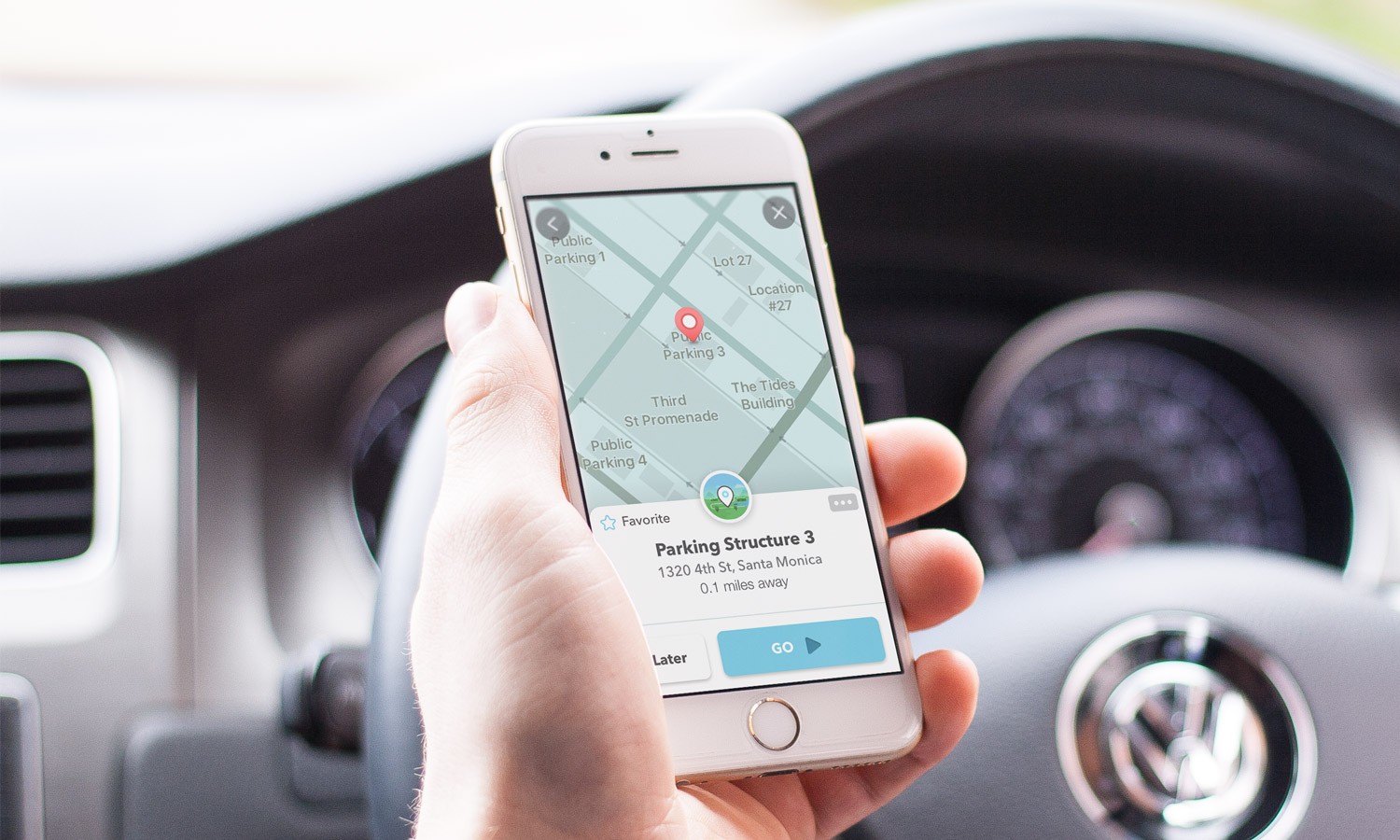
    To activate Retro Mode, open the Waze app. In the bottom left corner tap on My Waze. From the menu that appears, tap on Drive with the 80’s. You will then have options to change how you appear on the app by pressing Moods. You can select a lava lamp (1970s), a boom box (1980s), or a Mac (1990s).
    Tap on Car to choose between an iconic “flower power” VW bus, a race car, or an SUV (representing the 79s, 80s, and 90s respectively). Keep in mind that your car icon is only visible to you. Next, you can choose Voice directions to pick from a 70’s DJ, an 80’s Aerobic Instructor, and a 90’s Pop Star.
    With Retro Mode enabled, you can mix and match elements from each era. For example, you can choose to have the VW bus from the 1970s, the voice of the Aerobic instructor from the 1980s, and the SUV from the 1990s. Cool, huh? You won’t see Retro Mode on Google Maps.
    Once you’ve finished making your selection, tap on the Done button. You’re now ready to drive into another era. Install Waze from the App Store or from the Google Play Store.
  • Singaporean logistics unicorn eyes Vietnam as key expansion market

    Singaporean logistics unicorn eyes Vietnam as key expansion market

    Ninja Van, a Singaporean logistics startup and new ASEAN unicorn, is set to drive a broad strategy in Vietnam to benefit from the country’s strong e-logistics market growth.

    After successfully raising $578 million in Series E funding, Ninja Van has officially become an ASEAN “unicorn,”.Dzung Phan, president of Ninja Van, said while revealing the startup’s expansion plans for Vietnam and his assessment of its e-logistics market.

    Why did Ninja Van choose Vietnam as a key investment market?

    We believe Vietnam is ready for a new phase of growth in e-logistics. According to Agility, Vietnam ranks 8th among the top world’s fastest-growing logistics markets and 3rd among ASEAN in 2021. Vietnam E-commerce Association (VECOM) also stated the number of postal parcels sent through express delivery services shot up by 47 percent last year.

    Also, e-logistics is strongly driven by the rapid growth of e-commerce. Vietnam’s e-commerce market expanded an average of 30 percent per annum during the period 2016-2019, from $4 billion (2015) to $11.5 billion (2019). According to VECOM, the market will grow at 29 percent annually in 2020-2025, to reach $52 billion (2025).

    The strong potential of Vietnam’s e-logistics market is a good foundation for our ambitious plan. A market with 600,000 sellers and 49.3 million buyers across e-commerce platforms and social networks will generate significant demand for logistics.

    Leading a new unicorn in the e-logistics industry, how do you assess its competitive advantage in Vietnam?

    The domestic e-logistics market is competitive with several “deep pocket” players. The market comprises three main segments: local shipping companies, international shipping companies, and e-commerce platforms with their own in-house shipping ecosystems.

    Domestic enterprises only account for 20 percent of the logistics market share; the remaining 80 percent belongs to international firms with strengths in capital, technology, and experience. Local firms may be backed by international groups, including GHTK by Kerry and AhaMove by Temasek.

    Although the e-logistics market is vibrant, its growth potential is not fully invested in. A survey showed that 60 percent of sellers and 80 percent of buyers are not satisfied with the current quality of express delivery services. Buyers are frustrated by late delivery or the inability to track the flow, while sellers expect more parcels to be delivered.

    Is pricing a major competitive edge in the current e-logistics market?

    Except for the inhouse shipping units of e-commerce platforms, domestic and international players are using price competitiveness to acquire customers quickly. Whenever there is a “newcomer”, delivery costs will drop significantly to maintain the market share and retain customers. Notable discounts were given at the entry of J&T in 2018 and Best in 2020.

    The average shipping price in the Vietnam market fell continuously by 15-20 percent per year from 2017 to 2020. The trend has a negative impact on smaller domestic players, for example, GNN in 2017 suffered a sharp drop in revenue that led to its liquidation. Even international players without strong financial support cannot survive this market, with DHL e-commerce ceasing operations in Vietnam during 2021.

    How does Ninja Van improve the customer experience? Ninja Van focuses on providing a quality and authentic service experience to customers, rather than on pricing alone. Parcel tracking and recovery services for lost or damaged parcels need to be improved.

    Given a tech-enabled personalization of the customer experience, Ninja Van’s nationwide personal delivery service on the Grab app has stepped up during the Covid-19 pandemic. Additionally, we are strengthening our partnership with e-commerce giants including Shopee, Lazada, Tiki, and Sendo.

    With more than 300,000 orders per day, Ninja Van is among the top three partners on all major platforms in Vietnam. These collaborations brought Ninja Van into the top growth 15 companies in the Asia-Pacific region in 2021 as reported by Financial Times.

    To gain trust, we do all possible to help our customers succeed, such as ensuring timely pickup, prompt delivery without loss. In addition, we understand that our partners are working at a large scale, so we do our utmost to optimize our cost structure and provide an attractive rate.

    As a result, we became the most active provider by offering various value-added services, such as return pickup to Lazada, bulky and super bulky delivery for Tiki, or installation services for Shopee.

    With an additional $578 million in Series E, what is the level of ambition in terms of your expansion strategy?

    – Ninja Van is committed to driving a broad strategy in Vietnam in particular and in ASEAN in general. This strategy will cover all three sectors: operations, technical systems, ecosystems for small and retail customers.

    Specifically, Ninja Van will increase its coverage in 63 cities and provinces to reach 100 percent of the Vietnamese population. We will also prepare an automatic sorting system with a capacity of two million packages at five major cities to increase delivery speed.

    We will build and improve web and mobile application platforms to enhance customer experience. We seek to enable both sellers and buyers to track parcels and make inquiries in real-time.

    Notably, we will broaden our cross-border delivery with two new services: Ninja Direct, which helps Vietnamese sellers look for better sourcing with better rates in multiple countries; and Ninja Crossborder, which helps Vietnamese manufacturers reach out to buyers all over the world.

    Moreover, we will complete business activities for the fourth quarter of 2021. For example, based on our big data analytics, we have opened training courses to detect anomalies and outliers to provide timely resolutions for all customers. In 2020, we created 40 different training modules for our shippers and warehouse staff to avoid recalcitrant buyer behavior on COD free delivery services.

    Ninja Van will launch a promotional campaign in Vietnam “Giao thong suot, Nhan ven nguyen” (Smooth delivery, Parcel intact) to support sellers in the fourth quarter. With all staff vaccinated against Covid-19, Ninja Van will maintain its service delivery price during the pandemic to support hard-hit customers.

  • Vans releases range of footwear for those with autism

    Vans releases range of footwear for those with autism

    Lifestyle fashion brand Vans has released a collection of shoes and apparel celebrating autism awareness.

    The range is designed for consumers with Autism Spectrum Disorder and comes in calming colors with features that focus on the senses.

    The collection includes slip-on shoes with squishy uppers and rubber toe caps, and an assortment of long- and short-sleeved tees. The firm collaborated with the International Board of Credentialing and Continuing Education Standards in crafting the designs.

    Part of the collection’s sales proceeds – a minimum of $100,000 – will be donated to the A.skate Foundation, which aims to help children with autism learn skateboarding. The charity provides grants to children with autism for skateboarding gear, teaching them how to participate in the sport and its inclusive culture.

    The autism footwear and apparel collection is available online and in Vans retail locations.

  • DHL To Debut Zero-Emission Electric Delivery Vans In U.S. Cities

    DHL To Debut Zero-Emission Electric Delivery Vans In U.S. Cities

    Deutsche Post DHL Group’s StreetScooter electric vehicle unit will enter the U.S market next year as delivery firms and municipalities work to cut greenhouse gas emissions. DHL will debut StreetScooter’s zero-emission Work L delivery van in two urban U.S markets, one on each coast, starting in Spring 2020, the companies said

    They did not specify which markets would be the first.Full deployment could come in 2022 and 2023, said Ulrich Stuhec, StreetScooter’s chief technology officer, who joined the company from Ford Motor Co in October. Los Angeles, London, Berlin, Tokyo and 30 other cities around the globe have been working to establish zero-emission zones by 2030.

    Those cities hope to curb accumulating greenhouse gases that contribute to extreme weather, higher temperatures and rising sea levels, which have steep economic, environmental and human costs

    The transportation industry – which includes fossil-fuel-burning ships, trains, trucks and planes – accounted for 14% of global greenhouse gas emissions in 2010, according to the United Nations’ Intergovernmental Panel on Climate Change

    Over the last three years, DHL has kicked off “CO2-free last-mile delivery” efforts with German cities like Berlin, Hamburg and Munich. Roughly 10,000 of the 12,000 StreetScooter electric vehicles on the road make DHL deliveries. They operate in Amsterdam, Vienna and cities around Germany – saving roughly 36,000 metric tons of CO2 per truck each year, StreetScooter said.”We have the most experience on the road while others are still working on their first prototypes,” StreetScooter’s Stuhec said in a recent interview. Up-and-coming delivery competitor Amazon.com Inc in September gave the electric vehicle industry a jolt with its plan to order 100,000 electric delivery vans from Rivian Automotive LLC, a company it funds

    The first vans should hit streets in 2021. Meanwhile, Amazon said its delivery partners are using around 200 electric vehicles

    United Parcel Service Inc has 1,000 electric and hybrid electric vehicles in its fleet, and FedEx Corp last year announced plans to deploy 1,000 electric vehicles in California

    DHL fully acquired StreetScooter in 2014

    The unprofitable subsidiary is seeking new investors and customers to further ramp production

    Current partners include the United Kingdom’s Milk & More, which ordered 200 trucks, and Japanese delivery firm Yamato, which has started to deploy 500 planned vehicles

    In September, StreetScooter cracked the world’s biggest electric vehicle market – signing a memorandum of understanding with Chinese carmaker Chery Automobile Co to begin electric van production in 2021

  • Some of Amazon’s brand-new Mercedes delivery vans are facing mechanical failures

    Some of Amazon’s brand-new Mercedes delivery vans are facing mechanical failures

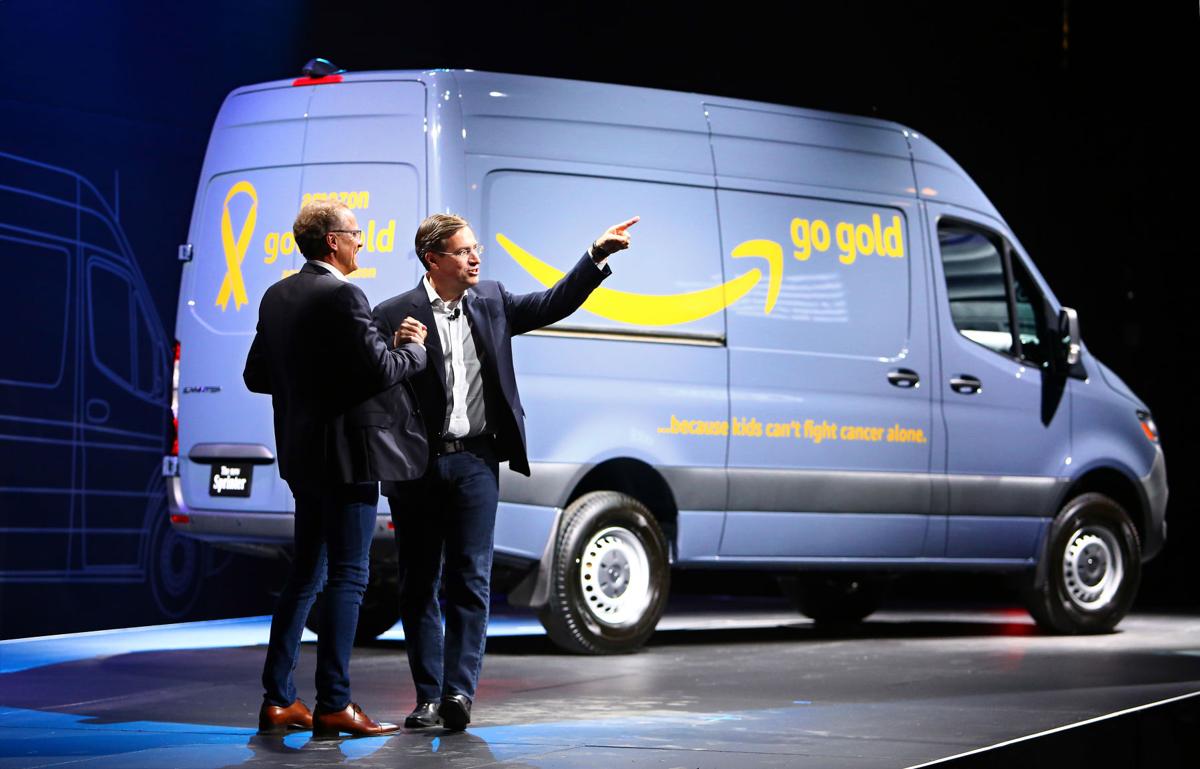
    Mercedes-Benz has identified a power-steering problem plaguing its highly touted Sprinter vans. The cause of the problem is a fluid leak that can make it difficult to turn the wheel of the vehicle, a Mercedes-Benz spokeswoman, Catherine Gebhardt. It has affected Amazon, which recently became Daimler AG’s biggest buyer of Mercedes-Benz Sprinter vans with an order of 20,000 vehicles — up from a previous order of 5,000 — for its growing last-mile-delivery program. The program enables courier companies to lease the vans, which are emblazoned with the Prime logo, for Amazon package deliveries.

    One Amazon delivery service provider has encountered the power-steering problem in about a quarter of the 40 Mercedes-Benz vans that the company received at a delivery station in early September, according to an employee of the company, who asked to remain anonymous. This person said Mercedes-Benz had since repaired the affected vehicles.

    Mercedes-Benz notified Amazon’s delivery service partners of the issue on September 18 and asked them to schedule an on-site inspection of the power-steering system with their local Mercedes-Benz dealer, Gebhardt said.

    “This is being done as a proactive measure to minimize downtime,” she said, adding that the vehicles can still be driven safely in the event of a leak.

    “If there is a leak in the power-steering system, the power assist (especially at a standstill) may be greatly reduced,” Gebhardt said. “When driving at slow speeds it will require some additional steering effort, but again, the van can still be controlled.”

    It’s likely that other Mercedes-Benz Sprinter customers in addition to Amazon have been affected by the issue. Mercedes-Benz declined to comment on other customers and on how many vehicles have been impaired by the power-steering issue overall.

    Amazon announced its bulk order of the Prime-branded vans at a joint press conference with Mercedes-Benz in September celebrating the opening of the automaker’s new factory in North Charleston, South Carolina, which specializes in making Sprinter vans.

    The vans can be leased to Amazon’s existing delivery service partners, some of which have worked for Amazon since 2015, as well as partners that have been recruited through the new program.

  • Ninja Van ready to pounce on rivals in Singapore

    Ninja Van ready to pounce on rivals in Singapore

    Like the Japanese warrior it is named after, homegrown logistics tech startup Ninja Van is taking the fight to its rivals in its bid to become the top delivery e-commerce service here and in the region.

    For a start, Ninja Van plans to increase its parcel collection points to 500 by the end of the year — more than doubling its current number of 200 stations around the island. They are usually found near MRT stations and in shops, and the locations include Toa Payoh, Woodlands, Clementi, Punggol, and Orchard Road.

    To help enhance the customer’s delivery experience, it plans to give them a “live” option to redirect their parcels. Mr Lai Chang Wen, 31, Ninja Van’s co-founder and chief executive, said in an interview with TODAY that the service will be launched here before the end of the year, and will be gradually rolled out in other countries in South-east Asia.

    It will provide customers with information on when their parcels will arrive, and if they are unable to receive it in person, they can redirect it to a nearby Ninja Point, or request for it to be left at the door or neighbour’s house via the company’s website or mobile application.

    Mr Lai said this service is designed to cater to customers’ demands, making it “hassle-free”, and that it will help improve the collection experience.

    “We want to give customers more options, rather than just tracking,” he said.

    Currently, customers can also choose to self collect the parcels rather than have them delivered to their homes. Some collection points, such as those at shopping malls, are very “popular”, he added.

    The collection point service, known as Ninja Collect, includes automated parcel lockers called Ninja Box, as well as Ninja Points that allow for collection at retail shops.

    Ninja Van’s 500 points islandwide ensures that there is a pick-up point located within 500 metres from any residential home, said Mr Lai. TODAY understands that its rival, government-linked company Singapore Post (SingPost), has over 150 automated parcel lockers, called POPstations, in Singapore.

    While this push by Ninja Van could be seen as a threat to SingPost, Mr Lai insisted that both firms can “co-exist and challenge each other to keep improving”. He believes that Ninja Van’s e-commerce parcel delivery service is “on par” with SingPost’s.

    In the next three to five years, the firm will focus on strategies such as social commerce where customers shop on social media platforms such as Facebook, Instagram and Internet forums.

    He added: “We are looking at how we can allow mid-tier Korean cosmetic brands to sell (their products) in South-east Asia. For social commerce… the sellers need to find a way to ship the parcels. We provide that solution for them.”

    Ninja Van’s social commerce business is currently focused on Indonesia, Thailand and Vietnam. An expansion within the region would potentially increase their driver numbers by over 300 per cent, bringing the total count in the region to between 30,000 and 50,000 drivers.

    WE’RE A RHINOCEROS, NOT A UNICORN

    Founded here in 2014 by Mr Lai and his partners, Ninja Van has since expanded its business to the rest of South-east Asia, including Malaysia, Indonesia, Thailand, Vietnam, the Philippines, and Myanmar.

    The Singapore office employs 200 staff and 400 drivers, while its businesses overseas have a total of 2,000 full time staff and 10,000 drivers.

    Early this year, the tech company raised a record amount — believed to be over US$85 million (S$111.5 million) — in its series C funding round. It is believed to be the largest series C funding raised for the region.

    The development drew the attention of observers, who said that Ninja Van could be the next “unicorn”, which is a privately held startup company that is valued at US$1 billion or more.

    Ninja Van has raised more than US$115.5 million to date.

    Mr Lai said that the company’s expansion plans are “on track”. The startup currently covers about 80 per cent of South-east Asia, and with the funding, it can grow its network of depots, trucks, drivers and sorting spaces, he added.

    He also said that the firm is focused on South-east Asia for now. There are also no plans to diversify from its core logistics business, nor does it plan to pursue new projects such as ride hailing firm Grab’s e-wallet payment solution Grabpay, for instance.

    Dismissing talk that the company could be a “unicorn”, Mr Lai prefers for it to be seen as a rhinoceros instead.

    “A unicorn gives the connotation of being sexy, too prim and proper, and elusive,” he said.

    “A rhinoceros is more grounded. It’s rare but you can actually find it. It is a bit grungy, and dirty and real. That’s the business we are in.”

    LIVING THE DREAM?

    Looking to the future, Mr Lai said that Ninja Van needs to keep its digital and innovative culture alive and well in order to prevent it from being “disrupted” by competitors.

    Aside from its staff, technology is also a key part of its business. For example, in Vietnam, the company uses a “certain form of machine learning” and tech algorithms to identify addresses in the country and check if the location is accurate.

    While running a startup and being your own boss might sound like he is “living the dream”, Mr Lai, who did not have any experience in logistics when he co-founded Ninja Van, said that would-be entrepreneurs should not think that way.

    He said: “People join for the wrong reasons. They think it is very cool, but it is quite tiring. The real reason to start a company should be because you want learn, to challenge yourself, and to try to make a difference.”

    The busy entrepreneur works seven days a week, and he is always on his phone replying to messages and taking business calls. He only spends around 80 days a year in Singapore, with the rest of his time spent travelling around the region for his business.

    He added: “There is no line (between business and leisure). Whatever needs to be done, you do it.”
  • Ford recalls 40000 big vans; cracked coupling can cause power loss

    Ford recalls 40000 big vans; cracked coupling can cause power loss

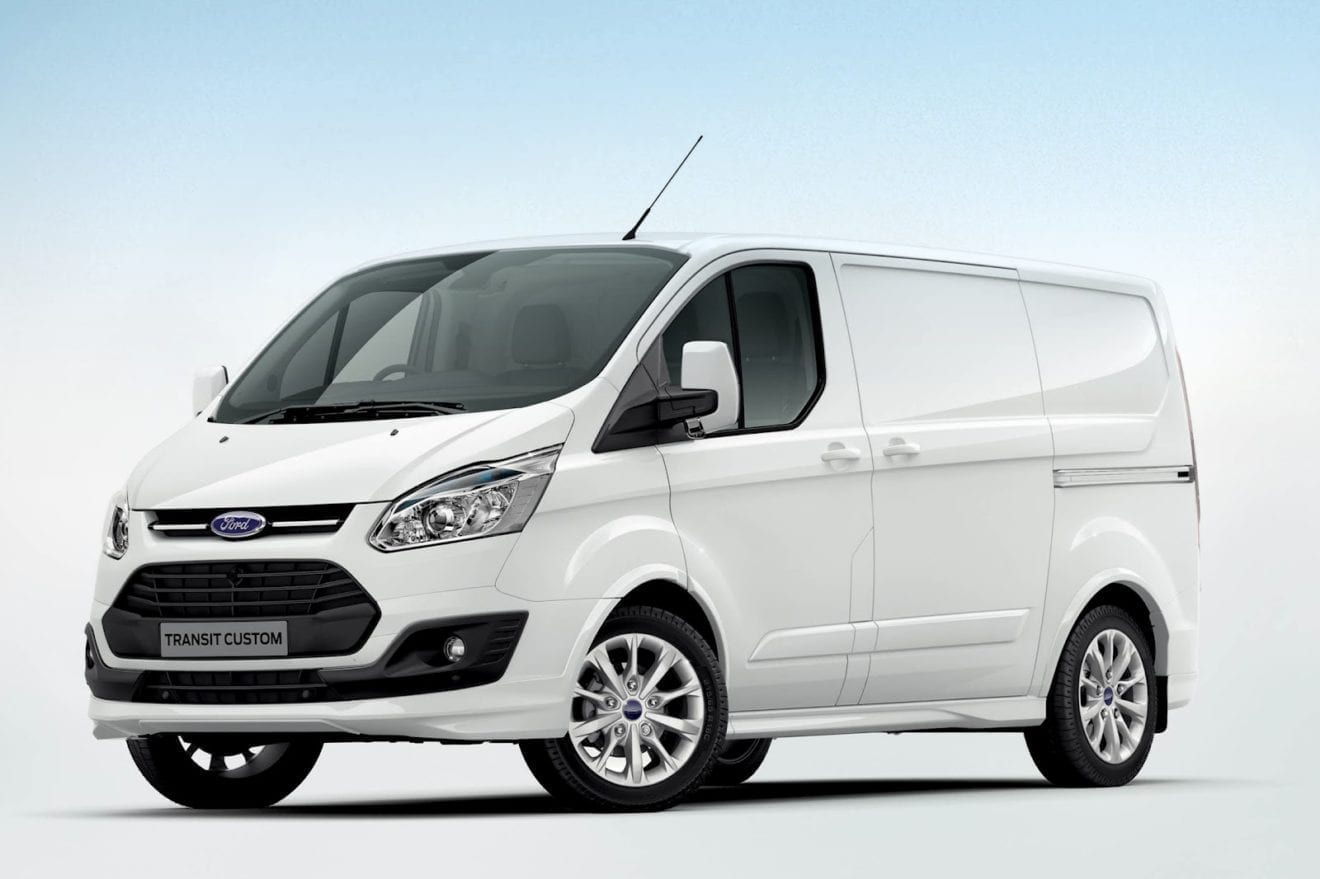
    Ford is recalling more than 400,000 Transit vans and buses to fix cracked drive shaft couplings that can cause the vehicles to lose power.

    The company says the recall covers North American vans, buses and chassis cabs with medium, long and extended wheelbases from 2015 to 2017.

    The coupling can separate from the drive shaft, causing loss of power or unintended movement when shifted into park. It also can damage surrounding parts including brake and fuel lines.

    The company says it’s not aware of any crashes or injuries from the problem.

    Ford says in a statement Wednesday that its data show the couplings won’t deteriorate enough to cause separation in vehicles with fewer than 30,000 miles. So drivers should schedule an appointment to get the coupling replaced after the vans hit that threshold. The company is still developing a permanent fix, and until that happens, drivers should have the couplings replaced every 30,000 miles.

    “We are working quickly to make it available as soon as we can,” spokeswoman Elizabeth Weigandt said.

    Owners will be notified by mail and will get another letter once the permanent repair is available.

  • DHL To Double Electric Delivery Van Production

    DHL To Double Electric Delivery Van Production

    DHL  is one of the largest delivery companies in the world. When it wanted to reduce is carbon footprint by using battery-powered electric delivery vans, it approached several major manufacturers and asked them to supply it with vehicles that met its needs. Not possible, the manufacturers all said. Too expensive. Not enough volume to make it worth our while.

    So DHL designed its own. Then it set up a production line to manufacture them. Now it is doubling production and selling its StreetScooter electric delivery van to other customers. When Volkswagen first heard what DHL was doing, some of its executives grumbled that DHL should have asked VW to build its van.

    In fact, DHL did precisely that, but Volkswagen told them to go away and bother someone else. DHL says it will expand production by adding another assembly line in the North Rhine-Westphalia region. And that is how disruption happens. Eat your heart out, Volkswagen!

    At least half of this year’s annual production is planned for external prospective buyers of the vehicles. DHL sees potential customers being municipalities and other large fleet operators in Europe. In addition, it will replace more of the conventionally powered delivery vehicles in its own fleet with StreetScooter electric delivery vans this year.

    “The large demand for the StreetScooter and our own ambitious climate-protection goals have encouraged us to further expand our commitment in the area of electro-mobility and to also make our expertise available to others. As a result, we are confirming our aspiration to remain the engine of electro-mobility and to become market leader in green logistics,” says Jürgen Gerdes, who sits on the DHL board of directors.

    The StreetScooter comes in two sizes. The Work model has a capacity of 140 cubic feet and starts at €32,000 for the Work Pure model. The Work L has double that capacity — 280 cubic feet. The company is planning to introduce a Work XL version with 700 cubic feet of cargo capacity by the start of 2018. In addition to selling its vehicles, DHL also assists customers with the installation of the charging infrastructure they need to keep their StreetScooters charged up and ready to go.

    This whole electric delivery van thing started because DHL wanted to stop spewing carbon emissions into the atmosphere while it was delivering packages for people. Just a few weeks ago, it became the first logistics company to announce that it plans to reduce all logistics-related emissions from its business to zero in net terms by 2050.

  • Toyota recalls 838,000 Sienna minivans to fix sliding door issue

    Toyota recalls 838,000 Sienna minivans to fix sliding door issue

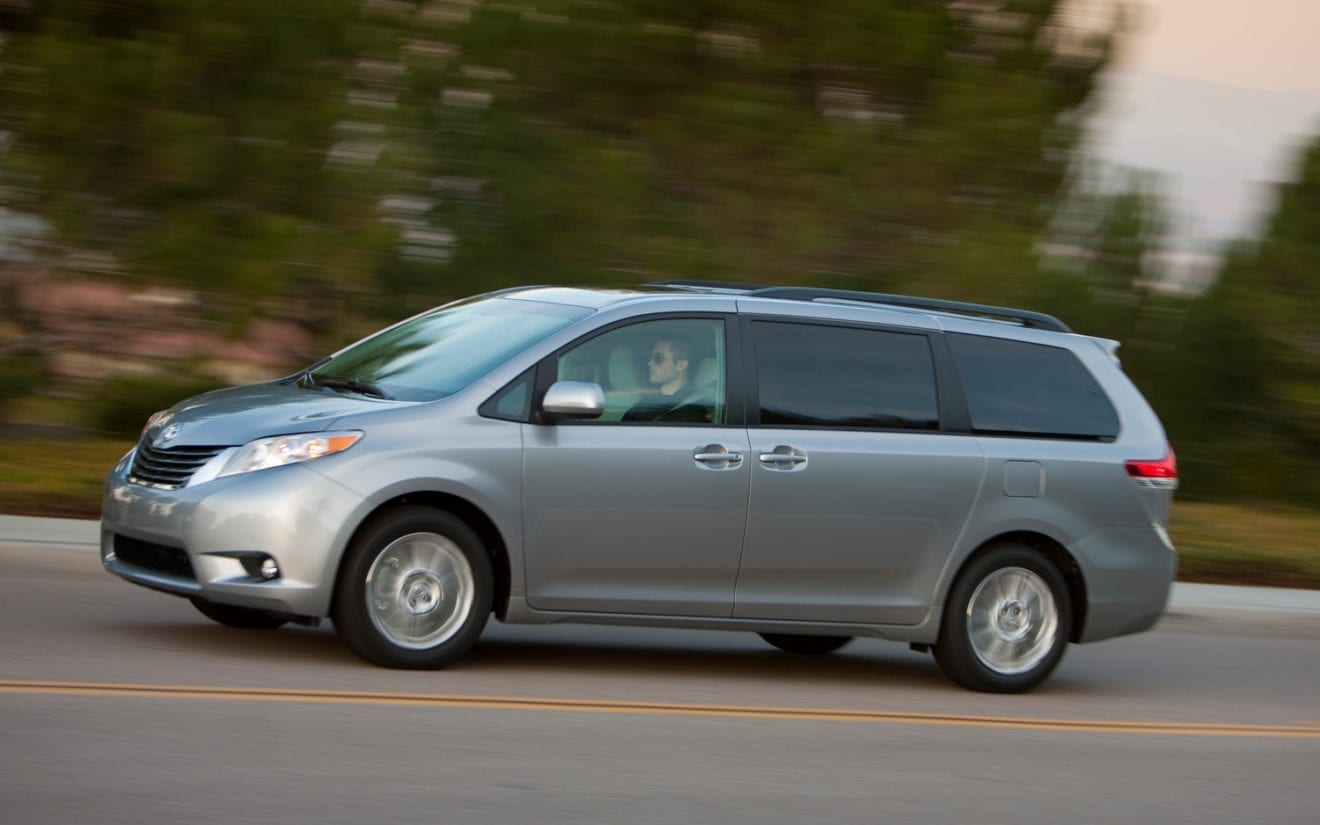
    Toyota Motor Corp said it was recalling about 838,000 Sienna minivans to fix an issue that may arise while operating sliding doors of the vehicles.

    The recall affects about 744,000 vehicles in the United States and nearly 4,000 vehicles in South Korea and Taiwan, a Toyota spokesman said on Tuesday.

    “Toyota would like to refrain from commenting whether there were any injuries or crashes as a result of the safety flaw,” the spokesman said.