Tag: vancouver

  • Lululemon Appoints Heidi O’Neill as CEO After Comparable Sales Drop Nine per Cent

    Lululemon Appoints Heidi O’Neill as CEO After Comparable Sales Drop Nine per Cent

    Former Nike executive Heidi O’Neill took charge of Lululemon on September 8 after second-quarter comparable sales dropped nine per cent.

    Net revenue fell four per cent year over year. In the United States, comparable store sales sank 12 per cent.

    The Vancouver-based activewear company lowered its full-year financial outlook and scaled back its physical retail pipeline. Lululemon now plans to open 35 net new stores in 2026, down from an earlier target of 40. It will also trim its operational pop-up fleet to about 40 locations, down from 65 at the end of last year.

    Slowing Demand Hits Global Expansion

    For landlords and retail operators across Asia and the Pacific, the pullback signals that premium athleisure no longer guarantees footfall. Rapid international sales growth previously cushioned softening retail demand in North America. That buffer eroded in the second quarter when international comparable sales slipped into decline.

    Fast-growing rivals such as Vuori and Alo Yoga continue to capture shelf space and customer loyalty across key metropolitan hubs. Lululemon must defend high price points without the product novelty that originally justified them. That leaves franchise partners and department store landlords facing softer conversion rates.

    Product Fatigue and Pricing Pressure

    Expansion into non-core lifestyle categories failed to resonate with shoppers looking for technical performance. High price tags compounded the problem as consumers rejected premium pricing on basic assortments.

    “The reason they are is that Lululemon has gone firmly off the boil,” said Neil Saunders, managing director at GlobalData.

    O’Neill’s operational task centres on rebuilding the product engine rather than relying on discounts. Americas revenue slipped three per cent in the first quarter, then dropped eight per cent in the second quarter. Core customer fatigue is accelerating.

    Targets for the Turnaround

    Momentum has slowed over several quarters. The brand built its original market dominance on proprietary yoga fabrics and studio ambassador networks. Aggressive international scaling then diluted its product focus and slowed its development cycles.

    Investors and retail property operators are tracking O’Neill’s initial 90-day operating review and the third-quarter earnings release. Progress against the revised 35-store opening plan will show whether core product fixes can stabilise full-price sales.

  • Lululemon Cuts Full-Year Forecast to US$10.35 Billion as Sales Slide

    Lululemon Cuts Full-Year Forecast to US$10.35 Billion as Sales Slide

    Lululemon Athletica lowered its full-year sales forecast to between US$10.35 billion and US$10.5 billion, posting its second consecutive guidance downgrade in three months.

    Comparable store sales dropped 9 per cent across the second quarter ended August 2, falling below market estimates and marking the company’s first quarterly decline on that metric since the pandemic.

    Shares tumbled 15 per cent in extended trading in New York following the announcement. The activewear maker has seen its equity lose more than 40 per cent of its value in 2026, trading at less than a quarter of its late-2023 record high.

    Slumping Americas and Rising Rivals

    Revenue in the Americas contracted 8 per cent during the quarter, while women’s apparel sales slipped 4 per cent. International revenue offered the lone bright spot, rising 4 per cent across overseas markets.

    Discounts and design missteps have eroded the brand’s pricing power across primary markets, opening space for fast-growing athleisure competitors such as Alo and Vuori. In Asia-Pacific, where premium sportswear demand has remained relatively steady, Lululemon faces a tight battle against agile regional entrants alongside these expanding Western labels.

    “While we continue to navigate some challenging dynamics, we are taking a prudent approach with our revised full-year outlook,” interim co-chief executive Meghan Frank said.

    Leadership Handover and Boardroom Truce

    Former Nike executive Heidi O’Neill assumes the chief executive role next week, concluding a four-month transition period after her appointment. She inherits depleted executive ranks following several senior departures this year.

    O’Neill must also manage relations with billionaire founder Chip Wilson. Wilson entered a cooperation pact with the board in May, agreeing to regular strategy sessions with O’Neill and an 18-month freeze on public criticism.

    Her first major operational milestone arrives with the release of third-quarter earnings in December, when investors will assess whether the product pipeline can arrest the slide in North American foot traffic.

  • Daiso opens first store in Canada comeback

    Daiso opens first store in Canada comeback

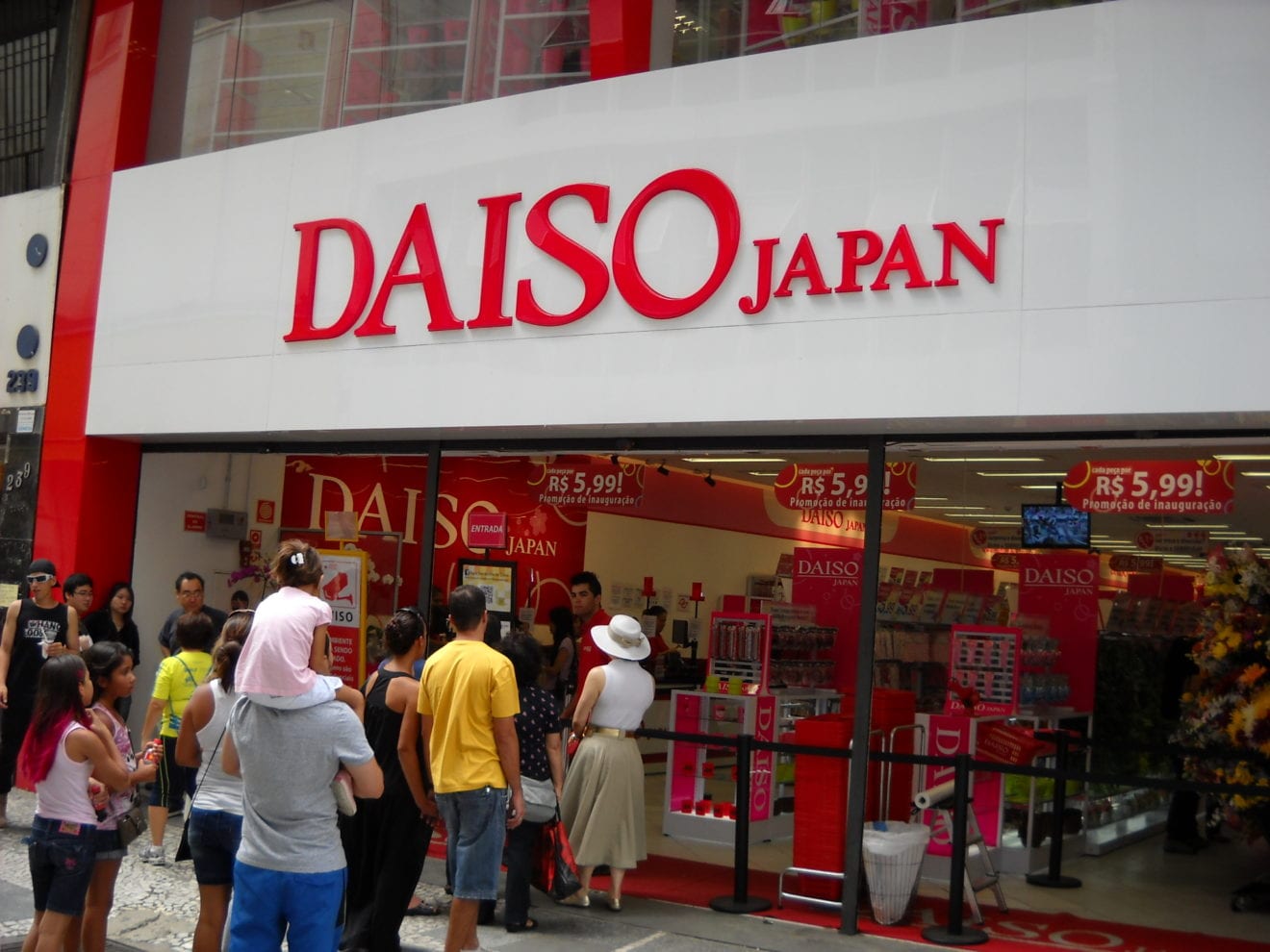
    Japanese retailer Daiso has launched its first directly operated Canada store in downtown Vancouver.

    Taking over a former bookstore space, the debut Daiso Canada spans 4700sqft and features a selection of 12,000 products, ranging from seasonal items, stationery and cosmetics to homewares – mostly imported from Japan.

    JLL Canada will be responsible for Daiso’s further expansion in the country, identifying sites for further stores.

    This is the second time the Japanese retailer has entered Canada. It first launched in 2003 through a franchise agreement with Fairchild Group, however, in 2019, the store was taken over by Japanese variety store Oomomo.

    Daiso now operates more than 3000 stores in its home country and 5000 internationally.

    The company’s business model is the so-called ‘100-yen shop’ concept where all products are priced similarly.

  • New Luk Fook store opens in Vancouver

    New Luk Fook store opens in Vancouver

    Luk Fook Canada has opened a new shop in CF Richmond Centre in Metro Vancouver.

    The new store is the first Oriental jewellery shop in the mall.

    “Adhering to the corporate vision of ‘Brand of Hong Kong, Sparkling the World’, the group has been actively expanding our retail network into the overseas market for new business opportunities as well as provision of superior products and after-sales services to our Chinese customers around the world,” said chairman and CEO of the group Wong Wai Sheung.

    At present, the group has more than 1820 shops in 10 countries and regions, where its footprint covers Hong Kong, Macau, Mainland China, Singapore, Malaysia, Cambodia, the Philippines, the US, Canada and Australia.

    “We open a new shop at CF Richmond Center, Canada with the objective of expanding our customer base while bringing premier shopping experience to our Chinese customers around the globe,” added Wong. “Looking ahead, we will continue to stay enthusiastic to shape us to be the preferred jewellery brand for customers anywhere.”

    The group set its foothold in North America in 2003. Luk Fook Canada opened retail shops in Toronto and Vancouver, which each have a significant Chinese population. The city of Richmond has the largest Chinese population in Canada, and the CF Richmond Centre is considered a shopping hotspot for local and touring Chinese.

  • Muji next expansion plan

    Muji next expansion plan

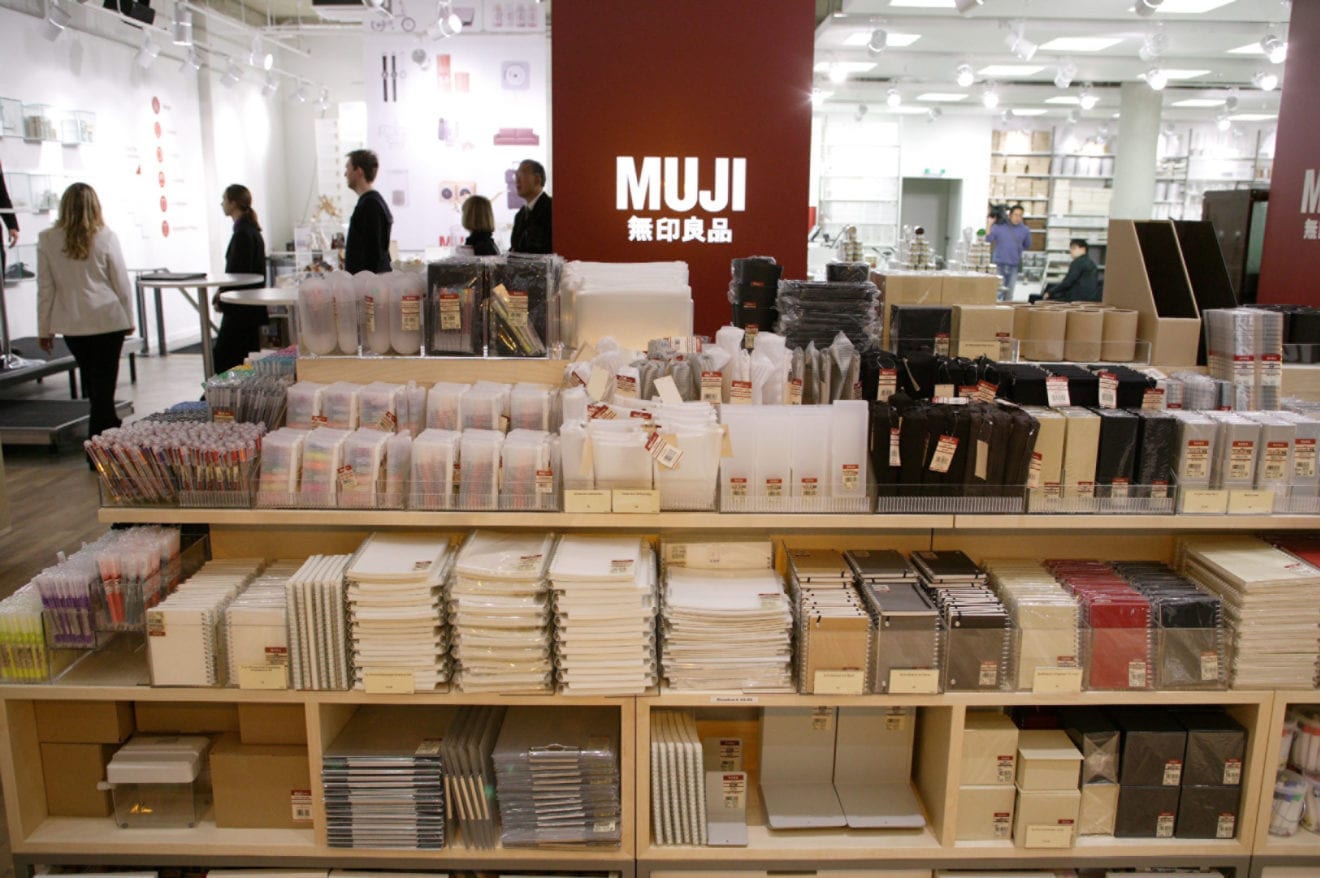
    Japanese lifestyle clothing and accessories brand Muji Canada is expected to expand to Vancouver next year.

    Known for its minimalist approach, Muji already has three stores in Toronto. It has about 300 stores outside Japan.

    Vancouver’s retail sector continues to outperform other Canadian markets with annual sales-per-square-foot at more than C$1000 (US$762). Toronto is second at about C$860.

    “Vancouver is a very young retail market and many brands have not yet opened street stores,” says real-estate group CBRE executive VP for retail in Vancouver Mario Negris. “We anticipate a vast number of new entrants into the downtown retail landscape.”

    Most brands entering Canada have their first outlets at Toronto’s Yorkdale Shopping Centre and Eaton Centre, says the Vancouver Sun. This is because of Vancouver’s relative lack of space.

    Brands such as Forever 21 and Victoria’s Secret actually made their Canadian debut in Alberta, while Vancouver is the preferred entry point for luxury brands such as Berluti, Jaeger-LeCoultre, Rolex and St Laurent.

    Other brands reportedly lining up to open in Vancouver next year include coffee boutique Nespresso and H&M’s Cos brand.