Retail News CRM

Tag: vehicle

  • China’s Electric Vehicle Makers Report Strong July Sales

    China’s Electric Vehicle Makers Report Strong July Sales

    Electric vehicle sales at China’s Li Auto and Xpeng Inc more than tripled in July from a year ago, while they doubled at Nio Inc, helped by robust demand for new energy automobiles in the world’s biggest auto market.

    The rise in July deliveries comes at a time when electric car makers have been expanding manufacturing capacity in China, encouraged by the country’s policy of promoting greener vehicles.

    U.S.-listed shares of Xpeng surged as much as 8.9% to a near two-week high of $44.12, Li Auto rose as much as 6.1% to a one-month high of $35.44, while Nio gained as much as 4.7% at $46.78.

    Nio, Li Auto and Xpeng compete with U.S. electric car maker Tesla, which dominates the EV market in China.

    Nio, the maker of the ES8 and ES6 electric sport-utility vehicles, said it delivered a total of 7,931 vehicles in July, up 124.5% from a year earlier. Deliveries had more than quadrupled in July 2020.

    Xpeng, which makes the P7 sedan and G3 sport-utility vehicles, said its July deliveries jumped 228% to 8,040 vehicles.

    Li Auto, the producer of Li ONE SUVs, said it delivered 8,589 Li ONEs last month, an increase of about 251%.

    The strong sales numbers for the EV makers come as a global recovery in auto sales is being threatened by chip shortage that has forced automakers around the world to adjust assembly lines, cut productions and shutter factories.

  • Nissan Bets On UK ‘Renaissance’ With Battery Plant And New Vehicle

    Nissan Bets On UK ‘Renaissance’ With Battery Plant And New Vehicle

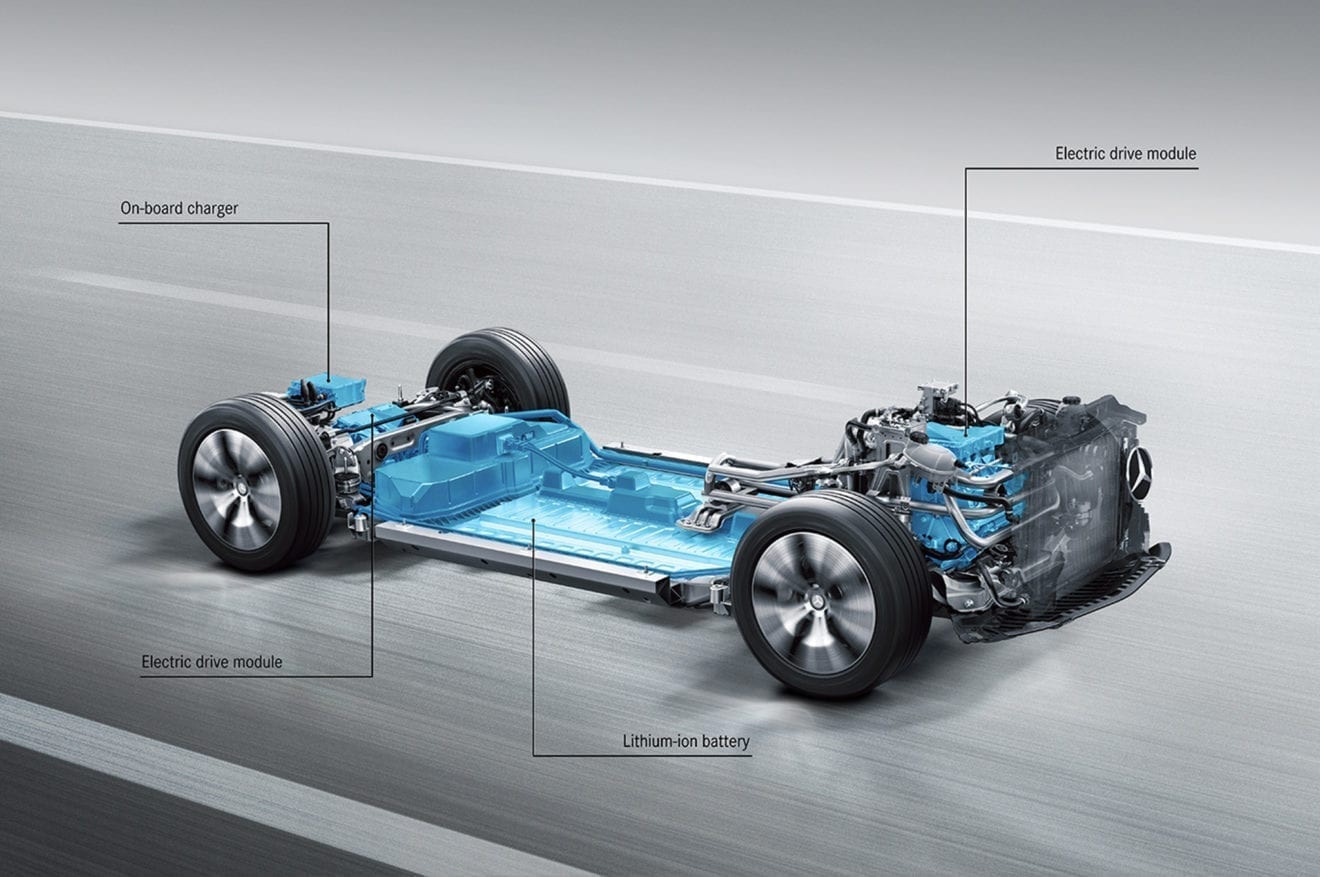
    Nissan Motor Co bet on Britain to supercharge its European electric future on Thursday, pledging $1.4 billion with its Chinese partner to build a giant battery plant that will power 100,000 vehicles a year including a new crossover model.

    Facing the most profound technological shift in a century, the titans of the auto industry are racing to secure battery supply close to the factories where they will make the new cleaner electric vehicles of the future.

    Nissan cast its backing for the 9 gigawatt-hour (GWh) plant as illustrative of rejuvenation of Britain’s automotive industry, which has for five years grappled with the fear that Brexit could cut off the rest of the European market.

    “This project is the demonstration of the renaissance of the British car industry,” Ashwani Gupta, Nissan’s chief operating officer, told reporters at the Sunderland plant, which exports 70% of its vehicles to the European Union.

    British Prime Minister Boris Johnson said Nissan’s move was “a major vote of confidence in the UK and our highly skilled workers in the North East”. Nissan said Britain had backed the plan, but did not detail any guarantees or incentives.

    The 1 billion-pound ($1.4 billion) investment by Nissan, its Chinese partner Envision AESC and local government in northeast England will create 6,200 jobs at the Sunderland plant and in British supply chains.

    Nissan will spend up to 423 million pounds to produce a new-generation all-electric crossover vehicle at the plant, where it already produces the LEAF electric vehicle and the Qashqai crossover SUV. The new vehicle has yet to be named and there is no launch date.

    As world powers try to slash carbon emissions by scrapping the fossil-fuel guzzling internal combustion engine, Britain has pledged to ban the sale of new diesel and petrol cars from 2030.

    Going electric, though, is hard.

    China dominates the production of electric vehicle batteries and the processing of the minerals used to make them, though the United States and Europe are trying to catch up.

    Western leaders, including Johnson, are loath to sacrifice hundreds of thousands of automotive jobs – often in politically sensitive constituencies – by importing batteries from China, rather than manufacturing domestically.

    And unless Britain can build both battery production and supply chains, it risks losing its four-decade reputation as the investor-friendly gateway for top companies seeking to export to the rest of Europe.

    Envision could invest an additional 1.8 billion pounds in the battery plant to expand generating capacity to up to 25GWh and create 4,500 new jobs in the region by 2030. There is potential on-site for up to 35GWh.

    “We also want to build the supply ecosystem in the country – but you do need critical mass,” Zhang Lei, Envision Group founder and chief executive, told Reuters.

    Zhang said the battery plant could supply other manufacturers and hoped that, once it expanded capacity, it would be able to export, including to Europe.

    Still, Britain is far short of the installed battery capacity it will need to power electric cars in the long term and there are risks the technology will be superseded.

    “Battery development and production is currently in a complete state of flux – chaos even,” said Bob Hancké, associate professor of political economy at the London School of Economics. “Any investment now runs the risk of closing of technologically more advanced options a few years from now.”

    Nissan said the new crossover, to be built on the Alliance CMF-EV platform shared by partners Renault and Mitsubishi, would be exported to European markets.

    Japan’s capital has used Britain as a gateway to Europe since the early 1980s, when then Prime Minister Margaret Thatcher persuaded Nissan to build a plant in Sunderland on an old airfield.

    Japanese investors worried the Brexit vote – which was particularly strong in Sunderland – would scupper their bets.

    A new trade deal agreed with the EU last year allows the free trade of cars but with a dangerous twist about rules of origin – at least 40% of the value of a car has to be produced in the United Kingdom or EU to be sold in the bloc.

    That requirement rises to 55% from 2027 – a crucial detail that would mean an imported battery, which can make up half the vehicle’s sale price, would close off the European market to British-based car factories.

    The new model takes Nissan’s total capital investment in the Sunderland plant past 5 billion pounds.
  • General Motors Unveils Futuristic Flying Cadillac Concept Vehicle

    General Motors Unveils Futuristic Flying Cadillac Concept Vehicle

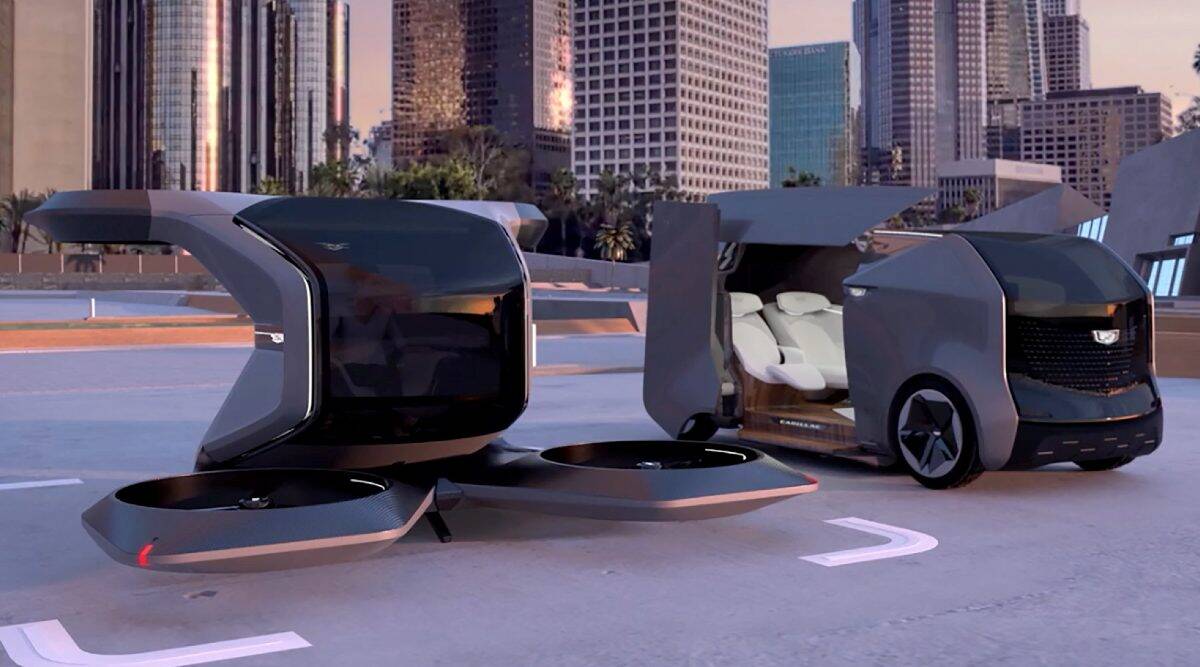
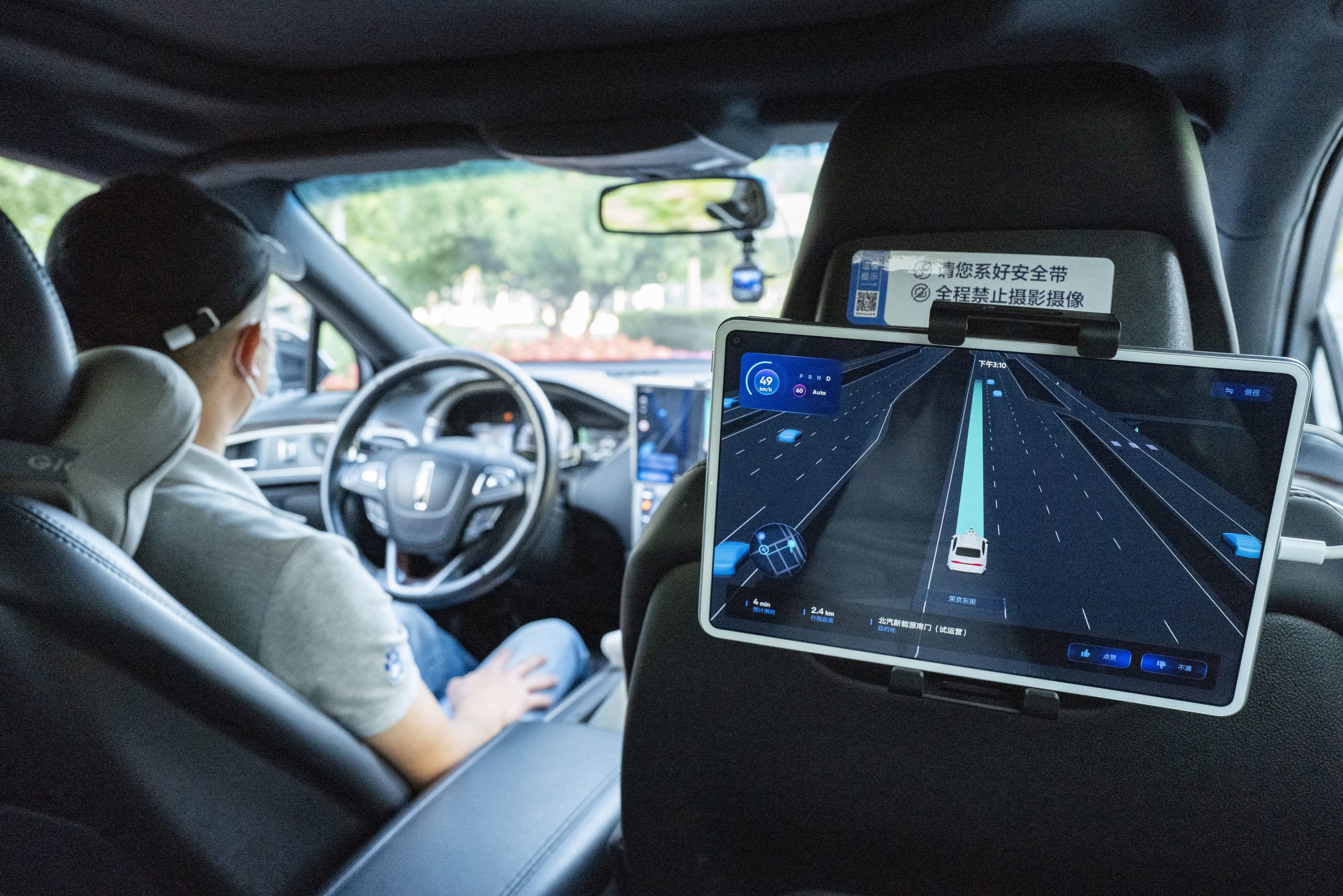
    General Motor on Tuesday presented a futuristic flying Cadillac – a self-driving vehicle that takes off and lands vertically and carries the passenger above the streets and through the air. A senior GM executive described the concept as “reimagining the future of personal transportation”. The single-passenger Cadillac – technically, a vertical take-off and landing (VTOL) drone – will be able to travel from urban rooftop to urban rooftop at speeds up to 55 miles per hour.

    It is fully autonomous and all-electric, with a 90kW motor, a GM Ultium battery pack and an ultra-lightweight body with four pairs of rotors.

    The flying Cadillac was presented in a video as part of a virtual keynote presentation by Chief Executive Mary Barra, along with a family-friendly Cadillac electric shuttle.

    Barra last year revealed the automaker was exploring such alternative transportation modes as aerial taxis.

    The concepts in the CES video were introduced by GM design chief Mike Simcoe, who described the VTOL as “the Cadillac of urban air mobility”.

    “VTOL is key to GM’s vision for a multimodal future,” he said.

    The autonomous Cadillac shuttle, described in the video as “arriving soon,” features a boxy silhouette that recalls the Cruise Origin, also designed by Simcoe’s team. It features fore and aft sliding doors and a panoramic glass roof.

    The cabin has wraparound lounge-like seating, plus biometric sensors, voice control and hand gesture recognition.

    GM declined to disclose further details.

    Other automakers, including Toyota Motor, Hyundai Motor and Geely Automobile, have previously have shown concept aerial vehicles as part of their future planning.

  • Japan’s Moon Exploration Vehicle To Be Called Lunar Cruiser

    Japan’s Moon Exploration Vehicle To Be Called Lunar Cruiser

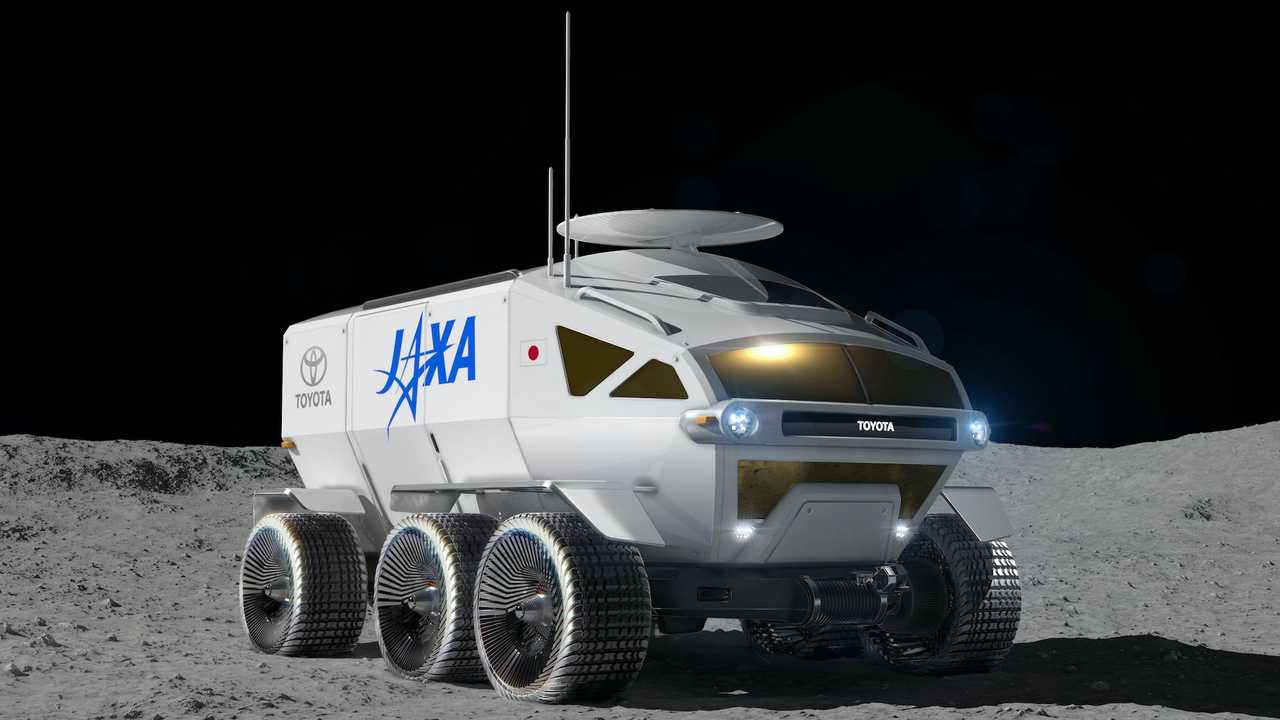
    The Japan Aerospace Exploration Agency (JAXA) and Toyota announced the name of its manned pressurized rover which is currently under joint research. It will be nicknamed the Lunar Cruiser, which we think is a very ‘Toyota’ name. JAXA and Toyota previously announced and have been conducting joint research on a manned, pressurized lunar rover that uses fuel cell electric vehicle (FCEV) technologies.

    The nickname Lunar Cruiser was chosen because of the familiar feeling it offers the people involved in the development and manufacture of the vehicle prototype as part of the joint research project as well as the familiarity it will provide the general public. The name, which references the Toyota Land Cruiser SUV, was decided upon based on the quality, durability, and reliability expected of the pressurized lunar rover

    JAXA and Toyota signed a joint research agreement to work on a manned pressurized lunar rover last year, on June 13, 2019, with an expected launch date in the latter half of the 2020s. Together, they are working to manufacture test parts for each technological element, and the prototype rover itself, during this fiscal year (FY2020). The work involves the use of simulations to confirm power and heat dissipation performance while driving, the manufacture and assessment of prototype tires, and the use of virtual reality and full-scale models to consider the layout of equipment in the cabin of the Lunar Cruiser.

  • Toyota Vietnam recalls 2,700 cars over faulty airbags

    Toyota Vietnam recalls 2,700 cars over faulty airbags

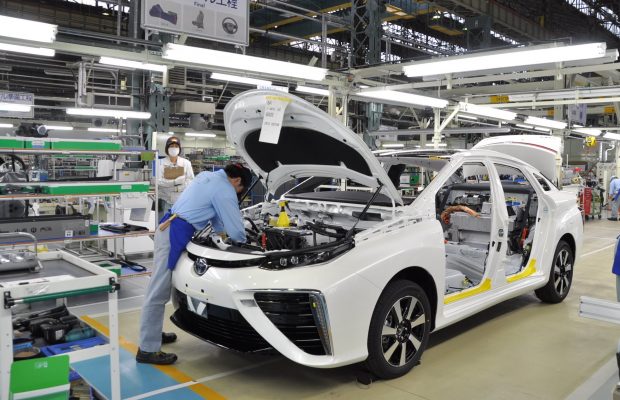
    Toyota Vietnam is recalling over 2,700 Vios and Corolla sedans for airbag faults that can cause severe damage to users in the event of a crash.

    The recall covers 2,568 Toyota Vios cars assembled in Vietnam between September 2007 and December 2008, and 145 imported Toyota Corolla cars produced between January 2004 and April 2005, according to a statement submitted by the automaker to the Vietnam Register.

    The inflator canister in these vehicles can be penetrated by humidity. In some crashes, the activation of the airbag can break the inflator into pieces. These pieces can be pushed through the inflated airbag, causing serious damage to users, Toyota Vietnam said.

    Customers can bring their vehicles for a free replacement of the faulty parts at Toyota dealers. The replacement should take up to 1.5 hours. The recall will run until August 2022.

    In 2018, Toyota Vietnam recalled more than 11,300 cars with similar airbag faults.

  • Shell Debuts Electric Vehicle Chargers In Singapore

    Shell Debuts Electric Vehicle Chargers In Singapore

    Royal Dutch Shell is launching electric vehicle chargers at petrol stations in Singapore, its first such foray in Southeast Asia, the company said on Monday. The electric vehicle charging service, ‘Shell Recharge’, will be available at 10 Shell petrol stations in Singapore by October, this year or about 20% of its retail network in the city-state, the company said in a statement. It added that the chargers typically provide from 0% to 80% charge in about 30 minutes, and are compatible with most electric vehicles in Singapore.

    A Shell-commissioned study on electric vehicle consumer behavior showed that 52% of Singaporeans are deterred to buy or use an electric car as they think there are not enough charging stations in Singapore, the company said.

    “To meet the country’s climate action goals, Singapore needs more and cleaner energy solutions to power lives, businesses, and transport sustainably,” said Aw Kah Peng, country chairperson of Shell Companies in Singapore. Shell plans to make more of such low-carbon energy solutions available in Singapore in the following months and years, she added.

  • SoftBank JV to invest $125m in Project Loon

    SoftBank JV to invest $125m in Project Loon

    Japan’s SoftBank has announced that its joint venture HAPSMobile will invest $125 million in Google’s Project Loon to advance the use of high-altitude vehicles to carry mobile base stations.

    HAPSMobile, the joint venture between SoftBank and US-based unmanned aerial vehicle systems company AeroVironment, was established in 2017 to conduct network equipment research and development for the high-altitude platform station (HAPS) business.

    Under the agreement with Google, Loon has been given the right to invest the same sum in HAPSMobile at a later date.

    The two companies have also agreed to actively explore commercial collaborations to accelerate the development of high altitude network connectivity solutions, such as the network of stratospheric balloons that Loon is trialling to deliver internet access to unserved areas of the world.

    Potential areas of collaboration being negotiated include enabling flight vehicles from each party to connect and share the same network connectivity in the air, as well as the establishment of a wholesale business that would allow HAPSMobile to utilize Loon’s vehicle and technology, and allow Loon to utilize HAPSMobile’s in-development unmanned aircraft.

    Other possibilities include a jointly developed communications payload that is adaptable to multiple flight vehicles, a common gateway or ground station that could be deployed globally and used by both companies to provide connectivity over their platforms, and adapting Loon’s fleet management system and temporospatial SDN for use by HAPSMobile.

    “Building a telecommunications network in the stratosphere, which has not been utilized by humankind so far, is uncharted territory and a major challenge for SoftBank,” SoftBank CTO Junichi Miyakawa said.

    “Working with Alphabet’s subsidiary Loon, I’m confident we can accelerate the path toward the realization of utilizing the stratosphere for global networks by pooling our technologies, insights and experience. Even in this current era of coming 5G services, we cannot ignore the reality that roughly half of the world’s population is without Internet access. Through HAPS, we aim to eliminate the digital divide and provide people around the world with the innovative network services that they need.”

    “We see joining forces as an opportunity to develop an entire industry, one which holds the promise to bring connectivity to parts of the world no one thought possible,” Loon CEO Alastair Westgarth added.

    “This is the beginning of a long-term relationship based on a shared vision for expanding connectivity to those who need it. We look forward to what the future holds.”

  • U.S. agency submits auto tariff probe report to White House

    U.S. agency submits auto tariff probe report to White House

    The U.S. Commerce Department sent a report on Sunday to U.S. President Donald Trump that could unleash steep tariffs on imported cars and auto parts, provoking a sharp backlash from the industry even before it is unveiled, the agency confirmed. Late on Sunday, a department spokeswoman said it would not disclose any details of the “Section 232” national security report submitted to Trump by Commerce Secretary Wilbur Ross. The disclosure of the submission came less than two hours before the end of a 270-day deadline.

    Trump has 90 days to decide whether to act upon the recommendations, which auto industry officials expect to include at least some tariffs on fully assembled vehicles or on technologies and components related to electric, automated, connected and shared vehicles.

    As the White House received the report, the industry unleashed what is expected to be a massive lobbying campaign against it.

    The industry has warned that feared tariffs of up to 25 percent on millions of imported cars and parts would add thousands of dollars to vehicle costs and potentially lead to hundreds of thousands of job losses throughout the U.S. economy.

    The Motor and Equipment Manufacturers Association, which represents auto parts suppliers, warned that tariffs will shrink investment in the United States at a time when the auto industry is already reeling from declining sales, Trump’s tariffs on steel and aluminum, and tariffs on auto parts from China.

    “These tariffs, if applied, could move the development and implementation of new automotive technologies offshore, leaving America behind,” it said in a statement. “Not a single company in the domestic auto industry requested this investigation.”

    The Commerce Department started its investigation in May 2018 at Trump’s request. Known as a Section 232 investigation, its purpose was to determine the effects of imports on national security and it had to be completed by Sunday.

    Automakers and parts suppliers are anticipating its recommendation options will include broad tariffs of up to 20 percent to 25 percent on assembled cars and parts, or narrower tariffs targeting components and technologies related to new energy cars, autonomous, internet-connected and shared vehicles.

    The Commerce Department alluded to a focus on emerging vehicle technologies when it opened the investigation.

    Administration officials have said tariff threats on autos are a way to win concessions from Japan and the EU. Last year, Trump agreed not to impose tariffs as long as talks with the two trading partners were proceeding in a productive manner.

    Trump said on Friday that tariffs protect industry and also help win trade agreements.

    “I love tariffs, but I also love them to negotiate,” he said.

    A report from the Center for Automotive Research in Ann Arbor, Michigan, published on Friday showed its worst-case scenario of a tariff of 25 percent would cost 366,900 U.S. jobs in the auto and related industries.

    U.S. light duty vehicle prices would increase by $2,750 on average, including U.S.-built vehicles, reducing annual U.S. sales by 1.3 million units and forcing many consumers to the used car market, the think tank’s report said.

    Major automaker groups said last year the cumulative effect for the United States would be an $83 billion annual price increase and argued there was no evidence auto imports posed a national security risk.

    Canada and Mexico each won duty-free access to 2.6 million vehicles as part of a new North American free trade deal even if the administration moves ahead with the tariffs.

  • Seoul, SKT to add 5G to transport system

    Seoul, SKT to add 5G to transport system

    Sensors on roads will be able to alert cars when people are jaywalking and bus stops will tell buses to slow down in crowded areas when Seoul’s 5G infrastructure is ready, the city’s government and SK Telecom said in a joint statement Thursday. The Seoul Metropolitan Government and SK Telecom have teamed up on an initiative called the Cooperative-Intelligent Transport System, an upgrade of the current transportation system in Seoul. The pilot program will run until the end of 2020 with a budget of roughly 25.4 billion won ($22.6 million).

    Seoul already has a digitized public transportation system with signboards at bus stops telling passengers when the next bus is coming and whether it is crowded, and T-Money cards that enable people to transfer between various means of public transportation with little additional cost. The city aims to use 5G to make that transport system even safer.

    SK Telecom will supply 2,000 5G devices for buses, taxis and traffic signal controllers so they can connect with the 5G network. The mobile carrier said the devices will be co-developed with Samsung Electronics.

    Buses and taxis installed with 5G will constantly share data with bus stops, traffic lights and other traffic infrastructure. SK Telecom and the Seoul government will look for dangerous situations by analyzing the shared data to prevent accidents. As SK Telecom operates the country’s largest navigation app – T Map – the carrier said it will send out warnings through the app to reach the largest number of drivers possible.

    SK Telecom said there are about 30 safety services the 5G-based transportation system can offer.

    Roads installed with 5G sensors can detect jaywalkers, the mobile carrier said. While cars may have difficulty spotting people in the dark or during bad weather, 5G-connected sensors will alert nearby cars and prevent accidents. In 2017, 9,590 accidents were caused by jaywalkers, the largest cause of road accidents for pedestrians, according to data from the Korea Road Traffic Authority.

    The country’s largest telecom company also said 5G connectivity between cars can prevent secondary accidents by sending warning messages to following cars when an accidents occur in areas with poor visibility, such as around a corner or a bend in the road.

    As well as partnering on safety services, Seoul and SK Telecom are also preparing to jointly establish an autonomous driving test-bed in Sangam-dong, western Seoul, by the first half of this year. A self-driving vehicle will run back and forth between Digital Media City Station and buildings in the area. The SK Telecom-operated autonomous vehicle will begin running in the area from June at the earliest.

    “The Cooperative-Intelligent Transport System project is a futuristic business that combines state-of-the-art digital technologies, like 5G, autonomous driving, artificial intelligence (AI) and the cloud,” said Ryu Young-sang, an executive vice president of SK Telecom. “We hope to offer a range of traffic safety data to Seoul citizens using 5G and reduce traffic accidents.”

  • Hyundai Korea recalls diesel vehicles for emissions issue

    Hyundai Korea recalls diesel vehicles for emissions issue

    Hyundai Motor will recall about 79,000 diesel-powered vehicles to fix faulty emission-related components, the Environment Ministry said Tuesday.Korea’s biggest carmaker by sales is expected to recall 78,721 vehicles encompassing three different models due to problematic parts that emit excessive nitrogen oxide into the air. The recall will start Wednesday and be carried out for one and a half years, an official at the Ministry of Environment said.

    The three models are the 2.2-liter diesel-powered Grandeur sedan, the Megatruck and the Mighty truck.

    “The ministry recommended Hyundai to recall 30,945 units of the Grandeur diesel sedan due to a faulty emission part,” the official said over the phone.

    “As for the two truck models, however, the carmaker has voluntarily submitted its recall plan to the ministry, with an approval due to be made this week.”

    Hyundai’s recall plan is in line with the government’s push to reduce diesel-powered vehicles on roads and fine dust, which is harmful to your health.

  • JD driverless delivery vehicles up for test

    JD driverless delivery vehicles up for test

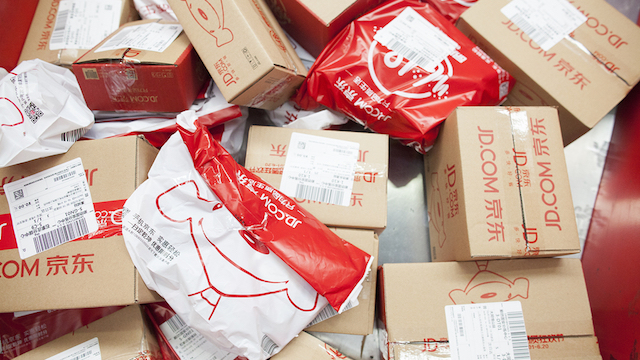
    JD driverless delivery vehicles have been deployed in live testing in two Mainland China cities. The technology-cum-e-commerce company has opened two smart-delivery stations in the cities of Changsha and Hohhot, strengthening its autonomous logistics capabilities. The stations are carrying out research and development testing and personnel training to solve issues related to last mile delivery.

    The JD driverless delivery vehicles can be loaded with up to 30 parcels before autonomously delivering them within a 5km radius. The vehicles can plan routes, avoid obstacles and recognise traffic lights.

    The vehicles have locked boxes so each customer’s purchases are kept separate. Once the robots reach their destination, facial recognition technology enables customers to easily and securely collect their parcels from the correct locker.

    When running at full capacity, the two delivery stations, operating with a half-half split between robots and human couriers, can deliver up to 2000 packages a day.

    The JD driverless delivery vehicles are part of the company’s Boundaryless Retail vision, in which consumers can buy whatever they want, wherever and whenever they want it.

    “As China’s largest retailer, JD is in the unique position of being able to research and develop, and commercially deploy, innovative new technology that is shaping the future of shopping worldwide,” said Chen Zhang, JD’s chief technology officer.

    “As JD opens its technology up to other companies and industries, the features that we’ve already rolled out in China from automated warehouses to virtual shopping are going to be enjoyed by consumers everywhere,” he said, referring to the company’s Retail as a Service strategy.

    CES debut

    The opening of the smart delivery stations comes days before JD attends its first Consumer Electronics Show in Las Vegas, Nevada – the world’s largest event for the latest technology, innovation and creative thinking.

    The company will showcase cutting-edge technology which is changing the way consumers shop in China, and which it says will revolutionise global commerce. Visitors will be able to see how JD uses its drones to deliver consumer goods and medical supplies to remote areas in China, and catch a glimpse of the world’s first fully-automated fulfillment centre. They will also see how underground urban logistics will make shopping more convenient than ever, and fundamentally alter how cities work.

    This year, CES attendees will be able to see JD’s futuristic technology up close and even try some of it for themselves at the company’s interactive booth.

    Aside from drones and delivery robots, visitors will be able to experience drone flights in virtual reality, as well as JD’s augmented-reality fitting and styling software. They will also see how JD is developing Internet of Things technology that enables consumers to remotely control the smart devices in their homes, even from their cars.

    JD will also give people the chance to try a special exoskeleton worn by staff in JD warehouses that makes lifting heavy objects easier.

  • Porsche Expects To Repeat Record Vehicle Sales

    Porsche Expects To Repeat Record Vehicle Sales

    Volkswagen’s Porsche sports car brand is confident it can repeat last year’s record sales in 2018, the division’s chief executive told. Porsche sold 196,562 vehicles during the first nine months of the year, with Europe showing a 9 percent increase and China, the world’s largest car market, growing by 4 percent.

    “In light of these good numbers we expect that we can reach last year’s record again,” Oliver Blume said in e-mailed comments on Thursday.

    Porsche delivered 246,375 vehicles in 2017.

  • China vehicle sales rebound in June amid price cuts

    China vehicle sales rebound in June amid price cuts

    China’s vehicle sales rebounded in June, the country’s top industry association said, shaking off weakness seen in the previous two months as carmakers grappled with a rollback in tax incentives that drove strong growth last year.

    Total vehicle sales hit 2.17 million in June, up 4.5 percent from a year earlier, while sales for the first half of the year rose 3.8 percent to 13.4 million vehicles, the China Association of Automobile Manufacturers (CAAM) said on Tuesday.

    The rise in sales, which industry insiders said was helped by hefty discounting, lends a sheen to the world’s largest auto market, but growth overall is struggling to keep pace with 2016 when the market grew at its fastest pace in three years.

    Overall vehicle demand in China would likely grow just 1-4 percent this year, mainly because consumers made purchases last year to benefit from lower tax rates, said Yale Zhang, head of Shanghai-based consultancy Automotive Foresight.

    In January, CAAM predicted sales would rise 5 percent this year, slowing from 13.7 percent in 2016, citing the rollback of a tax incentive for small-engine cars and economic pressures. It stuck with that forecast on Tuesday.

    June’s rise, however, marks an improvement from April and May, when vehicle sales fell 2.2 percent and 0.1 percent, respectively, registering two straight months of declines for the first time since 2015.

    Peter Fleet, Ford Motor Co’s Asia-Pacific chief, told Reuters average vehicle transaction prices in China had fallen about 4 percent in the first half of this year against 2016. “We continue to see negative industry pricing in China,” he said.

    Ford is among the foreign brands strong in the small sedan segment that have seen China sales slow this year, others being General Motors Co and Volkswagen AG.

    Buyers in China have shied away since the purchase tax on vehicles with engines of 1.6 liters or below rose to 7.5 percent, from 5 percent, at the start of the year.

    However, there is one bright spot: sales of new-energy vehicles (NEVs) – all-electric battery vehicles and plug-in electric hybrids – that saw a 33 percent bump in June to 59,000 units, the latest CAAM data shows.

    In the first half of this year, sales volume of such NEVs totaled 195,000 vehicles, up 14.4 percent.

    China is the world’s largest market for green energy vehicles, with the government aggressively promoting the segment, including spending billions in subsidies, in a bid to fight intense urban air pollution.

  • Australia new vehicle sales surge to record in June

    Australia new vehicle sales surge to record in June

    Australian new vehicle sales jumped to a record in June, a second straight month of bumper results that augured well for consumer demand across the economy.

    The Australian Federal Chamber of Automotive Industries’ VFACTS report out on Wednesday showed 134,171 new vehicles were sold in June, up 4.4 percent on the same month last year. Both months had the same number of selling days.

    June is typically a strong month as dealers clear stock for the end of the financial year.

    Sales of sports utilities alone surged 11.7 percent in June, with the upper large segment rising almost 21 percent. Sales of light commercial vehicles climbed 12.2 percent while the heavy vehicle market gained 9.2 percent.

    The willingness to splash out on big-ticket items follows upbeat reports on retail sales for both April and May and points to a likely rebound in consumption for the second quarter after a muted start to the year.

    Toyota Motor Corp retained first place on the sales ladder with 18.3 percent of the market, while Mazda Motor Corp had another strong month taking 9.3 percent.

    Hyundai Motor took third spot with an improved share of 9.1 percent. The Holden unit of General Motors tied with Mitsubishi on 6.9 percent, while Ford trailed with 6.6 percent.

  • Qualcomm unveils Gigabit-class connected vehicle platform

    Qualcomm unveils Gigabit-class connected vehicle platform

    Chipmaker Qualcomm has announced the launch of a new version of its connected car reference platform that incorporates a a Gigabit-class LTE modem.

    The new reference platform is designed to allow carmakers to easily integrate new wireless and networking technologies into their vehicles, including Wi-Fi, Bluetooth, BLE and global navigation satellite system (GNSS).

    Qualcomm has also developed a reference hardware module in two band configurations, one for North America and one for the rest of the world.

    The module design can support up to four antennas to take advantage of the 4×4 MIMO capabilities of the integrated modem.

    “Connected cars are becoming intelligent sensors on the road, not only using data for consumer use cases such as Wi-Fi hotspots and video streaming, but also collecting and transmitting critical, rich real-time information about road conditions, map updates and driver status,” Qualcomm SVP and GM for automative Patrick Little said.

    “As a leader in car connectivity, Qualcomm Technologies is well positioned to address the tremendous data demand, helping automakers integrate the broad set of technologies required by a new generation of connected vehicles.”

    Qualcomm separately announced it has established a new consortium with SWARCO Traffic Systems and the University of Kaiserslautern to carry out the first Cellular-V2X (Vehicle to Everything) trial based on the 3GPP Release 14.

    The trial will focus on Vehicle-to-Vehicle (V2V), Vehicle-to-Infrastructure (V2I) and Vehicle-to-Pedestrian (V2P) direct communication, as well as Vehicle-to-Network (V2N) wide area communications.

    The new Connected Vehicle to Everything of Tomorrow (ConVeX) consortium will conduct the trial with funding from the participating organizations as well as the German Federal Ministry of Transportation and Digital Infrastructure.