Tag: vending

  • Coca-Cola Partners with Return-It to Pilot Reverse Vending Machines: Taking Beverage Container Recycling to the Next Level in Australia

    Coca-Cola Partners with Return-It to Pilot Reverse Vending Machines: Taking Beverage Container Recycling to the Next Level in Australia

    Coca-Cola Europacific Partners (CCEP) Australia has initiated the introduction of reverse vending machines (RVMs) in its primary manufacturing facilities, commencing with its Moorabbin site in Victoria.

    What is a Reverse Vending Machine?

    A reverse vending machine is a sophisticated device designed to collect empty beverage containers. This includes plastic bottles, glass bottles, and aluminium cans, which are then funneled into the recycling process. Users are often rewarded for their recycling efforts, typically in the form of a deposit refund, voucher, or other incentives.

    CCEP Australia’s trial initiative is being carried out in collaboration with Return-It, the eastern zone network operator for Victoria’s Container Deposit Scheme (CDS Vic). The main goal of this venture is to make container recycling more accessible to the general public.

    Industry Partnerships Promote Recycling

    Orlando Rodriguez, the Managing Director for Australia at CCEP, expressed the company’s pride in making Coca-Cola in Moorabbin for over 65 years. He highlighted that with the installation of the reverse vending machine, consumers can now return their containers for recycling at the same location where their favourite beverages are produced.

    Marc Churchin, CEO of Return-It, emphasized that the collaboration highlights the crucial role of industry partnerships in advancing recycling efforts. He mentioned that the organization’s mission is to make recycling worthwhile by making it accessible, easy, and rewarding.

    Future Expansion Plans

    Beyond the Moorabbin facility, CCEP Australia has plans to expand the deployment of RVMs to other manufacturing locations across Australia. Rodriguez added that “the initiative reflects our long-standing support for Australia’s container deposit schemes and our commitment to investing in local recycling infrastructure. We want to ensure beverage containers are kept out of the environment.”

    Questions & Answers

    What is the function of a reverse vending machine?
    A reverse vending machine collects empty beverage containers, such as plastic bottles, glass bottles, and aluminium cans. These are then recycled, and users are incentivized for their participation in the form of deposit refunds, vouchers, or other rewards.

    What is the objective of CCEP’s initiative with Return-It?
    The primary goal is to make container recycling more accessible to the general public. This is achieved by installing reverse vending machines at locations where beverages are produced, enabling consumers to return their containers for recycling.

    What are Coca-Cola Europacific Partners’ (CCEP) future plans regarding reverse vending machines?
    CCEP plans to expand the rollout of reverse vending machines to more manufacturing locations across Australia. This reflects their ongoing support for local container deposit schemes and commitment to investing in local recycling infrastructure.
  • Coca-cola Unveils Ai-powered Vending Machine For Enhanced, Personalized Consumer Experience

    Coca-cola Unveils Ai-powered Vending Machine For Enhanced, Personalized Consumer Experience

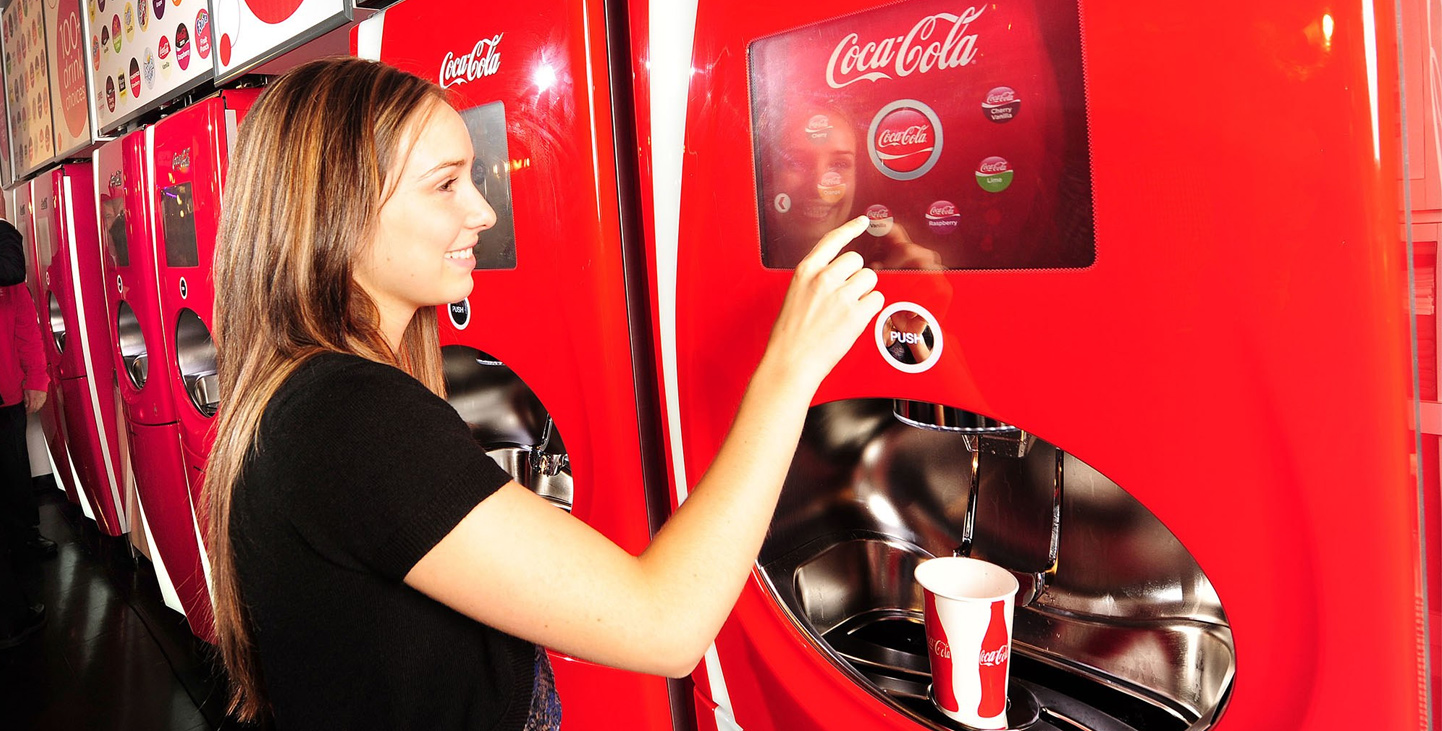
    Coca-Cola has debuted its most recent innovation in the form of a Coke&Go cooler vending machine. This cutting-edge machine is powered by artificial intelligence (AI) and computer vision, creating an upgraded, efficient, and personalized vending experience for consumers.

    Enhanced Consumer Experience

    The Coke&Go cooler vending machine allows consumers to gain access via their smartphones. This can be done by either scanning a QR code or by inputting credit card information, providing a seamless and technologically advanced method of interaction. What sets this vending machine apart is its ability to identify products using a product recognition technology. This means that customers can confirm and complete their purchases through the payment options that they have linked with the system.

    Terry Burbidge, GM of vending at Coca-Cola Europacific Partners New Zealand, underlined that this move aims to align their products more closely with the modern lifestyle of their consumers. He stated, “It’s about making refreshment more intuitive, more accessible, and more aligned with how Kiwis live today.”

    Smart Inventory Tracking

    The latest version of this vending machine also comes equipped with smart inventory tracking. This feature ensures that the cooler vending machines are restocked with the correct beverages at the right time. In doing so, not only does it enhance efficiency, but it also significantly reduces the likelihood of items being out of stock.

    The soft drink behemoth has plans to expand the presence of this innovative vending machine following a successful trial at the Sydney Airport during the previous year. Over the course of the next two years, hundreds of these advanced cooler vending machines will be installed across Australia and New Zealand.

    Questions & Answers

    What is the Coke&Go cooler vending machine?
    The Coke&Go cooler vending machine is a new type of vending machine by Coca-Cola that uses artificial intelligence and computer vision to provide an efficient and personalized experience.

    How do consumers interact with the Coke&Go cooler vending machine?
    Consumers can interact with the machine using their smartphones, either by scanning a QR code or entering their credit card information.

    What are the benefits of the vending machine’s smart inventory tracking feature?
    The smart inventory tracking ensures that the vending machines are consistently stocked with the right beverages, which improves efficiency and reduces the chance of items being out of stock.

  • Refilled’s vending machines encourage users to bring their own bottles

    Refilled’s vending machines encourage users to bring their own bottles

    A new climate tech start-up has introduced a unique vending machine technology that promotes the idea of BYO (bring-your-own) bottles to buy their drinks rather than marketing drinks in bottles that add more to landfills.

    Refilled aims to eliminate the colossal single-use plastic bottle waste caused by the vending industry by replacing them with its new BYO bottle system. The company hopes to capitalize on the dominant trend of reusable bottles, a market now worth $14bn, by giving people more flavor variety and nutritional options than just plain water on tap.

    It also tracks the number of bottles saved in real-time as its reusable bottles are equipped with QR codes that can be scanned at the Refiller and used to pay for drinks, with no card, phone or cash required.

    Already, Refilled has secured orders from the University of Technology Sydney and The University of Sydney Union (USU) who are looking to deploy their machines within their premises and provide students with more sustainable flavored drink alternatives at a price more affordable than a standard bottle of water.

    Research indicates that more than 891 billion single-use plastic bottles are produced worldwide every year but only less than 20 percent are recycled. Vending machines have been singled out as a major source of plastic pollution.

    Refilled stated that it is on track to build and install 100 of its vending machines (called ‘Refillers’) by 2024, eliminating upwards of one million single-use plastic bottles from becoming waste yearly. A single Refilled vending machine can stock 10x more beverages than a typical vending machine, dramatically reducing waste and delivery emissions caused by frequent deliveries and restocking traditional beverages.

    To date, Refilled has raised $600k through angel investors and Melt Ventures an impact VC Fund. Refilled is seeking an additional $3m in its next funding round.

    “Refilled is transforming the ordinary, everyday act of drinking water into climate action,” Refilled founder and CEO, Ryan Nelson, said. “Most people have good intentions and want to do good for the planet, but not everyone can afford to buy an electric vehicle or install solar panels.

    “Armed with just a reusable bottle and a couple of bucks, our Refillers offer an affordable, achievable way to eliminate plastic pollution,” Nelson added. “If we can replace even a fraction of drinks vending machines, which are an outrageous source of plastic waste, we will stop millions of plastic bottles going to landfill.”

    University of Sydney Union President, Naz Sharifi, said that the union remains committed to a sustainable future for its members, permeating everything they provide.

    “From our events, retail and products to our student programs and facilities, ss part of our ongoing efforts to expand our sustainable practices and to reduce the usage of single-use plastic bottles, we are thrilled to be partnering with Refilled, who share our social, environmental, and ecological aspirations,” Sharifi said. “This will allow our members access to filling stations in key locations around campus.”

    Anna Chavez GM Commercial Operations , ActivateUTS / University of Technology Sydney, is also proud to partner with UTS Alumni and founder Ryan Nelson, homing Refilled’ s prototype in ActivateUTS Student engagement ‘Hideout’ space, empowering students to eliminate thousands of single-use plastic bottles in its first year alone.

    “Students loved the newly launched machine, at our recent Orientation Day, offering an easy-to-use interface, paired with a cost effective and convenient product,” Chavez said. “We believe the right commercial decisions can meet the needs of the business, consumer and drive a positive change towards a more sustainable world, and Refilled is a great example of this.”

  • New World launches vending machines offering free face masks in Hong Kong

    New World launches vending machines offering free face masks in Hong Kong

    New World Development, parent of the K11 malls across Greater China, has launched 35 vending machines dispensing free face masks in Hong Kong.

    Partnering with eight non-government organizations, the group has placed the smart vending machines across 18 districts in Hong Kong. The “Mask To Go” machines will dispense free face masks in Hong Kong that have been designed, produced and manufactured locally by the group. New World Development currently has two local mask production lines and will open two more next month with a target of making 7 million face masks.

    As the number of Covid-19 cases continues to rise globally in addition to Hong Kong’s second wave of imported and locally transmitted cases, Adrian Cheng, executive vice-chairman of New World Development finds the cause close to heart: “Medical face masks are an essential protective tool in our fight against Covid-19… It is heartbreaking to see so many people suffer because they simply cannot afford or get a hold of masks, which have become so costly and scarce”.

    The group had previously also donated HK$10 million to establish a ‘Community Anti-Epidemic’ fund offering more than 2 million masks and 10,000 hygiene kits to low-income families in Hong Kong.

    The NGOs will provide contactless redemption cards specifically for disadvantaged and low-income groups in the community such as the elderly, disabled and children. The scheme is expected to benefit more than 40,000 people in the community. Consumers can also download a mobile app and register on it to eliminate queueing and reduce touch points. Each consumer will be able to retrieve a free pack of five masks every week and is expected to run its course over the next 10 weeks. Any extension of the program will be determined after monitoring the pandemic’s impact and spread before more NGOs are invited to participate.

    Previously, New World Development launched a CSR campaign #LoveWithoutBorders donating RMB50 million and 5.5 million masks to partners and local communities in Asia and Europe. Additionally, the group has sourced, delivered and donated 2.5 million masks to partners in South Korea, France, Italy and the UK, distributed through local embassies and consulates.

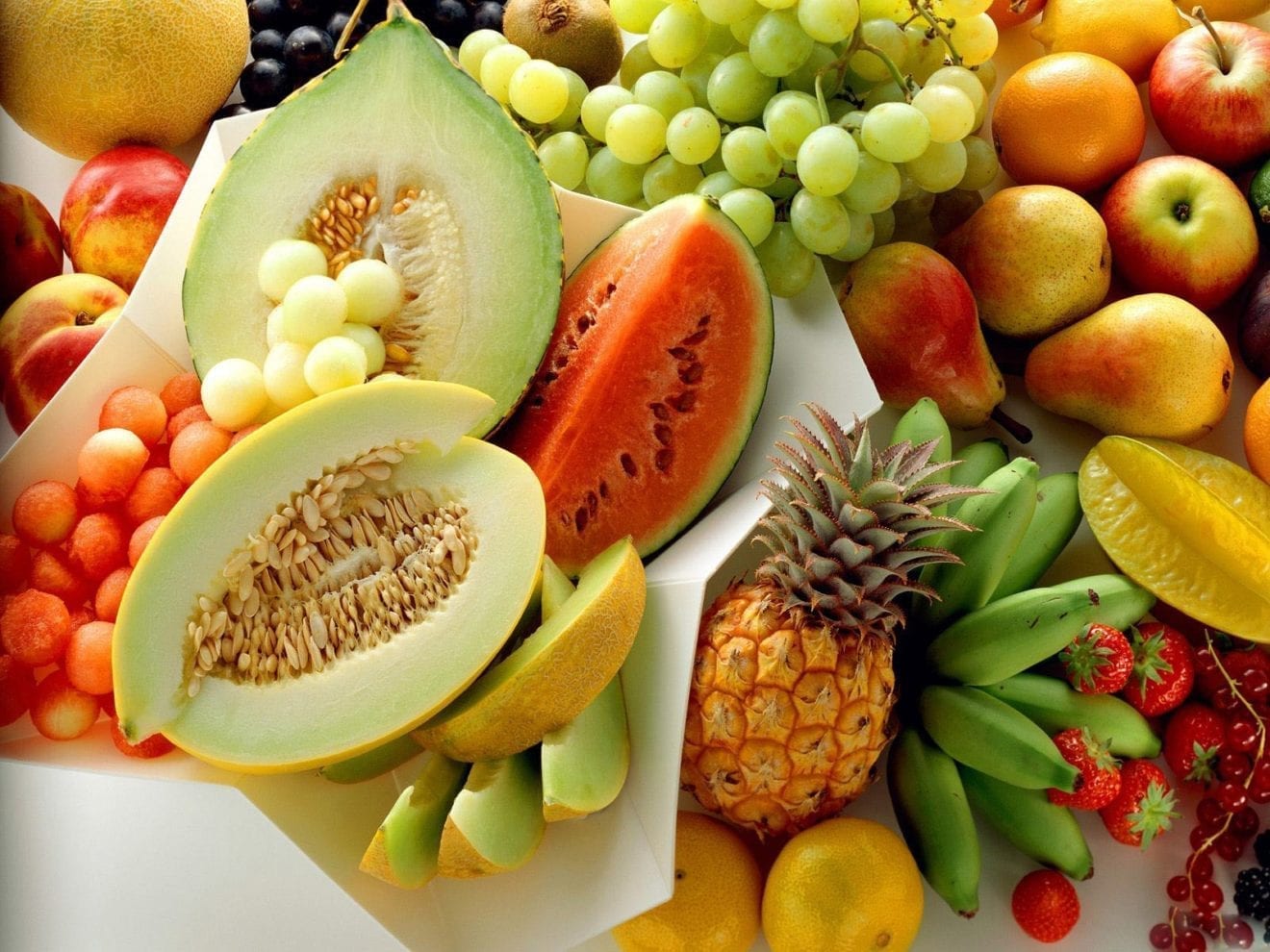
  • Chinese fruit-vending machines driven by AI

    Chinese fruit-vending machines driven by AI

    AI-run fruit-vending machines are offering Chinese consumers a new way of buying fruit and vegetables.

    The machines, developed two years ago by Beijing Kuo’an Science and Technology, are providing an alternative channel for residents of China’s tier-one and tier-two cities, who traditionally rely on relatively distant large-scale supermarkets and community stores for fruit purchases.

    “Every unit of AI fruit vending machines has 24 smaller sections with different types of fruit or vegetables,” said Beijing Kuo’an Science and Technology chairman Guan Luanjun. “Every section has a built-in set of scales. When customers select their fruit, they can use WeChat or AliPay to scan the QR-code on the Chinese fruit-vending machines to open the relevant section. The section automatically slides out to present the customer with its content. The customer can select and take their fruit or vegetables, and then the section automatically calculates the weight that was removed. The customer can then pay for their fruit or vegetables with WeChat or Alipay.”

    The vending machines feature cameras on both sides, allowing them to monitor customers who operate them, minimising abuse of the service. In addition, WeChat and Alipay provide payment methods that both vendor and customer trust.

    “The main advantage of Convenient E-Fresh machines over traditional, large-scale supermarkets and community stores is the low cost,” said Guan, who adds that the model allows vendors to source fruit at low cost from wholesale markets. “In addition, our automated vending machines only occupy a small area, which means that we save on rent and labour cost in comparison with large-scale supermarkets and community stores that occupy large terrains and employ large numbers of people.”

    The firm currently operates 50 AI Chinese fruit-vending machines in Suzhou, and intends to expand operations across the entire Yangzi River Delta area within two years.

    “We hope to improve consumer knowledge and consumer recognition of the Convenient E-Fresh brand,” adds Guan. “And we plan to scale our operations within two years with AI vending machine units in 500–1000 districts. Furthermore, we are in negotiations with a number of domestic and overseas suppliers to make sure consumers have a broad choice of beautiful and delicious fruits for low prices. We sincerely hope that our efforts help to improve the entire supply chain.”

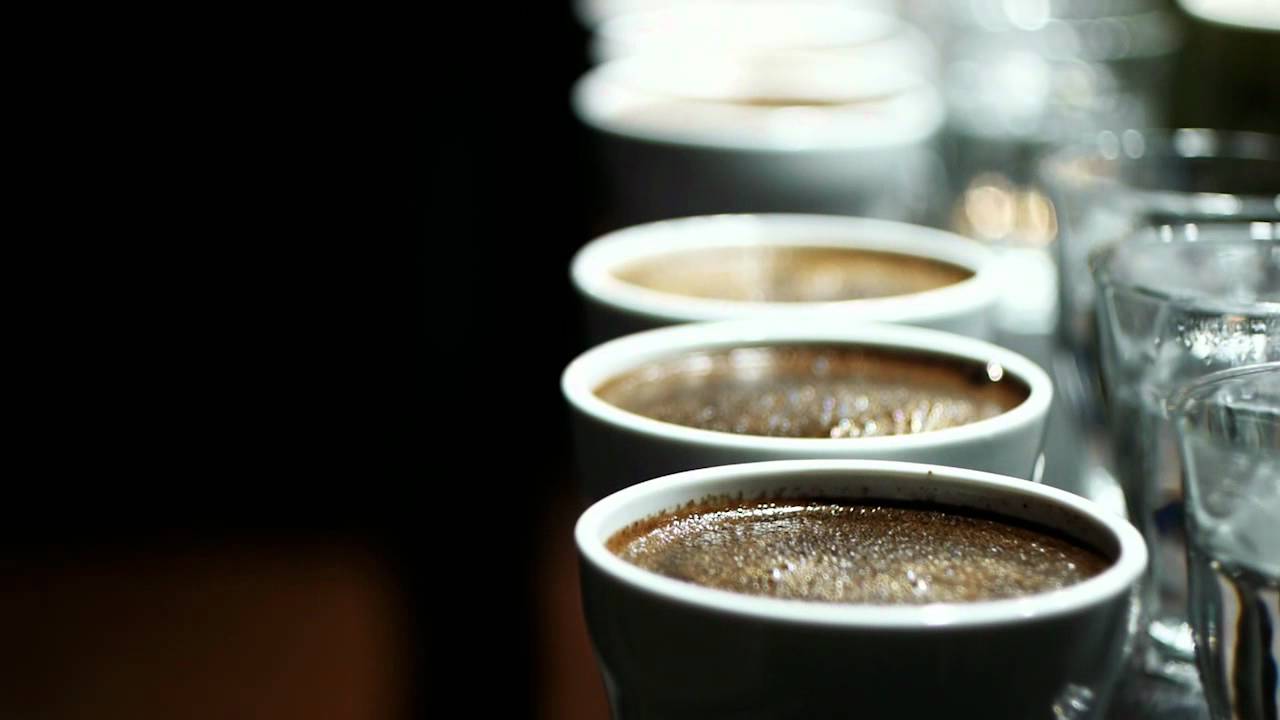
  • Luckin Coffee ways into the vending-machines landscape

    Luckin Coffee ways into the vending-machines landscape

    China’s largest coffee chain Luckin Coffee is moving into the vending machines market.

    “It allows us to get closer to consumers and we are not restricted by the license approvals,” said Luckin founder and CEO Qian Zhiya of the new strategy. Luckin’s machines will serve freshly brewed drinks as well as food.

    The firm also launched a share placement and a convertible bond worth a combined US$821 million last week, according to a report.

    Proceeds will be used to open more stores and to invest further in sales and marketing.

    Luckin recently overtook Starbucks in terms of the number of outlets within the territory, operating more than 4500 stores. The firm focuses primarily on the coffee delivery and pickup business, and so stores are typically smaller in size than Starbucks locations and some are without seating.

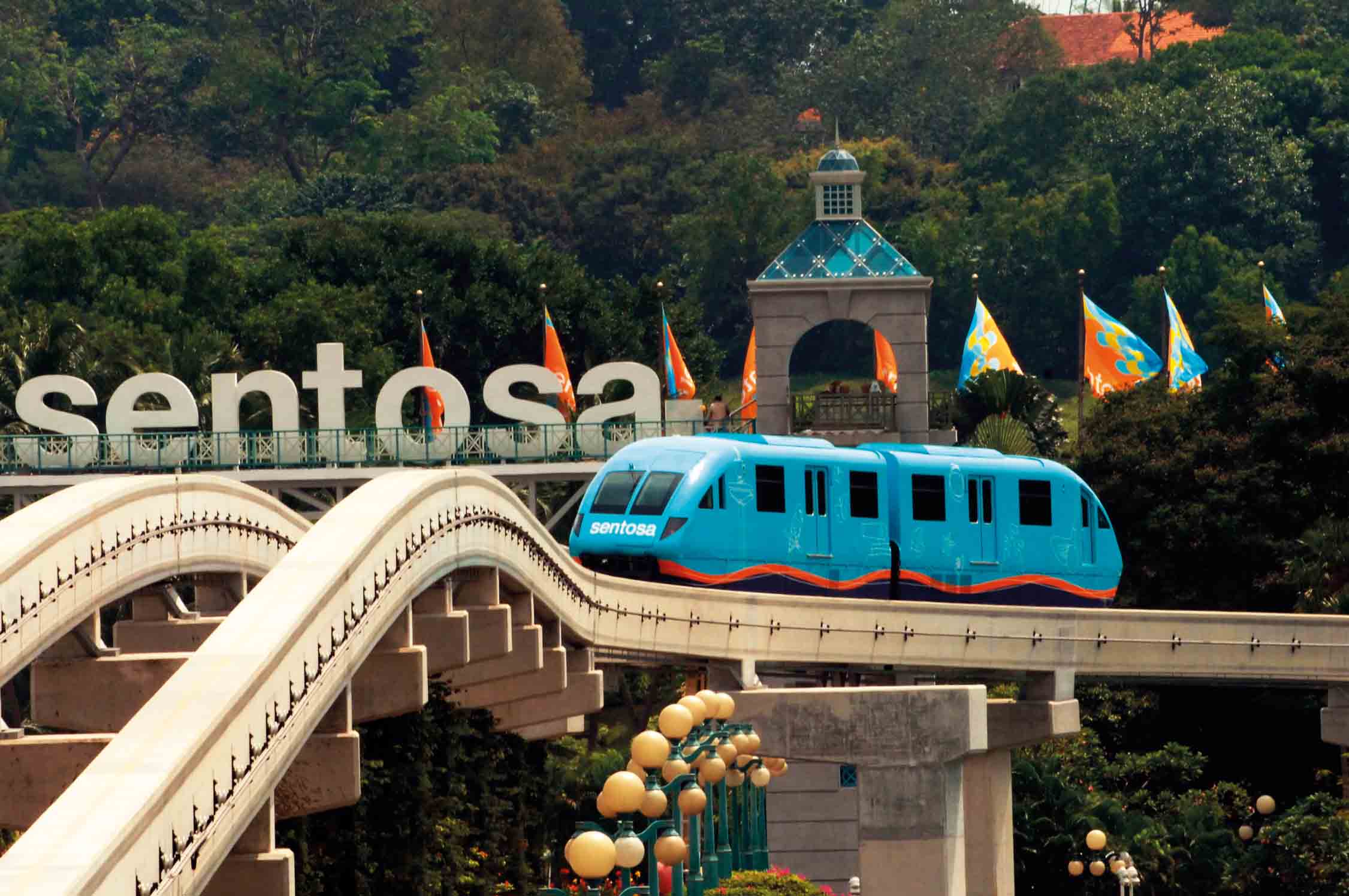
  • Boardwalk Advendture vending machine cluster opens at Sentosa

    Boardwalk Advendture vending machine cluster opens at Sentosa

    Royal Vending has launched 35 cashless-enabled vending machines in a cluster it calls Boardwalk Advendture.

    Featuring more than 50 brands, Boardwalk Advendture is the first automation cluster set in a tourist attraction which the company says ushers in a new age of automated retail-tainment.

    “Boardwalk Advendture pushes the envelope and signals a new age of smart retailing,” said Jae Teo, Royal Vending MDr.

    “The innovative vending concepts of today can help hero made-in-Singapore brands, start-ups and host unexpected products. We hope that the Boardwalk Advendture will inspire other locales to embrace the next generation of retailing.”

    GOH meeting the artists from the Art Faculty by Pathlight

    GOH meeting the artists from the Art Faculty by Pathlight

    Starting off from VivoCity, the first ‘Fresh Point’ cluster kicks off with snacks, refreshments and essentials that visitors can grab to beat the heat and stay cool.

    The midway point houses a ‘Gift Street’ featuring quirky souvenirs, local crafts and tourist favourites from the city.

    There are other pleasant surprises dotted along the way, including ‘Fun Alley’ with game machines and outdoor must-haves that will keep both parents and children entertained.

    An air-conditioned ‘Foodie Zone’ is available at the end for tourists to re-fuel before heading into Sentosa.

    “With the support from Enterprise Singapore, Royal Vending was able to adapt its business model and curate a range of products that … enhance the customer experience as they walk down the Sentosa Boardwalk,” said Alan Yeo, director of Retail & Design, Enterprise Singapore.

    “We encourage more retailers to take the bold step to innovate and introduce differentiated retail concepts that can serve to delight their customers and ensure long-term business growth,” he added.

    Royal Vending’s Boardwalk Advendture will enrich the experience with 24-hour amenities such as food and beverage takeaways.

    Brands already signed up to the cluster include Art Faculty by Pathlight, beauty brand su:m37 and Singapore souvenirs and gift supplier Love SG.

    Royal Vending is one of Singapore’s largest vending machine companies, with more than 15 years of experience.

  • Car vending machines dispense vehicles bought online

    Car vending machines dispense vehicles bought online

    The US motor vehicle industry appear to have removed the last piece of personal interaction involved in the process of purchasing a car, with the launch of car vending machines.

    Shoppers who prefer to bypass physical dealerships can now order and pay for their car online before popping down to a multi-storey building resembling a vending machine to collect their ride.

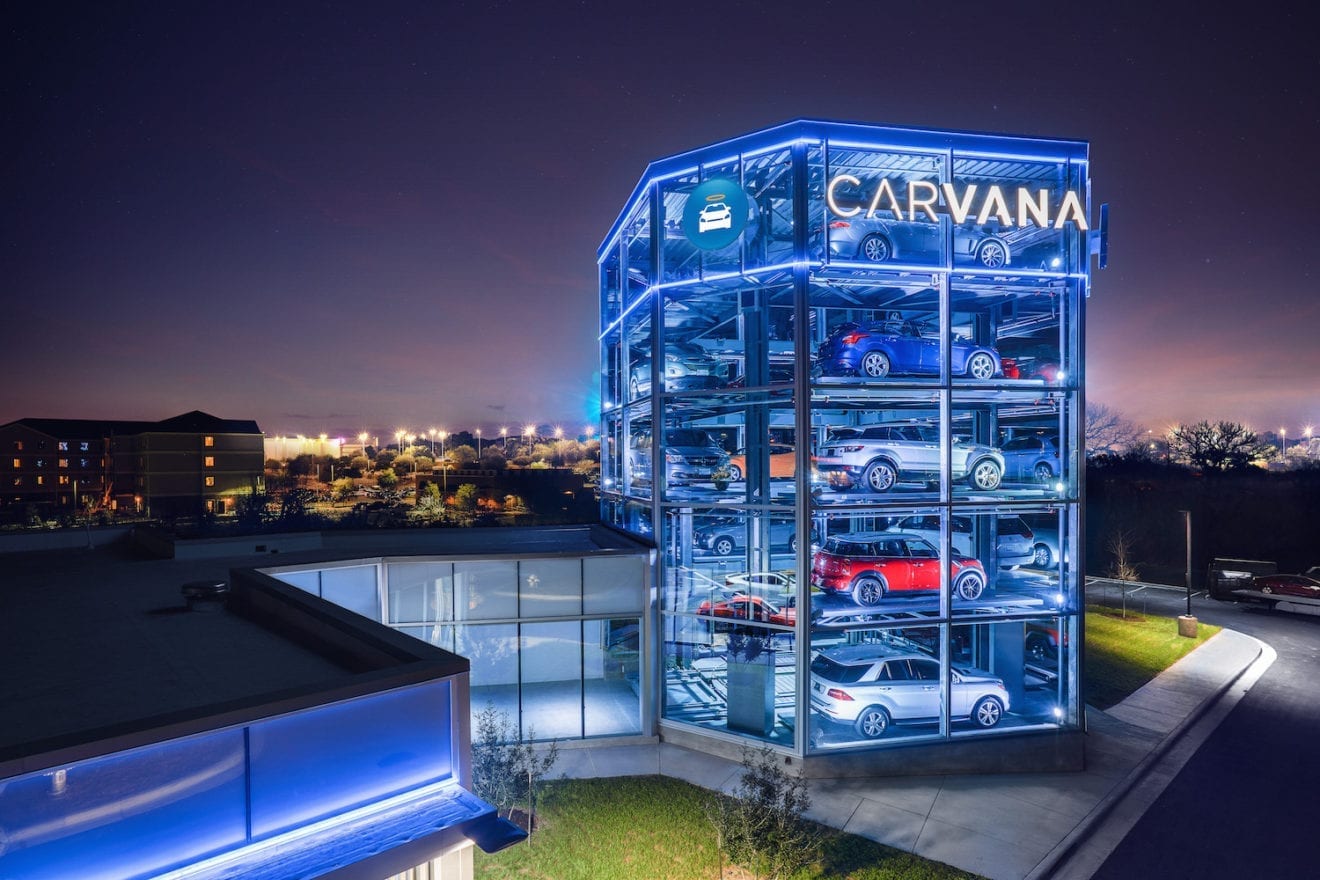
    NYSE-listed Carvana, a leading eCommerce platform for buying used cars, has launched the latest of its car vending machines in Jacksonville, Florida. The eight storey-high building is fully automated and coin-operated (yes, you did read that correctly) and can house as many as 30 vehicles. Carvana says the buildings “give customers a unique and memorable pickup experience” for cars they buy online.  It is the seventh such building Carvana has opened, the others being in Houston, Austin, San Antonio and Dallas in Texas, Nashville, Tennessee and Raleigh North Carolina.

    Carvana says its system appeals to customers because instead of spending hours walking around dealerships, customers who choose Carvana can search through the company’s national inventory of 7000 vehicles and finance and purchase their car completely online. From start to finish, the entire process takes as little as 10 minutes. All vehicles in Carvana’s inventory have passed a 150-point inspection and have never been in a reported accident or have frame damage. All features, imperfections and updated information about open safety recalls are listed on the car’s vehicle description page.

    Once the online purchase is complete, customers can choose to have their car delivered as soon as the next day, or pick it up from one of the car vending machines. Customers who choose  the vending machine option will receive a commemorative, oversized Carvana coin on-site to activate the vending process and transport the car into the delivery bay. Customers then have a seven-day, money-back guarantee, giving them the chance to see if the vehicle really fits their life. If they aren’t satisfied, they can return the vehicle for a full refund.

    Ernie Garcia, founder and CEO of Carvana says he wants to “bring some fun back into the car buying process”.

    Vehicle pickup at any of Carvana’s car vending machines is free for customers. Those who live outside the metropolitan delivery area but would still like to pick up their car at a vending machine, Carvana will subsidise $200 for an airfare and arrange “white glove transportation” from the airport.

    Founded in 2012 and based in Phoenix, Arizona, Carvana says its mission is to change the way people buy cars.

    “By removing the traditional dealership infrastructure and replacing it with technology and exceptional customer service, Carvana offers consumers an intuitive and convenient online automotive retail platform. A fully transactional website enables consumers to quickly and easily buy a car online, including finding their preferred vehicle, qualifying for financing, completing the purchase and loan with signed contracts, and receiving delivery or pickup of the vehicle,” the company says in a statement.

  • Uniqlo deploys apparel vending machines

    Uniqlo deploys apparel vending machines

    Uniqlo has deployed its first apparel vending machines at key locations across the USA, as the Japanese retailer looks to enter new markets.

    Dubbed ‘Uniqlo to Go’, the fashion vending machines are popping up in select American airport terminals during August.

    According to the Fast Retailing-owned brand, the first ten are scheduled for Oakland Airport, where the vending machine bowed on Wednesday, followed by one in the Hollywood and Highland Centre in Los Angeles on August 10; Houston Airport, August 17, and Queens Center, Elmhurst, New York, August 22.

    The six remaining locations will be revealed soon, a Uniqlo spokesperson told WWD this week. Locations have been decided upon based on their potential for high-traffic and customer visibility.

    “We’re already talking with amusement parks, train stations, entertainment conventions and movie theatres about additional opportunities,” said the spokesperson. “The goal is to open new markets and use machines as an introduction to our products.”

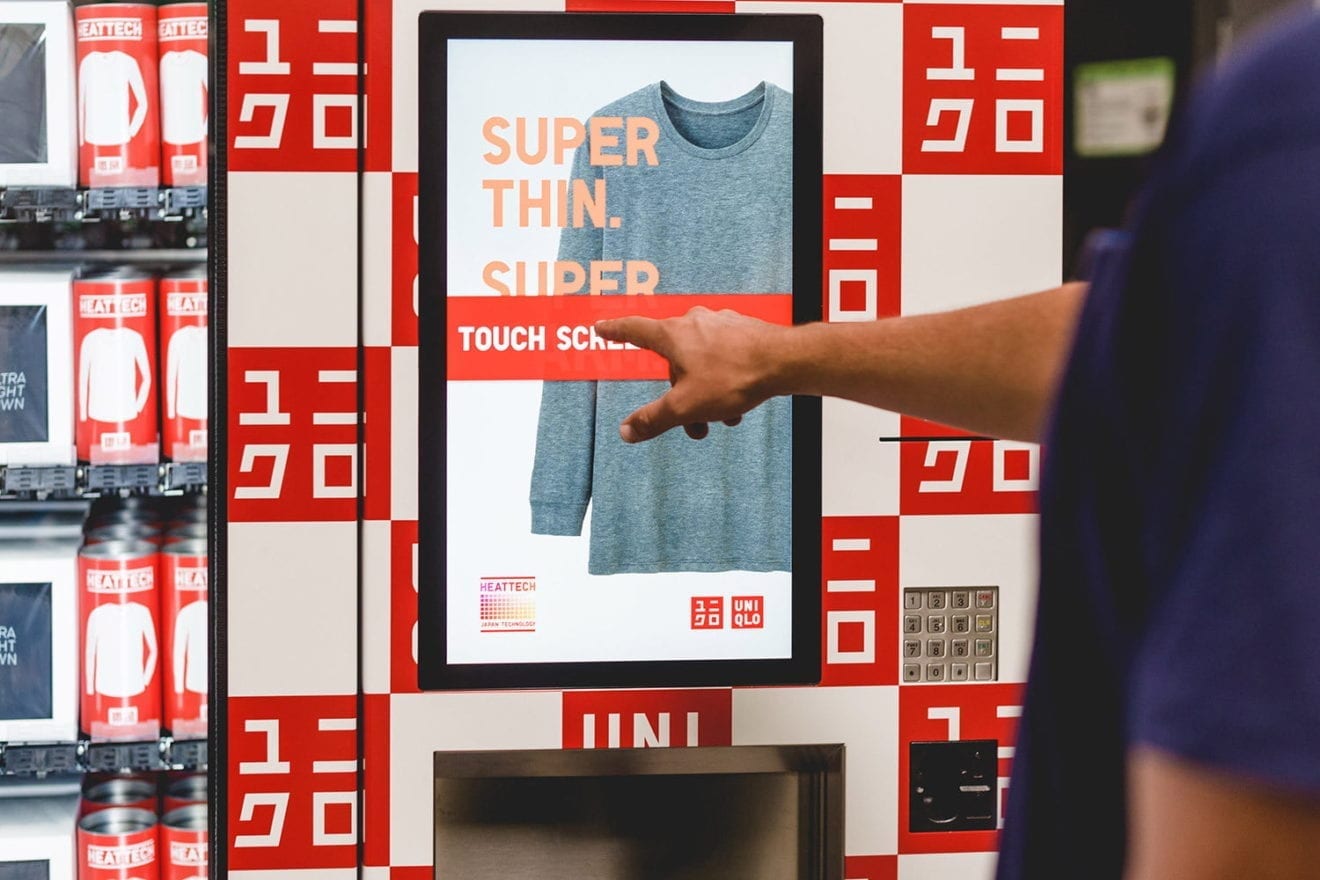
    As for the operation of the vending machines, customers can use both debit or credit cards and access product via touch screens and a user interface.

    After browsing products, selecting and completing the transaction, a robotic arm retrieves the product. A conveyor shelf moves the item onto the robotic arm and the arm brings it to a window. From here, the customer can access the items.

    Apparel available for purchase includes Uniqlo’s Heat Tech Ultralight down jackets (US$69.9) and Heat Tech tops ($14.90). Both items are available in a variety of colours and styles for men and women.

    The company said it plans to expand to graphic t-shirts, Airism, and then innerwear items such as socks and underwear.

    Earlier in the year, Uniqlo said it plans to double its store count in Europe to 100 outlets over the next three years, in a bid to strengthen its retail presence outside of Asia.

    Uniqlo is eyeing global sales of 3 trillion yen ($26.6 billion) by the fiscal year ending August 2020.

  • New Hua Du Supercenter buys vending machine group

    New Hua Du Supercenter buys vending machine group

    Chinese supermarket chain New Hua Du Supercenter has acquired a vending-machine company just weeks after Alibaba and Auchan launched self-service convenience stores.

    Based in Fujian, the chain says it has signed an equity-swap agreement with Beijing Ubox Online Technology Corporation. Under the deal, Ubox, which runs more than 57,000 vending machines – more than any other similar company – will be absorbed into New Hua Du.

    New Hua Du has a market value of RMB5.7 billion (US$850 million), smaller than its new subsidiary Ubox, which is valued at RMB6.5 billion. New Hua Du’s profit last year rebounded to RMB54 million from a loss of RMB373 million a year earlier, driven in part by the three e-commerce companies it acquired.

    “The acquisition comes at a time when staffless retail is hot,” says Haitong Securities analyst Wang Liting. “The deal will enable integration between supermarkets and smart vending machines.”

    After Amazon.com launched its Amazon Go self-service shop last year, Chinese companies have taken up the staffless shop concept with Alibaba Group Holding opening Tao Cafe in Hangzhou and Groupe Auchan introducing BingoBox in Shanghai.

    Wang says the vending-machine market has significant potential in China. Ubox’s profit last year more than doubled to RMB81 million.

  • Connected vending machines to pass 10m this year

    Connected vending machines to pass 10m this year

    ABI Research estimates that there will be more than 10 million network connections to vending machines by the end of this year, ABI Research estimates.

    The install base is expected to reach nearly 24 million connections in 2021 for a compound annual growth rate of 17%.

    The research firm said the vending machine ecosystem is evolving and companies like Coca-Cola, PepsiCo, and VE Global Vending are looking to expand distribution offerings and connect their machines to the internet to increase operational efficiencies.

    These newly connected machines also allow operators to gain new insight into metrics on inventory management, foot traffic and automatic maintenance requests.

    “The vending machine isn’t dead — it’s just reinventing itself,” said Jeff Orr, Research Director at ABI Research. “There is a point in the near future where the physical and digital worlds will blend to create new experiences. And it’s vendors that optimize their supply chains that will best succeed in this market.”

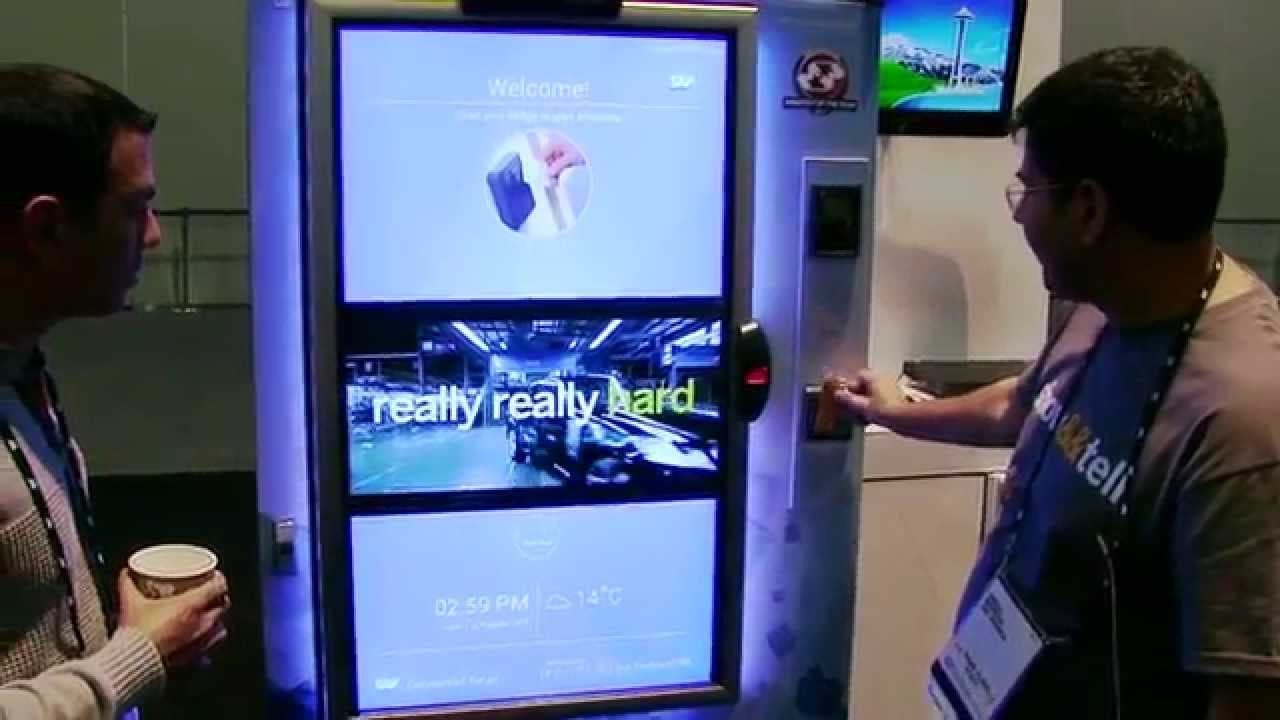
    VE Global Vending is one company that continuously adapts its strategy to keep pace with evolving technologies, refurbishing used vending machines into digitized versions that include touchscreens, sensor technologies and flexible payment methods.

    ABI Research suggests in a report that there remains room in this market for new players that mirror this methodology and optimize the supply chain to focus on everything from machine manufacturing, placement, and payment solutions to restocking and service.

    “New market entrants have to be creative so that they do not become immediate acquisition targets for brands with broader ecosystem investments,” continued Orr.

    “For instance, the simplest method to connect a vending machine is to use an Ethernet cable to connect it to the building. But new players would be wise to take advantage of the abundance of wireless technology on the market. The question of which party pays for the recurring mobile service costs would still need answering, though.”

    As the connected machines continue to automate services that humans historically addressed, such as key duplication, opportunities will emerge for enterprises to become involved in customized manufacturing and 3D-printing on a small scale.

    “In the coming years, as manufacturers perfect 3D-printing and small-scale machining operations, new services will be possible for producing custom items through a vending and fulfillment experience. The physical and digital worlds are converging—and it’s only a matter of time before their intersection leads to new experiences and opportunities for businesses,” Orr said.