Tag: vendor

  • Amazon Seeks to Lower Vendor Costs as Chinese Tariff Rates Drop: A Strategic Move in eCommerce Landscape

    Amazon Seeks to Lower Vendor Costs as Chinese Tariff Rates Drop: A Strategic Move in eCommerce Landscape

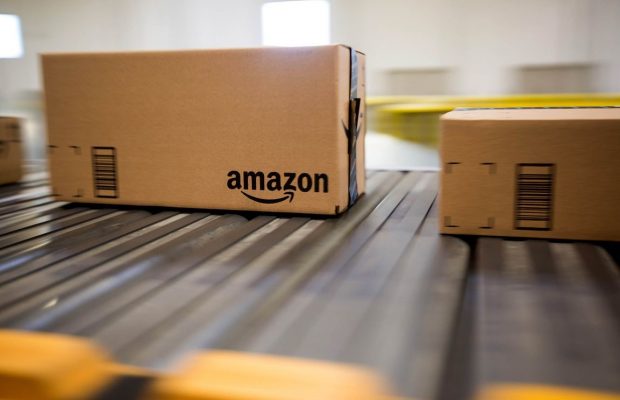
    E-commerce behemoth Amazon has confirmed that it is in conversations with several vendors to revise costs in response to the decrease in tariff rates imposed on imports from China. The company aims to reduce the amount it pays suppliers for goods sold through its digital platform, marking an attempt to roll back concessions made to cushion the impact of tariffs introduced by former US President, Donald Trump.

    According to an Amazon spokesperson, the company is consistently working with its diverse and valued selling partners to assist them in adjusting to the shifting landscape while maintaining a wide assortment of products and competitive prices for consumers.

    In the latter part of October the previous year, an agreement was reached between Trump and Chinese President Xi Jinping to reduce tariffs on Chinese imports. This was in return for Beijing tackling the illegal fentanyl trade, reinstating US soybean purchases, and ensuring the continuous flow of rare earth exports.

    As a result of the agreement, the average tariffs on Chinese imports to the US have been cut from 57% to approximately 47%.

    In related news, the US Supreme Court announced last week that it will deliver its next decisions on January 14, with several major cases still pending. These include the legal examination of Trump’s comprehensive global tariffs.

    Should the court rule that the extensive duties imposed by Trump under the International Emergency Economic Powers Act are unlawful, the administration could face the prospect of reimbursing nearly $150 billion in tariffs to importers.

    Questions & Answers

    What are the discussions between Amazon and vendors about?
    Amazon is in talks with several vendors about adjusting costs in response to a decrease in tariff rates on Chinese imports.

    What was the agreement between Trump and Xi Jinping?
    Trump and Xi Jinping agreed to reduce tariffs on Chinese imports. In return, Beijing would tackle the illegal fentanyl trade, reinstate US soybean purchases, and ensure the continuous flow of rare earth exports.

    What could be the implications of the US Supreme Court’s decision on Trump’s global tariffs?
    If the court declares the extensive duties imposed under the International Emergency Economic Powers Act as unlawful, the administration may have to refund nearly $150 billion in tariffs to importers.

  • AliExpress Shuts Down Controversial Doll Vendor Amid Legal Scrutiny: A Deep Dive into the Intricate Web of Online Marketplace Regulations

    AliExpress Shuts Down Controversial Doll Vendor Amid Legal Scrutiny: A Deep Dive into the Intricate Web of Online Marketplace Regulations

    AliExpress, the online marketplace under the Alibaba Group, has expelled a China-based merchant who was selling dolls with childlike features intended for sexual use. This move followed a Reuters inquiry into whether the sale of these products adhered to the laws of the United States and European Union.

    The Case at Hand

    AliExpress was first alerted to these controversial listings in mid-November. The company initially claimed that there was no violation of their policies, arguing that the dolls were rigid and lacked any sexual functionality. However, they later shifted their stance, banning the seller for dishonest conduct on this grave issue.

    The seller, Guava Dolls, was found to be marketing four dolls that bore a striking resemblance to minors. These dolls were available for purchase in the US and Europe. Lawyers examining the case pointed out that the images of the dolls on AliExpress bore hallmarks of child sexualization, such as infantile expressions and school uniforms.

    Despite several attempts to reach Guava Dolls through email and social media, the seller remained unresponsive. AliExpress stated that the seller repeatedly denied selling sex toys on any platform, but eventually admitted to accepting custom orders on different platforms. This admission led to their permanent ban from the marketplace.

    European Regulations and the DSA

    AliExpress, along with Shein and Temu, falls under the purview of Europe’s Digital Services Act (DSA) due to their classification as Very Large Online Platforms (VLOPs). The European Commission is closely supervising AliExpress’s compliance with the DSA.

    The DSA mandates that online consumer marketplaces carry out due diligence on the products being sold on their platforms. They must also block or remove any illegal content once they become aware of its presence. These platforms now face stiffer regulatory obligations.

    AliExpress has indicated that it plans to employ third parties to aid in monitoring its platform in the future.

    Response to the Investigation

    The investigation was instigated by a consumer watchdog that spotted the childlike sex dolls on Shein’s marketplace. The European Commission has since asked Shein to provide information on their protective measures against age-inappropriate content and illegal products.

    AliExpress announced after the investigation that it had removed similar listings. It further stated that sellers who violated its policies would face penalties.

    According to the rules of AliExpress, content must neither be sexually explicit nor harmful to minors. Listings that insinuate or depict sex involving minors are prohibited. The company had originally claimed that the dolls in question were anime dolls created for fans of Japanese animation.

    Legal Implications

    In certain European countries, including France, Germany, and the UK, selling or facilitating access to dolls suggestive of children is illegal, regardless of their function. Consumer protection bodies in these nations often categorize such items as analogous to images of sexual abuse under child protection laws. Lawyers consulted by Reuters argued that the listings on AliExpress violated both national and EU guidelines.

    European Union lawmakers voted in favor of a resolution to protect EU consumers from non-compliant e-commerce platforms. This resolution underscores the issue of childlike sex dolls, among others. It is anticipated that the resolution will implore the Commission and EU member states to intensify checks on products entering the bloc.

    In the US, the regulation of childlike sex dolls is determined by state laws. Several states, including Arizona, Utah, Kentucky, Florida, Tennessee, Texas, Hawaii, Louisiana, and Wisconsin have enacted legislation targeting the sale, import, or possession of such dolls.

    Questions & Answers

    What triggered the investigation into AliExpress and Shein?
    The investigation was triggered by a consumer watchdog that discovered childlike sex dolls on Shein’s marketplace.

    What are the obligations of online marketplaces under Europe’s Digital Services Act (DSA)?
    The DSA mandates that online consumer marketplaces carry out due diligence on the products being sold on their platforms. They must also block or remove any illegal content once they become aware of its presence.

    What actions have been taken by AliExpress in response to the investigation?
    AliExpress has removed similar listings from its platform and announced that sellers who violated its policies would face penalties.

  • Niska introduces robotic vendor through ice cream

    Niska introduces robotic vendor through ice cream

    Australian retail start-up Niska is bringing an interactive robotic experience to Melbourne with the launch of a game-changing ice cream store at Federation Square.

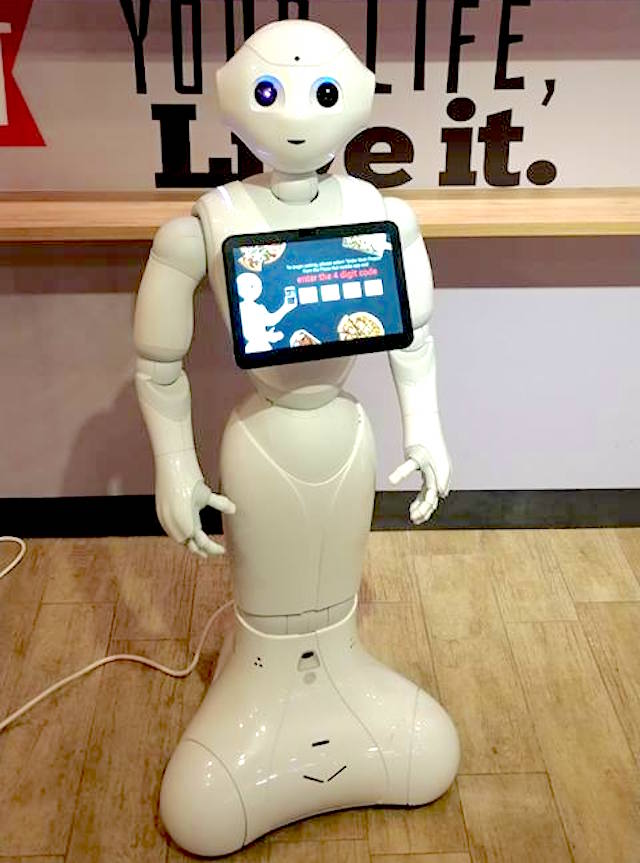
    Niska, Australia’s first-ever robotic retail store, offers Australian-made artisan ice-cream with a variety of flavors and toppings, all served by a team of robot staffers: Pepper, Eka, and Tony.

    The robots create a unique customer experience and “world-class service” by establishing meaningful interactions with each person.

    Visitors can even take selfies with Pepper, the social humanoid robot, and their ice cream, with photo spaces available within the store.

    With bricks-and-mortar retailers realizing the importance of creating unique and curated merchandise experiences, Niska is getting ahead of the curve with robotic retail.

    CEO and co-founder Kate Orlova said the company plans to revolutionize the retail space.

    “For us, ice-cream is just the beginning. We’re looking to expand the robotics into other areas of retail. The future is here and it is exciting! We look forward to changing the retail game and pioneering retail robotics,” she said.

    Minister for Jobs, Innovation, and Trade, Martin Pakula called it a “real feather in the cap for Victorian innovation”.

    “There is amazing work going on here in areas like robotics and artificial intelligence – and the ice-cream’s also pretty good,” he said.

    Niska is now open at Tenancy 20, Crossbar Building Federation Square.