Tag: venture

  • Sapporo Joins Forces with Carlsberg in $643M Southeast Asian Venture to Boost Premium Beer Sales

    Sapporo Joins Forces with Carlsberg in $643M Southeast Asian Venture to Boost Premium Beer Sales

    Japanese brewing company Sapporo is set to enter into a strategic partnership with Danish brewer Carlsberg, which entails a $643 million investment for a 25% stake in a Singapore-based joint venture. This venture, which will span across Southeast Asia and Hong Kong, is anticipated to begin operations in December 2026, with Carlsberg owning a majority stake of 75%.

    A Regional Expansion

    Sapporo intends to use this partnership as an opportunity to extend its existing collaborations in Malaysia, Hong Kong, and Singapore to other countries including Vietnam, Laos, and Cambodia. The company’s goal is to significantly increase the sales of its flagship product, Sapporo Premium Beer, in these target markets. By 2035, Sapporo aims to sell around ten times the number of units sold in 2025, an ambitious objective that will be facilitated by Carlsberg’s strong market presence across the region.

    Anticipated Benefits

    As part of the agreement, Sapporo will provide the joint venture with a long-term license for Sapporo Premium Beer. The Japanese brewer expects to see a variety of financial benefits as a result of this arrangement, including diversified revenue streams. These will emanate from dividends, royalty income, and manufacturing-related earnings.

    Questions & Answers

    What is the nature of the strategic partnership between Sapporo and Carlsberg?
    The partnership involves Sapporo investing $643 million for a 25% stake in a Singapore-based joint venture with Carlsberg, which will span across Southeast Asia and Hong Kong.

    What is Sapporo’s sales goal for the Sapporo Premium Beer?
    Sapporo aims to increase sales of the Sapporo Premium Beer in the target markets to approximately ten times the sales level of 2025 by the year 2035.

    How will Sapporo benefit from this joint venture?
    Sapporo anticipates gaining from diversified revenue streams, which will come from dividends, royalty income, and manufacturing-related earnings.

  • Berjaya Food Exits Paris Baguette Joint Venture, Redirects Focus on Core Businesses

    Berjaya Food Exits Paris Baguette Joint Venture, Redirects Focus on Core Businesses

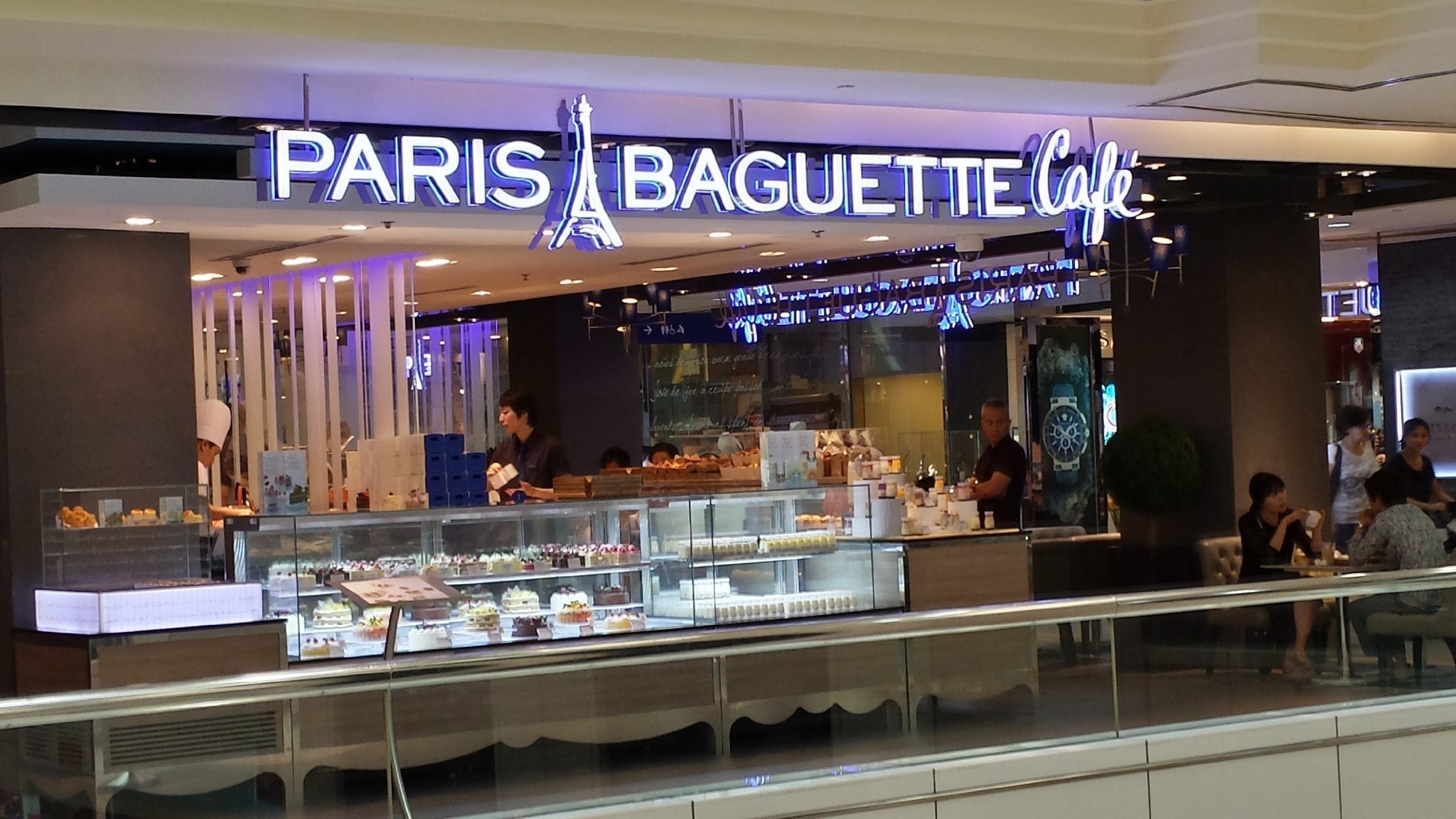
    Berjaya Food, a major player in the food and beverage industry, has concluded their collaboration with Paris Baguette, marking the end to the alliance that brought the esteemed South Korean bakery chain to Malaysia in 2023.

    In an effort to sever ties with the financially draining venture, Berjaya Food divested its 50% share in Berjaya Paris Baguette (BPB) to Paris Baguette Singapore for a token sum of RM1 (US 24 cents). Executed on June 30, this transaction included the transfer of 20 million ordinary shares. This was accompanied by Berjaya Food’s settlement of RM3.91 million (about $960,920) in outstanding liabilities.

    A Challenging Operation

    The Malaysian branch of the business has persistently reported losses since its commencement. As per recent records, BPB reported an unaudited, post-tax loss of RM67.09 million ($16.49 million) and net liabilities of RM33.41 million ($8.2 million). The RM20 million ($4.9 million) pumped into the venture by Berjaya Food is fully impaired.

    Berjaya Food has clarified that the divestiture of BPB is a strategic move to step away from the “Paris Baguette” chain of bakery and retail stores in Malaysia, which has continually underperformed since its introduction in the country. This decision, they explain, will help to eliminate the group’s exposure to BPB’s continuous financial losses.

    Looking Ahead

    Berjaya Food can now channel its resources and managerial attention to its principal businesses and future growth prospects. Paris Baguette, on the other hand, first set foot in Malaysia in 2023 and currently manages 16 locations across the country.

    Berjaya Food’s decision to divest comes at a time when the group is grappling with wider earnings pressure. Last year, the company reported its fifth consecutive quarterly loss, largely contributed by weaker performance at its Starbucks Malaysia business.

    Questions & Answers

    Why has Berjaya Food chosen to exit the joint venture with Paris Baguette?
    Berjaya Food decided to exit the joint venture due to consistent financial losses, deciding instead to focus on their core businesses and future growth opportunities.

    What was the extent of Berjaya Food’s investment in Berjaya Paris Baguette?
    Berjaya Food’s investment in the venture amounted to RM20 million ($4.9 million), which has now been fully impaired.

    What has been the impact of the divestment on Paris Baguette’s presence in Malaysia?
    Paris Baguette continues to operate in Malaysia, currently managing 16 locations across the country. The divestment has not affected its operational presence.

  • UBS China Joint Venture Faces Backlash Over Unexpected Benchmark Switch in Silver Fund

    UBS China Joint Venture Faces Backlash Over Unexpected Benchmark Switch in Silver Fund

    A silver fund run by UBS’s Chinese partner has drawn a wave of complaints from investors. The grievances have been sparked by a decision to change benchmarks, a move that has reportedly resulted in greater losses than investors had anticipated.

    Over 200,000 individuals have raised concerns against UBS’s domestic Chinese partnership with the state-controlled SDIC Group. The objections are primarily focused on UBS SDIC Fund Management’s decision to alter the valuation mark for the UBS SDIC Silver Futures Fund LOF. The company shifted from Shanghai Futures Exchange settlement prices to international market prices without giving investors prior notice. It is thought that this change transformed losses from an expected cap of 17 percent, due to a daily price limit, to over 31 percent.

    This alteration took place during a significant collapse in silver prices on January 30, which saw the value of the precious metal plummet by over 30 percent. In response to this situation, the company formed a task force and subsequently announced a compensation plan for investors who redeemed their investments on February 2.

    Questions & Answers

    What caused the wave of complaints against UBS’s Chinese partner?
    Investors were unhappy with UBS SDIC Fund Management’s decision to switch the valuation mark for the UBS SDIC Silver Futures Fund LOF from Shanghai Futures Exchange settlement prices to international market prices without any prior notice.

    What was the impact of the benchmark switch on investors?
    The change is believed to have amplified losses from an anticipated cap of 17 percent due to a daily price limit, to an actual loss of over 31 percent.

    What measures did the company take in response to the silver price crash?
    In response to the silver price crash and the resulting investor complaints, the company formed a task force and announced a compensation plan for investors who redeemed their investments on February 2.

  • South Korean Firm The Venture Acquires Majority Stake in Chicken Plus Vietnam, Targets Rapid Expansion

    South Korean Firm The Venture Acquires Majority Stake in Chicken Plus Vietnam, Targets Rapid Expansion

    South Korean investment firm, The Venture, has recently acquired the majority shares of Chicken Plus’ business operations in Vietnam. This is part of their overseas investment project fund.

    Chicken Plus: An Expanding Brand

    Chicken Plus, a renowned fried chicken brand from South Korea, operates under a franchising model. The chain, which was first established in 2016, has seen significant growth in its domestic market with over 500 locations currently in operation.

    In 2019, the brand made its debut in Vietnam and has since expanded to more than 100 locations across the nation.

    Investment Strategy

    The Venture secured its majority stake in Chicken Plus Vietnam through an overseas investment project fund. This fund also includes a key domestic chicken franchise company as a strategic investor.

    The investment firm aims to build on the existing local store network and operational infrastructure of Chicken Plus Vietnam. The goal is to increase its store count to 270 within the next four years.

    Aside from this expansion plan, the company also has plans to establish its own poultry farm. They aim to internalize production, distribution, and sales processes to ensure cost competitiveness and quality control.

    No Changes to Management

    Following the acquisition, there will be no alterations to the existing management or personnel.

    Daehyun Kim, a partner at The Venture who supervises investments in Vietnam, suggests that the acquisition’s primary objective is to enhance asset value. This is to be achieved through the integration of the Korean restaurant system with local infrastructure.

    The Venture firm has a history of investing in logistics data solutions and e-commerce startups, primarily in Vietnam and Malaysia. This latest deal indicates their expansion into the restaurant sector.

    Questions & Answers

    What is the goal of The Venture’s acquisition of Chicken Plus Vietnam?
    The Venture aims to increase the store count of Chicken Plus Vietnam to 270 within the next four years, by leveraging the existing local store network and operational infrastructure.

    What changes will occur after the acquisition?
    There will be no changes to the existing management or personnel after the acquisition.

    What is the investment history of The Venture firm?
    The Venture has a history of investing in logistics data solutions and e-commerce startups, primarily in Vietnam and Malaysia. This latest acquisition signals its expansion into the restaurant sector.

  • HSBC Amplifies Asian Venture Ecosystem with $1.5 Billion Innovation Banking Hub in Singapore

    HSBC Amplifies Asian Venture Ecosystem with $1.5 Billion Innovation Banking Hub in Singapore

    HSBC is making a significant stride into the Singaporean market with the establishment of its Innovation Banking division. This move is marked by a considerable investment of $1.5 billion, aimed at promoting rapid expansion firms and improving the local venture ecosystem.

    Services and Leadership

    The department is structured to cater to venture-supported enterprises and investors by offering specialized products and sector knowledge. Additionally, it will provide access to the vast global network of HSBC. Neil Falconer, freshly appointed as the Head of Innovation Banking in Singapore, will lead a committed team to assist current clients and broaden coverage. Concurrently, he will maintain his role in managing the Consumer, Healthcare, and TMT sectors within the International Mid-Market segment of HSBC.

    Establishment of Credit Solutions Team

    In line with the new initiative, HSBC has also founded a Credit Solutions team. Shaun Sakhrani, the Head of Credit Solutions for Singapore and the Asia Head of Platform Lending, will lead this team. The group will offer a range of financial structures to Innovation Banking clients, including venture debt and platform finance.

    Singapore, A New Addition to HSBC’s Innovation Banking

    HSBC’s Innovation Banking launch in Singapore marks the third expansion within the Asia-Pacific region in the current year. This addition bolsters its presence across the globe, joining branches in the US, UK, Australia, New Zealand, Israel, Continental Europe, India, Hong Kong, and mainland China.

    Since its launch in 2023, HSBC’s Innovation Banking has witnessed a remarkable growth in its clientele, with an increase of nearly 60 percent. The bank now boasts of a robust team of over 900 innovation finance experts with a global connection.

    In Singapore, HSBC has been backing new-economy businesses since 2021, achieving double-digit revenue growth and supporting companies such as Atome Financial, Glife Technologies, and Tickled Media.

    Singapore: A Thriving Start-Up Hub

    Singapore houses over 4,000 start-ups and flaunts a pulsating network of accelerators, incubators, and investors. As Gilbert Ng, Head of Banking – Singapore, Corporate and Institutional Banking at HSBC, stated, the city-state is an attractive hub for the start-up ecosystem in Asia-Pacific.

    Questions & Answers

    What is the main aim of HSBC’s Innovation Banking division in Singapore?
    The division aims to support high-growth companies and enhance the venture ecosystem in the region.

    Who will lead the newly established Credit Solutions team?
    Shaun Sakhrani, the Head of Credit Solutions for Singapore and the Asia Head of Platform Lending, will lead the Credit Solutions team.

    How has HSBC’s Innovation Banking grown since its launch?
    Since its inception in 2023, the client base of HSBC’s Innovation Banking has grown by nearly 60 percent. It now includes more than 900 globally connected innovation finance experts.

  • Cafe Amazon Retreats From Vietnam: Intense Competition Spurs Strategic Pivot For Centel

    Cafe Amazon Retreats From Vietnam: Intense Competition Spurs Strategic Pivot For Centel

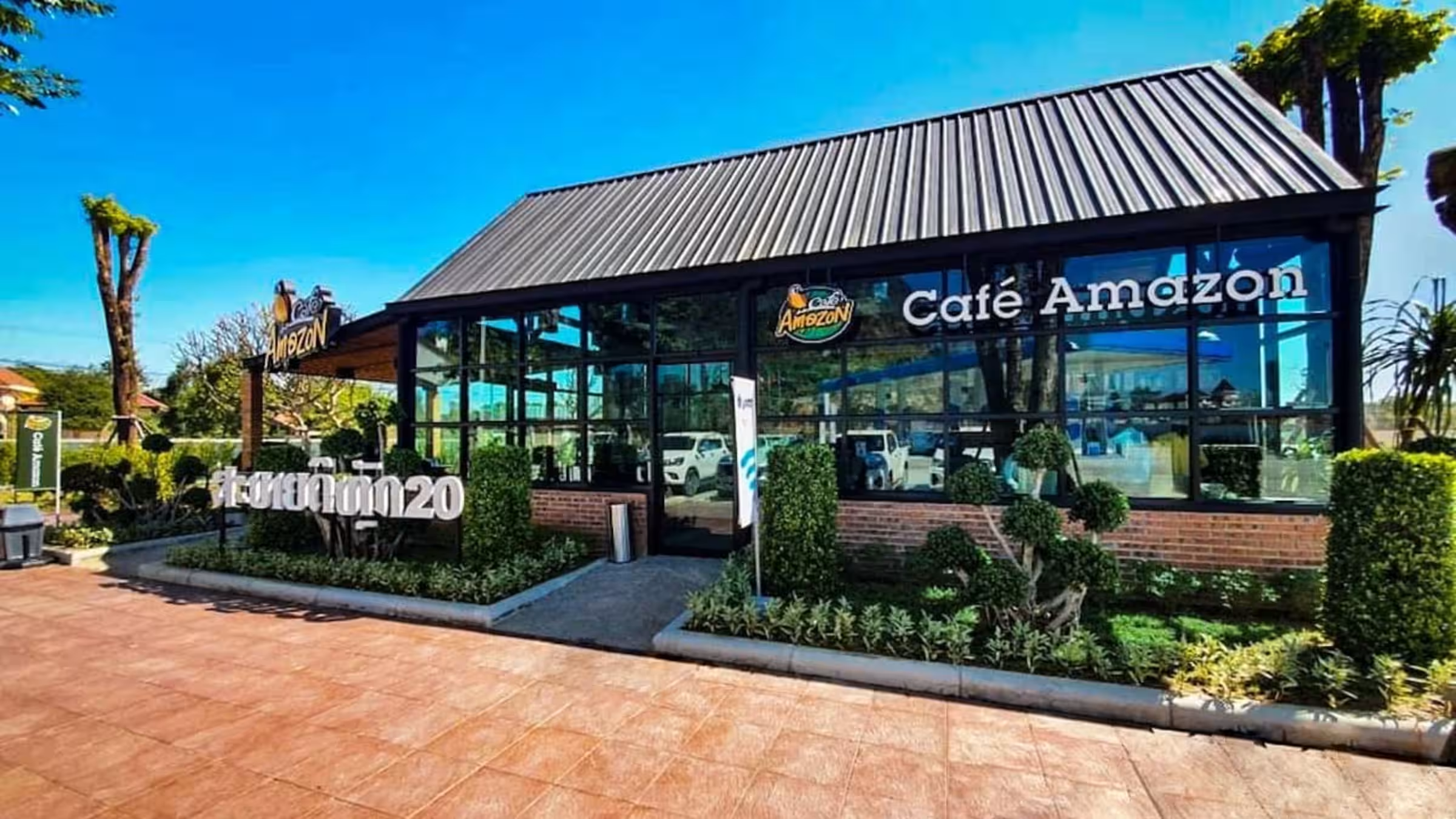
    Thailand’s Cafe Amazon seems prepared to bow out from the local market after a half-decade attempt to square up with local coffee chains. At the forefront of this decision is Central Plaza Hotel Public Company Limited (Centel), who will be stepping away from the Cafe Amazon joint venture in Vietnam. This move indicates a strategic pivot in response to the fierce competitive landscape in Vietnam’s coffee sector.

    Centel’s withdrawal implicates the dissolution of the ORC Coffee Passion Group Joint Stock Company (ORCG), the corporation responsible for the operations of Cafe Amazon within Vietnam. ORCG was a partnership between Centel’s indirect subsidiary, Central Restaurants Group (Vietnam), which owns a 40 per cent stake, and PTTOR International Holdings (Singapore), another subsidiary of the publicly-traded Thai firm PTT Oil and Retail Business, with a 60 per cent stake.

    In an official statement, Centel underscored the necessity to “realign business priorities” and adapt to the pressing challenges in the market. As of the end of August, the company’s investment in the venture amounted to THB 56 million (US$1.72 million).

    This decision marks the end of Centel’s involvement in Cafe Amazon’s expansion into Vietnam, an ambitious initiative that was launched in 2020 with the goal of becoming a top global coffee brand. Unfortunately, the stiff competition from both international and local chains proved to be too daunting.

    Questions & Answers

    What is the primary reason for Cafe Amazon’s exit from Vietnam?
    Intense competition from local and international coffee chains is the main reason behind Cafe Amazon’s exit from the Vietnamese market.

    What percentage of ORC Coffee Passion Group Joint Stock Company (ORCG) does Central Restaurants Group (Vietnam) hold?
    Central Restaurants Group (Vietnam), an indirect subsidiary of Centel, holds a 40 per cent stake in ORCG.

    When did Cafe Amazon originally plan its expansion into Vietnam?
    Cafe Amazon initiated its ambitious expansion into Vietnam in 2020, with the goal of becoming a top global coffee brand.

  • Adrian Cheng Unveils Almad Group, Targets Digital Transformation In Diverse Sectors

    Adrian Cheng Unveils Almad Group, Targets Digital Transformation In Diverse Sectors

    Adrian Cheng, a scion of one of Hong Kong’s wealthiest families and former CEO of major developer New World Development, has unveiled a new venture focused on the digital sector and burgeoning markets. The new firm, Almad Group, was introduced on Sunday.

    Almad Group’s Focus

    Almad Group sets its sights on digital assets and industries poised for a transformation, spanning entertainment, sports, media, healthcare, commercial management, and cultural tourism. Its geographical reach is expected to include mainland China, countries within the Association of Southeast Asian Nations (ASEAN), and the Middle East.

    The company also aims to broaden the international appeal of Cheng’s cultural brand, “K11 by AC”. Its Anime IP business already shows growth in mainland China and the Middle East.

    A Clear Mission

    Speaking about the newly established group, Cheng, who serves as founder and executive chairman, stated, “Our mission is clear: To build what the next generation needs and to shape a future economy filled with possibilities.”

    Cheng, a Harvard graduate, has a history of supporting start-ups in their early stages. His portfolio includes Chinese social media platform Xiaohongshu, EV manufacturer XPeng, and Hong Kong’s microfinance platform Micro Connect.

    Departure from New World

    Last September, the 45-year-old business tycoon resigned from his position at New World. The property developer, grappling with one of the largest debt burdens in the financial city, reported a record loss of $2.6 billion US dollars. Upon his departure, Cheng also acquired New World’s retail flagship K11 brand management.

    Since then, he has gradually stepped down from all roles within the family’s businesses, including the parent company Chow Tai Fook Enterprises.

    Questions & Answers

    What is the focus of Adrian Cheng’s new firm, Almad Group?
    Almad Group aims to target digital assets and transformative industries in sectors such as entertainment, sports, media, healthcare, commercial management, and cultural tourism.

    Which markets does Almad Group intend to target?
    The company plans to expand its reach to mainland China, ASEAN countries, and the Middle East.

    What was Cheng’s role in New World Development, and why did he leave?
    Adrian Cheng served as the CEO of New World Development but resigned as the company struggled with major debt issues and reported a record loss.

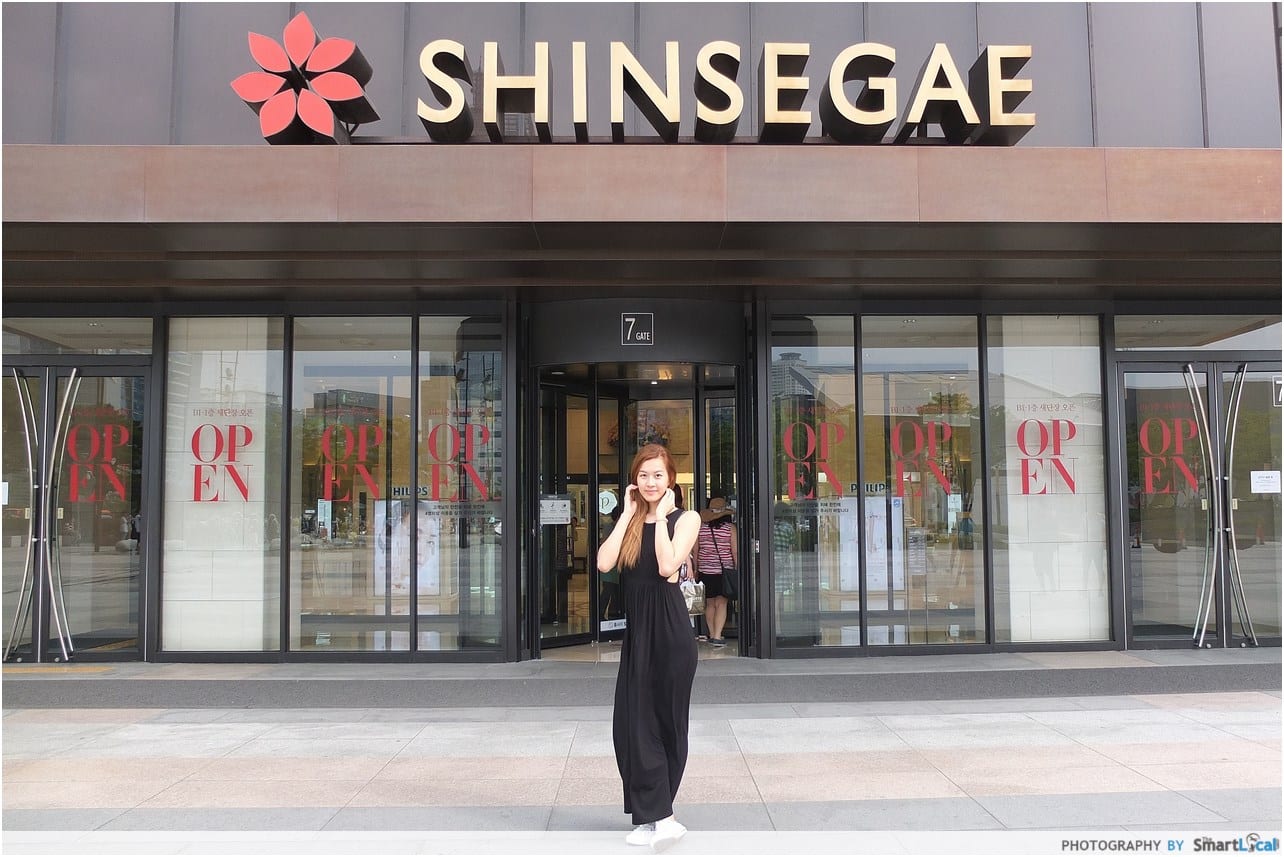
  • Shinsegae And Alibaba Join Forces: A New Contender Challenges Coupang And Naver’s Dominance

    Shinsegae And Alibaba Join Forces: A New Contender Challenges Coupang And Naver’s Dominance

    The antitrust regulator of South Korea has provisionally approved a joint venture between Shinsegae Group’s Gmarket and Alibaba’s AliExpress Korea. This approval paves the way for a new contender to challenge the market, which has been historically dominated by Coupang and Naver.

    Partnership Dynamics

    This collaboration is organized as a balanced joint company under Grand Opus Holding. It merges Gmarket and AliExpress Korea into a unified business model, which can be described as “two families under one roof.” However, it ensures the operational independence of both entities.

    The Korea Fair Trade Commission (KFTC) imposed safeguards that mandate the strict separation of domestic consumer data. It also prohibits the sharing of overseas direct-purchase information between the platforms.

    The collaboration has been presented as both a defensive strategy and a growth plan. Gmarket’s CEO, Jung Hyung-kwon, has called the strategic alliance with AliExpress a necessary step to secure market leadership. He promises to complement Gmarket’s reliable platform with Alibaba’s extensive product range.

    Implications of the Joint Venture

    The joint venture grants 600,000 Gmarket and Auction sellers access to Alibaba’s worldwide e-commerce network, which spans over 200 countries. Concurrently, Chinese-made products from AliExpress are expected to establish a more robust presence in Korea, supported by Shinsegae’s logistics proficiency.

    Analysts speculate that this deal could potentially restore Gmarket’s financial health after a series of losses, while helping AliExpress shed its reputation for counterfeit and low-quality goods.

    The partnership comes as the online retail sector in Korea is experiencing a three-way competition. While Coupang continues to lead with 34.2 million monthly active users, the combined reach of AliExpress, Gmarket, and Auction now exceeds 18 million, surpassing Naver’s 4.3 million.

    Market Conditions and Future Projections

    This competitiveness takes place amid market volatility. Early market leaders such as Interpark and 11st have dwindled, while the growth during the pandemic solidified Coupang and Naver’s duopoly. Recently, Chinese companies like AliExpress and Temu have disrupted the market with extremely affordable goods, leading to the downfall of several smaller Korean platforms.

    With the alliance between Shinsegae and Alibaba now formed, analysts foresee an escalation in price competition, especially with an anticipated increase in Chinese-made consumer goods being sold through Gmarket. However, concerns persist about whether the increased scale will result in profitability, given the limited brand loyalty on both sides.

    Meanwhile, Coupang is focusing on expanding its nationwide rocket delivery, and Naver is enhancing its fresh food delivery through its new alliance with Kurly. Some industry insiders speculate that Shinsegae’s SSG.com may eventually integrate its fresh food operations into the partnership to close the competitive gap.

    The joint venture has also sparked some controversy, with critics warning of the risk of Korean consumer data exposure to China, despite regulatory safeguards.

    Regardless, for Shinsegae, this venture represents a daring gamble: challenging two entrenched giants by combining its retail expertise with Alibaba’s global scale. The lingering question is whether the alliance can offer both local trust and international reach, without igniting a destructive price war.

    Questions & Answers

    What is the structure of the joint venture between Gmarket and AliExpress Korea?
    The partnership is structured as a balanced joint company under Grand Opus Holding, merging Gmarket and AliExpress Korea into a unified but operationally independent business model.

    What benefits does the joint venture offer?
    The joint venture provides 600,000 Gmarket and Auction sellers access to Alibaba’s global e-commerce network, which spans over 200 countries. It also allows for a stronger presence of Chinese-made products in Korea.

    What are the potential risks and criticisms associated with the joint venture?
    Critics warn of the risk of Korean consumer data exposure to China, despite regulatory safeguards. Furthermore, analysts question whether the increased scale will result in profitability, given the limited brand loyalty on both sides.

  • Sun Group Secures Government Approval to Launch Exciting New Airline Venture

    Sun Group Secures Government Approval to Launch Exciting New Airline Venture

    Sun Group, renowned for its breathtaking resorts and amusement parks, has just received the green light for a new airline—Sun PhuQuoc Airways. This dynamic new carrier sets its sights on offering travelers a fresh way to explore Vietnam and beyond, and it’s all set to take off this year.

    Scheduled to Soar

    Sun PhuQuoc Airways will operate on a passenger transport model, merging both scheduled and charter flights that connect vital tourism and financial centers across Vietnam and select international destinations. With an impressive startup capital of VND2.5 trillion (approximately US$96 million), the airline aims to establish a fleet of 31 aircraft by the year 2030.

    The inaugural flight is slated for the fourth quarter of 2025, launching from the popular southern destination of Phu Quoc Island. This new venture promises to make travel more accessible to revered local and international locales, creating even more opportunities for adventure seekers.

    A New Player in the Sky

    Sun Group isn’t a stranger to the aviation sector; it also operates Sun Air, which caters to a luxury clientele with private jet services. Currently, Vietnam boasts six established airlines, including the likes of Vietnam Airlines, Vietjet Air, Bamboo Airways, and a few others. However, it’s worth noting that Pacific Airlines has paused its booking services, directing travelers instead to Vietnam Airlines—a situation ripe for Sun PhuQuoc Airways to swoop in and meet the demand.

    As the skies get a new player, the question remains: will Sun PhuQuoc Airways bring a refreshing twist to the aviation scene in Vietnam? Only time will tell, but for travelers itching to explore new horizons, the future looks bright!

    Questions & Answers

    What kind of flights will Sun PhuQuoc Airways offer?
    It will provide a combination of scheduled and charter flights connecting major tourism and financial hubs both domestically and internationally.

    When is the airline’s first flight scheduled?
    The inaugural flight is set for the fourth quarter of 2025.

    How many aircraft does the airline plan to have by 2030?
    Sun PhuQuoc Airways intends to build a fleet of 31 aircraft by 2030.

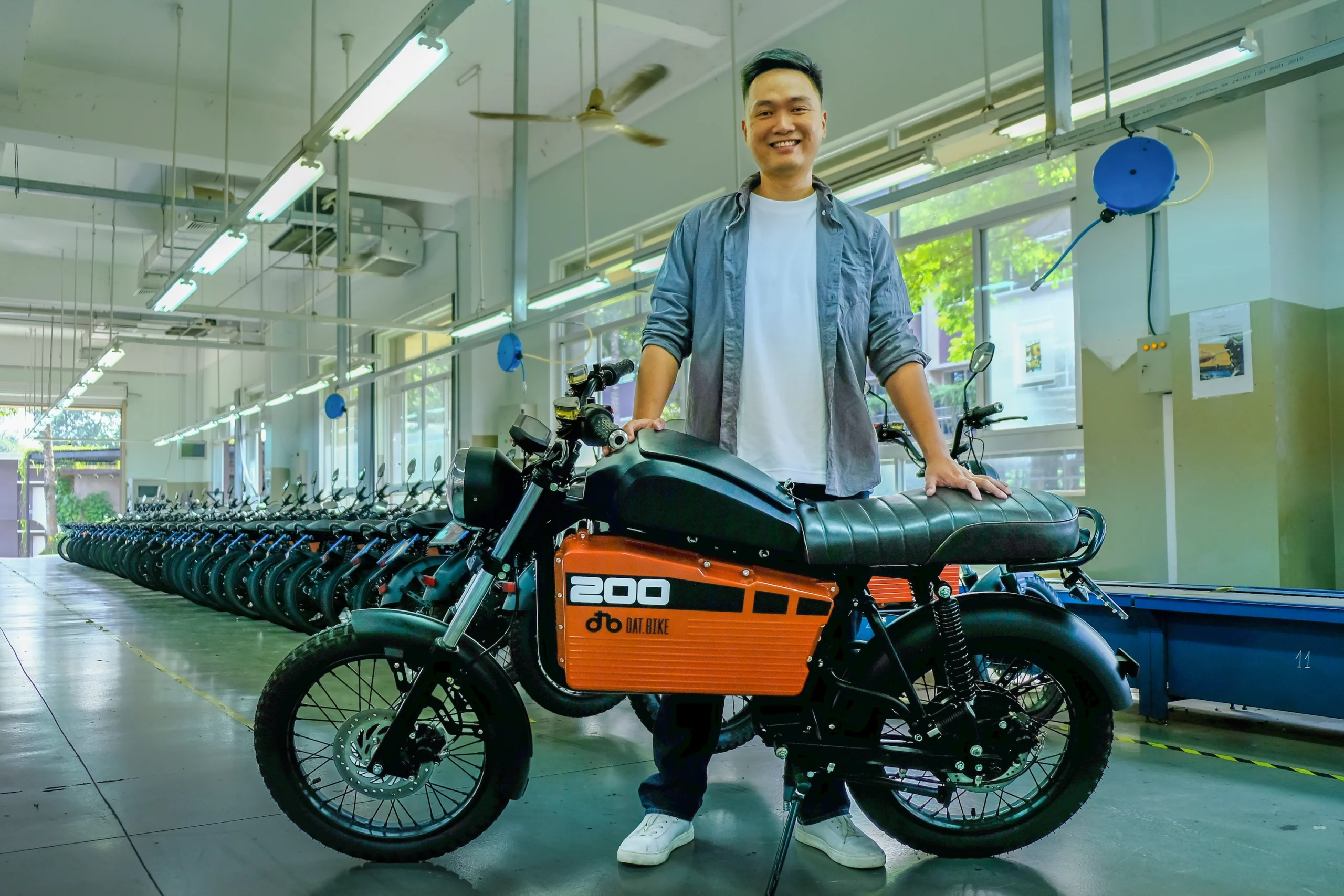
  • Electric motorbike startup raises another $8 mln

    Electric motorbike startup raises another $8 mln

    Vietnamese electric motorbike startup Dat Bike has secured $8 million in a funding round, bringing the total since its establishment to $16.5 million.

    The round was led by returning investor, Singapore-based Jungle Ventures, with participation from GSR Ventures, Innoven Capital, Wavemaker Partners, and Delivery Hero Ventures – the investment arm of Foodpanda’s parent firm.

    The startup will use the new round of funding to invest in technology, scale production, product development and hiring talent, said Nguyen Ba Son, founder and CEO of Dat Bike.

    Founded in 2019, Dat Bike says its revenue grew 10 times over the past 12 months.

    The launch of its latest model, Weaver 200, has solved the problems of performance and range as it has a maximum capacity of 6,000W, covering 200 km with a 3-hour charge, Son said.

    The startup has also launched Dat Charge – an ultra-fast charging station for its electric bikes, which allows charge for a 100km trip in 20 minutes and 150km in 30 minutes. This is the highest electric bike charging speed in the country at present, according to the company.

    After four years of operations, Dat Bike has three stores in Ho Chi Minh City, Hanoi and Danang. It plans to enter other Tier 1 cities, including Quang Ninh, Hai Phong, Nha Trang, Binh Duong and Can Tho, soon.

  • Crypto Platform Zipmex Announces Senior Hires

    Crypto Platform Zipmex Announces Senior Hires

    The Singapore-headquartered exchange will begin scaling up operations with the appointment of a new COO and CFO.

    Zipmex has appointed Uber’s former APAC head of central operations, Scot Cheung, as chief operating officer (COO) and venture capitalist and finance veteran Nicolas Keravec as chief financial officer (CFO), the digital assets exchange announced in a statement on Thursday.

    Cheung brings more than 12 years of experience in helping companies scale and expand worldwide, having worked in Hong Kong, Shanghai, Seoul, Singapore, and London, including over 7 years at Uber.

    Kerevac has over 15 years of cross border experience in driving technology-focused and scalable business models and was most recently managing director and group CFO at Rocket Internet (Asia).The appointments will allow Zipmex to strengthen its presence in Singapore, Australia, Thailand and Indonesia through strategic partnerships, develop its suite of digital assets-related products and offerings, and build its technology infrastructure, the announcement said.

    Cheung will focus on growing the platform in Australia, Zipmex’s newest market, while Kerevac will focus on capital deployment and expansion plans in the platform’s markets.

    Launched in 2019, Zipmex has over $1 billion in transaction volume on its platform. Earlier this year, the company announced that it raised $41 million in a Series B funding round with co-investors such as Krungsri Finnovate, Plan B Media and MACO Thailand.

  • Vitamin subscription service Vitable raises $5.5m venture funding

    Vitamin subscription service Vitable raises $5.5m venture funding

    Australian vitamin retailing disruptor Vitable has secured $5.5 million in a series A funding round, drawing interest from a raft of recognized investors including Germany’s Rocket Internet, parent of Global Fashion Group and Hello Fresh, among others.

    Founded by Larah Loutati and Ilyas Anane (pictured above) just two years ago, Vitable operates a subscription-based service in Australia, New Zealand and Singapore, creating personalized vitamin and health supplement recommendations for customers who complete an online questionnaire. The monthly orders can be adjusted as the customer’s health needs change and the mobile app provides notification reminders to help build a daily routine and track progress.

    The company says the fresh funds will allow expansion into the wider Asia-Pacific region as it aims to take a share of a global dietary supplement market projected by Grand View Research to be worth US$230 billion by 2027.

    “Ultimately Vitable will grow beyond its core vitamin offer towards a broader vision of a personalized and holistic health and wellness experience, an industry McKinsey recently valued at US$1.5 trillion,” said Loutati, announcing the closing of the funding round.

    Led by Brenteca Investments, other investors include former MD of LinkedIn ANZ and serial tech investor, Clifford Rosenberg, and venture capital firm Artesian.

    Besides boosting geographic expansion, the money will be allocated to product and app development and the recruitment of key personnel.

    “Personalisation and honest guidance through selection and purchase are the future of vitamins and mineral supplements,” said Loutati.

    “This mix of personalization and convenience increases engagement, education, and ultimate user wellbeing.”

    Dave Fenlon, Group CEO BWX Brands and Oliver Samwer, CEO, Rocket Internet, are both members of Vitable’s board of advisors.

    “Vitable is growing rapidly and disrupting a traditional business model that is inefficient and expensive,” said Alexandra Clunies-Ross of Artesian. “The world is increasingly digital, and consumers no longer want to buy supplements from traditional suppliers. Instead, they are looking for more personalized services that can tailor high-quality products to their individual lifestyle and have them delivered to their home for convenience.”

  • Fjallraven launches local E-commerce initiative

    Fjallraven launches local E-commerce initiative

    Swedish outdoor heritage brand Fjallraven has launched a local online presence in New Zealand, as part of a broader push into the ANZ market.

    The move follows the launch of a local Australian site in 2017, and the opening of two brick-and-mortar stores, including the launch of a Sydney flagship store last month.

    Brand manager Susan Park said a bricks-and-mortar store is on the agenda for New Zealand as well.

    “New Zealand is definitely in our brand strategy for a store,” Park said.

    “We just launched Fjallraven.co.nz to satisfy the growing demand in New Zealand. We have some other locations on our radar and plan to look at them when Sydney has established itself as a leading destination.”

    Demand for the brand has been growing in Australia and New Zealand since Zen Imports became Fjallraven’s local distributor in 2017, establishing new partnerships with retailers in the region.

    The brand’s most popular product is its Kanken rucksack, a style Fjallraven first debuted in 1978, which has become hugely popular around the world.

    According to Park, however, interest in the brand’s broader range of jackets, trousers and other outdoor apparel has been growing in Australia since the brand’s first brick-and-mortar store opened in Melbourne last year.

    Introducing customers to the brand’s full range of products, and its Swedish heritage – through a daily ‘fika’ or coffee break, offered free to customers in-store – is a key part of Fjallraven’s store strategy.

    The retailer is also planning to reach customers in new ways with the launch of Fjallraven Discovery Australia, a three-day hike in the Grampians designed to get people outdoors and back to nature.

    This is in keeping with the growing theme of Fjallraven hikes all over the world.

  • CIMB get permission for banking venture with Philippines

    CIMB get permission for banking venture with Philippines

    CIMB Group Holdings Bhd has obtained the green light to establish its investment banking business in the Philippines. In a filing with Bursa Malaysia, the group said its wholly owned subsidiary CIMB Group Sdn Bhd had on Jan 23 received the relevant approvals from the Securities and Exchange Commission of the Philippines, including the Certificate of Incorporation and Certificate of Registration for an investment house licence.

    The investment banking business in the Philippines will be operated via a 60% shareholding in CIMB Bancom Capital Corporation with the remaining 40% stake to be held by local partners Bancom II Consultants, Inc and PLP Group Holdings, Inc.

    The three parties have entered into a joint venture agreement following the receipt of the approvals.

    CIMB shares went down 1 sen or 0.2% to close at RM5.65 today on 13.4 million shares done.

  • Reliance Group launches dedicated IoT venture

    Reliance Group launches dedicated IoT venture

    Indian conglomerate Reliance Group, parent company of Reliance Communications (RCom), has teamed up with Cisco Jasper to launch a new dedicated IoT venture in the market.

    The new venture, UNLIMIT, will provide enterprise customers throughout India with a service that combines the RCom mobile network with Cisco Jasper’s IoT connectivity management platform.

    As part of the partnership, Cisco will also improve its IoT engineering talent base in India by hiring more expert staff for its Cisco Innovation Center in Bangalore.

    Indian customers seeking to expand their IoT services to new overseas markets will be able to take advantage of Cisco Jasper’s partnerships with operator groups representing more than 120 mobile networks worldwide.

    The new service is also expected to play a key role in supporting the government’s Digital India project, which aims to transform 100 cities across the nation into smart cities.

    “IoT is a critical enabler for India’s growth, and businesses throughout the country are already utilizing its huge potential to help deliver innovative new services to their customers, while reducing cost and increasing revenue,” commented Juergen Hase, CEO of Reliance Group’s Unlimit IoT business group.

    “We are delighted to partner with Cisco Jasper, and this strategic partnership will strengthen the market position of UNLIMIT significantly.”