Tag: Victoria’s Secret

  • Victoria’s Secret unveils its Champagne Nights Fantasy Bra

    Victoria’s Secret unveils its Champagne Nights Fantasy Bra

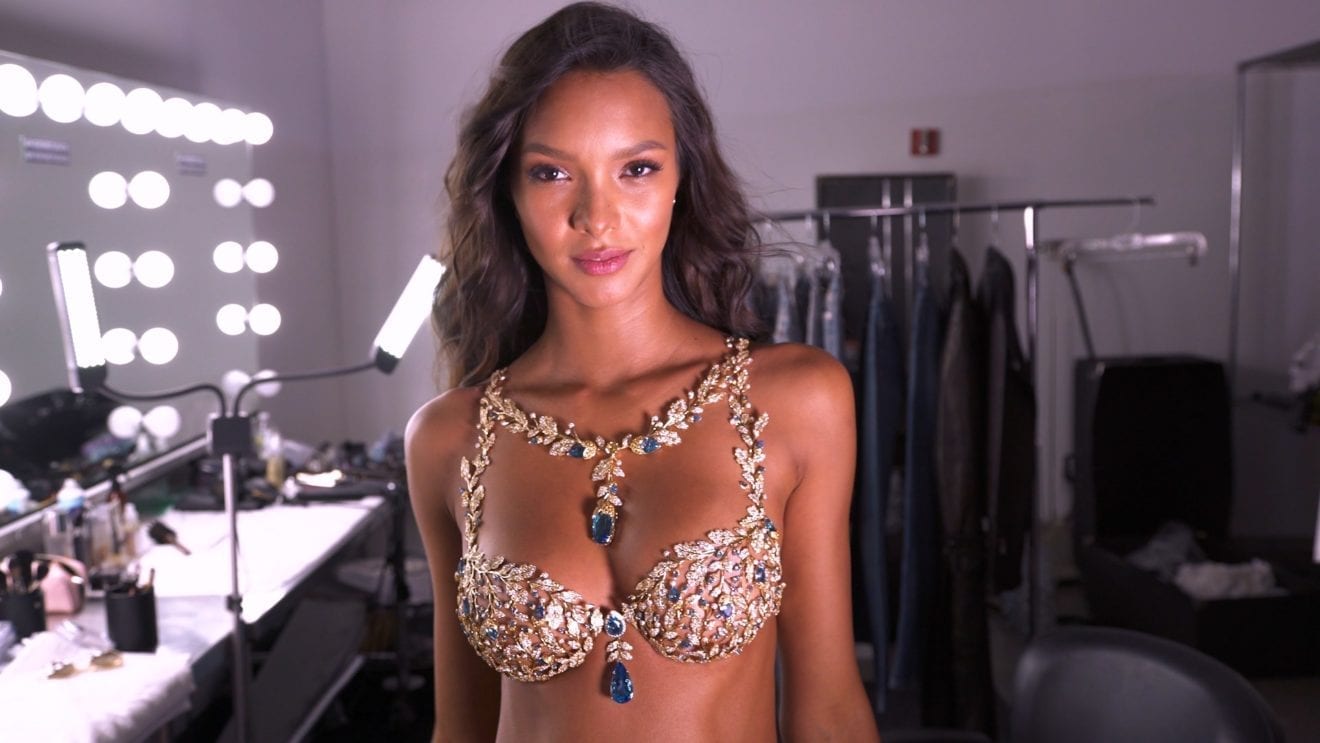
    US lingerie company Victoria’s Secret has unveiled its 2017 Champagne Nights Fantasy Bra, designed by luxury jeweller Mouawad.

    Brazilian model Lais Ribeiro will wearing the US$2 million bra at this year’s Victoria’s Secret Fashion Show in Shanghai in three weeks’ time.

    It is the first time the Victoria’s Secret Angel will showcase the brand’s annual fantasy bra. Other supermodels who have worn Mouawad’s showpieces over the years include Lily Aldridge, Adriana Lima, Alessandra Ambrosio, Candice Swanepoel, Selita Ebanks, Gisele Bündchen, Tyra Banks, Heidi Klum and Karolina Kurkova.

    Mouawad’s latest creation features a suite of contrasting gemstones. The bra and matching belt took more than 350 hours of labour to be handset with nearly 6000 white diamonds, yellow sapphires and blue topazes, totalling more than 640 carats and all set in 18-karat yellow gold.

    Mouawad Jewelry first teamed with Victoria’s Secret in 2001, since designing 10 fantasy bras. His 2003 masterpiece, the Very Sexy Fantasy Bra, was awarded a Guinness World Record as the most expensive bra ever made.

    Founded in 1890, the Mouawad brand is led by fourth-generation co-guardians Fred, Alain and Pascal Mouawad. The family firm designs, makes and sells exclusive jewellery and timepieces.

    Victoria’s Secret is known for its fashion-inspired collections, fragrances and bodycare products as well as its lingerie, but perhaps is more famous for its runway shows and supermodels, not to mention its fantasy bras. It is owned by Limited Brands and has more than 1000 stores internationally.

  • Victoria’s Secret to open mega store in Macau

    Victoria’s Secret to open mega store in Macau

    Victoria’s Secret will open a new mega store in Macau on April 27, as the US brand eyes further Asia expansion, following its China debut store opening last February.

    Under parent company L Brands, the 15,000-square-foot Macau full assortment store  — which not only sells its branded accessories and cosmetics but lingerie and sportswear — will bow at St Mark’s Square at The Venetian.

    In addition to the latest collections and pieces, the store will showcase five sets of Victoria’s Secret angel wings – all of which have featured on the runway of past Victoria’s Secret shows. The curate will be on display at The Venetian from April 26 to May 31.

    The news comes as the fashion lingerie conglomerate opened its first standalone store in mainland China in February. The four-story, 25,850-square-foot flagship opened in Shanghai, followed by a 12,294-square-foot store debut in Chengdu one week later. A Beijing store is coming later this year.

    Meanwhile, Victoria’s Secret’s Asia expansion is also taking on a flagship store in Hong Kong. The brand is reportedly taking up prime location in Causeway Bay, the former residence of Forever21. It is slated to open in Hong Kong next year.

    Fellow lingerie maker La Perla has already opened a four-storey flagship store in Causeway Bay in late 2015, located on the iconic, and expensive, Russell Street.

    More and more international retailers are renewing leases in the region as tents in Hong Kong continue to drop, especially in Causeway Bay.

    According to a recent report by Everbright Property Investment Consultancy. For the first quarter of 2017, major lease transaction records in Hong Kong’s high-traffic tourist areas — including Central, Causeway Bay, Mong Kok and Tsim Sha Tsui — featured drops in monthly rents of up to 72% in some cases.

    On average, Causeway Bay witnessed the sharpest rent price decline for the period, down 31%, the report said.

  • Victoria’s Secret opens first flagship store in China

    Victoria’s Secret opens first flagship store in China

    US brand Victoria’s Secret has opened its first flagship store in China as it taps into the growing appetites of mainland women for high-end lingerie.

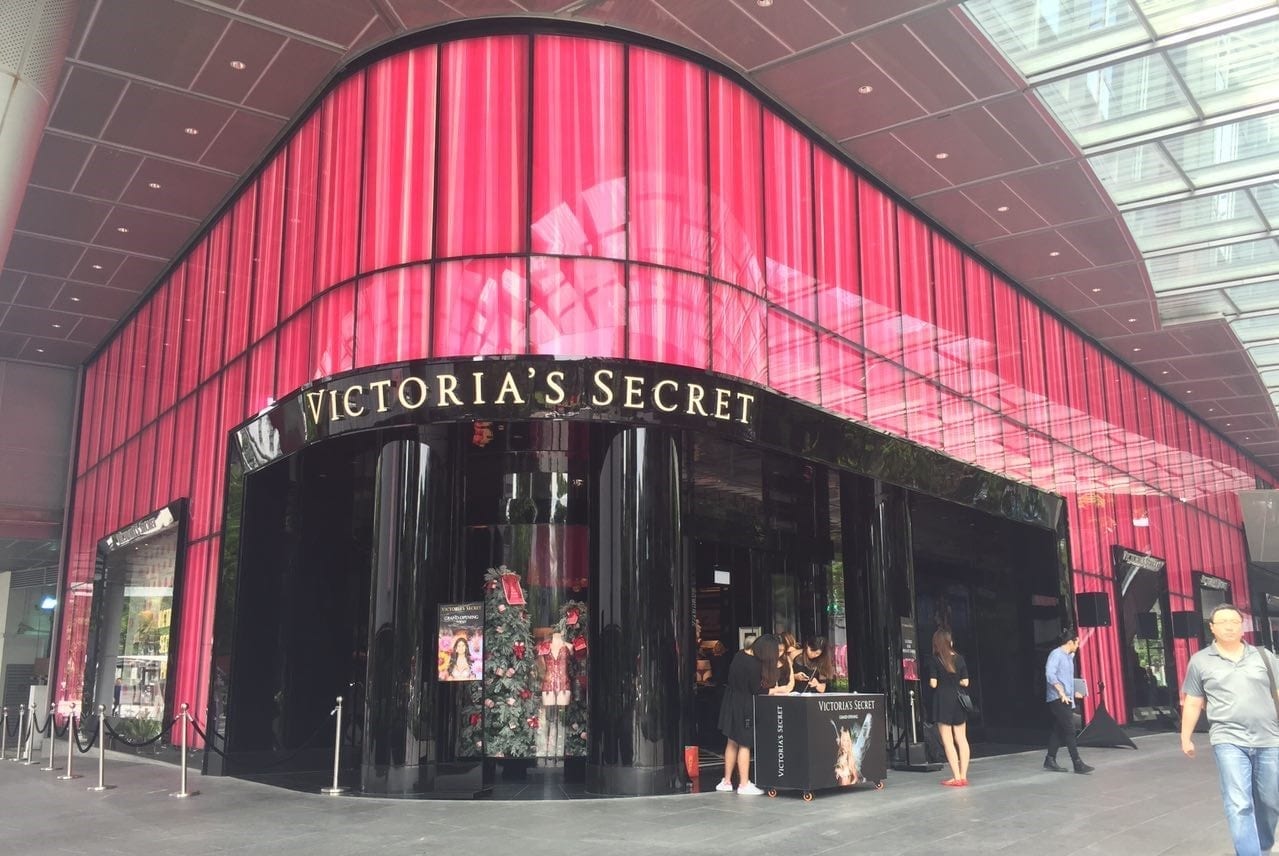
    Fronted by an iconic pink glass facade, the four-storey, 2,500 square meter Victoria’s Secret store opened its doors on Thursday in Huaihai Road, one of Shanghai’s most upscale shopping streets.

    The new shop, which is the first to sell the brand’s full range of products attracted thousands of visitors on the opening day. Previously, Victoria’s Secret had only operated concept stores in China, selling accessories.

    “Chinese women are now ready for more sophisticated bras,” said Pascal Martin, a partner with OC&C Strategy Consultants.

    As Chinese women have increasingly adopted western fashion trends and brands, many locally-owned bra offerings at the cheaper end of the spectrum and paying little heed to design and brand appeal have popped up.

    The US lingerie giant, which entered China in 2015, has unveiled an aggressive expansion plan in the fast-growing Chinese market.

    Besides launching another flagship store in Chengdu in southwest Sichuan Province soon, Victoria’s Secret will move its high-profile annual fashion show to Shanghai at the end of this year.

    The retailer will charge mainland customers between 300 and 600 yuan (US$44 -87) for a bra, a little higher than in the US.

    Joey Chio, senior associate director of Savills Shanghai Retail, which helped Victoria’s Secret select the location for its new store, said the opening of the flagship shop would satisfy Chinese women’s “desire to keep up with the forefront of international fashion”.

    Luxury lingerie and high quality functional products are becoming increasingly popular among Chinese women, and a more frequent topic of discussion on social media.

    The female underwear market in China is expected to have a retail value of US$25 billion by 2017 – double that of the United States – and will grow to US$33 billion by 2020, according to Euromonitor.

    Top Italian luxury lingerie maker La Perla, which has eight stores in China, said it planned additional outlets in Chengdu and Chongqing and aims to open a men’s store in Beijing.

    Canadian yoga brand Lululemon entered the Chinese market by opening its first shop in Shanghai last December.

    The penetration rate of the bra sector in China is still under 10 per cent, compared with around 40 per cent in the US and 20 per cent in Japan, Martin said. Most of the bra brands currently in China are still focusing on the traditional department store channel rather than malls, indicating opportunities for brands like Victoria’s Secret, he added.

  • Jessica Hart leads Triumph bra campaign

    Jessica Hart leads Triumph bra campaign

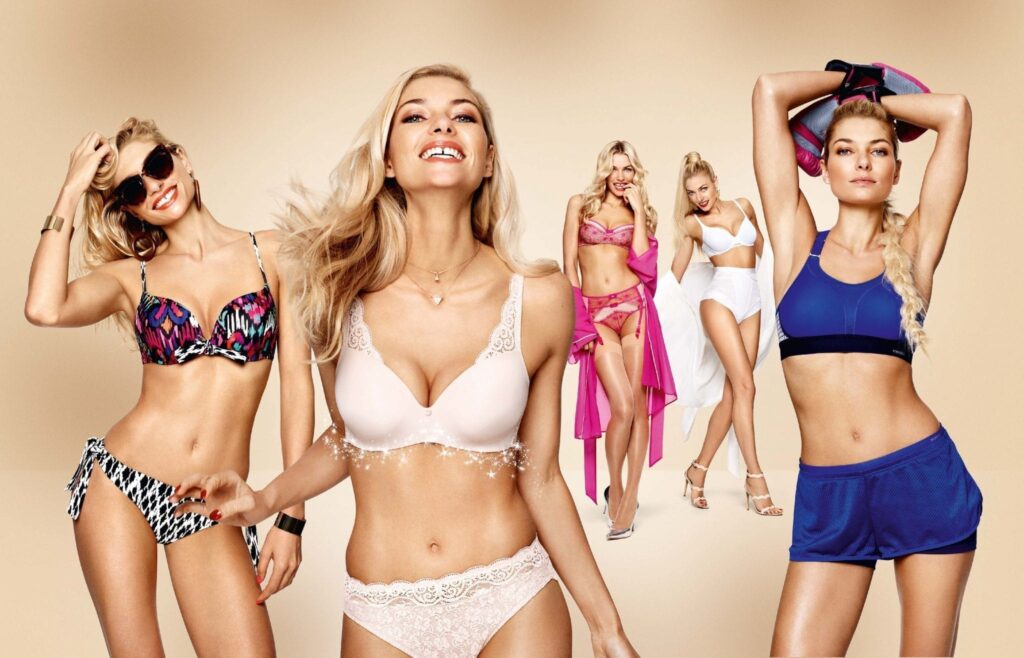
    Australian model/entrepreneur Jessica Hart heads the new global spring/summer campaign for the Triumph bra brand.

    She was shot by British fashion photographer Rankin for the campaign, “Find the One for Every You”, which tells the story of the modern woman’s multifaceted life: athlete, business woman, mother. The concept is to show how Triumph bras support women whatever they do, and to help them “find the one” for every age, shape, size and occasion.

    Hart and supporting models are depicted in various roles, with the campaign playing on real personalities rather than an idealised image. Rankin says the most exciting thing about working on the campaign is that the brand is moving in a different direction.

    “The images are modern, accessible and incredibly confident. We’re really pushing the fact that it’s not just for the ‘perfect’ woman, Triumph is for every woman.”

    Hart says she is excited to be part of change, “representing this playful side of Triumph that speaks to all women”.

    The campaign spotlights the brand’s diverse styles, from the feminine Amourette 300, confidence-enhancing Magic Boost and innovative Triaction.

    Hart has also been a Victoria’s Secret model.

  • Lolalola closes online store

    Lolalola closes online store

    Indonesian online lingerie store Lolalola closed yesterday, but customers can still shop on its social-media platform.

    Lolalola says incoming orders will be processed “normally”.

    There has been no word yet from the startup on why it decided to close down the service, but it could be related to the increasingly tight competition among fashion eCommerce startups in Indonesia, says DailySocial. Berrybenka and SaleStock last year laid off employees in order to save their businesses, while Pink Emma temporarily shut down its service before resuming in September.

    Under CEO Donna Lesmana, Lolalola officially launched in March 2015 after being active for six months.

    Claiming to have been inspired by global lingerie brands such as Agent Provocateur and Victoria’s Secret, the startup aimed to “change the way Indonesian customers shop for lingerie” by providing products from local and international brands.

    Lolalola is backed by Ardent Capital and received logistics support from aCommerce. When the startup tested its service for Thai market, it claimed to have sold out within two weeks.

  • Muji next expansion plan

    Muji next expansion plan

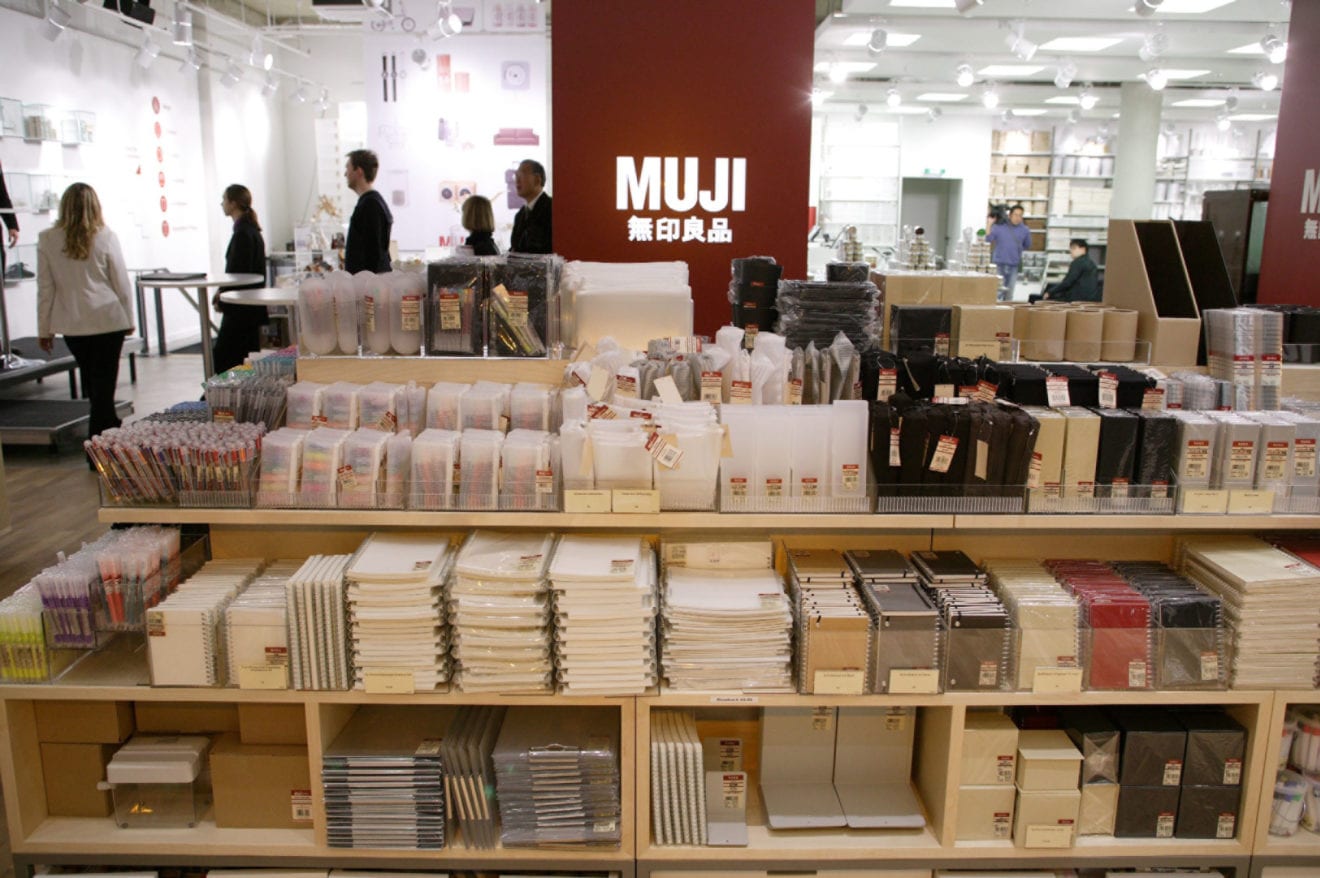
    Japanese lifestyle clothing and accessories brand Muji Canada is expected to expand to Vancouver next year.

    Known for its minimalist approach, Muji already has three stores in Toronto. It has about 300 stores outside Japan.

    Vancouver’s retail sector continues to outperform other Canadian markets with annual sales-per-square-foot at more than C$1000 (US$762). Toronto is second at about C$860.

    “Vancouver is a very young retail market and many brands have not yet opened street stores,” says real-estate group CBRE executive VP for retail in Vancouver Mario Negris. “We anticipate a vast number of new entrants into the downtown retail landscape.”

    Most brands entering Canada have their first outlets at Toronto’s Yorkdale Shopping Centre and Eaton Centre, says the Vancouver Sun. This is because of Vancouver’s relative lack of space.

    Brands such as Forever 21 and Victoria’s Secret actually made their Canadian debut in Alberta, while Vancouver is the preferred entry point for luxury brands such as Berluti, Jaeger-LeCoultre, Rolex and St Laurent.

    Other brands reportedly lining up to open in Vancouver next year include coffee boutique Nespresso and H&M’s Cos brand.

  • Victoria’s Secret opens South-east Asian flagship

    Victoria’s Secret opens South-east Asian flagship

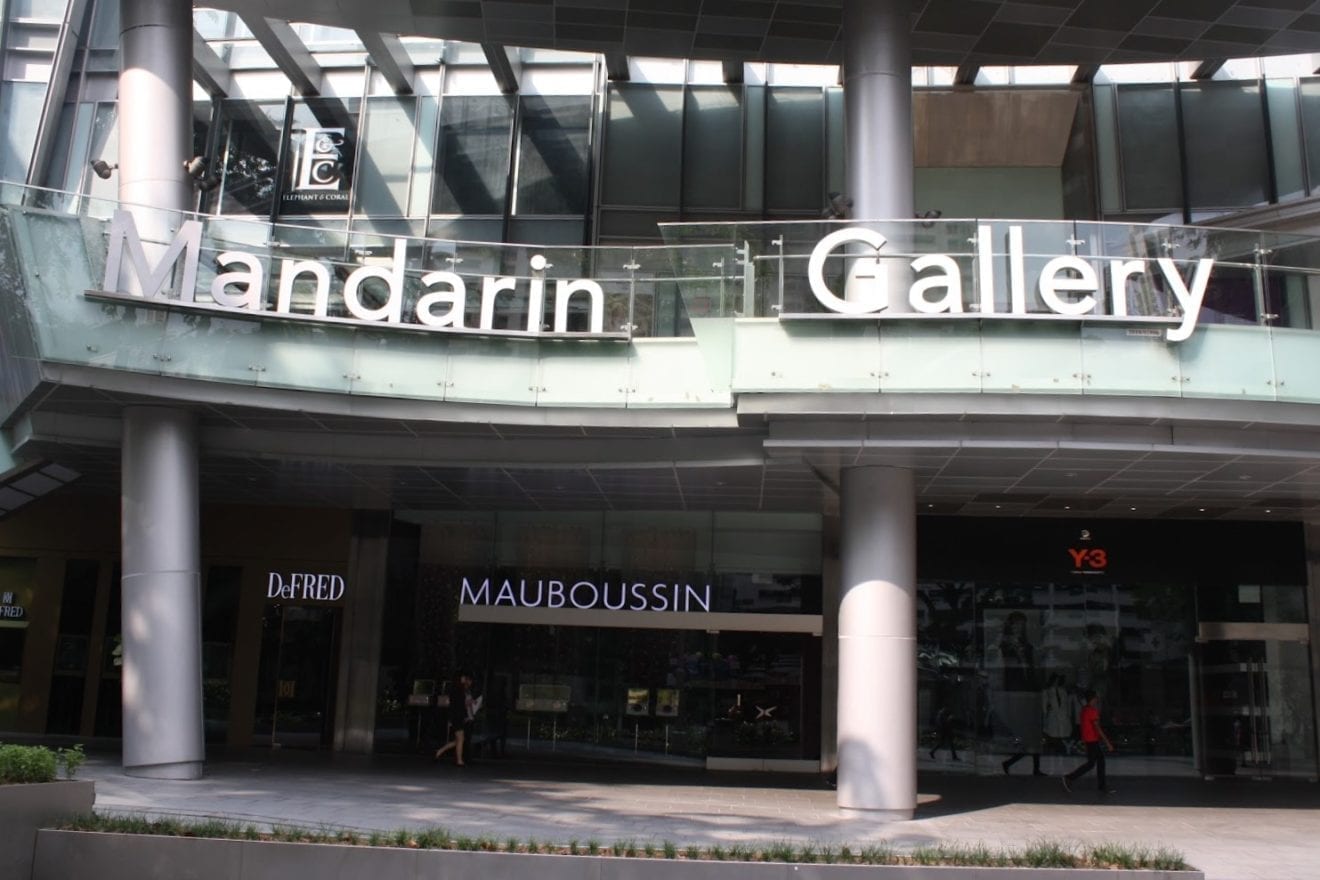
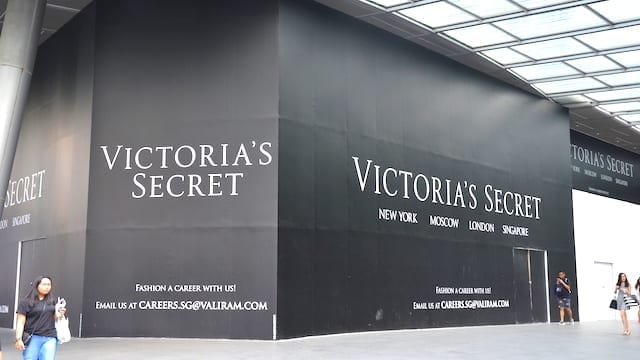
    American lingerie brand Victoria’s Secret opened its first South-east Asian flagship store – a head-turning pink glass confection – at Mandarin Gallery yesterday.

    First in the queue of about 100 shoppers were mother-and-daughter duo Mandy Lo, an office administrator in her 40s, and Hazel Goh, 19, a student.

    While they had been waiting for only 30 minutes, the arrival of the flagship was a long time coming for Ms Goh, a loyal customer since she was 13. She had been ordering the label’s lingerie, fragrances and accessories online for several years.

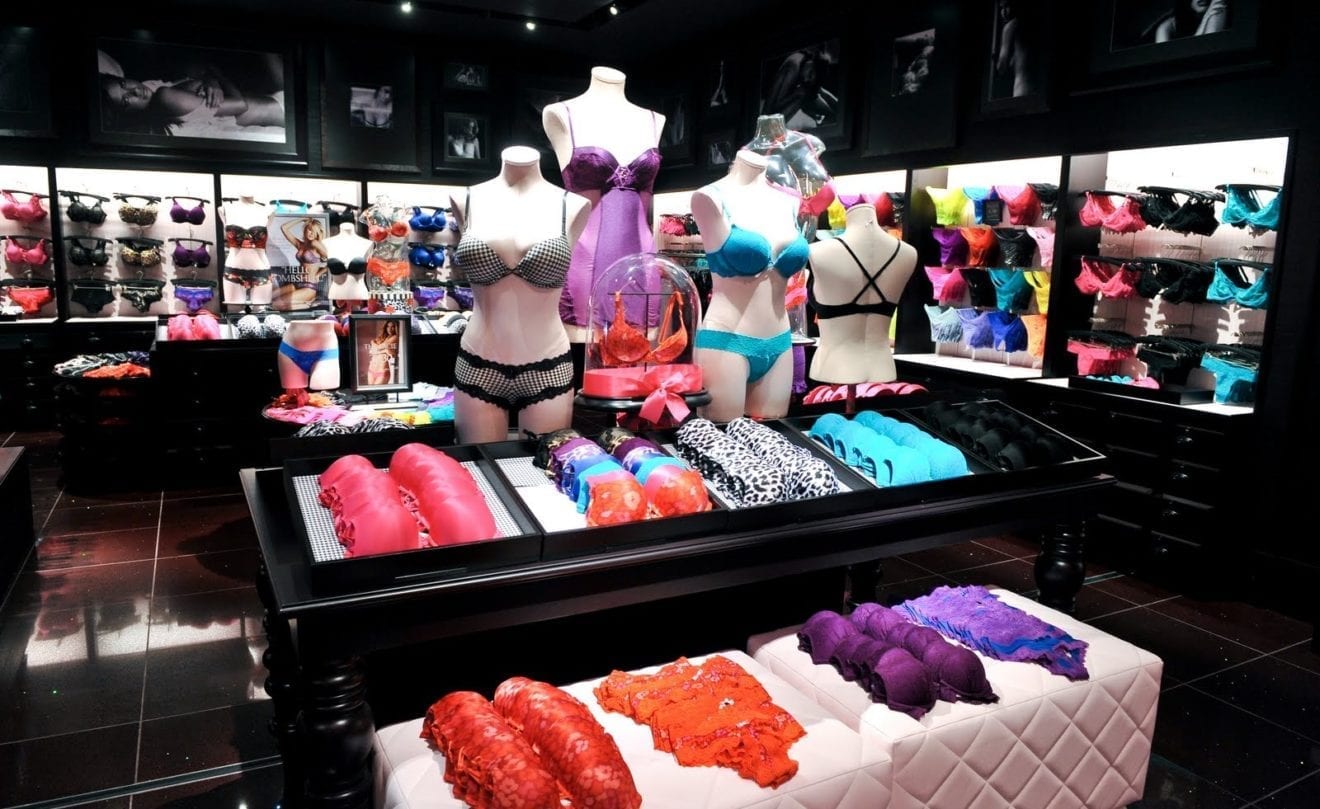
    She and her mother bought $500 worth of underwear, bras and a windbreaker, amid thumping music, flashing video screens, oversized chandeliers and elaborate table displays of lingerie-clad mannequins.

    She says the store met most of her expectations. “It’s pretty awesome. I was expecting everything, but I couldn’t find certain designs of bras and underwear that I wanted, but the Pink range here is better than online.”

    The Victoria’s Secret Pink range is a line of underwear, clothes and accessories targeted at women in their late teens and early 20s.

    Another excited shopper was Australian tourist Jane Fitzgerild, 46. The chef had walked past Mandarin Gallery on Thursday and noticed the store.

    She returned yesterday with her husband to buy bras. She says: “I’ve never been to any of the brand’s flagships. I’m a big fan and I like its quality and assortment of products.”

    Opening the 12,000 sq ft duplex store in Orchard Road, amid a weak retail market, may seem like a risk, but Singapore Polytechnic senior retail lecturer Sarah Lim thinks this is a savvy move by retail group Valiram, which distributes the brand here.

    Ms Lim says: “Victoria’s Secret is differentiated from other lingerie brands such as La Senza and Triumph because of its glamorous image. For consumers, it is a good move because, now, they can shop from the brand’s full range. The store also adds excitement to the retail scene.”

    Singapore is the first Asian territory, apart from the Middle East, to have the full assortment.

    The brand was founded in 1977 by the late Roy Raymond after he felt embarrassed purchasing lingerie for his wife in a department store.

    In 1982, Victoria’s Secret was acquired by American fashion retailer L Brands, which made US$12.7 billion (S$18.11 billion) in sales last year, up from US$11.5 billion the previous year.

    There are more than 1,600 Victoria’s Secret stores worldwide.

    The brand is most famous for its high-octane annual Victoria’s Secret Fashion Show, which started in 1995 and features supermodels such as Adriana Lima and Alessandra Ambrosio and also top performers, including American pop stars Taylor Swift and Rihanna.

    Similar to the stores in the United States, the Singapore flagship sells the full assortment, including the Victoria Sport and Victoria’s Secret Pink lines. This is a fuller spectrum than the fragrances, accessories and women’s underwear now offered at the brand’s seven stores in Singapore, including outlets at 313@Somerset and Wisma Atria.

    Prices range from $19 for a lipgloss to about $800 for a silk robe from the Victoria’s Secret Designer collection. New designs will be available every two to six weeks.

    At the flagship, there are 12 bra specialists, who advise customers on the product lines and styles, and know how to do bra measurements.

    In each of the 24 luxurious fitting rooms is a call button, should shoppers need help from a specialist.

    Ms Ema Negara, assistant vice- president of Victoria’s Secret store operations in Singapore, says having specialists who can empathise with customers is important.

    According to her, about 90 per cent of women take bras in the wrong size to the fitting room and some walk out upset.

    She says: “Our motto is to make women feel sexy, sophisticated and forever young.”


  • Apple, Nike and Playboy among most popular US brands on Alibaba’s Singles Day

    Apple, Nike and Playboy among most popular US brands on Alibaba’s Singles Day

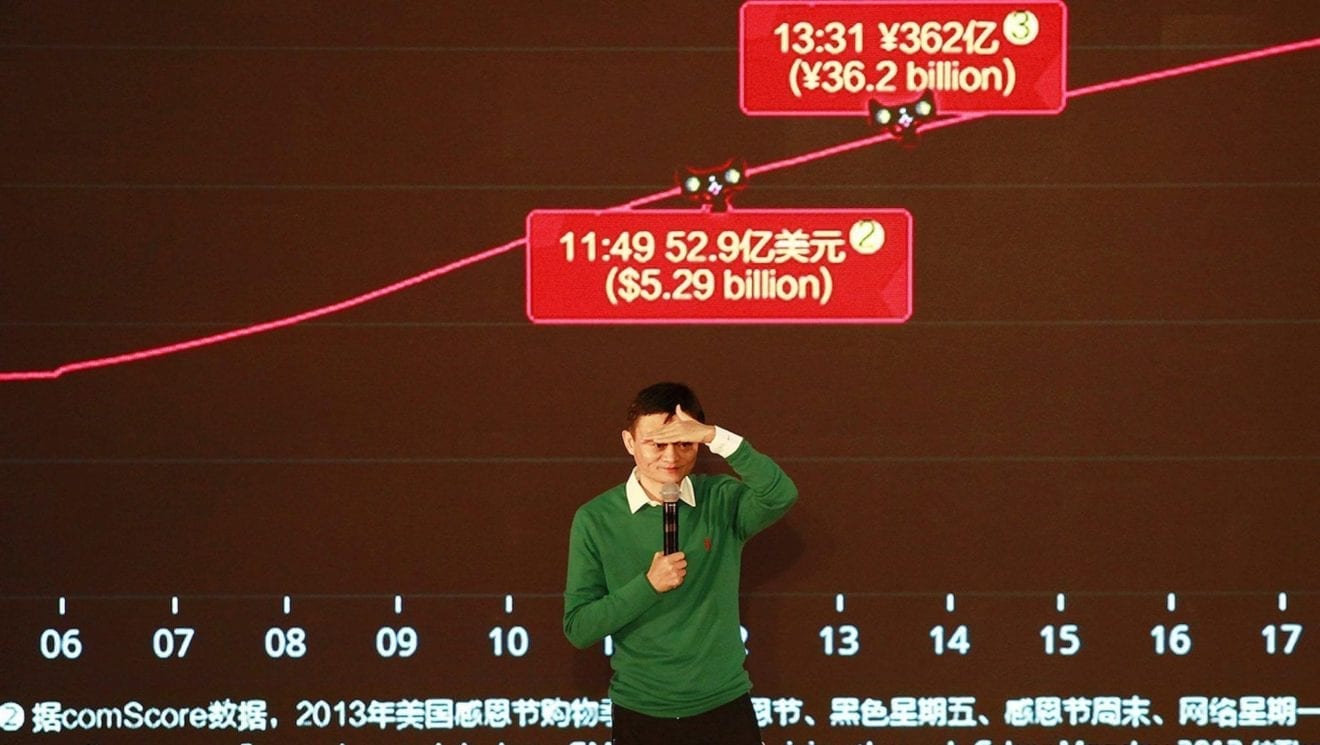
    Alibaba Group Holding Ltd. says sales from its massive Singles Day shopping event totaled $17.8 billion, up more than 24% from the record $14.3 billion sold last year.

    (This year’s total is RMB 120.7 billion, up 32% year-over-year due to fluctuations in the Chinese currency.)

    The most popular U.S. brands as of about 10:30 p.m. CST were, in order: Apple Inc. Nike Inc. New Balance, Playboy, and Skechers USA Inc.

    “Alibaba is using this year’s Singles Day to showcase the number of international brands participating, everyone from Apple, Victoria’s Secret, Burberry, Gap, [and] Nike, acting as the gateway to China for these brands and fulfilling Chinese consumers’ insatiable demand for Western products,” said Danielle Bailey, head of Asia-Pacific research for L2 Inc.

    Victoria’s Secret is in the L Brands Inc.  portfolio.

    Singles Day started strong, with sales of $1 billion recorded in the first five minutes.

    Alibaba Offers Virtual-Reality Shopping on Singles’ Day

    Alibaba is hoping to boost sales from China’s biggest annual online-shopping event–Singles’ Day–with what it claims is the world’s first virtual-reality shopping experience.

    Many U.S. brands have tried and, so far, failed to find success in the Chinese market. Recently, Netflix Inc. said it would abandon efforts to launch a full-service offering in China.

    Wal-Mart Stores Inc.  announced in June that it would partner with Alibaba rival JD.Com Inc. to grow its China business. The partners announced new initiatives in October.

    Apple and Nike are popular in China irrespective of the day, with Nike reporting 21% revenue growth in China in fiscal first-quarter 2017. The U.S. and China are Nike’s two biggest basketball markets, Trevor Edwards, Nike brand president, said on the Sept. 27 earnings call, according to a FactSet transcript.

    The Playboy brand is also popular in China, with items like jewelry and fragrances selling well.

    Starbucks Corp. seized the opportunity to get into the Singles Day festivities, offering a Cocoa Java Mocha beverage exclusively for the day at locations across China. The company also sold gift sets, exclusively-designed gift cards, and limited-edition My Starbucks Rewards Cards 11/11.

    Forty-seven million users purchased international brands, led by U.S. brands, according to L2 data, and 82% of sales were made on a mobile device.

    “With Alibaba distributing different deals across different devices, they have encouraged devoted savings seekers to keep separate shopping carts on their desktops and mobile phones,” said Tim Barrett, retail analyst at Euromonitor International. “Alibaba is grooming a generation of mobile-first shoppers, a move which will pay off greatly when the entire world is addicted to their mobile devices.”

    For Alibaba Chief Executive Daniel Zhang, this integration of sales across different platforms is critical.

    “If you look at this as an online game, people see you will have less margin in the future,” Zhang said, according to the Alibaba live blog of the Singles Day event. “But when we look at the entire landscape, only 10% of China’s total retail is online. What we believe is that at the end of this, online and offline… should be fully integrated.”

    This year, Alibaba introduced virtual reality into the 11.11 experience, as well as games, with 2.6 billion games played, according to L2.

    “Alibaba is blurring the lines between entertainment and e-commerce and extending technologies thought to be simply gimmicks in the West,” said Bailey.

    Even with the eye-popping sales numbers, popular brands and new technologies, Alibaba shares are down 1.4% in Friday trading.

    “In keeping with the de-emphasis of GMV [gross merchandise value] as a reported metric, we expect sales volume to become but one of many focuses of the event, with others being new mobile functionality, innovations and improvements in logistics, new partnerships,” said Deutsche Bank in a note published Tuesday, which calls Singles Day “a PR exercise.” Analysts there expected 35% year-over-year growth.

    Deutsche Bank rates Alibaba shares buy with a $138 price target.

    Alibaba shares are up 14.4% for the year so far while the S&P 500 is up 5.7% for the same period.

  • Victoria’s Secret China unit eyes $1bn sales

    Victoria’s Secret China unit eyes $1bn sales

    L Brands, the parent of Victoria’s Secret, now considers China its most important global market.

    Executives said this week they expect that in as few as five years China, Western Europe and the Middle East will each account for US$1 billion in annual sales. That would put the Victoria’s Secret China operation on a par with the North American business.

    China is “our most important market,” Martin Waters, president of L Brands International, said.

    “Maybe someday we’ll have the fashion show in Shanghai – maybe – because we’re a global brand,” added Leslie Wexner, L Brands’ founder, chairman and CEO. “We have demonstrated that we have the best brand-building ability in the world. People who can’t read English, when they see the Victoria’s Secret name, they smile.”

    As many as 350 million Chinese are expected to watch the upcoming Victoria’s Secret Fashion Show, a sure sign of the brand’s growing appeal there.

    Wexner and Waters were commenting at an investors presentation after the company warned its October same-store sales would fall by up to 2 per cent. The company’s stock price slipped 7.9 per cent as a result.

    But the executives were upbeat about the company’s prospects, comparing the poor quarter to a football match loss.

    “Like Urban Meyer, I’m not happy about getting beaten in any quarter or any game,” Wexner said. “Not having the best-in-world profit margin is, for us, a catastrophe in the same way losing one game in a season is a catastrophe for Urban Meyer.”

    During the last 12 months, L Brands has moved away from franchise model in China in favour of company-owned stores, which works well for it in the US.

    Wexner says his company has focused on a slow, careful expansion in China rather than rush in as some foreign brands had done, to their regret.

    “We’ve been a patient second or slow third… because we thought we would learn more,” Wexner said. “We always asked ourselves: Are you really building a sustainable international business?”

  • Why Victoria’s Secret needs to push a lot of bras at new shop

    Why Victoria’s Secret needs to push a lot of bras at new shop

    Nothing lasts forever.

    Fashion retailer Forever 21 is to withdraw from its Causeway Bay mega flagship store, billed as the most expensive commercial store by rent in Hong Kong.

    The iconic location on Jardine Crescent, which serves as a meeting point for young locals who seek to avoid the hordes of mainlanders outside Sogo, will be taken up by Victoria’s Secret.

    Media reports say the US lingerie chain, which is well known for its sexy bras and gorgeous models, has inked a 10-year lease for the 51,188-square-foot property at HK$7 million a month. 

    That is almost half what Forever 21 is paying now in monthly rental for the six-storey retail space.

    The fashion retailer is coughing up about HK$13.8 million per month, making the space the most expensive of the firm’s over 500 outlets in nine countries, after signing a six-year lease in 2010.

    To get the prime property, Forever 21 was said to have offered a 100 percent increase in rents that started at HK$11 million, helping it dislodge long-time tenants such as Giordano, Watson and Café de Coral.

    That lease will end next August.

    With its decision now to move out of the premises, the US fast-fashion chain has joined a group of foreign brands such as Coach and Gap that have stopped expanding in Hong Kong due to a weak retail sector outlook amid a fall in mainland visitor numbers to the city.

    Last year, Coach made a multimillion-dollar payment to walk out of a lease at Hing Wai Building at 36 Queen’s Road in Central.

    The 13,000-square-foot shop was then taken up by Adidas for HK$4.34 million a month, significantly less than what Coach had been paying.

    Opposite to the former Coach flagship store was the former Gap flagship store, which had been leased for HK$5 million per month since 2010.

    But this year, Gap has discontinued its Mongkok shop in MPM Plaza, according to Apple Daily.

    Meanwhile, Forever 21 moved across to Mongkok in September, opening a 19,000-square-foot outlet at the Pakpolee Commercial Centre, its second outlet in Hong Kong.

    Now, coming back to the new tenant that will replace Forever 21 at Capitol Centre in Causeway Bay, the question for Victoria’s Secret is this: how many sexy bras will it need to sell to be able to pay the rent?

    Assuming an average HK$500 price for push-up bras, the premium lingerie maker would need to sell at least 466 bras per day to meet the rent.

    As rent usually accounts for a third of the cost of sales, that would mean that Victoria’s Secret will have to peddle 1,400 bras per day before making a single dollar of profit.

    In other words, they need to sell more than half a million bras in one store alone in a year.

    Over the 10-year rental period, the store will need to sell over 5 million bras, something we would imagine wouldn’t be too easy.

    Given this, don’t be surprised if you see the retailer opt for a lift in its product prices.


  • Bottom line: brands chase China’s high-end lingerie market

    Bottom line: brands chase China’s high-end lingerie market

    High-end lingerie sales are outpacing China’s generally downbeat luxury market, and heating up competition between international brands and local rivals looking to go upmarket.

    U.S. brand Victoria’s Secret will open its first store, and companies including Italy’s ultra-luxury La Perla and Germany’s Triumph are adding stores and moving beyond China’s mega-cities to tap a lingerie market that has more than doubled in five years to $18 billion, according to Mintel Group.

    Chinese consumer tastes are maturing, women are more confident about buying for themselves and President Xi Jinping’s drive against conspicuous consumption is likely diverting spending from flashy branded bags and accessories to sports and ath-leisure wear and the more discreet lingerie.

    “Luxury is … not about buying to show off, it’s about buying items that make you feel good,” says Chiara Scaglia, La Perla’s Asia chief.

    China’s women’s underwear market is expected to have a retail value of $25 billion by next year – double that of the United States – and will grow to $33 billion by 2020, according to Euromonitor.

    Chinese firms such as Beijing Aimer, Maniform and Ordifen are also chasing that money, targeting higher-end customers and raising their quality.

    “That means foreign brands will have to out-compete local brands not just on quality, but also innovation,” said Matthew Crabbe, director at Mintel.

    For now, the market is highly fragmented, with none of the leading firms having more than around a 3 percent share. International brands see China as a priority to help bolster overall sales given a fairly bleak global outlook.

    La Perla, which sells bras priced around 2,000 yuan ($300), has eight stores in China and plans additional outlets in Chengdu and Chongqing within the year. It also aims to open a men’s store in Beijing.

    “The perception of the lingerie sector has changed,” Scaglia told Reuters. “At the beginning many people we spoke to were confused as to why anybody should spend over $1,000 on panties for something nobody sees.”

    EXPANDING FOOTPRINT

    Victoria’s Secret will open a 20,000 square foot (1,860 square meter) flagship store in Shanghai this year, taking over a prime downtown location that used to house a Louis Vuitton store. “I think it will announce our arrival in China in a very significant way, and should be the beginning of an enormous business for us,” said Martin Waters, L Brands International President.

    Triumph, which already has 1,000 China stores, plans to open in five new cities this year and up to 11 cities next year.

    Cosmo Lady (2298.HK), a Chinese firm that has focused on the mass market, selling bras from 50 yuan ($7.50), last year bought Ordifen to increase its presence in the luxury market.

    “We would like to gradually step into the high-end market,” said Peter Lam, Cosmo Lady’s assistant chief financial officer.

    Gao Qiannan, a 22-year-old Shandong student who says she spends upwards of 1,500 yuan a year on lingerie, doesn’t think there’s a big difference between Chinese and foreign brands.

    “If I can buy a domestic brand, I will, but if I particularly like the international brand’s style, I’ll get that,” she said.

    The international brands say they don’t offer products specifically for the Chinese market, though La Perla notes that some colors – red and baby pink – sell far better in Asia than in Europe or the United States. The Italian brand has also used Chinese supermodel Liu Wen in its campaigns.

    Japanese and South Korean brands are also growing in popularity in China.

    Yin Huijuan, 23, who spends 800 yuan ($120) on lingerie every three months, said she prefers Japanese brands such as Wacoal and Narue. “I feel foreign brands’ style is more detailed and diversified, these are areas where domestic brands fall short,” she said.

    CONSUMER CAUTION, ONLINE COMPETITION

    Even in the lingerie market, though, there are bumps.

    Cosmo Lady, which has 8,600 outlets including Ordifen’s 550 China stores, saw robust growth in its mass market sales last year, but has warned about its profits for the first half of this year, citing China’s slowing economic growth, consumer caution and competing online sales.

    Hong Kong-listed Embry Holdings (1388.HK), which owns the Embry Form lingerie brand, said its group retail sales slipped by nearly a fifth in April-June on tougher competition and the economy.

    Despite those bumps, the lingerie sector retains a strong appeal, said Eugene Mak, an analyst at China Merchant Securities in Hong Kong, and firms like Cosmo Lady are still outperforming other apparel retailers.

    He predicts the market will hit a consolidation phase at some time. “It’s a very young market, but in the near-term it’s going to be messy,” he said.

    (Reporting by Farah Master, with additional reporting by Giulia Segreti in Milan, Shanghai newsroom, and Sharon Shi and Joyce Zhou in Hong Kong; Editing by Ian Geoghegan)
  • Singapore retail rent decline worsens

    Singapore retail rent decline worsens

    The Singapore retail rent decline gathered pace in the last quarter according to data from Edmund Tie & Company.

    In the second quarter, retail rents across the board fell by 3.9 per cent quarter-quarter.  That was double the 1.9 per cent decline of the preceding quarter.

    Amid weaker demand, occupancy levels also dipped, falling by 0.5 percentage points quarter-on-quarter to 92.2 per cent.

    “In light of declining rents, several established retailers have taken – or are taking – advantage of the lower rents to reinforce their brand presence in Singapore through flagship stores,” the company’s quarterly review said.

    These include:

    • Choo Yilin at Mandarin Gallery.
    • HP at Marina Square.
    • Christian Dada at 268 Orchard.
    • Victoria’s Secret at Mandarin Gallery.
    • Uniqlo at Orchard Central.
    • Michael Kors at Mandarin Gallery.

    victoria secret

    “As the sector undergoes bouts of restructuring, retailers are also constantly reinventing themselves to reach out to the rising number of technological-savvy consumers. This includes the recent launch of digital wallets (eg: Apple Pay, Samsung Pay, Android Pay) which a string of established retailers have adopted, including Starbucks, Uniqlo, NTUC FairPrice and Cold Storage.”

    Headquartered in Singapore and supported by offices in Kuala Lumpur and Bangkok, Edmund Tie & Company is an established real-estate consulting firm that operates across Malaysia, Thailand and other countries in Southeast Asia.

  • Cosmo Lady to go global

    Cosmo Lady to go global

    Hong Kong-listed lingerie brand Cosmo Lady says it will venture into overseas markets to seek global business partners.

    The first Chinese underwear brand to go public, two years ago when it launched on the Hong Kong Stock Exchange, Cosmo Lady is seen in China as “the Oriental version of Victoria’s Secret”.

    In 2015, Cosmo Lady ranked number one in the overall China’s intimate wear market with a market share of 3.3 per cent and total revenue increased by 23.6 per cent to about RMB 4.95 billion. Cosmo Lady Group primarily focuses on the design, research, development and sales of its own branded intimate wear products including bras, underpants, loungewear, thermal clothes, hosiery and other items. While China’s underwear market been growing by 10 per cent year-on-year over the last few years, the company believes there are also big opportunities to expand offshore.

    Cosmo Lady opened 1032 retail stores 2015 and its distribution network now comprises 8050 retail stores in more than 330 cities.

    “Cosmo Lady will continue its progressive expansion strategy of retail network in five major types of locations, including commercial streets, residential neighborhoods, transportation hubs, school zones and supermarkets and its high-end retail network in malls, department stores and shopping centers,” the company said in a statement.

    Chairman and CEO Zheng Yaonan said the company will progressively expand in locations with not only the lower market share but also high growth potential, and continue to explore the industrial external growth opportunities.

    “At the same time, Cosmo Lady will also be committed to improve core competitiveness and outperform their competitors through a series of initiatives such as the expansion into overseas markets and the collaboration with other well-known underwear brands, which will the company’s long-term strategic plan.”

    This year, Cosmo Lady secured the rights to use Walt Disney characters on several specially-designed underwear lines.

    The brand launched its latest range last April, reaching more than 200 million people through live broadcasts on social media platforms such as Weibo and WeChat.

    “It is the company’s ambition that in the future Cosmo Lady will hold an Oriental version of the Victoria’s Secret fashion show in the US.”

  • Victoria’s Secret China beauty shops bought back from franchise

    Victoria’s Secret China beauty shops bought back from franchise

    The Victoria’s Secret Beauty & Accessory (VSBA) retail outlets in question are all situated within malls or airports across China, and sell a selection of the brand’s beauty products and accessories.

    Until now, they have been owned and operated by a domestic franchise partner within the country, but the move by L Brands to take on the stores suggests the US-based parent company is keen to assert itself in China.

    Speaking as part of the company’s annual meeting, CEO Les Wexner described China as the brand’s “second home market”, with the company asserting it is now ready to take full control of its brand presence in the country.

    Taking on the ‘heavy lifting’

    According to the company, L Brands considers China to be a market which demands focus and attention from brands operating within it, due to the complexity of the market.

    “As we look forward and we think about the scaling opportunity of the market and we combine that with the complexity [..] around regulatory affairs, how we build our stores, how we operate those stores, it seems to me that we’re going to be doing most of the heavy lifting anyway,” the company’s international president, Martin Waters, explained.

    “It makes sense that we should be in it completely,” he confirmed.

    Along with taking on responsibility for the current VSBA portfolio in the country, L Brands announced that it will also now launch flagship stores in Shanghai and Beijing, develop its presence within the country’s malls, and foster a strong online sales model too.

     China beauty regulation

    Responding to the complexity of China’s beauty regulation is a savvy move on the part of L Brands, as for now, the country remains notoriously tricky to navigate for the industry.

    However, industry insiders observe that the government is making moves to simplify regulation for beauty, and move towards a model of ‘industry-led’ regulation instead.

    Speaking at the recent in-cosmetics Paris event, Dr Gerald Renner, director of technical regulatory affairs for Cosmetics Europe, explained that the ongoing shift will result in greater in-market control.

  • Slow growth for Victoria’s Secret parent

    Slow growth for Victoria’s Secret parent

    Victoria’s Secret parent L-Brands has kicked off its new fiscal year with a reasonable set of numbers.

    However there is a distinct softness to the total growth rate which is significantly down on the last quarter even against a fairly reasonable prior year comparative. Same store sales growth has also halved since the end of the last fiscal year.

    More worrying is net income, which fell by 39 per cent over the prior year. Although the bulk of this decline is related to the one-off gain from last year when the company sold its interest in a third-party apparel sourcing business, a decline in operating income also contributed to the fall. In essence, cost growth outstripped sales growth during the first quarter.

    The reason for the softness is mostly down to a weaker, though still positive, performance at Victoria’s Secret. Here comparable sales increased by just 2 per cent – an uncharacteristically slow pace, and one significantly down on the 5 per cent attained last quarter. Despite the net addition of a handful of new stores over the past year, total growth from shops was virtually flat, with a comparatively subdued rise of 1 per cent in same store sales. Performance at the direct part of the operation was only somewhat better with a  2 per cent uplift in sales.

    There are a few reasons for the downtick in growth at Victoria’s Secret. The first was an aggressively promotional market, against which despite its usually loyal customers Victoria’s Secret had to work hard to compete. The second was a somewhat less interesting product assortment which, while still reasonable, did not have hits like last year’s Bombshell bra. And the third was a weaker performance from non-core categories like swimwear, which the company has indicated it will cease selling by the year end. Combined, these things helped to erode growth.

    As genuine as these excuses are, there is also a question mark over whether the brand is reaching saturation point, especially within a market that has become more competitive with nimble players like American Eagle Outfitters’ Aerie. Victoria’s Secret still has headroom for growth, but there is no doubt that it is now having to work a lot harder to secure it. Key to achieving better numbers will be a very disciplined approach to categories outside of lingerie – an area where the company has struggled with both apparel and more recently swimwear. By getting rid of these failing areas, a focus on the more logically adjacent activewear category holds better potential.

    Performance at L-Brands’ other main division, Bath & Body Works, was robust with comparable sales up by 6 per cent. Bath & Body Works success is down to a consistently strong product offering, good gifting ideas which boosted performance over Easter, accessible price points, and friendly store environments with good service levels. All of these ‘ticked boxes’ helped the company to do well, in a competitive environment.