Tag: vietnam taxi

  • Vietnamese taxi firm to get support in lawsuit against Grab

    Vietnamese taxi firm to get support in lawsuit against Grab

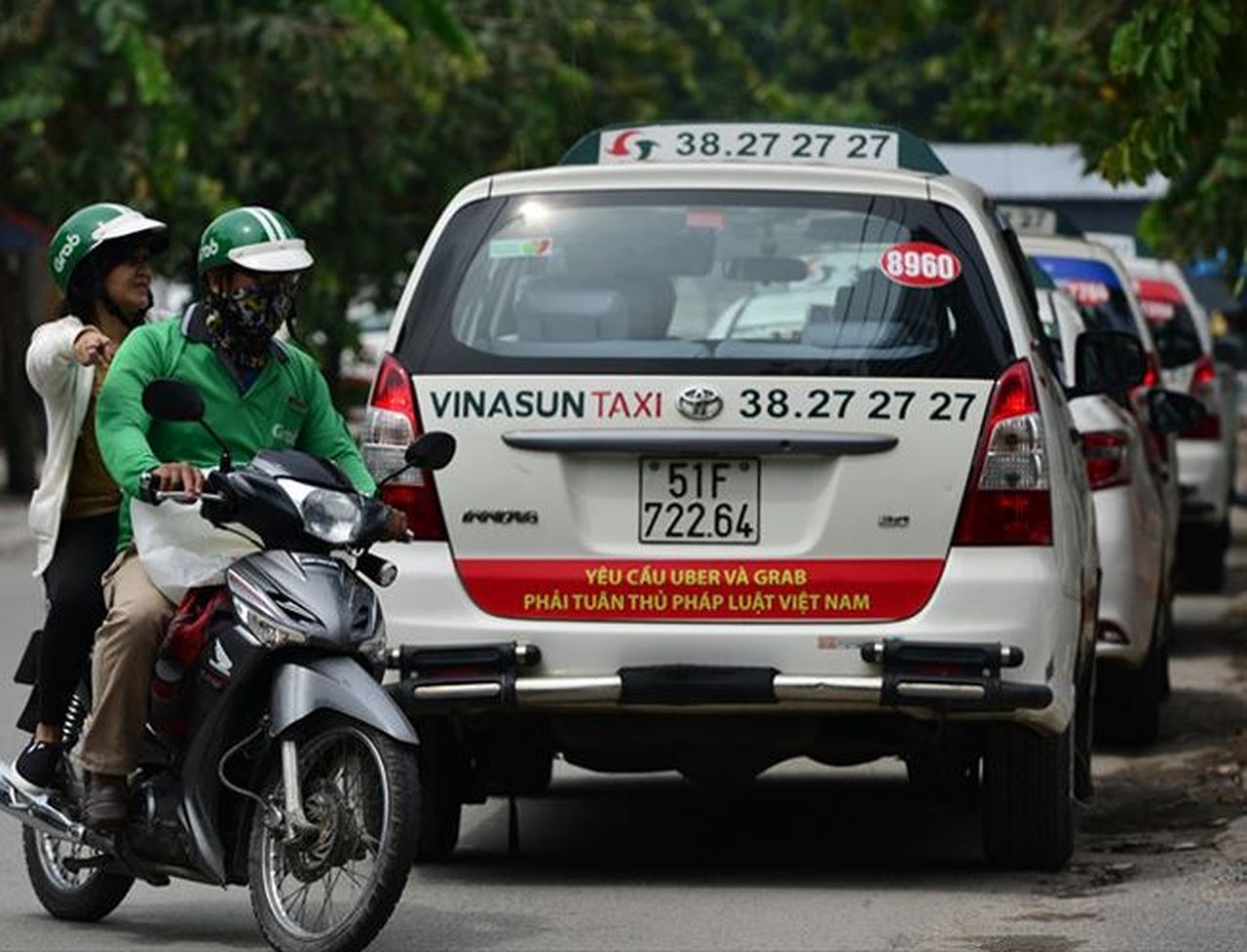
    Prosecutors have argued in a trial in HCMC that Grab must pay Vinasun compensation for losses it caused through “unhealthy competition.” At a hearing Tuesday the city People’s Procuracy rejected ride-hailing firm Grab’s argument that the court had no jurisdiction over the case, saying it does since it is a commercial dispute.

    Prosecutors also asked the judges to deny Grab’s request to summon representatives of Vietnam’s Ministry of Transport, other companies participating in the ministry’s pilot scheme for ride-hailing services and the company responsible for estimating Vinasun’s losses.

    As for Grab’s claim it is a tech firm and not a taxi company, they said since the firm directly assigns drivers, sets fares, sets regulations for drivers, and offers promotions, there is enough reason to dismiss this too.

    “Vinasun’s demand for compensation for reduced profits is well founded since Grab was dishonest in its business declaration and ran promotions in contravention of regulations, causing over 70 percent of Vinasun’s customers to switch to Grab due to lower fares.”

    Vinasun’s after-tax profit was nearly VND320 billion ($13.7 million) in 2015 and VND295 billion ($12.63 million) in 2016, but dropped to VND53 billion ($2.27 million) in the first half of 2017, by which time over 8,000 drivers had quit and hundreds of cars had stopped running due to a lack of drivers.

    Prosecutors asked the court to accept Vinasun’s petition for compensation of VND42 billion (nearly $1.8 million) in one payment.

    Grab continued to insist the case did not come under the court’s jurisdiction and that it is a tech firm.

    Dismissing the claim it had caused losses to Vinasun, Grab cited market research purporting Vinasun has been losing customers due to other reasons such as driver’s attitude, long waiting time and declining car quality.

    Vinasun filed the suit against Grab at the HCMC People’s Court in June last year accusing the Malaysia-based firm of abusing the Ministry of Transport’s pilot scheme and committing violations.

    Claiming Grab’s illegal activities had caused damages to it, Vinasun claimed to have suffered losses of nearly VND76 billion ($3.25 million) in 2016 and the first half of 2017, of which nearly VND42 billion (nearly $1.8 million) was caused by Grab.

    The trial began last February, but was first adjourned a month later due to the need for more evidence and again last month when Grab protested against the evaluation of Vinasun’s losses and refused to attend.

    The court is scheduled to hand down its verdict next Monday.
  • Vietnamese taxi company sues Grab for unfair business practices

    Vietnamese taxi company sues Grab for unfair business practices

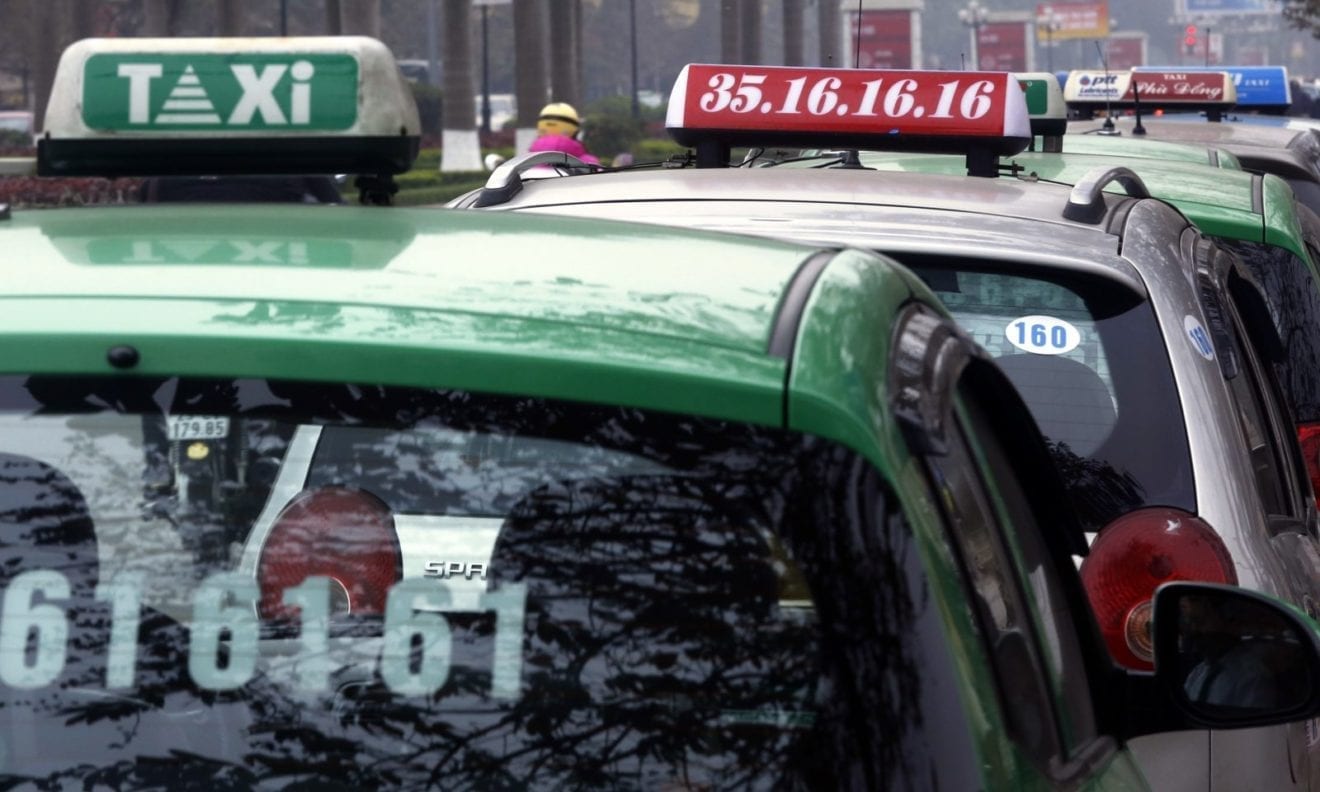
    HCM City People’s Court commenced trial looking into the suit initiated by the local domestic taxi operator Vinasun against the popular ride hailing service, Grab, on accusations of unfair business practices.

    Vinasun, once a dominant player in taxi transport in the southern region, has seen its market share gradually eaten away by Uber and Grab as they continue to gain popularity, especially as the number of smartphone users in the country rises.

    Vinasun claims the ‘illegal operations’ of Grab in Việt Nam are to blame for the company’s falling revenues in 2016 and 2017 – a VNĐ40 billion (US$1.756 million).

    Trương Đình Quý, deputy director-general of Vinasun, based their complaint on the trade law and government’s Decree 37 issued in 2006, which clearly states that the duration of total promotion deals in a year must not exceed 90 days and each promotion programme is not to last beyond 40 days. In addition, businesses that want to hold promotion events must register with the municipal or provincial commerce department.

    Quý alleged that in recent times, exploiting the pilot window that the transport ministry granted for software-based transport services, Grab has conducted “rampant” promotion deals and discounts, akin to the practice of “dumping” of manufactured goods.

    Vinasun also claimed that the company needs to observe 13 regulations, while Grab only has to follow three, creating unfair competition in the field of passenger transport.

    “Industry 4.0 apps are an inevitable trend. However, being just an app-based ride hailing service, Grab has disrupted the taxi transport sector, causing several implications to State management activities in tax collection and ensuring social security for those work for Grab,” Quý said.

    “In addition, Grab drivers themselves are encountering difficulties when the company collects up to 25-28 per cent from the taxi drivers’ earnings as commissions. Even more concerning, Grab Việt Nam reported charter capital of VNĐ40 billion while they claimed they turned a loss of VNĐ938 billion, which earned them special supervision by the finance ministry,” Quý said.

    Quý said that the company has prepared for the case over the last year and is ready to fight against Grab and Uber to the end in a “legally transparent” manner.

    Grab’s lawyers, on the other hand, contended that Vinasun’s allegations are baseless and that their software solution has actually created fair grounds for competition between conventional taxi operators. They also argued that Vinasun’s evidences and methods of loss calculations are all questionable. On these grounds, Grab asks the court to either suspend the lawsuit or reject Vinasun’s case entirely.

    The trial yesterday morning attracted a crowd of taxi drivers from Vinasun and Mai Linh, another well-known taxi company in the country, anxiously awaiting the outcome that could determine the course of their futures.

    Former supreme judge Phạm Công Hùng said that the outcome of the case depends on who has the weightier evidence in court.

    “With that being said, I fully support Vietnamese businesses’ wanting to take matters to court if they see their interests have been violated. This is a totally civilised way of settling business disputes,” Hùng said.

    This is the first time the increasing tension between conventional taxi operators and their app-based counterparts took to the fight to the courtroom, all while Vietnamese lawmakers seek to construct appropriate legal tools to effectively regulate these emerging services.

    A new draft decree is in the works, which would require Grab and Uber offices in Việt Nam to register for licences as an enterprise doing ‘electronic business’ and transport cars must have easily identifiable logos on both front and back windows.