Tag: vietnama

  • Vietnamese unscathed by U.S. tech meltdown

    Vietnamese unscathed by U.S. tech meltdown

    The recent layoffs by tech firms in the U.S.’s Silicon Valley have not significantly affected Vietnamese there, and things will return to normal soon, Le Chan, chief engineer at AI startup TruEra, tells VnExpress.

    Layoffs.fyi, the layoff statistics site, shows that more than 100,000 technology employees have been laid off in Silicon Valley this year, including by giants like Meta, Twitter and Amazon. As chief engineer at TruEra, a startup in the field of artificial intelligence in the U.S., and founder of the Viet Tech community, what do you think about this?

    Actually, I’m not too surprised because I think the number should have been much higher. If the economic situation does not improve next year, other problems will arise. The next layoff will be worse than the first one.

    I think the number released by Layoffs.fyi is quite accurate because each of the big companies such as Amazon and Meta contributed tens of thousands. I even think the actual number could be 150,000.

    My own company is a much smaller startup, so we don’t have layoffs. Normally, we face an employee shortage. During the recent Covid outbreak, big tech firms hired on a large scale because they thought after the pandemic there would be an economic boom with everything going up and never down.

    But in reality there isn’t. They’re public companies with shares issued and listed, so they face pressure to sack people to improve their financial situation. Normally, it is difficult for common startups to recruit staff. Now, when large companies lay off employees, smaller firms can recruit them. For small companies, it is actually a good time to hire people now.

    In your opinion, which group is most affected by the tech layoffs?

    The group most affected and I feel the most sorry for is probably young people who have just graduated or are about to graduate. When companies don’t recruit staff, they don’t hire anyone. First of all, they don’t recruit new graduates. Most startups just want to hire people with work experience who can do the job right away. Big companies, too. If a big company stops hiring, it often prioritizes stopping recruitment of new graduates first. New graduates need to be trained; it will take time for them to start working effectively.

    The second group most affected is those who work here on H-1B visas. Most tech people working here are on that kind of visa. Once the visa holders are laid off, they have only 60 days to find a new job. Failing this, they are required to leave the U.S. for their home countries. After returning to Vietnam, it is very difficult to return, right? Normally it takes about 1-2 months to prepare for interviews, and then it takes the same period of time to go for an interview.

    The founder of the Vietnam Tech Society estimated that some 1,000 Vietnamese engineers were affected by this layoff. What do you think about the figure? How have Vietnamese been affected?

    I see many Vietnamese in this tech industry being affected, but I don’t know the exact number because there are no precise numbers. The founder estimated that 1,000 people were affected, but I think it must be much higher.

    There are many Vietnamese people in the U.S., and many Vietnamese work in the tech industry. But I think this layoff is just in line with the economic cycle. When the economy goes down, these things will inevitably happen, not because you are bad or anything but just because the economy is bad and companies have to make difficult decisions.

    Vietnamese engineers are the same as engineers in other countries. In fact, whoever can do the job is recruited and respected. I don’t see much difference between Vietnamese and foreign engineers. Laid off engineers in fields other than technology will find it much harder to get a new job. So, in fact, tech workers still have a huge advantage compared to those in other fields. Now the tech industry is facing a little difficulty because it went up strongly in the past. Now it is going down.

    I found that Asian engineers in general are very hardworking and work quite well. I think it’s going to be okay. There will be layoffs; there will be ups and downs; and there will be times when companies have to decide to lay off. But eventually everything will be back to normal, especially when most people are working pretty well. I don’t think it’s a big deal.

    Many experts believe that famous foreign tech talent in Silicon Valley have houses and cars but their cash is limited. When there are no jobs, they still have to make ends meet. So what’s the situation like?

    This is not correct. In Silicon Valley, a fresh graduate can easily get a job with an income of more than $100,000 per year. It is not too difficult to get $200,000 a year from big tech companies like Google, Facebook and Amazon.

    With such a salary, minus taxes of 30%, they still have some $70,000, completely enough to live on. Anyone who says that laid off tech people have no money or have to live from hand to mouth has never worked as a tech person or has stood outside looking in. I don’t see any tech guys complaining about not having money to live by.

    Fresh graduates can earn $100,000-200,000 a year, or maybe less if they work for smaller companies. After about two years of experience, their income is around $300,000, and with two more years of experience, it is $400,000-450,000. With more years of experience, it is up to $600,000-700,000. With such an amount of money, it is very hard for them to have any problem unless they have done something very, very wrong.

    But it is obvious that, if you are earning some $600,000 and your firm suddenly fires you, it will be hard for you for a while, but not to the extent and not as miserable as some people in Vietnam think.

    Being fired is a bad thing, right? But actually, the compensation you get when you get fired in the first layoff is usually better than later ones.

    Some companies like Meta offer four months’ salary. I know that some other companies like Snapchat offer two or four months’ salary. So that’s a really good deal for sacked people.

    Engineers in tech companies not only get salaries, but also bonuses. And what is more important is the shares the companies give them like in Vietnam. I used to work in Vietnam where employees are paid a 13th month’s salary and Tet bonus.

    But it is a little different here. In the tech industry, in addition to monthly salary, you have the company’s stock. Usually its market value is equal to the salary, so the sum of money is good.

    Obviously, it is very difficult to find a new job. People have to prepare for job interviews, but I think they will find a new job, because the market is not short of jobs. It is just difficult for people who do not want to prepare for interviews or want to work only for certain companies. There is no shortage of jobs in general.

    It is not easy to find a new job within 60 days, but if you have experience, it is completely doable. If you have no experience, it will be fairly easy during this period of time.

    I think there are always ways to overcome all difficulties in life. Always.

    Tech companies in Silicon Valley mostly recruit foreign talent through the H-1B visa policy. The visa was once considered Silicon Valley’s tech talent reserve. Do you think that this round of layoffs poses a risk of drowning tech talent?

    Small groups will be affected, right? As I said earlier, undergraduates and new graduates are affected for a short period of time. In reality, they have their own directions. For H-1B visa holders, they will have other ways to continue to stay in the U.S., or continue to get the visa. There will always be a way out. It may be much more difficult than in the previous period, but there will always be a road to keep walking if you want to stay in the U.S. and to continue to work. They include accepting new jobs with lower pay and going back to school.

    I don’t think tech talent will get drowned. It is not so bad.

    What consequences will the layoffs have for Silicon Valley and the U.S.?

    Every year the U.S. issues 65,000 H-1B visas. The latest layoff affected about 150,000 people, but not all of them have H1-B visas. So that number is not big enough to affect the future of Silicon Valley. There are a lot of tech people in Silicon Valley in particular and many more in the U.S. in general. America has always been a very big tech hub of the world. Silicon Valley has always been a hub that attracts tech talent.

    With the 150,000 laid-off people, assuming that some 10% of them, or 15,000-20,000, have to go back to their native countries, it will not have a big impact.

    Labor shortages have happened in the past, are happening now, and will possibly happen in future, but 20,000 people is just a drop in the bucket. A company like Meta last year seemingly hired such a number of people. So if they have to return to their home countries, it does not matter too much.

    There are some other contributing factors, like venture capital funds. I see that some big venture capital funds pumped less money into startups over the past six months, but then started pumping again when there was a wave of generative artificial intelligence. Silicon Valley will have new technologies. Then there will also be new inventions, then everything will return to the old trajectory, money will still be pumped in, people will be recruited, assets of companies in Silicon Valley will increase as before…

    I do not know about the distant future, but I think in the near future, after this period when the economy bounces back, the stock market goes up again, and companies no longer face the pressure to lay off, the tech industry will be back to normal.

    I strongly believe that in the next 2-5 years, everything will return to the way it was, everything will go up again.

    Given the current situation, what will you advise new graduates or those who are applying for tech firms?

    This is the worst time for them to graduate now, so options are very simple. You do not have to graduate, right? You can continue to study for a master’s degree, or a PhD degree. Obviously, if you have a job, just go to work, do not wait. Take many interviews at many companies. You should accept many different offers. Do not just take one offer and then stop. Nowadays, many companies make an offer and then withdraw it.

    I think you should choose a company with good financial potential, which is performing well, making a lot of money, having no pressure from shareholders to sack people or cut costs.

    The second direction is choosing startups that have full funding. The simplest option is choosing startups which have just raised funds. Such companies will not have much pressure to lay off employees.

    There are a lot of ways. You have to open your mind a bit more. Do not think the U.S. is the only destination. Do not think it is obligatory to work in Silicon Valley. It is a very good place to work, and to develop your tech career. But if that option is not good right now, there are other options that are ok. They are not so bad.

    Singapore, Canada and Europe are all very good options for career development, personal development, family and other issues. Then you can go back to the U.S. later. It is not a big deal. It will be much more difficult but not impossible to achieve.
  • Queue greets H&M Vietnam launch in HCMC

    Queue greets H&M Vietnam launch in HCMC

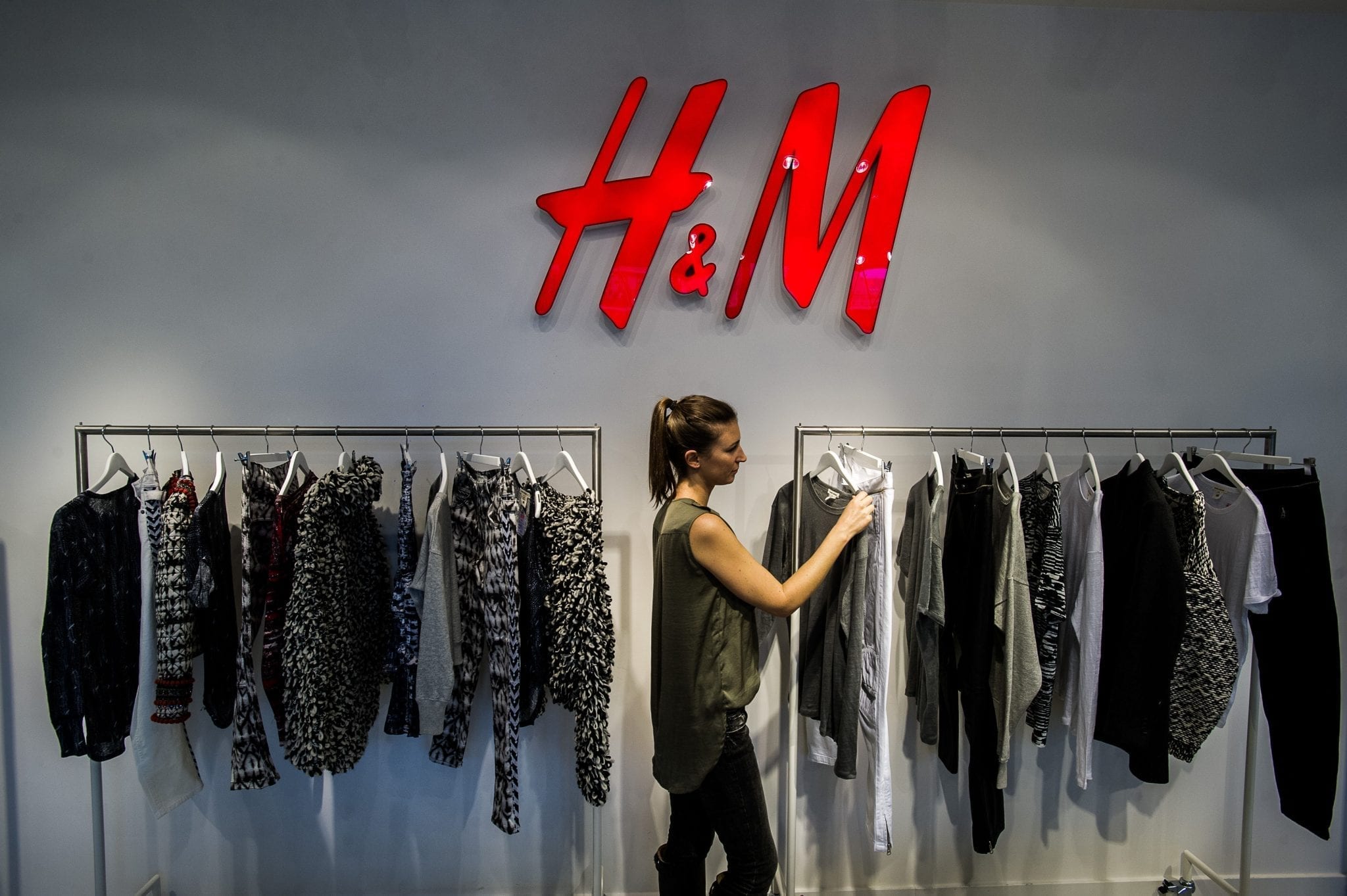
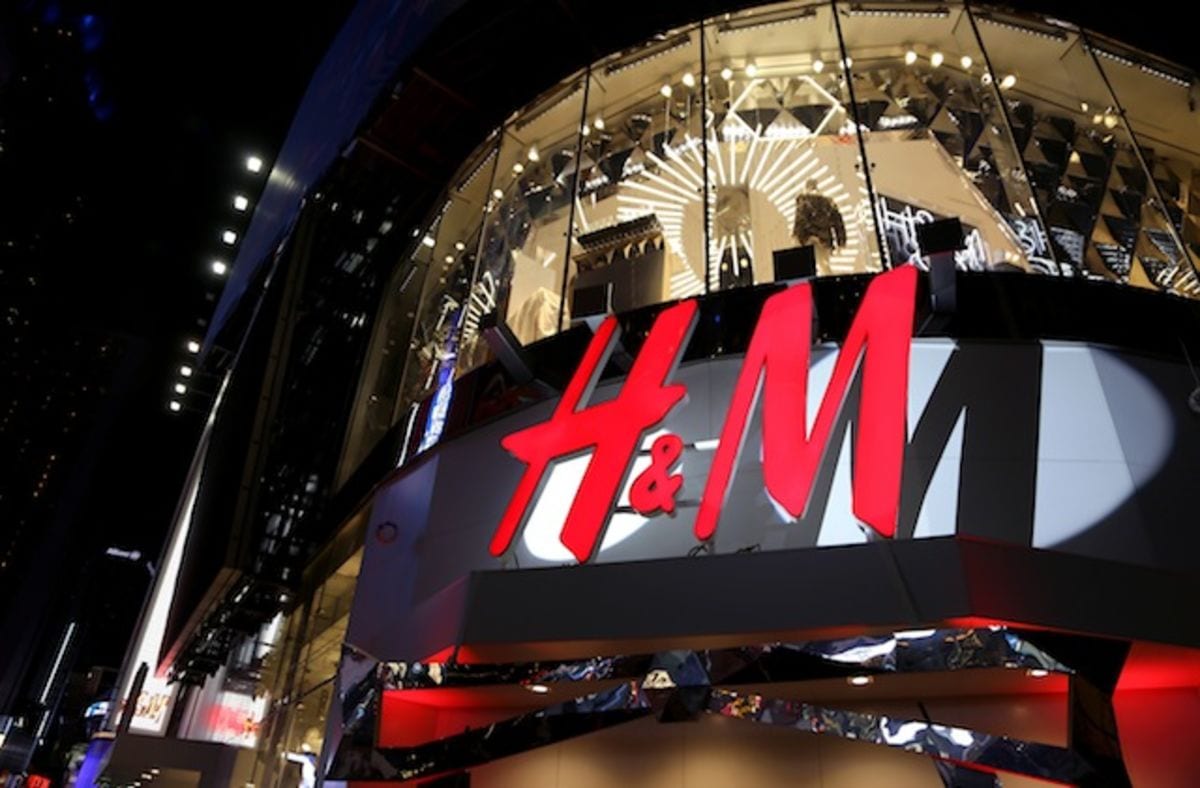
    Queues marked the official launch for H&M Vietnam, with more than 4000 customers on its first day in Vincom Center Dong Khoi, Ho Chi Minh City.

    It announced the opening a month ago on its Facebook page.

    The first 1000 customers at the Swedish fast-fashion brand’s new shop were each given a limited-edition bag, while other shoppers received shopping vouchers.

    H&M Southeast Asia CEO Fredrick Famm says the timing is right for the company to expand to Vietnam. “H&M has been researching and preparing for its Vietnam expansion for a long time.”

    Famm says H&M is looking for further locations in Vietnam.

  • Vietnamese street food favored over foreign fast food chains

    Vietnamese street food favored over foreign fast food chains

    Several Burger King shops in HCMC and Da Nang have closed, while Lotteria has also shut down ineffective shops. Other giants have not closed many of their shops, but they are cautious developing their chains.

    McDonald’s, when setting foot in Vietnam, stated it would open 100 shops within 10 years. However, after three years in Vietnam, the giant has opened only 15 shops.

    A representative of Lotteria admitted that competition in the fast food market is getting stiff with many foreign and domestic brands.

    Some brands have shut down shops because their menus were not suitable to Vietnamese tastes and the prices were not competitive.

    Nguyen Huy Thinh, managing director of McDonald’s, said it was normal for fast food brands to shut down unprofitable shops, while a representative from Burger King said the chain’s business has been going well with a two-digit growth rate.

    However, Hoang Tung, a branding expert, blames the failure of some fast food chains on the difference between the food and Vietnamese tastes.

    Burger King, for example, develops products based on burgers as the core product.

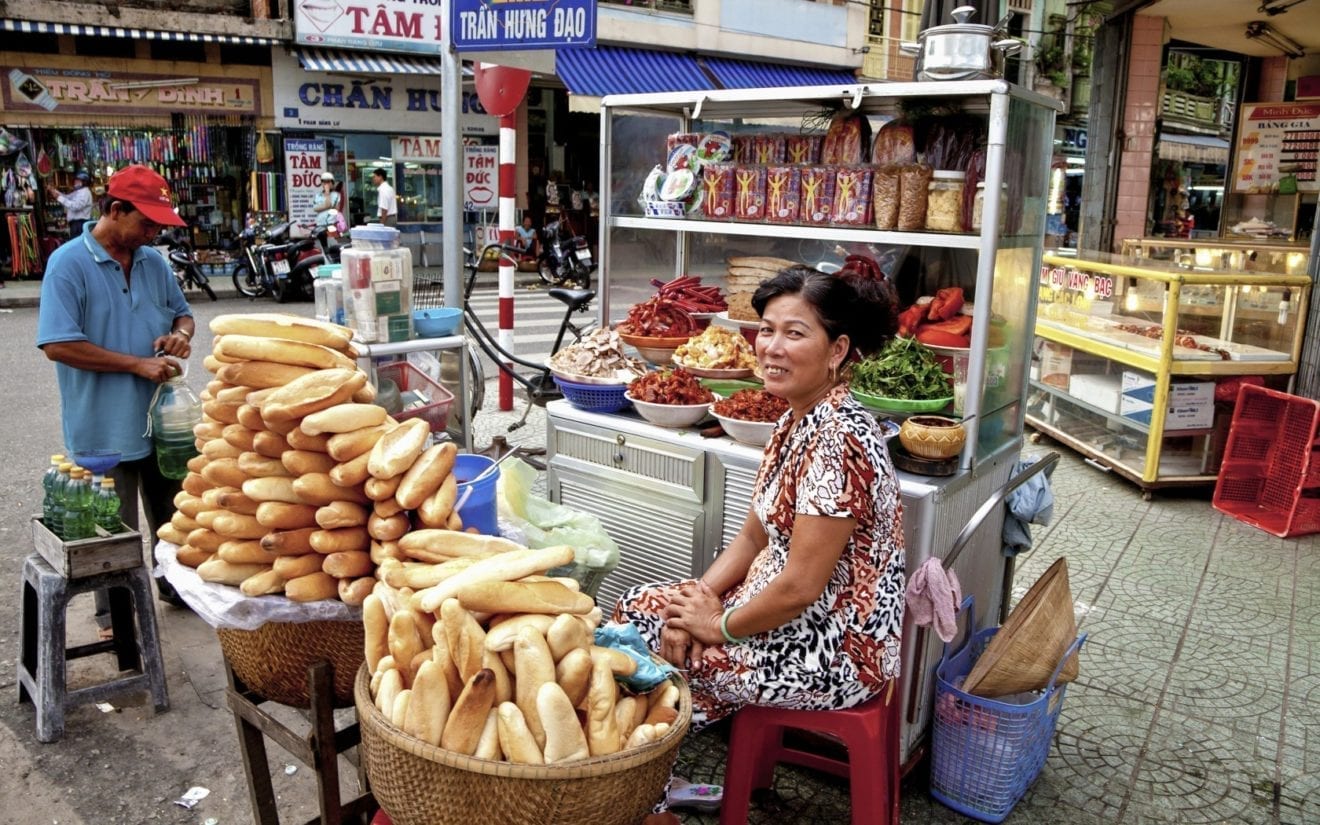
    “Vietnamese still prefer banh my (sandwich) and banh my is cheaper than a burger,” Tung said. “This is why the burger chain expansion has slowed down, while banh my chains have been booming.”

    Tran Anh Tuan, CEO of Pathfinder, a consultancy firm, also said that some fast food chains are not positioned well in the domestic market, and products don’t change regularly. And the price is too high compared to consumers’ income.

    “Fast food, in foreign countries, is generally for the masses. But in Vietnam, fast food chains target high-income earners,” he explained.

    Fast food… and rice

    While western-style fast food chains are not thriving, Vietnamese and Asian food brands are doing well.

    Anh from Pathfinder said that many Japanese and Korean food chains have appeared i which are closer to Vietnamese tastes.

    “Korean fried chicken chains have been developing rapidly because they have reasonable prices and fit Vietnamese tastes,” he said.

    In the past, only a few fast food chains sold Vietnam rice, but now it is a major dish on menus.

    MOIT has granted licenses to 148 foreign brands to enter the Vietnamese market in the last eight years.

    This includes 42 fast food, bakery, coffee, beverage and restaurant brands, accounting for 43.7 percent of the total.

  • JW Marriott Phu Quoc Emerald Bay crowned Asia’s leading new resort

    JW Marriott Phu Quoc Emerald Bay crowned Asia’s leading new resort

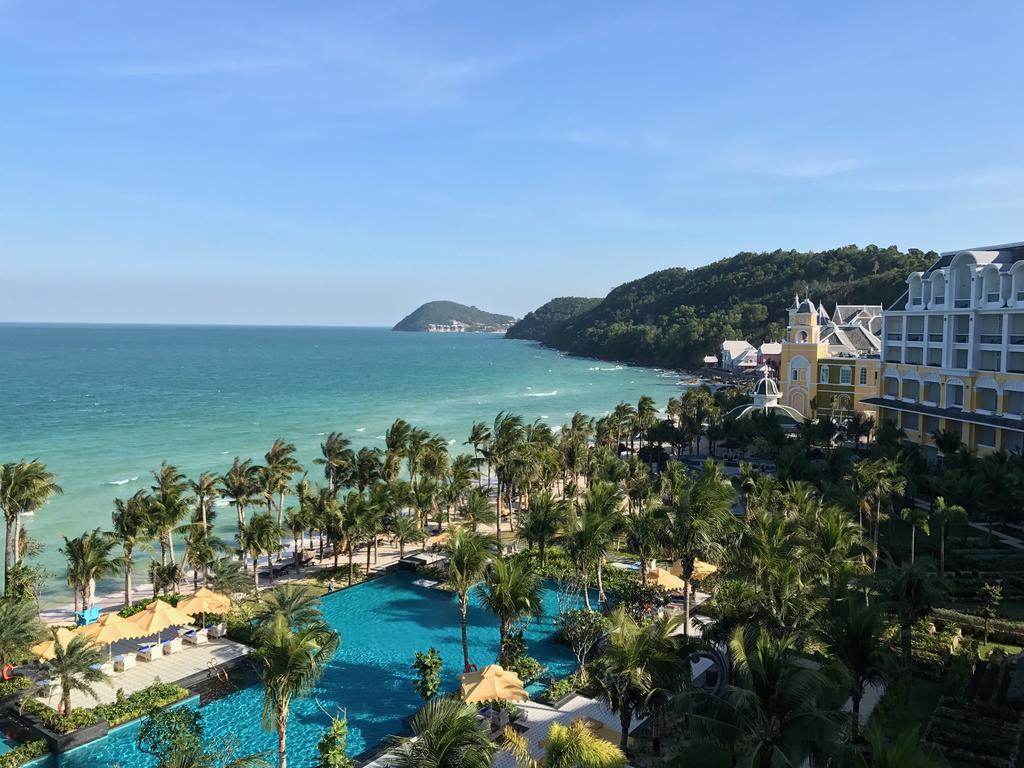
    The award is another big step for Sun Group on its path toward turning Vietnam’s Phu Quoc Island into a luxury global travel destination. The 2017 World Travel Awards Asia & Australasia has named JW Marriott Phu Quoc Emerald Bay in southern Vietnam Asia’s Leading New Resort.

    The five-star JW Marriott Phu Quoc Emerald Bay beat other famous newcomers, including Anantara Kalutara Resort and Shangri-La’s Hambantota Resort and Spa in Sri Lanka, The St. Regis Langkawi in Malaysia, Alila Anji in China, and Hoshinoya Bali and Mövenpick Resort and Spa Jimbaran Bali in Indonesia, to bag the most votes from tourism experts from more than 140 countries.

    “We are delighted to be named Asia’s Leading New Resort by our colleagues in the hospitality industry,” said Ty Collins, the resort’s general manager. “The opening of JW Marriott Phu Quoc Emerald Bay marks the birth of luxury hospitality in Phu Quoc and has established a benchmark of excellence and quality for future Marriott developments throughout Asia.”

    The construction of JW Marriott Phu Quoc Emerald Bay started in 2015 and the resort opened its doors to the public late last year.

    Lying only 15 minutes from Phu Quoc International Airport, the French-style resort has 244 rooms, suites and stand-alone villas.

    It also has four restaurants serving French, Japanese, Vietnamese and Chinese food.

    Emerald Bay is the first five-star resort in Sun Group’s Phu Quoc holiday resort chain to officially open.

    The resort aims to awaken the tourism potential on Phu Quoc and turn the island into a luxury global travel destination. JW Marriott Phu Quoc Emerald Bay’s success as Asia’s Leading New Resort has taken the developer a step closer.

  • H&M announces location of first store in Vietnam

    H&M announces location of first store in Vietnam

    The world-renowned brand is following in the footsteps of Zara and Topshop. Swedish fashion giant Hennes & Mauritz (H&M) has announced plans to open its first store in Vietnam at the Vincom Dong Khoi commercial complex in Ho Chi Minh City’s District 1.

    The store, which will cover 2,200 square meters across two floors, will open with the launch of the brand’s Fall-Winter 2017 Collection this autumn.

    Fredrik Famm, H&M Country Manager for Southeast Asia, said the opening of the HCMC store will offer a new shopping experience for local customers, providing more options for fashion lovers to create their own styles and personalities.

    In mid-February this year, H&M also started recruiting staff for a store it plans to open in Hanoi.

    H&M was founded in Sweden in 1947 and is listed on the Nasdaq Stockholm. H&M Group has more than 4,300 stores in 66 markets, including franchise markets.

    Other famous fashion brands like Zara and Topshop have also recently made their debuts in Vietnam.

  • Malaysia’s AirAsia again tries to take off in Vietnam

    Malaysia’s AirAsia again tries to take off in Vietnam

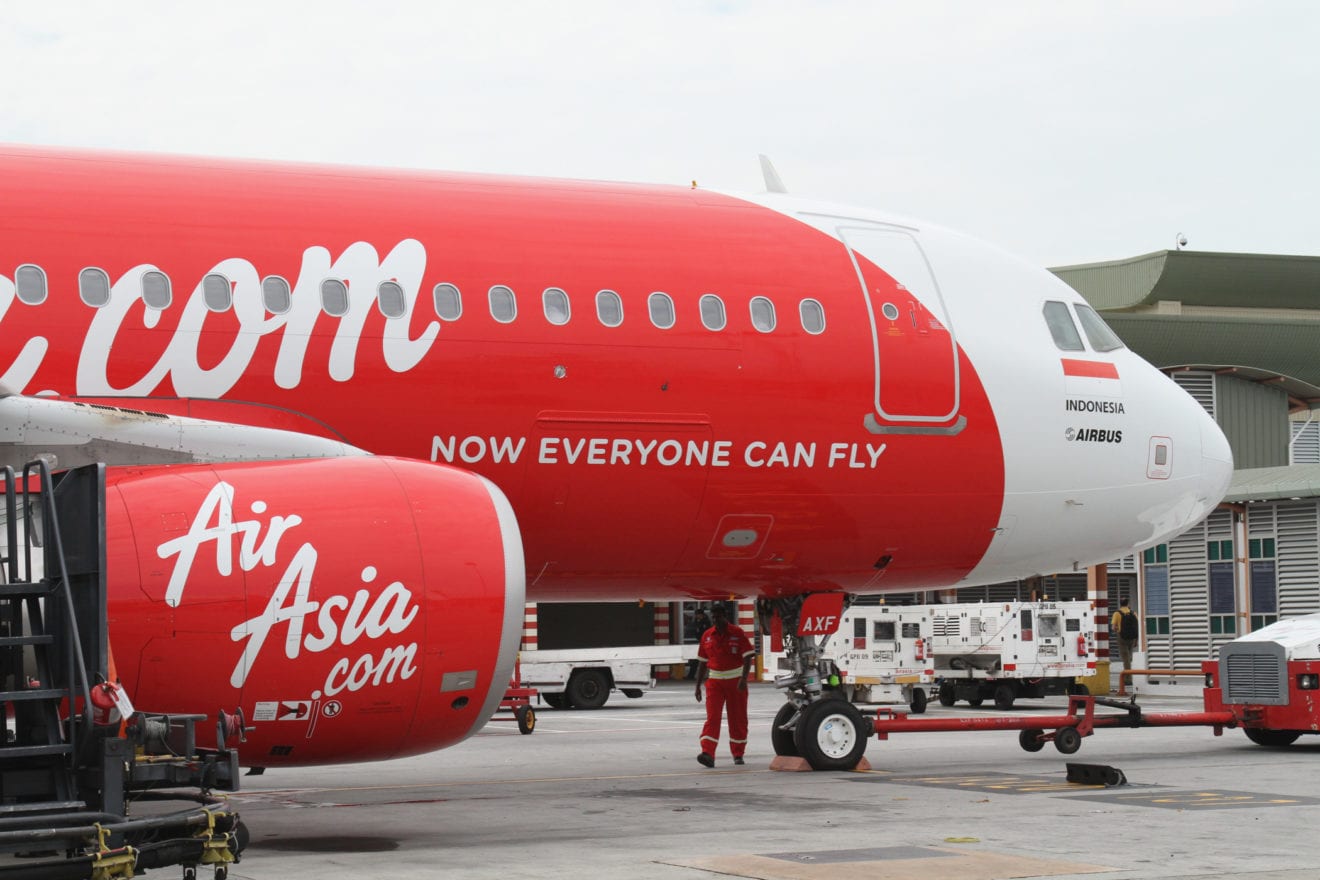
    After failing three times, Malaysian discount air carrier AirAsia is once again trying to crack the growing, but well-protected, Vietnamese airline market

    Vietnam closely guards its airline market, dominated by state-run Vietnam Airlines and local discount carrier Vietjet Air, but growth potential is such that it is attracting yet another bid by AirAsia, its fourth since 2005.

    AirAsia’s latest strategy is to team with Thien Minh Group, a pioneering local travel agency founded in 1994 by Tran Trong Kien, the current chief executive officer. TMG, whose Buffalo Tours is one of the best known travel brands in the country, also operates hotels and a travel booking website. The company also began offering seaplane flights four years ago.

    AirAsia CEO Tony Fernandes is said to have first met TMG’s Kien in late 2015. The two have since explored ways to collaborate in Vietnam. Determined not to repeat AirAsia’s previous failed attempts, the two companies carefully studied strategic options as well as how to integrate the companies’ different corporate cultures, Kien said.

    The companies plan to jointly set up a low-cost carrier in Vietnam, with the first flight planned for spring 2018. Deploying medium-range passenger aircraft, such as the Airbus A320 and A321, the venture will target domestic and international routes not served by Vietnam Airlines or Vietjet Air.

    Kien said there are still niche routes where they see strong demand, such as direct flights between Tokyo and Nha Trang.

    Failed attempts

    AirAsia first attempted to enter the Vietnamese market in 2005 through a proposal to support Vietnam’s Pacific Airlines, predecessor to Jetstar Pacific Airlines, but lost to rival Qantas Airways. The next bid, in 2007, was a proposed joint venture with a state-owned shipbuilder that was rejected by the government. Its most recent deal, this time to acquire 30% of Vietjet Air in 2010, was signed by the two companies but again grounded by the government.

    Vietnam’s heavily protected airline market has so far resisted outside penetration by foreign newcomers.

    However, it still remains attractive to AirAisa, which is determined to grab a piece of the market owing to the large growth potential compared to other Southeast Asian countries, according to an executive at a Japanese airline company.

  • Zalora Vietnam becomes Robins after merger

    Zalora Vietnam becomes Robins after merger

    Online fashion platform Zalora Vietnam has officially merged with Robins, becoming one online platform, following the pair’s merger 12 months ago.

    As of May 12, Central Group-owned fashion retailer Robins and e-commerce giant Zalora Vietnam will be shopped at Robins.vn only, not on individual websites. The merger is believed to make the new platform the largest fashion e-commerce site for Vietnam.

    Zalora was the largest online fashion shopping website in Vietnam, specialising in fashion, where it stocks fashion and accessories collections from more than 700 brands.

    In April 2016, Zalora Vietnam was sold by Rocket Internet and bought by Thailand’s Central Group, who acquired both Zalora Vietnam and Thailand subsidiaries. At the time of the transaction, Zalora CEO Michelle Ferrario, said the move would allow Zalora to capture opportunities and strengthen its position in our markets, as we gear towards accelerating our growth.

    “We are happy to have contributed to the vibrancy of Thailand and Vietnam’s e-commerce scene, and we trust that the future owners will continue to build on what we started. We remain committed to providing consumers in the region the best online and mobile shopping experience possible,” said Ferrario, early last year.

    A Zalora representative told ICT News this week that with Zalora and Robins both being owned by Central Group, the group “decided to merge the two brands with the desire to bring the best shopping experience to customers.”The Zalora spokesperson said that all shopping activities at www.robins.vn would be maintained normally.

    Robins arrived in Vietnam in 2014 and has two department stores – in Crescent Mall, Ho Chi Minh City, and Royal City, Hanoi.

    Central Group is one of the Southeast Asia’s largest retail players with a huge footprint in Thailand and forays into Vietnam, Malaysia and Indonesia. The group’s assets, which include multiple shopping malls and national department store chains, are worth close to $10 billion and it employs some 70,000 people across its operations.

  • Vietnamese franchise market in early stage of development

    Vietnamese franchise market in early stage of development

    The 2015 report of the International Franchise Association showed that the total value of franchise contracts in 2014 was $3.8 trillion. Of this, the contracts in the US made up $2.4 trillion and only $600 billion was from Asia. However, the future will belong to the continent.

    Asian countries have made heavy investments to franchise their brands in other countries. The Malaysian government runs a $2 billion program to support its businesses to franchise their brands.

    Meanwhile, in Vietnam, the franchise industry is still underdeveloped.

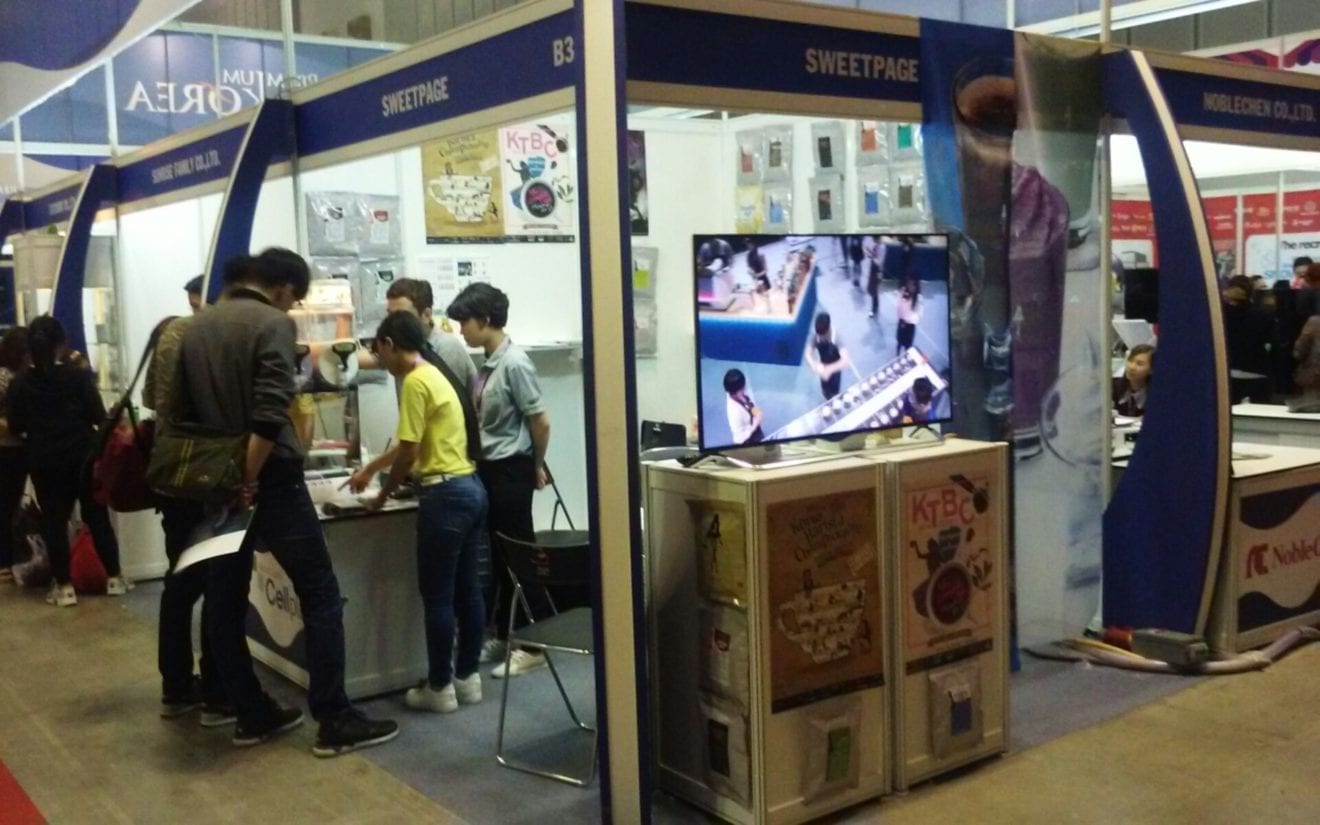
    At an international trade fair on retail and franchising held in Vietnam in June 2016, Sean Ngo, director of VF Franchise Consulting, which specializes in giving advice to foreign companies to franchise their brands to Vietnamese partners, said only 144 foreign brands have been franchised in Vietnam so far.

    A survey conducted by Euromonitor showed that in 2015, every household in Vietnam spent less than $4,000, the spending level which is just above Myanmar among 10 ASEAN countries. Meanwhile, the average spending of one family in Singapore was $73,704.According to Nguyen Phi Van, the founder of World Franchise Associates in South East Asia, international brands in Vietnam are still ‘sowing’, and cannot ‘harvest’ because the market is too small.

    Vietnamese brands are just beginning trial franchising in the domestic market. Van commented that if they don’t have good consultants, they will have to learn for three to five years to become experienced in franchising.

    In fact, there are many food and retail chains run by Vietnamese, but they just run their own chains, while there are few franchised chains.

    Meanwhile, of the top 10 leading food chains globally, only two brands – Starbucks and Darden – own more than 50 percent of their branches.

    In 2008, Burger King owned 12 percent of branches bearing Burger King brand, but the figure fell to 0.4 percent in 2013. Subway doesn’t own any Subway shop.

    According to Van, most of the brands franchised will be in food, education and healthcare sectors. Vietnamese will mostly franchise food brands.

    However, Vietnamese traditional food brands franchised such as pho (noodles served with beef or chicken), banh mi (sandwich) and banh cuon (steamed rolled rice pancake) are not from Vietnam. Pho Hoa, for example, with 80 branches in seven countries, is from the US.

    Van thinks that after five years, when the spending level increases sharply and businesses have better knowledge about franchising, the Vietnamese franchise market will boom.