Retail News CRM

Tag: Vietnams

  • Vietnam’s Gold Prices Tumble: Global Market Trends and Implications Explored

    Vietnam’s Gold Prices Tumble: Global Market Trends and Implications Explored

    Gold prices in Vietnam witnessed another slump on Monday afternoon, following an earlier decrease of 0.2% in the same session. Saigon Jewelry Company reported a fall in the price of gold bars by 0.82% from the morning rate, settling at VND146 million (US$5,552.39) per tael. This resulted in an overall loss of approximately 1% for the day.

    Additionally, the price of gold rings also declined by 1%, reaching VND145 million per tael. It should be noted that a tael is equivalent to 37.5 grams or 1.2 ounces.

    Global Gold Price Trend

    Internationally, gold prices remained stable on Monday. Investors worldwide were assessing the influence of the escalating tensions between the U.S. and Iran on oil prices. Concurrently, U.S. Federal Reserve policymakers hinted at potential interest rate hikes to alleviate inflationary pressure.

    The spot price of gold lingered at $4,018.75 per ounce. Meanwhile, U.S. gold futures for August delivery slightly advanced by 0.1%, reaching $4,023.20.

    UBS analyst Giovanni Staunovo noted the negative correlation between gold and oil prices. He stated that market players are vigilantly monitoring the developments in the Middle East. Staunovo predicted a weaker dollar would bolster gold prices in the next 6 to 12 months, with expectations of the precious metal surpassing the $5,000 per ounce mark.

    Questions & Answers

    How much did gold prices in Vietnam fall on Monday?
    Gold prices in Vietnam fell by approximately 1% on Monday.

    What is the recent global trend in gold prices?
    Globally, gold prices have remained steady. However, the impact of the U.S.-Iran conflict on oil prices and possible interest rate hikes by the U.S. Federal Reserve are being closely observed by investors.

    What are the predictions for gold prices in the future?
    According to Giovanni Staunovo, a UBS analyst, a weaker dollar is expected to support an increase in gold prices over the next 6 to 12 months, potentially moving above the $5,000 per ounce mark.


  • China Dethrones US as Vietnam’s Top Seafood Consumer: A 40% YoY Increase

    China Dethrones US as Vietnam’s Top Seafood Consumer: A 40% YoY Increase

    In the first half of 2026, China became Vietnam’s largest seafood market, surpassing the United States. This shift resulted from an importation of Vietnamese seafood valued at nearly $1.4 billion, a 40% year-on-year increase. This accounted for almost a quarter of the $5.7 billion worth of Vietnamese seafood exports, a rise of 11.4%, as per the Ministry of Agriculture and Environment. Comparatively, the value of the U.S.’s imports was $898 million, while Japan, in third place, had $788 million worth of imports.

    Factors in Market Shift

    The rise in shipping costs has elevated China’s attractiveness due to its geographical closeness, according to Nam Viet Jsc, a seafood exporter. Furthermore, Le Hang, the Deputy General Secretary of the Vietnam Association of Seafood Exporters and Producers, noted that as the U.S. and Europe increased non-tariff barriers, many businesses turned towards China. She highlighted the U.S.’s requirement for businesses to provide extra admissibility certificates with a complex application process, particularly impacting tuna products. Additionally, shrimp exports faced high anti-dumping duties.

    Another contributing factor was the frontloading of shipments to the U.S., which led to significant inventories for importers in the country. This occurred during a period when consumers were restricting their spending and leaning towards lower-priced products.

    Adaptability and Future Outlook

    Hang stated that the growth in the first half was a reflection of the rebound in global demand and the adaptability of Vietnamese businesses, who adjusted their markets and product structures. Shrimp was the top export, valued at $2.3 billion (a 13.6% increase) and constituted over 40% of the total value. The demand from mainland China and Hong Kong primarily drove the growth. Moreover, exports of Pangasius, a white-flesh fish, increased by 12.1% to reach $1.1 billion, owing to Vietnam’s competitive pricing and the consistent demand in many markets.

    However, Hang predicts an uncertain future for exports in the second half of the year due to potential U.S. protectionist measures and trade barriers, ranging from regulations associated with “forced labor” to imposition of quotas on products. She emphasizes that in this rapidly evolving trade landscape, businesses must stay updated, adjust export plans, diversify markets, and increase the proportion of deeply processed products to manage risks and sustain growth.

    Questions & Answers

    What factors have contributed to China becoming Vietnam’s top seafood market?
    Shipping costs and non-tariff barriers in the U.S. and Europe have caused businesses to favor China. Additionally, China’s proximity to Vietnam makes it an attractive option.

    What was the largest exported seafood product from Vietnam?
    Shrimp was the top exported product, making up over 40% of the total export value and experiencing a 13.6% increase.

    What challenges do Vietnamese businesses face in the second half of 2026?
    They face potential U.S. protectionist measures and trade barriers, ranging from regulations related to “forced labor” to the application of quotas on products.

  • Vietnam’s Auto Market Zooms Ahead: 15% Hike in Sales with Hybrids and Imports in the Lead

    Vietnam’s Auto Market Zooms Ahead: 15% Hike in Sales with Hybrids and Imports in the Lead

    The Vietnamese auto market has witnessed a significant growth of 15% in sales during the first half of 2026, as compared to the same period last year. A substantial portion of this growth can be attributed to the robust sales of imported and hybrid vehicles. Cumulative sales during this period amounted to 149,761 vehicles, which presents an increase of 4% from the previous month with total sales reaching 31,104 vehicles, as per a report by the Vietnam Automobile Manufacturers’ Association (VAMA).

    The Uneven Recovery of the Auto Market

    Despite the substantial growth, the auto market recovery in Vietnam appears to be inconsistent. When compared to June 2025, the sales for June 2026 reflect a decrease of approximately 2.7%. The first half of the year marked the sales of over 100,000 passenger cars, around 38,000 commercial vehicles, and nearly 10,865 hybrid vehicles, which witnessed a remarkable growth of 83% year-on-year.

    The surge in the sales of hybrid vehicles suggests a growing preference for fuel-efficient and environmentally friendly vehicles. VAMA reported the sale of 2,347 hybrid vehicles in June alone, marking an increase of 41% from the previous month and nearly double the sales in June 2025, making hybrid vehicles the most rapidly growing sector in the auto market.

    Competitive Landscape and Market Growth Prospects

    Among the brands under VAMA, Toyota secured the leading position with the sale of 6,494 vehicles in June, accounting for nearly 27% of the total sales. They were followed by Mitsubishi with 3,158 units sold, and then Ford with 2,741 units. Kia and Mazda, both distributed by THACO, sold 2,675 and 2,361 vehicles respectively, making it to the top five best-selling brands of June.

    The competition has been intensifying in the market, as reflected by the narrowing gap in sales among the leading brands. It spans across various segments including B-segment sedans, urban SUVs, MPVs, and pickup trucks.

    Industry experts anticipate that the positive performance in the first half of 2026 will lay a strong foundation for greater growth in the second half. Several automakers are planning to introduce new models, expand their hybrid and electric vehicle lineups, and implement promotional programs to boost demand.

    Given the competitive auto loan interest rates, stable supply of vehicles, and a diverse product range, Vietnam’s automotive market is likely to sustain its growth momentum for the rest of 2026. SUVs, MPVs, and hybrid vehicles are expected to continue to drive overall market sales.

    Questions & Answers

    What is the growth rate of sales in the Vietnamese auto market in the first half of 2026?
    The Vietnamese auto market recorded a growth rate of 15% in sales in the first half of 2026.

    Which are the top-performing vehicle brands in June 2026?
    Toyota, Mitsubishi, Ford, Kia, and Mazda were the top-performing vehicle brands in June 2026.

    What type of vehicles are expected to drive overall market sales for the rest of 2026?
    SUVs, MPVs, and hybrid vehicles are expected to be the key drivers of overall market sales for the rest of 2026.

  • Techcombank Leverages Digital Finance to Tap into Vietnams $100 Billion Infrastructure Nexus

    Techcombank Leverages Digital Finance to Tap into Vietnams $100 Billion Infrastructure Nexus

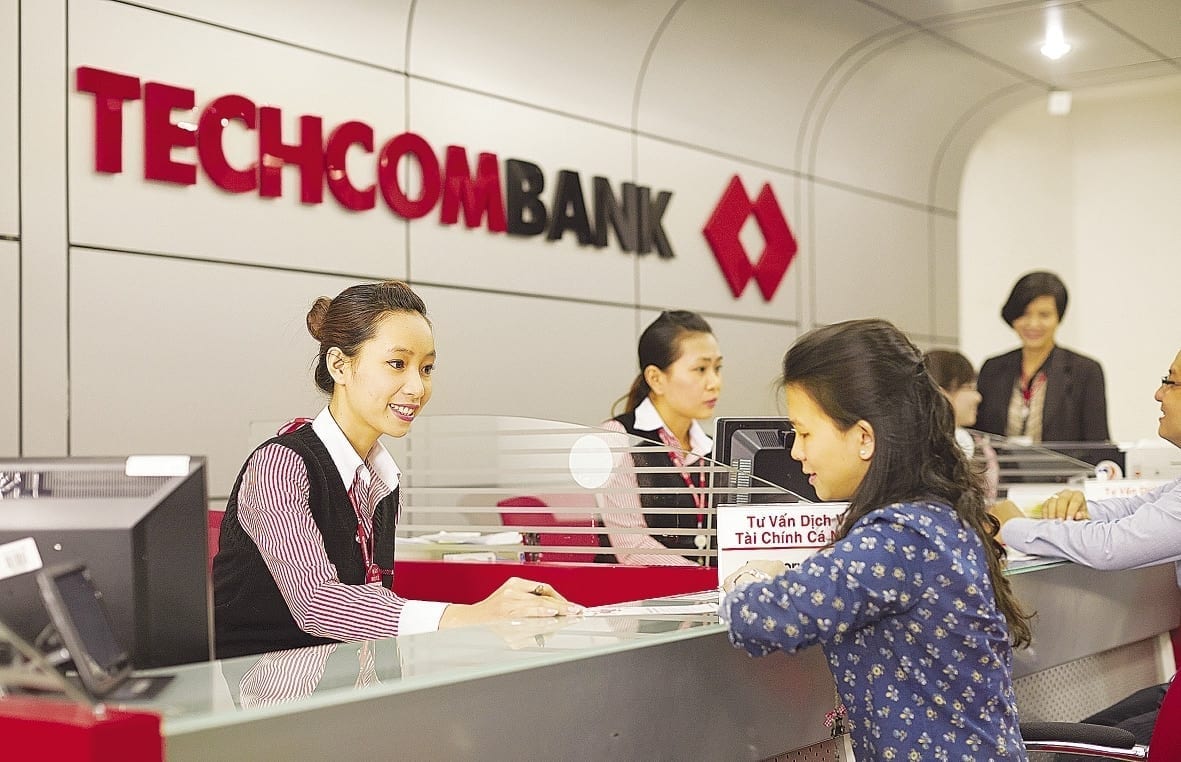
    Techcombank, Vietnam Technological and Commercial Joint Stock Bank, is strategizing to bridge global capital with Vietnam’s escalating investment needs. The bank is placing digital financial infrastructure at the forefront, seeing it as a pivotal factor for the country’s next economic growth stage.

    Techcombank is expressing its aspiration to be instrumental in channeling both local and global capital towards Vietnam’s economic progression. In furtherance of its goals, it co-hosted the Vietnam Financial Forum 2026 (VFF 2026) from July 9th to 10th in Danang. The forum attracted over 350 attendees, including policymakers and executives from domestic and international financial institutions and companies.

    Modernizing Vietnam’s Capital Markets

    The forum centered on the modernization of Vietnam’s capital markets, bolstering the country’s financial infrastructure, and enhancing corporate access to capital. The country’s government aims to achieve double-digit economic growth from 2026 through to 2030.

    Digital and green finance took center stage at the forum. Delegates deliberated on how new technologies and the digital transformation of the financial infrastructure could ease capital flow and bolster Vietnamese companies.

    Techcombank CEO, Jens Lottner, in his keynote speech, pointed out that the bank’s role goes beyond conventional financing. He stated, “We are constructing the digital infrastructure that allows capital, data, and financial services to flow smoothly through the economy.” The CEO also revealed Techcombank’s goal to be Vietnam’s most reliable financial platform and to help efficiently channel domestic and international capital into sectors generating sustainable economic value.

    $100 Billion Investment Goal

    The funding of Vietnam’s rapidly expanding infrastructure needs was a key focus of the forum. Techcombank executives and representatives of their partner ecosystem discussed potential areas for the next $100 billion investment. The conversations included infrastructure, energy, and industrial development, as well as tactics to draw capital from global institutional investors.

    Techcombank emphasized mechanisms for luring foreign investment and steering international capital towards strategic Vietnamese projects. Lottner mentioned that Techcombank is ready to share its experience in developing digital ecosystems and utilizing data and technology to connect citizens, companies, investors, and public services.

    Techcombank aims to contribute its financial resources, tech expertise, and global network to the development of a more modern and transparent financial ecosystem through its participation in the Vietnam Financial Forum. The bank currently services around 18 million retail and corporate clients and operates one of Vietnam’s top digital banking platforms.

    Questions & Answers

    What is Techcombank’s primary aim in Vietnam’s economic development?
    Techcombank aims to facilitate the efficient allocation of both domestic and international capital into sectors generating sustainable economic value, leveraging digital financial infrastructure.

    What were the key areas of focus at the Vietnam Financial Forum 2026?
    The forum focused on modernizing Vietnam’s capital markets, strengthening the country’s financial infrastructure, and improving corporate access to capital. Other areas of focus included digital finance, green finance, and the role of technology in facilitating capital flow.

    What is Techcombank’s strategy for meeting Vietnam’s growing infrastructure needs?
    Techcombank intends to attract and steer international capital towards strategic projects in Vietnam. It also aims to share its experience in developing digital ecosystems and using data and technology to connect various sectors, including citizens, companies, investors, and public services.

  • Vietnam’s Economy Skyrockets: UOB Predicts Record-Breaking 8.5% Growth Amidst AI Boom

    Vietnam’s Economy Skyrockets: UOB Predicts Record-Breaking 8.5% Growth Amidst AI Boom

    United Overseas Bank (UOB), a leading financial institution based in Singapore, has increased its prediction concerning Vietnam’s GDP growth for the current year. Previously, the bank estimated a 7% increase; however, based on the country’s stronger-than-anticipated economic performance in the first six months, moderating energy costs, and the influence of artificial intelligence, UOB has revised its forecast to an 8.5% growth rate.

    Encouraging Economic Performance

    This revised prediction follows the announcement that Vietnam’s economy expanded by 8.18% in the first half of the year. This growth rate, which surpassed UOB’s initial projections, is the highest in Southeast Asia. The robust economic performance is attributed to widespread growth across various sectors, including industrial, construction, services, and agriculture.

    Manufacturing emerged as a key driver of this growth, bolstered by a global surge in demand for artificial intelligence, as stated by UOB. The bank also noted an impressive 61% upswing in foreign direct investment (FDI) during the first six months, reaching a total of US$34.7 billion. This significant increase strengthens the prediction that 2026 could set a record for Vietnam in terms of attracting FDI.

    Demonstrating Economic Resilience

    Despite the impacts of political tensions in the Middle East, Vietnam’s economy has displayed remarkable resilience which is expected to provide a solid foundation for economic growth in the second half of the year. UOB’s GDP growth prediction is currently one of the most optimistic among international organizations.

    In fact, the Asian Development Bank recently released a report forecasting Vietnam as the fastest-growing economy in Southeast Asia this year with a projected growth rate of 7.2%. Vietnam itself is aiming for a minimum growth rate of 10% this year and has outlined a plan that necessitates an 11.9% growth rate in the second half of the year.

    UOB will continue to observe global economic developments, particularly the impending U.S. tariffs expected to be implemented in late July. These tariffs could potentially add more strain on global trade and impact Vietnam’s economic growth trajectory.

    Despite general weakness among Asian currencies in June, the Vietnamese dong demonstrated notable resilience. UOB maintains its outlook that the dong will remain relatively stable, potentially strengthening against the dollar to 26,500 in the third quarter and 26,400 in the fourth.

    Questions & Answers

    What factors led UOB to increase its GDP growth prediction for Vietnam?
    This decision was influenced by Vietnam’s stronger-than-expected economic performance in the first half of the year, moderating energy prices, and the impact of artificial intelligence.

    Which sector was identified as a primary driver of Vietnam’s economic growth?
    Manufacturing has emerged as a key contributor to Vietnam’s economic growth, supported by surging global demand for artificial intelligence.

    What is the projected stability of the Vietnamese dong in the near future?
    UOB maintains that the Vietnamese dong will remain relatively stable, potentially strengthening against the dollar to 26,500 in the third quarter and 26,400 in the fourth.

  • Vietnam’s Coffee Exports Hit $4.78B Despite Challenges: A Closer Look at H1 2026 Results

    Vietnam’s Coffee Exports Hit $4.78B Despite Challenges: A Closer Look at H1 2026 Results

    In the first half of 2026, Vietnam’s coffee exports amounted to US$4.78 billion, marking a decrease of 14.4% compared to the same period in the previous year. This decline in value comes despite a 9.7% year-on-year increase in exported volume, reaching 1.1 million metric tons. June alone accounted for shipments of 150,000 tons, valued at $552.6 million.

    Coffee Export Market Dynamics

    The average coffee export price during the first half of the year was around $4,435 per ton, a 22% year-on-year decrease after a period of elevated prices in 2024-25, as reported by the Ministry of Agriculture and Environment. The three largest markets for Vietnam’s coffee exports remained Germany, Italy, and the U.S., accounting for 14.1%, 7.9% and 6.9% of total exports, respectively. However, the first five months of the year saw a decline in shipments to these markets by 21.7%, 9.6% and 2.2% in value respectively, compared to the previous year.
    On the other hand, exports to China experienced a significant 70.7% surge in value, representing the strongest growth among the top fifteen importers of Vietnamese coffee.

    Domestic Coffee Market and Global Trends

    Domestically, coffee prices have rebounded to over VND90,000 (US$3.42) per kilogram, but trading remains cautious as the remaining inventory is limited. The Vietnam Coffee Cocoa Association indicates that the global coffee market is moving into a challenging phase where supply growth, largely driven by Brazil, is outpacing moderate consumption growth.

    Moreover, the association predicts that the large supply will continue to put downward pressure on prices in the coming months, particularly in the Robusta segment, which is Vietnam’s principal export product. This situation poses a challenge to achieving the year’s export revenue target due to the continuous fall in export prices and the historically lower shipments in the second half of the year.

    However, the association also highlights an opportunity for the industry to shift its focus from increasing output to enhancing value. This can be done by exporting higher quality coffee beans with sustainability certifications, and increasing exports of roasted, instant, and blended coffee products. Currently, around 30% of Vietnam’s coffee-growing area is certified under sustainable production standards, which provides a strong basis for meeting the increasingly rigorous requirements in export markets.

    In addition to this, the association recommends stronger trade promotion in promising markets such as China, Russia, South Korea, Algeria, and Nordic countries. It also encourages expanding connections with major retail chains in Asia and Europe to foster processed coffee exports.

    Questions & Answers

    What is the current state of Vietnam’s coffee exports?
    The value of coffee exports from Vietnam declined by 14.4% in the first half of 2026 despite an increase in export volume.

    Who are the major importers of Vietnamese coffee?
    Germany, Italy, and the U.S. are the three largest markets for Vietnam’s coffee exports, but exports to these markets have declined in value. Alternatively, exports to China have surged by 70.7%.

    What adjustments does the Vietnam Coffee Cocoa Association suggest for the coffee industry?
    The association suggests a shift in focus from output expansion to value enhancement. This could be achieved by increasing exports of sustainably certified, high-quality coffee beans and boosting shipments of roasted, instant, and blended coffee products.

  • Vietnam’s Textile Exports Soar to $22.2B in H1: Embracing Sustainability and Tech for Future Growth

    Vietnam’s Textile Exports Soar to $22.2B in H1: Embracing Sustainability and Tech for Future Growth

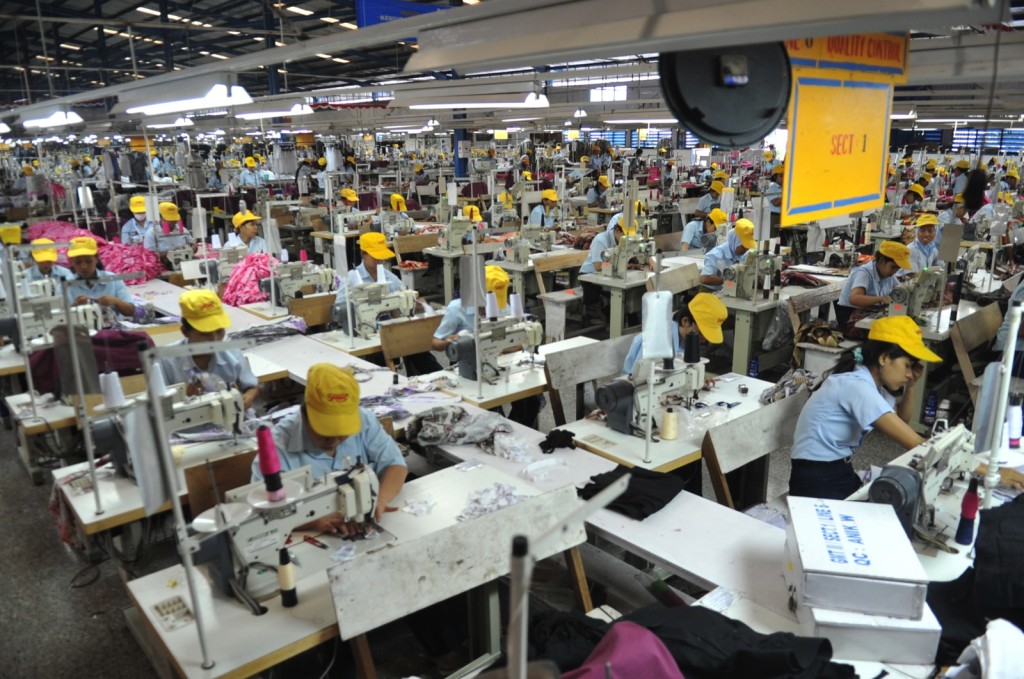
    Vietnam’s textile and garment industry saw a slight increase in exports for the first half of the year, reaching an estimated $22.2 billion, marking a 1.7% rise compared to the same period in the previous year. This information was released by the Vietnam Textile and Apparel Association (VITAS), which also noted that certain areas of the industry, including fibre, fabric, accessory, and nonwoven material exports, experienced a more substantial growth, with rates between 5.6% and 10.6%. However, the garment sector experienced a slight downturn, with exports decreasing by 0.4% due to weakened consumer demand in key markets.

    Export Markets and Trade Surplus

    In the first five months of the year, the U.S. continued to be the largest export market for Vietnam, with shipments amounting to $6.81 billion. This was a 1.3% increase, and represented approximately 45% of total exports. The E.U. market showed the strongest growth, with an increase of 8.8%, equating to $1.94 billion, whereas exports to Japan and the Republic of Korea dropped by 6.2% and 8.9% respectively. The industry was able to maintain a trade surplus of nearly $10 billion in the first half of the year.

    Challenges remain for the industry, despite the overall positive performance. VITAS outlined these obstacles, which include weak demand in key markets, high price competition, a heavy reliance on imported raw materials, increasing costs related to environmental, social and governance (ESG) standards and product traceability, and a growing uncertainty surrounding global trade policies.

    Future Focus and Strategy

    VITAS Chairman Vu Duc Giang spoke about the industry’s limited scope for expansion through solely increasing production volume. He expressed that the future growth of the industry hinges on enhancing productivity and creating higher-value products. This will be achieved by developing domestic sources of raw materials, diversifying export markets, and speeding up the digital and green transformations.

    To facilitate this shift, VITAS has given the green light for the establishment of four specialised committees during the 2025–2030 term. These committees will focus on fashion and domestic market development, international business and supply chains, sustainable development, and technology, innovation, and digital transformation. The committees are expected to commence their pilot operations in the third quarter of 2026.

    As the industry’s exports reached $22.2 billion in the first half of the year, the goal is to sustain an average monthly export revenue exceeding $4 billion in the remaining months. This will help to achieve the full-year target of roughly $48 billion. The industry’s key priorities in this endeavor include adapting to new purchasing strategies of global brands, expanding domestic supplies of raw materials, diversifying markets and products, preparing for potential legal and trade risks, and increasing investment in technology, automation, and digital transformation.

    Questions & Answers

    What growth did Vietnam’s textile and garment exports experience in the first half of the year?
    They experienced a slight increase of 1.7%, reaching an estimated $22.2 billion.

    What are the major challenges faced by Vietnam’s textile and garment industry?
    Major challenges include weakened demand in key markets, high price competition, reliance on imported raw materials, rising costs related to ESG standards and product traceability, and growing uncertainty regarding global trade policies.

    What strategies does the industry plan to implement for future growth?
    Strategies include enhancing productivity, creating high-value products, developing domestic raw material sources, diversifying export markets, and accelerating the digital and green transformations.

  • Citi Banks on Vietnam’s Potential for Expanding Social Finance Sector

    Citi Banks on Vietnam’s Potential for Expanding Social Finance Sector

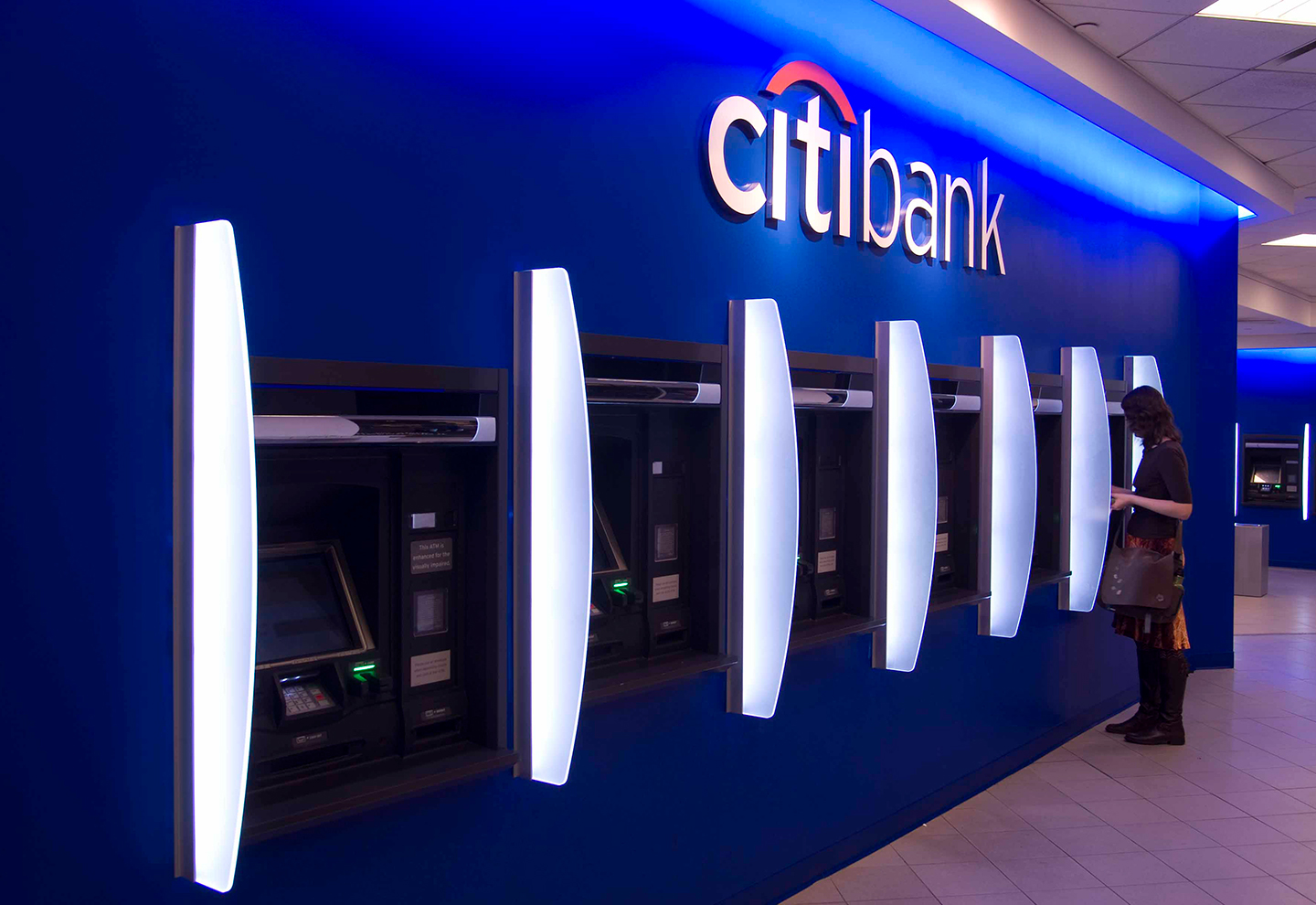
    Jorge Rubio Nava, Global Head of Citi Social Finance, recently outlined Citi’s global role in social finance and the prospects for growth in Vietnam and throughout Asia.

    Citi’s Impact in Social Finance

    Since its establishment in 2005, Citi Social Finance has been primarily focused on microfinance, later branching out to finance that enhances access to crucial services for overlooked communities. The venture has successfully mobilized over US$19.7 billion, positively impacting 22.7 million low-income and underserved families, including 12.3 million women in over 50 emerging markets.

    In 2021, the bank introduced its Global Social Finance Framework and, three years later, issued a $3 billion Social Finance Bond. Social finance’s goal is not just to provide funds but also to assure that these funds reach communities where they can foster inclusive economic development.

    Citi defines social finance as supporting projects that enhance access to vital services for underserved populations. This includes affordable infrastructure, housing, economic inclusion, education, food security, and healthcare. Each transaction under this umbrella is scrutinized against pre-set criteria and anticipated social outcomes, with the bank having developed internal guidelines for eligibility, financing structures, and impact measurement.

    Opportunities in Vietnam

    In Vietnam, Citi recently finalized two social trade finance transactions with BIDV and MB. These deals spotlight the significant opportunities in the country, where micro, small, and medium-sized enterprises (MSMEs) contribute more than 45% to GDP and over 60% to employment.

    Citi provided over $100 million in social trade advance facilities to BIDV and MB, intended to bolster the banks’ lending to MSMEs for working capital and income-generating activities. This contributes to business expansion and job creation. These transactions also showcased how social finance can be amplified through collaborations with local financial institutions.

    In addition to their banking partnerships, Citi is also engaging with corporate clients, such as a Vietnamese coffee company. Through a financing arrangement, they are supporting the company’s working capital while also helping expand market access for smallholder coffee farmers via its supply chain.

    Questions & Answers

    What was the purpose of Jorge Rubio Nava’s recent trip to Vietnam?
    The purpose of the visit was to engage with corporate clients and financial institutions to explore how social finance can aid in business growth.

    What is required for social finance to develop further in Vietnam and Asia?
    Continued client demand, transparency in the use of proceeds, measurable outcomes, consistent reporting, and scalability are crucial for the growth of social finance in the region.

    Does Citi plan to continue expanding its social finance activities in Vietnam and other parts of Asia?
    Yes, Citi intends to keep growing its social finance activities in Vietnam and Asia by partnering with clients to develop financing solutions that merge commercial viability with measurable social impact.

  • Vietnam’s Gold Prices Soar Amid Global Bullion Rally and Softened US Jobs Data

    Vietnam’s Gold Prices Soar Amid Global Bullion Rally and Softened US Jobs Data

    On Friday morning, gold prices in Vietnam saw a significant rise, in sync with the worldwide increase in gold rates, marking the first weekly gain in the past five weeks. The key driver behind this surge was the gold bar price offered by Saigon Jewelry Company, which saw a leap of 2.02%, equating to VND151.4 million (US$5,756.11) per tael. For context, a tael is equivalent to either 37.5 grams or 1.2 ounces.

    Over the course of the week, local gold rates have climbed by 1.9%, putting them roughly VND18 million per tael above global rates. This trend was mirrored by the price of gold rings, which increased by 2.02%, bringing it to VND151.3 million per tael on Friday.

    Global Gold Prices on the Rise

    On the global stage, Friday saw an increase of more than 1% in gold prices, setting the stage for the first weekly gain in the past five weeks. This shift has been attributed to a recalibration of investor expectations in light of less than anticipated U.S. employment figures, leading to a decrease in anticipations of Federal Reserve interest rate hikes.

    Spot gold saw an increase of 1.4%, taking it to $4,179.94 per ounce, its highest value since June 23. Additionally, U.S. gold futures for August delivery saw a rise of 1.6%, bringing it to $4,193.20.

    According to Kelvin Wong, a senior market analyst at OANDA, despite this uptick in gold prices, there has not been a complete revocation of rate hike pricing. He predicts that by the end of the year, there may still be another phase of potential gold weakness, with prices possibly reaching the $3,500/oz level.

    Central Banks Resume Gold Purchases

    The World Gold Council has reported that there has been a resumption of gold purchases by central banks. As per the most recent data, official gold reserves saw a net increase of 41 tons in May.

    Questions & Answers

    What factors led to the rise in gold prices in Vietnam?
    The rise in gold prices in Vietnam was driven by the gold bar price offered by the Saigon Jewelry Company and the increase in the global gold rate.

    What is the anticipated impact of the U.S. employment figures on gold rates?
    The less than expected U.S. employment figures have led to a reduction in expectations of Federal Reserve interest rate hikes, contributing to the rise in gold prices.

    What is the projected future trend for gold prices as per the senior market analyst at OANDA?
    Despite the recent increase in gold prices, Kelvin Wong predicts a potential phase of gold weakness towards the end of the year, with prices potentially reaching the $3,500/oz level.

  • Electronics Retail Giant Dien May Xanh Soars with $505m IPO in Vietnams Largest Market Listing in Two Years

    Electronics Retail Giant Dien May Xanh Soars with $505m IPO in Vietnams Largest Market Listing in Two Years

    Mobile World Investment Corporation, a renowned retail conglomerate in Vietnam, recently made a significant move in the business world by separating its electronics retail chain, Dien May Xanh, through an initial public offering (IPO) valued at US$505 million. This event has been one of the most substantial stock market listings in Vietnam over the past couple of years.

    According to internal documents from the company, investors showed substantial interest in the offering, with registrations to buy around 166 million shares. These shares accounted for 92.5 percent of the total 179.5 million shares available, effectively raising around 13.29 trillion dong (equivalent to US$505 million).

    Implications of the IPO

    This development was not unexpected as Dien May Xanh had earlier, in May, expressed its intent to raise approximately US$546 million. This fund-raising was to be accomplished by selling 179.5 million shares at a fixed price – 80,000 dong a share. The raised funds are targeted towards fueling the next phase of the company’s growth and solidifying its place in Vietnam’s consumer electronics market.

    It is expected that Dien May Xanh will make its debut appearance on the Ho Chi Minh Stock Exchange in the first week of August.

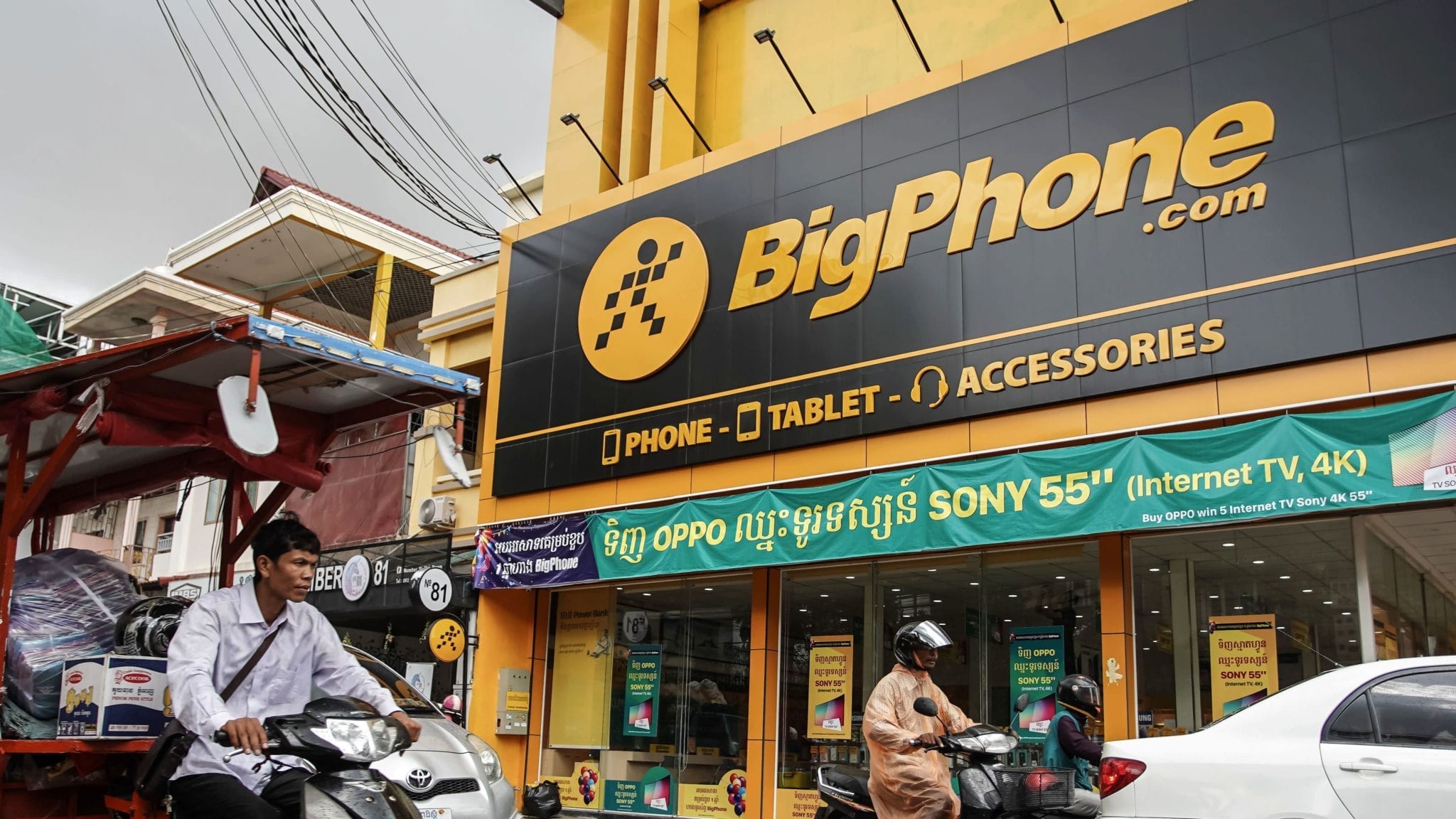
    As one of Mobile World Investment Corporation’s key business arms, Dien May Xanh is one of the largest electronics retailers in Vietnam. Its nationwide network comprises stores selling a wide range of consumer technology products, including smartphones, televisions, and home appliances.

    The company has set ambitious financial goals for the next decade. It aims to achieve a compound annual revenue growth of 11 percent and an annual net profit growth of 16 percent through to 2030, as it further broadens its market reach.

    Questions & Answers

    What is the significance of Dien May Xanh’s IPO?
    The IPO is a strategic move by the company to raise funds for its next growth phase and to bolster its position in Vietnam’s consumer electronics market.

    When is Dien May Xanh expected to join the Ho Chi Minh Stock Exchange?
    Dien May Xanh is expected to make its debut on the Ho Chi Minh Stock Exchange in the first week of August.

    What financial targets has the company set for the next decade?
    The company aims for a compound annual revenue growth of 11 percent and an annual net profit growth of 16 percent through 2030.

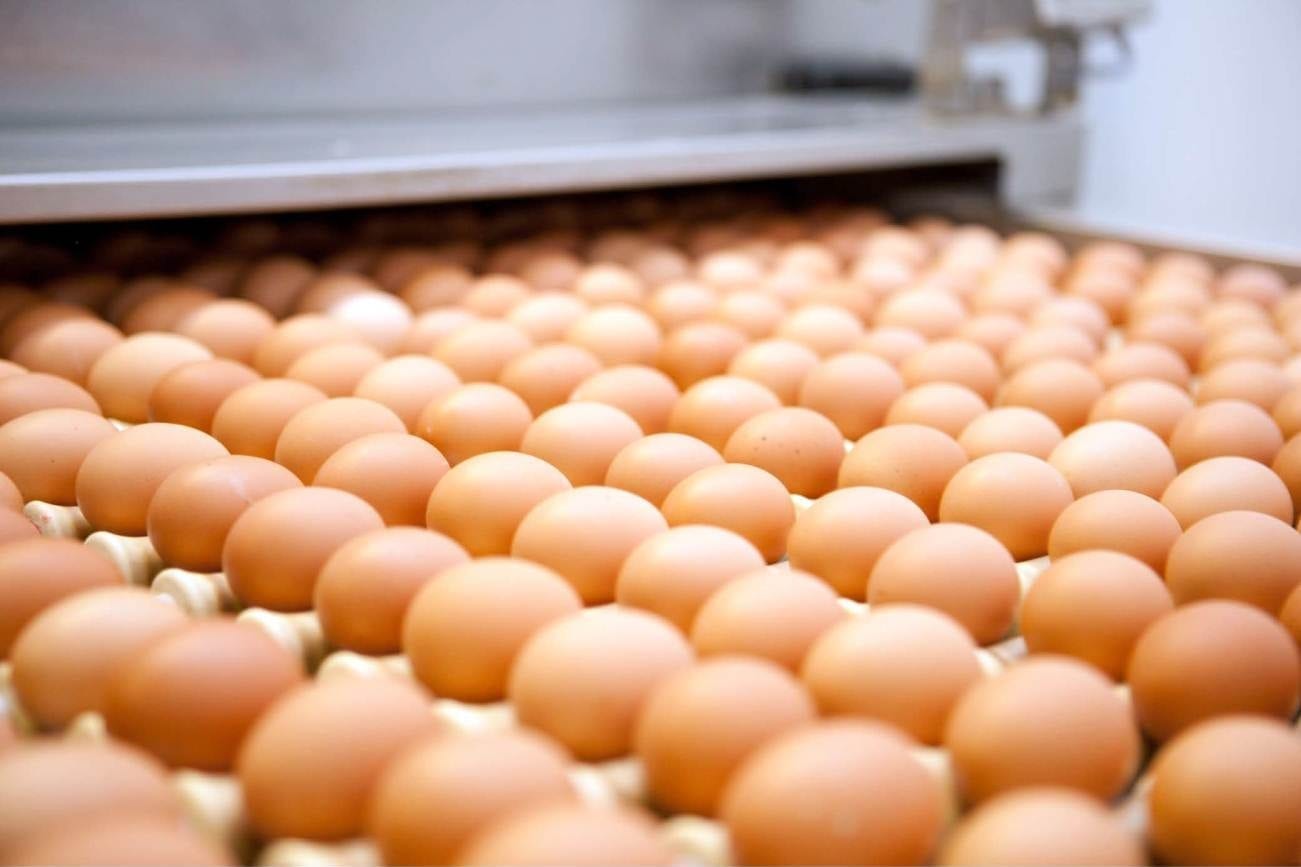
  • Cracking Into Global Markets: Vietnam’s First Shipment of Ready-to-Eat Eggs Lands in Japan

    Cracking Into Global Markets: Vietnam’s First Shipment of Ready-to-Eat Eggs Lands in Japan

    Vietnam has made significant strides in its food export sector with its first shipment of ready-to-eat poultry eggs to Japan. The delivery was facilitated by Vinh Thanh Dat Food (VFood) on Thursday, following an extensive collaboration with a Japanese partner. The endeavor is notable as Japan is renowned for having some of the world’s most rigorous food safety standards.

    Years of Collaboration Lead to a Successful Shipment

    The partners invested nearly two years in product development, tailoring the ready-to-eat eggs to the specific tastes of Japanese consumers while ensuring they adhered to the country’s stringent food safety regulations. This meticulous process involved comprehensive research, product refining, and assistance from Japanese experts.

    This shipment represents more than just a successful export; it symbolizes VFood’s determination to elevate the worth of Vietnamese eggs. Further, it opens doors for other processed egg products to penetrate demanding international markets and solidify their presence.

    Addressing Oversupply through Increased Exports

    Presently, the poultry egg market in Vietnam is grappling with an oversupply due to a surge in farm expansions when egg prices were high. This expansion has led to production exceeding demand, thereby resulting in a drop in egg prices. Thus, venturing into new export markets is seen as a viable solution to manage the surplus stock, enhance poultry farmers’ earnings, and in turn, instill greater confidence in them to sustain production.

    In the long run, increasing exports can help farmers standardize and upgrade their production processes. Simultaneously, it could serve as a catalyst for growth in Vietnam’s poultry egg sector.

    Questions & Answers

    What is significant about the recent shipment of ready-to-eat eggs from Vietnam to Japan?
    This shipment marks the first time that Vietnam has exported ready-to-eat eggs to Japan, a country known for its strict food safety standards.

    How did VFood prepare for this milestone shipment?
    VFood collaborated with a Japanese partner and invested nearly two years in product research, development, and refinement to ensure the eggs met Japanese consumers’ tastes and the country’s food safety regulations.

    What are the potential benefits of expanding egg exports for Vietnam’s poultry sector?
    Expanding exports can help manage the current oversupply of eggs in the Vietnamese market, improve poultry farmers’ incomes, and encourage them to maintain production. In the long term, it can aid in standardizing and upgrading production processes and boosting the overall poultry egg sector.

  • Vietnam’s Gold Prices Soar Despite Global Market Decline: A Week of Ups and Downs

    Vietnam’s Gold Prices Soar Despite Global Market Decline: A Week of Ups and Downs

    Vietnam’s gold market saw a modest rise in prices on Saturday, ending the week on a slightly high note. The day observed a 0.34% increase in the prices of gold bars from Saigon Jewelry Company, which closed at VND147.2 million (US$5,594.85) per tael. This showed a 0.14% increase over the week.

    Similarly, the prices of gold rings also rose, marking a 0.4% increase to VND147.2 million per tael. For context, a tael is a traditional Asian unit of weight, which is equivalent to 37.5 grams or 1.2 ounces.

    Global Gold Prices

    In contrast to Vietnam, global gold prices experienced a downward trend on Friday. The decline marked the third consecutive weekly fall for the yellow metal. The decrease in prices was influenced by the strengthening of the U.S. dollar and a hawkish stance of the Federal Reserve.

    Spot gold decreased by 0.9%, settling at $4,169.44 per ounce. This was after hitting its lowest level since June 11 at $4,119.78. Also, U.S. gold futures contracted by 1.4% to $4,186.50.

    Senior market analyst at Jefferies-owned Tradu.com, Nikos Tzabouras, commented on the situation. He noted that gold is at risk of sinking further into bear market territory, potentially falling below the $4,000/oz mark. He attributed this to the challenging market environment and the unfavorable effects of prolonged higher Federal Reserve expectations on non-yielding assets, which, however, is beneficial to the dollar.

    With regards to gold price projections, Goldman Sachs revised its forecast, lowering its December prediction to $4,900 per ounce from its earlier estimate of $5,400. The firm reasoned that while its price outlook remains generally positive, it is exercising caution due to potential near-term downside risk and medium-term upside risk.

    Questions & Answers

    What caused the rise in Vietnam’s gold prices?
    The increase in Vietnam’s gold prices is not attributed to a specific cause in the article. However, gold prices can rise due to various factors such as fluctuations in currency values, inflation, and geopolitical instability.

    What is causing the downturn in global gold prices?
    The global decline in gold prices is attributed to the strengthening of the U.S. dollar and the hawkish stance of the Federal Reserve, which has increased expectations for higher interest rates.

    What is Goldman Sachs’ revised forecast for gold prices by December?
    Goldman Sachs has revised its forecast for gold prices by December to $4,900 per ounce, a decrease from its previous estimate of $5,400 per ounce.

  • Vietnam’s Pepper Exports Heat Up with 21.7% Rise in Five Months, US Leading the Demand

    Vietnam’s Pepper Exports Heat Up with 21.7% Rise in Five Months, US Leading the Demand

    In the first five months of 2026, Vietnam saw a significant increase in its pepper exports, with 122,600 tonnes exported, marking a rise of 21.7% from the previous year. The collective value of these shipments was US$789.2 million, representing a 13.9% surge year-on-year, as reported by the Vietnam Pepper and Spice Association.

    Primary Markets and Export Performance

    The United States emerged as the leading market, accounting for nearly 24.5% of the total exports, or 30,000 tonnes, marking a growth of 30.2% from the previous year. China followed closely with a staggering 145.4% rise, importing 14,636 tonnes.

    In terms of regional consumption, Asia led as the largest consumer, importing 56,570 tonnes, or 46% of the total product, marking a 24% rise year-on-year. Europe also saw a rise in imports by 5.1%, totalling 25,176 tonnes. Remarkably, the Netherlands boosted their imports by 51.6%, but Germany saw a 30.7% drop.

    The increase in exports can be attributed to a strong performance in the first and early second quarters, coupled with increased demand from major markets amid a tightening global supply. However, in May, pepper export volume experienced a decline of 18.9% from April and 4.8% year-on-year, totalling 25,180 tonnes worth $166.2 million.

    Import Trends and Other Exports

    On the import side, Vietnam purchased 38,086 tonnes of pepper valued at $217.8 million, marking a 69% rise year-on-year in volume and 60% in value. Cambodia emerged as the primary supplier, accounting for 54.6% of imports, followed by Brazil with a 29.1% share.

    In addition to pepper, Vietnam’s cinnamon exports also witnessed growth. The country exported 48,686 tonnes of the spice, totalling $124.3 million in the first five months, marking a 2% increase in volume and a 1% increase in value from the previous year. Asia accounted for 67.8% of these exports, while the Americas constituted 22.4%.

    Questions & Answers

    What was the total volume and value of pepper exported from Vietnam in the first five months of 2026?
    122,600 tonnes of pepper were exported, with a value of US$789.2 million.

    Which countries were the main buyers of Vietnamese pepper?
    The United States and China were the main buyers, importing 30,000 tonnes and 14,636 tonnes respectively.

    What trends were observed in Vietnam’s cinnamon exports?
    Vietnam’s cinnamon exports also saw a rise, with 48,686 tonnes exported, valued at $124.3 million. Asia and the Americas were the main markets for Vietnamese cinnamon.

  • Vietnam’s Gold Market Stumbles: Price Plunge Amid Softening Global Bullion Rates

    Vietnam’s Gold Market Stumbles: Price Plunge Amid Softening Global Bullion Rates

    On Wednesday, gold prices in Vietnam witnessed a decline, following a similar downtrend in global bullion rates. The price of gold bars offered by Saigon Jewelry Company (SJC), a major Vietnamese gold retailer, fell by 0.92%, hitting VND162 million (US$6,144.5) per tael. In addition, the price of gold rings slid down by 1.1% to VND161.5 million per tael. It’s worth noting that a tael in Vietnam is equivalent to 37.5 grams or 1.2 ounces.

    Global Gold Market Trends

    Globally, gold prices also edged lower on Wednesday. This downward trend was primarily due to rising Treasury yields and a strong dollar, which eclipsed the optimism kindled by the prospect of a potential peace agreement between the U.S. and Iran. Spot gold fell by 0.3%, valued at $4,467.59 per ounce, after reaching its lowest point since March 30 in the preceding session. Meanwhile, U.S. gold futures for June delivery suffered a loss of 0.9%, priced at $4,471.10.

    Inflationary pressures stemming from the Iran conflict spurred a selloff in global bond markets. This sell-off drove 30-year U.S. Treasury yields to levels unseen since the precursor period to the 2007 global financial crisis. Concurrently, the dollar floated at a six-week high, making bullion priced in the greenback more expensive for individuals holding other currencies.

    Analysts speculate that gold’s current slump could be attributed to the rising yields and the dollar’s strength. Tim Waterer, the chief market analyst at KCM Trade, opines, “Gold is running out of puff somewhat against this backdrop of rising yields, and a dollar which has a spring in its step courtesy of the hawkish shift in the rates outlook.”

    Questions & Answers

    What triggered the decline in gold prices in Vietnam?
    The fall in gold prices in Vietnam was influenced by the global downtrend in bullion rates, with the price of gold bars and gold rings offered by Saigon Jewelry Company witnessing a significant decline.

    What factors influenced the global downtrend in gold prices?
    Rising Treasury yields and a firm U.S. dollar were the primary factors that attributed to the global decline in gold prices. The optimism surrounding the potential U.S.-Iran peace agreement was overshadowed by these factors.

    What impact did the Iran conflict have on the global gold market?
    The Iran conflict led to inflationary pressures that resulted in a selloff in global bond markets. This, in turn, significantly affected the global gold market, driving U.S. Treasury yields to levels unseen since the precursor period to the 2007 global financial crisis.

  • Vietnams Gold Plunge Continues Amidst Rising Inflation Concerns and Middle East Tensions

    Vietnams Gold Plunge Continues Amidst Rising Inflation Concerns and Middle East Tensions

    The price of gold in Vietnam continued to decline on Monday, with reductions seen throughout the day following an initial drop of nearly 1% earlier in the day. Saigon Jewelry Company, a prominent gold retailer, noted a further 0.42% decrease in its gold bar price from the morning, ultimately tallying a total loss of 1.37% for the day. The quoted price of gold per tael (equivalent to 37.5 grams or 1.2 ounces) fell to VND165.2 million, equivalent to US$6,276.26.

    Local Rates Versus Global Prices

    In comparison, local gold prices in Vietnam exceed international gold rates by approximately VND17 million per tael. The price of a gold ring also saw a similar decrease, falling to VND164.7 million per tael.

    Internationally, gold prices fell by 1% on Monday in response to escalating geopolitical tensions. The refusal of President Donald Trump to accept Iran’s recent peace proposal to end ongoing conflicts in the Middle East has raised fears of inflation and a continued period of high interest rates. This sentiment has been reflected in the gold market, with spot gold falling to $4,667.99 per ounce following a 2% increase last week. Concurrently, U.S. gold futures for June delivery saw a drop of 1.1%, hitting $4,677.80.

    Market Reactions and Predictions

    Market observers note the significant impact of these geopolitical developments on inflation risks and market expectations. Bybit’s Chief Market Analyst, Han Tan, highlighted that the stalled peace negotiations have weighed heavily on the market’s psyche, maintaining high interest rate expectations and amplifying pressure on non-yielding gold. Since the conflict’s inception in late February, gold has seen a decline of more than 11%.

    Tan further suggested that gold could face additional downward pressure if the U.S. Consumer Price Index (CPI) forecast for the following day proves hotter than anticipated. This situation could necessitate the Federal Reserve maintaining elevated benchmark rates for an extended duration.

    Questions & Answers

    Why did Vietnam’s gold prices drop on Monday?
    The gold prices in Vietnam dropped due to international gold prices falling by 1% in response to increasing geopolitical tensions and the current conflict in the Middle East.

    What are the implications of high inflation and interest rates on the gold market?
    High inflation and interest rates put pressure on non-yielding bullion, causing its price to drop. The gold market has seen a decline of more than 11% since the conflict began in late February.

    What could cause further downward pressure on gold prices?
    If the U.S. Consumer Price Index forecast proves hotter than anticipated, the Federal Reserve may need to maintain elevated benchmark rates for a longer period. This scenario could exert additional downward pressure on gold prices.