Tag: VinaCapital

  • Booming foreign investment to push Vietnam up value chain

    Booming foreign investment to push Vietnam up value chain

    “Vietnam has repeatedly proven its ability to climb up the value chain over the years, to the point where the country has grown into a key manufacturing hub for tech products within the electronics space,” CEO of HSBC Vietnam, Tim Evans said.

    Apple is reportedly in talks to make watches and the MacBook in Vietnam for the first time, with its suppliers having started test production of the former in the north.

    Foxconn, a key Apple supplier, this month leased 50.5 hectares of land in Bac Giang Province and plans to build a $300-million factory there and employ 30,000 workers.

    South Korean conglomerate Lotte is seeking to expand in Vietnam, arguably its third most important market behind its home nation and Japan, and completely pull out of China.

    Over the last decade Samsung, Intel and many other multinationals have made significant investments in Vietnam and consider it an important base for their production.

    The country’s ectronics exports climbed to a record US$108 billion in 2021, equivalent to 32% of total exports, against less than $1 billion in 2000.

    “Vietnam has effectively turned itself into a rising star in global supply chains, gaining substantial global market share in sectors ranging from textiles and footwear to furniture and consumer electronics,” Evans said.

    This has come about because of its strategic location, competitive labor and production costs, and political, currency and social stability, have helped it become an attractive investment destination, he added.

    Vietnam attracted $31.15 billion worth of foreign direct investment last year, up 9.2% from 2020 despite Covid-19.

    Multinationals are moving part of their production from China to Vietnam since the risk of the latter facing punitive tariffs in future is low, according to analysts.

    The foreign direct investment flow from China to Vietnam reached $1.88 billion in 2020, up 245% from 2017, according to data from the United Nations Conference on Trade and Development, Thai lender Kasikorn – Kbank said.

    Michael Kokalari, chief economist of investment fund VinaCapital, said Vietnam still has a large number of workers who can move from the farm to the factory since over 40% of its workforce is still employed in agriculture.

    “I don’t see any other country in the world as a serious competitor to Vietnam in the assembly of high-tech products, which explains why Vietnam’s FDI inflows have remained so consistent.”

    But much remains to be done for Vietnam to take advantage of the increasing foreign investment.

    World Bank data shows its non-tariff trade costs are higher than for its ASEAN peers, with transport congestion costing as much as 21% of GDP in 2016, much higher than the global average of 12%.

    “Upgrading and modernising existing infrastructure will empower Vietnam to reduce the barriers to trade and strengthen its ability to attract additional FDI,” Evans said.

    Improving labor skills is another necessity as the demand for highly skilled workers is rising given the high level of technology and automation at foreign-invested manufacturers, he added.

    Kokalari said factors such as wages, workforce quality and infrastructure are more important than government policies in attracting FDI.

    More FDI means more opportunities for local firms to develop their capabilities to produce inputs the FDI factories require, he pointed out.

    “FDI brings not only money into a country, but also creates spillover benefits that help foster that country’s industrial sector.”
  • VinaCapital invests further in live video streaming startup

    VinaCapital invests further in live video streaming startup

    A Vietnamese startup that provides multi-platform Livestream service for social sellers, GoStream, has received a second round of investment from venture capital firm VinaCapital Ventures.

    But it has not disclosed the value of the investment.

    GoStream has completed its series A funding worth $1 million, co-founder Nghiem Tien Vien said last November at the 2020 TechFest Vietnam, a national festival for innovative startups.

    VinaCapital Ventures CEO Hoang Duc Trung said GoStream is the leading company in integrating live streaming across a number of sectors.

    “Their innovative streaming technology is helping more businesses reach more viewers and customers, and we look forward to working with them as they further expand their capabilities and play an even greater role in Vietnam’s growing digitization.”

    Founded in 2017, GoStream is a simulcasting live video streaming platform serving multiple corporate clients and facilitating over 100,000 live streaming sessions daily.

    Its product, GoStudio, won the first prize at the Vietnam TechFest and will represent the country at the 2021 Startup World Cup contest in the U.S.

    In 2019, GoStream made it to the top 30 most used live broadcasting applications on Facebook.

    It received $200,000 in seed funding from VinaCapital and the startup accelerator program Zone Startups Vietnam.

  • Vietnam ride-hailing app FastGo to hit Singapore streets

    Vietnam ride-hailing app FastGo to hit Singapore streets

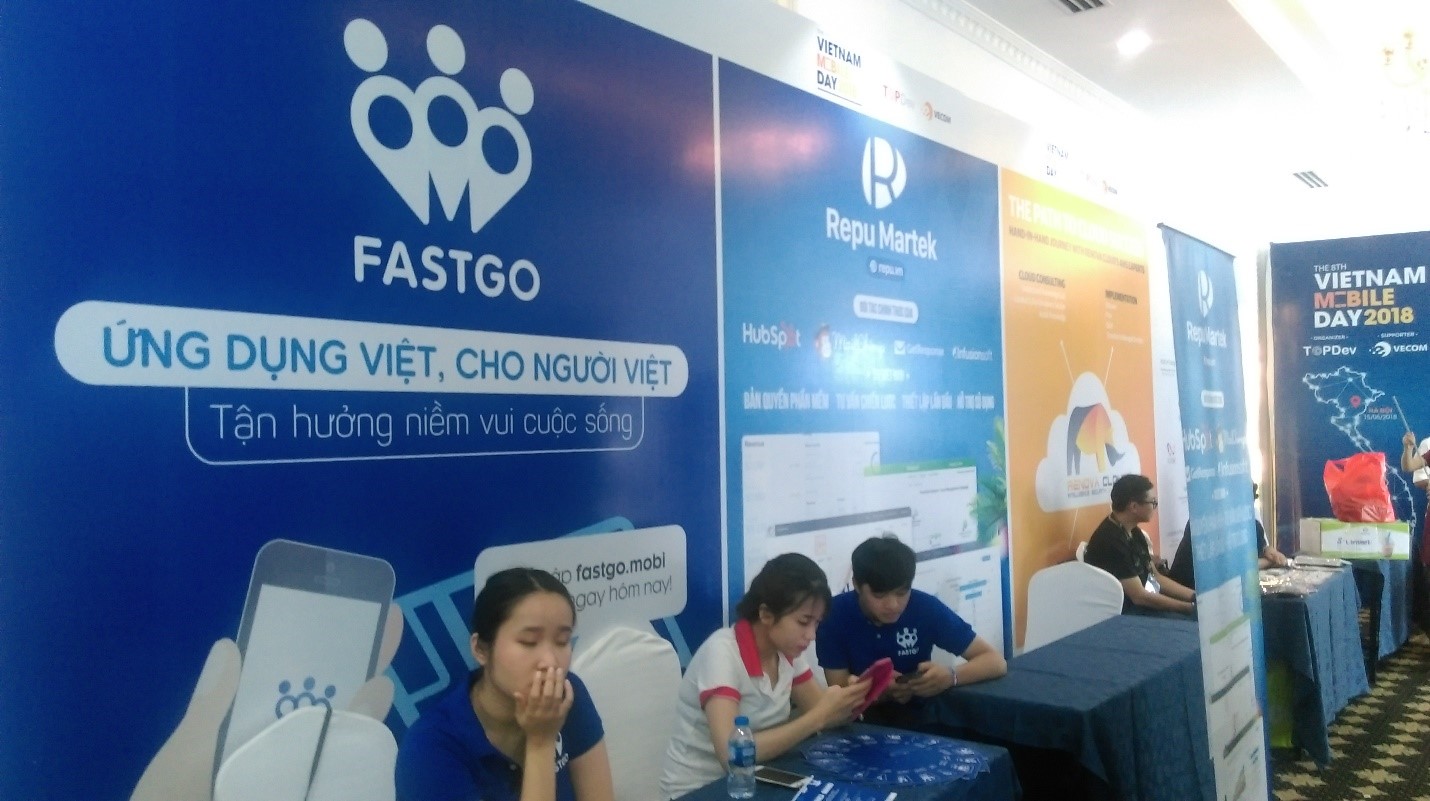
    Vietnamese ride-hailing firm FastGo is set to launch Singapore operations in April as part of its regional expansion plans. The nine-month old Vietnamese start-up has announced that drivers will be able to register on its ride hailing application from April 1, and customers can use the service from April 30. Diep Nguyen, country manager for FastGo Singapore, said the company’s fleet size will be at least 3,000 cars.

    Singapore is the third country in which FastGo will operate, after Vietnam and Myanmar. The firm is expected to face fierce competition from market incumbents including  Singapore’s Grab, Indonesia’s Go-Jek, as well as local startups Ryde and TADA.

    FastGo, which is part of Vietnamese technology startup NextTech Group, has plans to launch in five other countries in the region, including Indonesia and the Philippines, by the end of 2019.

    While FastGo has not yet publicised fares, but the ride-hailing app will not charge peak period surcharges, and customers can tip drivers. FastGo aims to undercut competitors like Grab and Go-Jek, who collect 20 percent of ride fares from drivers, by charging them a fixed daily subscription fee of $5 if a driver’s income exceeds $30 a day.

    However, an associate professor at the Singapore University of Social Sciences, as saying “another small entrant” will not make a difference to the local ride-hailing market, unless the new player is financially backed by a strong sponsor or a well-known Singaporean firm.

    “Other than GoJek and Grab, the other (existing) players have very small market share and have difficulty making much impact locally. The market is easy to enter but it’s very hard to get a substantial market share,” he said.

    Founded in April 2018, FastGo Vietnam JSC launched its service after Uber’s exit from Southeast Asia last June. With almost 60,000 drivers onboard, the company claims to be the second most popular ride-hailing firm in Vietnam, following Grab. After receiving an undisclosed sum in a Series A investment from venture capital platform VinaCapital Ventures in August last year, FastGo is aiming to raise another $50 million in its Series B investment round over the next few months.

    According to the company’s statements, FastGo will diversify its services to include food delivery and financial services.

  • Macau’s Suncity again defers Hoiana casino-resort stake purchase

    Macau’s Suncity again defers Hoiana casino-resort stake purchase

    Hong Kong’s Suncity Group Holdings has twice delayed a deal in the last two months to acquire 34 percent of a casino-resort in Quang Nam Province.

    In a statement to the Hong Kong Stock Exchange, the Macau casino operator and investor said it is waiting for the joint venture between VinaCapital and Hong Kong’s Chow Tai Fook to obtain approval from a Vietnamese bank, which has given a loan to the developers of Hoiana.

    So it is postponing completion of the deal, worth $76.8 million, until August 31 this year, the firm said.

    “It is expected that the bank consent will be obtained on or before August 31, 2018. Save for the condition relating to the bank consent, all other conditions have been fulfilled.”

    In June Suncity had said difficulties in acquiring land for the project caused it to put off the deal until July 31.

    VinaCapital and Chow Tai Fook have since acquired the 163 hectares required for phase 1 of the development.

    Suncity announced plans to acquire the stake in the casino and resort in July last year.

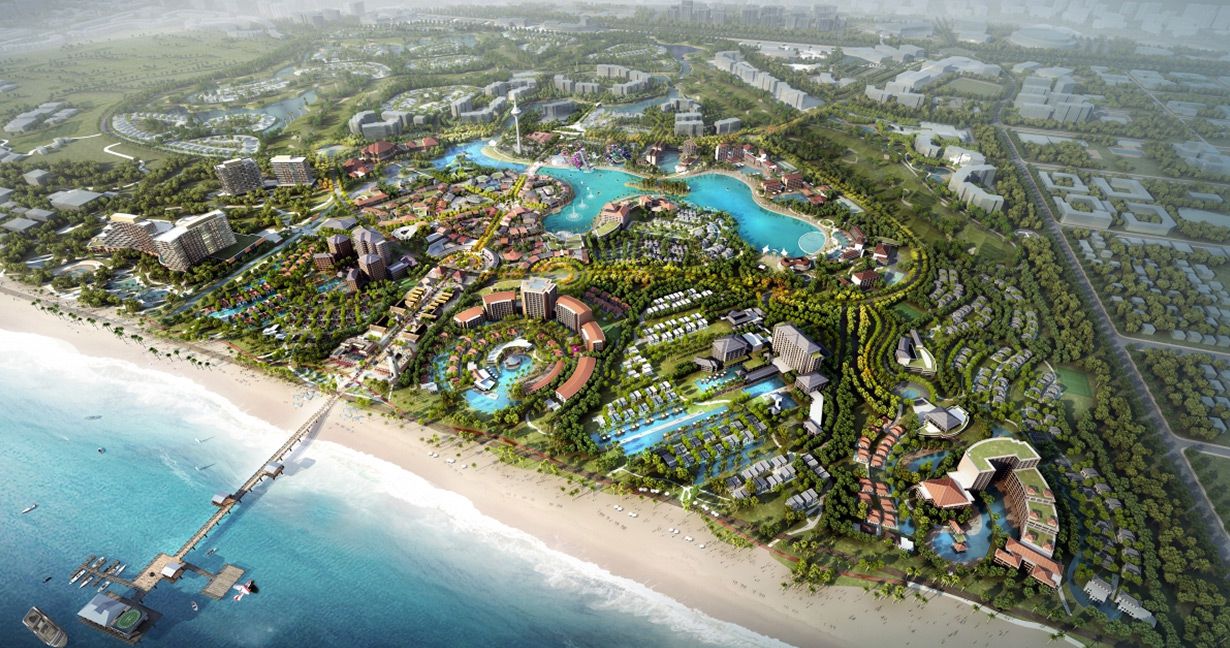
    The $4 billion project was initially planned by VinaCapital and Malaysia’s Genting Group, but in 2012 the latter pulled out, and in 2015 Chow Tai Fook came on board.

    Hoiana is one of eight casinos to be licensed in Vietnam now.

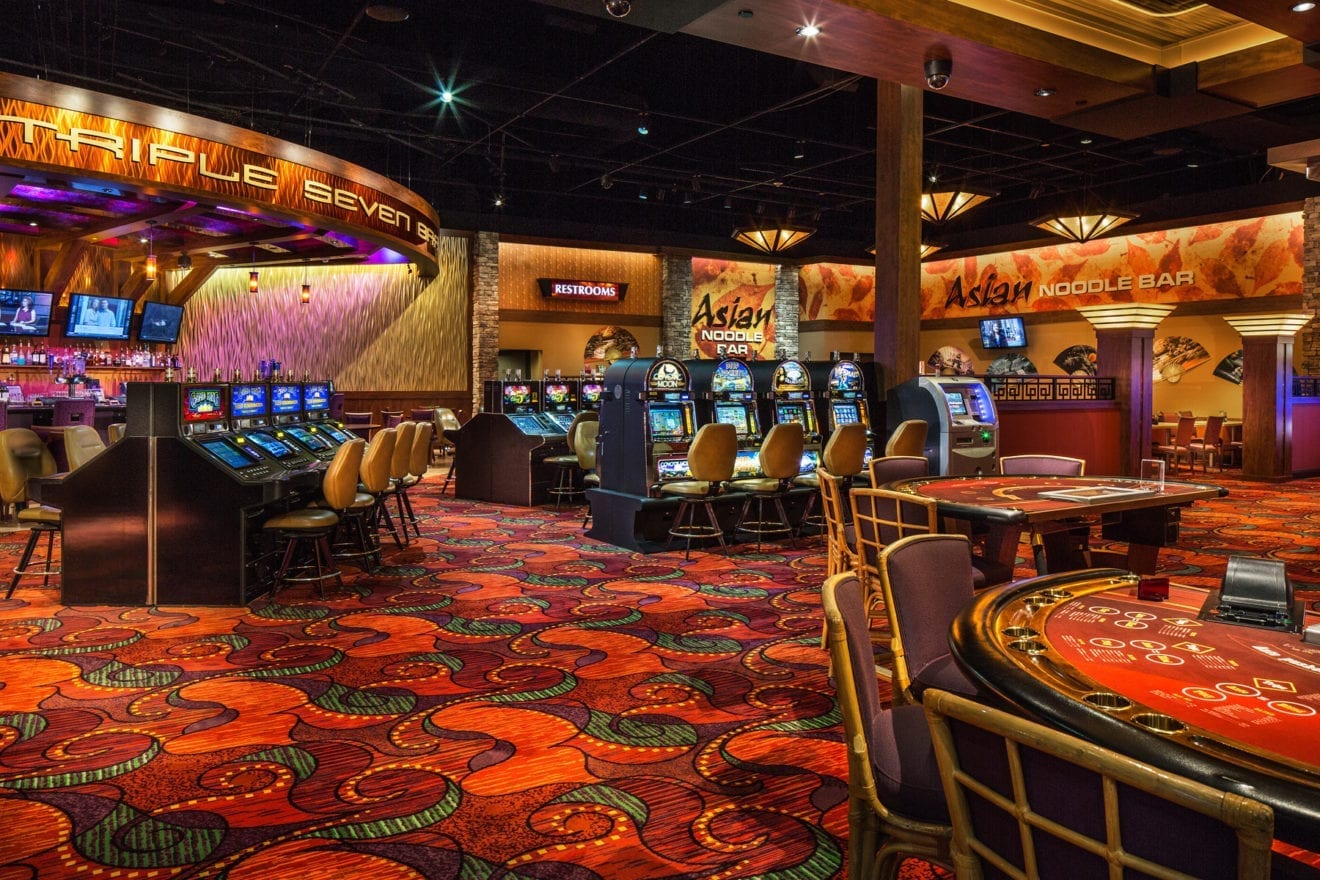
    To be built in seven phases it will have a casino with 140 tables and around 1,000 slot machines, guest rooms and a golf course.

  • Investors rush to apply for multi-billion dollar casino projects

    Investors rush to apply for multi-billion dollar casino projects

    The $4 billion Nam Hoi An integrated resort project wad restarted by VinaCapital after it found a new partner for the joint venture. The new investor is Chow Tai Fook Enterprise from Hong Kong.

    The project kicked off in 2007 and received an investment certificate in late 2010, but it was delayed for many years as the initial partner – Genting Berhard Malaysia — left in September 2012.

    The other huge project is Ho Tram Strip, a complex of five integrated resorts covering an area of 164 hectares along the Ba Ria – Vung Tau seashore. The project has registered capital of $4.2 billion of which $1 billion has been disbursed.

    Meanwhile, Singaporean Banyan Tree Holdings Limited is moving ahead with Languna Lang Co, capitalized at $1 billion in Hue City. The investor is following necessary procedures to obtain a license for a casino.

    Bloomberg news and Nikkei Asia Review reported that two leading Vietnamese real estate developers are planning to build two integrated resorts with casinos in Phu Quoc and Van Don in 2017. However, the scale of the projects and the detailed plan remain secret.

    Sources said G.O. Max I&D, a South Korean group, is considering investing $1.5 billion in a horse race complex in the north of Hanoi.

    Other projects in the same field, capitalized at less than $1 billion, are being considered by huge investors including Hong Kong’s Matrix Holdings, South Korea’s Global Consultant Network and Australia’s Golden Turf Club.

    George Tanasijevich from Las Vegas Sands, the world’s leading group in casinos, commented that foreign investors see great opportunities in the Vietnamese market.

    He said Las Vegas Sands is eager to develop a project in Vietnam, but this would depend on Vietnam’s policies on casino development in the future, referring to  uncertainties and risks in the next three years after Vietnam opens casinos to Vietnamese players on a trial basis.

    The recently released government decree stipulates that Vietnamese are allowed to go to casinos, but just for a trial period of three years.

    After the trial period, Vietnam will consider continuing to allow Vietnamese to gamble at casinos.

    The business performance of existing casinos (open only to foreigners) varies. While the casinos in border areas report good business results, the casinos in coastal areas depend on the number of tourists from China, South Korea and Japan.

    Running the only casino for foreigners in Ha Long City, Hoang Gia JSC repeatedly reported unsatisfactory business results. In 2016, the casino brought VND88 billion in turnover, but this meant a loss of VND36 billion because of the high cost price of VND123 billion.