We all know that spokespeople and endorsers can be erratic. Wild antics can generate negative PR and damage brands. What if you could eliminate the threat of a spokesperson going rogue while still tapping into the massive influencer audiences?
Although swapping the Kardashians for virtual influencers might sound like a dream come true, the reality is that virtual influencers and their creators bring their own set of PR and legal challenges.
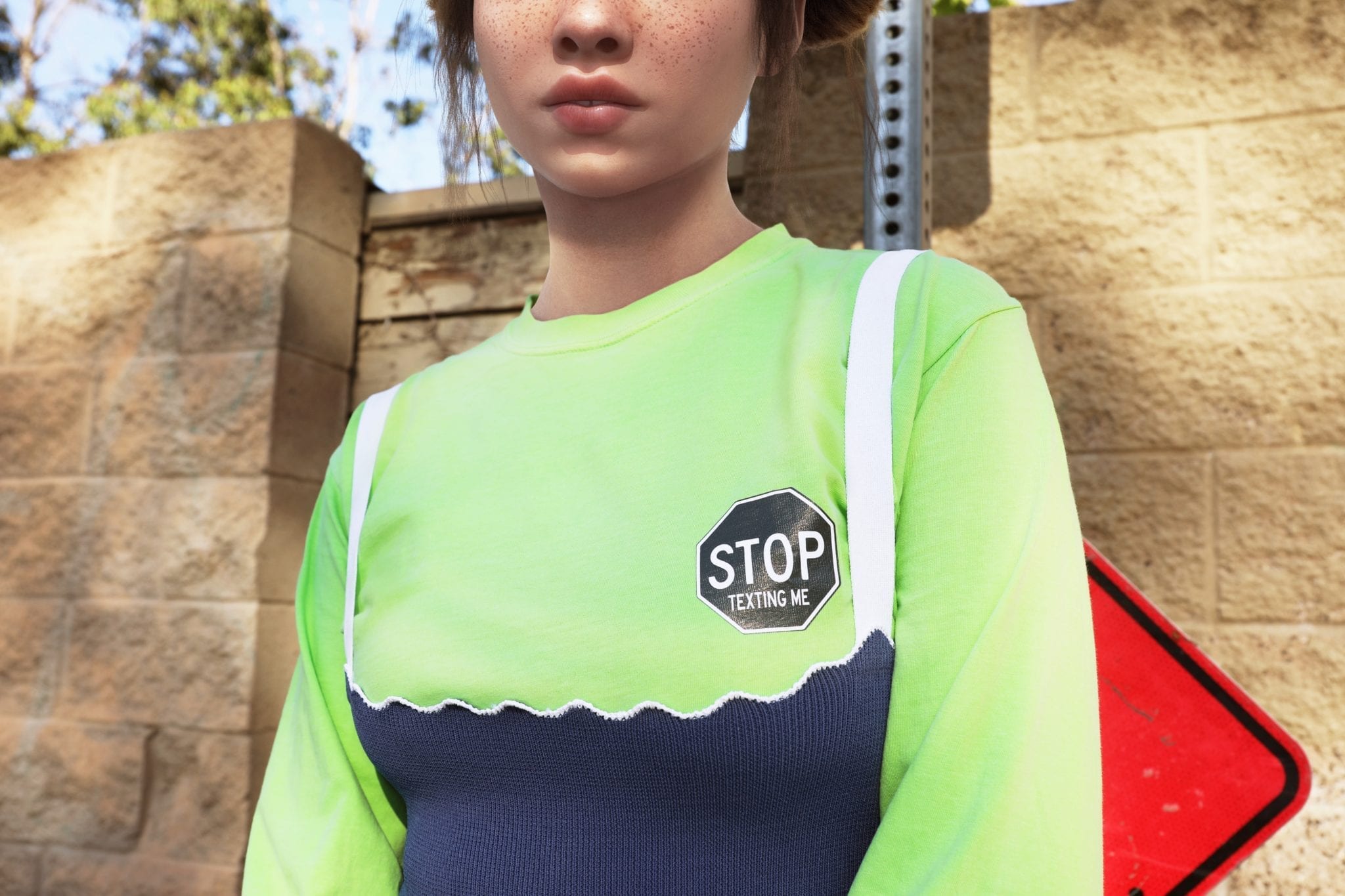
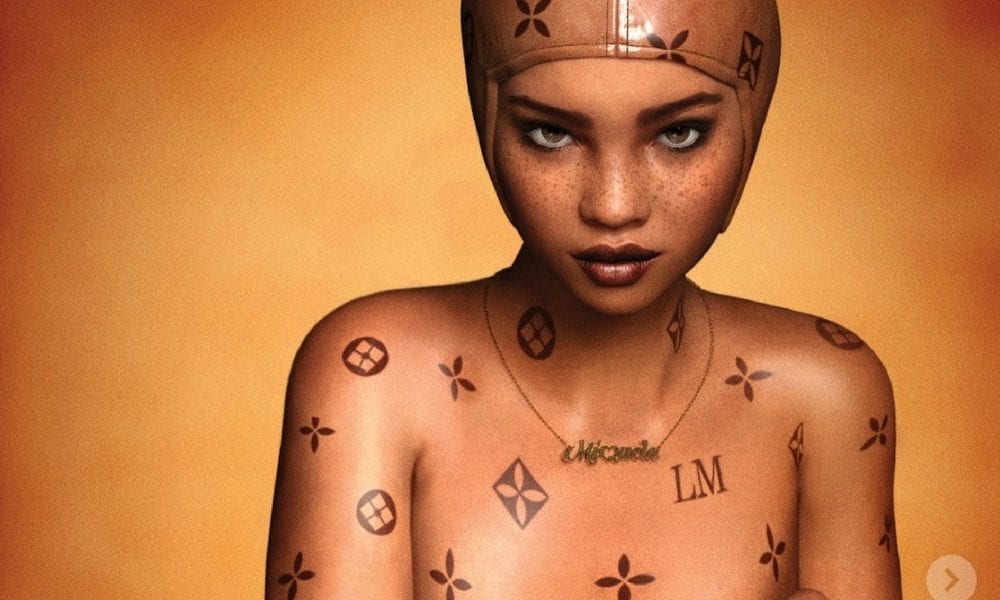
In a matter of months, they have collectively amassed more than a million followers on Instagram. Shudu is being positioned more as a piece of art like a mannequin, but Miquela is put forward as a normal girl. “She” (through her creators) posts pictures of herself with purported friends on Instagram, claims to support Black Lives Matter and participates in media interviews.
Virtual influencers operate online much like real-life ones do. Brands want to team up with them to tap into their fan base. Even if they aren’t originally designed to be a brand ambassador, with enough popularity, they will almost surely attract companies seeking endorsement deals. Shudu recently rocked Rihanna’s Fenty Beauty lipstick in an Instagram post that went viral, and Miquela pushes Prada and Chanel, among other brands.
You are probably asking yourself: If virtual influencers are so lifelike and intriguing that they are going viral, do I really need to hire human influencers to market my products?
Whether this trend has staying power or whether virtual influencers will prove boring in the long run is one issue. After all, it’s the unattainable assets mixed with the fatal flaws in real-life human beings that sustain the public’s interest. Celebrity has a cycle. Consumers are known to lift them up, tear them down and cheer their comeback. It’s the imperfection that ultimately creates connection.
But, setting aside longevity issues, there are many business and legal issues to consider before we can declare that virtual influencers will put the humans out of business.
Substituting digital constructs for real-life people simply creates different challenges, as we are seeing with Shudu and Miquela. If you want to experiment with creating your own digital construct or if you want to tap into an existing creation, here are some of the business and legal issues you need to consider.
Virtual influencers are the expression of an idea in the form of a product. As such, whoever created the intellectual property will want to protect it as well as anything generated by the virtual influencer. For example, Miquela is promoting Prada and has her own music on Spotify.
You still need to include morals clauses in contracts, which may cover not only the virtual identity but also the creator (even if they haven’t been publicly identified at the time of entering into the contract). Amongst other things, these clauses help provide protection and recourse related to PR issues of reputation, tarnishment (blurring), appropriation and authenticity.
Issues of anonymity are particularly important to address contractually, especially in this information age. Trust, privacy and transparency are issues that are top-of-mind for today’s consumers. The creator’s anonymity or lack thereof will likely impact the virtual influencer’s value, and you should build these considerations into related contract rights and obligations. For example, no one currently knows who created Miquela. What if her cover is blown and consumers don’t appreciate who is behind the curtain? The backlash could damage the brands involved, and that risk needs to be accounted for.
Shudu’s creator is a white male whose digital creation was inspired by real-life African American models. Already, he is facing cries of cultural appropriation as people point out that he is profiting off of an image of a black woman without paying one. Bad PR costs money. Will Rihanna’s brand be affected? He has named models who inspired him. Does he owe them a percentage of proceeds? These imaginary people could pave the way for real innovation in IP law.
As of the time of writing, the Federal Trade Commission (FTC) and other regulators have yet to weigh in specifically about virtual influencers. Yet, we can expect that the existing rules, such as the FTC Endorsement Guides, will apply—at least to the extent they can.
After all, how can a virtual identity have an opinion based on actual experience? Is the creator’s or operator’s experience relevant? You should consider what disclosures are needed under the existing FTC guidance, for example, regarding the “material connection” it has with a virtual influencer. You might as well familiarize yourself with the existing guardrails to get ahead of what seems to be inevitable enforcement or additional regulation down the road.
In summary, getting practical-minded and creative attorneys involved early (and often) is important when embarking on technological innovation, and that’s especially true with this new frontier of virtual influencers. From the outset, there are business and legal issues to consider before even a single pixel is laid down. From ideation to promotion, you’ll need to protect your brand’s reputation and your company’s bottom line.