
Tag: virtual try-on

  • Glance Adds True Fit Sizing Data to AI Shopping Platform Ahead of 2026 Holidays

    Glance Adds True Fit Sizing Data to AI Shopping Platform Ahead of 2026 Holidays

    Glance has partnered with sizing technology provider True Fit. The deal embeds fit intelligence into Glance’s AI shopping interface across 60 million connected screens ahead of the 2026 holiday shopping season.

    The system links Glance’s generative virtual try-on tools with True Fit’s transaction records. That database covers 91,000 apparel and footwear brands and more than $500 billion in purchase history. By combining visual simulations with verified purchase data, both firms aim to reduce return rates on agentic e-commerce platforms.

    Integrating Fit Models Into Lockscreen Discovery

    Online fashion retailers lose billions each year to sizing-related returns. According to True Fit customer data, more than 70 per cent of shoppers interacting with AI retail agents ask specifically about fit before buying.

    Glance pushes shopping recommendations across mobile lockscreens, connected televisions and desktop computers. Integrating True Fit sizing predictions allows the interface to suggest specific garment sizes alongside on-screen try-on previews. Shoppers no longer have to guess.

    “AI is moving more of the shopping decision into the conversation, so the agent has to resolve the questions that determine whether someone buys,” said Mansi Jain, chief operating officer at Glance. “In fashion, fit is one of those questions.”

    How the Dataset Operates

    True Fit builds its recommendation layer on two decades of transactional data. The archive spans 60 million individual products. It also tracks post-purchase behavior, including returns and repeat orders across hundreds of partner retailers.

    Computer vision models then pair that database with user photos to render garments on screen. The software cross-references user measurements against actual return histories for each garment cut. It narrows size options before routing the buyer to checkout.

    Agentic Commerce and Brand Adoption

    For fashion brands across Asia and Western markets, agentic systems replace traditional search-and-browse websites. Sizing errors create major friction when an AI interface autonomously assembles complete outfits for shoppers.

    Autonomous shopping software must convert browsing intent into keepable orders. Putting verified returns data directly into the discovery layer lifts conversion confidence for apparel labels. It also reduces fulfillment overhead from bracket purchasing, where shoppers buy multiple sizes intending to return the extras.

    Expansion Plans for 2027

    Operating as a core unit of India-based InMobi Group, Glance runs on more than 400 million devices globally. In September 2026, the platform expanded its agentic commerce footprint by linking with Mastercard Agent Connect to process direct payments.

    Following the holiday launch on Glance screens, True Fit will roll out the joint try-on software to its wider merchant network in 2027. Both companies will present the technical architecture at the RetailClub AI Festival in California on September 22.
  • Virtue Mirage Launches 17-Tool Fashion Personalisation Platform

    Virtue Mirage Launches 17-Tool Fashion Personalisation Platform

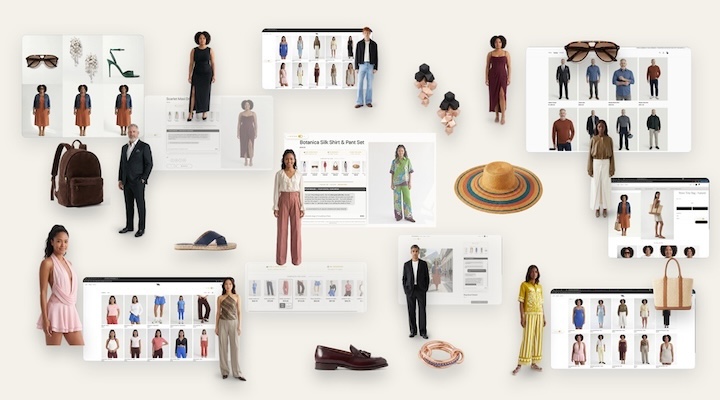
    Australian entrepreneur Lukas Cervenan launched Virtue Mirage in September 2026, introducing a hyper-personalisation platform designed to reshape the online fashion shopping experience.

    The system offers 17 tools that create a digital twin of a shopper using photos or exact measurements, extending personalisation across entire online stores rather than limiting it to individual products.

    By replacing traditional model imagery across every product gallery, the platform allows shoppers to see garments on their real body sizes across participating stores running on services such as Shopify and BigCommerce.

    How the Network Functions

    Shoppers manage their profiles through a central dashboard that stores saved outfits, real-time stock availability, and tailored size advisories for specific garments. A semantic search engine pairs items across a merchant’s inventory directly onto the user’s avatar, rather than displaying isolated product grids. New inventory drops can be pre-rendered for registered customer profiles before users land on the store page.

    To our knowledge, we are the only platform in the world that is transforming entire websites. So a size-16 shopper is never looking at a professional size-6 model; she sees her real size, on her real body, in every image across a brand’s entire store.

    The Return Problem Across Regional Fashion

    Retail margins across Asia-Pacific e-commerce continue to erode under the weight of reverse logistics. Fit failures drive the bulk of fashion returns, worsened by bracket-buying habits where shoppers purchase several sizes of a single item with the intention of returning most of them. Eliminating the disconnect between model proportions and real customer bodies attacks reverse logistics costs at the point of discovery.

    Standalone virtual fitting widgets rarely alter overall conversion because they sit isolated on individual product detail pages. By transforming whole catalogues into personalised galleries, operators attempt to lift checkout completion while defending independent web stores against dominant regional marketplaces like Shein and Zalora. The primary technical hurdle remains rendering fidelity, as artificial intelligence tools frequently struggle with drape and textile weight across edge sizes.

    Decade of Commercial Imaging Preceded Launch

    The platform builds directly on Cervenan’s commercial imaging business, Virtue Creative Studios, which produced e-commerce and campaign photo shoots for more than 500 apparel brands over the past ten years. That production background informed the platform’s visual architecture, which formats store catalogs to allow external AI shopping agents and semantic web scrapers to parse inventory data directly.

    Participating merchants on Shopify and BigCommerce are now integrating the software into their live storefronts ahead of peak year-end trading cycles.