Tag: visual merchandising

  • Louis Vuitton Unveils Monumental Installation at Hong Kong’s Landmark

    Louis Vuitton Unveils Monumental Installation at Hong Kong’s Landmark

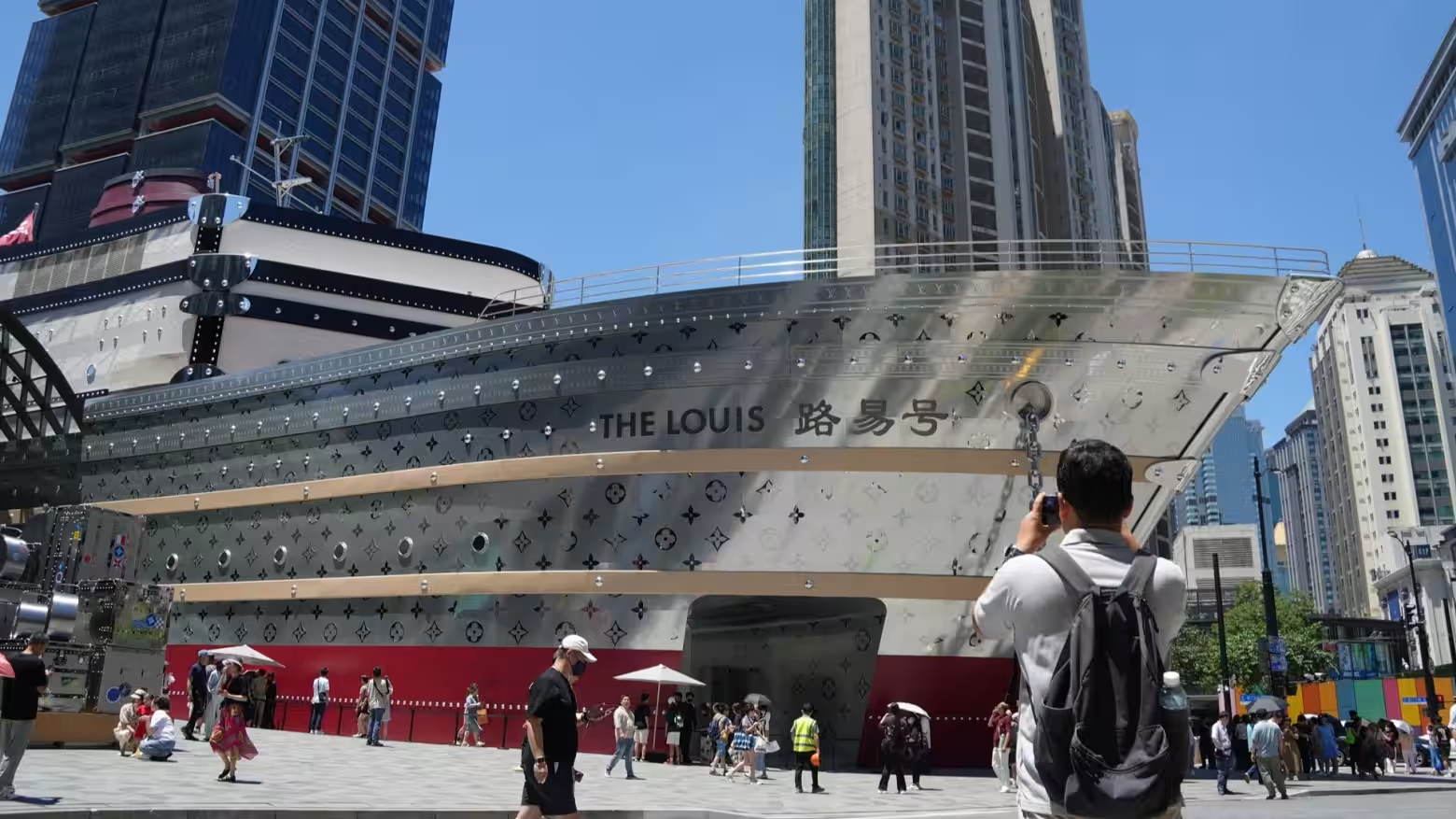
    Louis Vuitton has unveiled a monumental installation at Hong Kong luxury retail destination Landmark on October 23, 2026. The launch coincides with Hongkong Land rolling out Destination Central, a district-wide initiative to attract local residents and international visitors.

    The presentation marks the latest stop in Louis Vuitton’s global rollout of large-scale public shows. Previous editions were held in Paris, New York and Shanghai.

    Drawing inspiration from the maison’s enduring Spirit of Travel motif, the activation arrives as construction continues on its Hong Kong maison, transforming the ongoing site works into a major visual draw.

    Global Sequence of Public Hoardings

    The Central activation follows a sequence of outsized construction wraps the French house mounted across major commercial cities over the past three years. Paris saw the first iteration on the Champs-Élysées in September 2023, followed by a New York installation in November 2024 and a Shanghai presentation in June 2025.

    Each build served to maintain foot traffic and brand awareness around prominent real estate while heavy interior restructuring took place behind the walls. For Hong Kong, the scale of the structure gives Landmark a street-level landmark while primary retail space remains out of service.

    Landlord Strategy and Footfall Defense

    Backing outsized brand takeovers allows prime commercial landlords to treat building sites as visual attractions rather than dead retail corridors.

    The risk sits in the conversion rate. Monogram facades reliably draw spectators and social media attention, but turning passersby outside a construction zone into paying customers inside adjacent mall tenancies requires tight footfall routing. Landlords absorb significant disruption during these overhauls, betting that the eventual multi-floor maisons will restore sales densities once doors reopen.

    Materials and Anniversary Timing

    Louis Vuitton committed to dismantling the installation with sustainable construction practices, stating that all materials used across the temporary exterior will be reused or recycled once building work concludes. The visual scheme centers on the 130th anniversary of the brand’s signature monogram pattern, applied directly across the mock station framework.

    The installation will remain in place while contractor teams complete internal refurbishment of the Landmark maison, with Hongkong Land running coordinated promotions across Central properties throughout the retail district’s renovation cycle.
  • Uniqlo Rolls Out Life Wear Week in Singapore for Fall/Winter 2026

    Uniqlo Rolls Out Life Wear Week in Singapore for Fall/Winter 2026

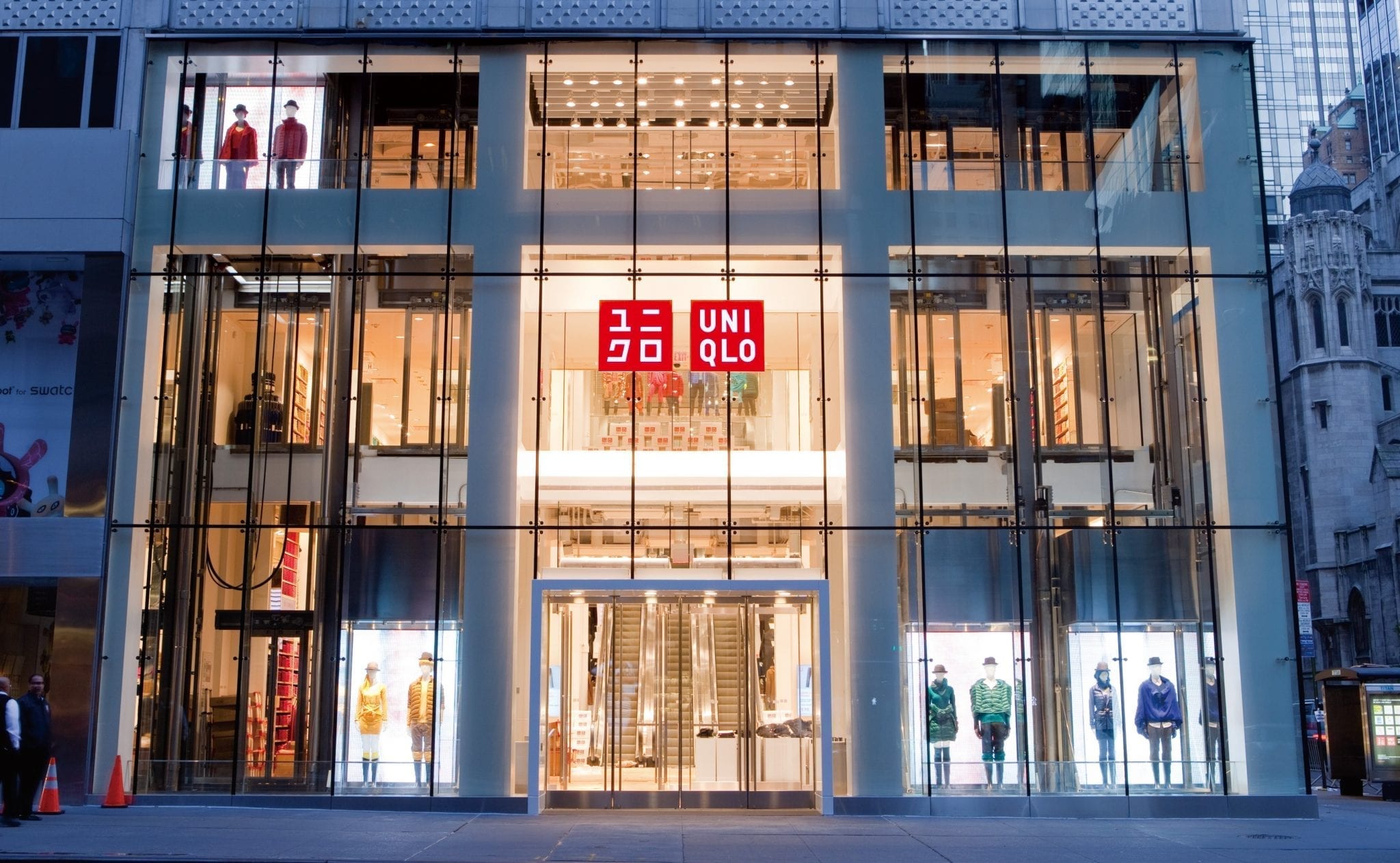
    Uniqlo rolled out Life Wear Week across its Singapore stores in September 2026, tying local promotions to its global Fall/Winter launch. The campaign spanned the island. It featured in-store installations, consumer styling sessions, and tiered gift-with-purchase incentives for apparel shoppers.

    Activations supported the retailer’s ‘Modern City Feelings’ theme, aimed at urban shoppers tracking digital fashion trends. The Japanese chain built the campaign around social media’s role in spreading local city styles across borders.

    Localizing global seasonal campaigns

    Paulene Ong, marketing director of Uniqlo Singapore, led the islandwide drive. The rollout paired physical floor displays with local wardrobe advice. That helped pull shoppers into stores during the seasonal changeover.

    Apparel retailers in Southeast Asia face a clear challenge with autumn and winter lines. Tropical climates do not require heavy cold-weather coats for daily wear. To counter this, Uniqlo focused its Singapore displays on lightweight layering, versatile city travel pieces, and functional innerwear for local commuters and regional travellers.

    The shifting mechanics of city retail

    This push reflects a wider operational shift across Southeast Asian hubs. Rather than relying solely on standard regional distribution, global fast-retailing brands now use experiential marketing, tailored visual merchandising, and timed gifts to lift basket sizes.

    Competitors across Singapore and Malaysia have also expanded experiential floor space to protect margins against online pure-plays. For mall landlords, interactive setups like styling sessions boost repeat visits and keep shoppers in flagship stores longer.

    What to watch across the network

    Parent company Fast Retailing continues to expand Uniqlo’s Southeast Asian footprint. It uses gateway markets like Singapore to test consumer response to global collection themes before widening regional promotions. Core LifeWear lines remain crucial to keeping up sales momentum across the regional fleet.

    Attention now shifts to sell-through rates for the Fall/Winter 2026 assortment across Southeast Asia as year-end travel demand builds toward the fourth quarter.

  • Ikea Installs Miniature Home Exhibits Across Melbourne, Beijing and Chengdu

    Ikea Installs Miniature Home Exhibits Across Melbourne, Beijing and Chengdu

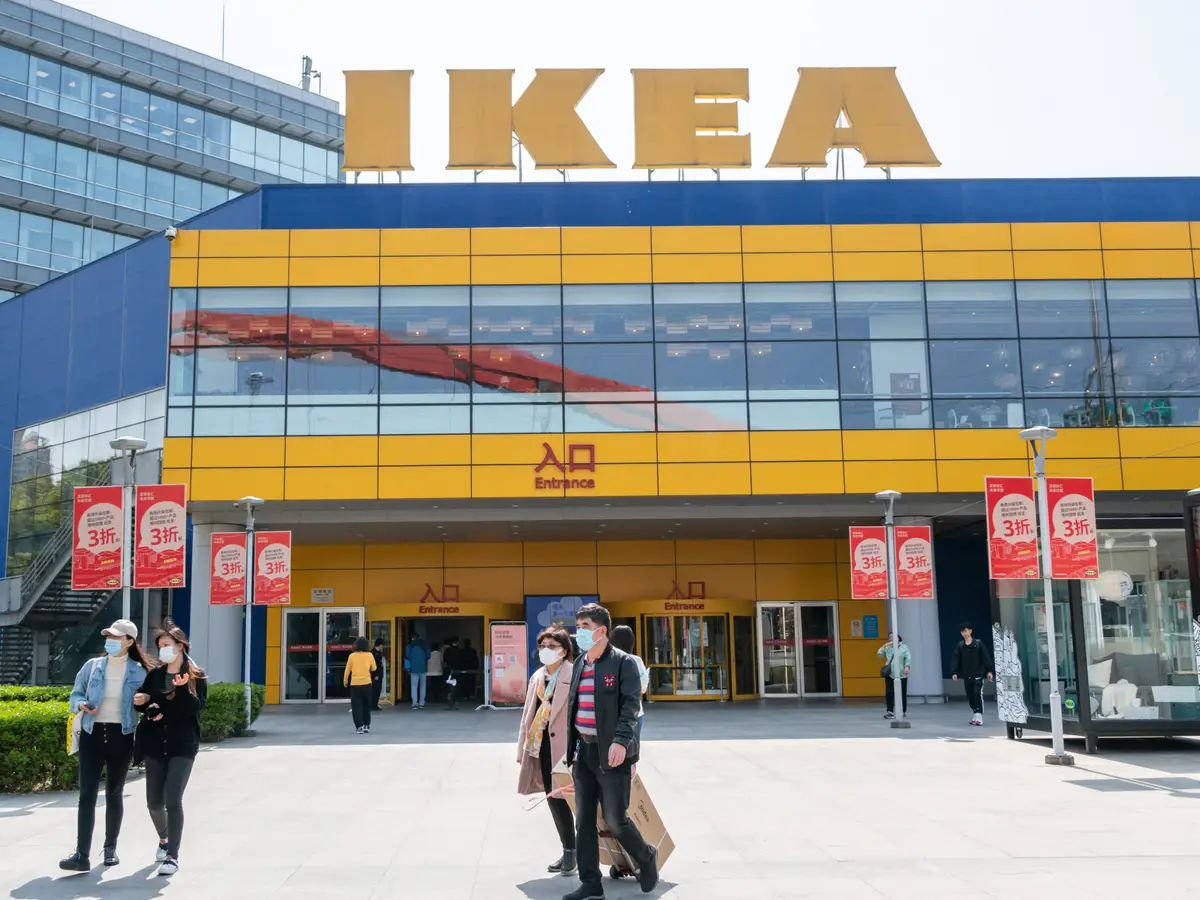
    Ikea has installed miniature home displays across stores in Melbourne, Beijing and Chengdu to promote compact, affordable living.

    Stockholm artist Christopher Nordstrom built the three displays at a one-to-12 scale. They serve as the Swedish retailer’s latest visual merchandising test in the Asia-Pacific region.

    Scale Models for Compact Urban Spaces

    Each model tailors its interior details to local culture. In Melbourne, the display features a bookcase filled with novels, art prints and nods to local sports.

    Storage and decluttering for smaller homes sit at the centre of the push. “When you build in miniature, you cannot include everything,” Nordstrom said. “Every object has to earn its place.”

    Ingka Group, Ikea’s primary global operator, is steering marketing funds toward entry-level home organisation. Urban shoppers face increasingly tight quarters across major metro markets.

    Shifting Formats in Asia-Pacific

    This rollout ties into broader footprint adjustments across the region. Ikea continues to balance compact city-centre locations against traditional suburban big-box warehouses.

    Regional home furnishing chains are leaning on interactive features to lift foot traffic and basket sizes. Discretionary spending has seen several volatile quarters.

    Next, Ingka Group will track customer engagement around the three micro-exhibits across its Australian and Chinese locations.