Tag: Vitamin

  • Ferrero’s Fulfil Protein and Vitamin Bars Hit New Zealand Shelves, Boosting Wellness Market via Chemist Warehouse

    Ferrero’s Fulfil Protein and Vitamin Bars Hit New Zealand Shelves, Boosting Wellness Market via Chemist Warehouse

    Fulfil, a protein and vitamin bar brand owned by Ferrero, has broadened its market reach by launching in New Zealand. This expansion comes as part of the brand’s global growth strategy, with the products now available in Chemist Warehouse stores and for purchase online.

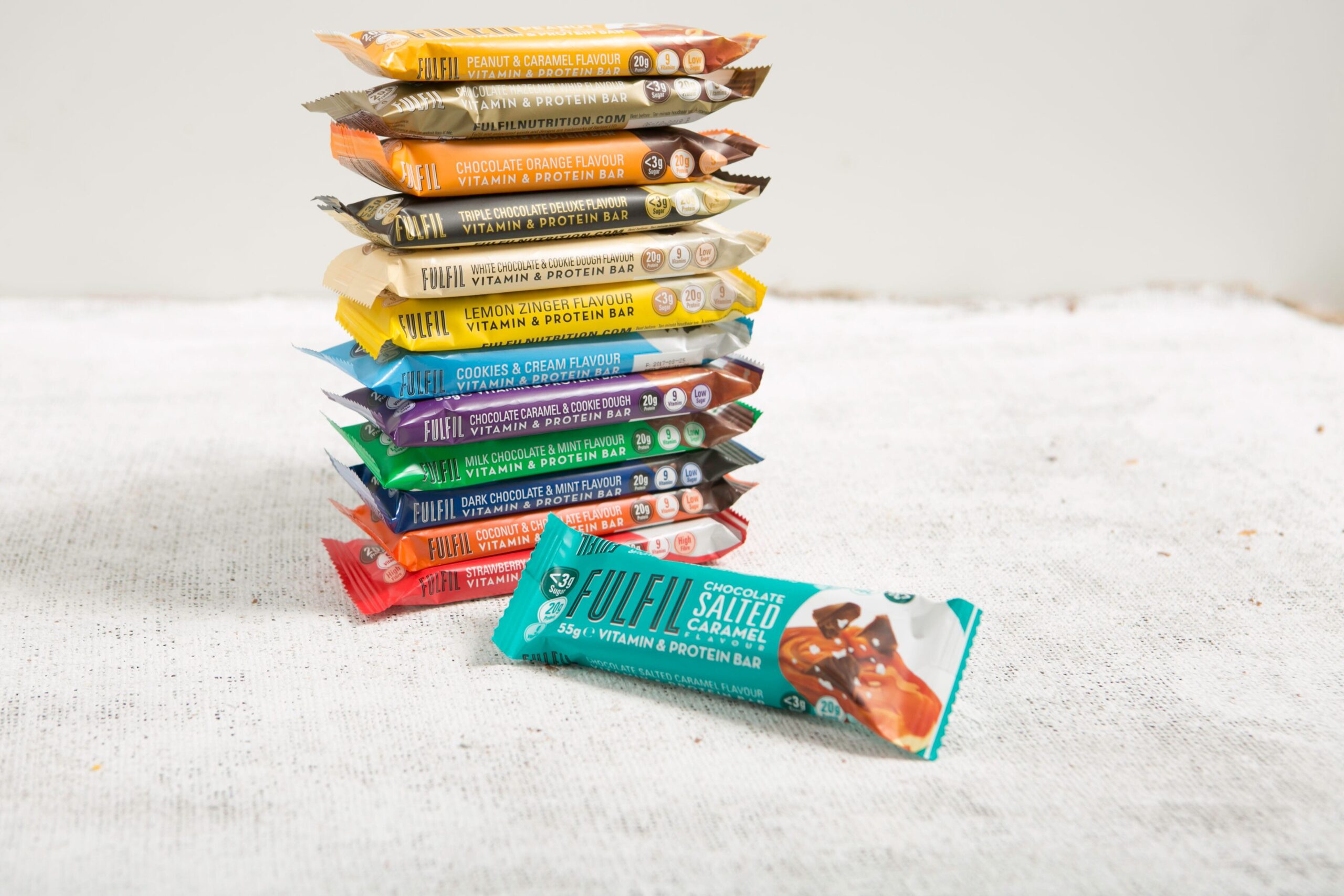
    Fulfil first made its appearance in Australia in November of the previous year. The brand’s offerings include bars containing 20 grams of protein, less than 3 grams of sugar, and a blend of nine essential vitamins. The bars are available in an array of flavours, such as Chocolate Peanut Butter, Milk Chocolate Crunch, Chocolate Hazelnut Whip, and Chocolate Salted Caramel.

    This move into the New Zealand market is viewed as a strategic step in Fulfil’s international growth. It effectively harnesses the influence of Chemist Warehouse in the wellness and sports nutrition market, offering a new avenue for distribution and sales.

    The acquisition of Fulfil by Ferrero took place in 2022. This move was aimed at solidifying Ferrero’s foothold in the healthier snacking sector, aligning with changing consumer trends towards more functional nutrition.

    The Fulfil vitamin and protein bars have been priced at $5.99 per unit.

    Questions & Answers

    What is Ferrero’s latest expansion move?
    Ferrero, through its owned brand Fulfil, has expanded into the New Zealand market, where the protein and vitamin bars will now be available in Chemist Warehouse stores and online.

    What offerings does the Fulfil brand provide?
    Fulfil offers bars that contain 20 grams of protein, less than 3 grams of sugar, and a blend of nine essential vitamins. The products come in a range of flavours, including Chocolate Peanut Butter, Milk Chocolate Crunch, Chocolate Hazelnut Whip, and Chocolate Salted Caramel.

    What was the objective behind Ferrero acquiring Fulfil?
    Ferrero acquired Fulfil in 2022 with the aim to strengthen its presence in the healthier snacking segment. This acquisition aligns with shifting consumer trends towards functional nutrition.

  • High-End Health: Nestlé’s Vitamin Business on the Selling Block Amid Consumer Shift to Premium Supplements

    High-End Health: Nestlé’s Vitamin Business on the Selling Block Amid Consumer Shift to Premium Supplements

    Nestlé, the Swiss food giant, is facing a challenge in its attempt to divest from its mass-market vitamin brands. The rise in demand for expensive, scientifically-backed products among health-conscious consumers is complicating the corporation’s efforts to secure a high price for its low-growth, low-margin brands.

    A Shift in Consumer Preferences

    In July, Nestlé announced a strategic review of its brands in the vitamins, minerals, and supplements category with an eye towards a potential sale. This decision, reaffirmed by new CEO Philipp Navratil, is driven by a growing consumer trend. Global supplement market trends indicate a shift towards brands offering supplements with scientifically proven ingredients. This trend is a potential hurdle for Nestlé, as it considers the sale of affordable mainstream brands such as Nature’s Bounty, Osteo Bi-Flex, and Puritan’s Pride, as well as its US private label business.

    The supplement market itself is quite fragmented, with its regulatory landscape continually changing. This adds an element of risk to any potential acquisition. Although industry players are showing a lack of interest, private equity funds appear more likely to be potential purchasers.

    The brands Nestlé is contemplating selling account for 2.8 per cent of its yearly sales, approximately $1.25 billion. Nestlé intends to increase its focus on premium dietary supplement brands, like Solgar, which offers a range of products from standard vitamins to those aimed at promoting brain health, hair growth, and stress reduction.

    A Potential Opportunity for Private Equity

    Nestlé’s acquisition of these vitamin brands in 2021, for US$5.75 billion, was the third-largest transaction in the vitamin, mineral, and supplement space of the last 12 years. However, matching these valuations could be challenging given the high consumer interest in brands offering products that have undergone rigorous clinical testing.

    Competitors such as Danone and Unilever are showing a preference for high-end brands with evident growth potential. Both companies are exercising caution regarding the mass supplements market due to the stringent European consumer protection regulation, which poses challenges to making promises about a product’s health benefits.

    Moreover, the return on investment is uncertain in such a fragmented industry. No brand that Nestlé is considering selling owns more than 2.1 per cent of the US vitamin market.

    Future Regulatory Challenges

    The future US regulatory landscape is another factor to consider. In March, the US Health Secretary expressed a desire to tighten the federal approval process for new food additives. Should this be finalized, it could increase scrutiny of new ingredients, making it more difficult for companies to market new food additives without US Food and Drug Administration review. This has elicited opposition from the Council for Responsible Nutrition, a supplement industry trade group.

    The preference against Nestlé’s mass-market vitamins is not limited to direct competitors in the packaged goods arena. GNC, a supplement retailer, is focusing on innovation within its own range and aligning with science-backed standards.

    Despite these challenges, the potential upside is significant. The global dietary supplement market, valued at US$192.7 billion in 2024, is projected to surge to $414.5 billion by 2033. This could attract buyout funds, but they are likely to drive a hard bargain.

    Questions & Answers

    What is the main hurdle Nestlé is facing in selling its vitamin brands?
    The main hurdle is the shift in consumer preferences towards expensive, scientifically-backed supplement products, which contrasts with the affordable, mass-market positioning of the brands Nestlé is considering selling.

    What are the potential regulatory challenges for the supplement industry?
    The regulatory landscape is continually changing, and there is talk of tightening the federal approval process for new food additives in the US. This could increase scrutiny of new ingredients and make it more difficult for companies to market new food additives without review.

    What is the potential future growth of the global dietary supplement market?
    The global dietary supplement market, valued at US$192.7 billion in 2024, is projected to increase to $414.5 billion by 2033. This substantial growth could attract potential buyers despite the current challenges.

  • Mandolé Orchard expands range with almond products

    Mandolé Orchard expands range with almond products

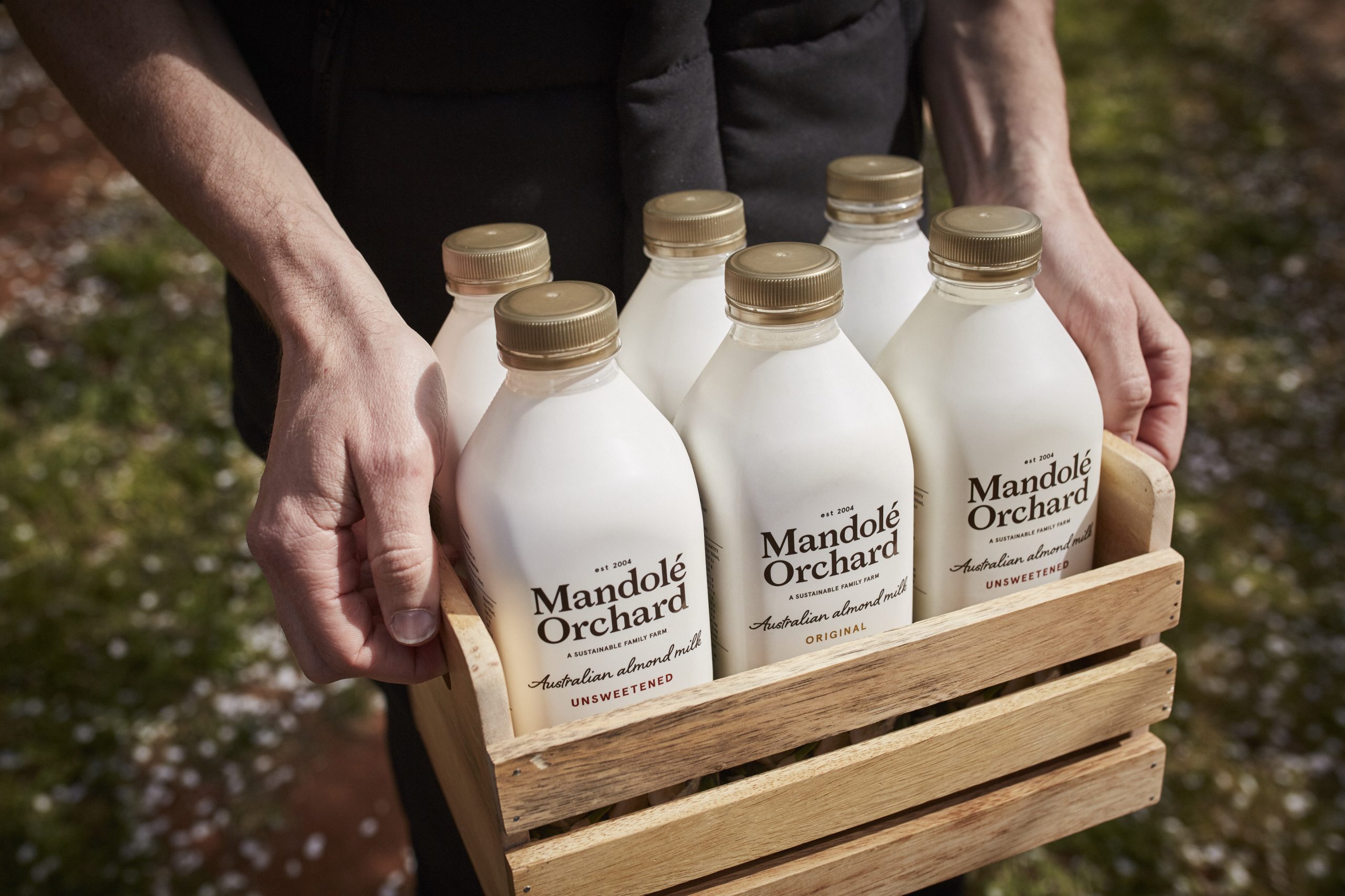
    Mandolé Orchard has expanded its range with the launch of Chocolate Almond Milk, Coconut Almond Milk, and Smooth Almond Butter.

    According to the brand, the three new products not only celebrate its “signature goodness and commitment to wholesome products but deliver something for everyone – even the fussiest of tastebuds”.

    Low in sugar and “completely clean” with “high” almond density, this product is promoted as the “perfect” afternoon refreshment, the “ultimate” smoothie companion, a “delicious” cocktail enhancer, or something for even the fussiest of young eaters.

    The new Coconut Almond Milk is said to be low in sugar, high in protein, and vitamin E.

    “There are fewer pairings made for each other more than coconut and almond,” says the brand. “The new product is like a vacation in a bottle.”

    The almond butter is made fresh on the family farm from a “delicious blend” of lightly roasted premium Mandolé Orchard almonds.

    The product is available in salted and unsalted.

  • Tiens Group reveals global expansion plan

    Tiens Group reveals global expansion plan

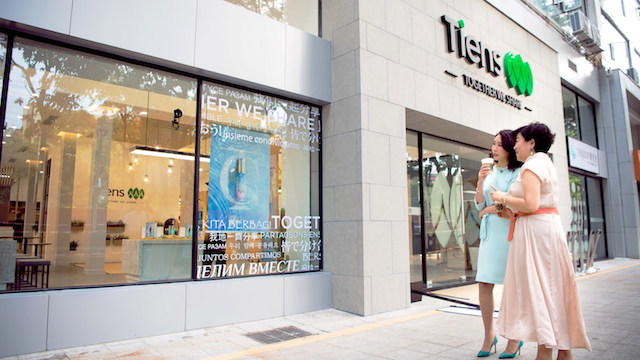
    Chinese healthcare company Tiens Group is eyeing global expansion following the success of its high-tech Shenzhen flagship store which opened in August. According to the firm, the launch was made as a step towards global expansion, featuring a combination of technology-enhanced online and offline consumer experiences such as touch-screen computers and live product demonstrations.

    The brand now plans to establish 110 branches worldwide as part of its broader strategy to create a healthcare system integrating physical retail, e-commerce, Traditional Chinese Medicine and medical facilities, as well as educational, tourism, accommodation and lifestyle experiences.

    Board member and e-commerce GM Chelsea Li said experience marketing is at the cutting edge of business development trends. “We aim to bring our customers an intuitive experience of meticulous care, attentiveness, and beauty.”

    Tiens’ new e-wallet app PointsWin is positioned to play a core role in the firm’s strategy, connecting the business’s blockchain-based customer network. Consumers can currently use the app to make purchases and earn rewards at any business bearing the Tiens banner.

    Tiens Group chairman Li Jinyuan said: “We have always approached development by considering the world from a global perspective. These [target locations] are especially the regions involved in China’s One Belt One Road initiative.”

    The flagship is located in the Tiens International Health Industrial Park in Luohu, Shenzhen.

  • Blackmores spreads wings in Indonesia

    Blackmores spreads wings in Indonesia

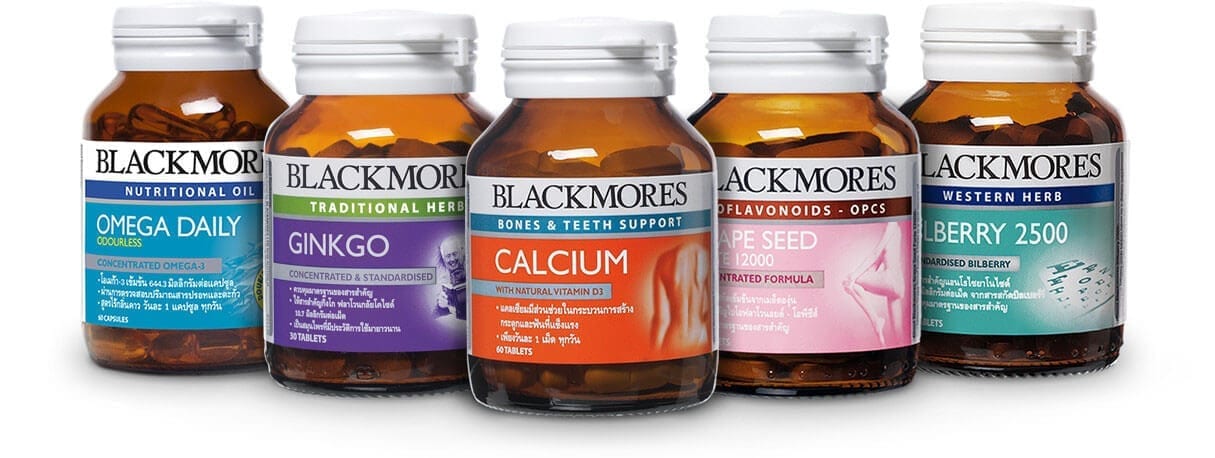
    Blackmores chief executive Christine Holgate is in Jakarta today to launch the company’s expansion into the Indonesian market.

    The Sydney-based vitamin and supplements company has been operating in China, Singapore, Malaysia and Thailand for some years but has held back from the Indonesian market as it searched for the right partner.

    It has now partnered in a joint venture with Indonesia’s Kalbe Farma, one of the largest health care companies in South East Asia.

    “We will be launching with eight products and have 25 products by the end of the year,” Ms Holgate said yesterday.

    “It is quite a complex registration process in Indonesia compared with Australia. But we are used to the different Asian markets where it can take six months to a year to get registered.”

    She said Blackmores had chosen to partner with Kalbe as it was a major supplier of the nutritional supplements market in Indonesia.

    “It’s a market worth around $2 billion in Indonesia and it’s growing really fast,” she said.

    “The country has one of the fastest growing middle classes in the world and it’s predicted to be the third biggest economy in the world by 2030,” she said.

    She said Indonesians were increasingly interested in more Western versions of natural health products. She said Kalbe had a strong “common shared sense of purpose” with Blackmores including having an institute to train people in natural health care products.

    She said Blackmores would be able to leverage Kalbe’s training processes and its strong representation in shopping centres throughout Indonesia where it has health centres giving advice on natural health products.

    Ms Holgate has been in Indonesia for the past week at the Australian-Indonesian dialogue which is aimed at boosting trade between Australia and Indonesia. Federal Trade Minister Steve Ciobo has been negotiating a free trade agreement with Indonesia, reviving a process which stalled in 2013.

    Ms Holgate said only 2 per cent of Australia’s trade was done with Indonesia and added there were business opportunities in areas such as health, education and financial services. She said Australian companies needed to negotiate partnerships with Indonesian companies to expand into the market.

    Blackmores’ business in Indonesia was “not going to be a huge overnight.”“But you need to plant seeds to grow trees and this is an important next step in our history of growing in Asia.”