Tag: vitamines

  • Wanderlust Unveils Biohack: A New Wellness Range Promising Enhanced Mental And Physical Performance

    Wanderlust Unveils Biohack: A New Wellness Range Promising Enhanced Mental And Physical Performance

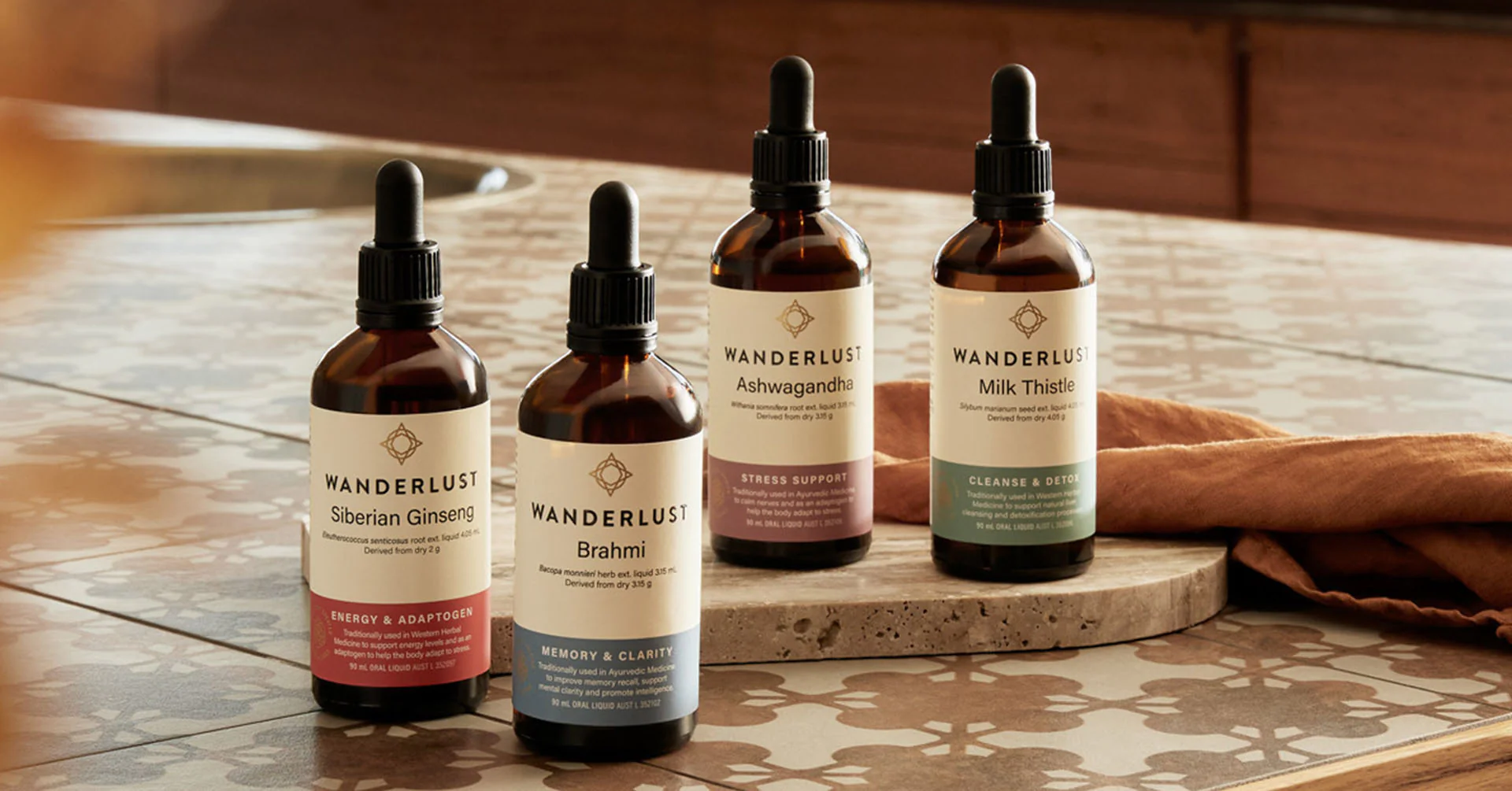
    Australian health and wellness brand, Wanderlust, has unveiled a new product range, BioHack by Wanderlust. This supplement collection aims to enhance both mental and physical performance, promoting vitality, focus, resilience, and energy.

    The product line, which will be accessible online and in Chemist Warehouse locations, consists of a diverse selection of 23 formulations. Each is specifically designed with the goal of supporting various aspects of human wellness, ranging from vitality and focus to resilience and energy.

    One notable product in this collection is the NAD+ Boost. This unique supplement features the NAD+ precursor ingredient, known for its beneficial role in energy metabolism and cellular vitality.

    Wanderlust Chairman, Radek Sali, expressed the company’s philosophy and goal behind the new product line. “We believe that age is a privilege and our mission is to assist individuals in embracing their current stage of life,” he said. “This way, they can optimise their journey moving forward. BioHack by Wanderlust is not a fringe experiment in biohacking. Instead, it represents intelligent, science-supported decisions that empower individuals to take control of their evolution.”

    Questions & Answers

    What is the goal of Wanderlust’s new product line, BioHack?
    BioHack by Wanderlust is designed to enhance mental and physical performance. The products aim to promote vitality, focus, resilience, and energy.

    Where can consumers access the BioHack by Wanderlust collection?
    The BioHack by Wanderlust collection is available online and at Chemist Warehouse locations.

    What is the function of the NAD+ precursor ingredient in the NAD+ Boost supplement?
    The NAD+ precursor ingredient helps to boost energy metabolism and cellular vitality.

  • Dietary Supplements Surge: Market Expected to Hit $351.8 Billion by 2032!

    Dietary Supplements Surge: Market Expected to Hit $351.8 Billion by 2032!

    The global dietary supplements market is on a significant upswing, projected to soar from a valuation of $185.5 billion in 2024 to an impressive $351.8 billion by 2032. This climb represents a robust compound annual growth rate (CAGR) of 8.5% between 2025 and 2032, as revealed in a recent report by SkyQuest Technology Consulting.

    Navigating Health Trends and Consumer Demand

    Much of this growth stems from an increasing emphasis on health awareness, where preventive healthcare has become a focal point for consumers. There is an escalating demand for supplements that support nutrition, bolster immunity, manage weight, and promote healthy aging. As chronic diseases such as obesity, diabetes, and cardiovascular issues rise in prevalence, there is a corresponding surge in the consumption of vitamins, minerals, proteins, omega-3 fatty acids, and herbal supplements.

    Younger generations are particularly energizing the market with their growing interest in fitness trends and personalized nutrition, pushing demand for sports and functional supplements to new heights. This demographic shift also corresponds with a preference for plant-based and clean-label products that highlight natural ingredients. The proliferation of e-commerce platforms and mobile health apps has further facilitated easy access to these products, making supplement shopping as effortless as a few taps on a smartphone. Who knew enhancing your health could be quite so click-friendly?

    Tackling Industry Challenges

    Despite this optimistic trajectory, the industry faces notable challenges. One pressing issue is the absence of standardized global regulations, which has led to inconsistencies in product quality, labeling discrepancies, and safety concerns. In various regions, lax enforcement has allowed counterfeit and substandard products to flood the market, undermining consumer trust.

    Additionally, misleading health claims and a lack of scientific backing for certain supplements have gnawed at the credibility of some offerings, creating skepticism among healthcare professionals and consumers alike. Compounding these issues are supply chain disruptions, particularly the sourcing of natural and organic ingredients, which are impacting product availability and pricing.

    Emerging Opportunities in Asia-Pacific

    The Asia-Pacific region is emerging as the fastest-growing segment of the dietary supplements market, driven by rapid urbanization, increasing disposable income, and the growth of the middle class in countries like China, India, Japan, and South Korea. There is a discernible shift towards healthier lifestyles, coupled with a rise in lifestyle-related diseases, which — along with a heightened demand for traditional and herbal supplements — is fueling robust regional growth.

    While the global dietary supplements market rallies forward with notable momentum, addressing regulatory gaps and supply chain challenges will be crucial for ensuring sustainable growth in the years to come.

    Questions & Answers

    How fast is the dietary supplements market expected to grow?
    The global dietary supplements market is projected to increase from $185.5 billion in 2024 to $351.8 billion by 2032, achieving a CAGR of 8.5% during that period.

    What factors are driving the demand for dietary supplements?
    The demand is largely driven by a growing awareness of health, an emphasis on preventive healthcare, and increased consumption of supplements that aid nutrition, immunity support, weight management, and healthy aging.

    What challenges does the dietary supplements industry face?
    Key challenges include a lack of standardized global regulations leading to product quality issues, the risk of counterfeit products, misleading health claims, and supply chain disruptions affecting the availability of ingredients.

  • Yakult opens first coffee store in Japan

    Yakult opens first coffee store in Japan

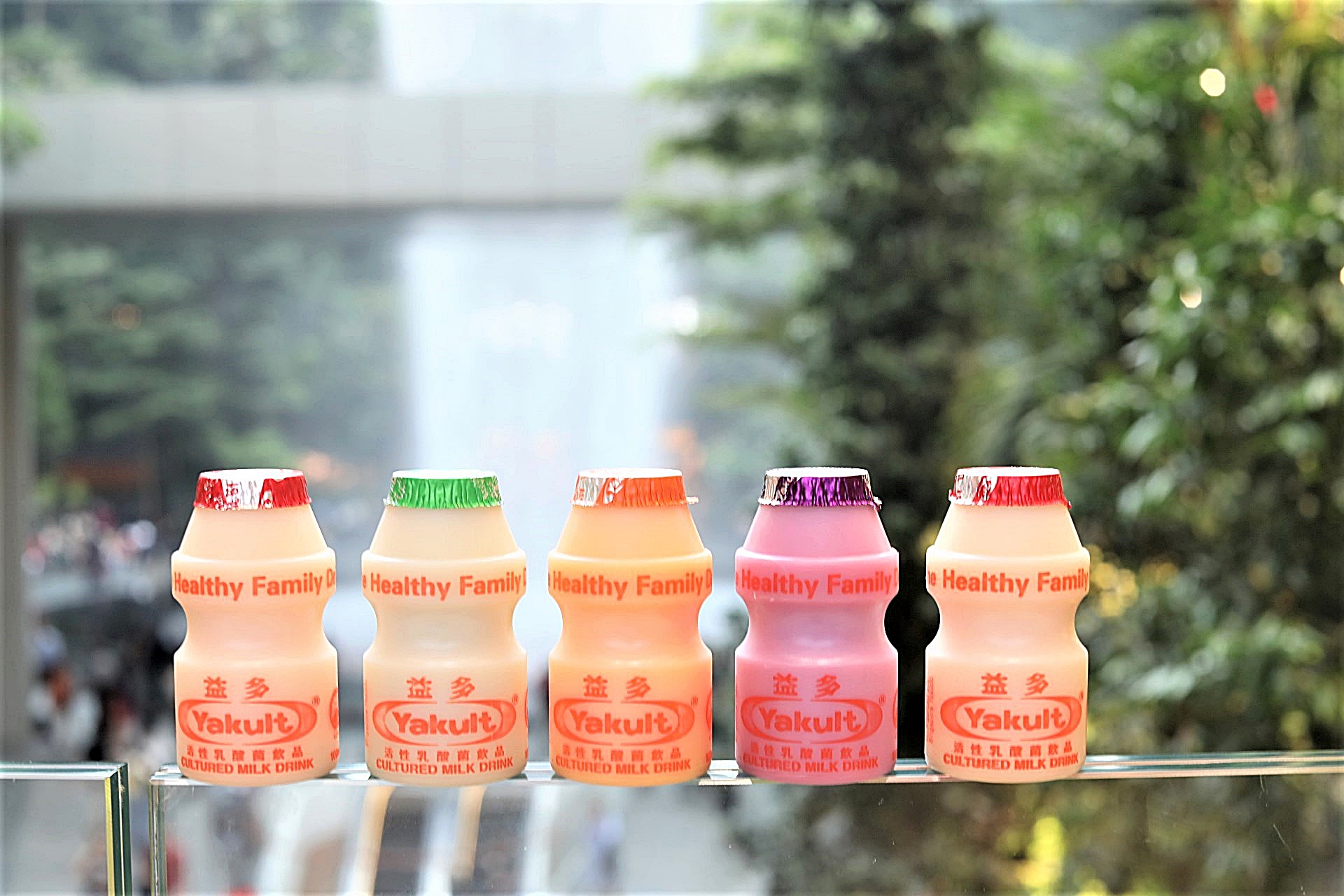
    Japanese probiotic beverage Yakult has opened its first coffee location in Japan’s Utsunomiya, which doubles as a service centre.

    The Yakult Gohonmaru Cafe & Gallery, which opened last month, has two levels and includes a beauty salon as well as a gallery.

    On the first floor, visitors can try Yakult ice cream, chiffon cakes, and tiramisu with Yakult cream. The upper floor features a beauty salon, which provides facials using cosmetics created from lactic acid bacteria.

    The location also contains spaces for Yakult products and a care centre for Yakult staff.

    The company also intends to open a second place.

  • Vöost launches skin hydration effervescent products

    Vöost launches skin hydration effervescent products

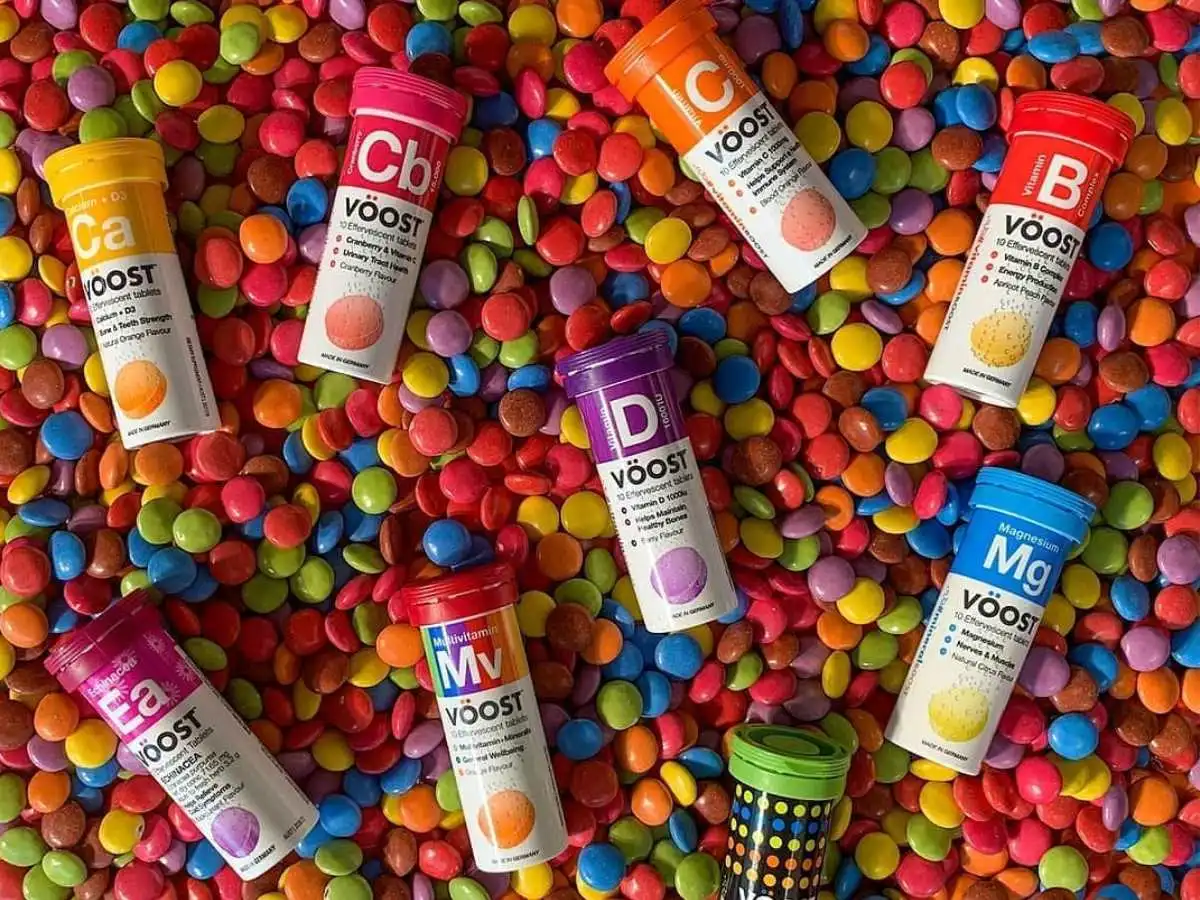
    Australian supplement brand Vöost has added two new beauty products to its extensive range of effervescent vitamins and minerals.

    The company says its new Vöost + Skin Hydration and Vöost + Hair, Skin & Nails are designed to support healthy skin, hair and nails from within. The new additions will join the Vöost Collagen effervescent range.

    The Vöost+ Skin Hydration in Rose Lemonade flavour features hyaluronic acid which supports skin hydration, skin elasticity and firmness and helps to relieve skin dryness.

    It contains vitamin C and vitamin E which act as supporting ingredients to reduce free radical damage to body cells.

    Meanwhile, the Vöost + Hair, Skin & Nails in Strawberry + Kiwi flavour contains biotin, selenium, vitamin E, vitamin C and zinc. It supports healthy hair and skin, nails as well as collagen formation.

    The products are available in Woolworths, Coles and Chemist Warehouse stores and online.

  • Kirin to buy Blackmores in $1.88 billion cash deal

    Kirin to buy Blackmores in $1.88 billion cash deal

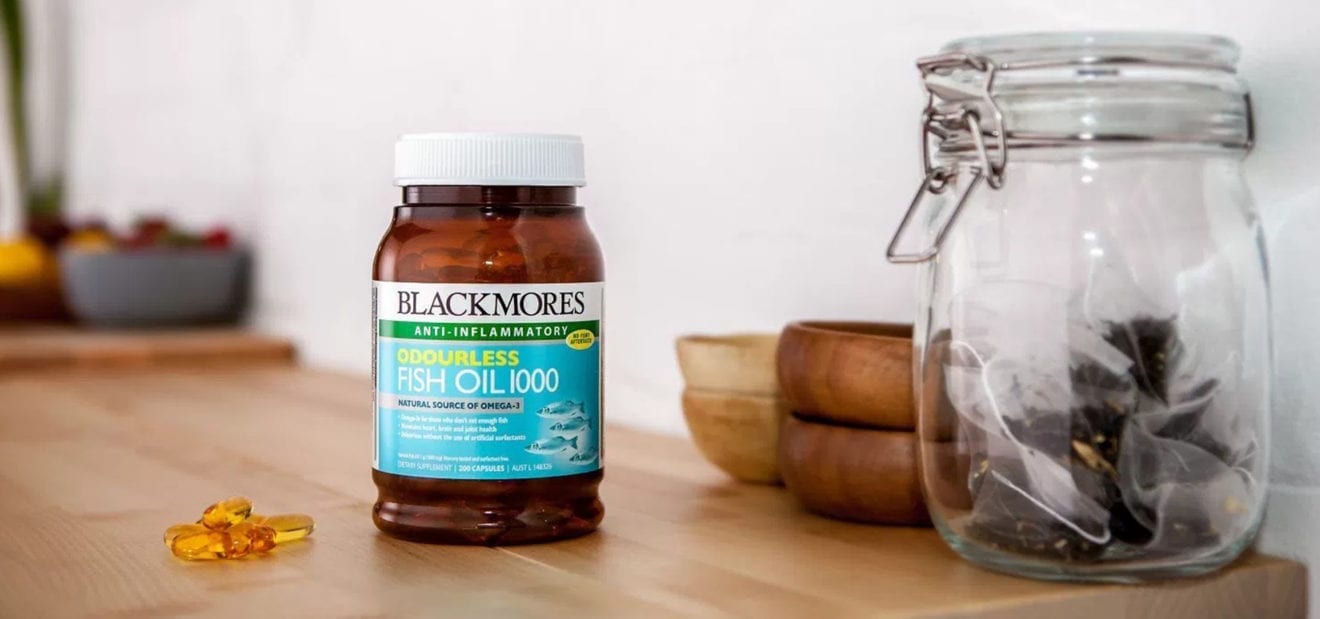
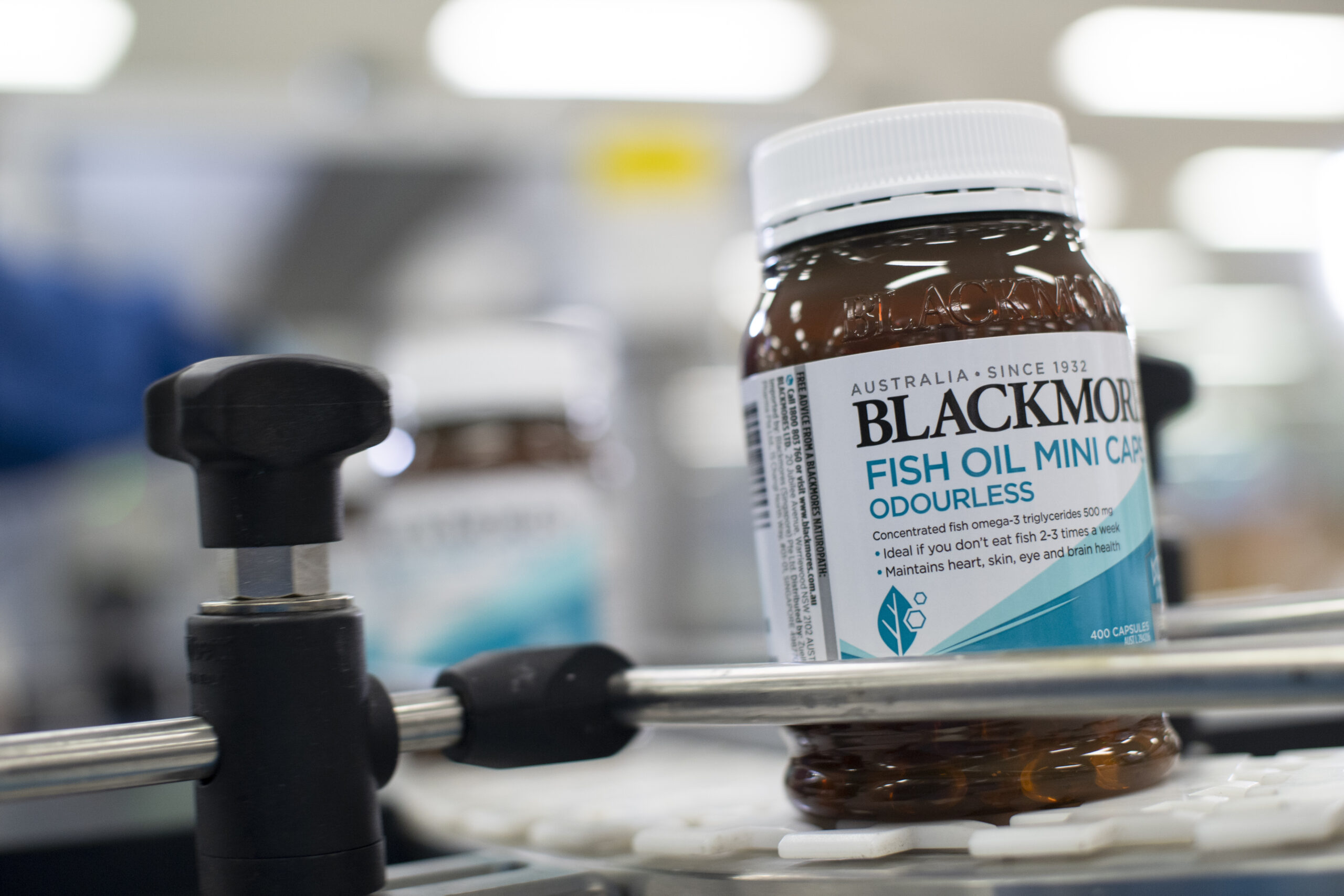
    Japanese drinks giant Kirin Holdings has agreed a $1.2 billion buyout of Australian vitamin maker Blackmores, furthering a diversification push while offering the struggling target’s shareholders a neat exit.

    The deal makes good on a plan by Kirin to broaden its business beyond alcoholic drinks as a growing interest in health raises expectations of tougher regulation.

    It also throws a lifeline to Blackmores shareholders after years of soft returns. The company grew from Australia’s first health food store nearly a century ago into a national success story as it capitalized on Chinese appetite for imported health supplements.

    But COVID-19 containment ended the “daigou” boom, where Chinese consumers bought goods abroad to carry home, and the firm has been struggling to recover sales since. Before the Kirin deal, Blackmores shares traded at one-third their value in 2016, the height of the daigou craze.

    “When you’ve spent 57 years at a business, you don’t want to see the business suffer, and you want to see the business successful,” said former chairman Marcus Blackmore, son of the firm’s founder and its top shareholder with 19%.

    “I have no doubt in my mind that Kirin will deliver on that promise to me,” added Blackmore, 78, in a phone interview.

    Kirin, which makes about half its sales from alcoholic drinks, including top Australian beer brands like Tooheys, said it would benefit by joining a pharmaceuticals unit based in Japan with an already large Australian footprint.

    “In the health sciences area, Kirin is strong in Japan while Blackmores has a strong presence in Australia, China, and Southeast Asia,” Kirin Senior Executive Officer Takeshi Minakata told a Tokyo news conference.

    “The combination of the two companies will enable us to supplement each other’s coverage in areas that have not been covered so far.

    The news pushed Blackmores shares up 23% to A$94.26, their biggest single-day gain, and just short of Kirin’s A$95 purchase price as investors considered the deal final while allowing for dividends that might be paid, which would be subtracted from it.

    “Higher interloping bids are possible, but we think the odds are low given our A$80 stand-alone assessment of Blackmores’ intrinsic value,” said Morningstar analyst Shane Ponraj in a client note.

    Kirin shares fell as much as 3% as analysts wondered if it overpaid.

    “The deal just looked a bit expensive and Japan generally takes M&A negatively. A little surprised it isn’t down more.” said Mio Kato, founder of LightStream Research, who publishes on the SmartKarma platform.

  • Blackmores registers strong growth, momentum expected to continue

    Blackmores registers strong growth, momentum expected to continue

    Vitamin producer Blackmores has seen group revenue rise 12.8 percent in Fy22 to reach $649.5 million with growth across the company’s three major brands.

    This delivered a rise in underlying operating EBIT profit of 19 percent to $56.6 million, with margins expanding 1.1 points to 53.4 percent.

    CEO Alastair Symington said the company had delivered a strong result in a year impacted by the Covid-19 pandemic, increased input costs and significant supply chin disruptions.

    Symington said: “The resilience of our business model, together with the strength of our brands and distribution channels have enabled the group to respond to these challenges to deliver top line growth along with further margin expansion.

    “We recorded growth across all three brands – Blackmores, BioCeuticals and PAW – and all markets for the first time in the last four years.”

    Symington said the company’s focus on product innovation and investment in its brands, as well as selling and marketing spending up 4.6 percent, had delivered revenue growth of 12.8 percent.

    “This has enabled Blackmores to deliver a 22.6 percent increase in underlying net profit together with a 33.8 percent lift in full year dividend to shareholders to 95 cents per share fully franked.

    “Importantly this strong set of financial results has also been delivered alongside the implementation of improvements in our workplace health and safety and further commitments delivered as part of our ongoing sustainability agenda.”

    During the year Australian sales were up 2.7 percent, international sales up 31.7 percent and China sales up 10.6 percent along with an 11.2 percent rise in EBIT to $16 million.

    Blackmores ended the year with newt cash of $82.2 million.

  • Blackmores believes China’s diagou market is past its peak

    Blackmores believes China’s diagou market is past its peak

    The boss of Blackmores says the vitamins and supplements giant is not really relying on Chinese “daigou” shoppers anymore as it gains more market share in Indonesia and Thailand, while the huge opportunity of densely-populated India will be a slow burn.

    After delivering the company’s latest results on Thursday, chief executive Alastair Symington also said customers should not expect a price war with Blackmores’ competitors as too many discounted promotions led to “a lack of differentiation between brands”.

    It also means lower margins for the business, which wants to maintain its premium positioning in the market, highlighting its superiority with things like the ethical sourcing of fish oil.

    The company booked a 9.6 percent rise in underlying net profit for the first half, with earnings margin growth in Australia and New Zealand of almost 18 per cent credited to “strategic pricing and operational improvements”.

    Mr Symington said the results were ahead of expectations in all markets despite volatile and uncertain trading conditions due to the pandemic.

    Blackmores’ overseas business is leading the charge, with revenue up about 50 percent.

    Mr Symington said 110 percent growth in the massive market of Indonesia was particularly pleasing, driven by consumers snapping up vitamin D and zinc on the back of clinical evidence these improve immune health – a key consideration amid lockdowns.

    Growth in Thailand of 40 percent was also a highlight, he said, but Australian consumers were still behaving very cautiously and there had been a “stuttery start” to sales this calendar year, with ANZ revenue dipping 1.2 percent.

    But Blackmores has its eyes on a very big prize – India – where it launched in September in partnership with Amazon India.

    The company recently entered a distribution partnership with Udaan, India’s largest business-to-business e-commerce platform, expanding the reach of its products to independent pharmacies in at least 10 metro cities across the continent, which is home to well over one billion people.

    “There’s a lot of promise in that India business,” Mr Symington said.

    Mr Symington says growth areas include ‘healthy ageing’ products targeting concerns such as joints, digestive health and anxiety in pets, and sleep and beauty.

    On China, he said the daigou market – whereby visitors send goods back home – would not return to the loft heights seen in 2016 and 2017, when dedicated stores offering resellers in-demand products and delivery services popped up around Australia.

    Blackmores recorded an 8.5 per cent lift in revenue to China in the first half, “driven by continuous improvements in e-commerce fundamentals … partially offset by a 7 per cent decline in the corporate daigou channel”.

    “We’re not really relying on that (diagou market) moving forward,” Mr Symingto

  • Blackmores launches into India

    Blackmores launches into India

    Australian-based and internationally loved natural health and dietary supplements company Blackmores has announced its launch into the Indian market, reaching local consumers in association with Amazon India and other major eCommerce platforms before expansion to traditional retail in key cities.

    Primed for a post-COVID wellness boom, India is a focus growth market for Blackmores given their focus for natural health. Currently, Blackmores operates in 12 other markets across Asia-Pacific and has the ambition to connect 1 billion consumers globally to the healing power of nature by 2025.

    Backed by almost 90 years of research and science, Blackmores’ high quality and innovative product range has been specifically formulated for the discerning Indian consumer to meet their specific lifestyle and dietary preferences, including vegetarian requirements.

    “Blackmores is passionate about connecting people to the healing power of nature. We choose the most nutrient-rich ingredients to ensure our products are high quality, efficacious and adhere to some of the most rigorous safety standards in the world. We know that Indians are passionate about natural health too, and we are excited to be a part of their journey to lead healthier and happier lives,” said Mr Alastair Symington, Chief Executive Officer of Blackmores.

    The initial launch products for Indian consumers include Blackmores Shine Power™ D3 for healthy bones and immunity, Blackmores Glucosogreen 1500 for joint health, Blackmores Blue Light Defence for eye health, and Blackmores CoQ10 150mg for heart health. Additional tailored and innovative products will be rolled out over the coming months. The products are customized to the needs of Indian consumers helping them to take charge of their health and wellbeing.

    The launch was unveiled at a virtual event hosted by Blackmores alongside senior executives of Amazon India. The launch also coincided with a visit from Australia’s Minister for Trade, Tourism and Investment, the Hon Dan Tehan MP, to India, where Mr Symington has been invited to participate in a panel discussion at Austrade’s Australia-India Business Exchange (AIBX) 2021 Business Leaders Forum on Friday 1 October.

    “It’s a pleasure to launch Blackmores, one of Australia’s leading and most trusted natural vitamins and dietary supplements brands, in India. Blackmores with its legacy of almost 90 years in natural healing is a great example of Australia’s clean, green and safe manufacturing reputation. Indians are passionate about natural and holistic health, and we hope that iconic Australian brands such as Blackmores are part of their journey to lead healthier and happier lives,” said Sam Freeman, Trade and Investment Commissioner at the Australian Trade and Investment Commission.

    “We are delighted to associate with Blackmores, a trusted natural health company for their launch in India. We are excited to offer our customers with an opportunity to explore their products from the comfort and safety of their homes,” said Nishant Raman, Category Leader, Amazon India.

    “We look forward to building a successful partnership with Blackmores as we work towards a common goal of connecting Indians across the country to the healing power of nature,” said Ankur Dayal, CEO of Primarc Pecan, Blackmores’ local eCommerce distribution partner.

    Blackmores is the leading natural health brand in not just Australia, but also in several other Asian markets. Its innovative and efficacious range includes vegetarian formulations, as well as products targeted to age, gender, and specific health functions to give people everywhere the choice to make living well each day a natural way of life.

  • Vitamin subscription service Vitable raises $5.5m venture funding

    Vitamin subscription service Vitable raises $5.5m venture funding

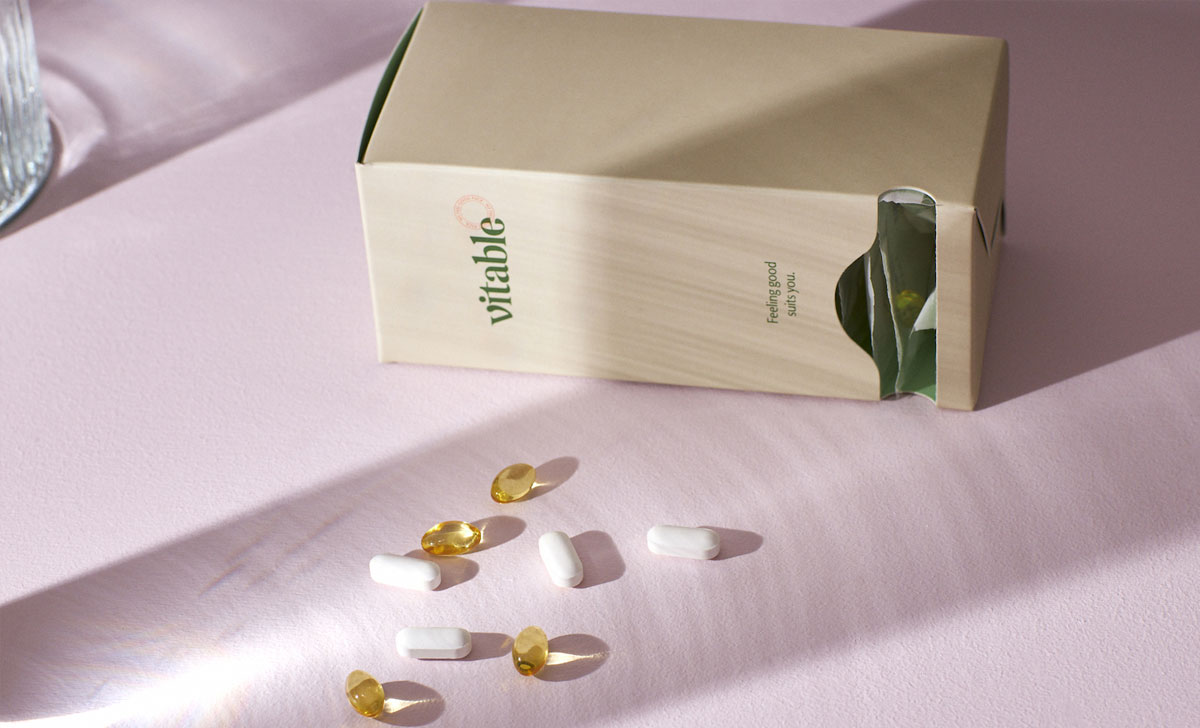
    Australian vitamin retailing disruptor Vitable has secured $5.5 million in a series A funding round, drawing interest from a raft of recognized investors including Germany’s Rocket Internet, parent of Global Fashion Group and Hello Fresh, among others.

    Founded by Larah Loutati and Ilyas Anane (pictured above) just two years ago, Vitable operates a subscription-based service in Australia, New Zealand and Singapore, creating personalized vitamin and health supplement recommendations for customers who complete an online questionnaire. The monthly orders can be adjusted as the customer’s health needs change and the mobile app provides notification reminders to help build a daily routine and track progress.

    The company says the fresh funds will allow expansion into the wider Asia-Pacific region as it aims to take a share of a global dietary supplement market projected by Grand View Research to be worth US$230 billion by 2027.

    “Ultimately Vitable will grow beyond its core vitamin offer towards a broader vision of a personalized and holistic health and wellness experience, an industry McKinsey recently valued at US$1.5 trillion,” said Loutati, announcing the closing of the funding round.

    Led by Brenteca Investments, other investors include former MD of LinkedIn ANZ and serial tech investor, Clifford Rosenberg, and venture capital firm Artesian.

    Besides boosting geographic expansion, the money will be allocated to product and app development and the recruitment of key personnel.

    “Personalisation and honest guidance through selection and purchase are the future of vitamins and mineral supplements,” said Loutati.

    “This mix of personalization and convenience increases engagement, education, and ultimate user wellbeing.”

    Dave Fenlon, Group CEO BWX Brands and Oliver Samwer, CEO, Rocket Internet, are both members of Vitable’s board of advisors.

    “Vitable is growing rapidly and disrupting a traditional business model that is inefficient and expensive,” said Alexandra Clunies-Ross of Artesian. “The world is increasingly digital, and consumers no longer want to buy supplements from traditional suppliers. Instead, they are looking for more personalized services that can tailor high-quality products to their individual lifestyle and have them delivered to their home for convenience.”

  • The Vitamin Shoppe to launches stores in Vietnam

    The Vitamin Shoppe to launches stores in Vietnam

    The Vitamin Shoppe, an omnichannel specialty retailer of nutritional products, today announced a partnership agreement with Kim Lien Group for the
    Vietnam market. Under the country license agreement, Hanoi-based Kim Lien Group will open and operate The Vitamin Shoppe stores in Vietnam, as well as launch wholesale distribution of The Vitamin Shoppe family of proprietary brands in Vietnam.

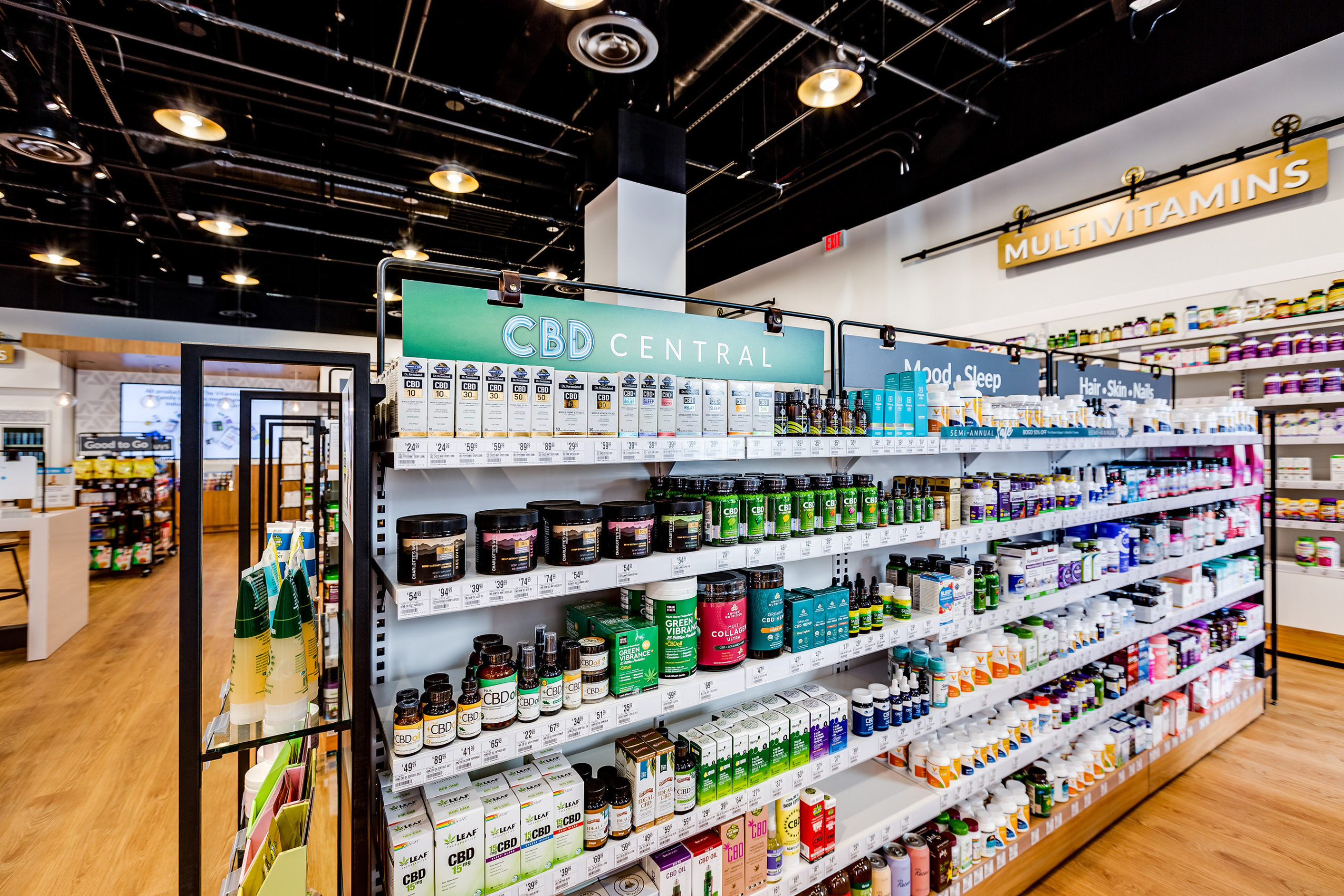
    The first store under the partnership agreement opened this month in Hanoi. The bi-level, 140 square-meter (1,500 square feet) store is located at 58B Ba Trieu Street in the Hoan Kiem district. The store offers a wide assortment of vitamins, supplements, sports nutrition, and other health and wellness products under The Vitamin Shoppe’s proprietary brands, which include The Vitamin Shoppe, Vthrive The Vitamin Shoppe, BodyTech, BodyTech Elite, fitfactor Weight Management System, fitfactor KETO, plnt, ProBioCare, and True Athlete.

    Kim Lien Group will open a second Hanoi location of The Vitamin Shoppe later this month at 49 Phuong Mai Street in the Dong Da district, with additional stores to be announced. A wholesale distribution strategy for the various The Vitamin Shoppe brands will launch in the coming months, with a focus on pharmacies, gyms, and spas throughout Vietnam.

    This agreement marks the first country license agreement in Asia for The Vitamin Shoppe. The company currently operates country license agreements in Panama (8 stores), Guatemala (10 stores), and Paraguay (3 stores).

    Sharon Leite, CEO of The Vitamin Shoppe, commented: “We are excited to bring our industry-leading expertise and innovation to the Vietnam market, where we see strong interest in our products and increasing demand for high-quality health and wellness brands. Our partners at Kim Lien Group have an exceptional understanding of the Vietnam market and the knowledge and experience to make The Vitamin Shoppe a trusted destination for wellness solutions in Vietnam, as it is throughout the United States. We continue to see additional opportunities with international partners and plan to expand The Vitamin Shoppe into new growth markets.”

    Founded in 1994, Kim Lien Group operates a group of automotive, restaurant, and hotel businesses in Vietnam, including 16 auto dealerships across the Honda, Nissan, Mitsubishi, and MG brands.

    Mr. Anh Hoang, Vice Chairman of Kim Lien Group, will manage The Vitamin Shoppe business in Vietnam. He commented: “This partnership journey started when I visited one of The Vitamin Shoppe stores in Boston to find health solutions for my mother, Madame Lien, Chairwoman of Kim Lien Group. I was impressed with the customer experience, the knowledge of the Health Enthusiasts, and the product assortment in the store.

    Since then, Kim Lien Group realized that the Vietnam market could benefit tremendously from the products and services of The Vitamin Shoppe. During this time, Vietnam was having serious issues with fake supplements from unknown sources distributed here. We wanted to end that fear and bring a trusted, high-quality brand from the United States to Vietnam so that consumers can confidently shop for health and wellness supplements here.”

    Kim Lien Group expects key product categories in Vietnam to include vitamins, probiotics and digestion, healthy aging, herbs, omegas, antioxidants, collagen, bone, and children’s health. Each of The Vitamin Shoppe’s proprietary brands is put through 320 rigorous quality assurance steps, and ingredient purity and potency are verified by independent, third-party labs. Consumers can feel confident that all products from The Vitamin Shoppe family of brands meet or exceed industry quality standards.

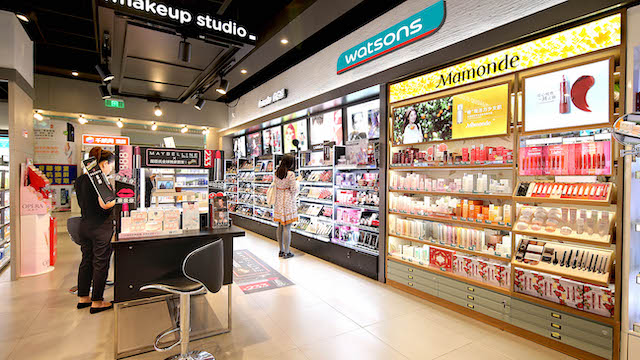
  • AS Watson says health-category sales rise 11 per cent

    AS Watson says health-category sales rise 11 per cent

    AS Watson Group saw its health-category sales increase 11 percent last year with 1 billion shoppers purchasing health products from the brand globally.

    The figures reflect a global uptick in the vitamins and supplements industry, which is growing at a rate of 12 percent year on year internationally.

    Shoppers for health products visit a Watson’s store 10 times per year on average, according to survey data released by the firm. Their spending is almost 80 percent higher than the general shoppers.

    “Vitamins and supplements have experienced the fastest growth of 12 percent,” said group COO Malina Ngai. “We care about our customers’ health, and this is the second Global Health Survey we have commissioned, with the aim to ensure we stay abreast of their needs in their lifestyle. We will look for product and service solutions worldwide for our customers who increasingly want more control of their health.”

    The firm also launched a strategic partnership with Prenetics last year to pioneer a personalized preventive digital healthcare solution through the launch of DNA home testing to focus on prevention instead of treatment, which has also boosted its health-category sales.

  • Vitamins Boost China, By Way of By-Health

    Vitamins Boost China, By Way of By-Health

    The corporate life of Liang Yunchao, 46-year-old chairman of By-health, ended symbolically early last year when he finally ceded his corner office to a colleague. In fact, he’d rarely been showing up for eight years. But the maker of dietary supplements, China’s largest in retail, remains very much his creation and run by his chosen lieutenants.

    “In a full year I probably don’t get to spend over seven days in the company,” Liang says in a hotel suite interview in Hong Kong, where on that day the Guangzhou resident’s business included art shopping. He says he keeps several Rodin sculptures in a warehouse there.

    This billionaire thinker is also a fast talker, and he says he needed to get his mind off day-to-day operations. “I don’t want company employees to feel like they are being watched,” he says. Besides, these days he needs two hours on average mornings for exercise to round out the healthy glow that his products promise.

    He is a marketing exemplar for By-health supplements like spirulina from blue-green algae and squalene, often from shark’s liver. (Liang plays down that line and says the killing of dogfish sharks, which he says aren’t endangered, is being capped.) Digestion, brainpower and other vital functions are said to improve with use.

    Liang Yunchao, founder and chairman of China’s By-health (credit: David Hartung for Forbes)

    Every one or two years Liang grooms a select crop of future corporate leaders, both men and women, by testing their stamina and team spirit in “wildlife training” boot camps, at nature’s mercy. His favorite destinations: Teklimakan Qumluqi , the world’s second-largest desert, in Xinjiang; the Tengger Desert in Inner Mongolia; and Antarctica.

    By-health’s top management includes four founders, among them Tang Hui, who is in charge of the flagship By-health brand, and Liang Shuisheng, who is building up a mobile Web services unit to seize on China’s expanding health consciousness. The executives meet for a monthly collective decision-making session, from which Liang also excuses himself even though he holds 49% of the stock, his net worth pushing $3 billion.

    The founder’s absence has proven to be the company’s gain: Revenue leaped at a compounded-yearly growth rate averaging 38%, and profit grew 40% over the last five years, even as China’s appetite for supplements began to taper. In 2014 By-health reported 1.7 billion yuan ($277 million) in revenue and 503 million yuan ($82 million) in profit, as it led in retail market share (over-the-counter pharmacies excluded) with nearly a third, more than the next four competitors combined. Its retail network reaches 40,000 outlets, up more than fourfold from 2010, and most of its distributors are tied to exclusivity clauses.

    A bout of ingredient scandals dented the overall industry, culminating in 2012 when China-made blue-green algae supplements and soft capsules were found to be laced with heavy metals. But a policy that Liang instituted in 2004 to orient By-health toward foreign suppliers proved propitious.

    From zero, the ratio of non-Chinese ingredients rose past 50% by the time of the company’s listing on the second board in Shenzhen in December 2010 and is now more than 70% (from 19 countries). That does not include what comes under foreign cover. Soft capsules, for instance, are from a China factory of France’s Rousselot.

    When the blue-green algae supplement scandal broke early in 2012, the company was not implicated but swiftly replaced its Chinese supplier with California’s Earthrise Nutritionals.

    “This is one of the reasons why we could become what we are today, giving us a unique competitive edge,” Liang says. “We knew our brand-name history was short. Our brand-name recognition was not as high as global brands such as GNC.

    Foreign purchasing is more costly, sometimes by three or more times, but Chinese consumers are willing to pay. Its remaining major source inside China is nongenetically engineered soybeans grown in the northeast. Globally, “
    these non-GMO soybeans are difficult to find,” Liang explains. Soy protein blend is a line By-health particularly dominates.

    Next up for By-health may be its own offshore organic farms and buying foreign brands. For supplements, “it all depends on the quality of raw materials, the quality of the soil. It’s not as complicated as drugs and medicines,” Liang says.

    To underscore the integrity of its manufacturing, By-health in 2012 opened see-through assembly lines at its massive production center at Zhuhai, Guangdong Province. Three plants there will be joined by a fourth, the biggest yet, around year’s end.

    Visitors can peer through windows at bags of foreign ingredients stored neatly on shelves by their country of origin. Soft gels roll out from automatic trays at a speed of 160,000 capsules per hour. The equipment also is largely foreign-made. The company says 20,000 people a year come to watch–500 were being received on the day FORBES ASIA was in town.

    “We plan to make the production process available in real time on the website, so customers in a retail outlet can see it,” says Liang.

    In October the Chinese government is instituting tighter standards for new product approvals even as it loosens the constraints on previously cleared lines. This will largely spare By-health, even as it hits foreign entrants into retail like GNC and NBTY, which have registered only a relatively few of their extensive offerings from the U.S.

    Before By-health emerged in 2002, there was Amway, the American multilevel marketer that introduced dietary supplements–as distinct from traditional extracts–to China back in 1998. Direct selling is still the main source of China’s supplements trade–about 70% (China is Amway’s top market). But that’s not a business Liang, with his retail model, says he wants to re-create: “Its genes are entirely different from ours.”

    Liang, who’d previously been active in traditional remedies, got interested in America’s appetite for supplements in 2001 during visits to the U.S. as his wife sought a degree in information technology. Walking through supermarket aisles stuffed with colorful bottles of vitamins and minerals, he figured this would work in China, too.

    The product-integrity efforts are also applied to retail: A global tracking system will soon allow registered consumers to track the origin of ingredients. For distributors, retailers and business partners, a second layer of database-tracking would show scans of official documents and papers, import certificates and government approvals, all the way back to suppliers.

    Like many in retail, By-health’s future may lie in China’s booming e-commerce. The new mobile Web health services unit, formed with an alumnus of Alibaba Group’s Ali Health, will work with outside nutritionists, health clinics and soon hospitals.

    “We don’t want to just sell products; we want to meet clients’ needs, cater to their diets and their exercise habits, to help and guide them on the use of supplements,” says Liang. One example: supplements to help pregnant women who have diabetes problems lower their blood sugar without medications.

    Whatever the channel, there’s an undying interest in whatever might be the fount of youthful vigor. Soon By-health will be featuring a new line named Seven Dwarfs–seven multiple-vitamin combinations tailored for different age groups. Enthuses Liang, “The market is getting closer–and indeed very close–to what is popular in North America.”