Tag: vitro

  • DCPH Upgrades Philippine Data Centers to Support Executive Order 119

    DCPH Upgrades Philippine Data Centers to Support Executive Order 119

    In September 2026, member operators in the Data Center Operators of the Philippines alliance began accelerating infrastructure upgrades to support domestic digital resilience.

    Local facilities are moving from single-digit kilowatt densities toward higher-density, AI-ready configurations to support mobile banking, telecommunications, e-commerce platforms, and government services.

    Colocation Model vs Massive Training Campuses

    Domestic operators in the Data Center Operators of the Philippines are investing in enterprise colocation instead of multigigawatt training hubs. Their sites serve commercial banks, retail platforms, telecommunications routing, and public sector administrative portals. These clients require local compute capacity rather than hyperscale training estates.

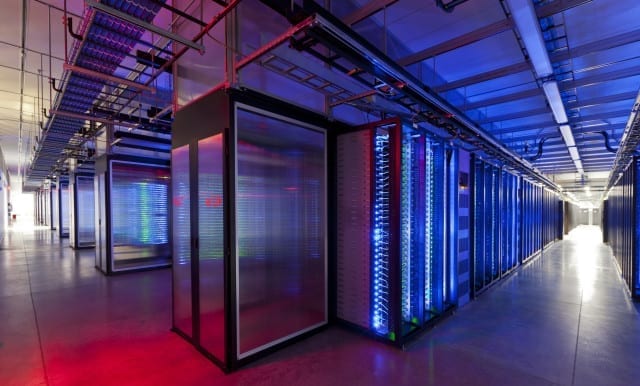
    The buildout focuses on multitenant sites in business hubs and industrial zones. Active operators include AFlow, Digital Halo, Digital Edge, ST Telemedia Global Data Centres, VITRO, and YCO Cloud.

    Upgraded Power and Cooling Infrastructure

    Server racks now pull more power per square meter, changing engineering requirements inside local halls. Operators are installing closed-loop chilled water cooling systems. These systems recirculate water internally to curb intake and ease municipal utility pressure.

    Power delivery bypasses residential distribution lines entirely. Commercial facilities buy electricity through Retail Electricity Suppliers under national retail competition rules. They connect directly to subtransmission voltage lines to keep heavy industrial loads off household networks.

    Sovereignty Mandates Drive Local Compute

    State policy is accelerating colocation adoption across Manila and adjacent provinces. Executive Order No. 119 mandates that restricted-access government records remain within national borders. Public agencies and affiliated vendors must now contract local data halls.

    Keeping workloads onshore cuts transit latency, prevents foreign exchange exposure, and satisfies financial regulatory standards. Colocation providers offering high power density in existing footprints will secure the largest share of this sovereign traffic.

    Expansion Along Luzon Industrial Corridors

    Data center construction previously concentrated in central business districts like Makati and Taguig. Grid congestion and tight real estate markets have since pushed new projects into Laguna, Cavite, and Batangas.

    Moving outward places compute capacity closer to regional logistics hubs and manufacturing plants. It also gives operators larger plots with direct subtransmission access.

    Attention now turns to delivery schedules for multi-tenant builds breaking ground across Greater Manila, alongside upcoming state compliance audits under Executive Order 119.
  • PLDT opens Philippines’ biggest data center

    PLDT opens Philippines’ biggest data center

    Philippine service provider PLDT has opened the country’s biggest data center at major business district Makati City.

    The new facility has been built to serve a wide range of organizations, particularly those handling vital data such as banks, business process outsourcing (BPO) firms, IT and content providers and government institutions.

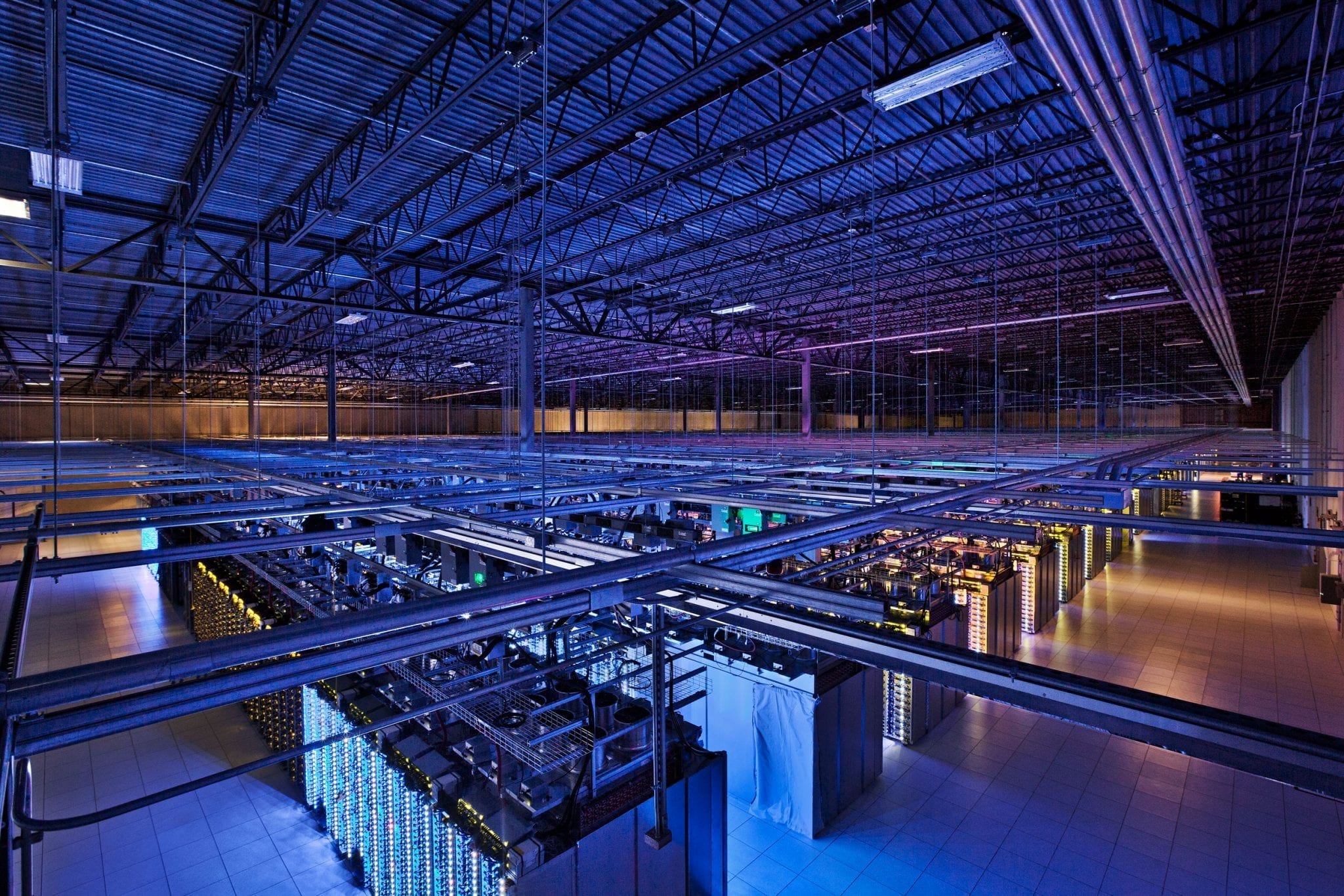
    Set up by PLDT subsidiary ePLDT, the newest VITRO Data Center sits on a nearly two-hectare property with 3,600-rack capacity. It is equipped with systems and facilities to guarantee continuous operations, ensuring that businesses can utilize robust and scalable digital infrastructure, as well as world-class 24/7 technical support capabilities.

    “PLDT is investing heavily in our VITRO data centers as we believe that these facilities are one of the basic building blocks of the country’s digital economy. This data center will be a vital resource for companies as they ramp up their own digital services,” said PLDT Chairman and CEO Manuel V. Pangilinan.

    The new earthquake-resistant, purpose-built data center in Makati is built on solid ground without seismic faults within its proximity. In addition, special architectural techniques and materials planning were implemented to provide the data center with fire-rated concrete walls and flood-protected design.

    As a result, VITRO Makati is rated to withstand earthquakes up to intensity eight in the Richter scale. The data center is also compliant with global design standards.

    “’PLDT recognizes how vital it is for enterprises to ensure stable operations despite changes in the external environment. The need for scalable and secure hosting facilities to house and manage critical platforms is also growing in importance as the enterprise becomes more data-driven as a result of continuous digital transformation initiatives,” said PLDT executive vice president and ePLDT president and CEO Eric R. Alberto.

    To address the growing concern over digital security, VITRO Makati offers one of the most secure and impenetrable structures in the Philippines with an eight-layer security design, guaranteeing that data and applications will always be protected.

    Each major component of the facility is configured with redundant counterparts in place that seamlessly operate to anticipate adverse events, including power generators and  Uninterrupted Power Supply (UPS) units, among others.

    As part of the VITRO network of data centers, VITRO Makati also serves as a carrier-neutral Internet Exchange facility that provides numerous IP peering services, enabling access to local and international content.

    VITRO Makati is also a Nexcenter-certified facility, allowing its clients to use globally standardized Nexcenter services of world leader NTT Com at some 140 locations in 84 cities of 19 countries, in addition to NTT Com’s Arcstar Universal One private-network service, which is already available in the Philippines and which is largely used by the country’s BPO industry.

    “As the world becomes even more digitally connected, Filipino enterprises must leverage on new technologies to ensure the security and resilience of their operations. PLDT’s digital platforms can enable enterprises to take advantage of disruptive technologies, secure their operations, and promote growth in their businesses,” said Alberto.

    The PLDT Group now operates seven data centers all over the country with a total rack capacity of nearly 7,000 to serve the needs of small, medium, and large enterprises across various industries, including banking, financial services, outsourcing, telecoms, and gaming.